Hello, friends! Today, when we’re all hopelessly tired of screens, Zoom calls, endless news feeds, and concrete jungles, our brains constantly crave some kind of visual relief, something real, alive, and so beautiful that it takes our breath away. And if you’re looking for a place right now where you can press pause and simply dissolve in pure, concentrated beauty, then we need to talk about Keukenhof.
Yes, that legendary park in the small Dutch town of Lisse. You’ve probably seen those crazy photos on social media feeds: endless rivers of tulips, perfect lawns, ancient windmills, and people with absolutely happy, slightly ecstatic expressions. But it’s one thing to scroll through pictures on a smartphone, and quite another to be there in person. Especially today, when the opportunity to travel and see the world in all its splendor is more valuable than ever.
Let’s dive into this floral magic and discover why the Garden of Europe (as it is rightly called) captivates millions of tourists every year from all corners of our planet, from Europe to Asia and America.
A little history, but not boring
Interestingly, Keukenhof didn’t begin as a tourist attraction. It was once a hunting ground, and later— The gardens for the castle’s kitchen (in fact, the name “Keukenhof” translates as “kitchen courtyard”). It wasn’t until the mid-20th century that the grounds were transformed into a flower exhibition.
Much has changed since then, but the idea remains the same: to show the world what Dutch flower growers are capable of. And judging by the number of visitors (hundreds of thousands each season), they’re doing a great job.
Seven Million Reasons to Forget About Everything
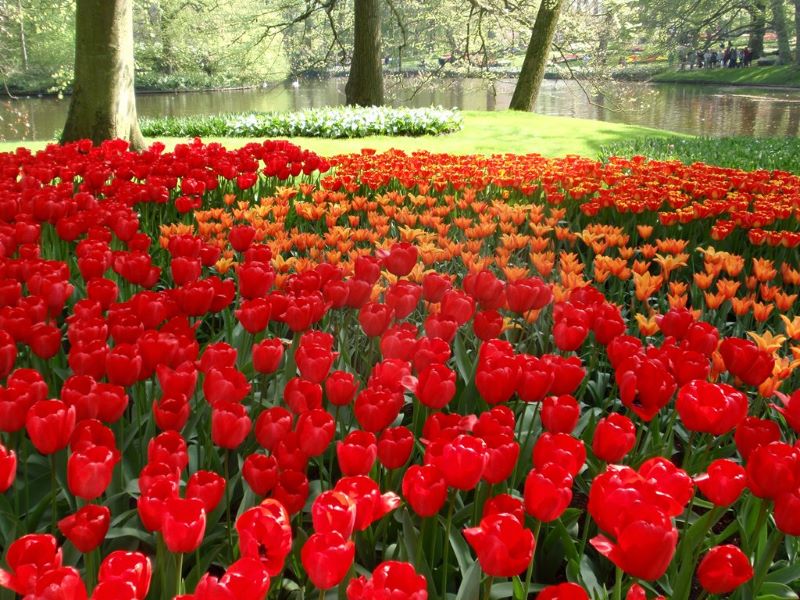
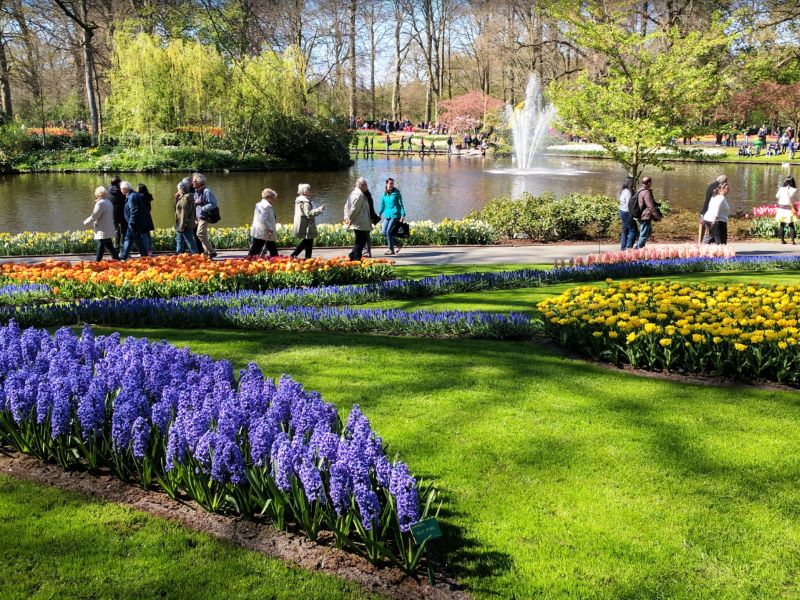
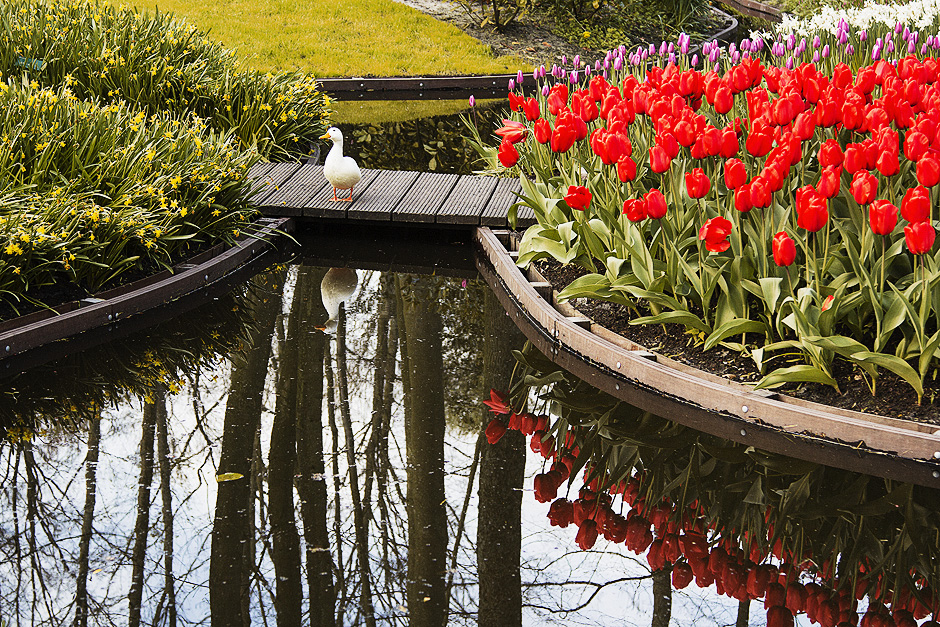
Imagine a number: seven million. That’s how many flower bulbs the park’s gardeners hand-plant each fall. And this isn’t just a haphazard planting. This is true architecture, a landscape painting where living plants are used instead of paint. Tulips, hyacinths, daffodils, crocuses, orchids—the palette is so rich that it seems as if nature decided to crank up the saturation slider to the max.
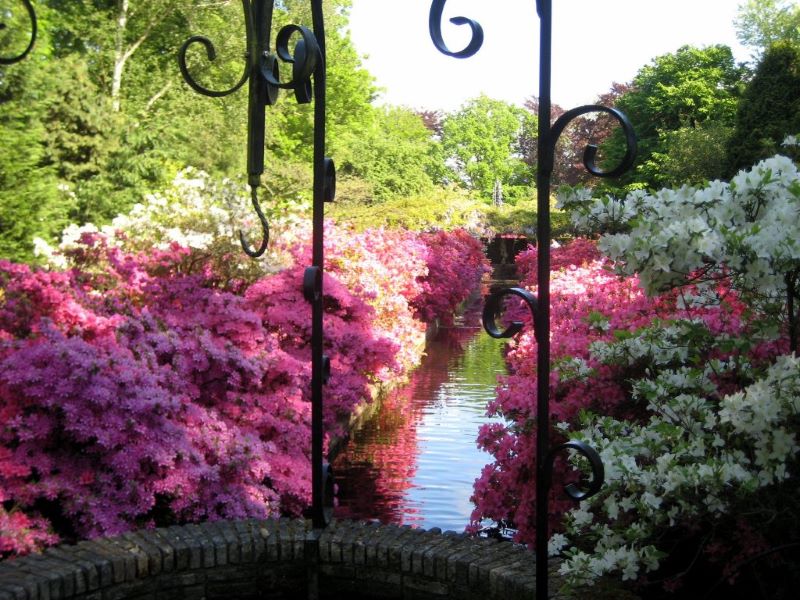
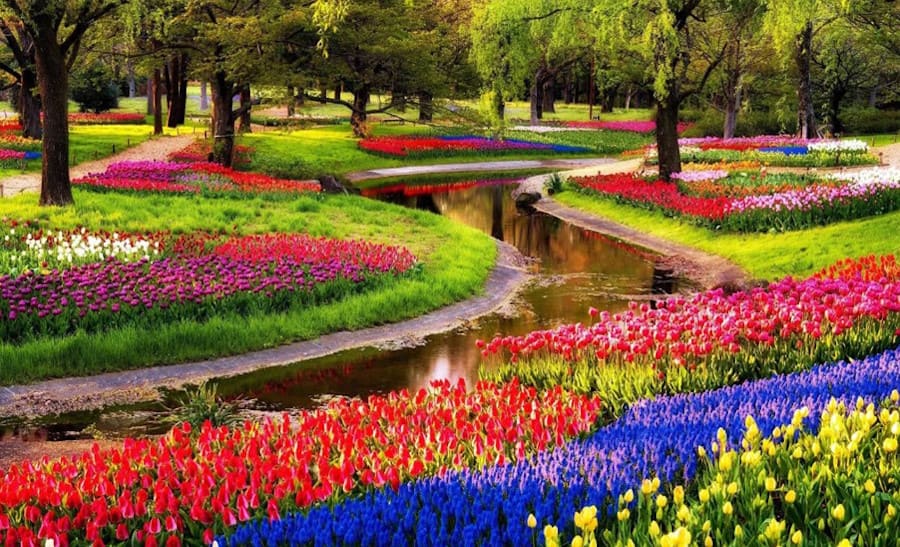
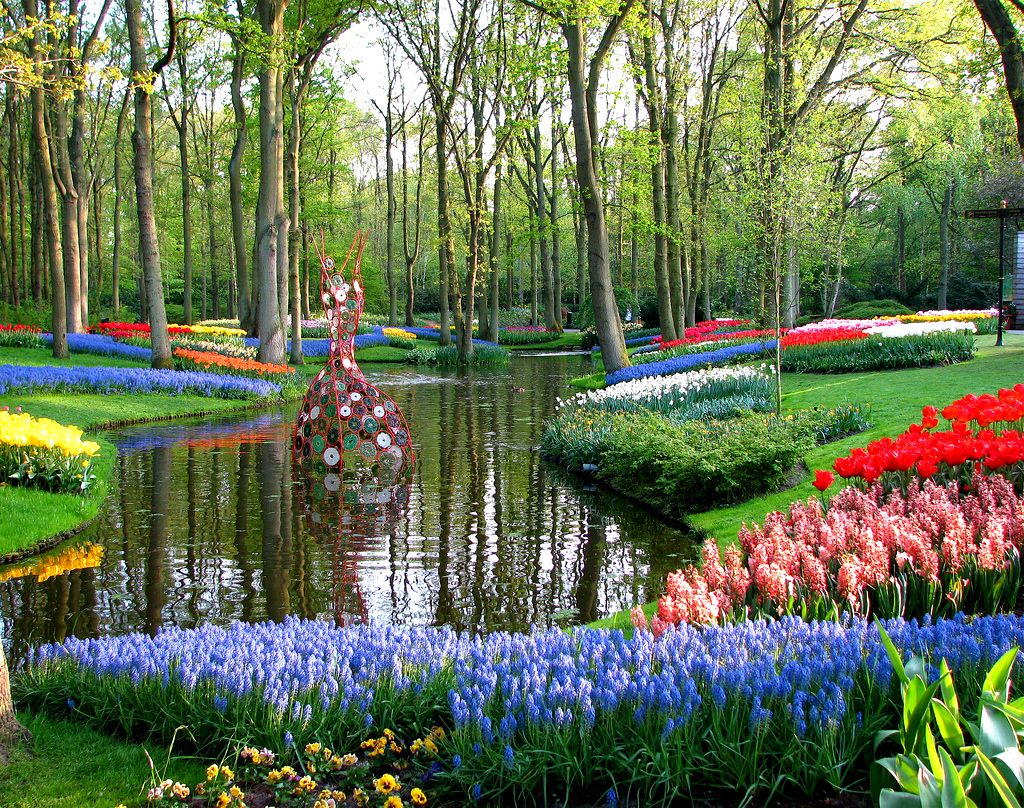
When you first enter Keukenhof, your first reaction is usually a slight shock. The air is literally thick with aromas. The sweet, fresh, slightly tart scent of hyacinths mingles with the spring breeze blowing in from the North Sea. You walk along winding paths (and there are a whopping 15 kilometers of them!), and around every turn a new, absolutely fantastic view opens up. Here is a river of blue muscari, along whose banks bright red tulips “grow.” And here’s a secret garden, where varieties have blossomed that look more like exotic birds than familiar flowers.
And the most amazing thing is that the park’s design changes every year. The gardeners come up with new themes, new patterns. So, even if you were there five years ago, you’ll arrive in a completely different place now. This is art that abhors stagnation.
Art that lasts only a couple of months
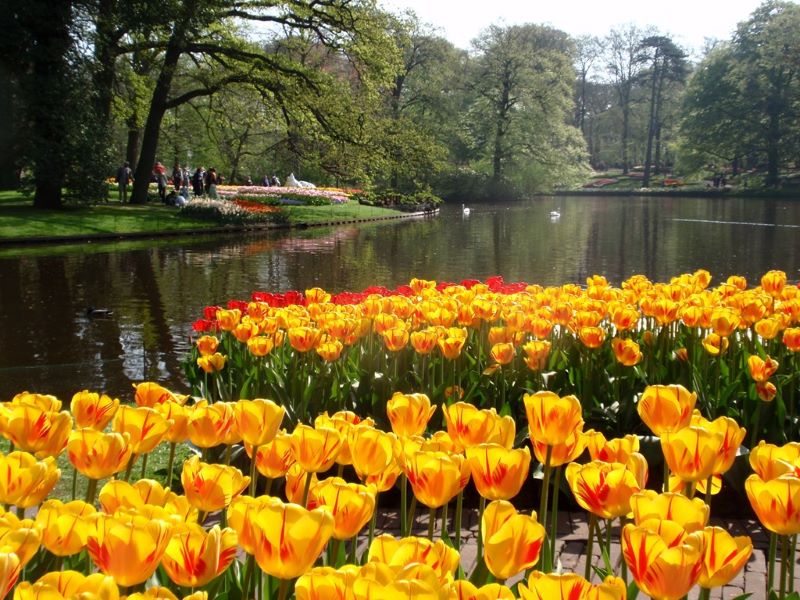
What’s the main intrigue and exclusivity of Keukenhof? Its ephemerality. The park is open for only about eight weeks a year—usually from the twenties of March to mid-May. That’s all. The rest of the time, it’s simply a beautiful area, but closed to the public.
That’s why there’s such a crazy rush to come here. Spring in Europe is a time of awakening, and Keukenhof becomes the epicenter of this process. People plan trips six months in advance, booking hotels in Amsterdam, The Hague, or Leiden, just to catch this fleeting moment of bloom. In today’s reality, when everything changes at the speed of light, there’s something infinitely reassuring in the knowledge that spring will come, and the tulips will bloom. It’s a constant of beauty that gives hope and energizes.
Of course, nature is a capricious lady. No one can tell you exactly when the peak bloom will occur. If the winter was warm, the flowers may bloom earlier. If the spring was cool, they will wait for the sun. But the park’s management knows their stuff: they select the varieties so that visitors have something to see on any given day of Keukenhof’s operation. Late varieties replace early ones, and the celebration continues.
Instagram Mecca or a Place for a Deep Recharge?
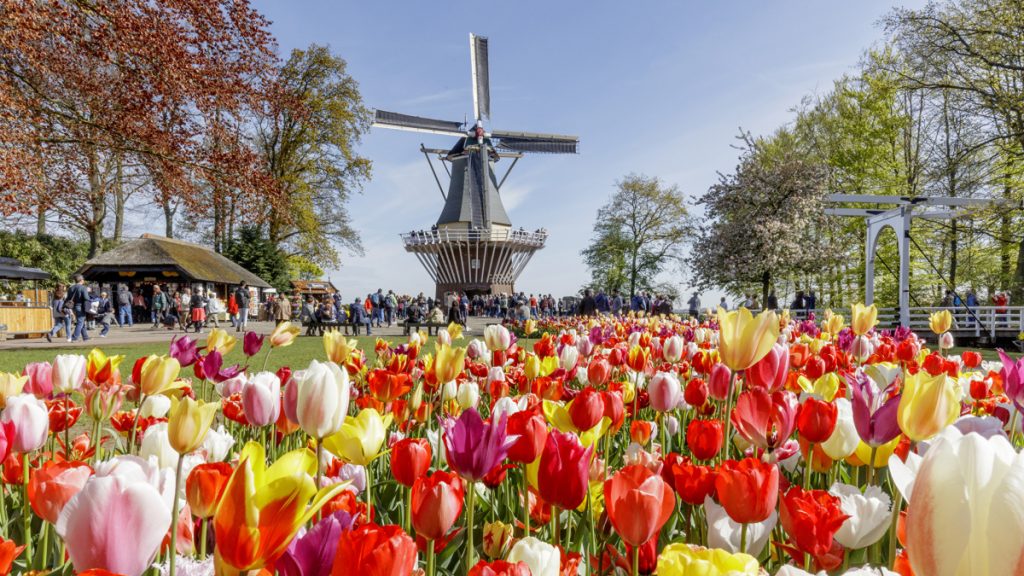
We live in the age of content, and it’s foolish to deny that Keukenhof is perhaps one of the most photogenic places on Earth. Millions of bloggers, photographers, and just plain people selfie lovers flock here in search of the perfect shot. Girls in flowing dresses, couples against a backdrop of historic windmills, children running through labyrinths—all part of the park’s modern atmosphere.
But does this mean the soul of this place is lost behind the camera lenses? Not at all! If you put your phone away for even half an hour, you’ll feel true magic. Find a quiet bench by the swan pond. Listen to the birds sing. Watch the sunlight play on the petals of rare fringed tulips, making them look like precious stones.
The park has several enormous pavilions. For example, the Willem-Alexander Pavilion, where hundreds of tulip varieties are collected, or the Beatrix Pavilion, which is being transformed into the largest orchid exhibition in Europe. You can wander there for hours, simply admiring the bizarre forms created by nature in collaboration with talented plant breeders. This isn’t just a photo backdrop; it’s an open-air botanical museum, where every exhibit breathes and lives.
Bicycles, windmills, and endless fields all around
If you think the fairytale ends within the park’s fence, you’re sorely mistaken. Lisse and the entire surrounding region (the so-called “Dune and Bulb Region”) are… This is the true heart of the Dutch flower industry.
The coolest thing you can do when you arrive at Keukenhof is rent a classic Dutch bicycle right at the park entrance and go for a spin around the area. You ride through the gates and find yourself in a geometric landscape of color. The fields are divided into perfect rectangles: here a strip of bright yellow, then deep purple, then soft pink. They stretch to the horizon, blending with the gray European spring sky.
Just imagine: you’re pedaling, the wind in your hair, no traffic jams, no high-rises around—just farmhouses, ancient windmills, and millions of flowers. This is that postcard Europe that seems almost unreal today, but it exists, and it’s completely accessible.
How to Plan a Trip Today: Life Hacks for Modern Travelers
So, you’ve been inspired and decided you urgently need to go to Lisse this spring. How can you ensure your trip goes perfectly and doesn’t turn into a chore of standing in lines?
First, forget about buying tickets on site. Everything is done online these days. Buy tickets on the official website in advance, preferably a month or two. You can also pay for parking there or buy a combo ticket that includes travel on the special Keukenhof Express bus. These buses depart directly from Schiphol Airport, Amsterdam, Haarlem, or Leiden. It’s super convenient: fly in, hop on a colorful bus, and in half an hour you’re in a flower paradise.
Secondly, choose the right time. Keukenhof welcomes a huge crowd of people from all over Europe, the US, Latin America, and Asia. If you arrive on Saturday around midday, you’ll be walking through a dense crowd. Want to enjoy the park in relative peace? Arrive just before opening (usually 8 AM) or later in the evening, after 4 PM, when the organized tour groups board their buses and depart. Morning light, by the way, is perfect for those very photos, and the evening sunset makes the park incredibly romantic.
And thirdly, don’t rush. Keukenhof is not a place you just pop in for an hour. Allow at least half a day for your visit. Take a stroll, snack on traditional Dutch herring or hot stroopwafels (yes, there’s local street food there too!), and sit on the grass in the picnic area.
Why We All Need Keukenhof
In today’s fast-paced world, where trends change daily and technology replaces face-to-face communication, places like Keukenhof become true anchors of normality and beauty. They are a reminder of how beautiful our planet is.
A trip to Lisse is more than just a checkmark on a traveler’s bucket list. It’s a therapy of color, scent, and fresh air. It’s a chance to see with your own eyes what generations of Dutch gardeners have created. So, if you’re wondering where to go next spring, don’t hesitate to open a map of the Netherlands. Keukenhof awaits, ready to give you memories that will warm your soul for years to come. Pack your bags, get your comfortable shoes ready, and prepare to be amazed, because the reality here exceeds even your wildest expectations!