Hello! So, dreaming of France? It’s a country that beckons, captivates, and inspires millions of travelers from all over the world. And if you’re going there for the first time, congratulations – an incredible adventure awaits you! Forget everything you knew or thought about it before, because France is not just the Eiffel Tower and croissants.
It’s a whole world that can surprise even the most sophisticated. Get ready for a long and fascinating immersion, because I will try to tell you everything that might be useful and interesting for your first acquaintance with this amazing country.
Welcome to France: a Country of Dreams and History
France… The very word evokes a kaleidoscope of images: romantic walks in Paris, lavender fields of Provence, majestic castles of the Loire, snowy peaks of the Alps, elegant wines of Bordeaux and Burgundy… But France is not just pictures from guidebooks. It is a living history, culture, and tradition that have been formed over millennia.
Imagine: once, Celtic tribes, known as Gauls, lived here. Then came the Romans, who brought with them their roads, cities, laws, and, of course, vineyards. It was then, in the times of Gaul, that many of the foundations of modern France were laid. After the fall of the Roman Empire, the Middle Ages came, full of knights, kings, the construction of cathedrals, and feudal wars.
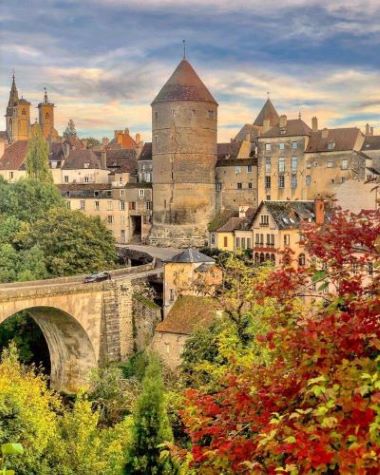
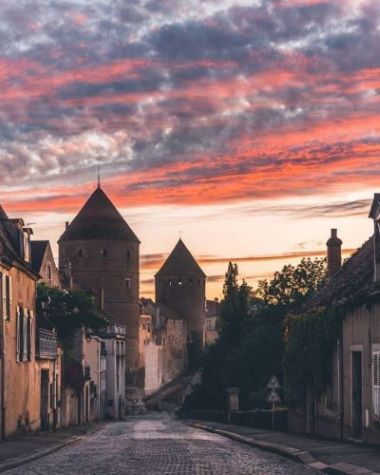
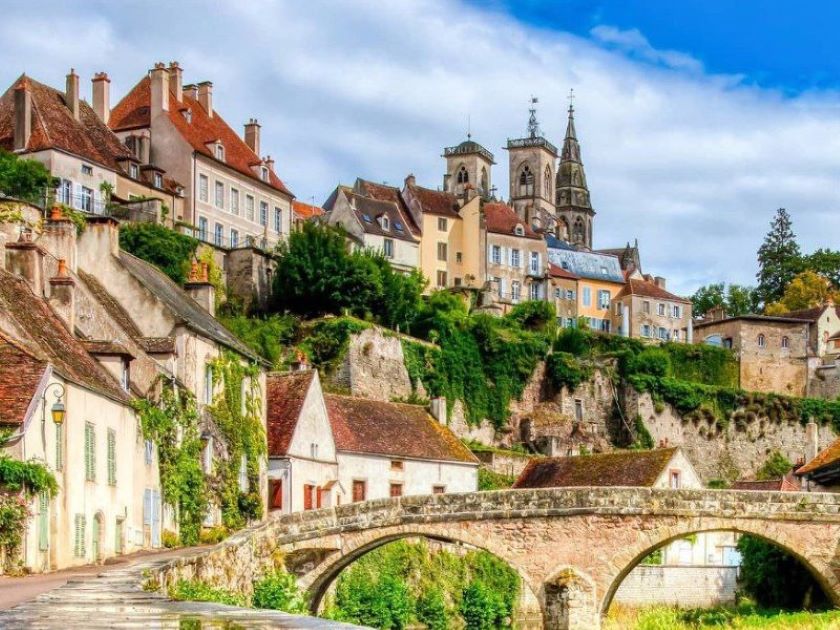
French monarchs, such as Louis XIV, built Versailles and made France one of the most powerful states in Europe. And then there was the French Revolution, which changed not only France but the entire world, giving us the concepts of freedom, equality, and fraternity. After this turbulent period, the country went through empires, restorations, world wars, and finally established itself as the modern Fifth Republic.
All this rich history has left its mark in every corner of the country, in every stone of an ancient pavement, in every museum and castle. And believe me, you can feel it!
Geography and Climate: from Alpine Peaks to the French Riviera
France is like a miniature continent in Western Europe. It borders a bunch of countries: Belgium, Luxembourg, Germany, Switzerland, Italy, Monaco, Andorra, Spain. And it also has two coasts: the Atlantic Ocean to the west and north, and the Mediterranean Sea to the south. This gives it an incredible variety of landscapes.
Imagine: in the southeast rise the majestic Alps with their snow-capped peaks, ideal for skiing. The highest point in Western Europe, Mont Blanc, is located here. In the southwest are the Pyrenees, a mountain range separating France from Spain. In the center of the country is the Massif Central, an ancient volcanic plateau with gentle hills and extinct volcanoes.
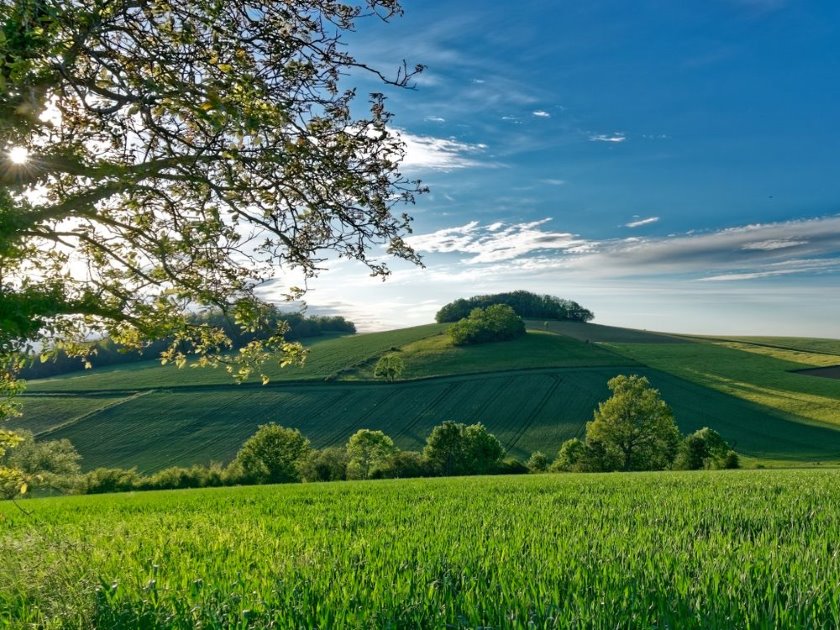
But France is not just mountains! There are vast plains, crossed by large rivers: the Seine (Paris), the Loire (castles!), the Rhône (south, the Mediterranean Sea), and the Garonne (Bordeaux). The northwest of the country is green hills and picturesque valleys. The coasts are also completely different: in the north and west – the harsh rocky coasts of Brittany and Normandy, sandy dunes and ocean expanses, and in the south, on the French Riviera (Côte d’Azur) – palm trees, azure water, bays, and luxurious resorts.
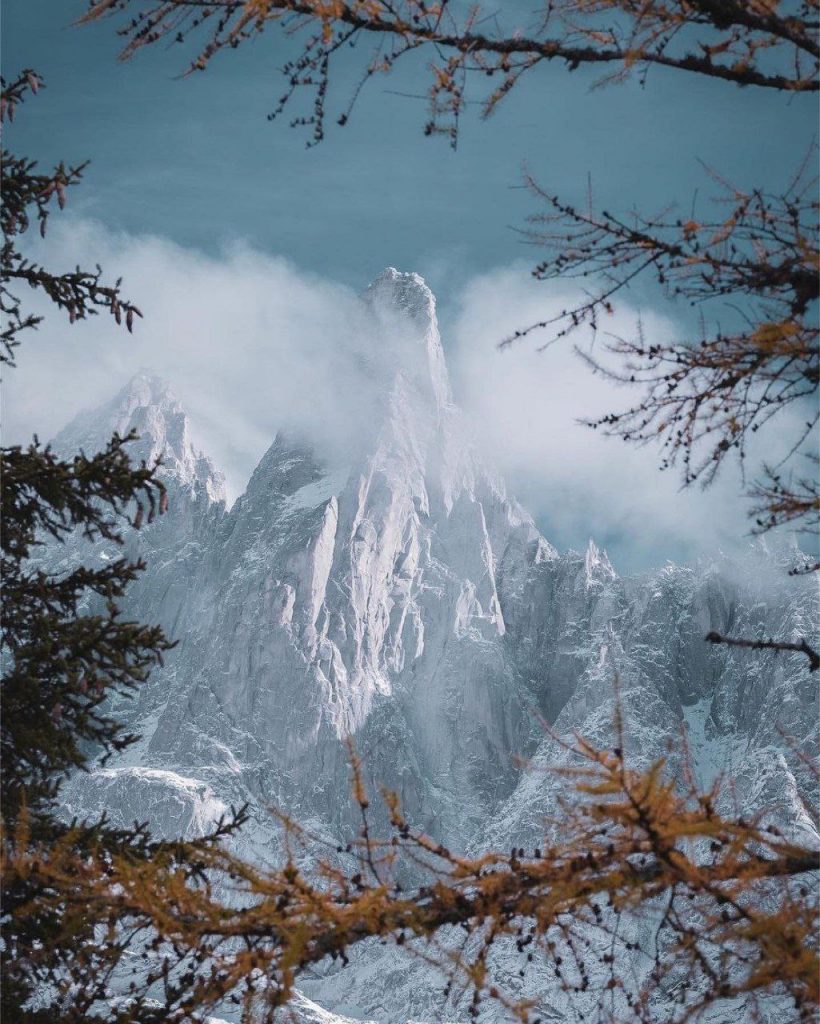
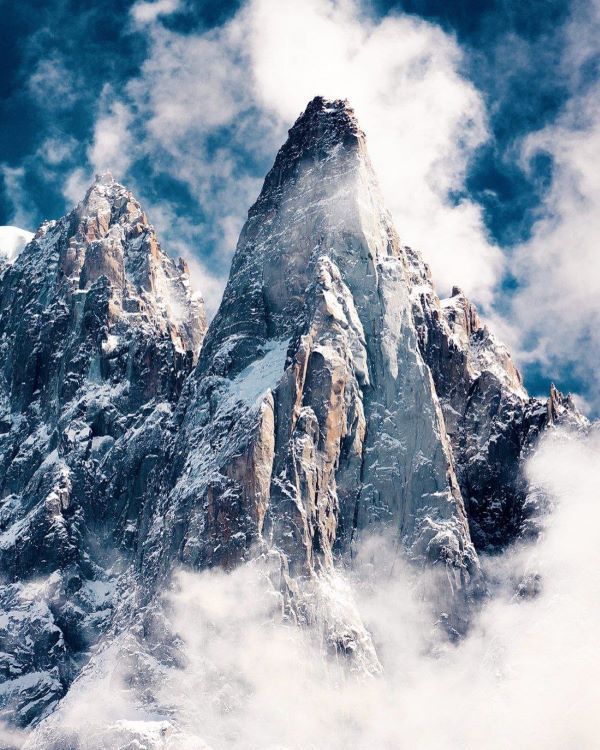
And there are also forests, steppes (in some parts of the Mediterranean), swamps (Camargue), vineyards that stretch as far as the eye can see. In short, you won’t be bored!
As for the climate, it, like the landscape, is very diverse. In general, it is temperate, but there are nuances that need to be taken into account:
- West and Northwest (Paris, Normandy, Brittany): Oceanic climate. Mild winter, cool summer. It often rains, especially in autumn and winter. In summer it can be quite cloudy, but without sweltering heat.
- East (Alsace, Burgundy): Continental climate. Hot summer and cold winter. Spring and autumn are comfortable, but you need to be prepared for temperature fluctuations.
- South (Mediterranean coast, Provence, French Riviera): Mediterranean climate. Hot, dry summer and mild, wet winter. This is the place where you can swim until October! But be prepared for the mistral – a cold and strong wind that blows from the mountains, especially in winter and spring.
- Mountains (Alps, Pyrenees, Massif Central): Mountain climate. Cold winters with snow and cool summers. Altitude plays a role – the higher, the colder.
Climate tip: If you go in the summer, take light clothing, but also something warm for the evening, especially if you are in the north or in the mountains. If in spring or autumn – dress in layers, as the weather can change during the day. And an umbrella – always a good idea, especially in Paris!
Political System, Capital, Religion, and Nuances
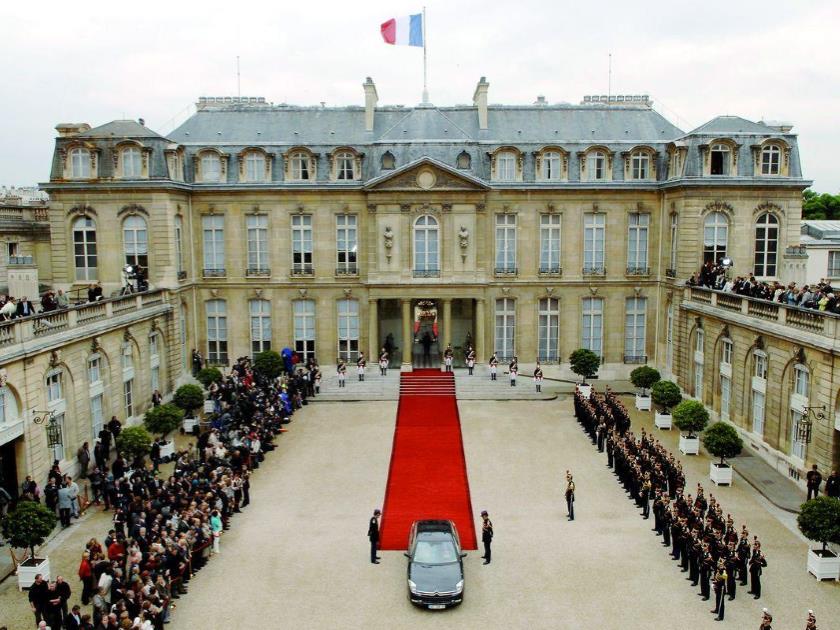
France is a unitary semi-presidential republic. What does that mean? There is a president who is elected for five years and has quite broad powers, and there is a prime minister who heads the government. In general, everything is quite stable and predictable.
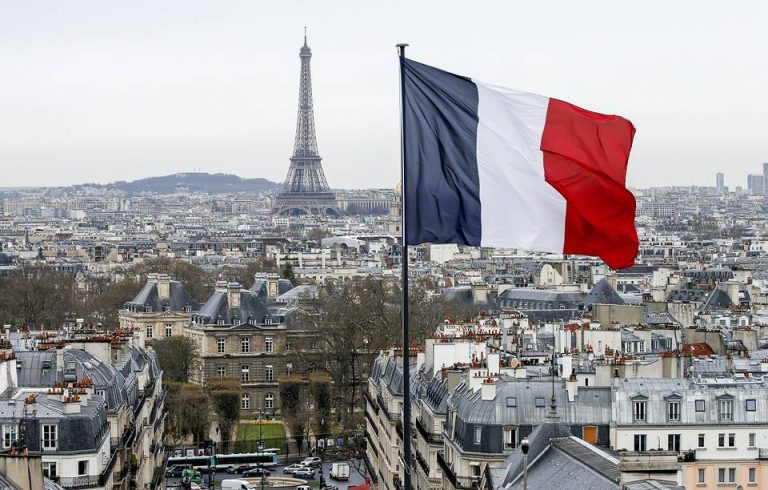
The capital, of course, is Paris, one of the most beautiful and visited cities in the world. It is not only the political and economic center but also the cultural heart of the country.
As for religion, France is officially a secular state (laïcité). This is a principle enshrined in the constitution, which means the separation of church from state and freedom of religion for all citizens. Historically, France was predominantly Catholic, and the influence of Catholicism is still felt in architecture (cathedrals!), holidays, and traditions.
However, today it is home to representatives of various faiths: Protestants, Jews, Muslims, Buddhists, and, of course, many non-religious people. Be respectful of any manifestations of faith, but keep in mind that public displays of religious symbols in state institutions (schools, hospitals) are not welcome. For a tourist, this, in general, does not matter much, just be aware of this nuance of French society.
Population and Language: French Spirit and Nuances of Mentality
The population of France is about 68 million people. The indigenous population is, in fact, the French, formed from Gauls, Romans, Franks (Germanic tribes), and many other peoples who mixed on this land over the centuries.
France has always been a country where migrants flocked, and modern society is very diverse: it is home to people from all over the world, especially from the former French colonies in North Africa, West Africa, Indochina, as well as from Europe. This makes French culture so rich and multifaceted.
The official language is, of course, French. And here is a small but very important piece of advice: although in major tourist centers (Paris, the French Riviera) many, especially young people, speak English, especially in hotels, museums, and restaurants, it is highly desirable to learn at least a few basic phrases in French.
- “Bonjour” (good day) or “Bonsoir” (good evening) – this is mandatory when entering a store, cafe, when addressing someone. Without this, you may be perceived as an impolite person.
- “Merci” (thank you)
- “S’il vous plaît” (please)
- “Excusez-moi” (excuse me)
- “Parlez-vous anglais?” (do you speak English?)
- “Je ne parle pas français” (I don’t speak French)
- “Combien ça coûte?” (how much does it cost?)
Even if you pronounce them with a terrible accent, the French will appreciate it and will be much more inclined to help you. This shows respect for their language and culture. Remember that the French are very proud of their language.
As for the features of the national mentality that tourists should be aware of, here are a few important points:
- Politeness and formality: Greeting, saying goodbye, using “vous” (you) instead of “tu” (you) when addressing strangers or those you don’t know very well – this is very important. In a cafe, before sitting down at a table, wait to be seated or shown to a free space (especially in good restaurants).
- The art of living (Art de vivre): The French value quality of life, good food, wine, leisurely dinners, conversations, fashion, art. They don’t like to rush. Try to adopt this rhythm – enjoy the moment, don’t rush.
- Punctuality: Relatively. Being 5-10 minutes late for a personal meeting is normal, but not for a business meeting or a train/plane.
- Directness: Sometimes the French may seem a little harsh or direct in communication, but this is usually not malicious, but simply a feature of the communication style.
- Bureaucracy: Be prepared for some administrative procedures to take time. Don’t panic, just be patient.
- Culture and education: The French greatly value their culture, history, and education. Showing interest in their history or art is always a plus.
- Smoking: Although smoking indoors is prohibited, the French smoke a lot on the streets, on cafe terraces, and in designated areas. If you don’t smoke, choose places away from smokers.
Transport Infrastructure: Easy and Convenient to Get Around
France is a country with a very developed transport system, so getting around it is a pleasure.
Air Transport
The main international airports are Paris-Charles de Gaulle (CDG) and Paris-Orly (ORY). Both are well connected to the center of Paris by trains and buses. There are also major international airports in Nice, Lyon, Marseille, Toulouse, Bordeaux, Strasbourg. Domestic flights are common, but it is often faster and more environmentally friendly to use trains.
Railways
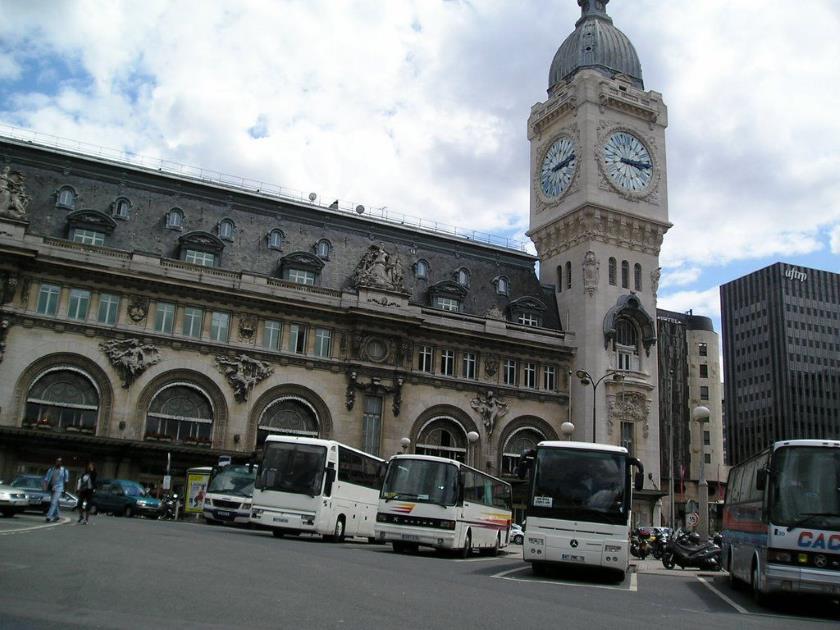
It’s the king of intercity travel in France! The network of high-speed trains TGV (Train à Grande Vitesse) allows you to get from Paris to anywhere in the country in a matter of hours. For example, from Paris to Marseille – about 3 hours, to Bordeaux – 2 hours, to Lyon – 2 hours. It’s very comfortable, punctual and allows you to admire the scenery. There are also regional trains TER (Transport Express Régional), which connect small towns and villages.
Tickets can be purchased online on the SNCF (French Railways) website or on international platforms such as Rail Europe, as well as at train stations. The earlier you buy, the cheaper!
Intercity Buses
Companies like FlixBus or BlaBlaCar Bus offer budget options for traveling between cities. Buses are often slower than trains, but they are cheaper, and their routes can cover places that the railway network doesn’t reach.
Highways
The French highway network (autoroutes) is excellent, but most of them are toll roads (péage). However, the roads are high-quality and the traffic is comfortable. Renting a car is a great idea if you want to explore the countryside, the Loire castles, or the wine regions at your own pace. Gasoline is quite expensive.
Urban Public Transport
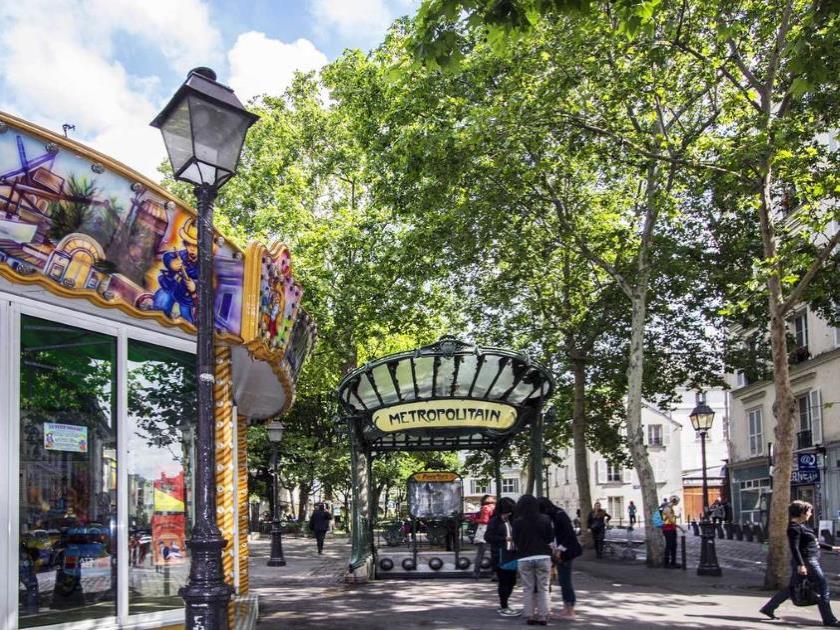
In major cities (especially in Paris), public transport is excellently developed. The Paris Metro is one of the oldest and most extensive systems in the world, very convenient and fast. There are also trams, buses and regional express trains (RER), connecting Paris with the suburbs and airports. Other cities also have good tram and bus networks. Tickets can be purchased at metro stations, in tobacco kiosks (tabac) or through mobile apps.
Taxis and Car Sharing
Taxis are everywhere, but they can be quite expensive. In Paris and other major cities, apps like Uber and Bolt operate, which are often more convenient and cheaper. And in France, BlaBlaCar is very popular – it’s a carpooling service (shared rides), where drivers offer seats in their car for a fee. This is a great way to save money and meet locals!
Airports and Train Stations
French airports and train stations are modern and well-organized. There are signs, information boards, cafes, and shops everywhere. Most major train stations have Wi-Fi.
The Most Important and Interesting Facts About the Country
- The most visited country in the world: France has held the first place in terms of the number of foreign tourists for many years. And this is not surprising!
- The largest country in Western Europe: By area.
- Birthplace of cinema: The Lumière brothers showed the first film in France.
- Country of cheese and wine: More than 1000 types of cheese are produced here (some say more than 1600!). And of course, France is a world leader in the production and export of wine.
- Gastronomy – a UNESCO heritage site: French cuisine is recognized as an intangible cultural heritage of humanity.
- High fashion: Paris is one of the world’s fashion capitals.
- Art and Philosophy: France has given the world countless great artists, writers, and philosophers.
- Kiss: The French kiss is, of course, the most obvious, but also kisses on the cheeks (la bise) are a standard greeting between friends and acquaintances.
- Baguette: A symbol of France. A real baguette should be crispy on the outside and soft on the inside.
- Song La Marseillaise: The national anthem of France, one of the most recognizable anthems in the world.
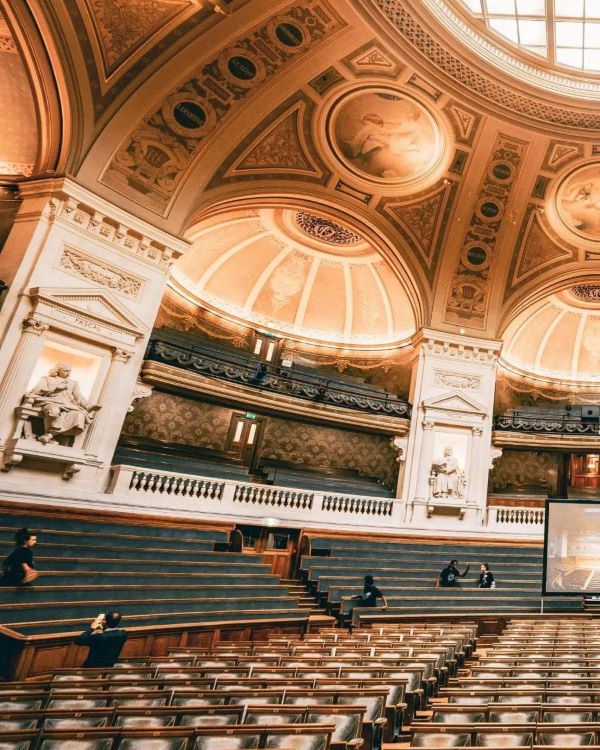
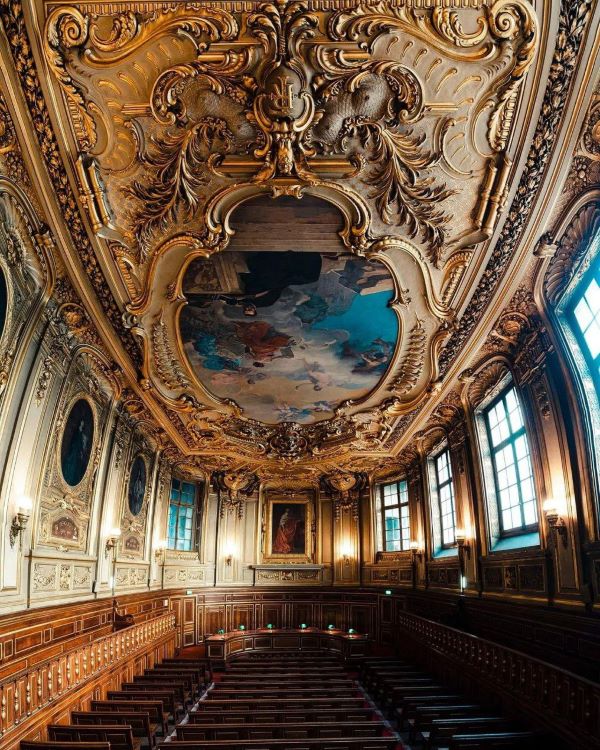
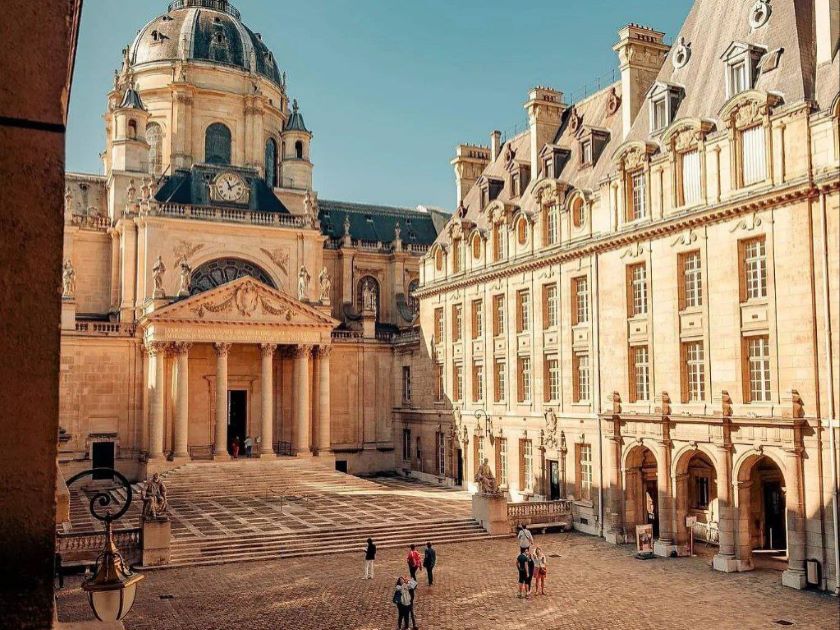
The Largest Cities and Popular Tourist Destinations
Of course, you should start your acquaintance with France with its jewel:
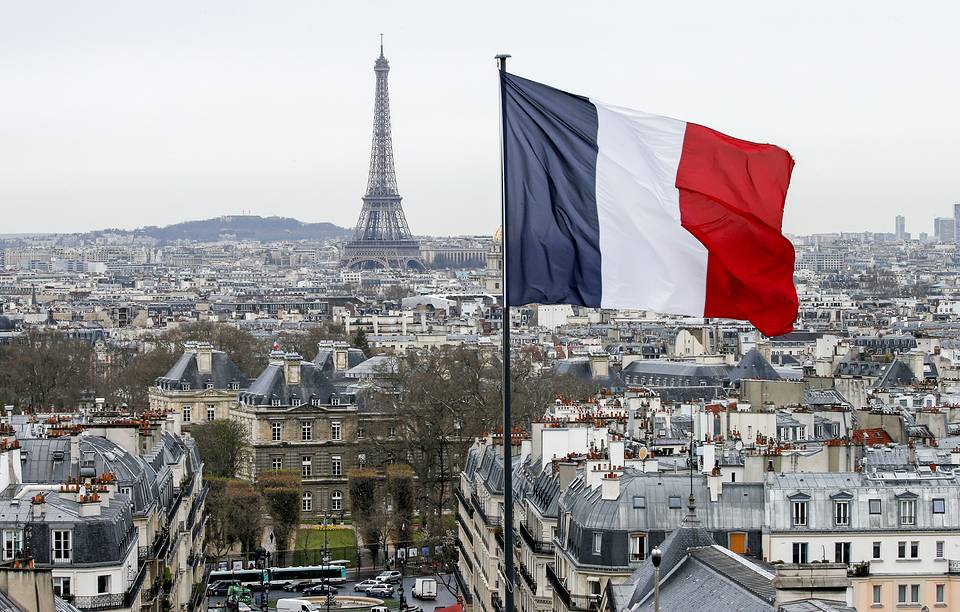
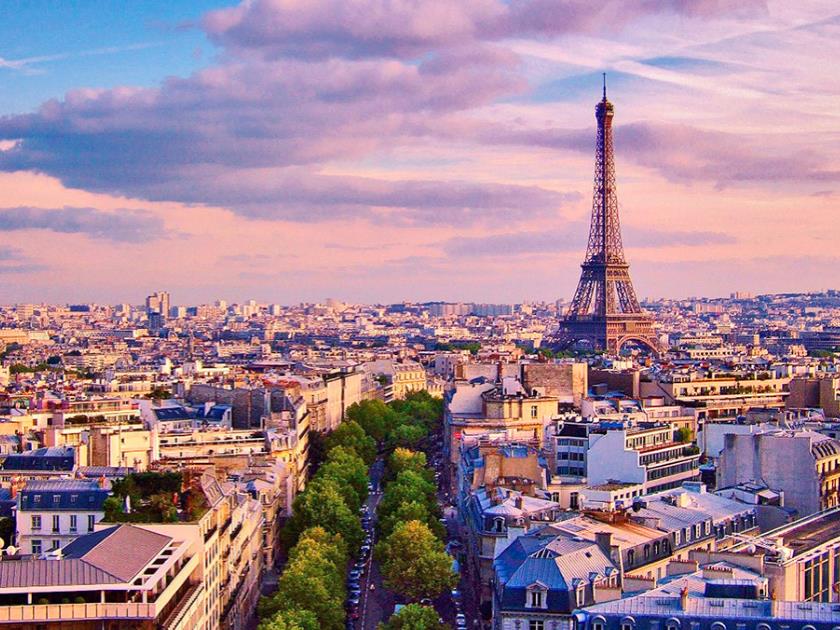
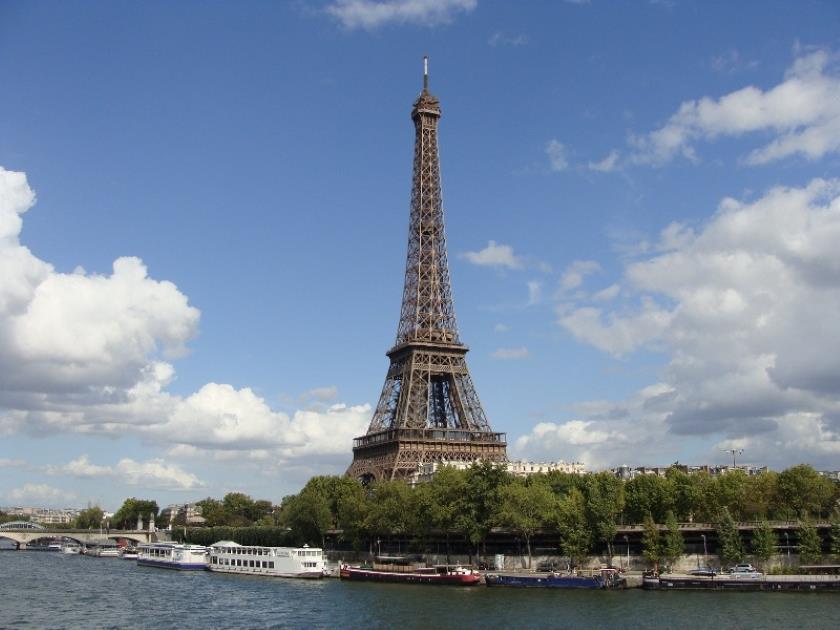
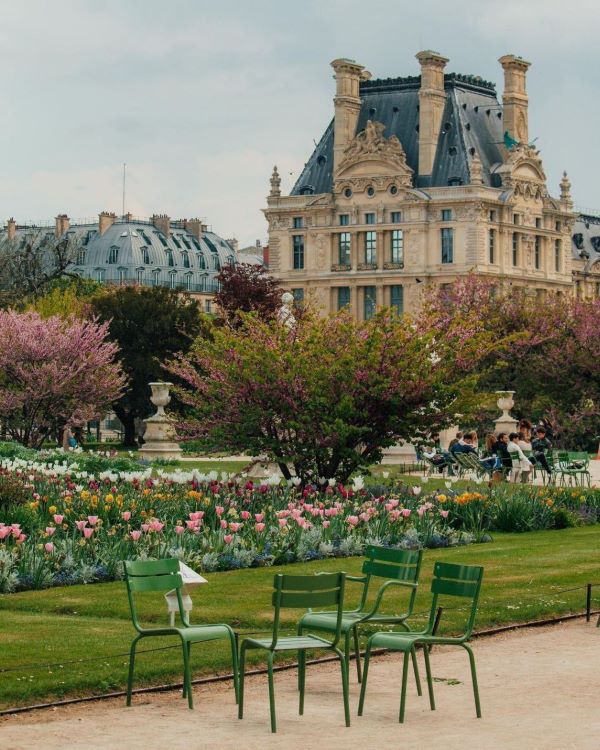
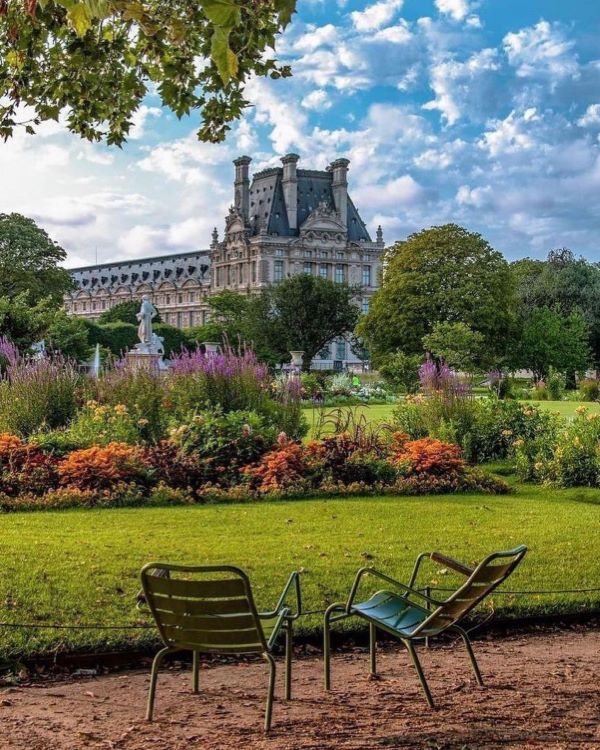
Paris: The city of light, love and fashion. Here you will find everything: the Eiffel Tower, the Louvre, Notre-Dame (being restored, but still impressive), the Champs-Élysées, Montmartre with Sacré-Cœur, the Seine, countless museums, galleries and, of course, thousands of cozy cafes and restaurants. A minimum of 3-4 days, or better a week, to at least feel its atmosphere.
But France is much more than Paris! Here are other cities and regions to visit:
- Lyon: The gastronomic capital of France. The Old Town of Lyon (Vieux Lyon) is a UNESCO World Heritage Site. Be sure to try “bouchons lyonnais” – traditional Lyonnaise restaurants.
- Marseille: The largest port in France, a city with a vibrant Mediterranean character, the Old Port, the Notre-Dame de la Garde basilica and an atmosphere unlike any other.
- Nice: The heart of the French Riviera. Promenade des Anglais, beautiful beaches, old town, museums. An excellent base for exploring the region.
- Bordeaux: The world capital of wine! Here you can not only taste exquisite wines, but also admire the beautiful 18th century architecture and visit the “City of Wine” (Cité du Vin).
- Toulouse: The “Pink City” in the south of France, with beautiful architecture made of red brick. The center of the French aerospace industry.
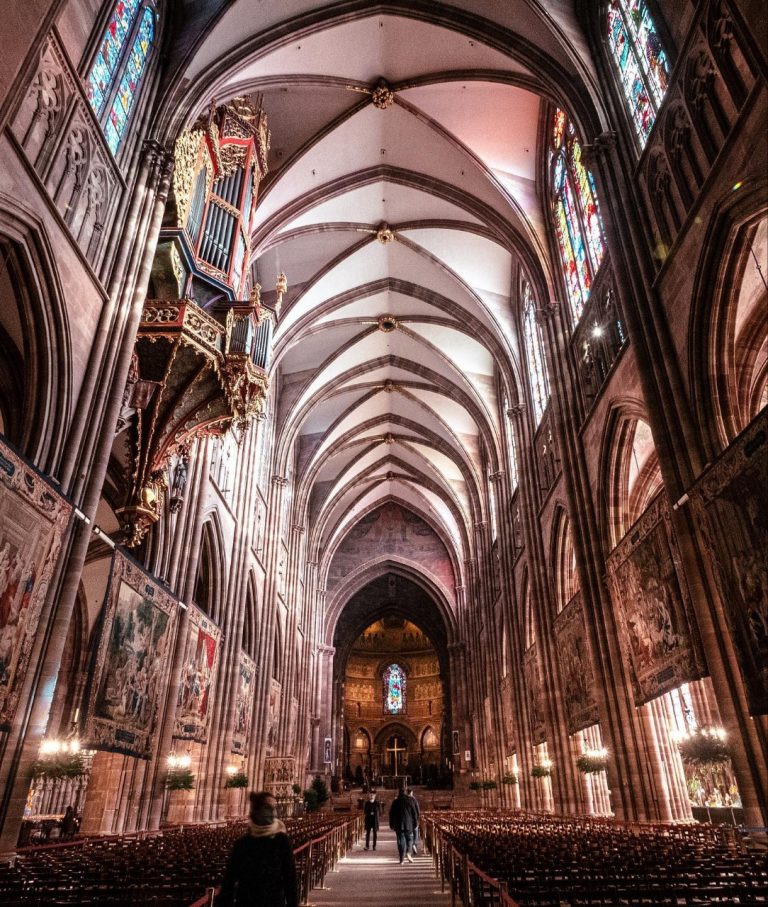
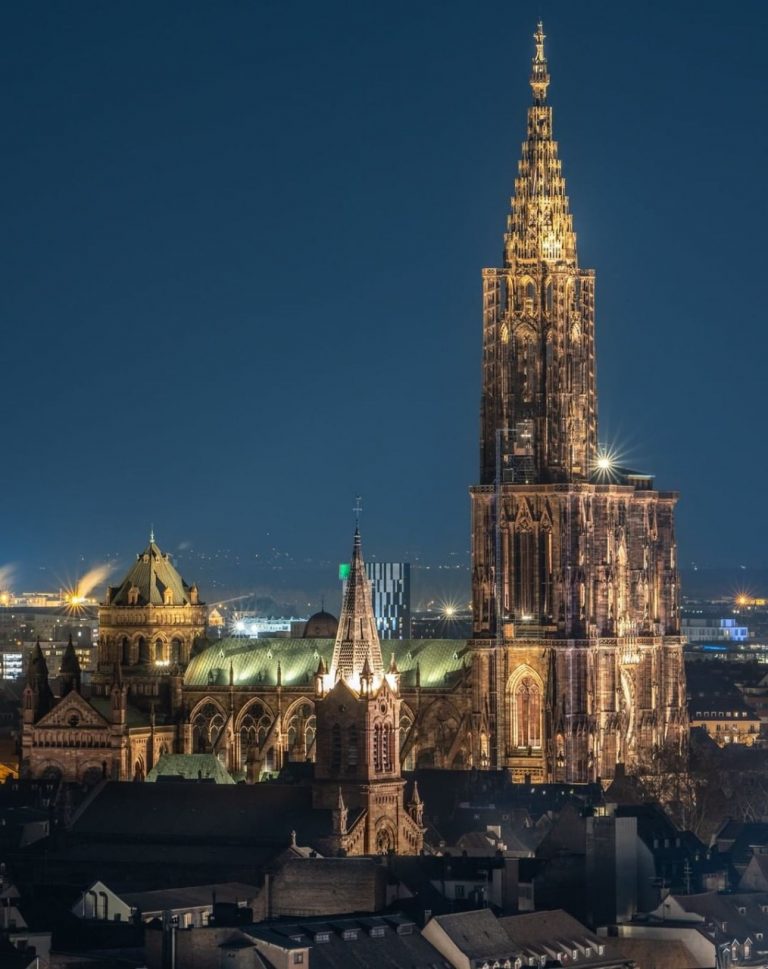
- Strasbourg: The capital of Alsace, a city on the border with Germany, with a unique mix of French and German cultures. Beautiful Cathedral and Petite France district.
Popular Tourist Destinations/Regions
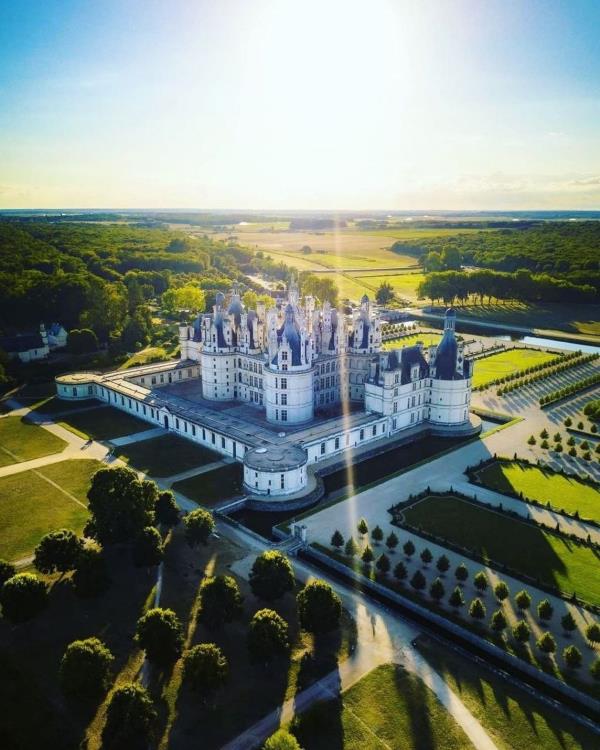
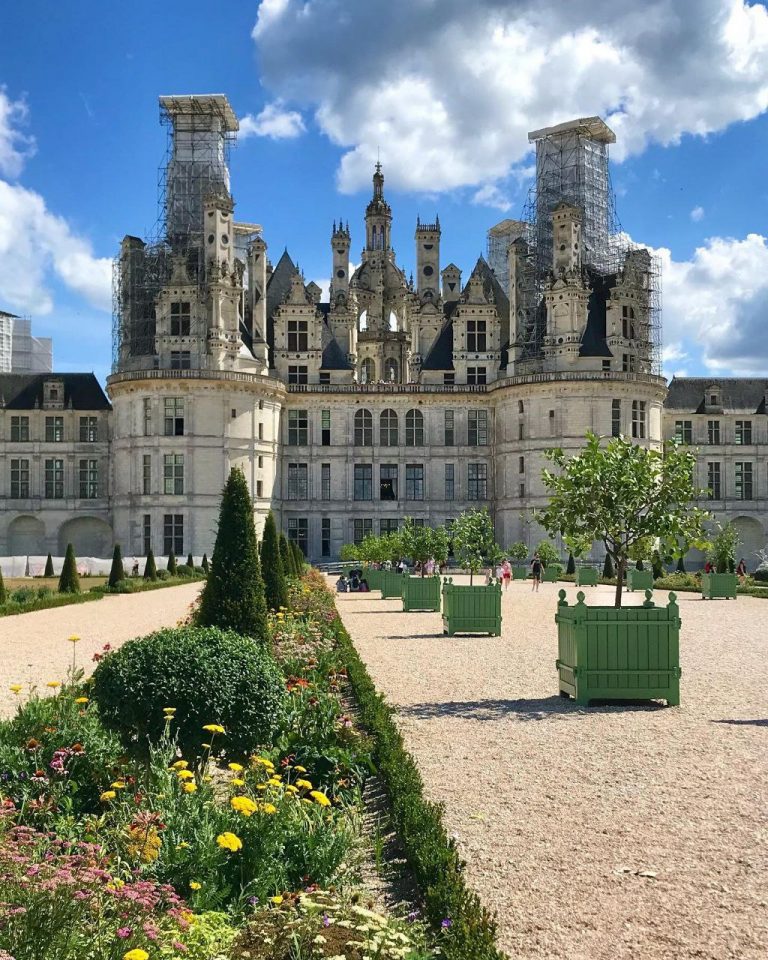
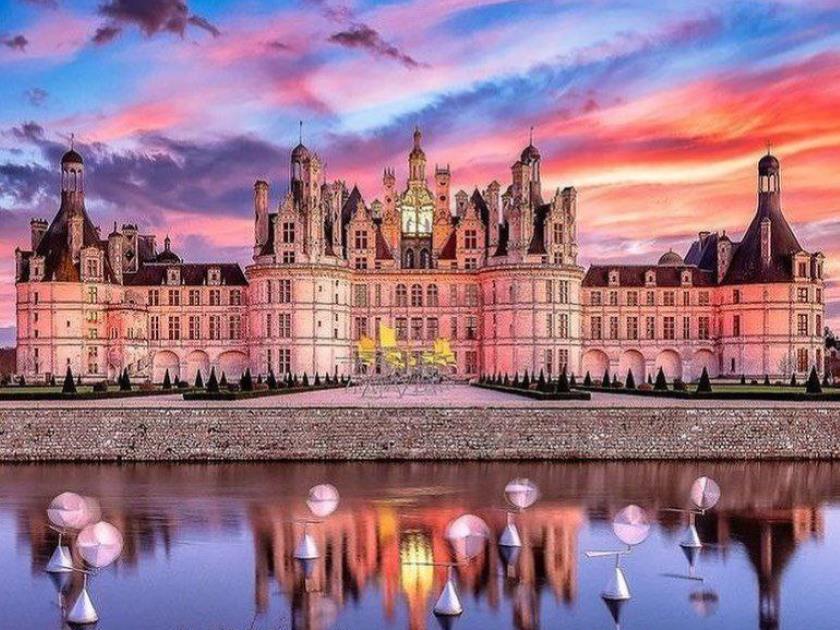
- Loire Valley: The region of castles! There are hundreds of magnificent chateaux here, from Chenonceau, Chambord to Azay-le-Rideau. You can rent a bike and ride from castle to castle.
- Provence: Lavender fields (in season!), olive groves, Roman ruins (Nîmes, Arles), picturesque villages, Mediterranean cuisine and bright sun.
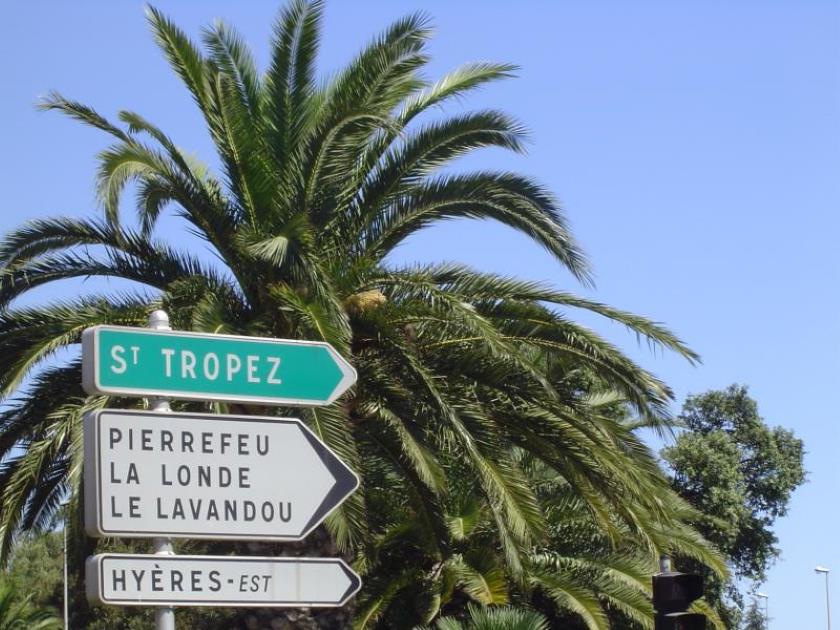
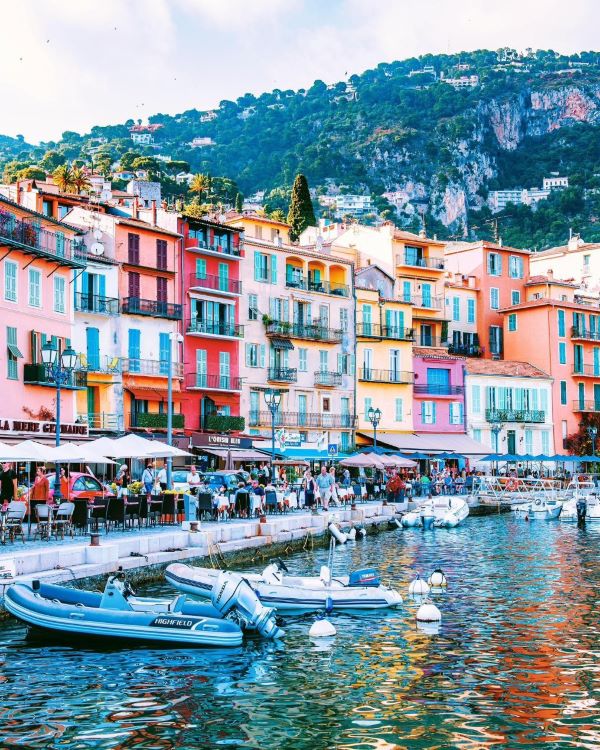
- French Riviera (Côte d’Azur): Cannes, Saint-Tropez, Monaco – this is glamour, yachts, beaches and luxury.
- Normandy: The history of the Allied landings (Omaha Beach), Mont-Saint-Michel (an amazing island abbey), Norman cider and camembert.
- Brittany: Unique Celtic culture, wild rocky coasts, megaliths (Carnac), crepes and seafood.
- French Alps: Chamonix, Courchevel – this is a paradise for skiers in winter and for hikers in summer.
- Burgundy: Another wine region, and also the birthplace of Dijon mustard.
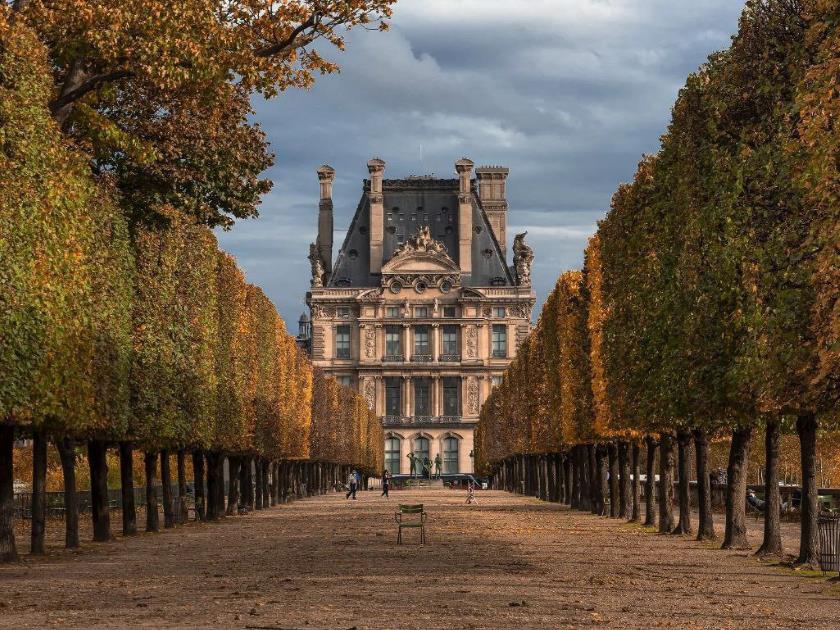
Natural Recreational Areas: Recreation for Every Taste
France is rich in natural beauty, and there is everything here for active and relaxing holidays:
Seaside resorts:
- French Riviera: Nice, Cannes, Saint-Tropez – glamour, sandy and pebble beaches, warm sea.
- Atlantic coast: Biarritz (surfing!), La Rochelle, Arcachon (oysters, Dune du Pilat) – a wilder but very beautiful coast.
- Brittany: The Pink Granite Coast, picturesque bays, fresh sea air.
Mountain resorts:
- French Alps: Chamonix, Courchevel, Méribel, Val d’Isère – these are world-class ski resorts in winter, and in summer – it is mountaineering, hiking, paragliding.
- Pyrenees: Also excellent ski slopes, and also thermal springs.
- Massif Central: Gentler mountains, ideal for hiking and relaxing.
Health resorts: France is famous for its thermal springs (for example, Vichy, Aix-les-Bains) and thalassotherapy centers (on the coasts).
Reserves and Parks: France has 11 national parks (for example, Vanoise, Écrins, Cévennes), many regional natural parks, where you can enjoy wildlife, picturesque landscapes, hiking and animal watching.
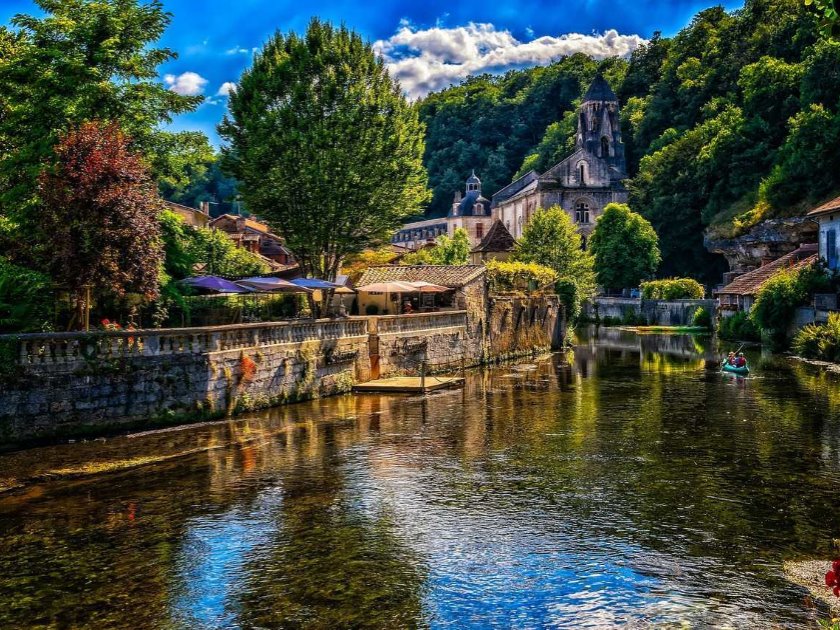
Lakes and rivers: For example, the Gorges du Verdon is the “French Grand Canyon” with turquoise water, ideal for kayaking and swimming. The Dordogne River with its castles and caves.
Landmark Attractions: From Famous to Hidden Gems
Obviously, the list of attractions is endless, but here are the ones you should see or know about:
The Most Famous and Popular
- Eiffel Tower (Paris): Well, no comment. Must-see.
- Louvre (Paris): The largest art museum in the world, home to the Mona Lisa and the Venus de Milo. One day is not enough.
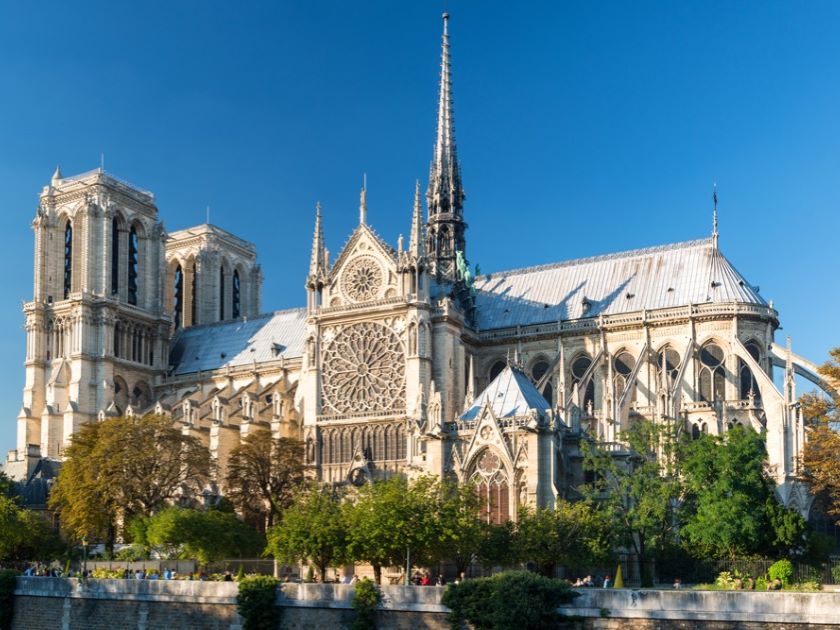
- Notre-Dame Cathedral (Paris): Even after the fire, it is impressive. A symbol of Paris.
- Palace of Versailles (near Paris): The former residence of the French kings, an incredible palace and luxurious gardens.
- Mont-Saint-Michel (Normandy): An amazing island abbey that becomes an island at high tide. One of the wonders of the world.
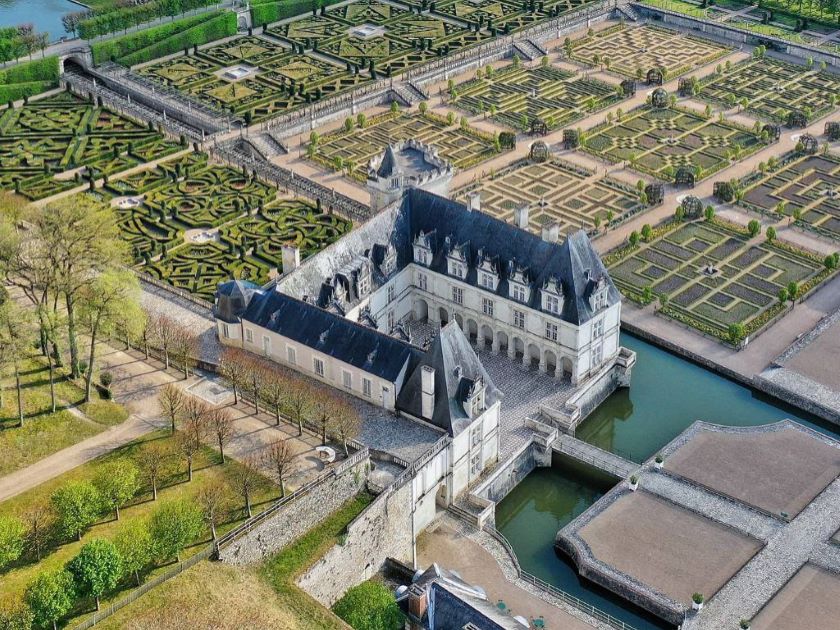
- Loire Castles: Chenonceau, Chambord, Villandry – each is unique and beautiful in its own way.
- Roman Arenas (Nîmes, Arles): Well-preserved amphitheaters that are still used for performances.
- Fortress of Carcassonne (Occitanie): A medieval fortified city, as if taken from the pages of a fairy tale.
Interesting, But Not Always Well-Known (or Requiring a “Detour”)
- Palace of the Popes (Avignon): The largest Gothic palace in Europe, the former residence of the popes. Impresses with its power.
- Red Rocks of Roussillon (Provence): Ochre quarries, creating Martian landscapes. Ideal for photos.
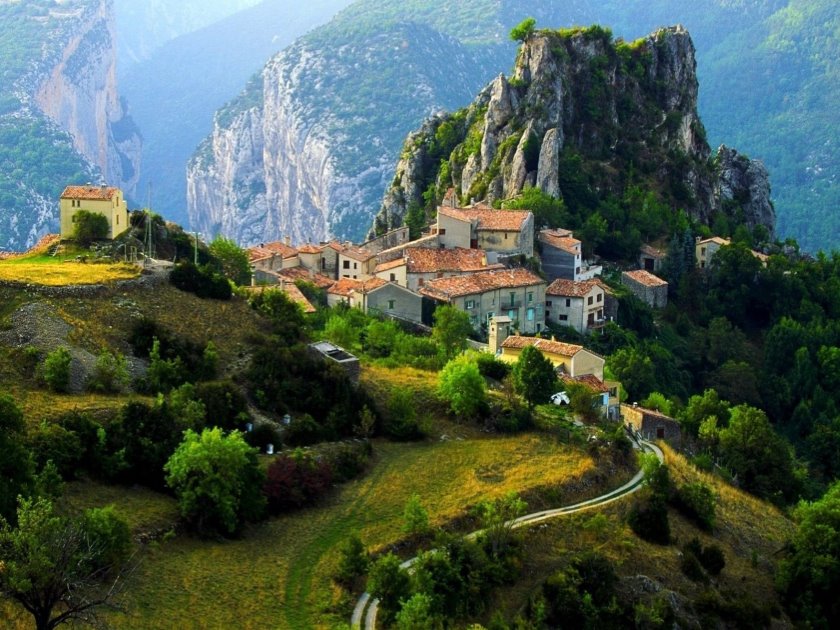
- Rocamadour (Occitanie): A medieval village built right on a cliff, overlooking the canyon. A place of pilgrimage.
- Collioure (Occitanie): A small but incredibly picturesque town on the Mediterranean coast, which inspired Matisse and other artists.
- Lascaux Cave (Dordogne): Copies of prehistoric rock paintings – the original is closed to visitors, but the copy is impressive.
- Pont du Gard (Provence): An ancient Roman aqueduct, a masterpiece of engineering. You can walk along it.
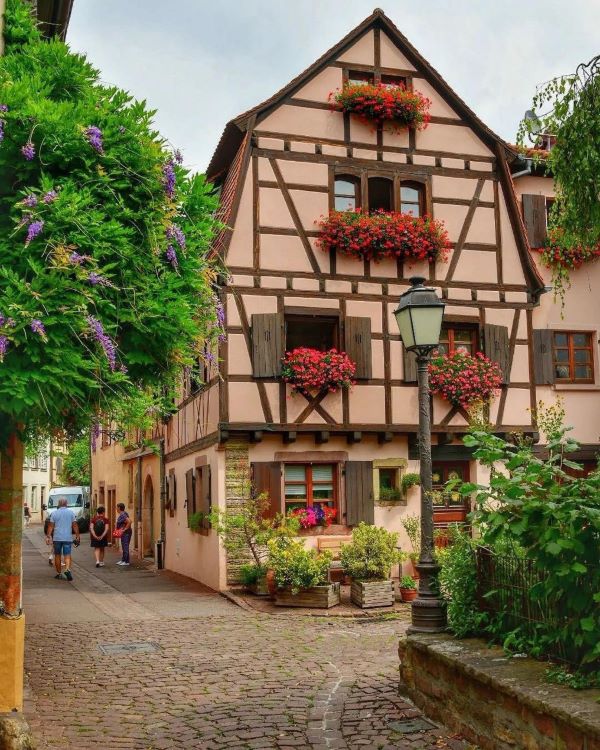
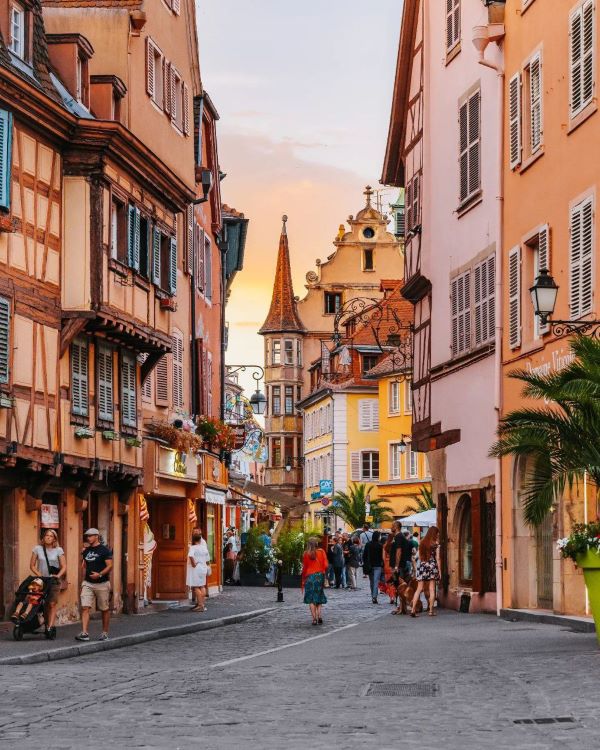
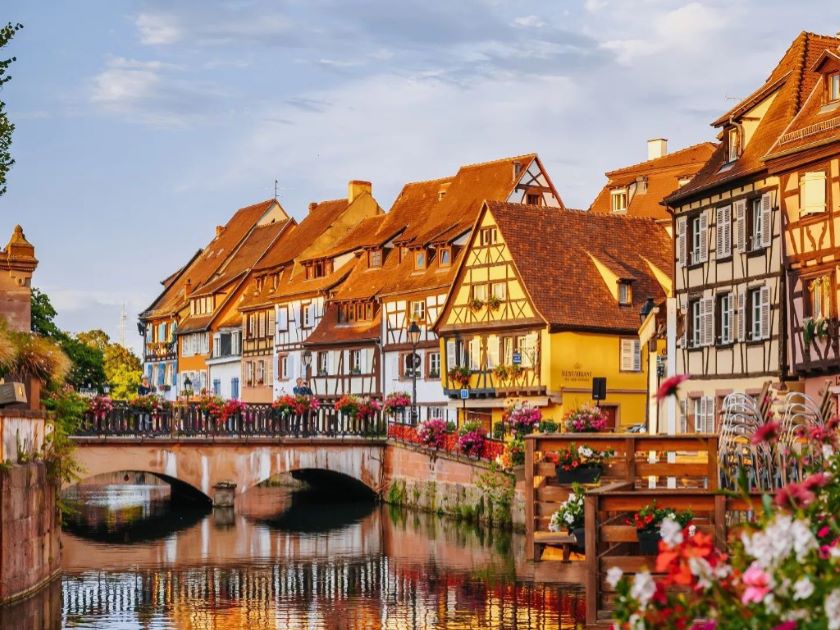
- Colmar (Alsace): A fairytale town with half-timbered houses and canals, “Little Venice”.
Where and How to Relax and What to Do: From Gastronomy to Shopping
France offers such a variety of entertainment that everyone will find something for themselves.
Culinary Adventures
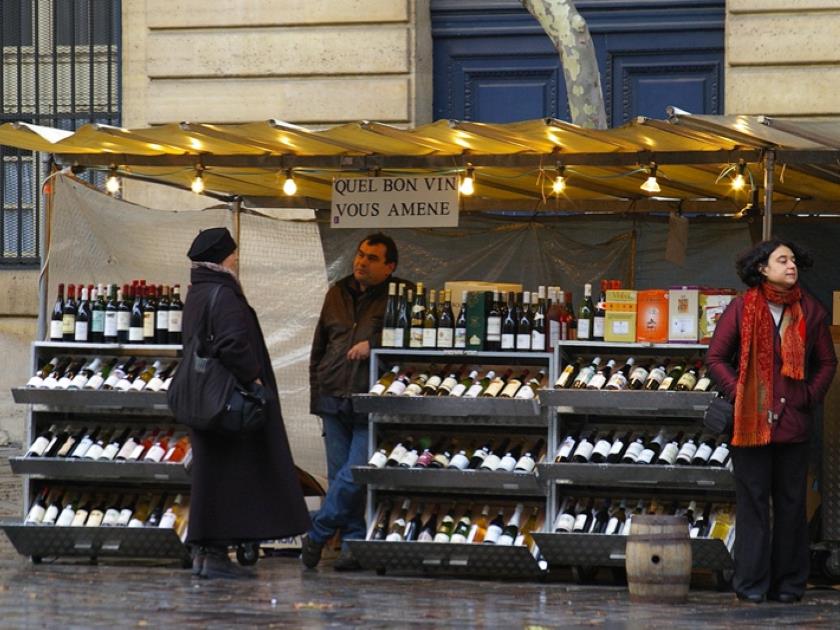
This is the main thing! Go on culinary tours, visit markets (marchés), participate in master classes in preparing French dishes. In Lyon, be sure to try “bouchons”, and in Bordeaux or Burgundy – wineries.
Winemaking
Trips to vineyards are a separate art form. Wine tastings, visiting cellars, walking through picturesque vineyards.
Art and Culture
Visit museums (not just the Louvre!), art galleries, cathedrals, castles. Many cities have opera houses and concert halls.
Active Recreation
Hiking in the Alps or Pyrenees, cycling in the Loire Valley, surfing in Biarritz, kayaking in the Verdon Gorge, skiing in winter.
Beach Holiday
On the French Riviera or the Atlantic.
Shopping
Paris is, of course, a paradise for shopaholics: from luxury boutiques on the Champs-Élysées and Place Vendôme to department stores like Galeries Lafayette and Printemps. In other cities you can also find excellent shops, as well as local craft shops and antique markets. Don’t forget about local markets – this is the best place to buy fresh produce, cheeses, spices.
Night Life
Paris, Lyon, Marseille are cities that don’t sleep. Bars, clubs, cabarets (Moulin Rouge, Lido).
Holidays and Festivals
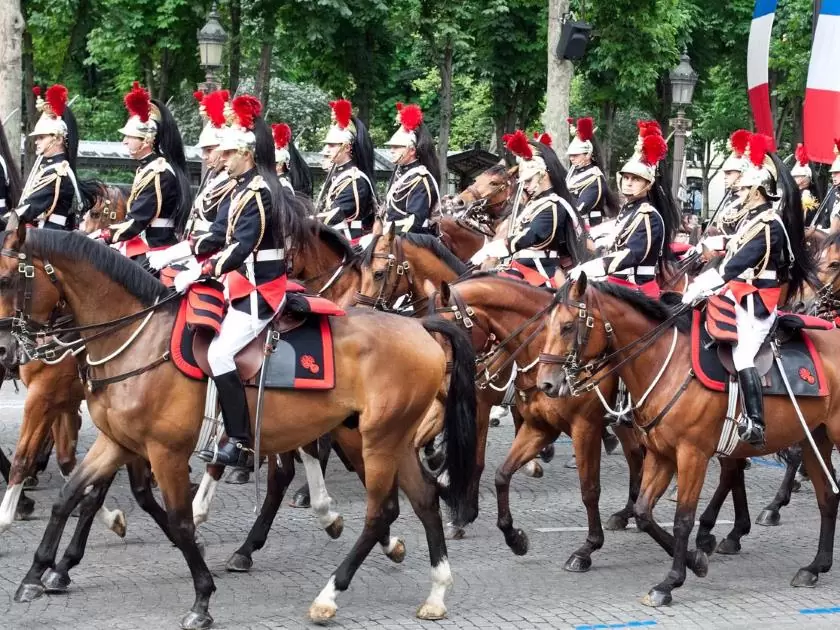
- Bastille Day (July 14): National holiday, fireworks, parades throughout the country.
- Cannes Film Festival (May): If you are lucky enough to be in Cannes at this time, you can see the stars.
- Festival of Lights in Lyon (December): A stunning spectacle when the whole city turns into a work of art made of light.
- Wine Festivals: In wine-making regions (Bordeaux, Burgundy, Champagne), festivals dedicated to wine are constantly held.
- Christmas markets: Especially beautiful in Alsace (Strasbourg, Colmar).
Where to Stay: Accommodation Options for Every Budget
France has a very well-developed accommodation infrastructure, so there are usually no problems finding accommodation. There are options for every taste and budget:
- Hotels: From budget (Formule 1, Ibis Budget, B&B Hotels) to luxury five-star (for example, Le Ritz, Le Bristol in Paris). On average:
- Hostels (dormitories): €25-€50 per night. Very popular among young people and backpackers, especially in Paris and major cities.
- Budget hotels (1-2 stars): €60-€100 per night for a double room. Often clean, but without frills.
- Middle class (3 stars): €100-€200 per night. Comfortable rooms, often with breakfast, good location.
- Luxury (4-5 stars and above): From €200 to €500-€1000+ per night in Paris. Luxury, high level of service, unique design.
- B&B (Chambres d’hôtes): An analogue of guest houses, where you rent a room in a private house, often with breakfast. This is a great way to get to know local residents and feel the home atmosphere. Prices range from €70 to €150 per night.
- Gîtes: These are country houses or apartments that are rented out entirely, usually for a week. Ideal for families or groups of friends who want to immerse themselves in local life. Prices vary greatly depending on the region, size and season, but in general from €400 to €1500+ per week.
- Apartments (Airbnb, Booking.com): A very popular option, especially in cities. Allows you to cook food and live like a local. Prices depend on the city, size and location, but are often cheaper than a hotel, especially for long stays.
- Campsites: France is very popular among camping enthusiasts. From simple tent pitches to full-fledged campsites with swimming pools, shops and entertainment. Prices vary, but this is the most budget-friendly option (from €15-€40 per night per pitch).
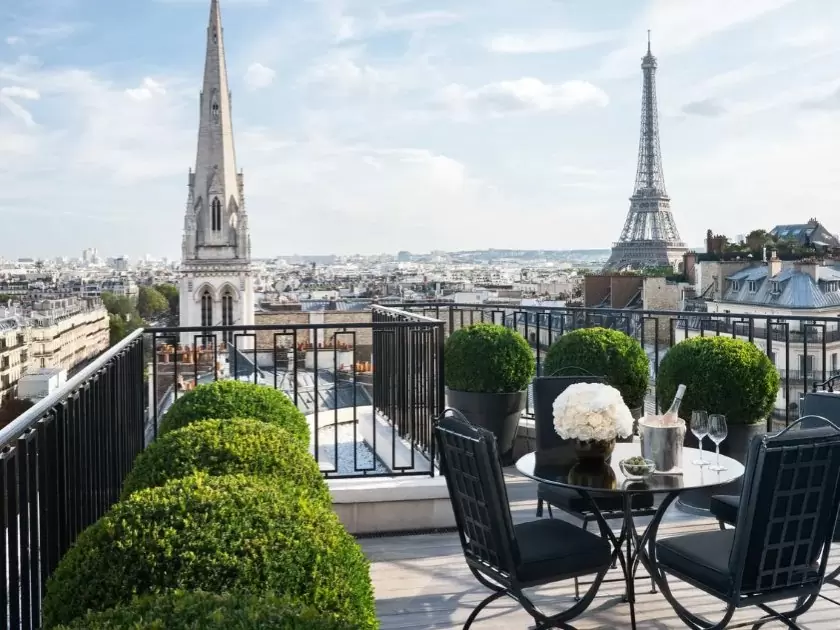
Important: Accommodation prices in Paris and on the French Riviera (especially in Nice, Cannes, Saint-Tropez) are significantly higher than in the provinces. In high season (July-August, as well as during major events), prices also rise sharply, and you need to book accommodation in advance.
What and Where to Eat: A Gastronomic Journey
French cuisine is a separate art form and one of the main reasons why people go to France. It is not just food, it is a philosophy, “art de la table” (the art of the table).
Features of National Cuisine
- Regional Diversity: It is not a single “French cuisine”, but many regional cuisines. For example, in the north – more butter, apples, cider; in the south – olive oil, herbs of Provence, tomatoes; in Burgundy – beef, mustard, wine; in Alsace – sauerkraut, sausages, beer.
- Cheese: More than 1000 types! Be sure to try several different ones. It is usually eaten after the main course, before dessert.
- Wine: A key part of the meal. Each dish has its own wine.
- Bread: Baguette is sacred. They eat it with every meal.
- Pastries: Croissants, brioches, macarons, eclairs, tarte Tatin… Ready to gain a couple of kilograms?
- Slow Eating: The French do not eat on the run. Lunch or dinner is a time to enjoy food and conversation.
Must-Try Foods (Seriously!)
- Croissant: For breakfast with coffee.
- Baguette: With cheese, ham, or just on its own.
- Cheese: Brie, Camembert, Roquefort, Goat Cheese (Chèvre).
- Wine: Red, white, rosé, champagne.
- Coq au Vin: Chicken braised in red wine.
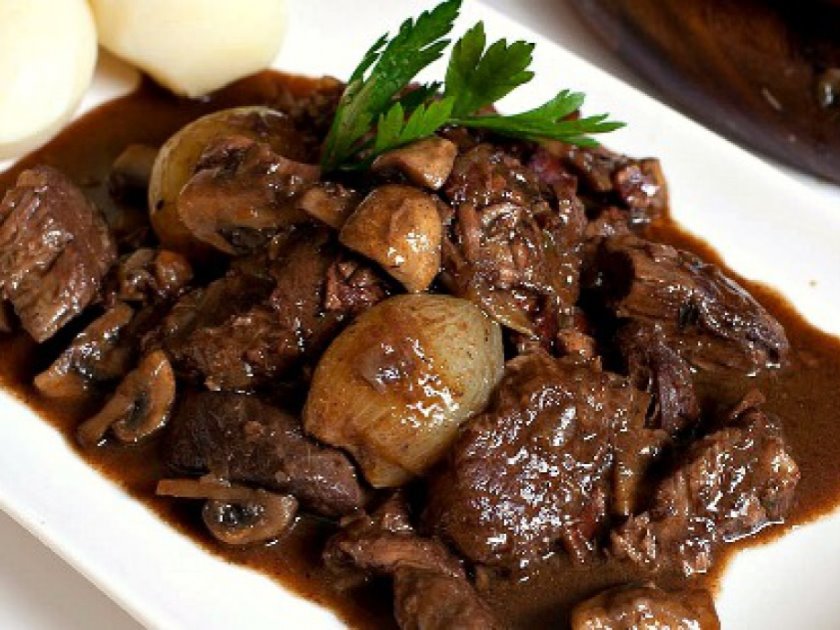
- Boeuf Bourguignon: Beef Burgundy.
- Confit de Canard: Duck confit.
- Moules Frites: Mussels with fries.
- Crêpes: Thin pancakes with fillings.
- Soupe à l’oignon: Onion soup.
- Escargots de Bourgogne: Snails in Burgundy sauce.
- Macarons: Delicate almond meringue cookies.
Food Infrastructure for Tourists
Restaurants
From “Bistros” and “Brasseries” to Michelin-starred restaurants.
- Bistro: Cozy, often family-run establishments with traditional cuisine, a simple but delicious menu.
- Brasserie: Larger than a bistro, often with a more diverse menu and longer hours.
- Michelin-starred restaurants: Haute cuisine, an unforgettable experience, but very expensive.
Average Price (per person)
- Bistro/Brasserie (lunch/dinner): €25-€60 (without drinks)
- Mid-range Restaurant: €30-€80 (without drinks)
- Michelin-starred restaurant: From €100-€300 and up (for a set menu)
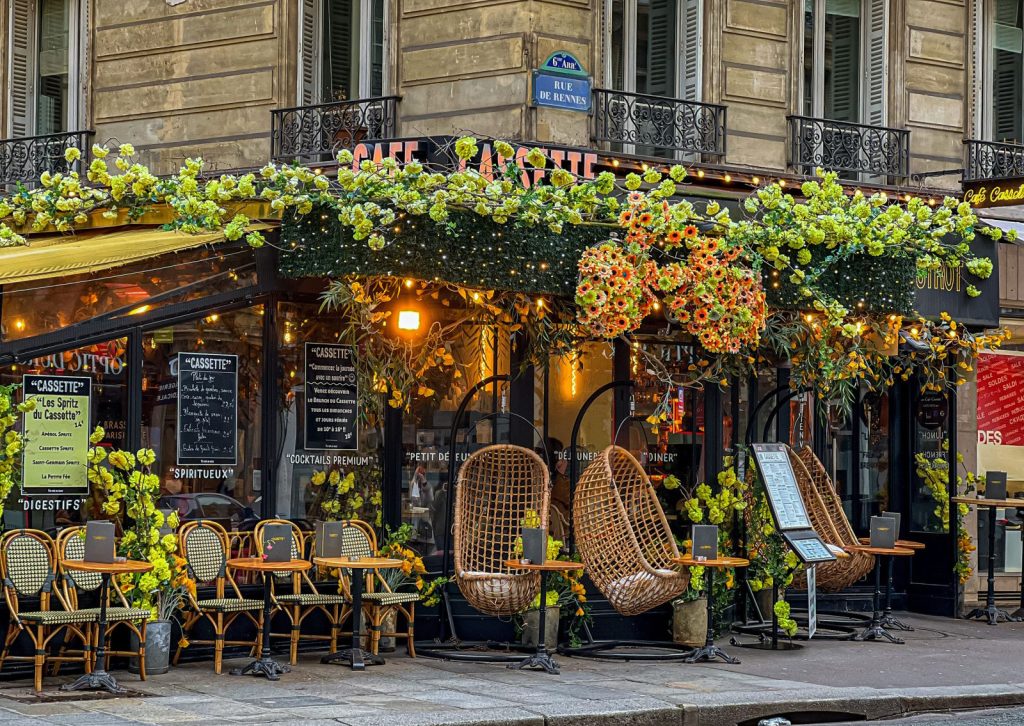
Cafés
A great place for breakfast, a light lunch (sandwiches, salads) or just to have a coffee.
Average Price
- Coffee (espresso): €2-€4 (depends on the location)
- Croissant: €1.5-€3
- Breakfast (coffee + croissant + juice): €8-€15
- Sandwich/salad: €7-€15
Boulangerie and Pâtisserie
Bakeries and pastry shops. Here you can buy fresh baguette, croissants, eclairs, pastries. Ideal for a quick and budget-friendly breakfast or snack.
Average Price: €3-€8 for a sandwich/pastry.
Marché
Local markets are a treasure trove of fresh produce. Here you can buy cheese, olives, fruits, vegetables, ready-made dishes to take away. A great way to save money and try local delicacies.
Supermarkets
Monoprix, Carrefour, Auchan, Leclerc. Here you can buy groceries, water, snacks.
Fast food
There are international chains (McDonald’s, Burger King), but it is better to try local options: sandwich on a baguette, kebab (very popular), falafel, or crepes.
Average Price: €8-€15
Important: In France, the “menu du jour” or “formule” is very common – a set lunch, which is offered on weekdays. This is usually 2 or 3 courses at a fixed price, often the most advantageous option. Tea and coffee after a meal are ordered separately and are not included in the price.
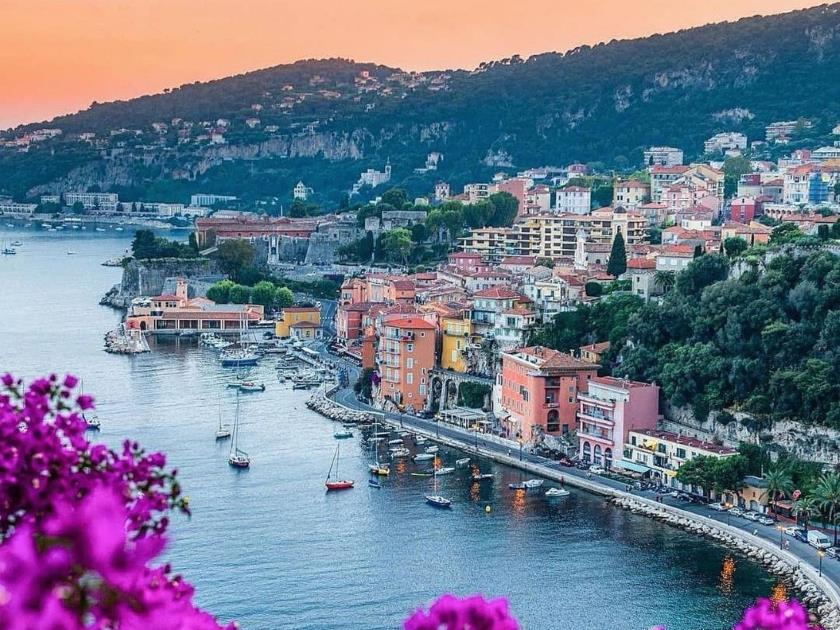
Final Part: Useful Tips for Tourists
Well, I hope you are already ready to pack your bags? Before you embark on this amazing journey, here are a few final tips to make your trip even more enjoyable:
- Learn French (at least a few phrases): I’ve already said it, but I’ll repeat it – this is the most important thing. “Bonjour”, “Merci”, “S’il vous plaît”, “Excusez-moi”. This is the key to the hearts of the French.
- Opening Hours: Many shops and small restaurants close for lunch (from 12:00-14:00 to 14:00-15:00). On Sundays, many shops are closed altogether, especially in the provinces. Large supermarkets and tourist places are open longer.
- Payment and Tips: Many places accept cards. But it’s always helpful to have some cash. Tipping (pourboire): “Service compris” means that the tip is already included in the bill, but leaving a few euros for good service (rounding up the amount) is good form.
- Security: France is generally a safe country, but in major tourist spots (Paris, Marseille) be careful of pickpockets. Watch your bags, don’t leave valuables unattended. At night, it’s best to be more careful in some areas.
- Sockets: France uses type E sockets (with two round pins and a hole for grounding). Don’t forget an adapter if you have different plugs.
- Water: Tap water in France is safe to drink, so you don’t have to buy bottled water.
- Toilets: Public toilets are not as common as you would like and may be payable. In a cafe or restaurant you can ask “Où sont les toilettes, s’il vous plaît?” (where is the toilet, please?) if you order something.
- Enjoy the “art of living”: The French don’t rush. Don’t try to see everything in one day. Sit in a cafe, drink coffee, watch the passers-by. Allow yourself to get lost in the alleys. Enjoy every moment.
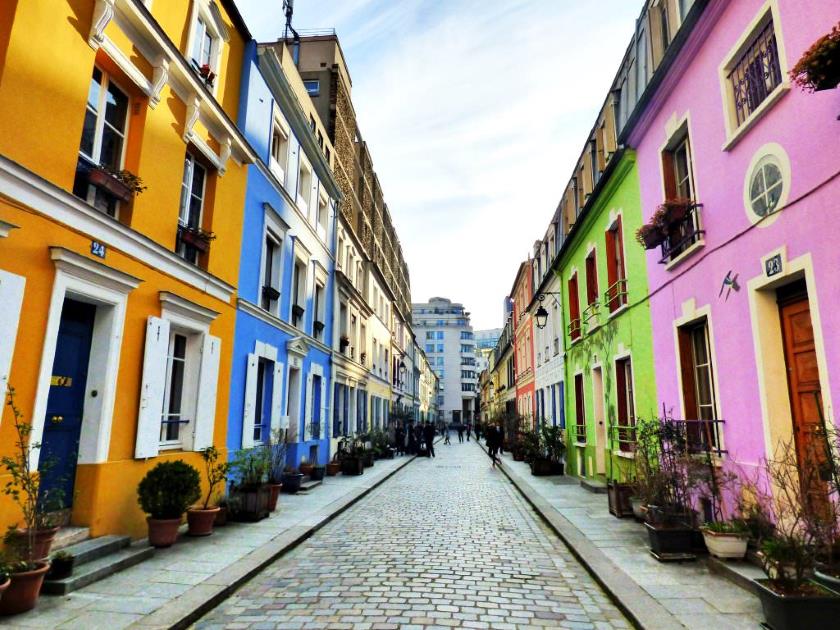
France is a country that knows how to surprise and inspire. It offers an incredible combination of history, culture, art, nature and, of course, unforgettable gastronomy. Get ready for it to forever hold a special place in your heart. I wish you a wonderful, unforgettable journey! Bon voyage!