Imagine a place where time hasn’t just stopped, but has twisted into a bizarre spiral. Where behind the ordinary facade of a French bakery, cliffs lie that remember the touch of Cro-Magnon hands, and you can drink your morning coffee overlooking a cave where our distant ancestors hid from the glacial cold. Welcome to Les Eyzies-de-Tayac-Sireuil – a tiny dot on the map of the Dordogne department, which proudly bears the title of “World Capital of Prehistory.”
This isn’t just a tourist slogan. It’s a statement of fact. Here, in the picturesque Vézère Valley, the concentration of history per square meter exceeds all imaginable limits. Let’s explore why this particular place has become a Mecca for archaeologists and why it’s so important for modern people, tired of digital noise, to visit.
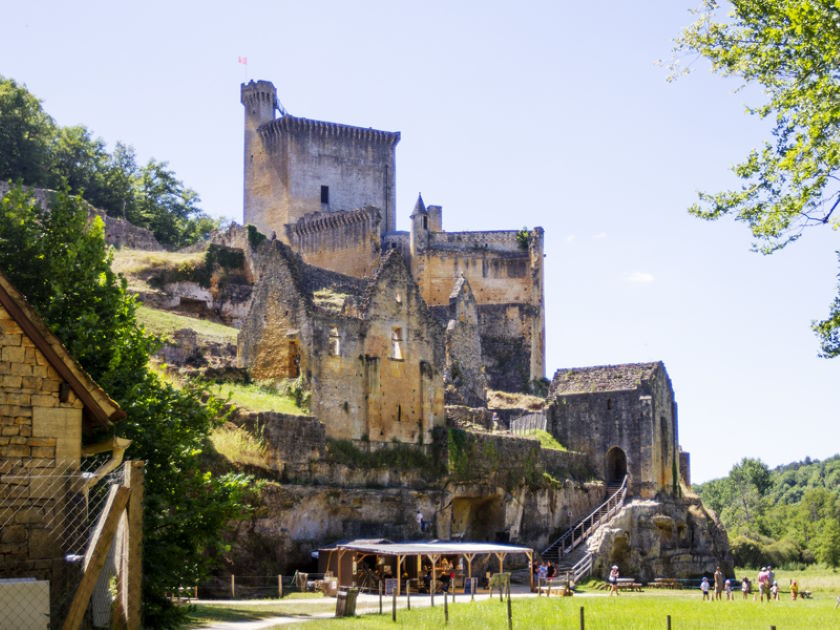
When Rocks Start Talking
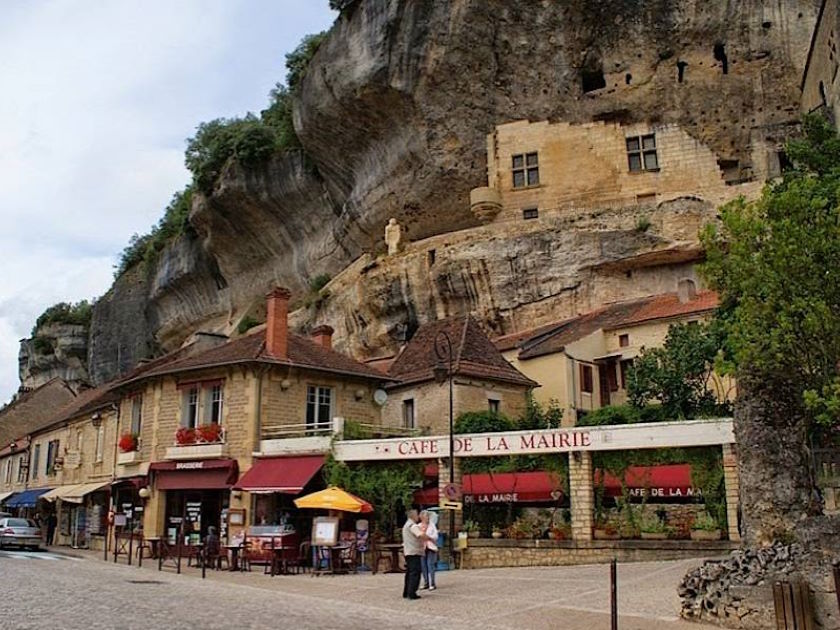
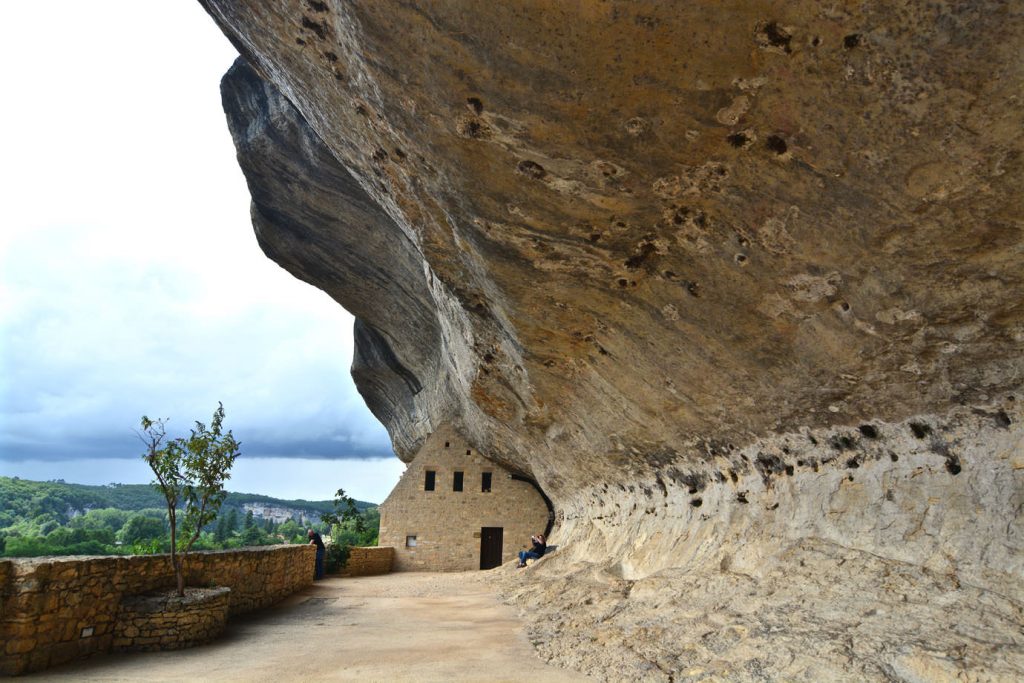
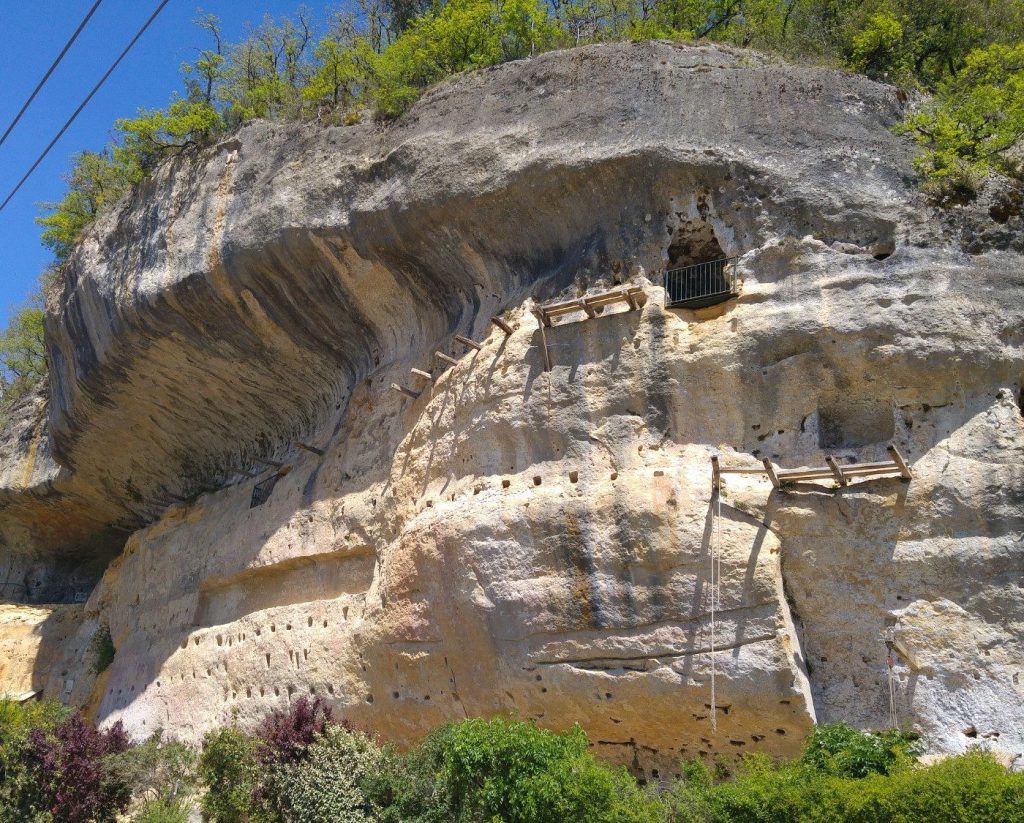
The first thing that strikes a traveler arriving in this corner of New Aquitaine is the landscape. Limestone cliffs overhang the houses here, like stone giants guarding the peace of the locals. The irony is that many modern dwellings are literally built into the very niches that served as shelters for people of the Ice Age.
Imagine the reality of today: you book a cozy little hotel, and its back wall is a natural rock, millions of years old. This creates an amazing feeling of belonging. You don’t just look at history through the glass of a museum display case – you live in it.
In the 19th century, when the railway was being built here, workers and engineers had no idea that their picks would open a “Pandora’s box” – in a good sense of the word. It was then, in 1868, that remains were found in the Cro-Magnon grotto, which turned science upside down. Five skeletons – three men, a woman, and an infant – looked at the world from the depths of centuries. Thus, the term “Cro-Magnon” appeared, becoming synonymous with modern humans. In essence, it was here, in Les Eyzies, that we first truly met ourselves.
Underground Louvre: Art Born in Darkness
If Paris boasts the Louvre, and Florence the Uffizi, then Les Eyzies can boast galleries that are older than any civilization. We are talking about rock paintings. These are not primitive scribbles, as common people often think. This is high art, full of expression, movement, and deep symbolism.
In the vicinity of Les Eyzies, there is an incredible number of caves with Paleolithic art. The most famous “star” of the region is the Lascaux Cave, which is called the “Sistine Chapel of primitive painting.” Although the original is closed to preserve the microclimate, the most accurate copies (Lascaux II and Lascaux IV) allow you to experience the same awe as the pioneers.
But there are other gems as well. For example, the Font-de-Gaume cave. This is one of the few caves with polychrome (multicolored) paintings, where tourists are still allowed to enter live, not in a replica. However, getting there is quite a quest: the number of tickets is strictly limited to preserve the drawings. Standing in the semi-darkness and looking at the bison painted with ocher and charcoal 15,000 years ago, you begin to perceive humanity differently. These artists used the relief of the walls to give volume to the animals. They were masters, geniuses of their time.
National Museum of Prehistory: A Treasure Trove Above the Town
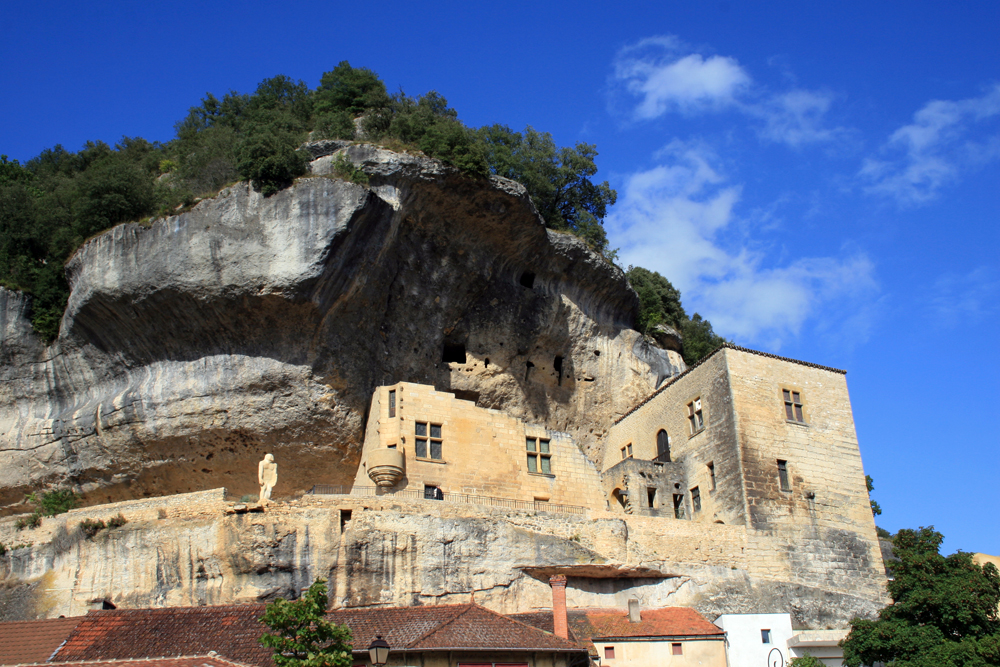
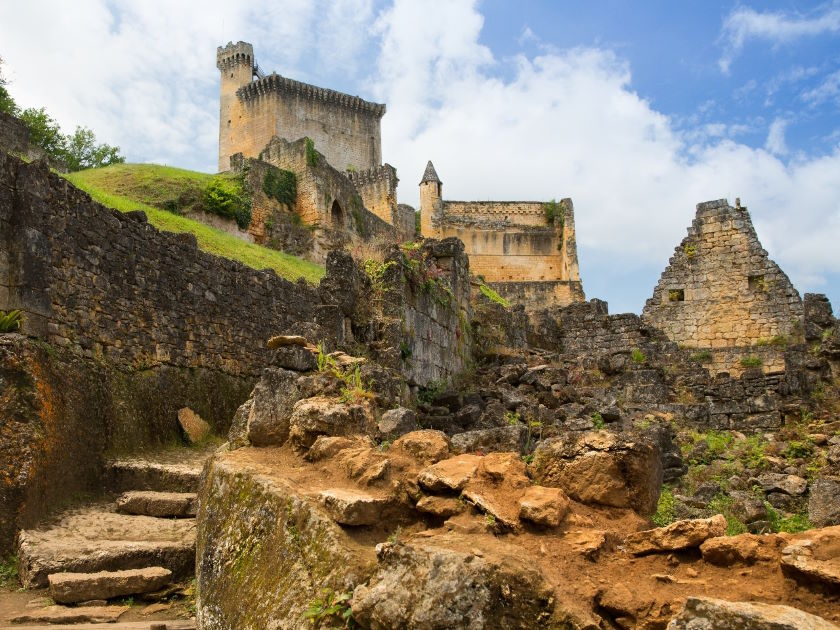
Above the village itself, like a medieval castle, looms the building of the National Museum of Prehistory (Musée National de Préhistoire). It is built directly on the ruins of a 16th-century castle, which, in turn, stood on the site of ancient settlements. The architecture of the museum is symbolic: modern concrete and glass grow out of ancient limestone, connecting epochs.
Inside is one of the world’s most complete collections of the Paleolithic era. Millions of artifacts are stored here. And this is not an exaggeration. Stone axes, bone harpoons, shell ornaments, found not somewhere across the ocean, but literally in neighboring gardens.
The modern exposition is designed to destroy the stereotype of the “wild, dirty caveman.” You will see the finest sewing needles made of bone. You will see flutes that were played 30,000 years ago. You will understand that our ancestors possessed a complex culture, a sense of beauty, and probably a rich spiritual world. For a Ukrainian tourist or a guest from any other European country, this is a great opportunity to think about how much we all have in common, regardless of modern borders.
Life in the Rhythm of the Paleolithic Era: Modern Les Eyzies
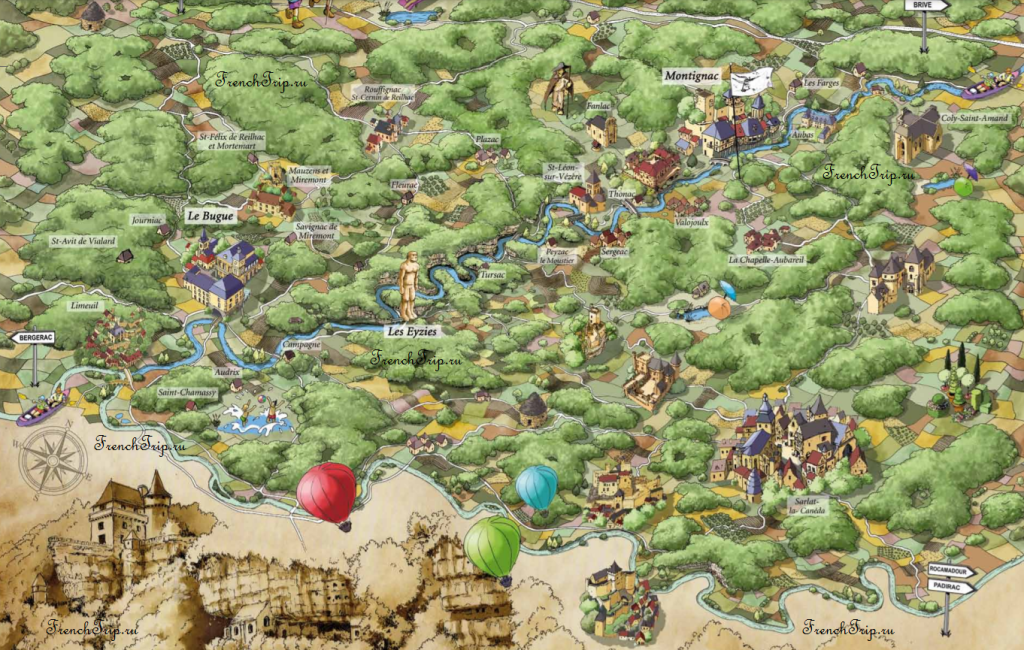
Today’s Les Eyzies is not a dusty museum exhibit, but a living, breathing organism. A town with a population of less than a thousand manages to receive hundreds of thousands of tourists annually, while maintaining the charm of the French province.
Walking along the main street, you will come across the statue of “Primitive Man” by Paul Dardé. It rises on a cliff, looking at the valley with the stern confidence of a master. Local cafes offer a “Cro-Magnon menu” (of course, adapted to modern stomachs, but with an emphasis on meat and local products – truffles, foie gras, walnuts).
Festivals, scientific conferences, and master classes are held here, where you will be taught how to make fire by friction or throw a spear with the help of a spear-thrower. This is especially popular with families with children. In a world where children are used to touch screens, trying to strike a spark from flint becomes a real magical ritual, returning to the roots.
Why Is This Important Now?
In our troubled times, when the world is shaken by crises and conflicts, a trip to places like Les Eyzies takes on a therapeutic meaning. Looking at the cliffs that have seen the change of ice ages, the extinction of mammoths, and the birth of civilizations, your own problems begin to seem a little less масштабными.
- Les Eyzies reminds us of the fragility and, at the same time, the incredible resilience of the human race. Here you understand that we are only a moment in the history of the Earth, but a bright moment, capable of creating beauty even in the darkness of a cold cave.
- This place teaches respect. Respect for the nature that gave us shelter. Respect for ancestors who survived in unimaginable conditions so that we can sit in a cafe today, drink wine from the Dordogne valley, and write posts on social networks.
If you are planning a trip to Europe and want to see something more than the standard set of “Eiffel Tower – Colosseum – Big Ben,” turn towards Dordogne. Les Eyzies-de-Tayac-Sireuil is waiting. And believe me, the silence of the local caves will tell you much more than the noise of megacities. This is a journey not just to another country, it is a journey deep within yourself.