Okay, fellow travelers, ready for another dive into the bottomless layers of Roman history and art? If you think you’ve seen everything in Rome – the Colosseum, the Vatican, the Trevi Fountain – and you’re tired of the crowds, then I have a real gem in store for you. A gem that doesn’t just sparkle, but lives, breathes, and whispers stories straight from the mouths of its descendants.
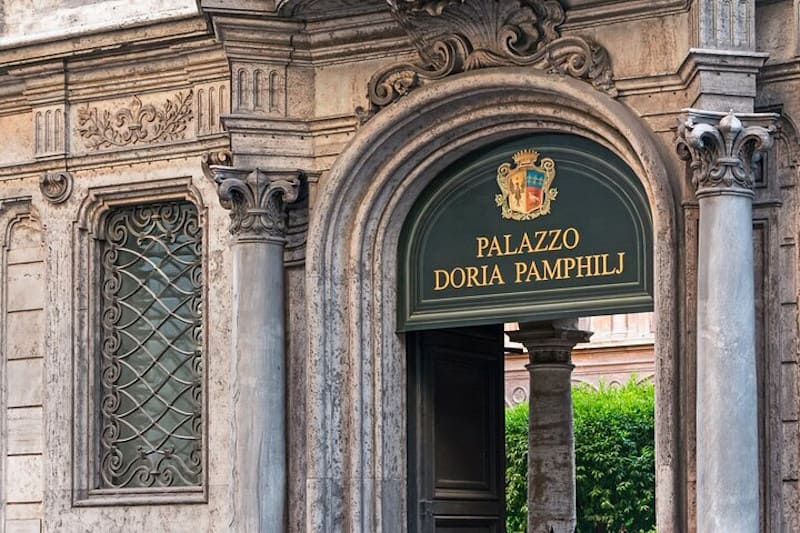
I’m talking about the Palazzo Doria Pamphilj – a place that you absolutely must not miss if you want to experience the true, non-touristy Rome.
Introduction: Not Just a Museum, But Living History!
Imagine: you’re walking along the bustling Via del Corso, one of the main streets of Rome, surrounded by noise, shops, and crowds. And then, behind unassuming but massive gates, a completely different world opens up. A world where time seems to have stopped centuries ago. A world where, among priceless works of art, the descendants of those who collected them still live.
Yes, the Palazzo Doria Pamphilj is not an ordinary state museum where collections have been moved. It’s a private residence that still belongs to and is inhabited by one of the oldest and most influential aristocratic families in Rome. And that’s what makes visiting it such a unique experience. It’s a chance to peek in on how real Roman princes lived (and live!), to stroll through their living rooms, bedrooms, galleries, to literally walk in their footsteps. It’s not just a collection, it’s a home.
From humble beginnings to magnificence: The Story of Palazzo Doria Pamphilj
The history of the Palazzo Doria Pamphilj is a true family saga, woven from ambition, marriages of convenience, papal intrigues, and an incredible passion for art.
Early Years: The Aldobrandini – Foundation for Future Greatness
It all started not with the Doria or Pamphilj, but with another powerful family – the Aldobrandini. In the late 15th and early 16th centuries, when many aristocrats sought to settle in the heart of the Eternal City, the Aldobrandini family acquired land and began building their city palace on Via del Corso. Unfortunately, their plans were not fully realized, and the palace passed into the hands of other families. It was a typical city palace, albeit of impressive size, but not yet the grandiose structure we know today.
The Rise of the Pamphilj: Pope Innocent X and the Golden Age
The real rise of the palace began in the 17th century, when it became the property of the Pamphilj family. A key role here was played by Giovanni Battista Pamphilj, who in 1644 became Pope under the name Innocent X. And that’s when things really took off! As was often the case in those days, the elevation of one of the family members to the papal throne meant an incredible increase in influence, wealth, and, of course, the opportunity to invest in art and architecture to immortalize one’s name and glorify the family.
Pope Innocent X was a patron of the arts and spared no expense in transforming the palace. It was under him that large-scale works were carried out to expand and decorate the Palazzo. Such prominent architects as Francesco Borromini and Giovanni Battista Morelli worked on the palace. They gave it the Baroque appearance we see now, with its majestic facade and stunning interior spaces.
But the main thing that made Innocent X famous was his incredible collection of works of art. He was a true connoisseur. And, of course, the heart of this collection became the portrait of Pope Innocent X by Diego Velázquez. This portrait is not just a masterpiece, it is one of the greatest portraits in the history of world art. Velázquez was able to convey not only the physical likeness, but also the very essence of the Pope: his authority, insight, notes of weariness, and perhaps even some animosity.
It is said that the Pope himself was struck by its realism and exclaimed, “Too truthful!” This portrait still inspires awe and is the main star of the collection. It had a huge influence on subsequent artists, including Francis Bacon, who created a whole series of his famous “Screaming Popes,” inspired by this masterpiece.
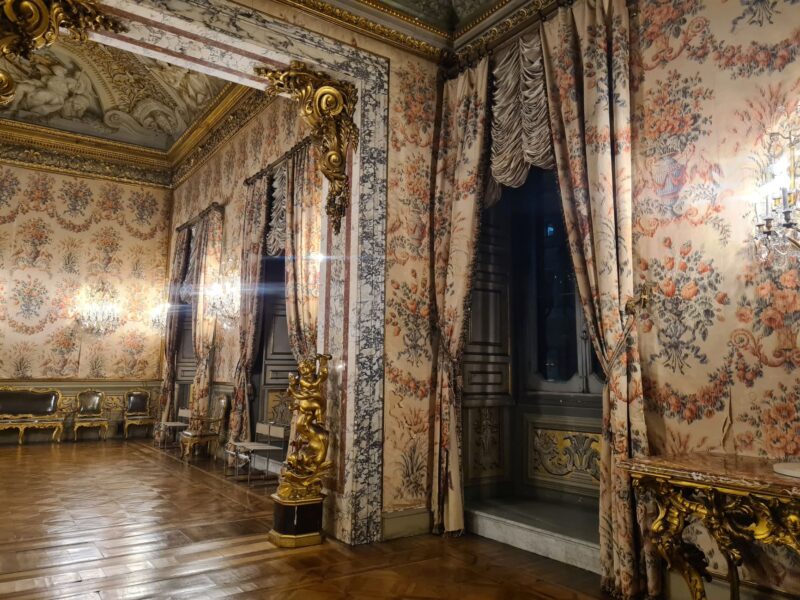
At the same time, other priceless works began to flow into the Pamphilj collection – from ancient sculptures to works by the great masters of the Renaissance and Baroque.
The Merger of Dynasties: Doria-Pamphilj – A Mighty Union
The next key stage in the history of the palace occurred at the end of the 17th century. In 1671, Anna Pamphilj, the heiress of the wealthiest family, married Giovanni Andrea Doria from the Genoese branch of the famous Doria family. This was a marriage not only for love (although who knows?), but also for calculation, uniting two extremely wealthy and influential aristocratic dynasties.
The Doria family, especially its Genoese branch, also possessed a fantastic collection of art, which they had collected over the centuries, including works by Flemish masters and other European artists. When these two collections – the Roman Pamphilj and the Genoese Doria – were combined under one roof of the Palazzo on Via del Corso, it became an event of unprecedented scale. The palace received its current name – Palazzo Doria Pamphilj, and its art collection became one of the most significant private collections in the world.
18th-19th Centuries: Preservation and Augmentation
In subsequent centuries, members of the Doria Pamphilj family continued to replenish the collection, maintain the palace, and live in it. Unlike many other aristocratic families, who over time went bankrupt or sold their estates, the Doria Pamphilj managed to preserve their wealth and, most importantly, their passion for art. They not only carefully preserved the existing masterpieces, but also acquired new ones.
20th Century and Today: The Palace Opens Its Doors
The palace survived two world wars, preserving its integrity and, surprisingly, its collection. In the mid-20th century, in the 1960s, the Doria Pamphilj family made a historic decision: to open part of the palace and their gallery to the public. This was an incredibly generous and far-sighted decision, allowing millions of people from all over the world to touch this unique treasure.
And today, as I mentioned earlier, the palace continues to be residential. The current head of the family, Prince Jonathan Doria Pamphilj, and his relatives still live in a part of the palace separate from the public galleries. It is thanks to this that the special atmosphere of a residential building, and not just a cold museum, is preserved.
What is there to see? Works of art and famous halls
The Doria Pamphilj Gallery is simply a feast for the eyes! Walking through the numerous halls, decorated with frescoes and stucco, you will see:
Great Masters
- Diego Velázquez: Of course, Portrait of Pope Innocent X – it’s worth coming just to see it.
- Caravaggio: The gallery boasts three incredible works by this genius of light and shadow: Rest on the Flight to Egypt (one of his early, surprisingly tender and poetic works), Penitent Magdalene (with its realism and humanity), and John the Baptist (with the drama characteristic of Caravaggio). It’s just incredible to stand next to these masterpieces and feel their power.
- Gian Lorenzo Bernini: Several busts, including a bust of Innocent X, demonstrating the genius of the Baroque.
- Filippo Lippi: A magnificent Annunciation.
- Lorenzo Lotto: Several subtle portraits.
- Titian, Guercino, Guido Reni, Jan Brueghel the Elder, and many others. The collection covers a vast period of time and many schools.
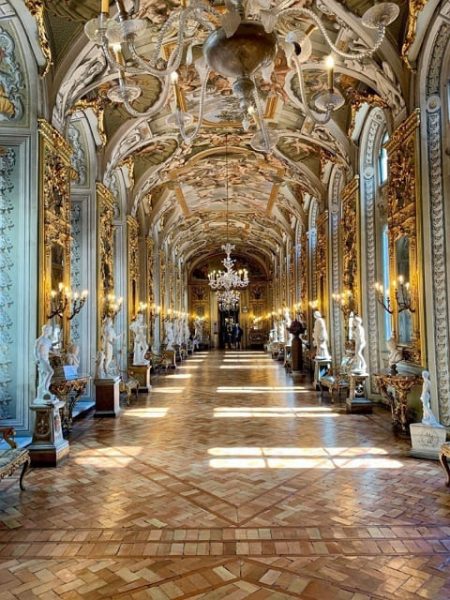
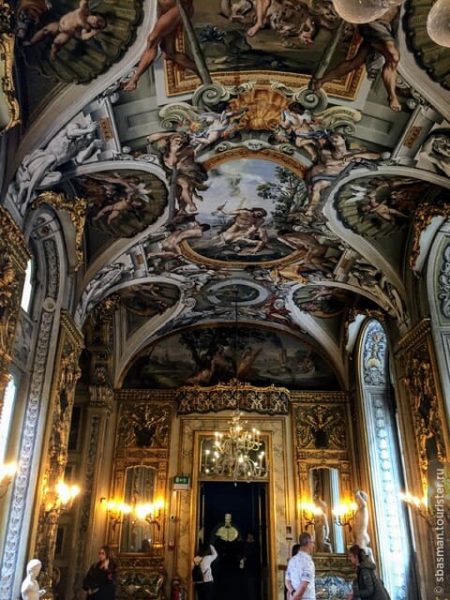
Architecture and Interiors
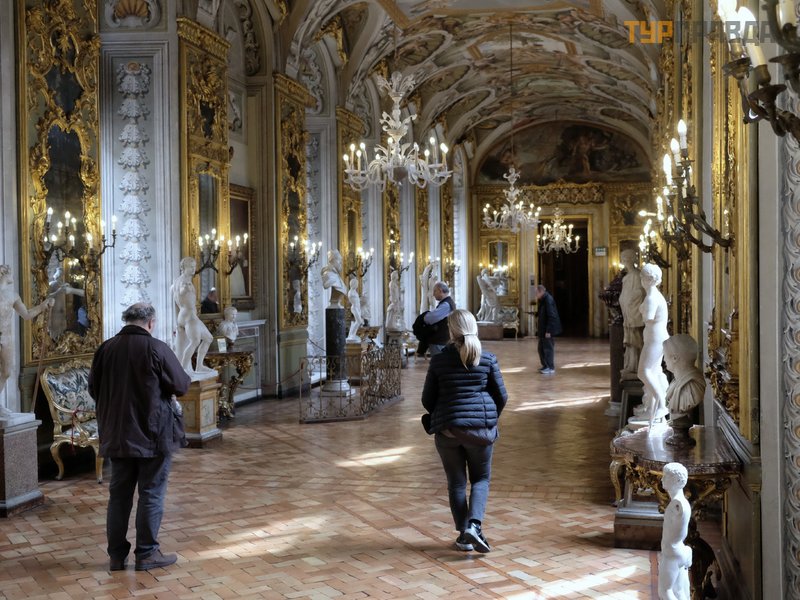
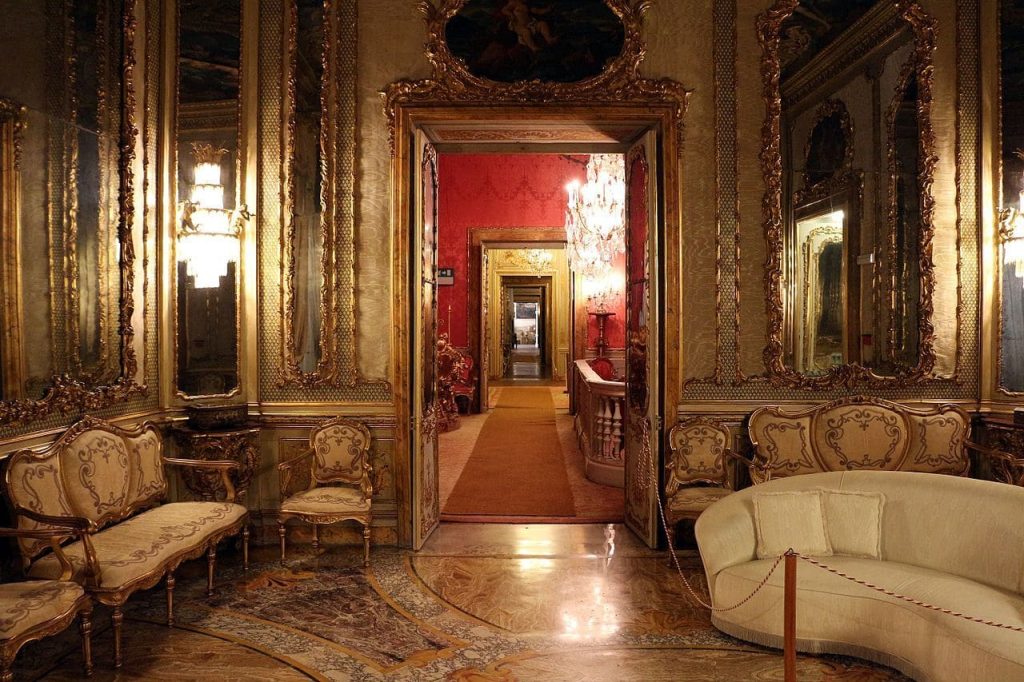
- Hall of Mirrors (Sala degli Specchi): This is just a mini-Versailles! The hall, decorated with mirrors, frescoes, and gilding, shines and boggles the imagination. Balls and receptions were held here.
- Private chapel: A small but very beautiful chapel, decorated with precious materials.
- State Apartments: Luxurious rooms that were used for official receptions.
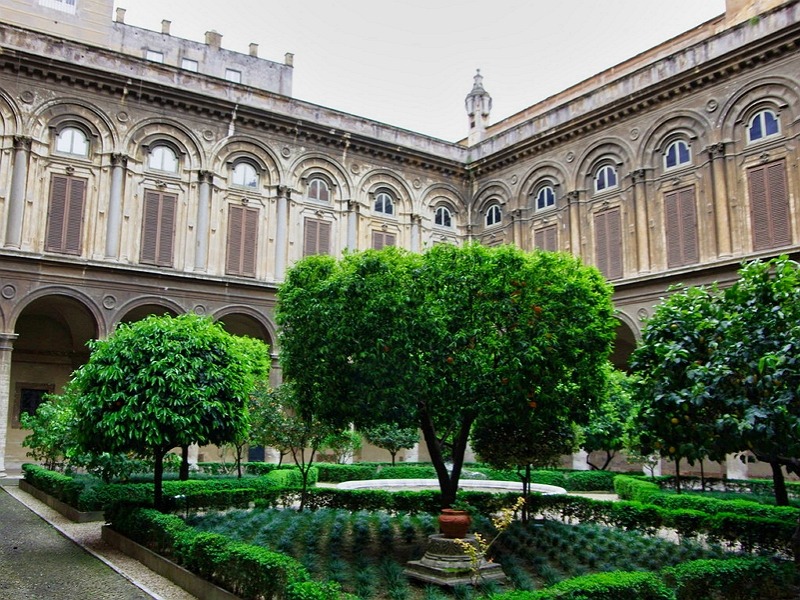
- Four Galleries: The main space where paintings are hung, located around the courtyard. The arrangement of paintings here is done in the old style – the walls are literally covered with canvases from floor to ceiling, as was customary in private collections of past centuries.
Audio Guide by the Prince
This is perhaps one of the coolest “features” of the Palazzo. The audio guide is recorded in the voice of Prince Doria Pamphilj himself, Jonathan. He doesn’t just tell dry facts, but shares family stories, legends, and his personal impressions of the works of art that have surrounded him since childhood. This gives the visit an incredibly personal and intimate character. You feel not just like a tourist, but like a guest in their home.
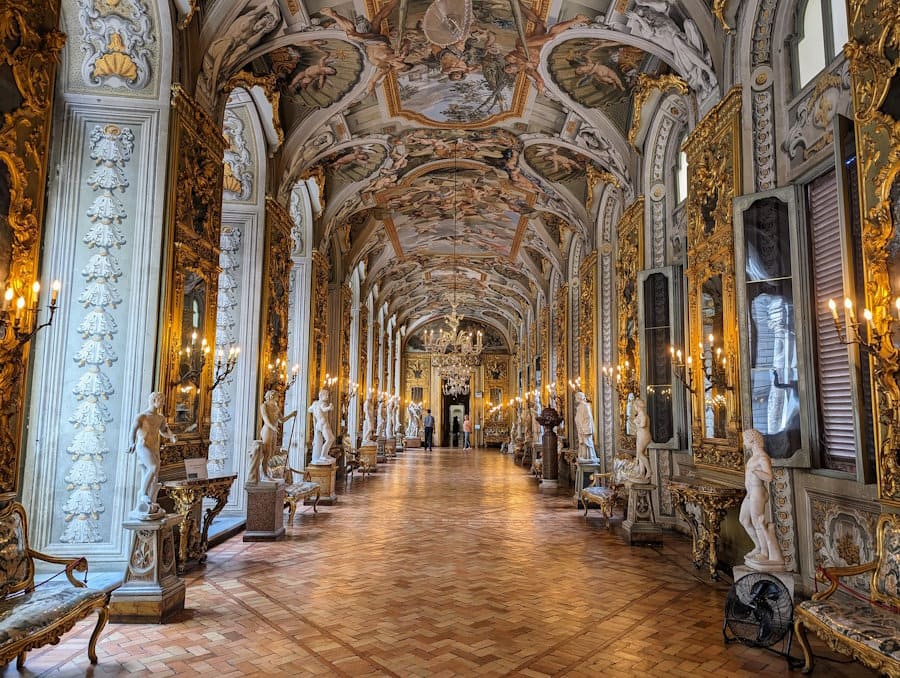
Interesting Facts about the Palazzo Doria Pamphilj
- A “Living” Museum: This is one of the few places in the world where museum galleries are adjacent to the active living quarters of an aristocratic family. You literally breathe the same air as the descendants of great princes!
- The Voice of the Prince: As already mentioned, the audio guide, voiced by the current Prince Doria Pamphilj, Jonathan, is a unique feature. He leads you through the halls, telling not just history, but personal memories and anecdotes. This makes the tour incredibly atmospheric and personal.
- Velázquez and Bacon: The Portrait of Innocent X by Velázquez is not only a masterpiece in itself, but also became the starting point for a series of famous works by Francis Bacon, who created his “Screaming Popes” under the impression of this portrait, although he never saw the original live until after he created most of his paintings (he worked from reproductions).
- Caravaggio without Drama: Unlike many other works by Caravaggio, his “Rest on the Flight to Egypt” from the Doria Pamphilj collection is a surprisingly peaceful and tender painting, without his usual drama. It is one of his few works depicting an angel playing the violin.
- A Private Collection that Remained Private: Unlike many other aristocratic collections that were nationalized or sold off, the Doria Pamphilj family managed to preserve their collection almost completely thanks to a special act of the 16th century that prohibited the alienation of the inheritance.
- “Gallery” as a Style: The paintings in the gallery are hung not by era or school, as in modern museums, but in the traditional old “gallery” style – densely, from floor to ceiling. This creates the impression that you are in a private collection, and not in a sterile exhibition space.
- Hidden Entrances: The Palazzo has several entrances, including one on Via del Corso for the public, and less conspicuous ones that lead to the residential parts of the palace, emphasizing its dual nature.
- A Library to Dream About: In addition to paintings, the palace houses a huge private library containing thousands of ancient volumes and documents, many of which have never been exhibited to the public.
Why is the Palazzo Doria Pamphilj a Must-Visit?
So, friends, if you are looking for something more than just “another museum” in Rome, the Palazzo Doria Pamphilj is exactly the place. It’s not just a collection of magnificent paintings and sculptures. It’s a living testament to history, a place where the past meets the present in the most charming way. You don’t just look at works of art – you find yourself in their natural environment, in the interiors for which they were originally created.
Visiting the Palazzo Doria Pamphilj is an opportunity to take a journey through time, to peek behind the scenes of Roman aristocratic life and feel not just like a tourist, but a personal guest of one of the most influential families in the Eternal City. The atmosphere here is unique: there is no hustle and bustle and crowds, as in other major museums, and the voice of the prince in the headphones creates a sense of intimate conversation, immersing you in family stories and legends.
This is a place that will allow you to see Rome from a different side – not the one that shouts about its greatness at every corner, but the one that quietly whispers its secrets from the depths of centuries. So, when you are in Rome next time, do yourself a favor: turn off the beaten path, pass through those massive gates on Via del Corso, and let the Palazzo Doria Pamphilj tell you its unique, living history. Believe me, you won’t regret it!