Well, friends, it’s time to talk about something that really grabs you and turns your perception of the world upside down. You’ve probably heard of Zambia, right? Let me tell you what it was really like, uncensored and without officialdom. Because Zambia isn’t about dry facts. It’s about sensations, about smells, about smiles, about how your usual picture of the world crumbles to dust under the African sun, and then reassembles, only it’s different, voluminous and incredibly interesting.
Get ready, this will be long. Because you can’t tell about such adventures briefly. It’s like you decided to tell about your whole life, but fit it into one sentence. It won’t work!
First Impression: Landing in the Unknown
I remember as soon as the plane touched down in Lusaka, the first thing that hit me wasn’t so much the hot air as the smell. A mixture of dry earth, diesel fuel, some kind of spices and something elusive, very alive, completely unfamiliar. It’s not the smell of a metropolis, no. It’s the smell of Africa. It penetrates under the skin, it settles on clothes, it becomes a part of you.
And then there was the exit from the airport. Chaos? Well, for a European – yes. For them – just life. Taxi drivers vying for your business, children running alongside the car, fruit vendors right on the roadside. And here you are standing in the middle of it all, your suitcase handle slipping in your sweaty palm, and only one thought in your head: “Okay, this is it. It has begun.” No sterile passages, no perfect roads.
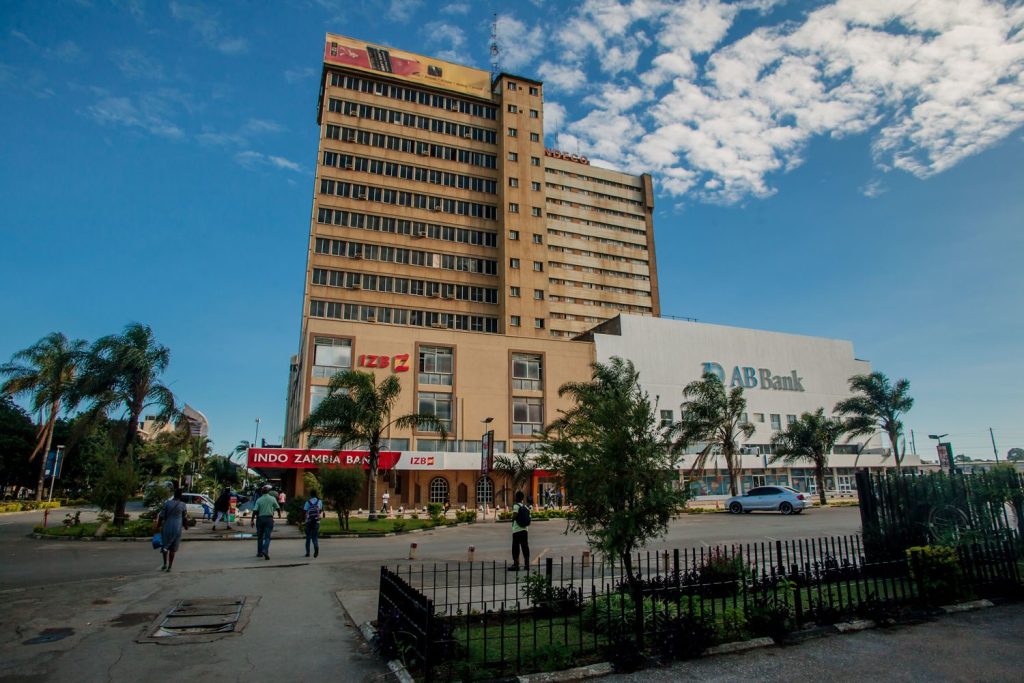
Here you immediately dive into the swirling cauldron of local life. And it must be said, it’s incredibly invigorating. You literally feel your senses sharpen to the limit. Eyes snatching details, ears trying to make out unfamiliar speech, and nostrils inhaling this very, already familiar, African smell. It’s like a reset: all your “important” problems from your past life suddenly seem like such a ridiculous trifle.
Victoria Falls: The Roaring Soul of the Earth
Okay, enough about landing. The main attraction, for which most people come here, is, of course, Victoria Falls. And here the article was right: “The Smoke that Thunders.” But this, damn it, is not just smoke! It’s some kind of primal force that makes you feel like a grain of sand. When you stand next to it, and these tons of water fall down, it’s not just a sound – it’s a vibration that pierces every cell of your body.
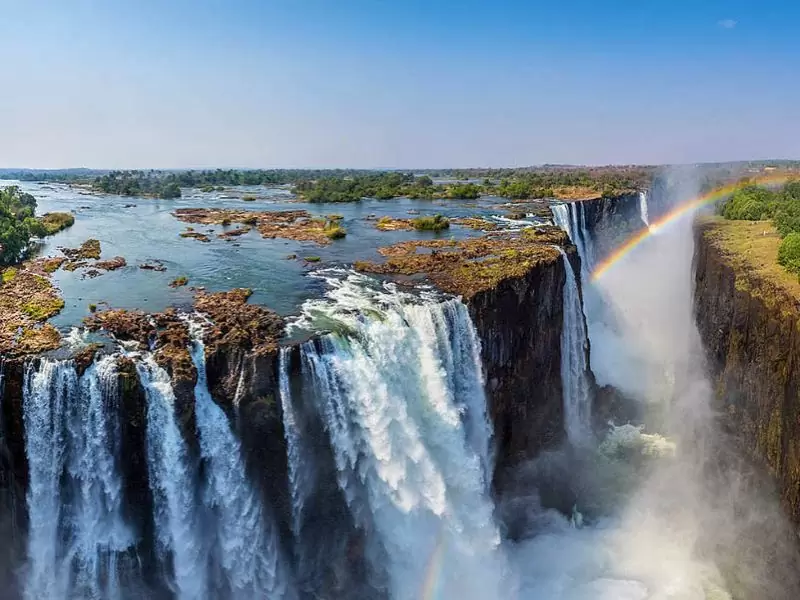
The earth trembles, the air is thick with water dust, and the sun paints rainbows through this curtain. And you stand, wet to the bone (by the way, if you didn’t take a raincoat, buy one here from the locals, they’re funny, but they save you), with your mouth open, and you understand that here it is, nature, in all its fierce, unbridled glory. No video, no photograph can convey this feeling. It must be experienced.
And here you stand, looking at this endless abyss, and you think: “Imagine how we, people, sometimes imagine ourselves to be the navel of the Earth, and then we come here and understand that we are just guests here, and very, very small ones.” It’s both frightening and wildly delightful.
Safari: Behind the Scenes of National Geographic
Next is the safari. Well, of course, you can’t do without it. But if you think it’s like a zoo, only bigger, you’re wrong. This, guys, is a whole quest. You sit in an open jeep, shake along broken roads, the sun is scorching, and the guide whispers that there, behind those bushes, a lion might be sleeping. Maybe! And you sit, tense as a string, peering into every shadow, every bump, trying to guess. And at this moment you feel like a real explorer, a pioneer.
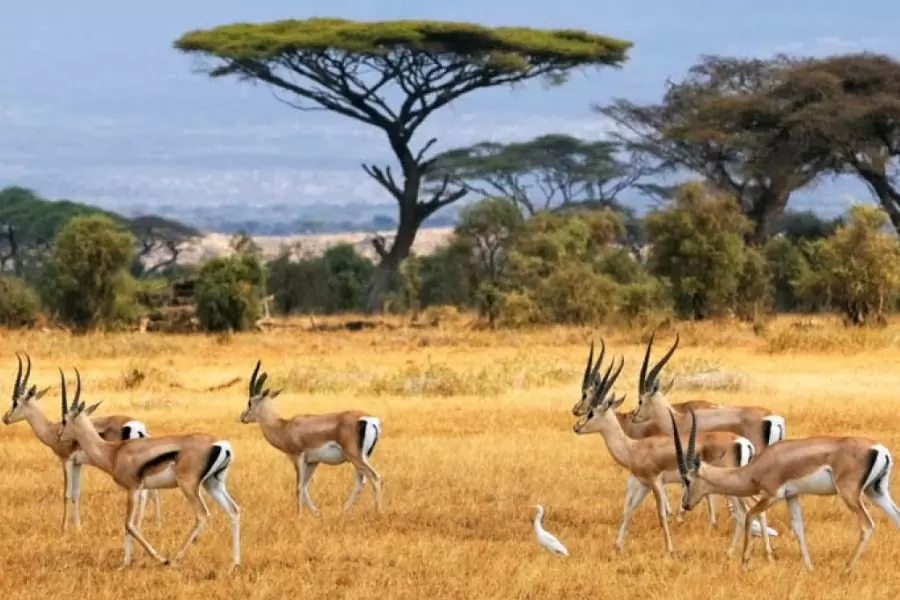
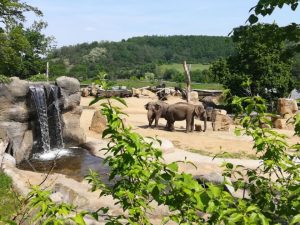
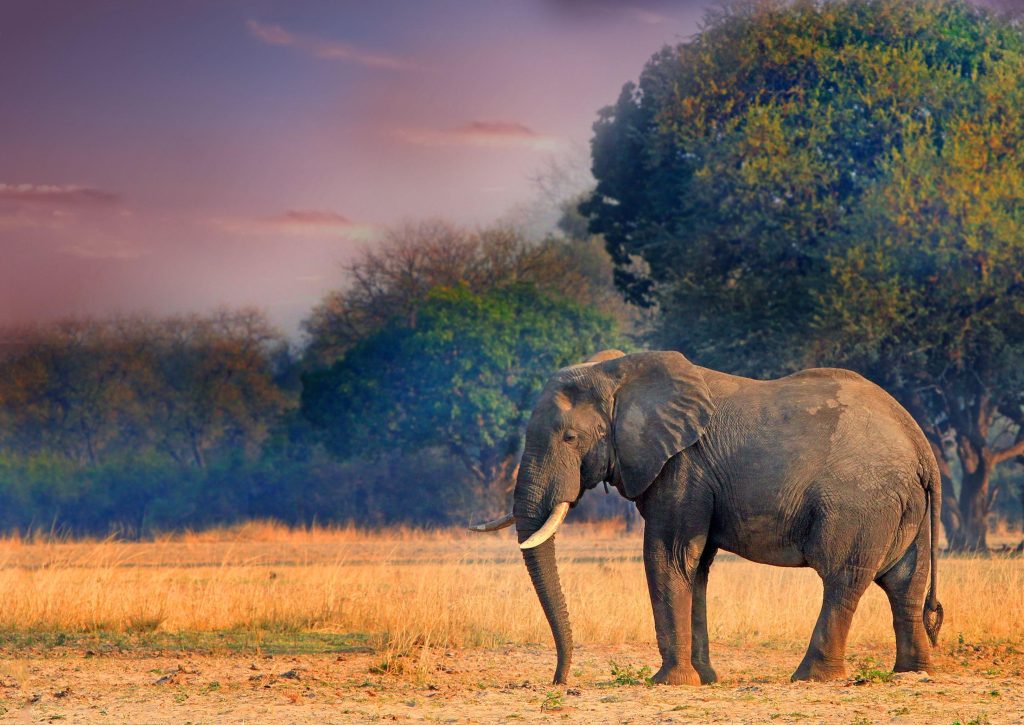
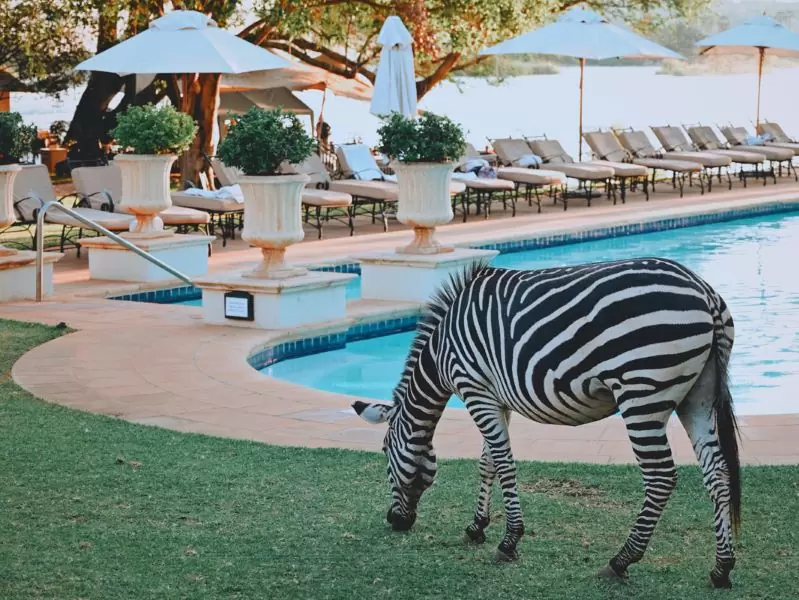
And then bang! From around the corner, from behind the bushes, an elephant emerges into an open meadow. Huge, wise, unhurried. Or a herd of giraffes, who, like runway models, strut proudly, as if they don’t give a damn about all these tourists. Or zebras, which seem drawn right on the landscape. And here you take out your phone (although in such moments you just want to watch, not film), but you understand that no camera can convey the feeling of being literally meters away from wild animals, in their natural environment.
Without bars, without glass. Just you and them. It’s amazing! And there are also the smells of grass, dust, animals. And the sounds: the chirping of cicadas, the cries of some unknown birds. It’s like you’re in a live National Geographic broadcast. Only you’re not on the sofa, but right in the middle of the plot.
People and Smiles: Zambia’s Real Wealth
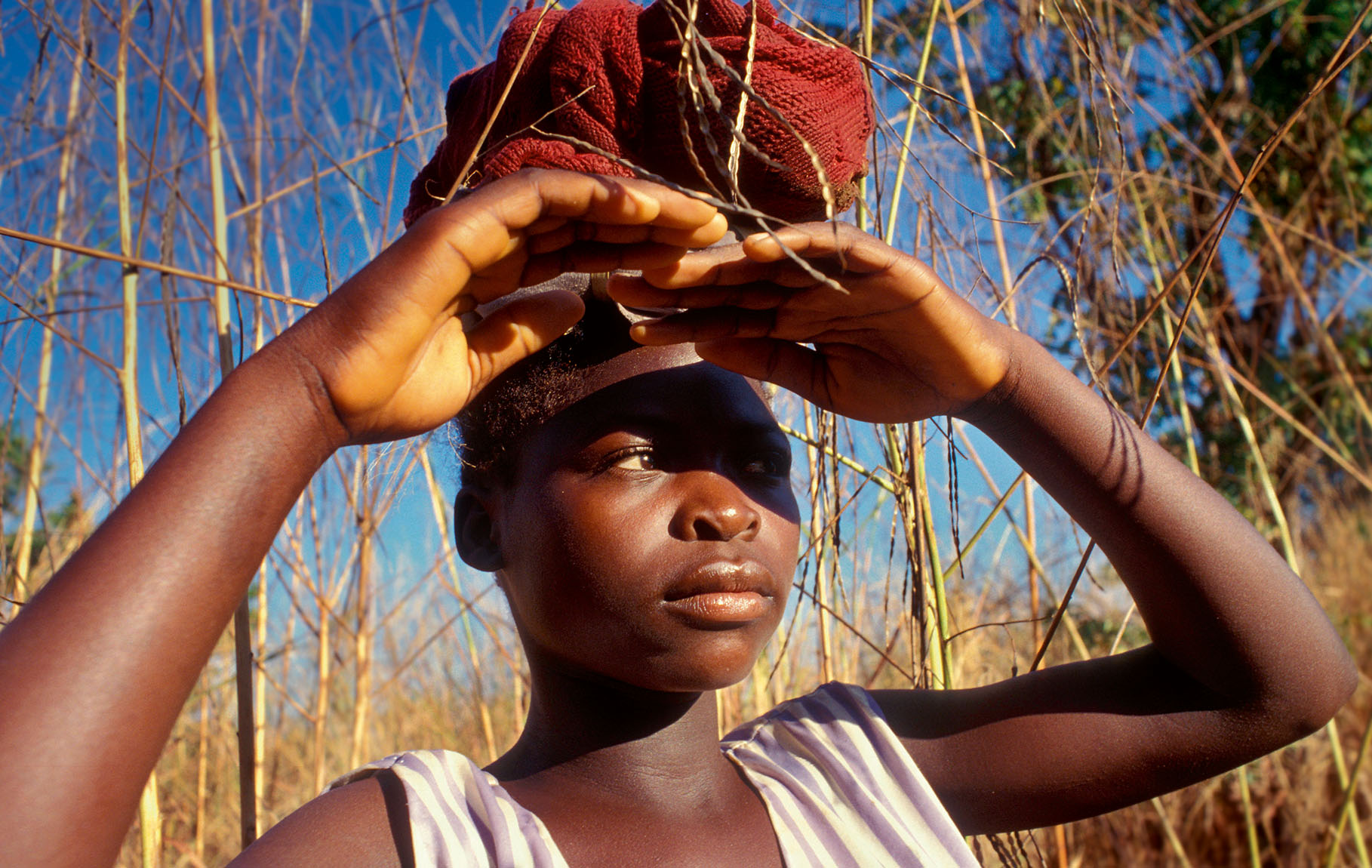
But the most important thing in Zambia is not waterfalls and not elephants. It’s people. Seriously. The article writes about “hospitality.” It’s not just hospitality, it’s a whole philosophy of life. They may not live like us, they have their own difficulties, but they know how to smile. Widely, sincerely, from the heart. And that smile is contagious.
I remember how we tried to figure out the local public transport – minibus-combis. It’s a whole quest! You are literally pushed inside, there are ten people in five seats, music is playing, vendors are shouting, and everyone is shouting something to each other. And you stand, sweaty, a little lost, and suddenly catch someone’s eye. And they smile at you. Just like that. And you involuntarily smile back. And suddenly this crazy bus turns into the most fun ride of your life.
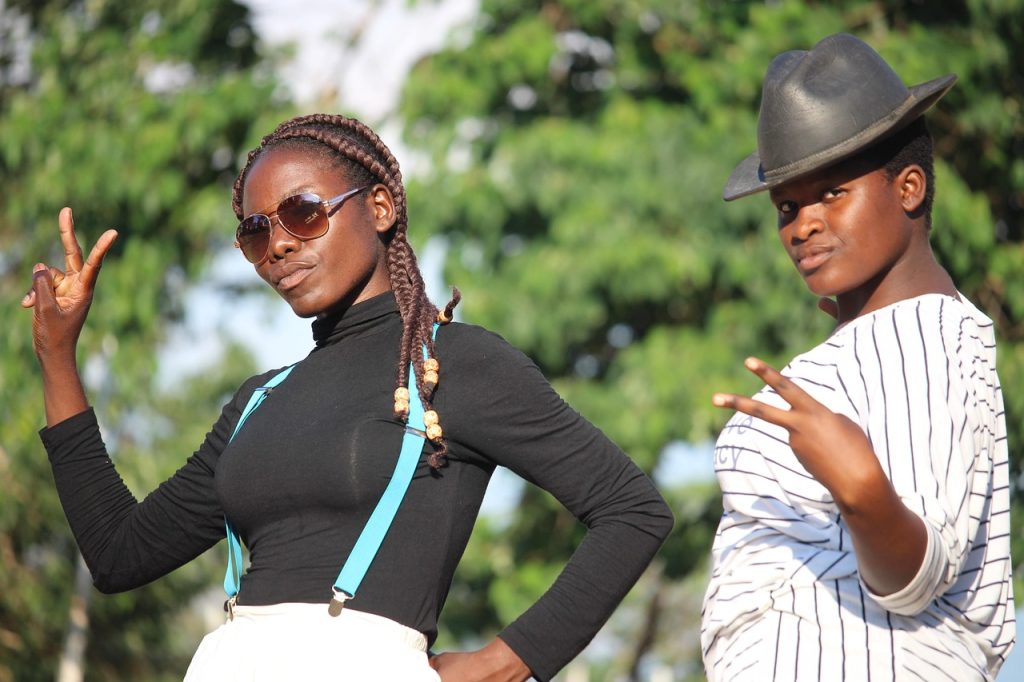
They live differently. “African time” is not a joke. No one is in a hurry here. If you were told “in an hour,” it could mean in three, or tomorrow. And at first you get angry, and then you realize: why hurry? The sun will still rise, the sunset will be beautiful, and life will not run away. Zambia teaches patience, teaches you to appreciate moments, teaches you to be “here and now.”
And these simple people, who may not know all the world news, who live with their community, their village, their tribe, they give you such a lesson in humanity that you can’t buy for any money.
City Bustle and Roads: African Rhythm
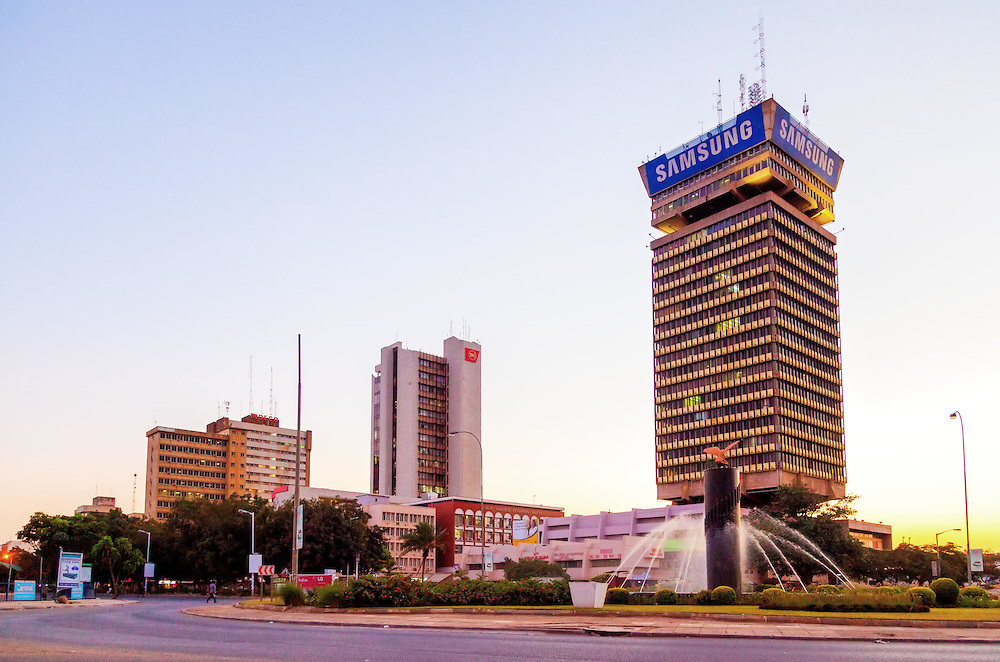
Now about cities and roads. Yes, Lusaka is a metropolis, but it is not at all like Paris or New York. It’s such a living, dusty, developing organism. New buildings are being built, but shacks can stand next to them. Roads can be excellent, and in a hundred meters turn into a dusty dirt road.
Traffic is a separate song. Chaotic, but surprisingly effective. No traffic lights? No problem, everyone somehow agrees. They honk, wave their hands, smile. And along the roadsides – endless rows of vendors: fruits, water, SIM cards, phone chargers, clothes. Everything you want. It’s such a huge, lively bazaar in the open air that never closes.
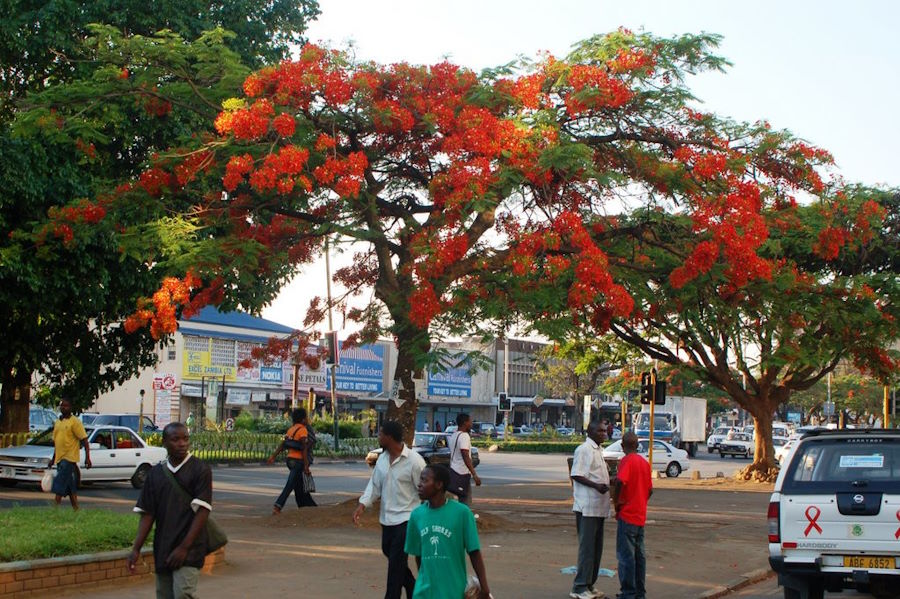
And you walk along this street, and you are enveloped in smells: fried chicken, smoke from fires, fresh pineapples. And you understand that this is the real pulse of Zambia. Nothing is embellished, everything is as it is. Real.
Food: Scents and Tastes of Africa
Food! Oh, that’s a separate story. The main dish is nshima. It’s a thick porridge made from cornmeal, similar to our hominy, but tasteless in itself. But it is eaten with anything: with stewed meat, fish, vegetables, sauces. And these sauces are a separate cosmos. Spicy, fragrant, sour, meaty. There’s navaga – stewed fish. There’s chicken – chicken, it’s cooked everywhere and in different ways. And, of course, fruits. Mangoes, pineapples, bananas – sweet, juicy, just from the tree.
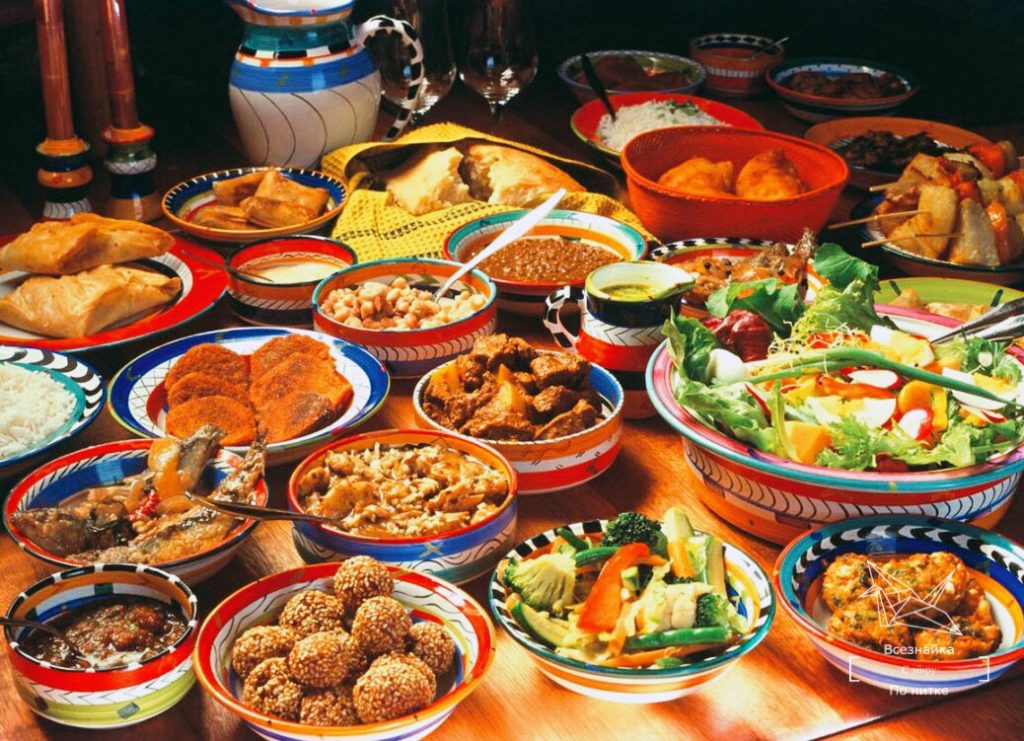
And there is also its own ritual here. Often they eat with their hands. And it’s so cool, you just sit, eat nshima, dipping it in sauce, and feel like a part of this culture. And in the evenings in the streets – smoke from grilled meat, smells of spices, the noise of conversations. It’s such a lively, tangible atmosphere that stays in your memory longer than any photograph.
Lessons of Zambia: What Remains After
When you return home, Zambia stays with you. It’s not just in memories and photographs. It changes you.
- Firstly, you begin to appreciate what you have. Your bath, your clean water, smooth roads, working traffic lights, silence. And you understand that many of our “problems” are just the whims of a spoiled-by-comfort person.
- Secondly, you learn to be patient. African time is not only about waiting, it is about being able to live without rushing, about being able to let go of control and just go with the flow. Sometimes this is very useful in our crazy life.
- Thirdly, you begin to look at people differently. At their smiles, at their difficulties, at their resilience. You understand that happiness is not measured by the amount of money or things. It’s in simple things: in family, in community, in the ability to rejoice in the sun and the laughter of children.
- And fourthly, you understand that the world is much bigger than your usual picture. It is diverse, it is full of surprises, it is not always logical, but it is always interesting. And the more you discover such “inconvenient” places for yourself, the wider your horizon becomes.
Why You Should Take a Risk and Fly to Zambia
Zambia is not about a tick on the list of visited countries. It’s about adventure, about getting out of your comfort zone, about rethinking. It’s about how the world can be both harsh and incredibly beautiful. About how people can live differently, but still be happy.
If you want your journey to be not just a trip, but a whole chapter in your life that will leave a mark, that will make you think, feel and change – then Zambia may be what you need.
Don’t expect luxury and perfect service. Expect adventures, unexpected meetings, incredible landscapes and life lessons. And then the “heart of Africa” will open up to you not only its beauty, but also something very important – in yourself. So, pack your backpack and get ready to be a little “broken” and then reassembled. And it will be unforgettable!