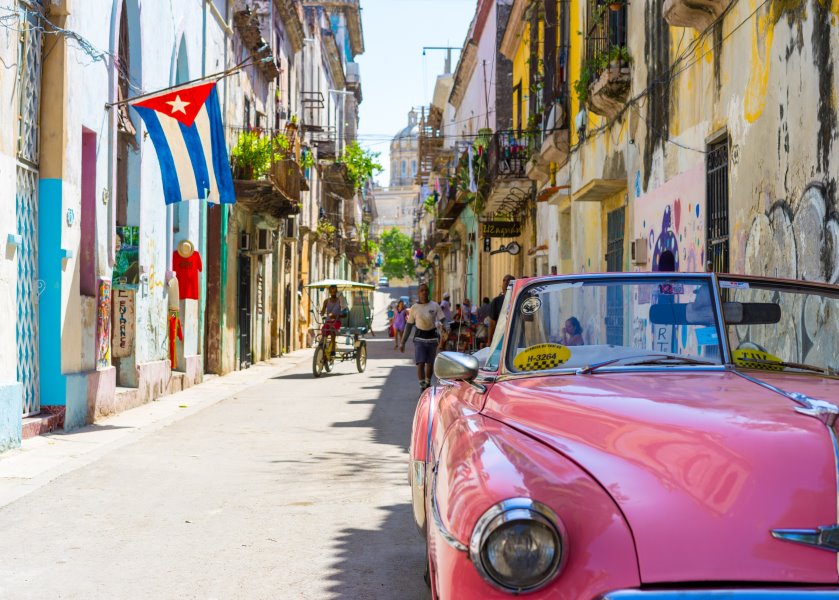
Ah, Cuba! The very word sounds like the melody of an old son, smells of cigars and the salty wind of the Caribbean Sea. If you are reading these lines right now, it means that this inexplicable call of the Island of Freedom has already settled in your soul. And that’s great, because Cuba is not just a country, it’s a state of mind, it’s a journey through time, it’s a challenge to your stereotypes and, believe me, it’s one of the most unforgettable adventures that can happen in your life.
I’m not going to write out dry encyclopedic data here, no. We’ll talk like old friends who have known each other for a hundred years, and I’ll tell you about Cuba as if we were sitting on the Malecon, drinking mojitos and watching the sunset. Ready? Then let’s go!
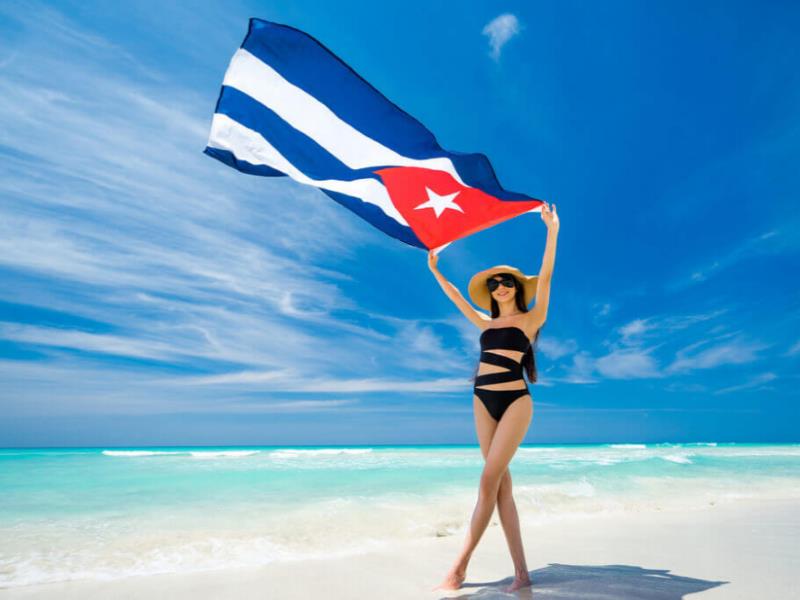
Cuba: Greetings from the Past, or What do the Palm Trees Whisper?
You know, Cuba is like a living open-air museum, where every corner breathes history, and every person you meet is ready to tell you their story. Before we dive into the abyss of beaches and rum, let’s quickly run through its past to better understand the present.
Before the arrival of Columbus in 1492, when, they say, he exclaimed: “This is the most beautiful island that human eyes have ever seen!”, Cuba was inhabited by Indians – the Taino, Guanahatabey, and Siboney. They lived peacefully, fishing and growing tobacco. But then the Spaniards came, and the world changed. The island became a colony, a source of sugar, tobacco and, alas, a sweatshop system built on the slave labor of Africans, who were brought here by the thousands. Hence, by the way, the incredible cultural and ethnic mix that you will see everywhere.
Spanish rule lasted almost four centuries. There were uprisings, there were heroes, there were attempts at independence, but only at the end of the 19th century, after the war with Spain, did Cuba receive… well, let’s just say, not quite freedom, but rather dependence on the United States. Until the mid-20th century, Cuba was, in essence, a “playground” for Americans – casinos, luxury hotels, the mafia, the whole shebang. Beautiful, but not for everyone.
And that’s when they came on the scene – Fidel Castro, Che Guevara and their comrades. The Cuban Revolution of 1959 changed everything. The country chose a socialist path, made friends with the USSR, and a completely different story began. The American embargo, the “Cuban Missile Crisis,” the “Special Period” after the collapse of the Soviet Union – Cuba went through incredible trials. But she stood firm. She is still building her own, special socialism, and that is what makes her so unique and mesmerizing. You will see it everywhere: from old cars to queues for food, from incredibly cheerful people to dilapidated but proud buildings.
Geography and Climate: Sun, Sea and… Beware, Hurricanes!
So, where is this mysterious Cuba located? It lies quietly in the Caribbean Sea, washed by the Atlantic Ocean on one side and the Caribbean Sea on the other. Very close by, just 150 kilometers, is Florida, USA. It consists of the main island, which, by the way, is the largest in the Caribbean, and almost 4000 small islands and coral reefs scattered around. From above, it looks like a long, thin cigar. Symbolic, isn’t it?
Landscape
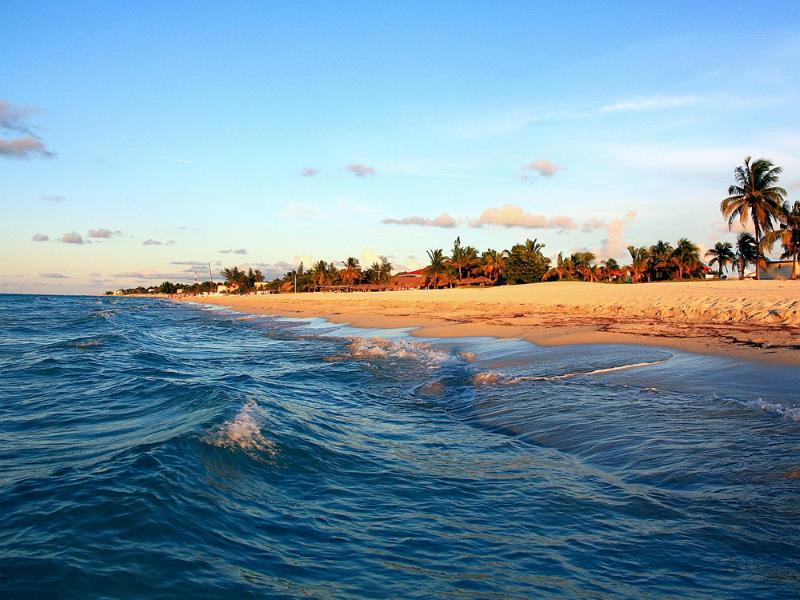
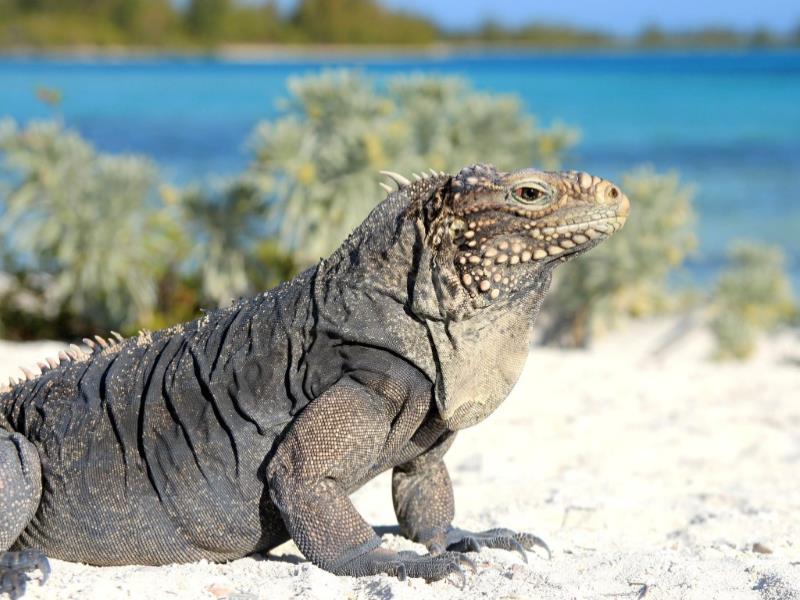
Don’t expect endless steppes or eternal ice here, of course. Cuba is a riot of tropical nature! Most of the island is fertile plains, where sugar cane, tobacco and citrus fruits grow. But there are also mountains. The most famous are the Sierra Maestra in the east, where, by the way, the revolution originated, and also the Escambray mountains in the central part. There are plenty of picturesque valleys, caves and waterfalls there. The coast is a separate song: kilometers of white sandy beaches, mangrove forests, coral reefs. In general, everything for a perfect beach vacation.
Climate
Everything is simple and pleasant here – tropical, trade wind. And this means that it is warm (yes, hot!) all year round. The average air temperature ranges from +25°C in winter to +30°C in summer. The water in the sea is just like warm milk, always above +24°C.
But there are nuances to be aware of:
- Two seasons: The dry season (November-April) is the best time for tourists. Sunny, relatively not hot, no rain. The wet season (May-October) is the rainy season and, alas, the hurricane season. The rains are usually short, but heavy tropical downpours. The humidity is high at this time, so it can be stuffy.
- Hurricanes: The hurricane season is from June to November, with a peak in September-October. Don’t panic, but keep it in mind. Cuba is very well prepared for evacuation and protection of the population, so in case of anything, you will definitely be helped. But if you don’t like taking risks, plan your trip for the “dry” season.
- Sun: The Cuban sun is no joke. It is merciless. SPF 50+ is your best friend. Hats, panamas, sunglasses are a must-have. You can get sunburned here in half an hour, and then the vacation will be spoiled.
Political System, Capital and Faith: Not Unambiguous, but Safe
So, Cuba is a socialist republic. In fact, a one-party system, where the Communist Party rules. It may sound unusual to many, but for a tourist this means one thing: the country is very safe. The crime rate is low, especially against tourists. The police keep order, so you can feel quite calm, even walking around nocturnal Havana (but, of course, common sense has not been canceled).
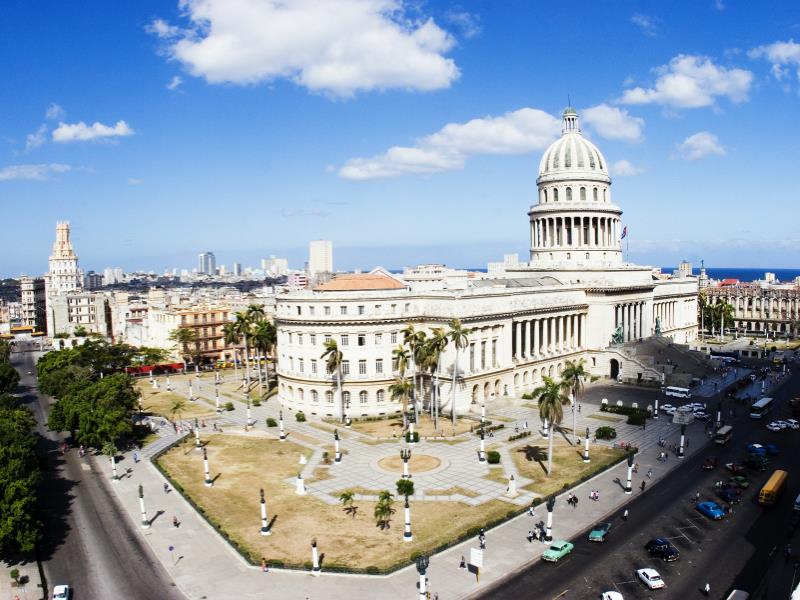
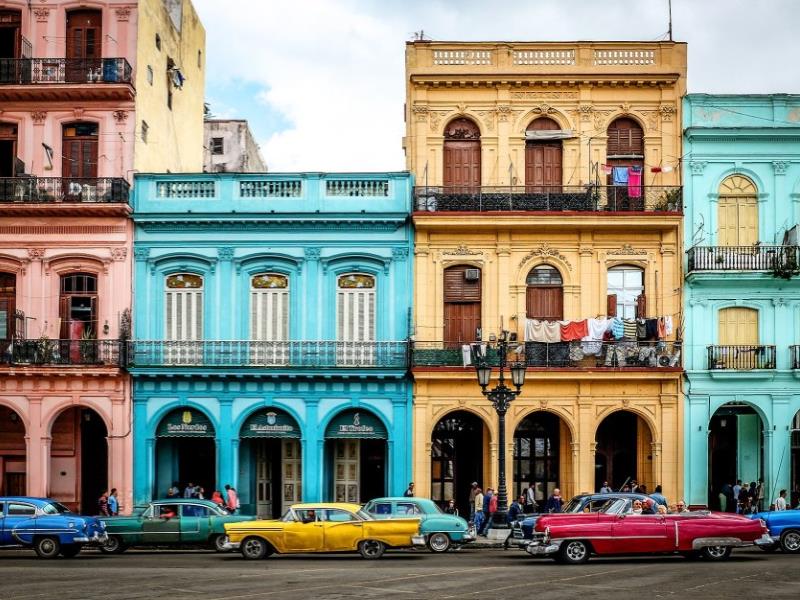
Capital: Of course, it’s Havana (Habana)! This is the heart of Cuba, its soul, its lungs. A huge, noisy, chaotic, but insanely attractive city. It is divided into three main parts: Old Havana (Habana Vieja) is the historical center, where every stone breathes the colonial era; Vedado is a more modern area with hotels and nightlife; and Miramar is an area of luxurious villas and embassies. It is in Old Havana that you will feel the very spirit of Cuba.
Religion: Formally, Cuba is a secular state, but the influence of religion is great. Most of the population consider themselves Catholics. But here’s what’s interesting: in parallel with Catholicism, Santeria thrives here. This is a mixture of Catholic saints and traditional beliefs of African Yoruba people, who were brought to Cuba as slaves. A very colorful and vibrant religion. You will see it in the white robes of the followers, in the altars in the houses, in the sacrificial offerings at the crossroads. Nothing scary, just part of Cuban culture. If you are offered to “see a ceremony,” be prepared for the fact that it may not be just a show, but a real ritual practice.
Population and Language: Cubans are a separate kind of art!
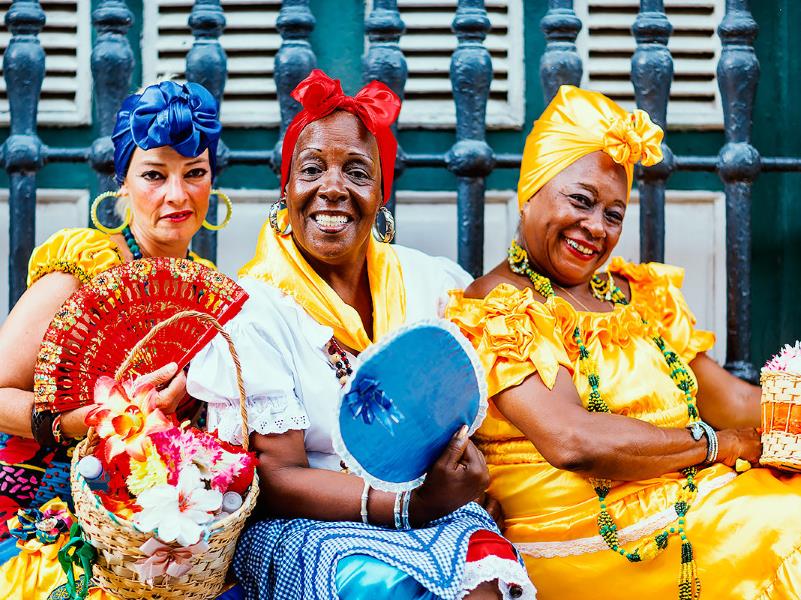
Cuba is a relatively small country, with a population of about 11 million people. But the national composition is simply an explosion of colors! Forget about pure races, everything is mixed here, and that’s great. The basis is the descendants of Spaniards and Africans, brought as slaves. There are some Asians (especially Chinese), French, Russians (after the era of the USSR). And this mixture has created an incredibly vibrant, energetic and unique culture.
National Mentality: This is perhaps the most important thing you need to know about Cuba, besides its history. Cubans are a phenomenon!
- Cheerfulness and optimism: Despite all the difficulties, Cubans are incredibly cheerful, energetic, and positive people. They know how to enjoy life here and now, dance and sing, even when the refrigerator is empty.
- “Resolviendo”: This is a key word in Cuba. It means “solving,” “getting by,” “finding a way out.” Cubans are masters at finding solutions in any situation, even the most hopeless. It’s a combination of cunning, ingenuity, and incredible resourcefulness. Don’t be surprised if you see something being done “on a wing and a prayer” – that’s resolviendo.
- Openness and sociability: They love to talk, laugh, and joke. Hospitality is in their blood. If you speak Spanish, even poorly, you will be welcomed like family.
- Pride: Cubans are very proud of their country, their revolution, and their culture. Respect this.
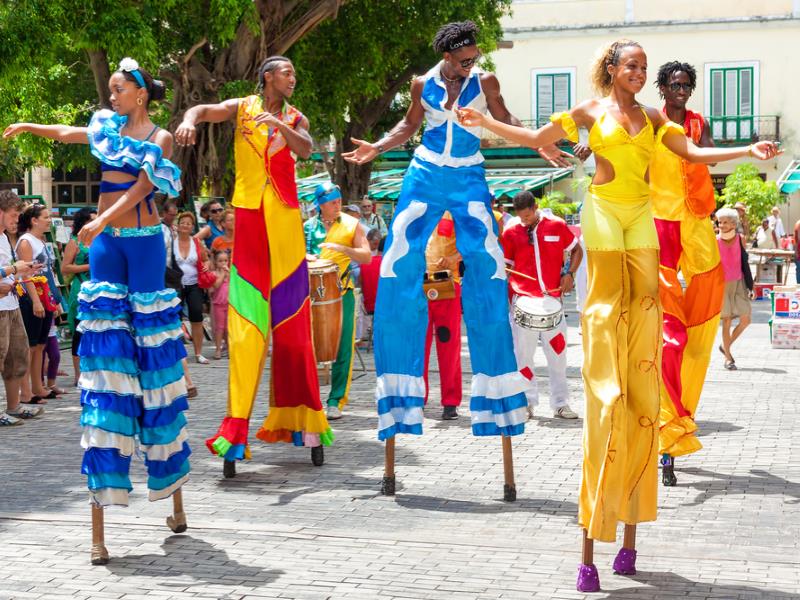
- Musicality: Music and dance are like air for Cubans. They dance everywhere and always. Don’t hesitate to sing along or even try to dance – it will be appreciated!
- Relaxed pace: Time in Cuba flows according to its own rules. “Mañana” (tomorrow) or “ahorita” (now, but probably not) are not just words, they are a philosophy. Relax and accept it. Attempts to rush somewhere or demand something will be useless.
Language: The official language is Spanish. But, of course, it’s a Cuban dialect, which differs from “classic” Spanish. It is faster, with “swallowing” of endings, and with many of its own words. For example, “guagua” is a bus, “chama” is a girl, “asere” is a friend (you will hear it very often).
Common languages: In tourist areas, especially in Havana and Varadero, many (especially young people working in tourism) speak English passably. But believe me, learning a couple of phrases in Spanish (Hola! Gracias! Por favor! ¿Cuánto cuesta? Un mojito, por favor!) will open many more doors and hearts. Locals appreciate it when tourists try to speak their language.
Transport Infrastructure: Classic and Unpredictable
This is where Cuba will truly show you what “resolviendo” is! Forget about clear schedules and modern trains, there’s a special atmosphere here.
Air travel: International airports are located in Havana (Aeropuerto Internacional José Martí, HAV), Varadero (Aeropuerto Juan Gualberto Gómez, VRA), Santiago de Cuba, Holguin, and on some cayos (islets). They are quite functional, but don’t expect the glitz of Dubai.
Sea routes: Cruise ships call at Havana and other major ports. This is a popular way to see Cuba, but it only gives a superficial view of the country.
Railway: Well, it exists. And that’s already good. But the trains are old, slow, often break down, and are hours late. For tourists, it’s more of an exotic experience than a real way to travel between cities. It’s better to use it if you’re not in a hurry and want to feel like a character in an old movie.
Intercity buses: This is the main and most reliable (by Cuban standards) way to get around for tourists. There is a company Viazul (pronounced “Viasul”) that serves tourist routes between major cities. The buses are modern (by Cuban standards) and air-conditioned. It is better to book tickets in advance, especially in high season, online or at Viazul offices. For locals, there are other buses (“guaguas”), but they are always overcrowded, without air conditioning, and extremely unpredictable.
City public transport: In cities (especially in Havana) there are buses, but they are VERY old, VERY crowded, VERY hot. If you are not a fan of extreme, it is better not to use them.
Taxis:
- Official taxis: Yellow, usually Ladas or modern cars (sometimes even relatively new Chinese ones). There is a meter, but it’s always better to agree on the price in advance. They are more expensive, but more reliable.
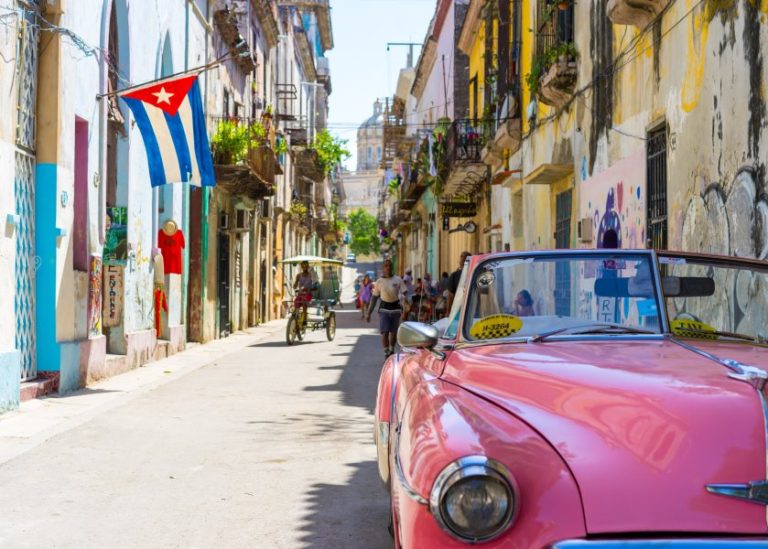
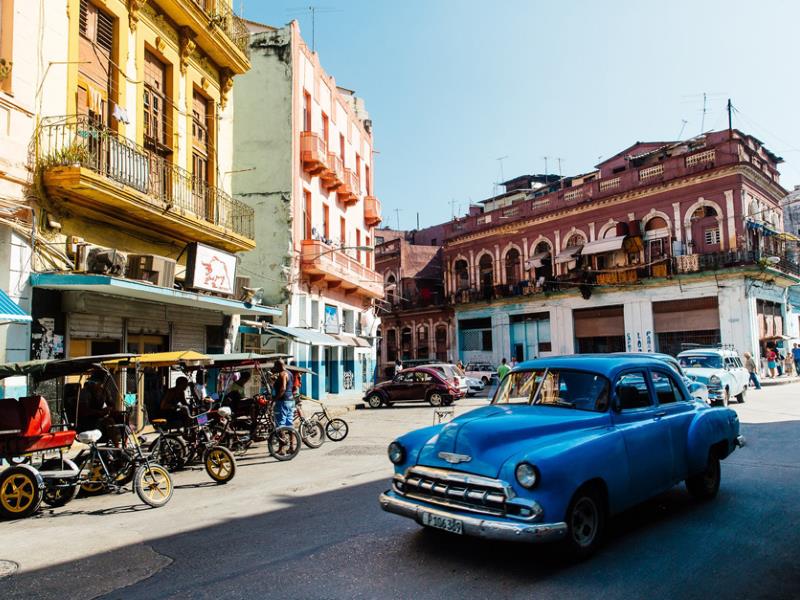
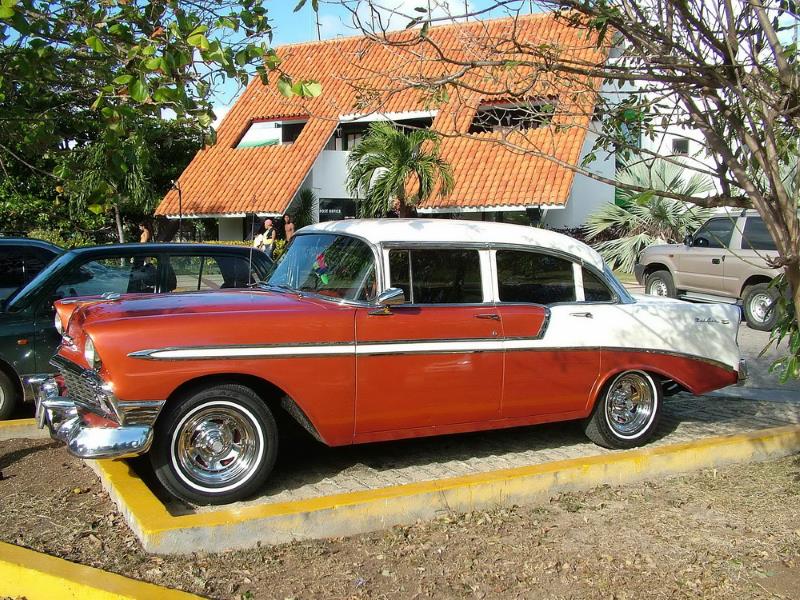
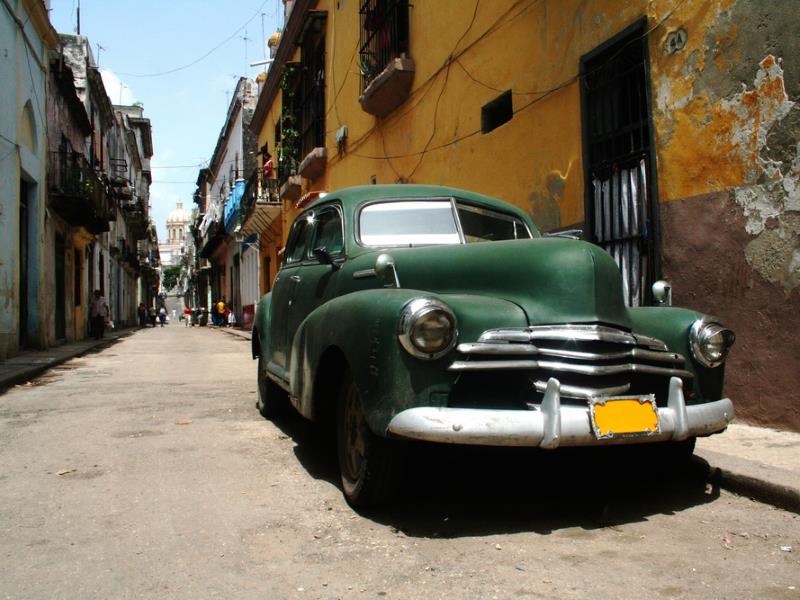
- “Almendrones”: This is what many people come to Cuba for! Classic American cars from the 40s and 50s, repaired and “brought to mind” by Cuban craftsmen. They operate as minibuses on fixed routes (collectivos) or as private taxis. If you catch them on the street to go anywhere, agree on the price STRICTLY before boarding. It’s cheaper than official taxis and much more colorful. Be sure to try it!
- “Coco-taxis”: Yellow three-wheeled scooters in the shape of a coconut. Fun, but not the safest. Okay for short trips.
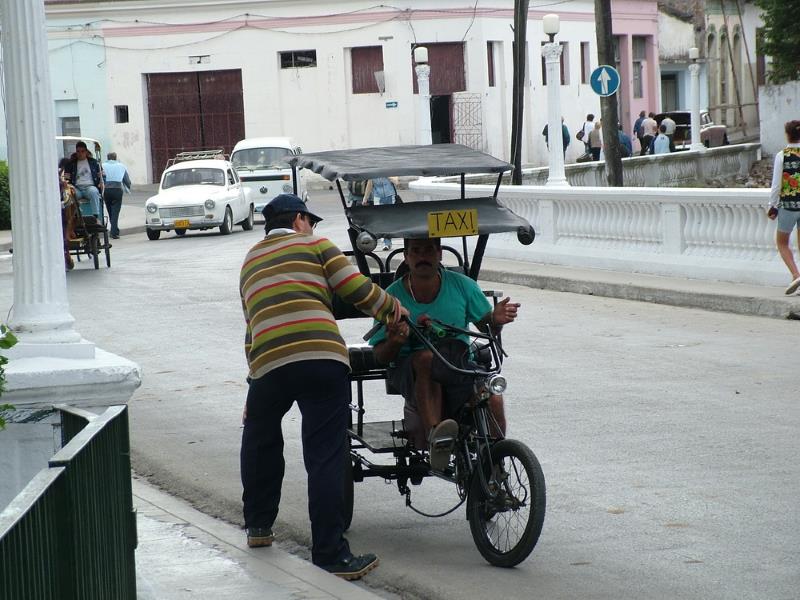
- Rickshaws (bici-taxis): There are many bicycle rickshaws in Old Havana. Convenient for short distances, but again, agree on the price in advance.
Car sharing: Forget it. This concept does not yet exist in Cuba.
Car rental: Possible, but expensive and not always convenient. The cars are not the newest, the roads can be in poor condition, and the signs can be missing. Gas stations can be a problem. If you want complete freedom of movement and are not afraid of adventure, this is an option. But be prepared for it to be expensive and stressful.
The Most Important and Interesting Facts about the Country: And Cuba is not just Mojitos!
Okay, enough with the serious stuff. Let’s run through the “features” of Cuba, what makes it so unique and why it gets into your soul.
- Dinosaur cars: Well, we can’t do without them! Classic American cars from the 40s and 50s, sparkling with chrome and bright colors. This is not just transport, it is a national symbol. They have been preserved thanks to the embargo and Cuban ingenuity: for decades they have been repaired, rebuilt, and fitted with parts from tractors and Russian “Zhiguli”. Riding in a pink convertible along the Malecon is a must-have!
- Cigars: The best in the world, period. Cuban cigars are a legend, the result of centuries of tobacco-growing traditions and hand-rolling. Even if you don’t smoke, it’s worth visiting a factory, watching the process, and bringing some as a gift to friends. P.S. Buy only in official stores (Casa del Habano), otherwise you risk running into a fake.
- Rum: The second legend! Cuban rum is not just a drink, it is part of the culture. Delicate, fragrant, it is ideal for cocktails (mojito, daiquiri) and just for sipping on the rocks. Havana Club is the most famous, but there are other worthy brands.
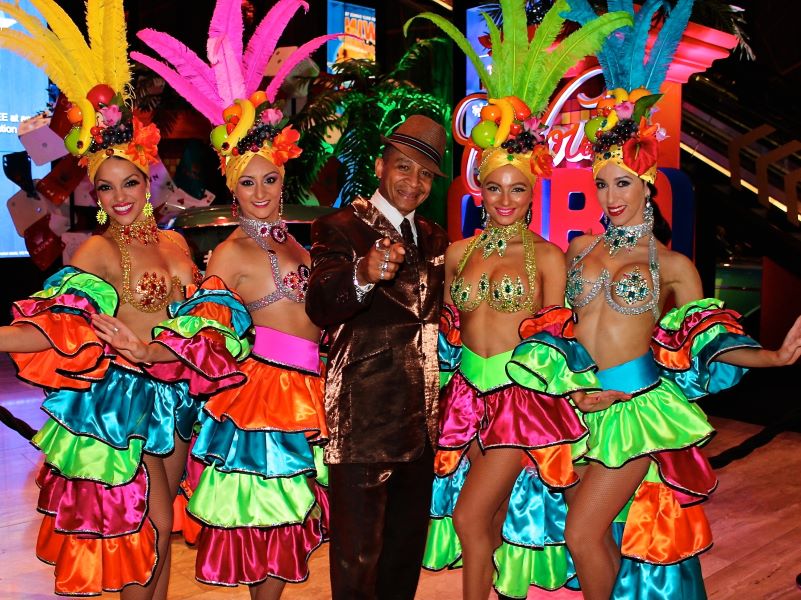
- Music and Dance: Salsa, rumba, son, cha-cha-cha… Cuba dances and sings 24/7. Music flows from everywhere – from cafes, from homes, right on the streets. Check out the “casa de la trova” (house of song), watch people dance salsa. And better yet – try it yourself!
- Highest level of literacy and healthcare: Despite all the economic difficulties, Cuba is proud that its literacy rate is one of the highest in the world, and healthcare, although it has faced problems due to a shortage of medicines, is available to everyone and focused on prevention. Cuban doctors are famous for their education.
- Dual currency (no longer, but the nuances remain!): Previously, there were two currencies in Cuba – CUC (convertible peso, for tourists) and CUP (national peso, for locals). It was very confusing. Since 2021, the CUC has been abolished, and now there is only the CUP. But! In practice, foreign currency (euros, US dollars) is accepted for payment in many places, especially in private ones. And the exchange rate is often more favorable than when exchanging for CUP. Always have cash with you, lots of cash! Cards work intermittently, and not all foreign cards are accepted (especially those of American banks).
- Internet: The internet in Cuba is not what you are used to. It is expensive, slow, and available mainly through Wi-Fi hotspots (parks, hotels, ETECSA offices). You will have to buy special ETECSA cards (tarjetas de navegación). Forget about seamless roaming and streaming. It’s time for a digital detox and communication with real people!
Cities and Destinations: Where to Go First?
Cuba is full of treasures, and choosing where to go can be difficult. Here are the most popular and must-see places:
Havana:
Well, of course! A must-visit. You can spend a week here and still not see everything.
- Old Havana (Habana Vieja): A UNESCO World Heritage Site. Get lost in its narrow streets, admire the dilapidated but majestic buildings, sit in the square. Be sure to walk through the Plaza Vieja, the Plaza de Armas, the Cathedral Square.
- Malecon: The famous promenade where all of Havana gathers at sunset. Ideal for walking and observing life.
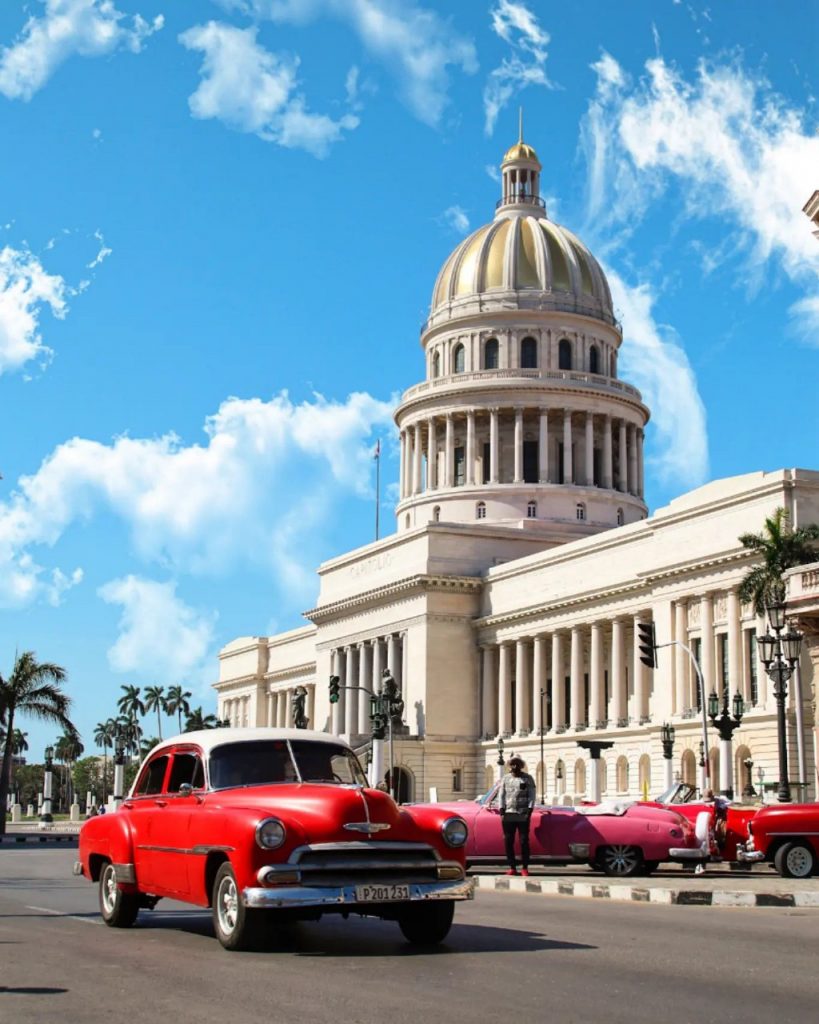
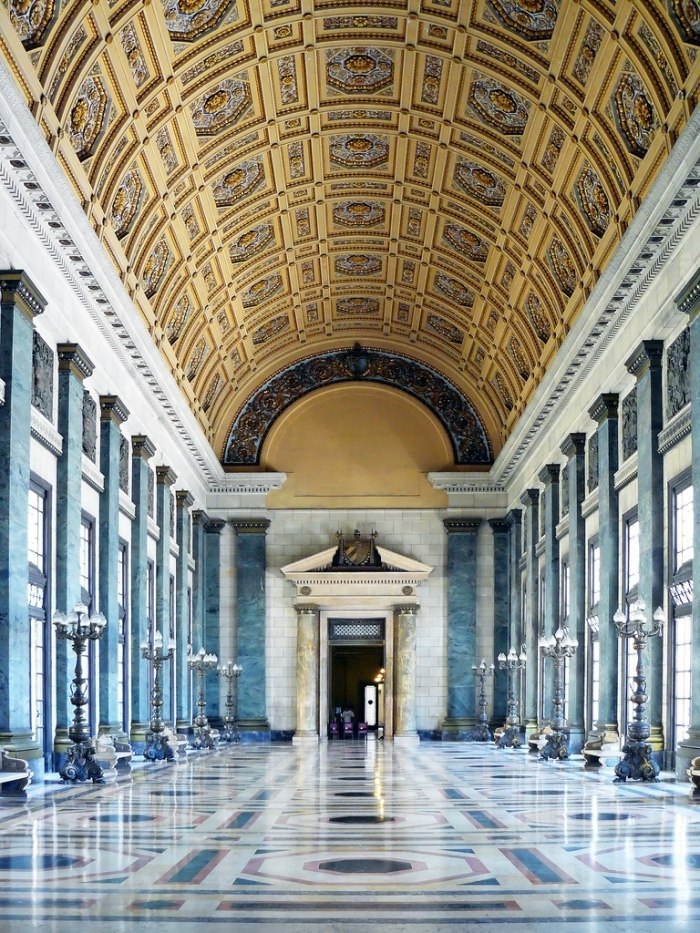
- El Capitolio: A copy of the Capitol in Washington, a grandiose building.
- Revolution Square: A symbol of Cuba, the place of all important events. There are also giant images of Che Guevara and Camilo Cienfuegos.
- Partagas Cigar Factory / Real Fábrica de Tabacos Partagás (although the factory has moved, the place is still iconic) and Rum Museum: Immerse yourself in the world of Cuban aromas.
- Fusterlandia: An unusual neighborhood, transformed by the artist Jose Fuster into a work of art in the style of Gaudi. Very bright and unusual!
Varadero: If Havana is the soul, then Varadero is the body. Kilometers of perfect white beaches and turquoise water. This is such a classic resort for “package” tourists, with “all inclusive” hotels. If you only need a beach vacation, swimming pools, and cocktails, then this is the place for you. But for the real Cuba, go to other places.
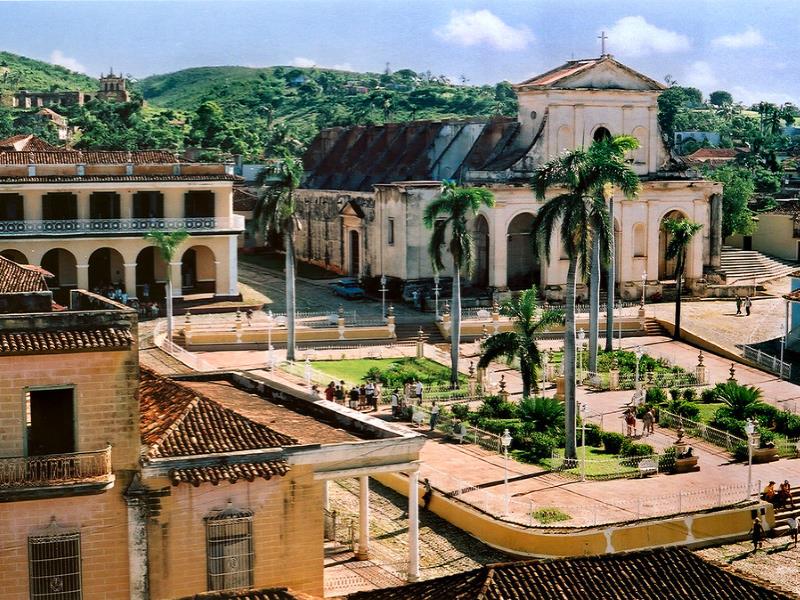
Trinidad: Another UNESCO site, and it’s simply a pearl! A small, beautifully preserved colonial city with cobbled streets, colorful houses, and a unique atmosphere. It feels like time has stopped here centuries ago. Be sure to climb the bell tower of the Municipal History Museum for a panoramic view and dance salsa in the open air on the steps of the Casa de la Música.
Viñales: If you love nature, then this is the place for you. The Viñales Valley is also a UNESCO site, famous for its “mogotes” – unique hills with flat tops, resembling giant loaves of bread. This is the center of tobacco growing, so you can visit tobacco plantations, see how cigars are made, and taste the freshest coffee. Lots of caves, you can ride horses.
Santiago de Cuba: The second capital, the cradle of the revolution, and the most “African” city in Cuba. Music is bubbling here, many Cuban rhythms were born here. A very lively and authentic city. Visit the San Pedro de la Roca fortress, the Moncada barracks, and stroll through Cespedes Park. And if you’re lucky, you’ll get to the famous Santiago Carnival!
Cienfuegos: “The Pearl of the South”, a city with French influence. Beautiful architecture, wide boulevards, and a very pleasant Punta Gorda promenade.
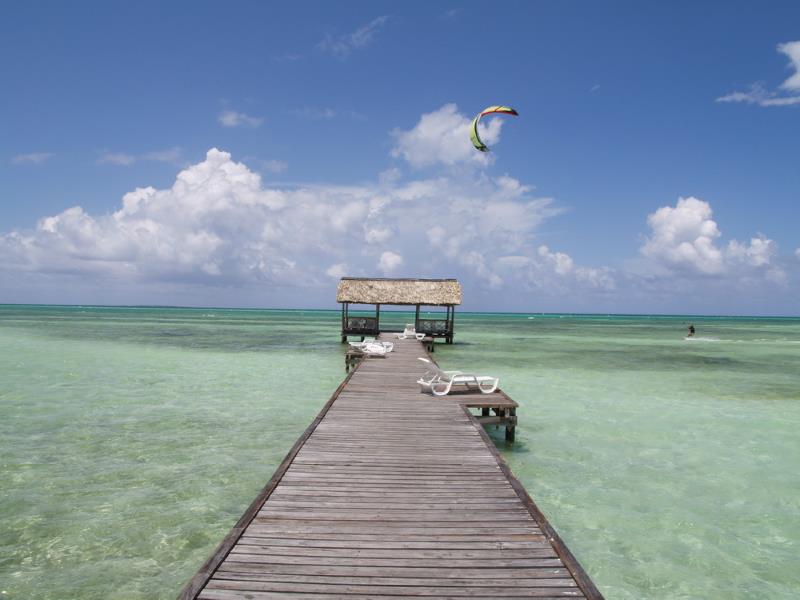
Islets (Cayos): Cayo Largo, Cayo Coco, Cayo Santa Maria. These are paradisiacal corners with white beaches and crystal clear water, often connected by dams to the main island. Large “all-inclusive” hotels are located here. Ideal for diving and snorkeling enthusiasts.
Natural Zones and Resorts: Where the Soul Rests
Cuba is not only cities and revolution, it is also a riot of nature.
Beaches: Varadero, Cayo Coco, Cayo Santa Maria, Cayo Largo, Playa Girón (Bay of Pigs), Playas del Este (near Havana) – the choice is huge. These are ideal places for swimming, sunbathing, diving, and snorkeling. The underwater world of Cuba is very rich and diverse!
National parks and reserves:
- Viñales Valley: Already mentioned, with unique mogotes, tobacco plantations, and caves (for example, Cueva del Indio).
- Topes de Collantes: A mountain reserve in the Escambray Mountains, near Trinidad. Here you can go trekking, swim in waterfalls, and enjoy the coolness of the tropical forest. There are several natural pools.
- Sierra Maestra National Park: For lovers of real adventures. Here is the highest point in Cuba – Pico Turquino. You can climb it, but it’s a serious hike.
- Zapata Peninsula: The largest wetland in the Caribbean, a UNESCO site. This is a paradise for lovers of birds, crocodiles (there is a crocodile farm!) and diving (the famous Bay of Pigs, where the landing of Cuban emigrants took place in 1961).
Health resorts: In the Western sense, there are few of them. Cuba is more about active or relaxed beach holidays. Some large hotels have spa centers, but this is not the main “feature” of the country.
Attractions: From Colonial Monuments to Revolutionary Shrines
We have already mentioned some, but let’s put everything in one list, so as not to forget anything:
Havana
- Havana Vieja: I repeat, this is a must-see. All the squares, narrow streets, houses, balconies.
- Morro Fortress and La Cabaña Fortress: Old forts that protected Havana from pirates. In the evening, La Cabaña hosts the cannon firing ceremony (Cañonazo de las nueve) – a very spectacular sight.
- Revolution Museum: Located in the former Presidential Palace. Very informative, albeit with a pronounced communist ideology.
- Hemingway’s House (Finca Vigía): The great writer lived and worked here. The museum has preserved everything as it was during his lifetime.
- Bar El Floridita and Bodeguita del Medio: Bars where Hemingway liked to hang out. Mojitos and daiquiris are, of course, more expensive here, but the atmosphere!
Trinidad
- Plaza Mayor: The heart of the city, surrounded by colonial buildings.
- Museum of Romanticism: In an old mansion, it shows the life of wealthy Cubans in the 19th century.
- Iznaga Tower (Torre Iznaga): Not far from Trinidad, in the Valley of the Sugar Mills. Slaves used to be watched from this tower. Great views of the surroundings.
Santiago de Cuba
- Santa Ifigenia Cemetery: National shrine. Fidel Castro, Jose Marti, Fidel’s “compadre,” and other national heroes are buried here. Changing of the guard every half hour.
- San Pedro de la Roca Fortress (Castillo de San Pedro de la Roca): Impressive fort on a cliff, a UNESCO World Heritage Site.
Santa Clara
- Che Guevara Mausoleum: Resting place of Che’s remains and his comrades. A monumental complex, a must-visit to understand the history of Cuba.
Cienfuegos
- Thomas Terry Theater: Beautiful old theater with amazing acoustics.
- Valle Palace (Palacio de Valle): Eclectic palace in Moorish Gothic style, very unusual.
Lesser-Known but Interesting
- Callejón de Hamel Gallery in Havana: Unusual open-air street museum dedicated to Afro-Cuban culture and Santeria. Bright, noisy, musical. Rumba parties take place here on Sundays!
- Bellamar Caves (Cuevas de Bellamar) near Matanzas: The longest cave system in Cuba, impressive stalactites and stalagmites.
- Las Terrazas: Ecological project and community in the western part of Cuba. You can swim in natural pools, go ziplining, and visit coffee plantations.
Where and What to Do: From Dancing to Cigar Shopping
Cuba is not the place to be bored! There is always something to do here.
Tourist infrastructure: It is developing. There are state-owned hotels and restaurants, but the private sector is developing very actively in recent years – casas particulares (private guest houses) and paladares (private restaurants). And it is these private establishments that offer the best service, atmosphere and quality.
Entertainment
Music and dance: This is the foundation!
- Casas de la Música/Casas de la Trova: Houses of music and song, where local bands perform every evening, playing salsa, son, rumba. Just come in and dance!
- Cabaret Tropicana in Havana: Legendary open-air show. Expensive, but very spectacular: costumes, dances, music. A classic!
- Buena Vista Social Club: Legendary musicians. There are places where their followers or those who once played with them perform. Be sure to visit such a show!
Excursions in retro cars: Take an “almendrón” or a classic convertible and drive around Havana. Especially chic at sunset along the Malecón.
Tastings: Rum and cigars are a must-try. At factories, in museums, in specialized stores.
Diving and snorkeling: Coral reefs, sunken ships, rich underwater world. Centers are in Varadero, on the Cayos, in the Bay of Pigs (Playa Girón, Playa Larga).
Horse riding: Especially popular in the Viñales Valley.
Hiking and trekking: In the Sierra Maestra mountains, Topes de Collantes.
National Holidays and Carnivals
- Revolution Victory Day (January 1): Grand celebrations throughout the country.
- International Workers’ Day (May 1): Large-scale demonstrations in Havana.
- National Rebellion Day (July 26): Anniversary of the storming of the Moncada barracks. Celebrated throughout the country.
- Carnival in Santiago de Cuba (end of July): The most vibrant and authentic carnival in Cuba. Street parades, music, dancing. Simply amazing!
- Carnival in Havana (August): Also bright, but Santiago is considered more traditional.
- Parrandas de Remedios in Remedios (December 24): One of the oldest and craziest carnivals in Cuba. Night procession, fireworks, dancing.
Shopping
- Cigars and rum: These are the main souvenirs. Buy in official stores.
- Coffee: Cuban coffee is very fragrant.
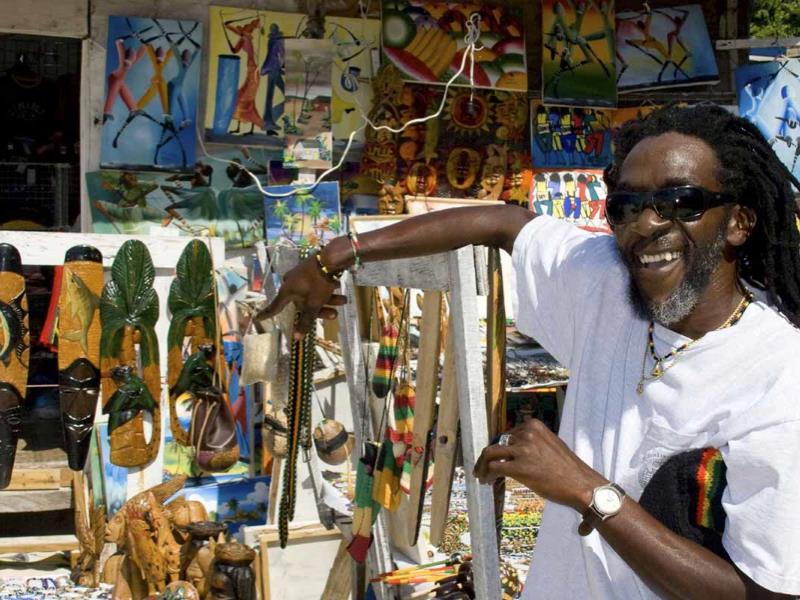
- Handicrafts: Mostly in markets. Wooden figurines, leather goods, jewelry, paintings by local artists. Much is made from recycled materials.
- Musical instruments: Maracas, bongos, small guitars.
- Clothing: If you need fashionable clothes, Cuba is not the place. But you can find T-shirts with Che and Fidel.
- Important: Bargaining in markets is appropriate and even desirable. Prices are fixed in state stores.
Where to Stay: From Grand Hotels to Cozy Homes
The accommodation infrastructure in Cuba has developed greatly in recent years, especially thanks to the private sector.
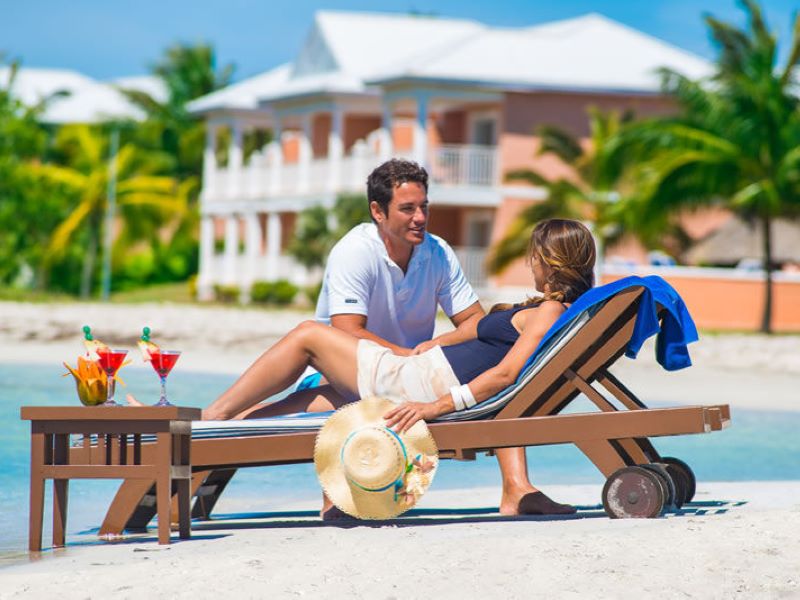
State-owned hotels: These are mainly large chain hotels, especially in Varadero and on the Cayos (“all inclusive”). Quality can vary greatly. Often they look somewhat dilapidated, the service can be slow.
Average price check: €100-400+ per night (per person in “all inclusive” resorts, or per room in cities). Depends on the season and category.
City hotels: In Havana, there are both historical hotels (like Hotel Nacional de Cuba, Hotel Inglaterra) with an incredible atmosphere, and more modern ones.
Average price check: €80-250+ per night.
Casas Particulares: This is the main secret of Cuba! These are private houses where locals rent rooms to tourists. This is the best way to truly immerse yourself in Cuban life, meet locals, and eat home-cooked meals. The rooms are often very cozy, with air conditioning and a private bathroom. The hosts are usually very hospitable and ready to help with advice. You can book through aggregators (Airbnb, Booking.com) or simply look for signs “Arrendador Divisa” (blue sign on the door) on the spot.
Average price check: €25-50 per night per room (not per person). This is incredibly affordable!
Hostels/Guest Houses: There are few hostels in the European sense, but many casas particulares function as mini-guest houses, offering several rooms.
Infrastructure development: The infrastructure is well developed in Havana, Varadero, Trinidad and on the Cayos. In less popular cities it will be simpler, but you can always find a casa particular. In general, don’t expect Western gloss, but you will find cleanliness and hospitality.
What and Where to Eat: Cuisine of the Revolution and Home Comfort
Cuban cuisine is not haute gastronomy, but it is very tasty, hearty and soulful. The base is rice, black beans, pork, chicken, as well as plantain bananas (fried, boiled, French fries), yucca, sweet potato. Fresh fruits (mango, papaya, guava) and juices.
Features of national cuisine
- Moros y Cristianos (Moors and Christians): Black beans cooked together with rice. The name “Moors and Christians” is very symbolic.
- Ropa Vieja (Old Clothes): “Old clothes” is shredded beef stewed with vegetables in tomato sauce. Very tender and delicious!
- Lechón Asado (Roast Suckling Pig): Roasted suckling pig. Be sure to try it if you have the opportunity, especially at a holiday.
- Picadillo (Ground Meat): Ground beef or pork with vegetables, olives, and raisins.
- Tostones (Tostones) or Chatinos (Chatinos): Twice-fried green plantains (bananas).
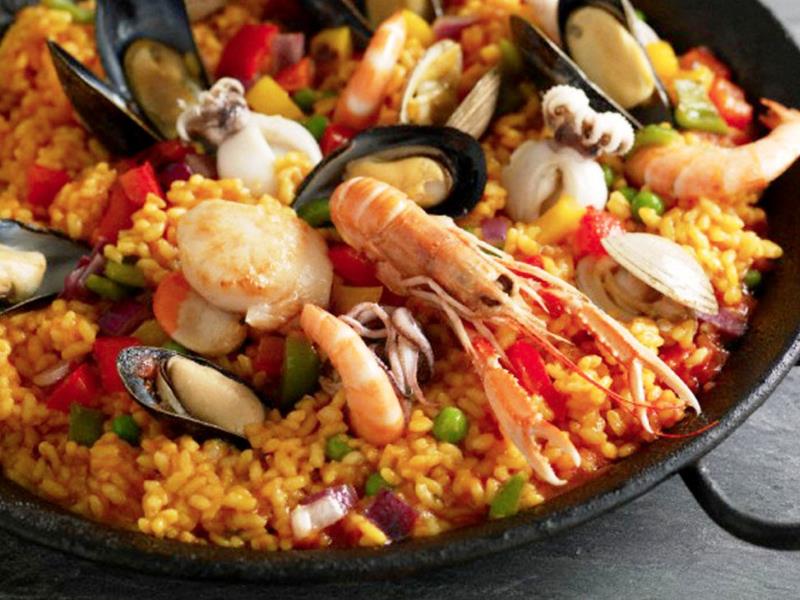
- Fresh Seafood: On the coast, especially in private restaurants. Lobster, shrimp, fish.
Tourist Food Infrastructure
Paladares (Paladares): Private restaurants. This is the best choice! They cook with heart, using fresh ingredients. The menu is often small, but the quality is excellent. The atmosphere is usually very cozy, often just part of someone’s home. Choose those where there are many locals.
Average price: Main course with side dish and drink €10-30. Lobster may cost more.
State Restaurants: Can be very different. Sometimes you come across good ones, sometimes just “canteens” with a limited menu and not the best service. Prices are sometimes slightly lower, but the quality is usually inferior to paladares.
Average price: €8-20.
Cafes (Cafeterías): Mainly for breakfast, coffee, juices and light snacks. You can find a tasty Cuban sandwich or pizza.
Average price: €1-5 per snack/drink.
Street Food: Tasty, cheap and sometimes risky. Cuban pizza (usually on thick dough with cheese), fried bananas, sandwiches. Be careful with things that are stored without refrigeration.
Average price: €0.5-3.
Drinks:
- Rum: Everywhere!
- Mojito and Daiquiri: Classic!
- Beer: Local brands Cristal and Bucanero.
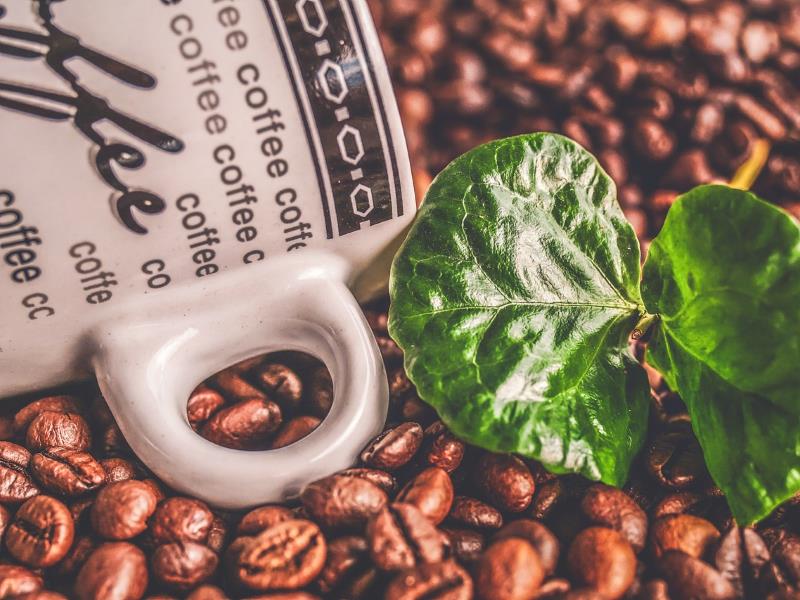
- Coffee: Cuban coffee is strong, aromatic, usually served with sugar.
- Juices (jugos): From fresh fruits, very tasty.
Important: Drink only bottled water. It is available in restaurants and hotels, but it is always better to have a supply.
Conclusion: Sincere Advice from a Friend
Well, I hope you now have a little more idea of what Cuba is and what awaits you there! In conclusion, I want to give a few very important, in my opinion, pieces of advice:
- Cash is your best friend! Forget about credit cards. Take Euros or US dollars with you. Euros are better – they are often preferred. In some places you can pay directly in foreign currency, which is often more profitable than exchanging for CUP. Exchange some CUP for small purchases and street food, but keep the bulk in foreign currency. Small bills will come in handy.
- Forget about rushing: Time flows according to its own rules in Cuba. “Mañana” is not necessarily tomorrow, it is more like “sometime.” Relax, breathe deeply and enjoy the moment. Trying to be nervous and rush will not change anything except your mood.
- Be prepared for “resolviendo”: Cuba will teach you flexibility. Something doesn’t work? Is it over? There will be a solution! Sometimes it will be unusual, sometimes funny. Accept it as part of the adventure.
- Learn Spanish! Even a couple of phrases. This will open the hearts of Cubans to you, they will be much more disposed to you.
- Tips: Cubans live modestly, and tips are a significant addition to their income. Give a little to the driver, waiter, musician. They will be very grateful.
- Internet Detox: Use the trip as an opportunity to take a break from social networks. Buy an ETECSA card to contact loved ones, but don’t constantly sit on your phone. Enjoy live communication.
- Sun and Insect Protection: Sunscreen, hat, glasses – mandatory. Mosquito repellent is also very useful, especially in the evening and in rural areas.
- First Aid Kit: Take with you all the necessary medicines that you may need. There can be difficulties with them in Cuba.
- Be open and friendly: Cubans are incredibly hospitable. Smile, communicate, dance. This will make your trip unforgettable. Don’t hesitate to talk to locals, they are often very happy to talk to foreigners.
- Don’t discuss politics obsessively: It is better to avoid heated political disputes, especially regarding the American embargo or the revolution. You are a tourist, you are here to get acquainted with the culture, not to lecture.
Cuba is not that ideal world from the pictures, it is real life with its difficulties and joys. But it is this authenticity, this sincerity, this incredible energy and music emanating from every person that makes Cuba so alluring. It may not be perfect, it may challenge you, but it will definitely not leave you indifferent.
So pack your bags, don’t forget sunscreen and an open heart. ¡Hasta la victoria, siempre! – no, not like that, ¡Que viva Cuba! And may your first acquaintance with the Island of Freedom be unforgettable!