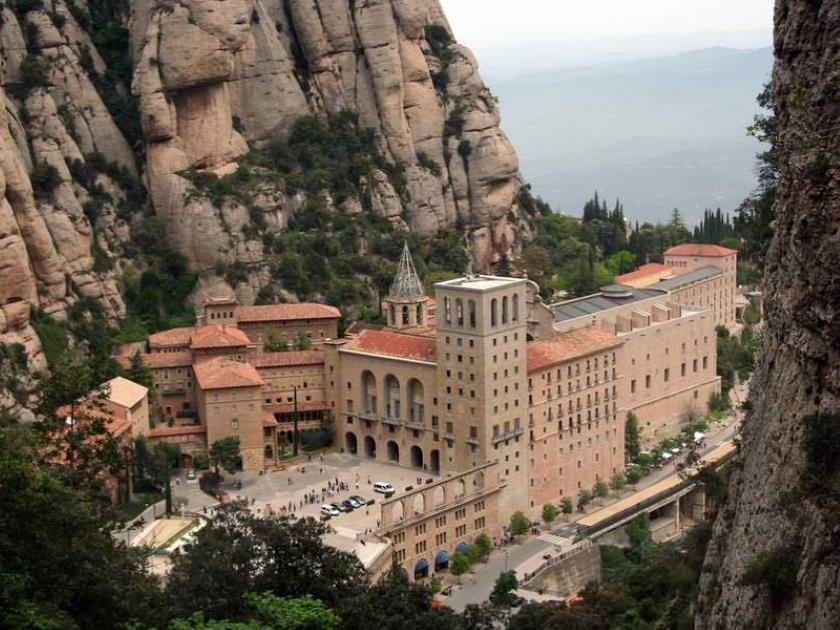
Among the jagged peaks of Catalonia, towering over the Mediterranean coast of Spain, stands a frozen-in-time architectural and spiritual phenomenon: the Montserrat Monastery. It’s not just a haven for Benedictine monks; it’s the heart of Catalan identity, a place where geology meets mysticism and history meets the current challenges of modernity.
Stone Symphony: Geology as Art
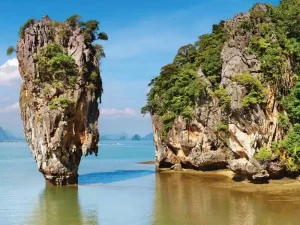
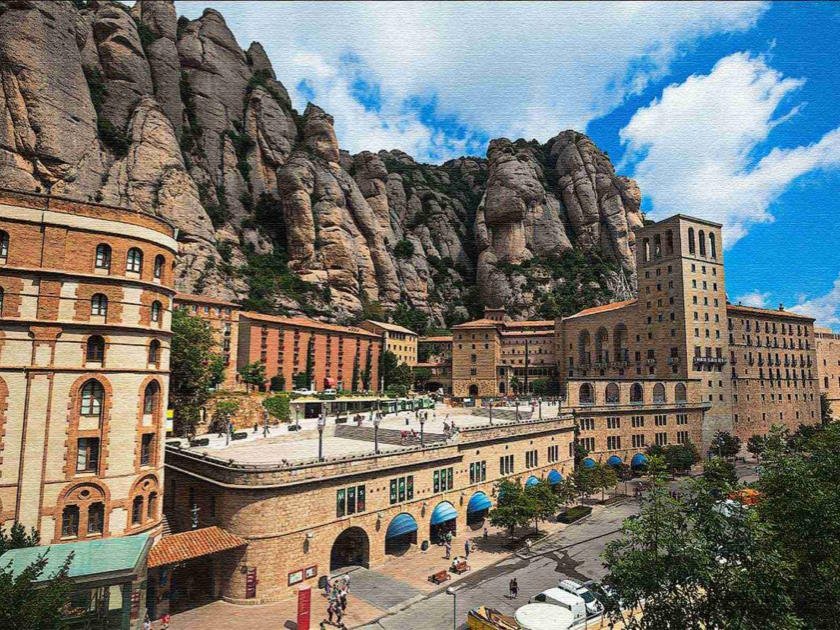
The name “Montserrat” literally translates from Catalan as “Serrated Mountain.” Looking at these gigantic conglomerate masses, it’s easy to imagine a giant walking along the ridge with a huge saw. Scientists explain it more simply, but no less impressively: millions of years ago, a sea lapped here, whose sedimentary rocks, under the influence of tectonic shifts and wind erosion, turned into bizarre figures.
Many of these rocks have their own names – “The Mummy,” “The Bishop’s Belly,” “The Elephant’s Trunk.” In an era of digital fatigue and life in megacities like London, Berlin, or Paris, people seek fundamental values. Montserrat provides this sense of permanence. Here, the scale of nature silences the internal noise, offering pilgrims and tourists a rare luxury in these times – silence.
Black Madonna: Heart of the Shrine
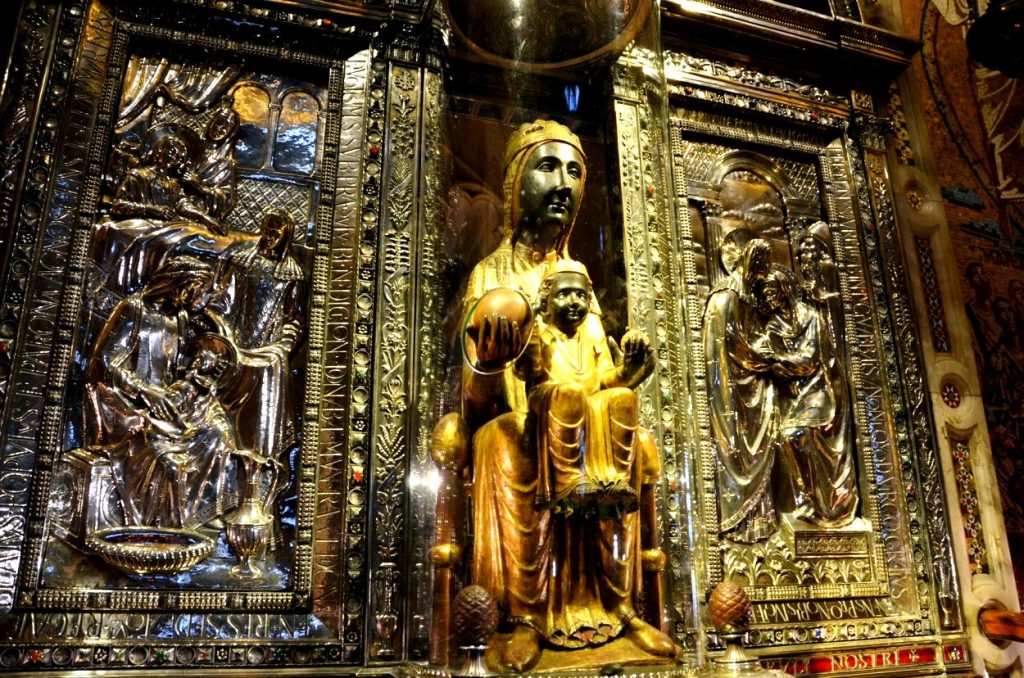
The main attraction of the abbey for centuries has been “La Moreneta” – the Black Virgin of Montserrat. According to legend, the statue was found in a cave by shepherds in the 9th century, attracted by a strange glow and heavenly music. Modern studies date the wooden sculpture to the 12th century, explaining its dark color by the darkening of the varnish over time and candle soot.
However, for the thousands of people who queue daily to touch her hand, historical dates are secondary. In a modern world full of geopolitical instability and social transformations in Europe, the Black Madonna remains a symbol of protection and hope. She is the “Queen of Catalonia,” but her influence extends far beyond the Iberian Peninsula. People come to her from France, Italy, the USA, and Latin America, asking for peace, health, and peace of mind.
Escolania: Voices Piercing the Sky
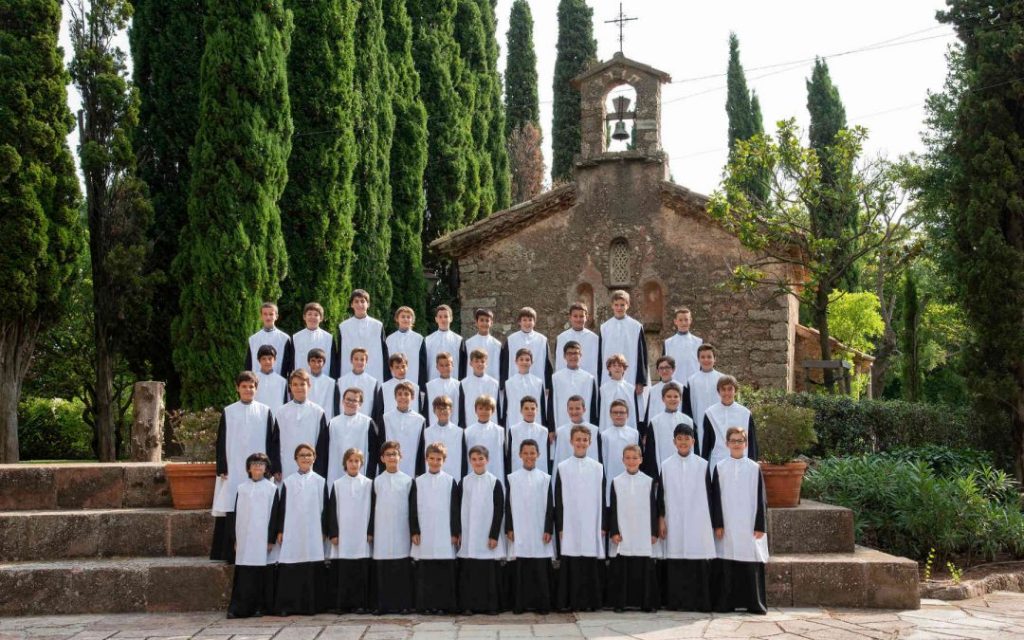
One of Montserrat’s jewels is its boys’ choir – Escolania de Montserrat. It is one of the oldest musical groups in Europe, with its history rooted in the 13th century. Every day at noon, the hymn “Virolai” resounds under the arches of the basilica, and this moment becomes the culmination of a visit to the monastery.
In an era when classical education and religious traditions in the countries of the European Union are undergoing serious changes, the Escolania remains a bastion of continuity. The children do not just learn to sing; they receive a deep humanitarian education, becoming bearers of a culture that is above politics and borders. The purity of their voices in the acoustics of the ancient temple creates an effect of “beauty therapy,” which is so necessary for modern man, accustomed to an aggressive information environment.
Pilgrim’s Path in the 21st Century: From Asceticism to Awareness
Today’s Montserrat is a complex mechanism that manages to balance the strict monastic rule with the demands of modern tourism. It has everything: from funiculars that take you to the clouds to modern museums that house originals by Caravaggio, Picasso, and Salvador Dalí.
The monastery is actively adapting to the realities of today. As part of the European Union’s environmental initiatives, Montserrat is implementing sustainable development technologies to preserve the unique ecosystem of the natural park. For the modern European, a hike along the paths of Montserrat is a form of active meditation. You don’t have to be a deeply religious person to feel the energy of the place. It is enough to simply walk along the edge of the abyss, inhaling the scent of wild herbs, and see how far below the strip of the Balearic Sea glistens.
Symbol of Resilience in a Changing World
Montserrat has experienced hard times more than once: from the destruction by Napoleonic troops to the closure during periods of civil unrest. But each time the monastery rose from the ruins. This contains an important lesson for modern society: values based on culture, spirituality, and respect for nature are able to survive any crisis.
Visiting this place today is a way to “reboot.” Against the backdrop of the rapid development of artificial intelligence and virtual reality, places like Montserrat return us to the tactility of the world, to the smell of incense, the cold of ancient stone, and the warmth of human prayer. This is a place where time does not fly, but solemnly marches, reminding us of what is truly important.
The magic of Montserrat is not in special effects or in the luxury of the interiors. It is in that inexplicable force that makes every guest stop for a moment and look inside themselves. Whether you are a tourist from Barcelona or a pilgrim from Lisbon, these mountains will greet you in the same way – with a majestic silence that speaks more than any words.