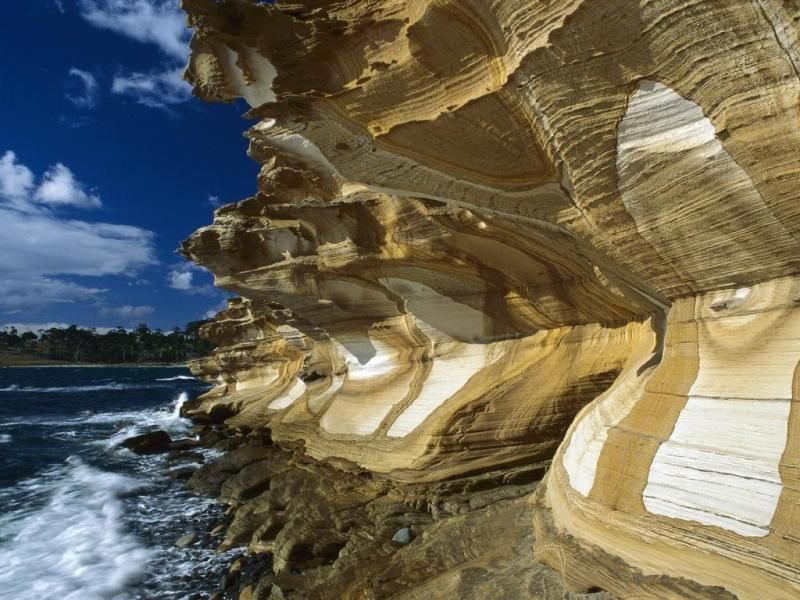
Imagine a place where time flows differently. Where in a single day you can stroll through a savanna reminiscent of Africa, climb a mountain with views worthy of the Swiss Alps, and in the evening sit on the shore of a fjord, as if teleported to Norway. And all this – without leaving the boundaries of one island. Sounds like a description of a theme park for geographers? Not at all. This is Tasmania. An enigmatic island, lurking south of Australia, like a shy younger brother, who is actually much more interesting and profound than it seems at first glance.
Let’s be honest: when we, residents of Ukraine or Europe, think of Australia, a standard set pops into our heads: the Sydney Opera House, kangaroos hopping across the scorching desert, and eternally tanned surfers. Tasmania rarely makes it onto this list. And, you know what? That’s its main advantage. While hordes of tourists are storming the Gold Coast, this island, the size of Ireland, lives its own, completely unique life, preserving a pristine beauty that takes your breath away.
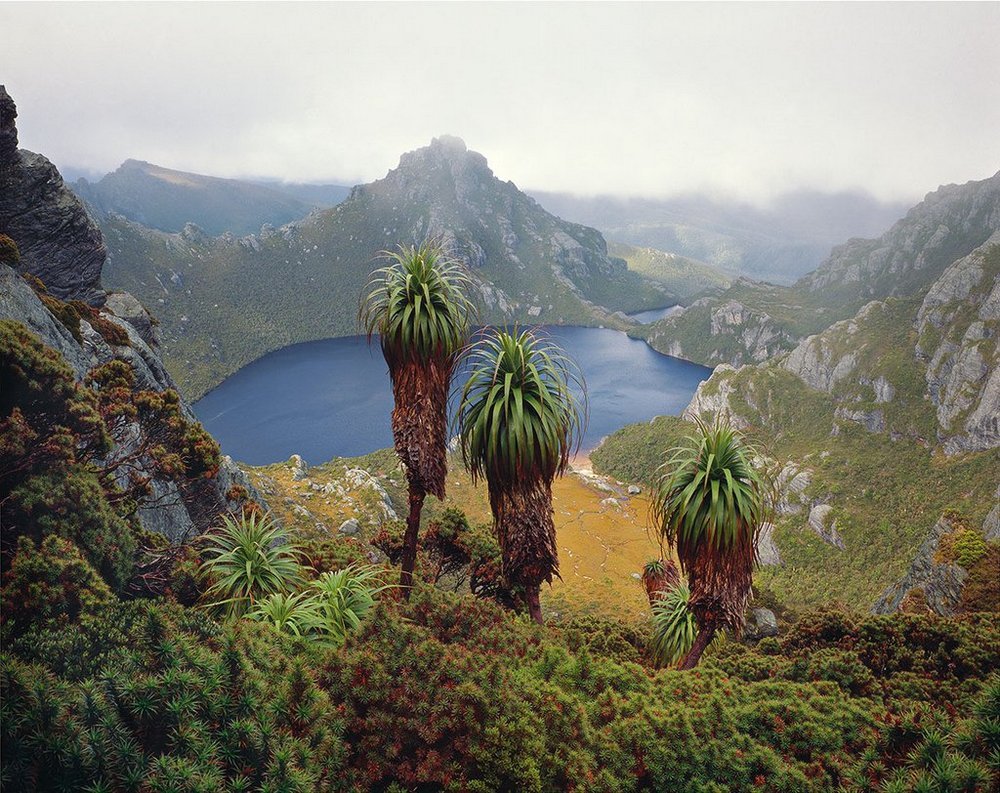
An Island of Contrasts, or How Nature Arranged a “Buffet”
The main shock you experience in Tasmania is the kaleidoscope of landscapes. Here you are driving through the central part of the island, and golden plains covered with eucalyptus trees stretch out the window. It seems that a giraffe will come out from behind the hill any minute. The air is dry, hot, and only the chirping of cicadas breaks the silence. You think: “Aha, I get it, typical Australia.” But just drive a couple of hours west, and the picture changes dramatically.
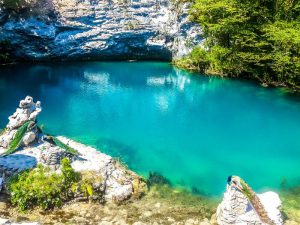
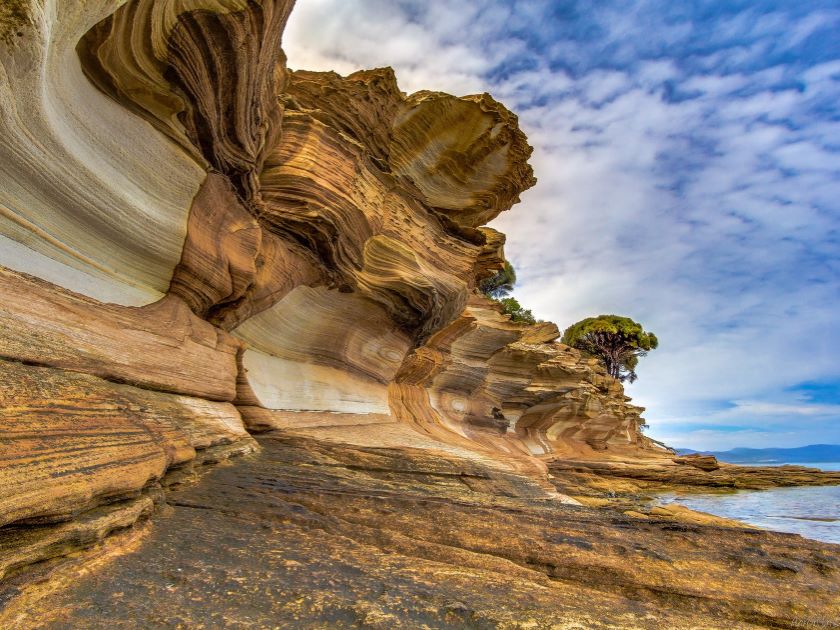
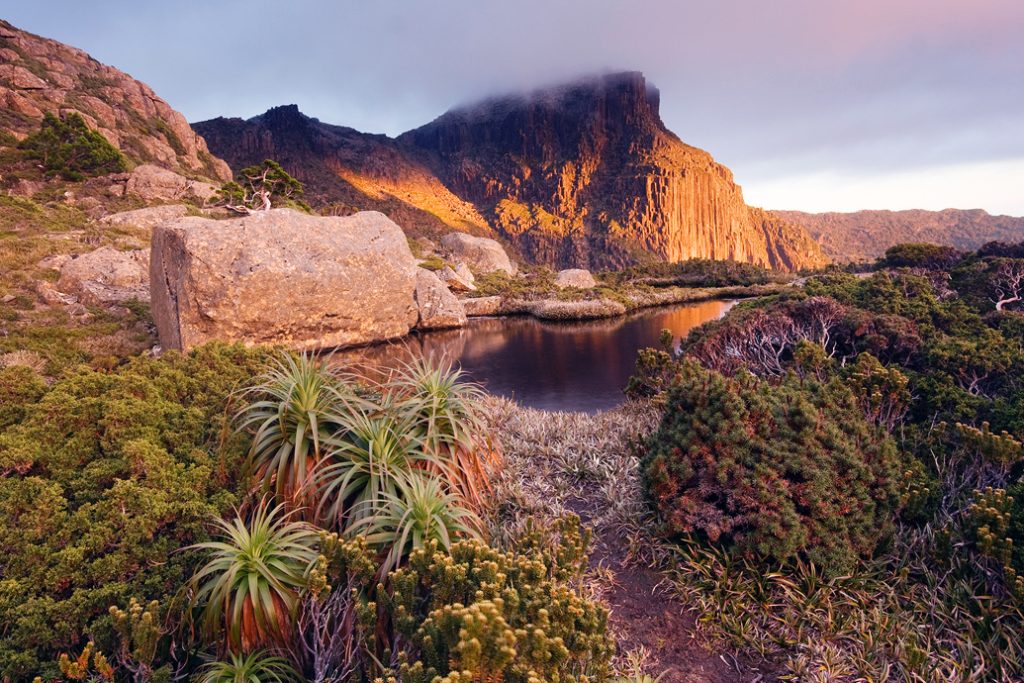
Suddenly, you find yourself in a realm of evergreen rainforests. Giant ferns, which seem to be thousands of years old, close overhead, creating a mysterious twilight. The air becomes humid and thick, smelling of decaying leaves, mushrooms, and something ancient, prehistoric. It seems that a dinosaur is about to jump out from behind a mossy boulder. And then you climb into the mountains, and alpine meadows open up before you, glacial lakes with crystal clear, icy water, and rocky peaks covered with snow even in summer. And all this – on one tiny, by world standards, piece of land. How did nature manage to fit so much here? A mystery.
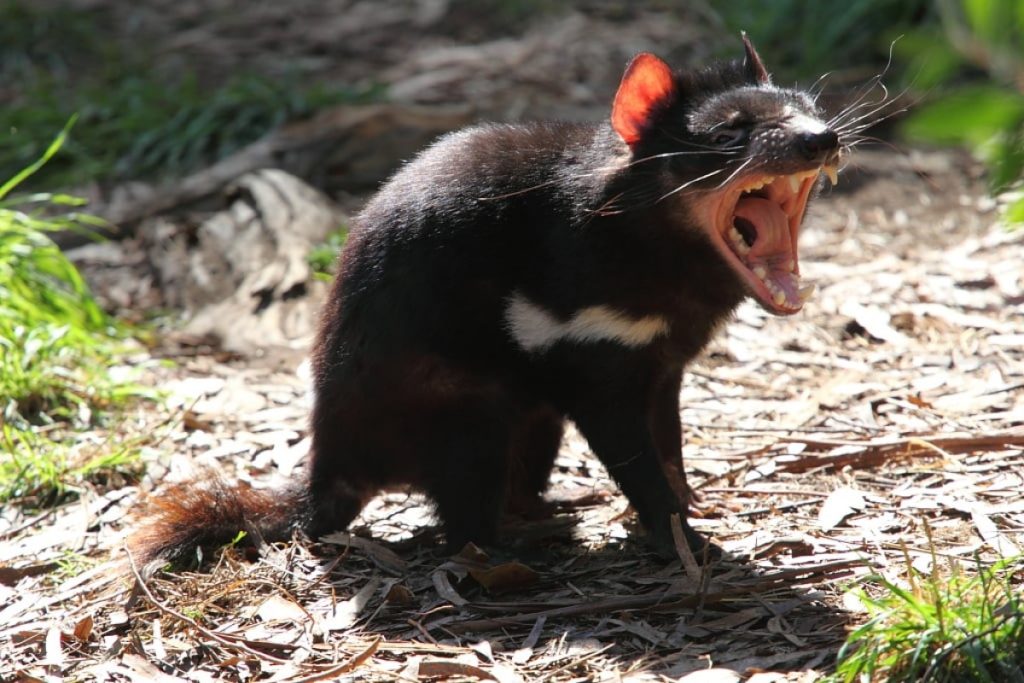
Tasmanian Devil and Other Local “Celebrities”
Of course, talking about Tasmania and not mentioning its most famous inhabitant is a crime. The Tasmanian devil! A fearsome name, but the animal itself is the size of a small dog, quite clumsy, and emits such blood-curdling screams that it’s hard to believe until you hear it yourself. It’s not the roar of a lion, but rather a squeal that turns into a hoarse cough. At night in the bush, such sounds can scare you to death.
Alas, this unique marsupial predator is on the verge of extinction due to a terrible disease – facial tumor. Therefore, seeing it in the wild is a great stroke of luck. But in numerous parks and reserves, where they are cared for and trying to save the population, you can get to know these funny gluttons up close.
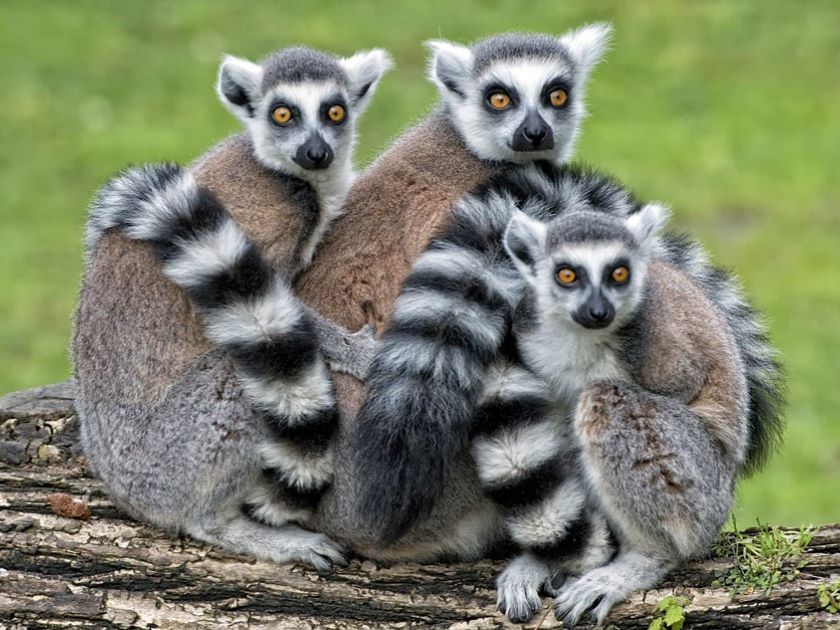
In addition to devils, the animal world of Tasmania is a real treasure chest of surprises. Wombats wander here – charming fluffy “tanks”, resembling giant hamsters. Wallabies jump through the trees – miniature copies of kangaroos. And if you’re lucky, you can meet an echidna or even a platypus – living proof that nature has a great sense of humor. And the best part is that the animals here are not shy. They have lived in isolation for centuries, so they do not perceive humans as a threat. It’s perfectly normal for a wallaby to approach your campsite to peek curiously into the tent.
Hobart: Where the Old Meets the Avant-Garde
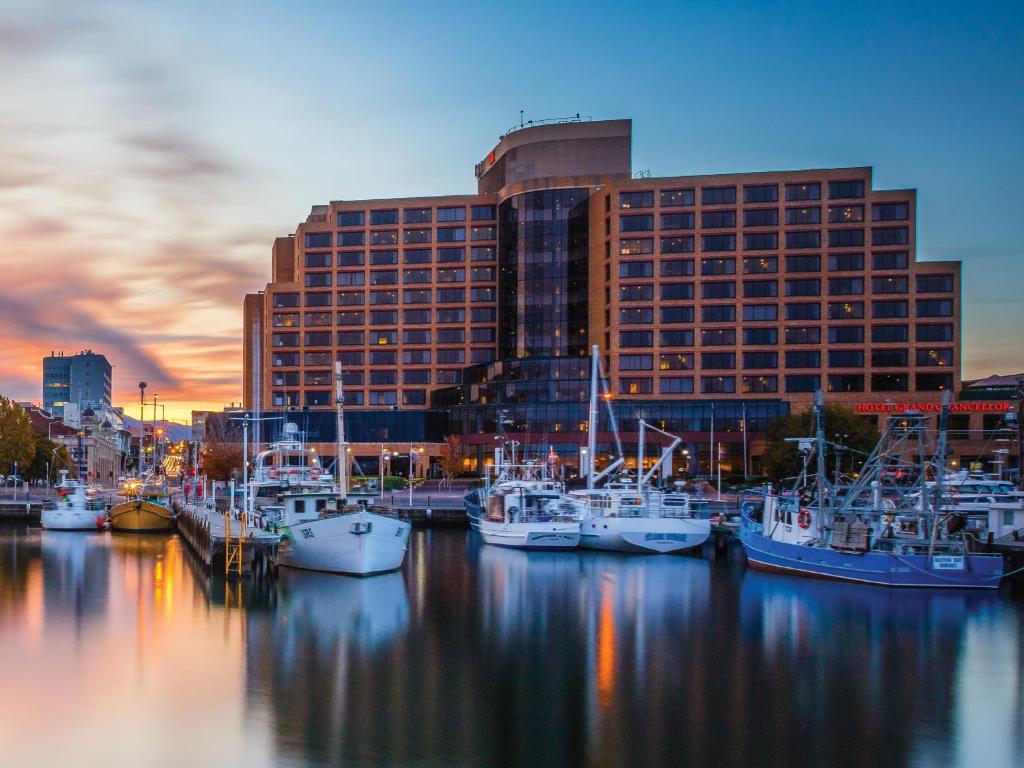
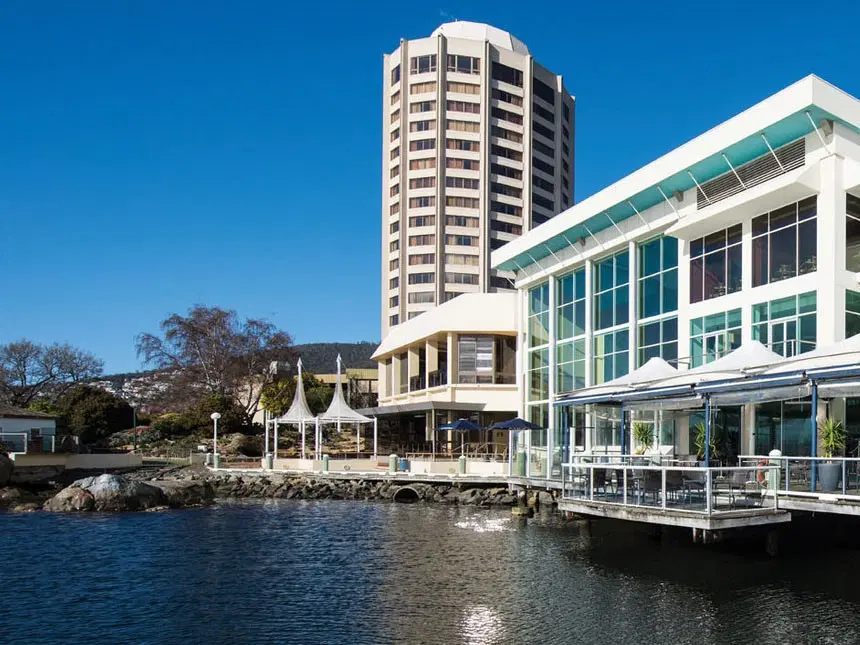
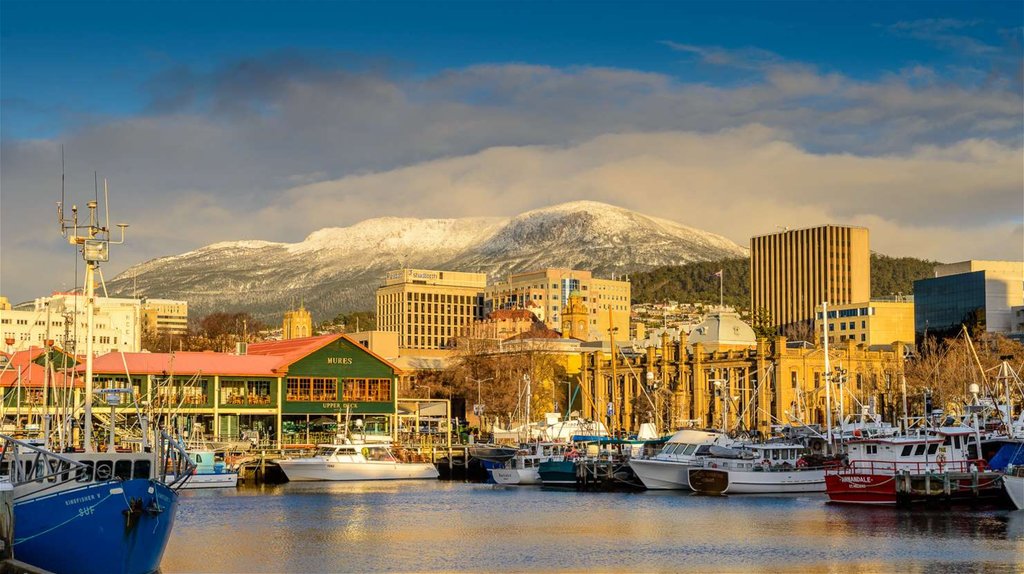
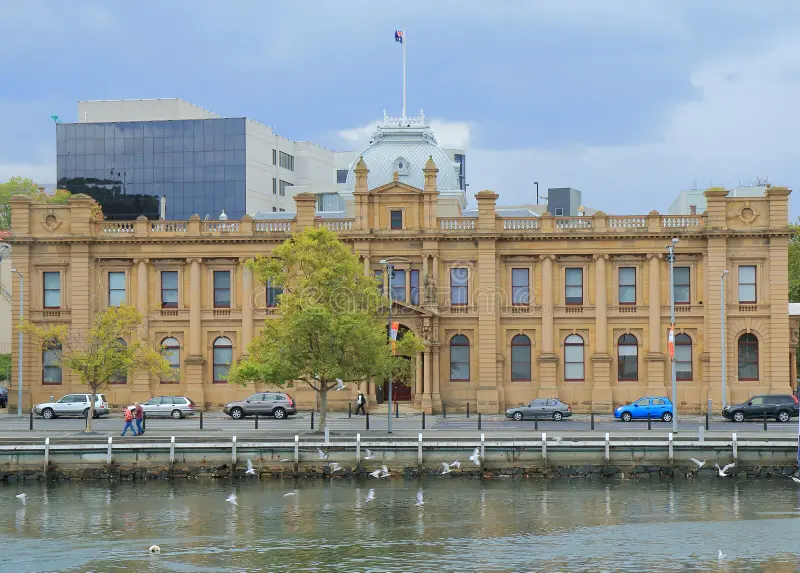
The capital of Tasmania, Hobart, is a separate song. It is the second oldest city in Australia after Sydney, and you can feel it at every turn. Old sandstone warehouses on the waterfront have been converted into trendy restaurants, narrow streets hold stories of whalers and convicts, and above all this rises the majestic Mount Wellington.
Hobart is a leisurely city. No one is in a hurry here. In the morning, locals drink coffee in tiny coffee shops, during the day they stroll along the waterfront, and on Saturdays the whole city gathers at the famous Salamanca Market. It’s not just a bazaar, it’s a weekly festival! Farmers sell the freshest cheeses, oysters, and berries, artisans sell wood and wool products, and street musicians create such an atmosphere that you don’t want to leave until closing time.
But don’t think that Hobart is stuck in the past. It is here that MONA (Museum of Old and New Art) is located – one of the most provocative and discussed museums in the world. It was created by an eccentric millionaire, and the exhibition there is a heady mix of ancient artifacts and the boldest modern art on the themes of sex, death, and everything that is not usually talked about in polite society. Even if you are not an art fan, a trip to MONA is an experience you will not forget.
Journey to the Edge of the World: When to Go and What to Do?
Tasmania is beautiful at any time of the year, but it is best to come here in the local summer (from December to February). The weather is the most comfortable, the days are long, and all roads are open.
What to do? Anything!
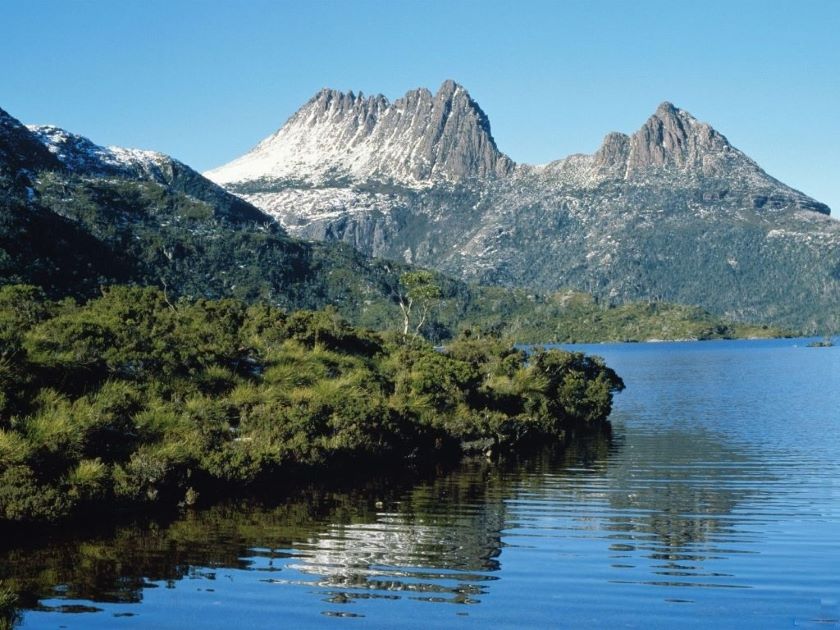
- For trekking enthusiasts: Tasmania is a paradise. Dozens of national parks, hundreds of routes of varying difficulty. The most famous is the Overland Track, a multi-day hike through the Cradle Mountains, which is considered one of the most beautiful in the world.
- For gourmets: The island is famous for its products. Oysters, salmon, cheeses, honey, wine, gin, whiskey… You can create a whole gastronomic tour and simply move from farm to winery, enjoying life.
- For history buffs: Port Arthur. A former convict prison, now an open-air museum. A place with a difficult, but incredibly interesting history. A walk among the ruins makes you think about many things.
- For those seeking solitude: Rent a car and just drive wherever your eyes lead you. Turn onto a country road, find a deserted beach with white sand and turquoise water (yes, there is such a thing here, for example, in Wineglass Bay) and feel like the only person on the planet.
Tasmania is not just a point on the map. It is a state of mind. It is a place where you can slow down, exhale, turn off your phone and learn to listen to the silence again. It is a journey to the origins, to the real, unadorned beauty of the planet. And if you ever have a chance to visit there – don’t hesitate for a second. This lost world on the edge of the Earth is worth discovering.