Australia isn’t just a continent; it’s an entire world where every corner holds its secrets and wonders. From ancient history to unique fauna, from man-made masterpieces to natural treasures, this land constantly surprises. Prepare to immerse yourself in amazing Australia, where even geographical facts can become a real discovery.
Discovery and Colonization: A History Written by Seafarers and Convicts
The history of Australia, as we know it, officially begins in 1770. It was then that the outstanding navigator James Cook, under the English flag and with the blessing of the Queen, claimed these lands for Britain, naming them New South Wales. However, Cook was unaware that long before him, in 1606, a Dutch expedition led by Captain Willem Janszoon had already visited these shores. After exploring the northern and western coasts, the Dutch, not daring to develop the mainland, went home.
After the unification of the Kingdom and the declaration of independence in 1776, England began to use this remote continent as a place of exile for criminals. In 1788, the first flotilla landed on Australian soil, delivering thousands of convicts, which led to the displacement of the indigenous population from fertile lands.

A significant milestone in the development of Australia was 1851: news of the discovery of gold caused a massive influx of settlers, which contributed to the rapid growth of cities. Despite this, Australia remained on the sidelines of world civilization for a long time. Only World War II, which turned the fifth continent into a key support base for the Allies in the fight against Japan, put an end to its isolation.
Geography and the Amazing World of Fauna
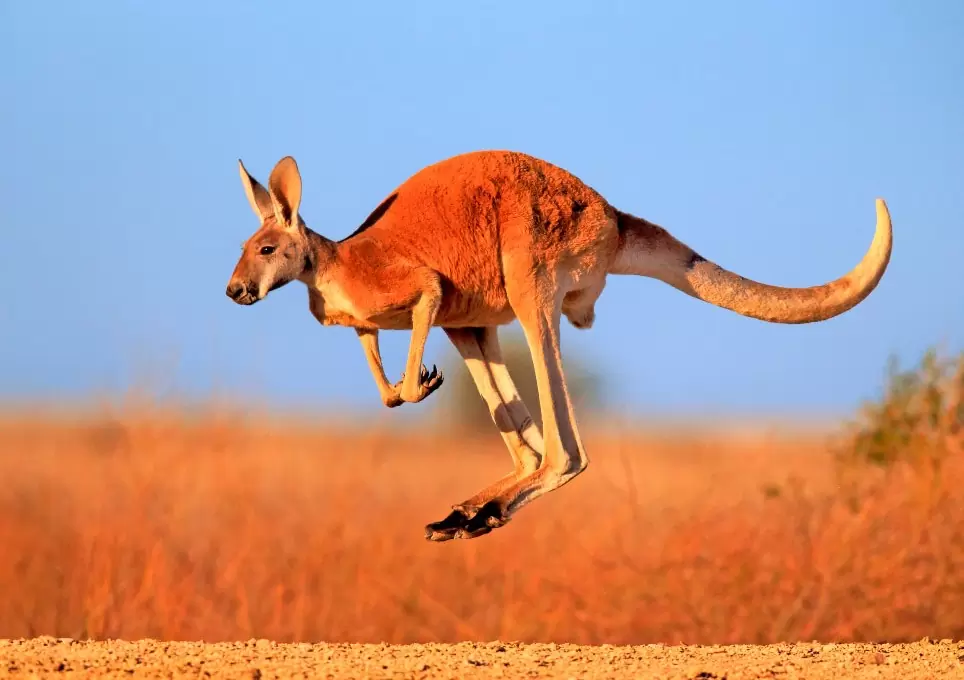
Australia is not only the smallest of the continents but also the sixth largest country in the world. This continent is known as the birthplace of unique creatures: from eucalyptus-loving koalas and platypuses to wombats, echidnas, and emus. It is home to a huge number of diverse parrots and birds of paradise. But, without a doubt, the symbol and hallmark of Australia are kangaroos. These animals, as well as emus, have one amazing feature – they cannot move backwards, which doubly emphasizes their uniqueness.
Indigenous Peoples: History and Revival of Aboriginal Culture
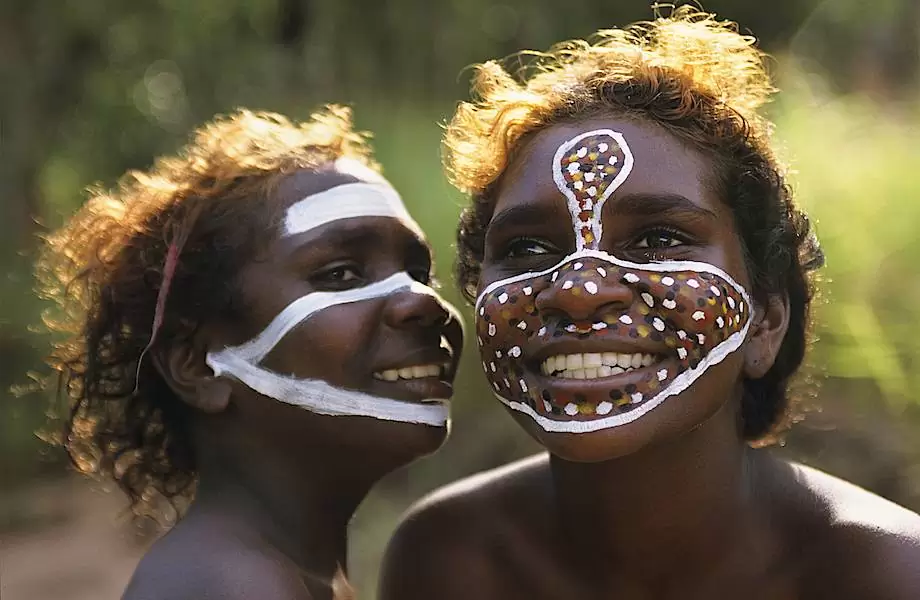
Australia is home to Aboriginal people – the indigenous population whose culture has been preserved in almost pristine form. For two centuries, white settlers sought to seize fertile lands, and in many ways, they succeeded. However, in our time, a law was adopted to preserve Aboriginal people and restore their rights. Now, visiting sacred cult sites is only possible accompanied by a tribal elder, which is an important step towards respecting and preserving their heritage.
Architectural Masterpieces: From Opera Houses to Bridges
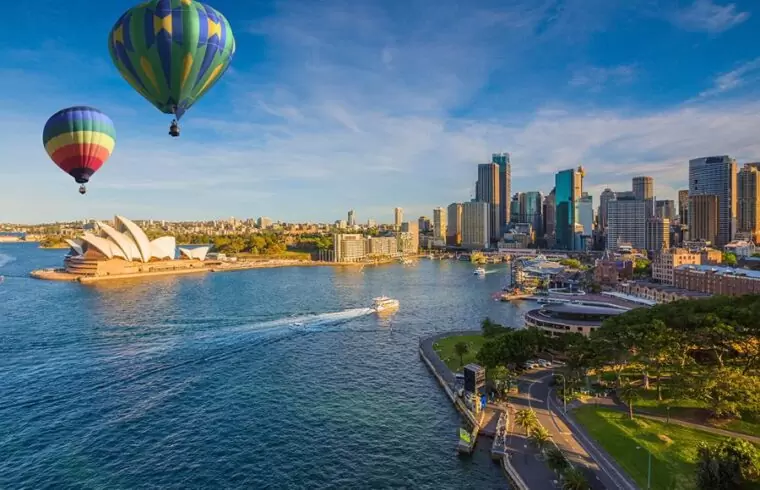
The main architectural landmark of Australia is, without a doubt, the Sydney Opera House. Built in 1956 by Danish architect Jørn Utzon, this masterpiece, according to the author himself, was inspired by orange peels from which he tried to create a perfect sphere. It is noteworthy that the Australians themselves were not particularly enthusiastic about this building for a long time.
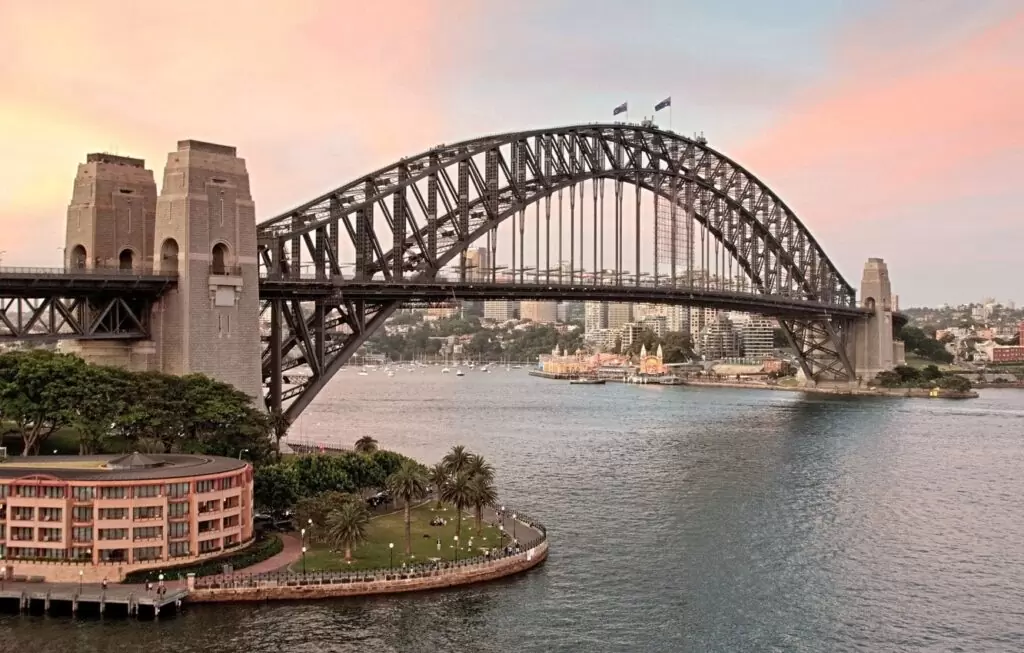
A four-kilometer road and railway bridge spans the picturesque Port Jackson Bay, under which ocean liners and large merchant ships can freely pass. The coastal district of The Rocks, immersed in lawns and flower beds, attracts tourists with its splendor and historical charm.
Wonders of Nature: From the Great Barrier Reef to Uluru
Australians are rightly proud of the world’s largest Great Barrier Reef, which is a real gem of the continent. It is said that only two of the seven wonders of the world can be seen from space: the Great Wall of China and the Great Barrier Reef. This coral giant, stretching for 2,000 kilometers, was formed by coral polyps more than 18 million years ago and originates off the coast of Papua New Guinea. Catamarans depart daily to the Reef from the town of Port Douglas, located an hour’s drive from Cairns.
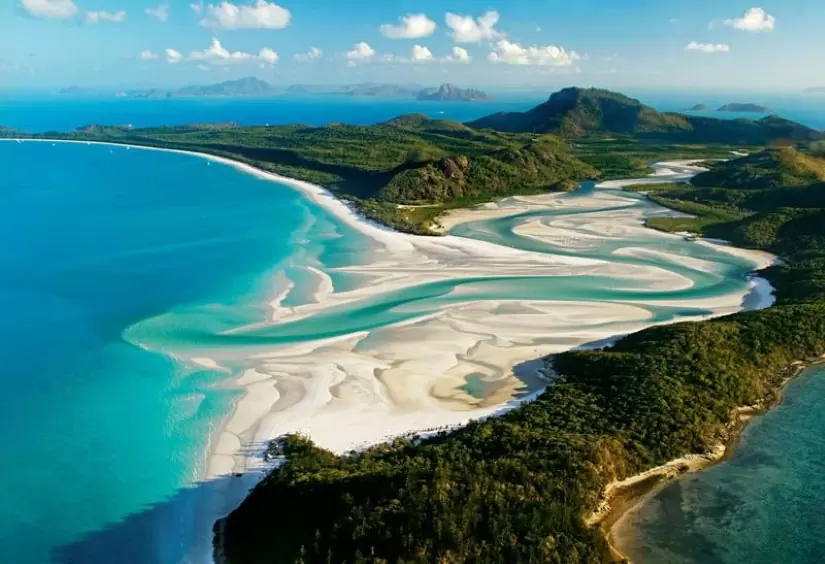
Just an hour and a half by catamaran, and you are at a floating pontoon in the middle of the ocean. From here, unforgettable views of the sea and the Reef open up. Here you can rent boats and snorkeling equipment to see with your own eyes the amazing transparency of the water and numerous colonies of corals, mollusks, crabs, stingrays, starfish, and turtles, slowly swimming in the depths of the ocean waters.
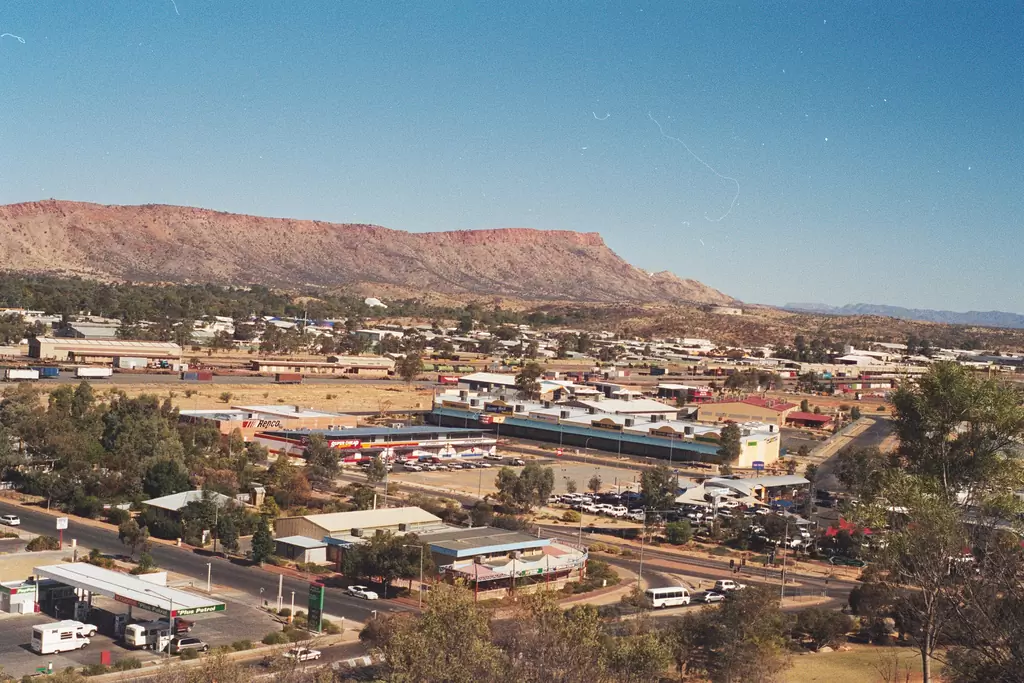
In the heart of Australia is the town of Alice Springs – a modern tourist center with cozy houses and several streets. A few hundred kilometers from it is the Uluru-Kata Tjuta National Park. On the way to the park, you can see Mount Conner.
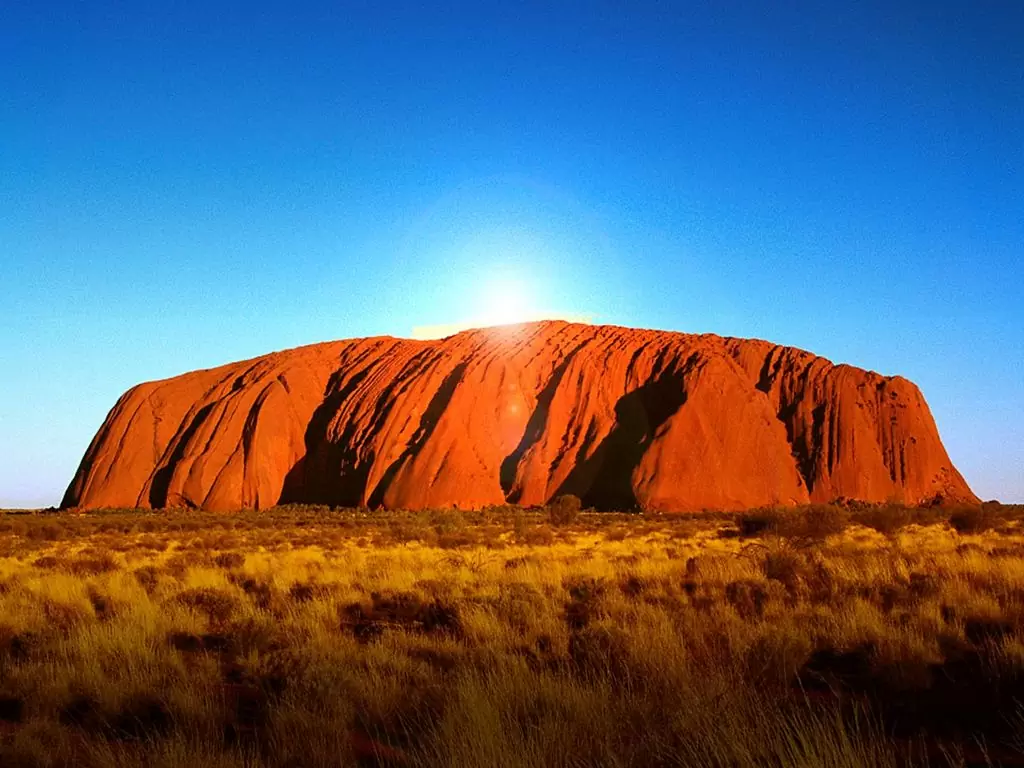
Just a kilometer from the mountain is a salt lake, which strikingly contrasts with its dazzling whiteness with the surrounding red sands. Upon arrival at the national park, a majestic red stone monolith appears before you – Mount Uluru. Geologists claim that this mountain is at least 600 million years old, and it is considered the largest stone in the world. At sunset at the foot of Uluru, unimaginable beauty opens up: the red rays of the sun and the scarlet color of the mountain merge into one, creating a mesmerizing sight.
Magic of Sunsets and Sunrises: Mounts Uluru and Kata Tjuta
It is recommended not only to admire the sunset but also to meet the sunrise at the foot of Uluru. You can walk around this monolith leisurely in three hours. Along the trail, you can find many interesting things that often escape the attention of organized tourist groups. The morning play of colors is in no way inferior to the evening sunsets.
About fifty kilometers from Uluru is another amazing creation of nature – the Kata Tjuta Mountains. This complex consists of 36 large rounded rocks, dotted with numerous gorges. In our era of spiritual tourism, the Uluru and Kata Tjuta mountains have become a popular place for those seeking solitude and wanting to reflect on the meaning of their lives.