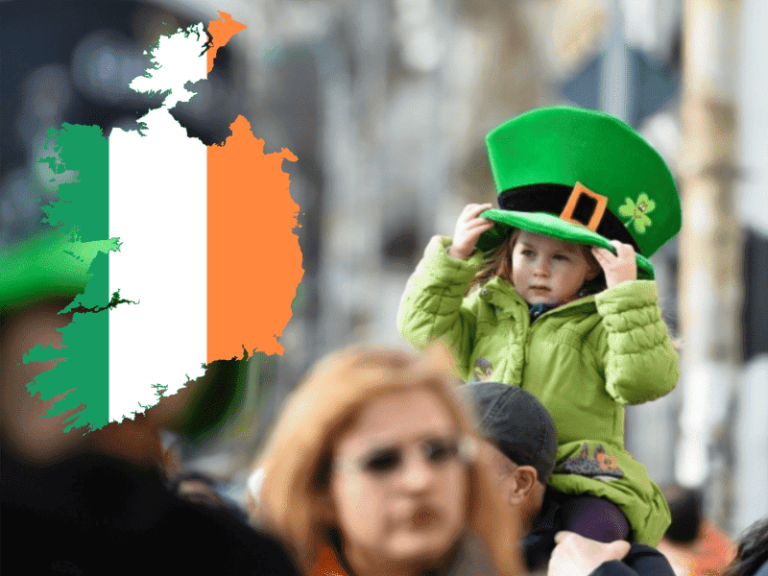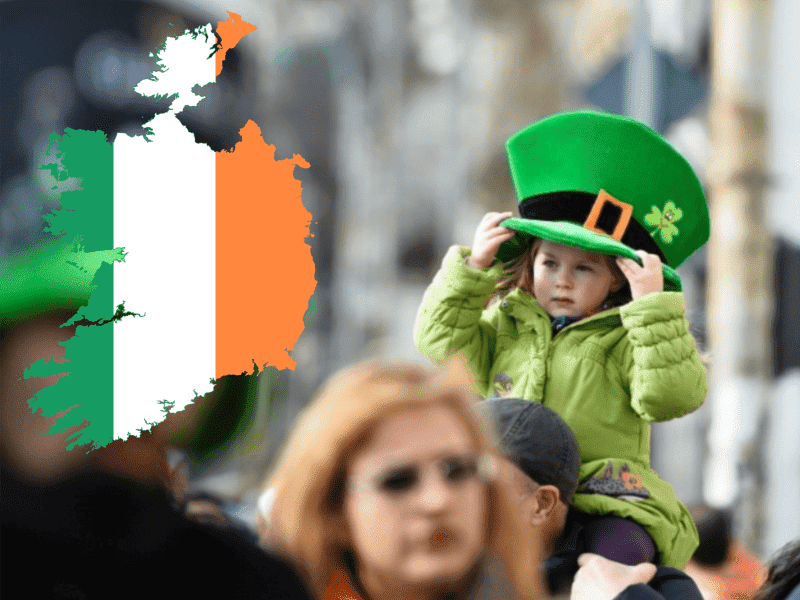
Well, fellow travelers, ready for an adventure? If you’re reading these lines, it means that alluring word – Ireland – has found its way into your soul. And that’s wonderful! Because Ireland is not just a country. It’s a state of mind. It’s millions of shades of green, the smell of peat smoke, music that makes your feet dance on their own, and smiles, as sincere and warm as a good old whiskey.
If you’re coming here for the first time, then congratulations – you’re on the verge of discovering a completely new world. A world that seems to have emerged straight from Celtic myths, where Leprechauns still hide their pots of gold, and fairies dance in dewy meadows. And don’t worry if something goes wrong. I’m here to guide you through this amazing island, answer all your “whats,” “wheres,” and “whys,” and make you dream of your first pint of Guinness in a cozy Dublin pub.
So, brew some tea (or pour something stronger if you’re already in the Irish spirit), make yourself comfortable, and let’s embark on our virtual journey through the Emerald Isle!
Hello, Ireland! A brief look into the past to understand the present
So, where does any acquaintance begin? That’s right, with a brief historical overview. Don’t worry, I won’t bore you with hard-to-remember dates and names. It’s just important to understand that Ireland is a country with a VERY rich and sometimes tragic history that has shaped it into what it is today.
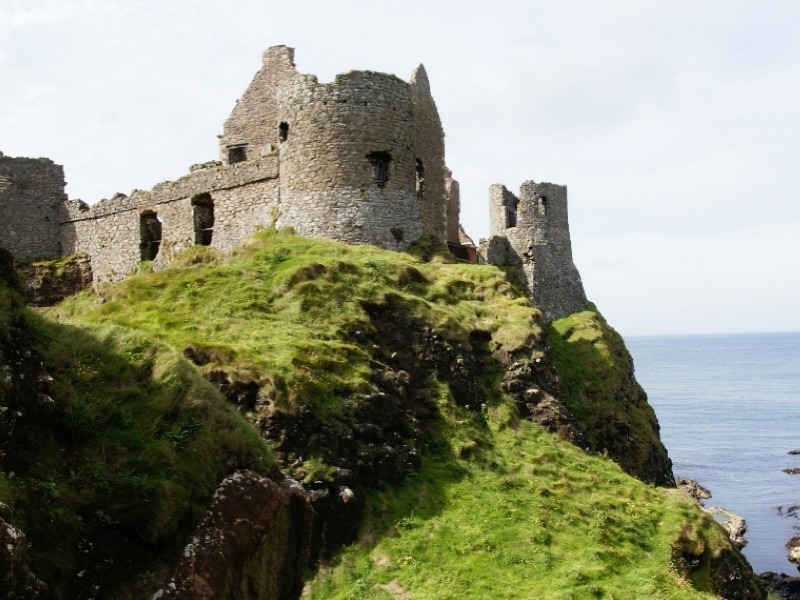
Imagine: Celts, Vikings, Normans, the English… They all left their mark on this island. Ancient megalithic tombs like Newgrange (older than the Egyptian pyramids, by the way!) whisper of prehistoric civilizations. Monasteries scattered throughout the island tell of the Golden Age of Irish Christianity, when missionary monks carried the light of knowledge throughout Europe.
But, of course, the most significant part of Irish history is its centuries-long struggle for independence from Great Britain. This struggle was long, complex, and often bloody, but it shaped the national character – persistence, resilience, pride, and an incredible sense of humor that helps overcome difficulties.
Ireland gained independence from Great Britain in the early 20th century, but history divided the island into two parts: most of it became the Republic of Ireland, and six northern counties remained part of the United Kingdom (this is Northern Ireland, and it’s a separate story, even though it’s on the same island). We will focus on the Republic of Ireland, the one in the EU and with the euro.
In short, history breathes here at every step, in every stone, in every pub. And when you wander through Dublin or examine the ruins of abbeys, remember – you are touching centuries filled with both drama and greatness.
Geography: An Emerald Fairy Tale on the Edge of Europe
Okay, enough about the past, let’s look at the map! Ireland is an island that is comfortably located in the northwestern part of Europe, washed by the Atlantic Ocean in the west and the Irish Sea in the east. Because of its location and abundant rains, it is called the “Emerald Isle” – the green color is simply everywhere, from the lush grass to the moss on the stones.
Landscape
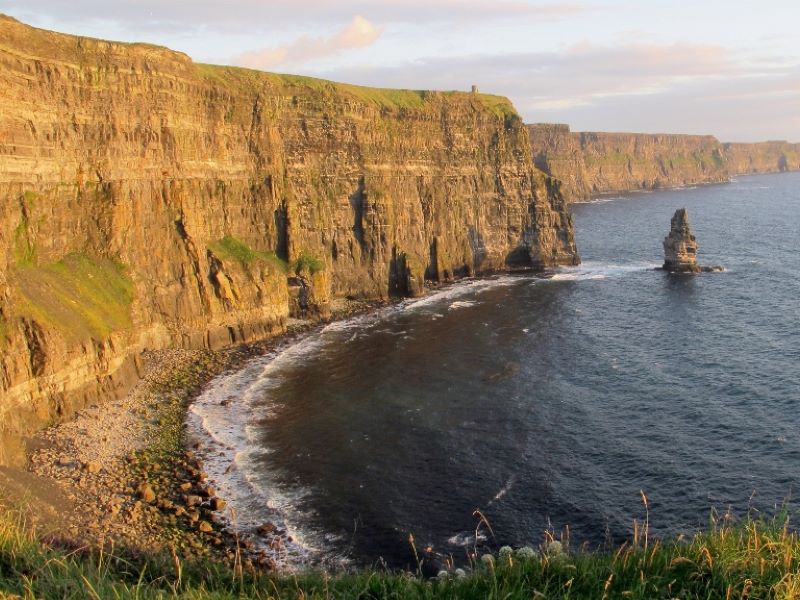
Forget the stereotypes about a flat plain. Ireland is an amazing combination. The center of the island is mainly lowlands covered with bogs (peat bogs, remember?) and pastures. But the closer to the coast, the more interesting! The west coast is simply a postcard. Here you will see majestic cliffs (such as the famous Cliffs of Moher, which take your breath away), rugged bays, sandy beaches and small mountains, which look very photogenic against the backdrop of the ocean. In the south and southwest there are picturesque peninsulas with mountain ranges, and in the east – more gentle hills and valleys.
Access to the sea
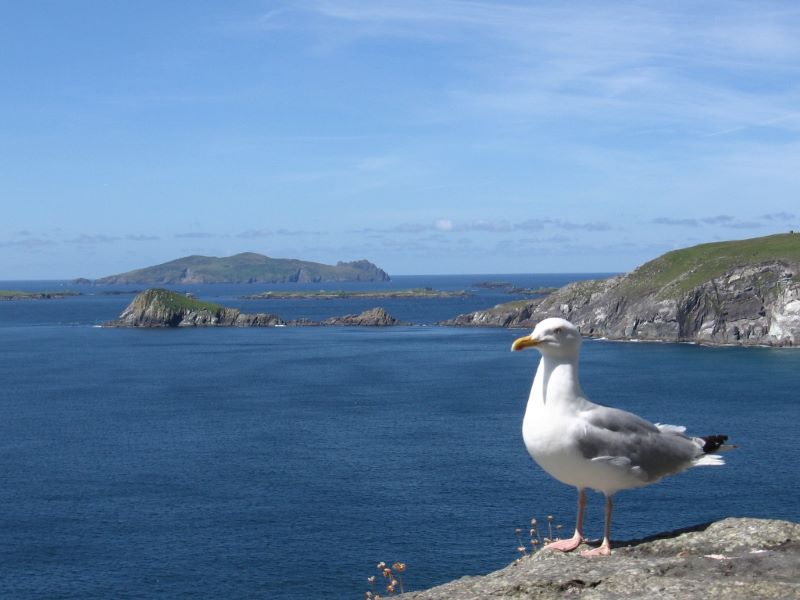
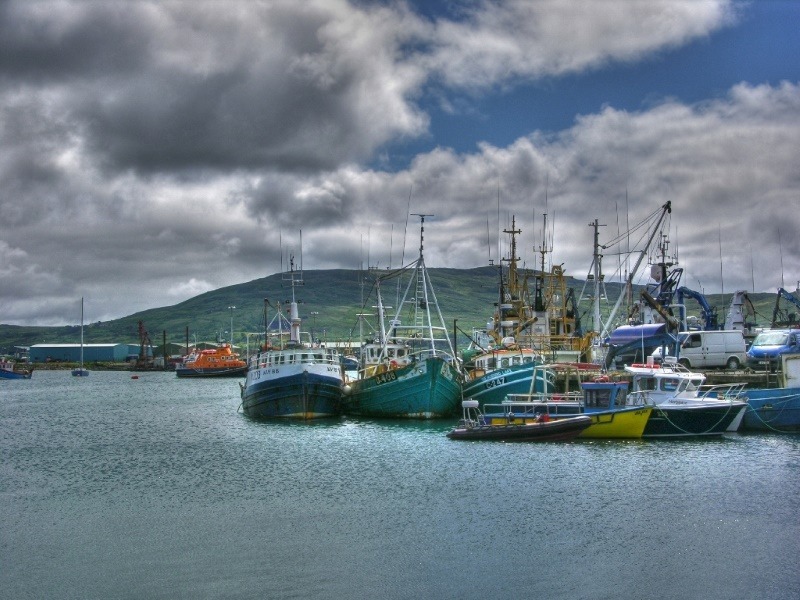
Well, Ireland is an island, so, obviously, there are plenty of exits to the sea here! The coastline here is indented with bays and coves, which makes it incredibly picturesque. There are harsh rocky shores, and cozy sandy beaches, and fishing villages, and large ports.
Climate
Here we need to be realistic, friends. Ireland is not about eternal sun and heat. The climate here is temperate oceanic, which means… changeability! The main rule: be prepared for anything. There can be four seasons in one day. Sun in the morning, rain at lunchtime, wind in the evening, and then sun again.
- Rain: Yes, it happens. Often. But these are usually not torrential downpours, but rather a light drizzle that ends quickly. And it is thanks to him that Ireland is so green! Take a raincoat or waterproof jacket with you – this is a must-have. An umbrella, by the way, is less practical due to the wind.
- Temperature: Summer (July-August) is pleasant, around +15-20°C, sometimes it can be higher. Winter is mild, rarely drops below 0°C, snow is rare and doesn’t last long.
- Wind: Especially on the coast, the wind can be strong. Again, a jacket and scarf won’t hurt.
The main climate tip: Layering is your best friend. Dress so that you can take something off or put on depending on the weather. And don’t be upset about the rain – it gives Ireland a special charm and makes the green even more saturated.
The Political Landscape and the Irish Soul: What a Tourist Needs to Know
Political and Administrative Structure
The Republic of Ireland is a parliamentary republic. The head of state is the president (currently Michael D. Higgins, a very colorful and beloved figure), but real power belongs to the government, led by the Prime Minister (An Taoiseach, as he’s called here). The country is divided into 26 counties, each with its own unique character and features. For example, County Cork is the largest, while Galway is famous for its cultural life.
Capital City
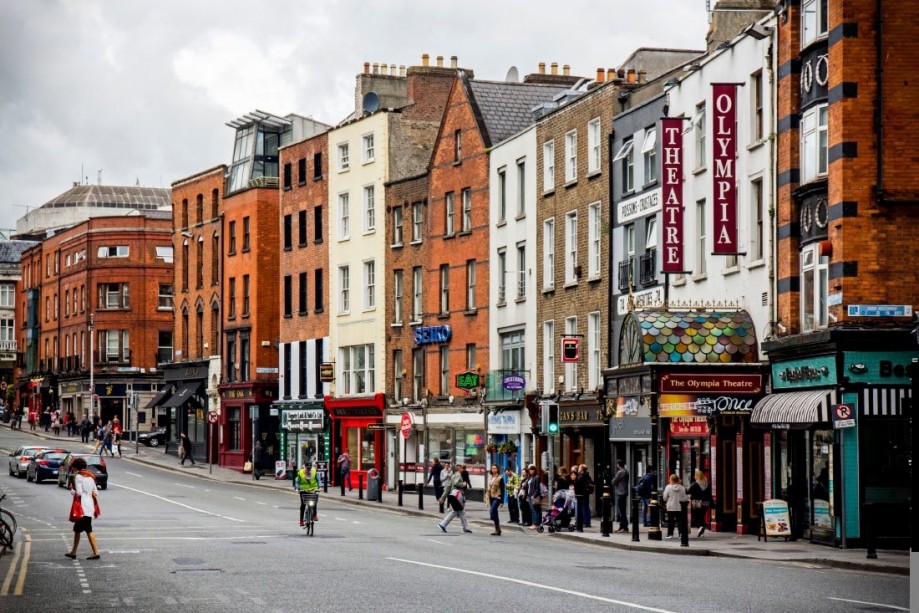
Of course, it’s Dublin! A big, noisy, but incredibly charismatic city. This is where life is vibrant, with major museums, historical monuments, pubs, and shopping centers. But don’t think that Ireland is just Dublin. Outside of it, a completely different, calmer, and more authentic Ireland awaits you.
Religion
Historically, Ireland was predominantly a Catholic country. Catholicism played a huge role in shaping Irish identity and the struggle for independence. Today, although the Church’s influence has somewhat diminished, many Irish people still consider themselves Catholic. You will see many beautiful churches and cathedrals. At the same time, Protestantism is also present, especially in some parts of the country bordering Northern Ireland. Overall, Ireland is a secular state, and there are no special restrictions for tourists related to religion. Just be respectful.
Important Nuances
- Ireland in the EU: Yes, Ireland is a member of the European Union and uses the euro (€) as currency. This is very convenient for European tourists.
- Left-hand Traffic: Remember that in Ireland they drive on the left! If you plan to rent a car, be prepared for this.
- Outlets: The outlets here are type G (like in the UK) – with three rectangular prongs. You will need an adapter.
The People and the Language: How to Understand the Irish (and their Accent!)
Population and Nationalities
The population of the Republic of Ireland is about 5 million people. It’s a relatively small country, but with a very high population density in some areas, especially in Dublin.
The indigenous population is Irish, descendants of Celts, Vikings, Normans, and Englishmen who have mixed on the island for centuries. Today, Ireland is a much more multinational country than before, thanks to the influx of migrants from all over the world. But the foundation, of course, remains Irish.
Official Languages
There are two official state languages: Irish (Gaelic) and English.
- Irish (Gaelic): This is an ancient Celtic language that has been spoken in Ireland for millennia. Unfortunately, its use has declined, but the government is actively supporting its revival. You will see many bilingual signs, hear Irish speech in some areas (especially in the west, in the so-called “Gaeltachts”), and children in schools learn it. But don’t worry, you don’t need to learn Irish to travel – everyone speaks English.
- English: This is the de facto main language of communication. But get ready for the Irish accent! Oh, that’s a whole different story! There are as many accents here as there are counties. From the soft Dublin accent to the drawn-out Cork accent and the hard-to-distinguish Galway accent. It may be a bit difficult at first, but you’ll get used to it quickly. The Irish love to talk, so practice!
Features of the National Mentality
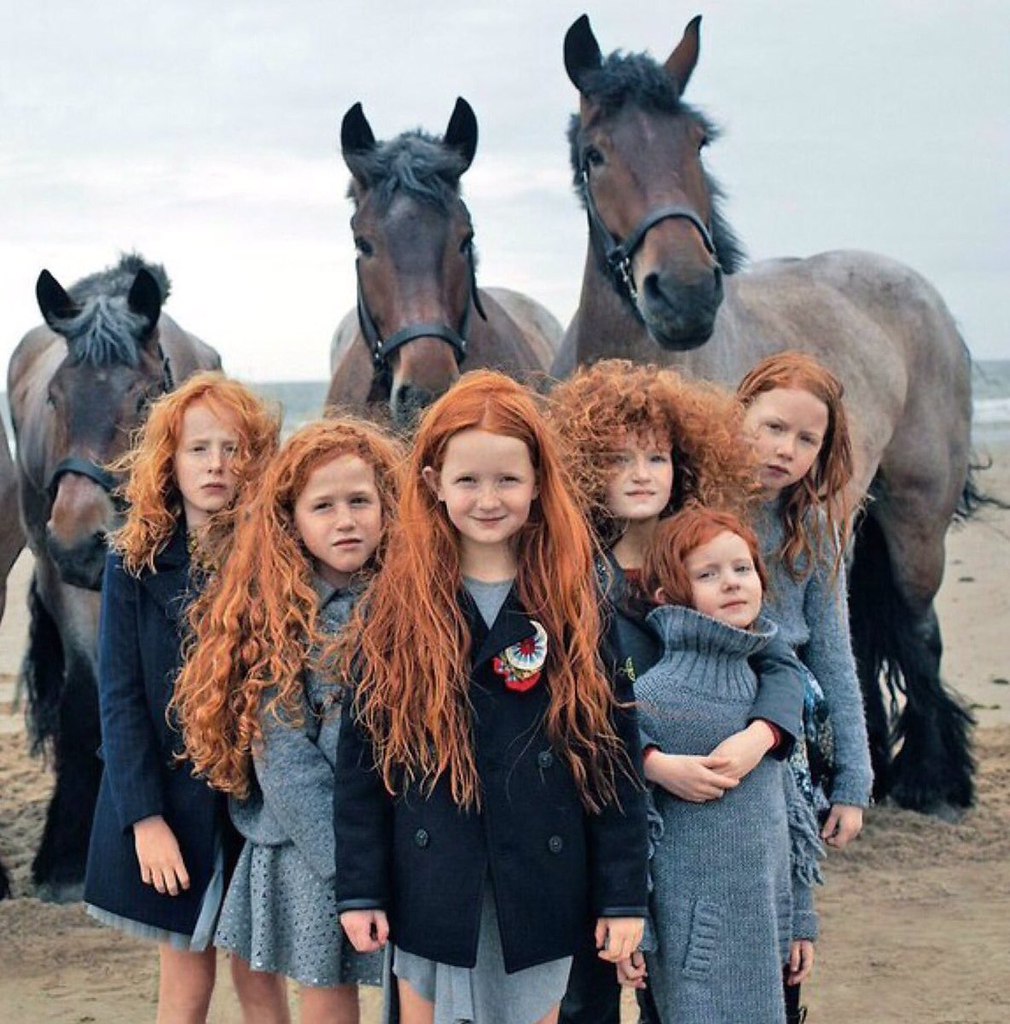
This is the most interesting and important part! The Irish are arguably one of the friendliest, most open, and hospitable people you will meet.
- Sense of Humor: It’s simply incredible! Sarcastic, self-deprecating, very witty. Get ready to laugh. And don’t be afraid to joke back.
- Hospitality: You will feel it in every pub, every hotel, every shop. The Irish value communication and are always ready to help.
- Relaxation: The pace of life here is more measured than in many large metropolises. Nobody is in a hurry, enjoy the moment.
- Love of conversation (the craic): “Craic” (pronounced “crack”) is not just fun, it’s all the atmosphere that is created when people get together, talk, joke, sing, and just enjoy each other’s company. The Irish are masters of “craic.” Don’t hesitate to talk to locals in a pub – this is the best way to experience the real Ireland.
- A little superstition: Yes, this is a Celtic country, and belief in fairies, leprechauns, banshees, and other mystical creatures is still alive, albeit often in a playful way. Don’t be surprised if you hear something like that.
- Pride in their country: The Irish are VERY proud of their history, culture, music, and sports. And that’s great!
Advice: Be open, smile, and you will receive a hundredfold kindness and wonderful experiences in return.
Transport: How to Get Around the Emerald Isle?
Ireland, as a developed European country, has a fairly good transport infrastructure, although not as extensive as on the continent.
Air Travel
- International Airports: The main gateway is Dublin (DUB). This is the largest and busiest airport, with flights all over the world. Other international airports include Shannon (SNN) in the west and Cork (ORK) in the south.
- Budget Airlines: Ryanair (an Irish company, by the way!) and Aer Lingus offer many flights around Europe.
Sea Routes
There are ferry crossings from Ireland to Great Britain and France. This is convenient if you are traveling by car or just want to enjoy a sea trip. Main ports: Dublin, Rosslare (in the southeast), Cork.
Railway
The railway network in Ireland is not very extensive, but it connects the main cities: Dublin with Cork, Limerick, Galway, Waterford, Sligo, and Belfast (Northern Ireland). Trains are comfortable, but tickets can be more expensive than buses. A great option if you don’t want to bother with driving.
Intercity Buses
This is perhaps the most popular and budget-friendly way to get around Ireland. Bus Éireann is the national operator that connects almost all cities and major towns. There are also private companies, such as Citylink, operating on popular routes (Dublin-Galway). Buses are modern, comfortable, and it’s a great way to see the country.
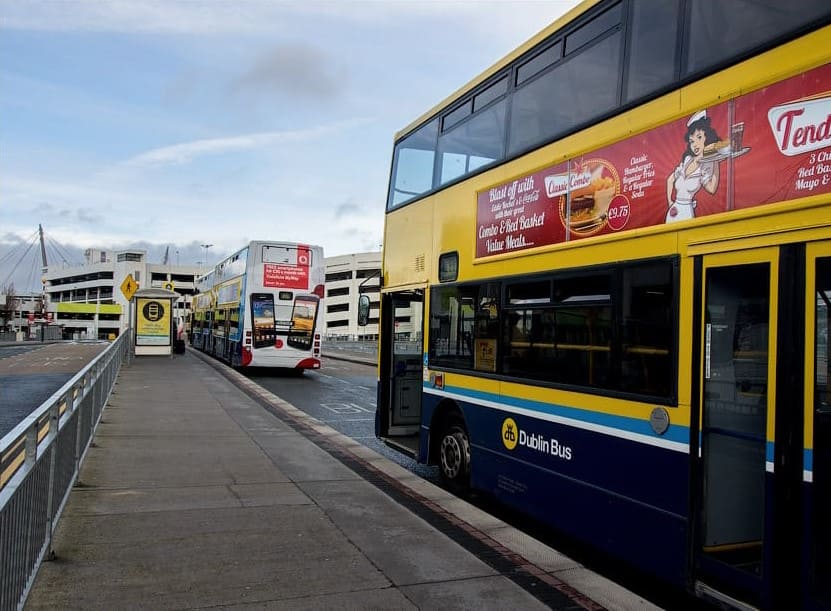
Urban Public Transport
- Dublin: There are buses, trams (Luas), and suburban trains (DART) that run along the coast. On buses, you can pay for the trip in cash (you need the exact amount, no change is given!) or with a Leap Card (very convenient, you can buy it in stores and top it up).
- Other Cities: Cork, Limerick, Galway, and Waterford have a well-developed bus network.
Taxis and Car Sharing
- Taxis: Available in all major cities. You can catch one on the street (if the green light is on), find them in parking lots, or order through apps like FREENOW (works like Uber). Prices in Dublin can be high, especially at night.
- Car Sharing: Car sharing services (e.g., GoCar) are developing, but are mainly available in Dublin.
Car Rental
Caution, left-hand traffic! This is the main feature. If you feel confident driving on the left side of the road, renting a car is the best way to explore the remote corners of Ireland, scenic routes, and hidden gems. The roads are usually good, but can be narrow and winding, especially in rural areas. Book your car in advance, especially in high season.
Advice: For short trips around Dublin, public transport or walking is ideal. To explore the country – buses, trains, or car rental, depending on your preferences and route.
The Most: Facts That Will Surprise You!
Ireland is a land of amazing stories and unexpected facts. Here are a few that will make your trip even more interesting:
- National Symbol – the Harp: Yes, not the shamrock, although it’s also very important. The harp is an ancient Celtic symbol, and Ireland is the only country in the world that uses a musical instrument as its national symbol. You’ll see it on euro coins, official documents, and, of course, on the Guinness logo!
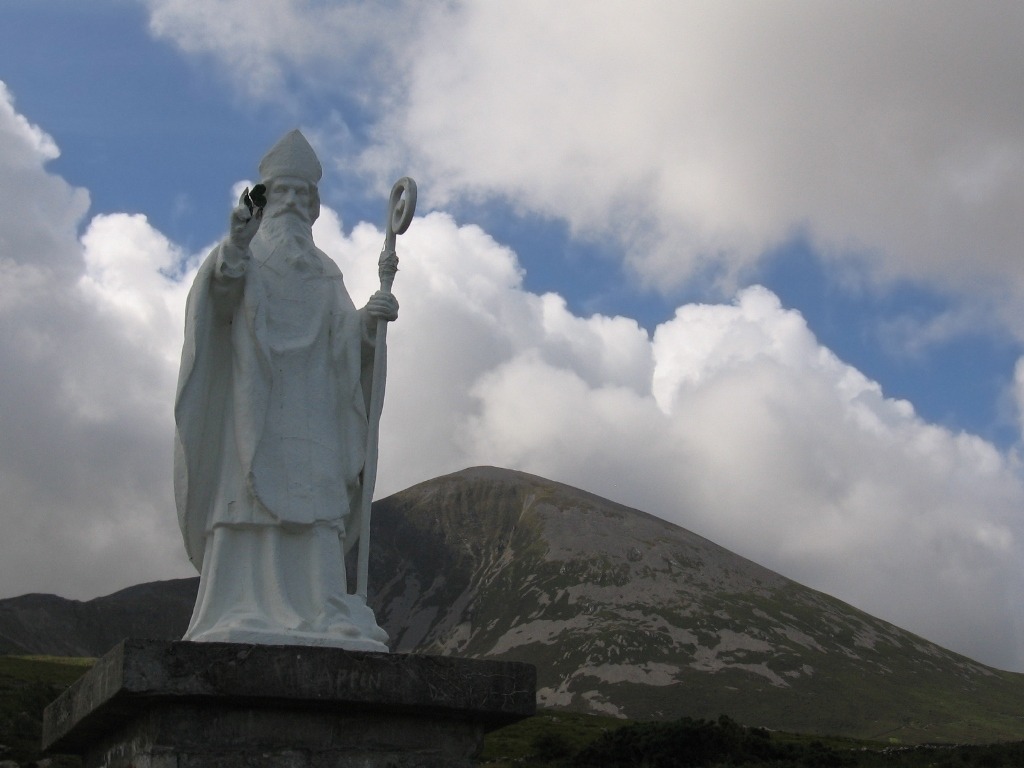
- St. Patrick’s Day: This holiday is celebrated on March 17th around the world, but its birthplace is Ireland. And it’s not just St. Patrick’s Day, but a real festival of green, parades, music, and general fun. If you’re here in March, you’re very lucky!
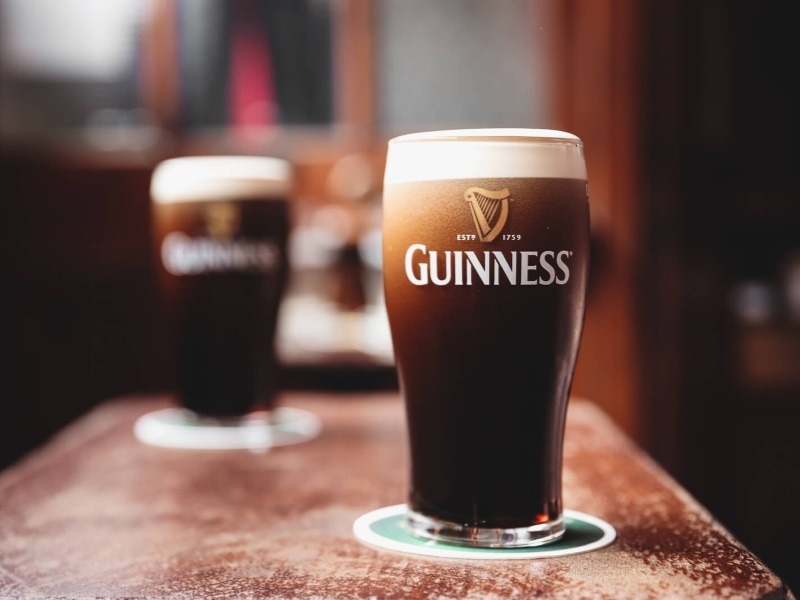
- Guinness: It’s not just beer, it’s part of Irish culture. It began brewing in Dublin in 1759. Visiting the Guinness Storehouse brewery is practically a mandatory part of the program!
- Halloween: Yes, the ancestor of modern Halloween is the ancient Celtic festival of Samhain, which was celebrated in Ireland thousands of years ago.
- “Cead Mile Failte” (ked mile foiltya): This is an Irish greeting meaning “A hundred thousand welcomes.” The Irish are truly very hospitable.
- Many Nobel Laureates in Literature: Ireland is the birthplace of giants such as William Butler Yeats, George Bernard Shaw, Samuel Beckett, and Seamus Heaney. This is a country of poets, writers, and storytellers.
- The Longest Coastal Road: The Wild Atlantic Way is an incredible 2500 km route along the west coast, with stunning views and unforgettable experiences.
- Leprechauns: These mythical creatures, hiding pots of gold at the end of the rainbow, come from Irish folklore.
- Irish Whiskey: Be sure to try it! Irish whiskey is different from Scotch – it is usually triple distilled, which makes it softer.
- Absence of Snakes: According to legend, St. Patrick drove all the snakes out of the island. In fact, they were never here because of the climate and isolated location.
Where to Go? Major Cities and Popular Destinations
Ireland, although not a huge country, offers an incredible variety of places to visit.
Major Cities
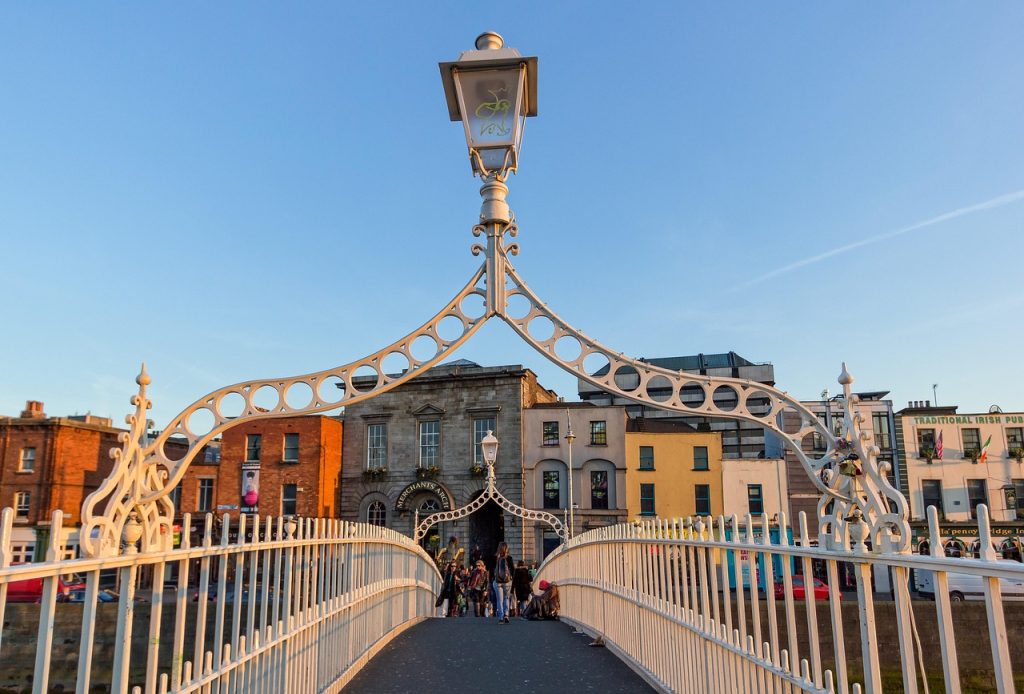
Dublin
The capital and largest city. You could write a separate article about it! Here, history meets modernity. Must-sees:
- Trinity College & Book of Kells: Ancient university and the famous illuminated manuscript.
- Guinness Storehouse: Museum and panoramic bar on the roof.
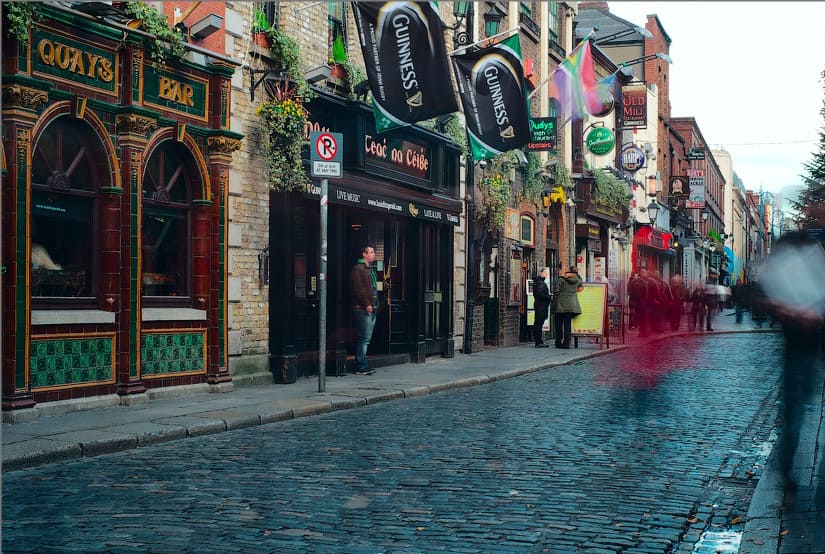
- Temple Bar: District of pubs, music and fun (touristy, but atmospheric).
- St. Patrick’s Cathedral & Christ Church Cathedral: Majestic cathedrals.
- Dublin Castle: Historical castle.
- O’Connell Street: Main street with monuments and shops.
Cork
The second largest city, located in the south. Known for its culinary scene, friendly locals and beautiful location on the River Lee. Nearby is Blarney Castle (with the famous stone).
Galway
On the west coast. Considered the cultural capital of Ireland. Known for its live music, artistic atmosphere, festivals and proximity to the natural beauty of Connemara and the Aran Islands.
Limerick
In the southwest. A city with a rich history, King John’s Royal Castle and museums.
Waterford
In the southeast. The oldest city in Ireland, founded by the Vikings. Famous for its crystal (Waterford Crystal) and the Viking Triangle.
Popular Tourist Destinations (Outside of Cities)
- Cliffs of Moher: Certainly one of the most recognizable landmarks in Ireland. Majestic cliffs dropping into the Atlantic Ocean, which take your breath away.
- The Burren: A unique karst landscape north of the Cliffs of Moher. It feels like you’re on another planet.
- Ring of Kerry: One of the most famous scenic routes in County Kerry. A long but incredibly beautiful road that passes through mountains, lakes, coastal villages and ancient monuments.
- Dingle Peninsula: Another stunning peninsula in County Kerry, slightly less touristy than the Ring of Kerry, but just as picturesque. Known for its Irish culture and friendly dolphin, Fungie.
- Connemara: A wild and beautiful region in the west. Mountains, lakes, bogs, and untouched nature are here. Ideal for lovers of outdoor activities and tranquility.
- Aran Islands: Three rocky islands in Galway Bay, where the Irish language and traditional way of life are still strong. A great place to rent a bike and feel like you’re at the end of the world.
- Blarney Castle: Near Cork. Here you can kiss the Blarney Stone to get the gift of eloquence (but you’ll have to bend over!).
- Clonmacnoise: Ruins of an ancient monastic settlement on the banks of the River Shannon. A very atmospheric place, steeped in history.
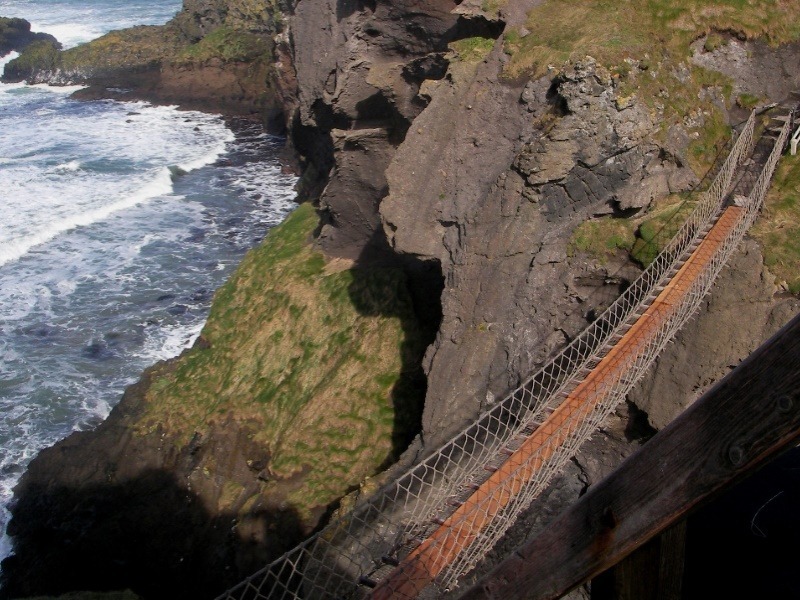
- Giant’s Causeway: Technically this is Northern Ireland, but it’s very close to the border and many tourists visit it as part of a trip around the island. An amazing geological formation of basalt columns.
Nature and Recreation: Where to Recharge?
Ireland is a paradise for nature lovers and outdoor enthusiasts.
National Parks
- Killarney National Park: In County Kerry. Pristine nature, mountains, lakes, forests, waterfalls, deer. Ideal for hiking, cycling and boat trips.
- Glenveagh National Park: In County Donegal (in the north). Secluded and wild, with a beautiful castle and lake system.
- Connemara National Park: In County Galway. Mountains, bogs, heaths, wildlife.
- Burren National Park: Part of a unique karst landscape.
Seaside Resorts
Although Ireland is not associated with beach holidays, there are beautiful sandy beaches, especially on the west and southwest coasts. Of course, the water is cool, but it’s ideal for surfing, walking and enjoying the sea air. Some popular places: Bundoran in Donegal, Lahinch in Clare, Inch in Kerry.
Mountain Regions
The mountain ranges are not high, but very picturesque: Wicklow Mountains near Dublin (excellent hiking trails), Macgillycuddy’s Reeks in Kerry (home to the highest point in Ireland – Carrauntoohil).
Wellness/Spa
Many hotels offer spa services, and some areas, such as Bundoran, have long traditions as resorts.
Fishing
Ireland is a paradise for fishermen, with many rivers, lakes and coastal waters where you can catch salmon, trout and other types of fish.
Golf
Ireland is a mecca for golfers, with hundreds of world-class courses, including the famous links courses.
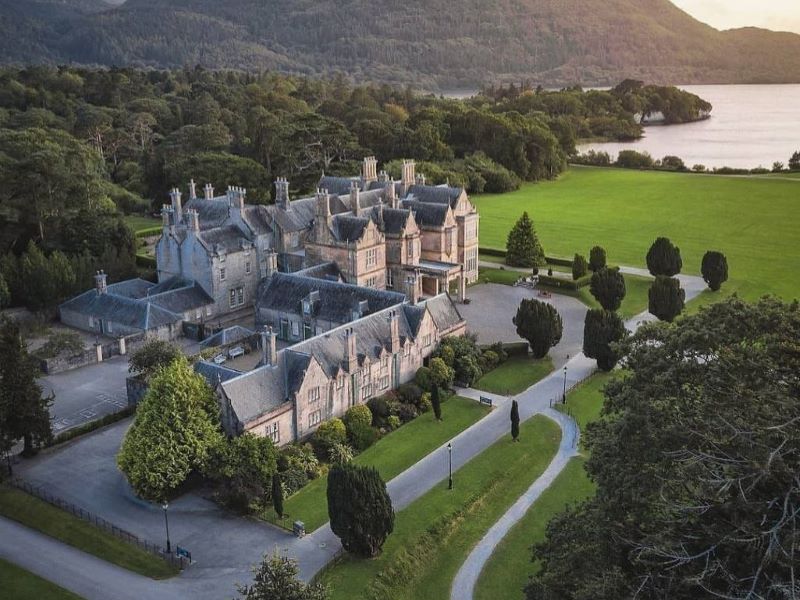
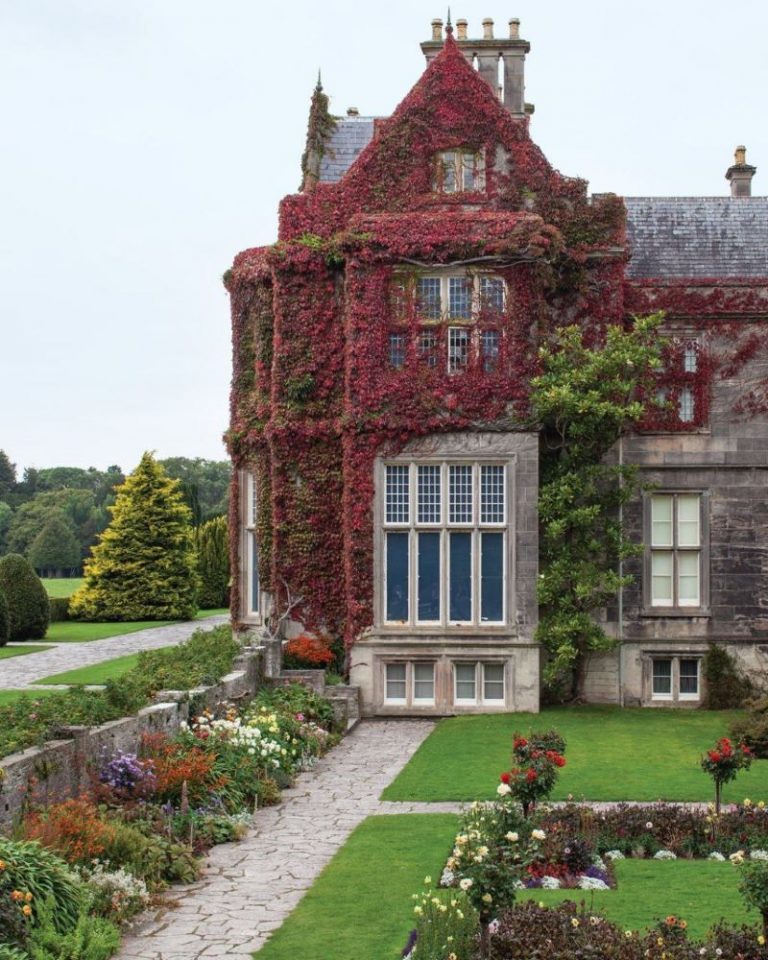
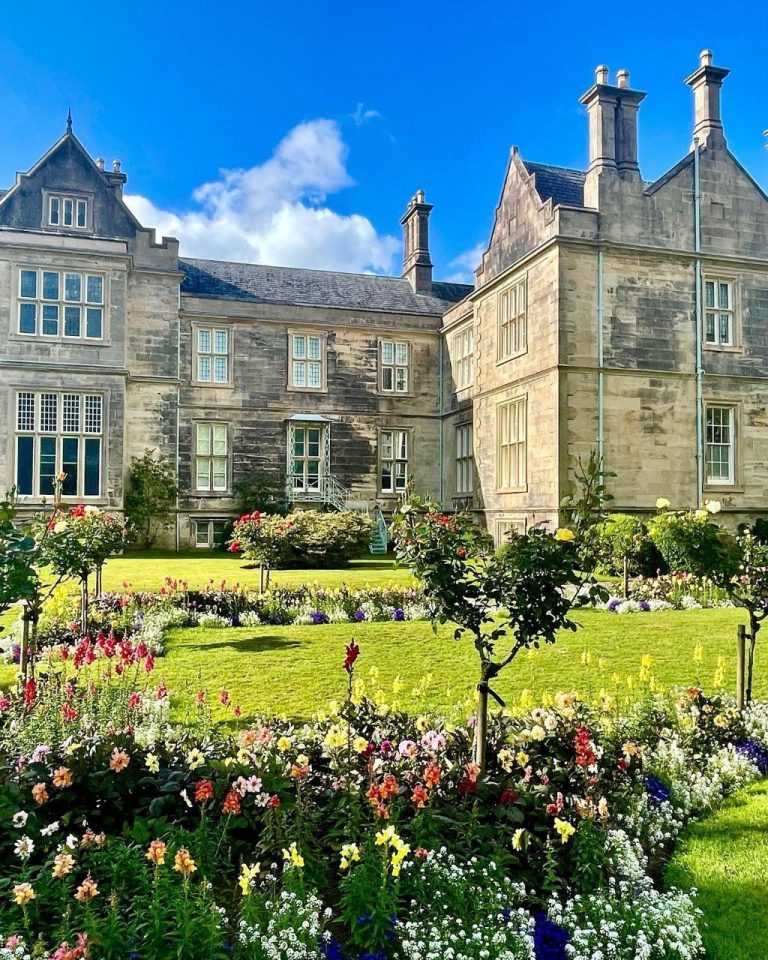
Attractions: From Famous to Hidden Gems
In addition to the ones already mentioned (Cliffs of Moher, Blarney Castle, Dublin Cathedrals), here are a few more that are worth paying attention to:
Well-Known and Popular
- Newgrange: Ancient megalithic monument, part of the Brú na Bóinne complex. This is a chamber tomb built around 3200 BC, older than Stonehenge and the pyramids! On the winter solstice, its interior is illuminated by a ray of sunshine. Incredibly impressive.
- Rock of Cashel: In County Tipperary. A majestic complex of medieval buildings, including a cathedral, chapel and round tower, towering on a limestone outcrop.
- Powerscourt Estate: In the Wicklow Mountains, not far from Dublin. One of the most beautiful estate complexes with stunning gardens, considered to be among the best in the world.
- Kilkenny Castle: In the city of Kilkenny. A well-preserved medieval castle that is definitely worth a visit. Kilkenny itself is a very cozy and atmospheric city.
- Skellig Michael: A remote and rugged rocky island in the Atlantic, which has preserved an ancient monastic hermitage. You can only get there by boat (and it depends on the weather), but the impressions are unforgettable. It became even more famous after episodes of “Star Wars” were filmed there.
Interesting, but Not Very Well-Known (Or Those Worth Looking For)
- Glendalough: In the Wicklow Mountains. Ruins of an ancient monastic settlement founded by St. Kevin in the 6th century. A very picturesque and peaceful place among lakes and mountains. Ideal for a day trip from Dublin.
- Gaelic Athletic Association (GAA) Museum: In Dublin, at Croke Park stadium. If you want to understand the Irish mentality, you can’t do without this. The GAA is an organization that manages traditional Irish sports: Hurling and Gaelic football. It’s not just a sport, it’s part of national identity. Visit the museum, watch a match (if possible) – it’s pure, unbridled Irish passion!
- Cooley Peninsula: In the north, near the border with Northern Ireland. A beautiful peninsula with mountains, legends (for example, about the bull from Cooley) and scenic views. Less touristy than the south or west.
- Garnish Island: A small island in Bantry Bay (County Cork), known for its stunning Italian gardens. You can get there by small boat.
- Lismore Castle: In County Waterford. A private castle (owned by the Duke of Devonshire), but its gardens are open to the public and they are simply magnificent.
Tip: Don’t hesitate to deviate from the beaten track. Sometimes the most unforgettable experiences are hidden in small villages or on country roads.
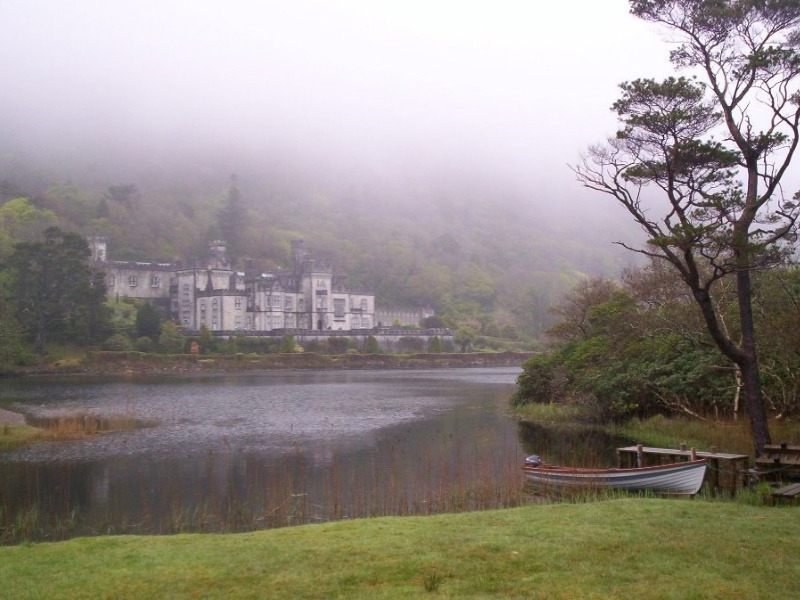
What to Do? Culture, Entertainment and Shopping
Ireland will not let you get bored, regardless of your interests! The tourist infrastructure is very well developed, especially in popular places. There are Tourist Information Centres throughout the country where you can get maps, brochures, find out about tours and events.
Entertainment
- Live Music: This is the calling card of Ireland! In almost every pub, especially in the evenings, you will find musicians playing traditional Irish music (trad sessions). It’s not just a performance, it’s an interactive event where everyone can join in, sing or dance. Be sure to visit at least one such evening!
- Theatre: Dublin has a rich theatrical tradition. Visit the Abbey Theatre (National Theatre of Ireland) or the Gate Theatre.
- Festivals: Ireland is a land of festivals! Musical (Electric Picnic, All Together Now), cultural (Galway Arts Festival), literary, culinary and, of course, festivals dedicated to St. Patrick. Check the calendar of events before your trip.
- Sports: Attend a Gaelic football or hurling match. This is a unique experience!
- Walking and Hiking: Ireland is ideal for hiking, from easy strolls along the coast to multi-day routes in the mountains.
- Cycling: Renting a bicycle is a great way to explore the countryside or islands.
National Holidays
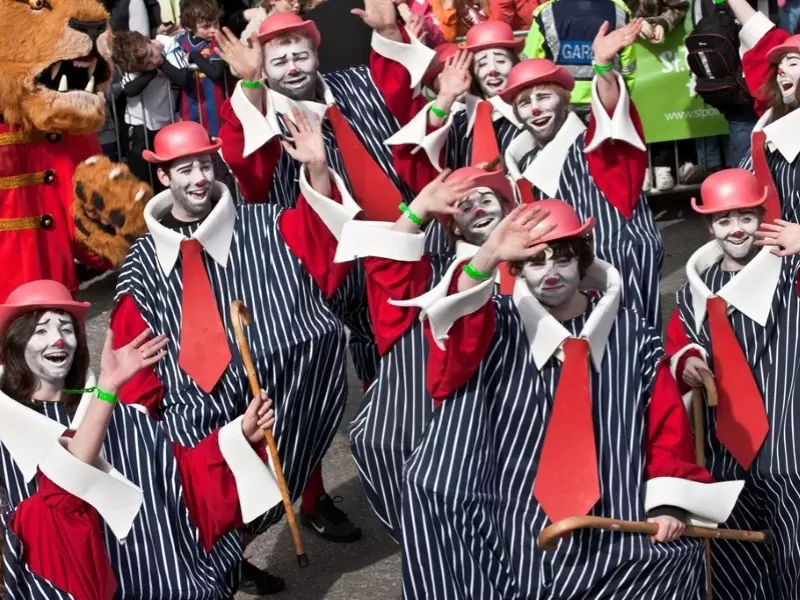
- St. Patrick’s Day (March 17): The biggest and most famous holiday. Parades, concerts, green clothes everywhere.
- Easter Rising Commemoration (Easter, late March-early April): An important historical day dedicated to the 1916 uprising.
- May Bank Holiday (first Monday in May): A day off, often accompanied by festivals.
- June Bank Holiday (first Monday in June): Another day off.
- August Bank Holiday (first Monday in August): And another one!
- October Bank Holiday (last Monday in October): Halloween time.
- Christmas Day (December 25) & St Stephen’s Day (December 26): Christmas and St Stephen’s Day (Boxing Day).
Shopping
- Dublin: Grafton Street is the main shopping street with large stores and department stores. Henry Street is a more budget-friendly option.
- Souvenirs: Irish whiskey, Guinness (products with the logo), tweed products (especially Donegal tweed), Irish sweaters (Aran jumpers), Celtic jewelry (Claddagh rings), crystal products (Waterford Crystal), Irish music.
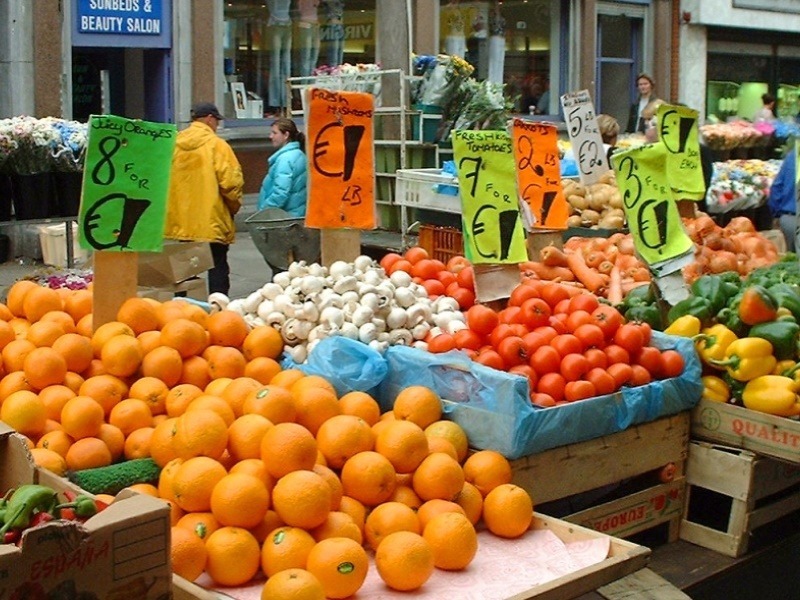
- Local Markets: Look for farmers’ markets and craft fairs to buy unique gifts and fresh produce. For example, the English Market in Cork is a real gastronomic gem.
Where to Stay? Accommodation Infrastructure and Prices
Ireland has a very well-developed accommodation infrastructure, from luxurious castles to cozy hostels.
Hotels
In Dublin and major cities, you will find hotels of all classes – from budget to 5-star. In the countryside, there are many charming boutique hotels and Country Houses.
Average Price per Night:
- Budget Hotels (2-3 stars): €80-150.
- Mid-Range (3-4 stars): €150-250.
- High-End (4-5 stars): From €250 and up. Dublin, of course, is more expensive.
Bed & Breakfasts (B&B)
This is perhaps the most authentic Irish experience! B&Bs are usually private homes where owners rent out rooms. You will not only get a comfortable bed but also a hearty Irish breakfast, and most importantly – warm hospitality and valuable advice from locals.
Average Price per Night: €60-120. Excellent value for money.
Guest Houses
Similar to B&Bs, but may be slightly larger and feel more like “hotels.”
Average Price per Night: €70-130.
Hostels
There are many hostels in Dublin, Galway, and other tourist cities. A great option for budget travelers, solo tourists, and young groups. There are dorms, but often private rooms as well.
Average Price per Night:
- Bed in a Dorm: €25-50.
- Private Room: €60-100.
Apartment/House Rentals
Through Airbnb or other platforms. A great option for families or groups who want a kitchen and more space. Prices vary greatly depending on size, location, and season.
Castle Hotels
If you want to feel like a lord or lady, many castles have been converted into luxury hotels. It will be expensive, but unforgettable!
Tips
- Book in Advance: Especially in high season (June-August), on weekends, and during festivals.
- Pay Attention to Location: In Dublin, it is convenient to live near the center or Luas/DART stations.
- Look for “Failte Ireland Approved”: This means that the accommodation meets the standards of the national tourist organization.
What and Where to Eat? Culinary Delights of the Emerald Isle
Irish cuisine was long considered simple and uncomplicated, but in recent years it has been experiencing a real renaissance! Now it is a combination of traditional dishes with modern gastronomic trends, based on fresh local products.
National Cuisine and Its Features
- Potatoes: Oh, potatoes here are sacred! They are present in almost all traditional dishes.
- Meat: Lamb, beef, pork – of excellent quality.
- Seafood: Being an island, Ireland offers the freshest seafood: oysters, salmon, cod, mussels, shrimp.
- Dairy Products: Irish dairy products are among the best in the world. Cheese, butter, milk – simply delicious!
What to Try
- Irish Stew: A classic! Stewed lamb (sometimes beef) with potatoes, carrots, and onions. Warming and very tasty.
- Boxty: Potato pancakes or fritters.
- Colcannon: Mashed potatoes with cabbage (or kale) and butter.
- Coddle: A Dublin dish – stew made with sausages, bacon, potatoes, and onions.
- Full Irish Breakfast: Oh, it’s quite an event! Fried eggs, bacon, sausages, black and white pudding (blood and meat sausage), beans, fried tomatoes, mushrooms, toast, and, of course, tea or coffee. Will energize you for the whole day!
- Scones with Jam and Cream: Ideal for afternoon tea.
- Fresh Seafood: The freshest oysters, Fish & Chips, Chowder (thick fish soup).
- Brown Bread: Local rye bread, very tasty.
- Guinness: Of course, it’s not food, but without a pint of Guinness, you won’t feel Ireland. Be sure to try it in a pub – it’s the freshest there!
- Irish Whiskey: Try Jameson, Bushmills, Teeling, Powers – Irish whiskey is softer than Scotch.
- Irish Coffee: Coffee, Irish whiskey, sugar, and whipped cream. Ideal for warming up after a walk.
Dining Infrastructure for Tourists
Restaurants
In all cities, from exquisite haute cuisine restaurants (especially in Dublin and Cork) to cozy family establishments.
Average Check (per person):
- Lunch: €15-30.
- Dinner (without alcohol, with main course): €30-60.
Pubs
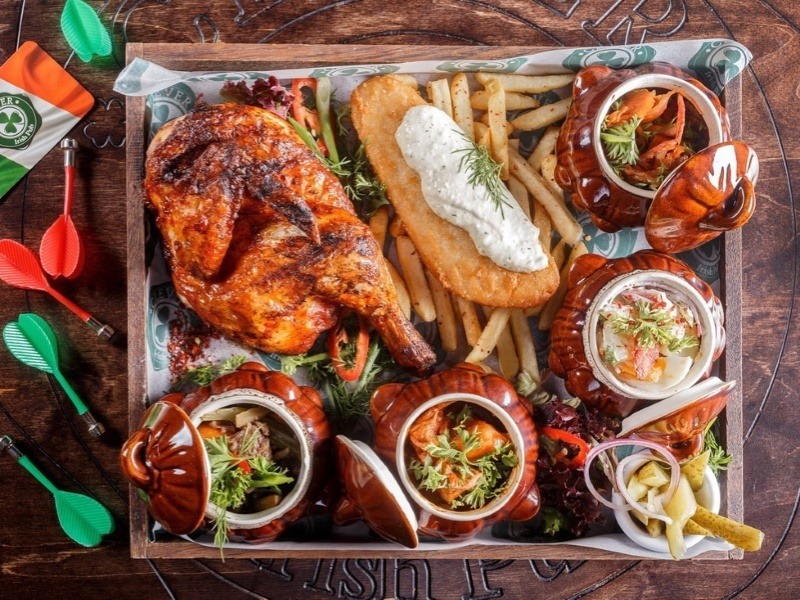
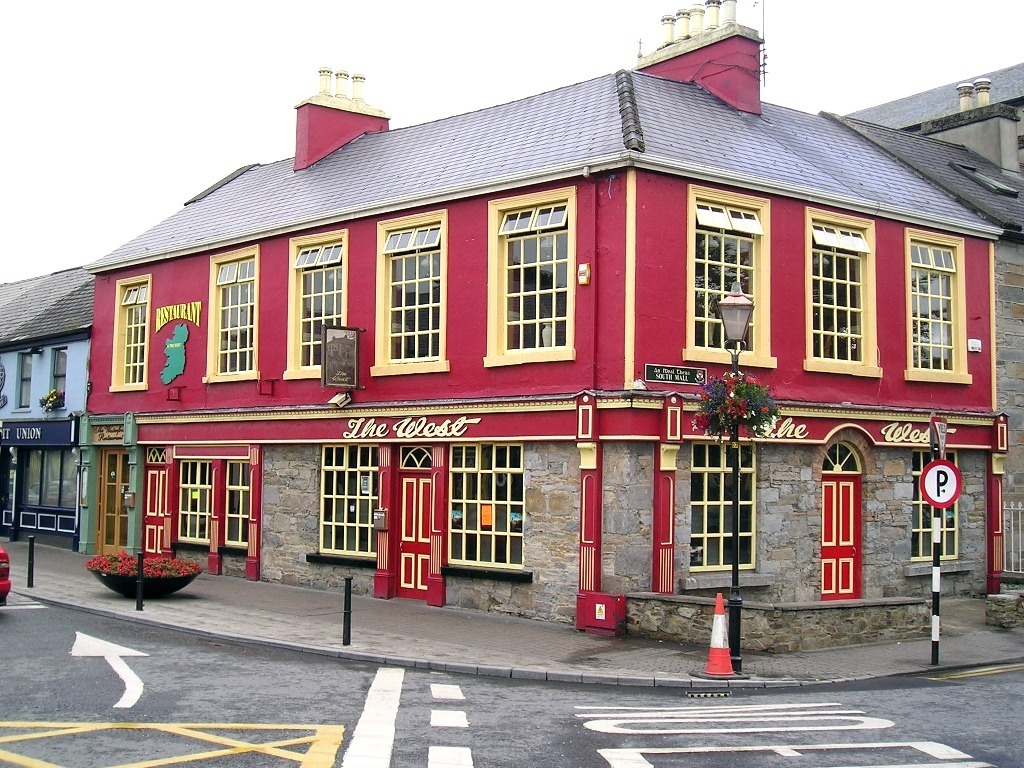
This is the heart of Irish life! Here, they not only drink but also eat. Most pubs offer “pub grub” – hearty and tasty dishes such as Irish stew, Fish & Chips, burgers. The atmosphere here is the most Irish.
Average Check (per person)
- Pub lunch/dinner: €15-25.
- Pint of Guinness: €5.50 — €7.50 (more expensive in Dublin).
Cafes
Great places for breakfast, lunch, or just coffee with pastries.
Average Check (per person): €10-20.
Food Courts and Fast Food
Available in all major cities, represented by international chains and local options.
Average check (per person): €8-15.
Supermarkets
Tesco, Dunnes Stores, SuperValu, Lidl, Aldi. If you want to save money, buy your groceries there.
Tips
- Don’t be afraid to experiment with traditional dishes.
- Definitely have lunch or dinner in a pub – it’s an unforgettable experience.
- Irish people love fresh produce – look for farmers’ markets.
- Some pubs offer takeout.
Conclusion: Save money, remember, and enjoy!
Well, it seems we’ve reached the end of our grand journey through Ireland. I hope you’ve gotten enough information to boldly embark on this amazing island. But before you pack your bags, here are a few more helpful tips to make your adventure perfect:
- Currency: Euro (€).
- Tipping: It’s customary to leave 10-15% in restaurants if service is not included in the bill. It’s not customary to leave tips in pubs unless you order food or drinks to the table, but you can buy the bartender a pint (say “buy you a pint”). You can round up the fare for taxi drivers.
- Outlets: Type G (3 rectangular pins). An adapter is a must!
- Water: Tap water is safe to drink.
- Safety: Ireland is a very safe country. But, as everywhere, take basic precautions: keep an eye on your belongings, don’t leave valuables in the car. In Dublin, avoid some remote areas at night.
- Weather: To reiterate: layering and waterproof clothing are your best friends.
- Communication: Irish people love to chat. Don’t hesitate to strike up a conversation with locals, whether it’s in a pub, a store, or at a bus stop. It’s the best way to get unique tips and experience the local atmosphere.
- Right-hand/Left-hand traffic: If you are used to right-hand traffic, be VERY careful behind the wheel!
- Internet speed: In cities and hotels, Wi-Fi is usually good. It may be worse in rural areas.
- Planning: If you have limited time, choose one or two regions and explore them thoroughly, rather than trying to rush around the entire island.
- Postcards: Send postcards home! It’s so cute and old-fashioned.
Ireland is not just a collection of attractions. It’s the atmosphere, the music, the laughter, the stories, the smell of peat, the taste of Guinness, and the feeling that time flows differently here. You will come here as a tourist, but you will leave with the feeling that you have left a piece of your soul here. So, pack your bags, learn a few phrases in Irish (at least “Sláinte!” – “Good health!”/ “To your health!”) and get ready for the Emerald Isle to forever settle in your heart.