Hello, adventurers and connoisseurs of all things new and unexplored! Ready to dive into a true kaleidoscope of Balkan impressions? Then brace yourselves, because today we’re heading off on a journey through an amazing country that still remains something of a “hidden gem” of Europe for many. Ladies and gentlemen, please welcome – North Macedonia!
If you’ve just started thinking about traveling to this country, you’re in the right place. We’ve tried to organize everything, so that your first encounter with North Macedonia will be as comfortable, interesting, and, of course, unforgettable as possible. Get your tea or coffee ready, because this article is going to be a long one—but I hope, incredibly useful!
Welcome to North Macedonia: Discover the Heart of the Balkans!
Imagine a place where history whispers at every step, where majestic mountains embrace crystal-clear lakes, and people greet you with such genuine smiles that you instantly feel at home. This is what North Macedonia is all about. A country not advertised on every tourist billboard, but one that definitely deserves your attention.
A Glimpse into the Past
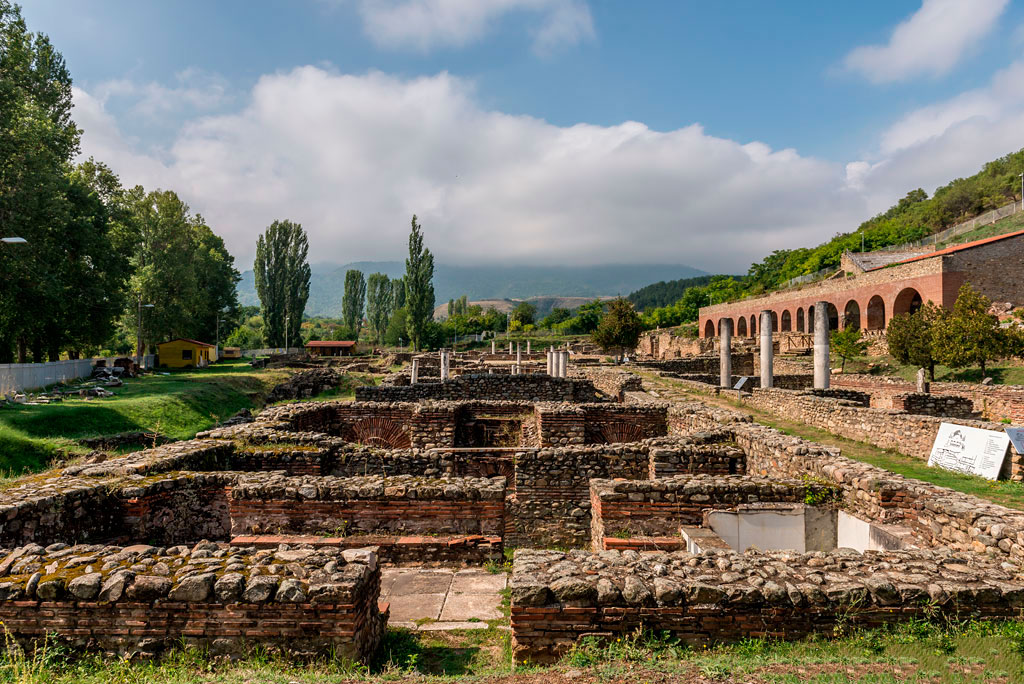
Let’s start with a bit of historical background, so you can understand the ancient and eventful lands you’re about to step onto. North Macedonia is not just a point on the map; it’s a crossroads of civilizations, where cultures of the East and West have collided and blended together.
The very first thing that comes to mind at the mention of Macedonia is, of course, Alexander the Great. Yes, that legendary commander whose empire stretched from Greece all the way to India. Although modern Macedonians are Slavs who arrived to these lands much later, they are very proud of their ancient heritage and consider themselves heirs of this grand history. And you’ll sense that right away—the monuments, the place names, the atmosphere!
After antiquity, these lands saw it all: first as part of the Roman, then Byzantine Empires. In the Middle Ages, Slavic principalities formed here; later, the lands came under the rule of the Bulgarian Empire and the Serbian Kingdom. But the longest and arguably most formative era was the period of Ottoman rule, which lasted nearly five centuries, up until the start of the 20th century. That’s why you’ll see mosques, Turkish bazaars, and feel that eastern flair seamlessly woven into the Balkan and Slavic soul.
After the Ottoman Empire, the region became a bone of contention among neighboring countries (Serbia, Bulgaria, Greece). Then, in the 20th century, Macedonia became part of Yugoslavia, gaining independence peacefully in 1991 after Yugoslavia’s dissolution. For a long time, the country was known as the “Former Yugoslav Republic of Macedonia” (FYROM) due to a serious dispute with Greece over the name. Only in 2019 was a compromise reached, and the country officially became North Macedonia. This was a very important step for them, opening doors to NATO and the European Union (although the EU accession process is still ongoing).
So, when you come here, you’ll see not just beautiful landscapes, but a living history book written over centuries.
Geographical Location, Landscape, and Climate: Mountains, Lakes, and Sunshine
Let’s take a look at the map. North Macedonia is located right in the heart of the Balkan Peninsula and has no access to the sea (important to remember!). It borders Kosovo, Serbia, Bulgaria, Greece, and Albania. The country is fairly compact, which is very convenient for travelers—you can see a lot without spending much time on long journeys.
Landscape
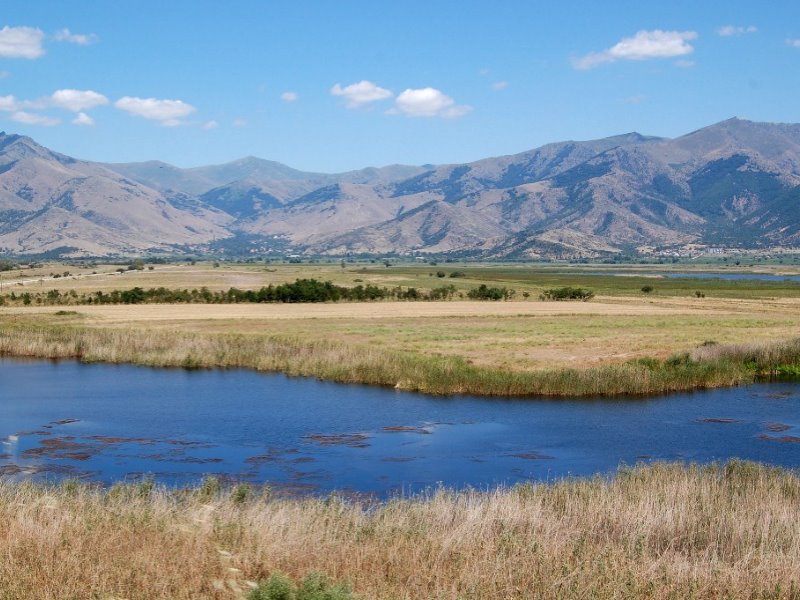
If you love mountains, you’ll fall in love with North Macedonia! The country is about 80% mountains and hills. There are three major mountain ranges here: Šar Planina in the northwest, Ograzhden in the east, and Baba in the southwest, where Mount Pelister is located. These mountains are not only majestic but also incredibly picturesque, especially in spring, when everything is blooming, and in autumn, when the forests are ablaze with color. Between the mountain ridges sprawl fertile valleys, cut by rivers, the largest of which is the Vardar, crossing the country from north to south.
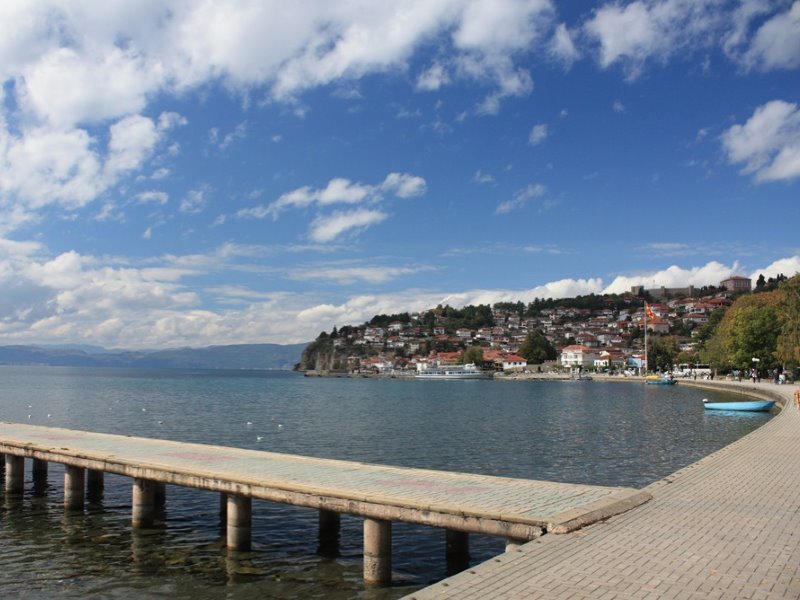
No coastline? No problem! North Macedonia is home to three stunning natural lakes: Ohrid, Prespa, and Dojran. Lake Ohrid is a story in itself, but more on that later. Suffice it to say, it’s so clear and beautiful, it could replace any sea. So you’ll have plenty of “seaside” recreation here, only the water is fresh instead of salty.
Climate
The country is in a moderately continental climate zone but with strong Mediterranean influences in the south, especially around the lakes.
- Summer: Hot and dry. Temperatures can easily climb into the +30–35°C (86–95°F) range, especially in July and August. If you’re visiting in summer, be ready for the sun, pack sunscreen, and drink plenty of water. The mountains, of course, are cooler.
- Autumn: Mild and pleasant, with many sunny days lasting until October. The perfect time for hiking and exploring cities.
- Winter: Moderately cold, with frosts and snow, especially in the mountains. The snow stays long on ski resorts, making for a long ski season.
- Spring: Starts early, around March, bringing in an abundance of greenery and flowers. Very comfortable for walks and excursions.
- Special notes: Summer days can be very hot, but evenings typically bring pleasant coolness. Humidity is low, so the heat is easier to bear than at the coast.
Political and Administrative System, Capital, Religion, and Key Points: A Country at the Crossroads
Political system: North Macedonia is a parliamentary republic. The head of state is the president, but real power is held by the prime minister and parliament.
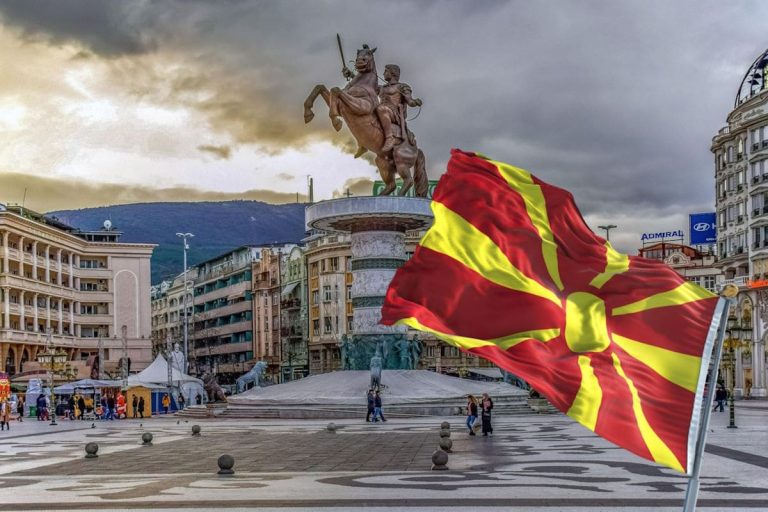
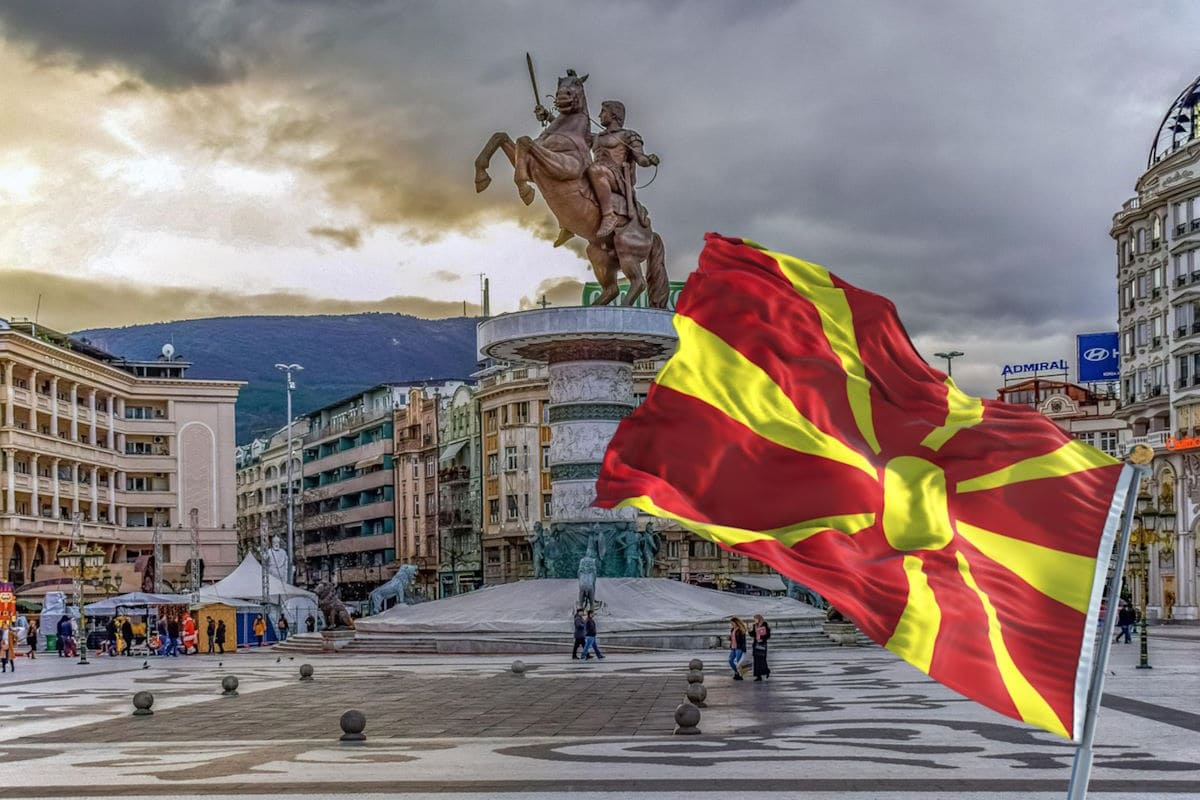
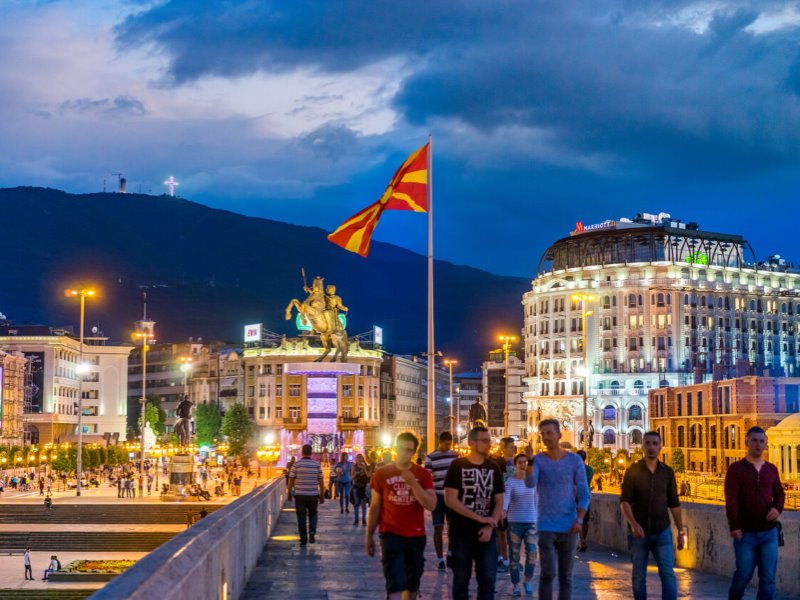
Capital: The beautiful and rapidly developing city of Skopje. This is the heart of the country, concentrating its political, economic, and cultural life. Skopje is a city of contrasts: here you’ll find an old Ottoman bazaar, a fortress, and the surprisingly eclectic “Skopje 2014” architectural project, with dozens of new monuments and buildings in classical style. It’s a place where East meets West, where mosques and Orthodox churches stand side by side.
Religion: The religious makeup of the population is quite diverse.
- The majority (about 65–70%) are Orthodox Christians belonging to the (independent) Macedonian Orthodox Church.
- A significant share (about 25–30%) are Muslims, mainly ethnic Albanians, Turks, and Roma.
- Catholics, Protestants, and others are also present.
Important point: Religious tolerance here is very high. People of different faiths live side by side, respecting each other. You’ll see mosques and churches next to each other, and it’s truly charming.
Other notes: As mentioned, the recent change of the country’s name from “Macedonia” to “North Macedonia” was a significant political step. The country aspires to join the European Union and NATO, which is a key direction for its development. This makes it more stable and open for tourism.
Population and Language: A Multicolored Balkan Mosaic
Population
North Macedonia is a relatively small country in terms of population, with about 2 million people. This makes it cozy and less hectic compared to larger European countries. The country is home to a very diverse mix of ethnic groups, which makes it so interesting. The majority (about 65-70%) are ethnic Macedonians (Southern Slavs). The second largest group (around 25%) are Albanians, who primarily live in the western part of the country. There are also significant minorities: Turks, Roma, Serbs, Bosniaks, Vlachs (Aromanians), and others. This diversity brings a wealth of traditions, music, and cuisine to the country’s culture.
Official Language
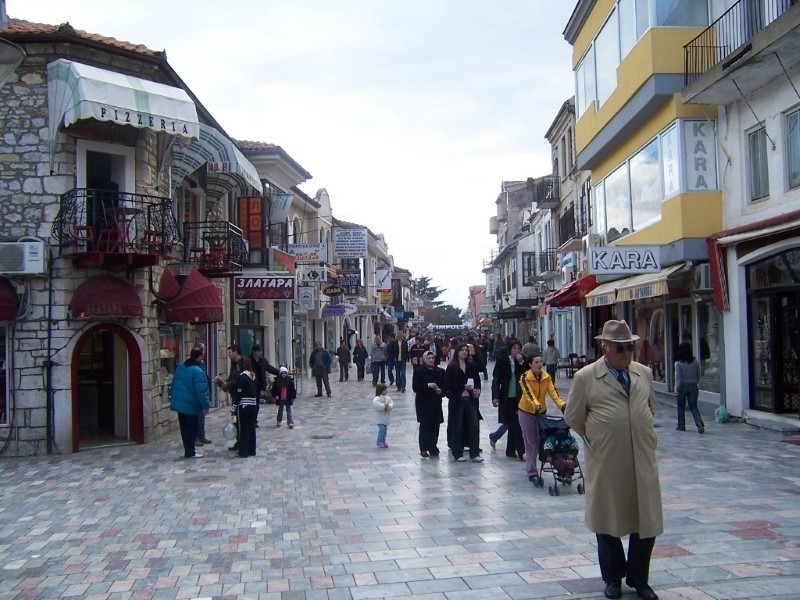
Macedonian. This is a South Slavic language, very close to Bulgarian and Serbian. It uses the Cyrillic alphabet. If you know Russian, Ukrainian, or Belarusian, you’ll be able to catch certain words and phrases, and some words will be intuitively understandable.
Commonly Spoken Languages
Albanian is widely spoken in regions with a predominantly Albanian population.
In tourist areas, especially in Skopje and Ohrid, many young people speak English. Hotel staff, restaurant workers, guides – almost always. The older generation often speaks Russian (a legacy from the Yugoslav era, when Russian was taught in schools), as well as some German or Italian.
Overall, the language barrier generally won’t be a big issue, especially if you bring a translation app on your phone and learn a few polite phrases in Macedonian.
National Mentality and Character
- Hospitality: This is perhaps one of the most notable features. Macedonians are incredibly warm and open. You’ll be readily invited for coffee and treated to local delicacies.
- Family values: Family is sacred. Respect for elders and strong family bonds are very important here.
- Relaxed pace of life: There’s no hustle and bustle of big cities. Life flows at a steady, unhurried pace. “Poleka” (slowly) is not just a word, it’s a philosophy. Don’t be surprised if your waiter doesn’t bring the bill right away – it’s not disrespect, it’s just the way things go here.
- Straightforwardness: Sometimes people may seem a bit blunt in conversation, but this is usually due to openness rather than rudeness.
- Pride: People are very proud of their history, culture, and of course, their athletes!
- Kindness: Overall, people are very friendly towards tourists and always willing to help.
Transport Infrastructure: How to Get Around?
It’s fairly comfortable to travel around North Macedonia, although there are some specifics to keep in mind.
Air Travel
The country has two international airports:
- Skopje International Airport (SKP) – the main air hub, where most international flights arrive. Many European low-cost carriers fly here (Wizz Air, Pegasus Airlines, etc.), making flights very affordable.
- Ohrid “St. Paul the Apostle” Airport (OHD) – a smaller airport serving charter and some scheduled flights, especially in the summer season. Very convenient if you’re heading straight to Lake Ohrid.
Sea Transport
This one’s simple – there are none, since the country is landlocked. But that won’t stop you from enjoying boat trips on its lakes!
Railways
North Macedonia does have a railway network, but it’s rather limited and not very developed. Trains run between the major cities (for example, Skopje-Bitola, Skopje-Kumanovo), but they are often slow and the rolling stock can be old. It’s not the most popular way for tourists to get around, though it could be interesting for those who want an authentic experience and beautiful scenery, especially if you’re not in a hurry.
Intercity Buses
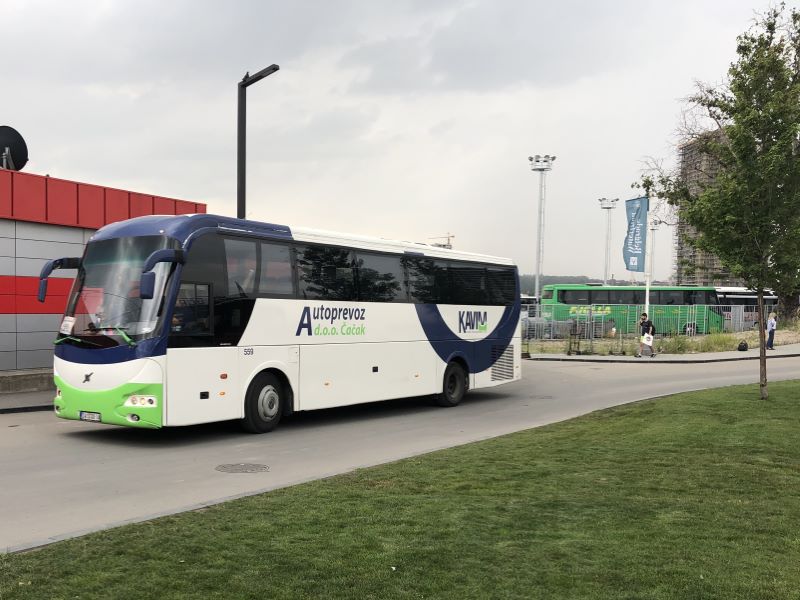
This will be your best friend! The country’s bus network is very well developed and covers almost all towns and major settlements. Buses are frequent, relatively comfortable, and most importantly, very budget-friendly. It’s the most popular and efficient way to travel between cities. Every city has a bus terminal (“avtobuska stanica”), the main departure and arrival point for routes.
City Public Transport
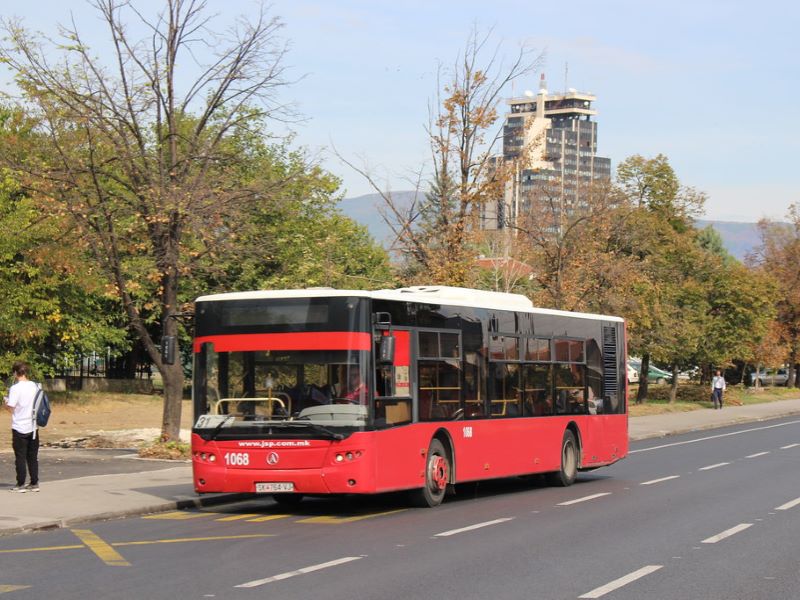
In Skopje, the main form of public transportation is the bus. The network is quite extensive, with both older articulated buses and new double-decker red buses styled after those in London. Tickets can be bought on board or at stops (Skopska cards).
In other large cities (Ohrid, Bitola), public transportation is less developed, but since the towns are compact, it’s comfortable to explore them on foot.
Taxi and Car Sharing
Taxis: Taxis are quite plentiful in North Macedonia and relatively inexpensive, especially compared with Western Europe. In Skopje and Ohrid, taxi drivers use meters, but it’s always a good idea to agree on a fare ahead of time or make sure the meter is turned on. In the capital, there are mobile apps for booking taxis (for example, Keen Taxi), which is very convenient.
Car sharing: The classic car sharing model (like in large European cities, where you rent a car for a short period and leave it anywhere) isn’t very developed yet. However, car rental is very popular. Renting a car is an excellent idea if you want to explore the country on your own, without being tied to the bus schedules. The roads between cities are generally good, especially the main highways. Rental prices are quite reasonable.
Airports and Stations
Both airports are modern and convenient. In Skopje, you can get to the city center by airport shuttle bus or taxi. The main train station and the central bus station in Skopje are next to each other, making transfers easy.
The Most Important and Interesting Facts about the Country: What Will Surprise and Delight You
North Macedonia is a treasure trove of unique facts:
- Birthplace of Mother Teresa: One of the world’s most famous humanitarians, Nobel laureate and saint Mother Teresa (Agnes Gonxha Bojaxhiu) was born in Skopje in 1910. There’s a memorial house in the city dedicated to her.
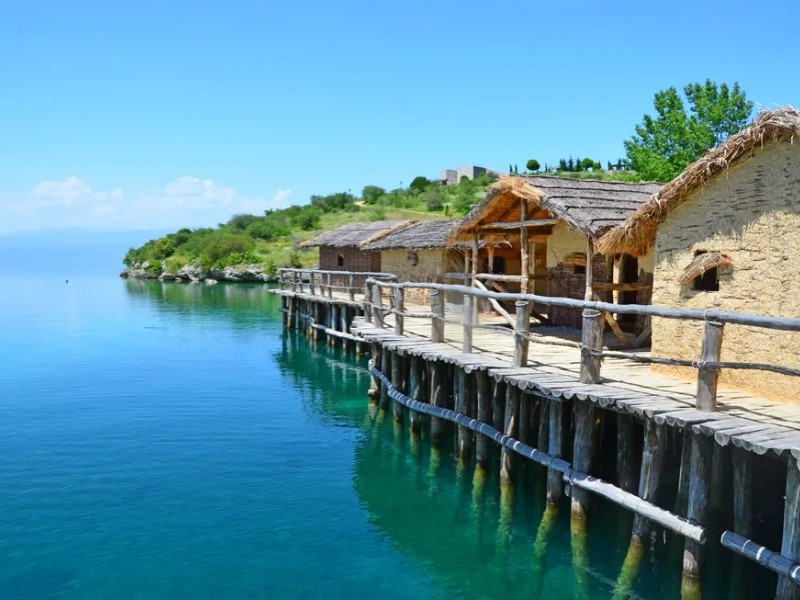
- Lake Ohrid – a gem of antiquity: This is one of the oldest and deepest lakes in Europe (estimated age around 3–5 million years, depth up to 288 meters!). It is a UNESCO World Heritage Site. The water is so clear that you can see as deep as 22 meters!
- Endemic species in Lake Ohrid: Lake Ohrid is home to the unique Ohrid trout (letnica), found only here. It’s a delicacy not to be missed, but note that fishing is strictly regulated.
- Land of a million poppies: North Macedonia is one of the largest producers of opium poppies in Europe, but the entire crop is used for medical purposes and production is strictly regulated by the state. It’s not a tourist story, but it’s a fact you might hear.
- The country of the sun: Macedonians themselves call their country the “land of the sun” because of the large number of sunny days each year.
- The only peaceful one from Yugoslavia: North Macedonia is the only former Yugoslav republic to have gained independence peacefully, without armed conflict.
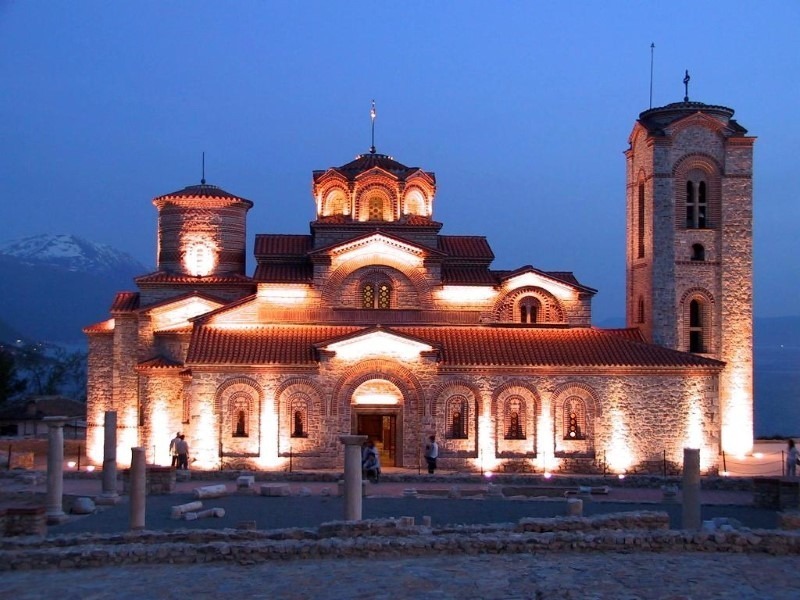
- Monasteries and churches: The country is literally dotted with ancient Orthodox monasteries and churches. It’s said that around Lake Ohrid there used to be 365, one for each day of the year! Many have unique frescoes.
- Kokino – ancient observatory: North Macedonia is home to the prehistoric megalithic observatory of Kokino (about 3,800 years old), listed by NASA as one of the most significant ancient observatories in the world.
- Winemaking: Despite its small size, North Macedonia is a serious wine region with rich traditions, especially in the Tikvesh Valley.
The Largest Cities and Popular Tourist Destinations: Where To Go?
Skopje
The capital and the largest city—a must-visit. Here, old and new blend together, from Ottoman to modern architecture.
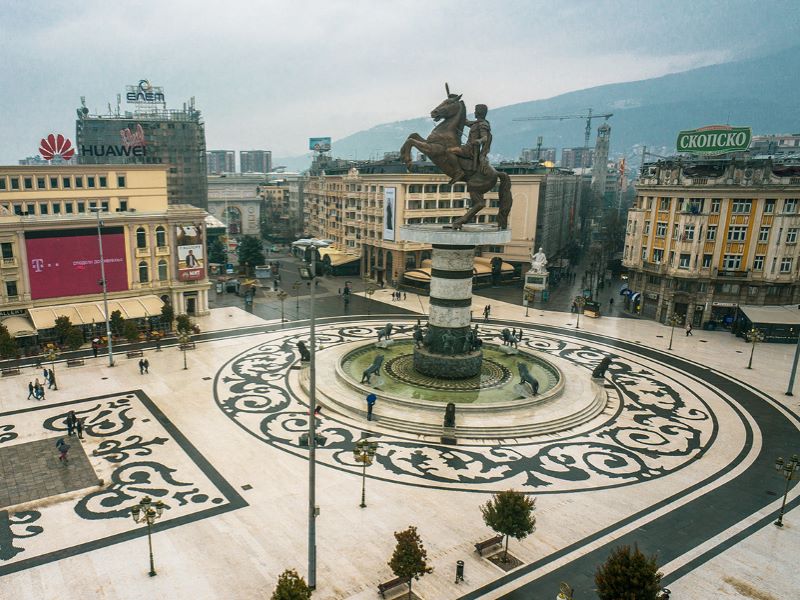
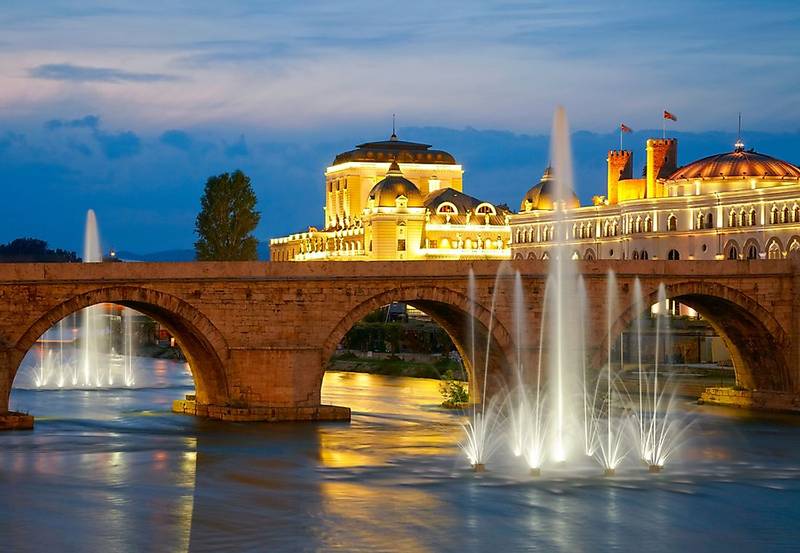
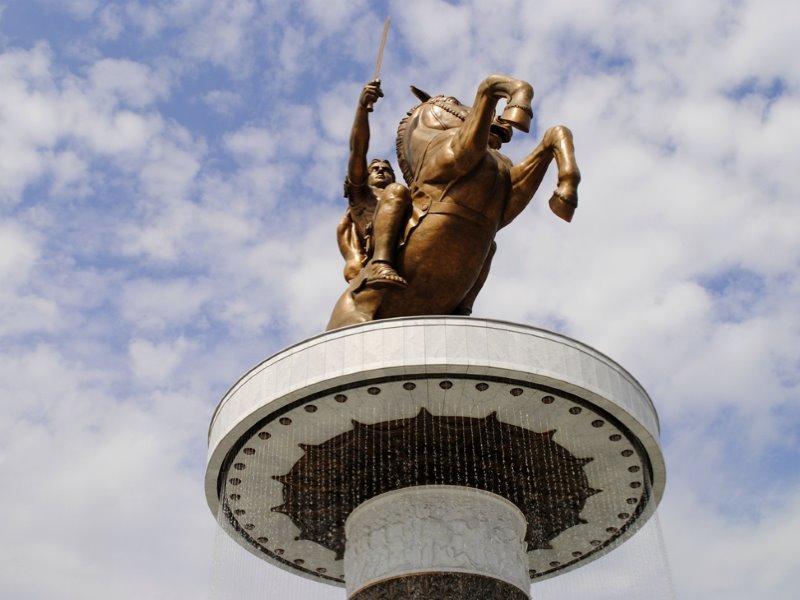
- What to see: The Stone Bridge (the city’s symbol), Kale Fortress, the Old Bazaar (Čaršija)—one of the largest and oldest in the Balkans, Macedonia Square with the equestrian statue of Alexander the Great, the Memorial House of Mother Teresa, the Skopje City Museum (housed in the old railway station damaged in the 1963 earthquake), Mount Vodno with the Millennium Cross (accessible by cable car).
- Near Skopje: Matka Canyon—an incredibly beautiful spot with a turquoise river, caves, and ancient monasteries. Excellent for boat trips, kayaking, and hiking.
Ohrid
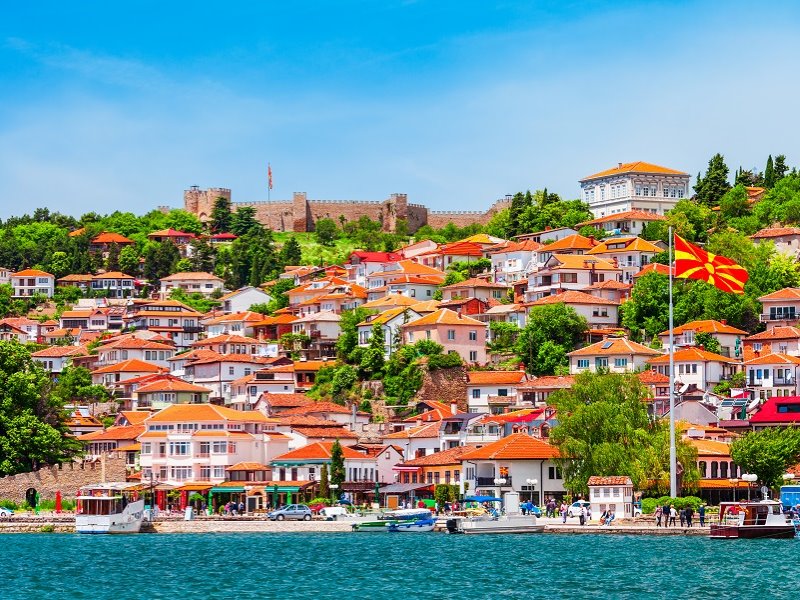
The “Pearl of the Balkans,” listed as a UNESCO World Heritage Site (both the city and the lake). One of the most popular tourist destinations.
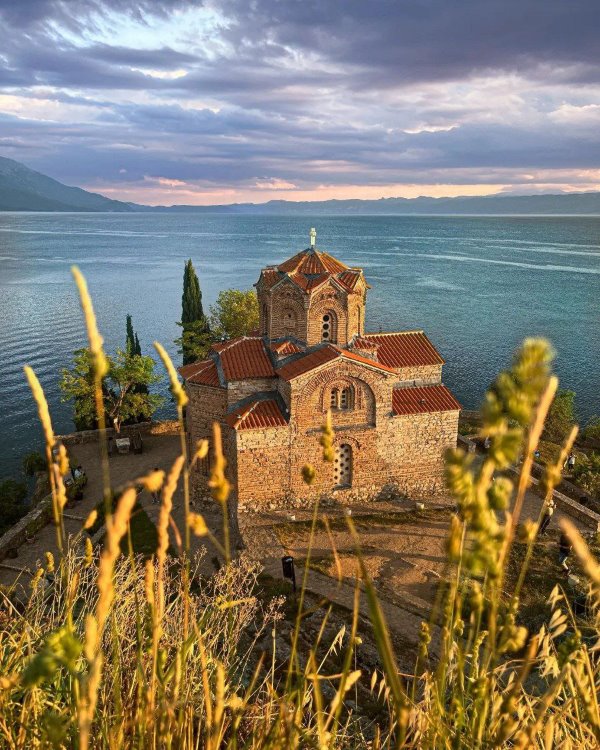
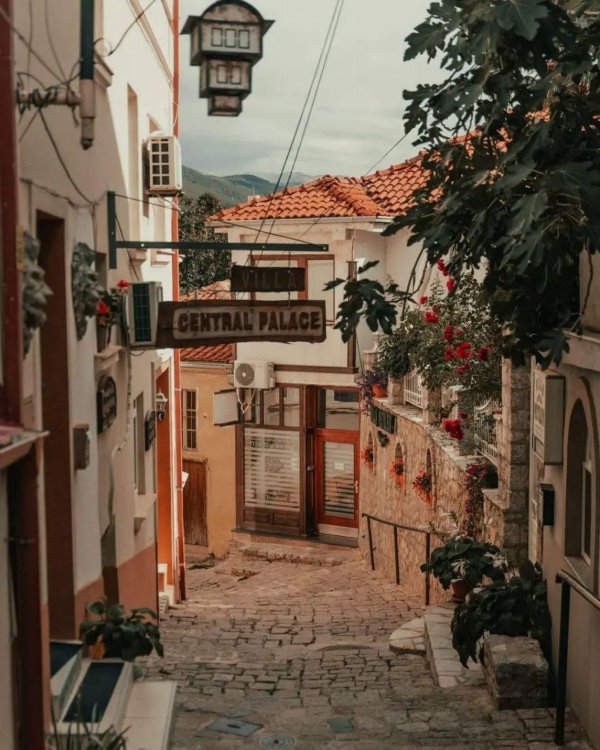
- What to see: The Old Town of Ohrid with its narrow streets and historic houses, Samuel’s Fortress (great views!), the Ancient Theatre, the Church of St. John at Kaneo (the most photographed church in Macedonia, perched on the lakeshore), Plaošnik (an archaeological complex and the church of St. Clement), and the Cathedral of St. Sophia.
- Around Ohrid: The Monastery of St. Naum at the southern tip of the lake—a very picturesque place with springs and peacocks.
Bitola
The second-largest city, often called the “City of Consuls” because of the many consulates here during Ottoman times.
- What to see: Širok Sokak (“Wide Alley”)—the main pedestrian street with beautiful architecture, a clock tower, mosques, and churches. Near the city you’ll find the ruins of the ancient Roman city of Heraclea Lyncestis, famous for its stunning mosaics.
Prilep
Known as the “City of Tobacco” and the “City of Marko’s Towers.”
- What to see: Marko’s Towers (Markovi Kuli)—impressive medieval fortress ruins atop a rocky hill above the city.
Krushevo
The highest-altitude town in the Balkans, famed for its Ilinden Memorial Museum (Makedonium)—a futuristic monument dedicated to the Ilinden Uprising. It’s also a popular paragliding destination.
- Strumica: A southeastern town known for its annual Strumica Carnival (held in February or March), part of the Association of Carnival Cities of Europe.
Natural Recreation Areas: Enjoying Nature
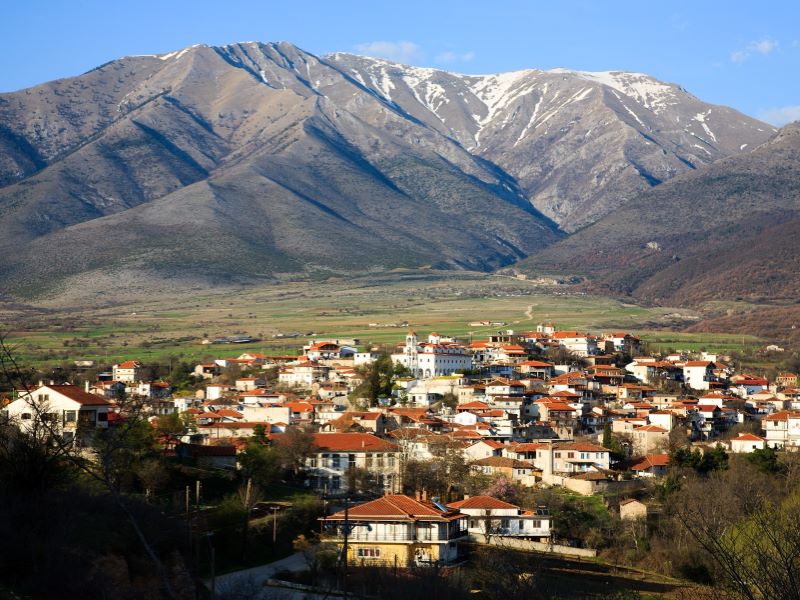
North Macedonia is a paradise for nature lovers.
Lakes
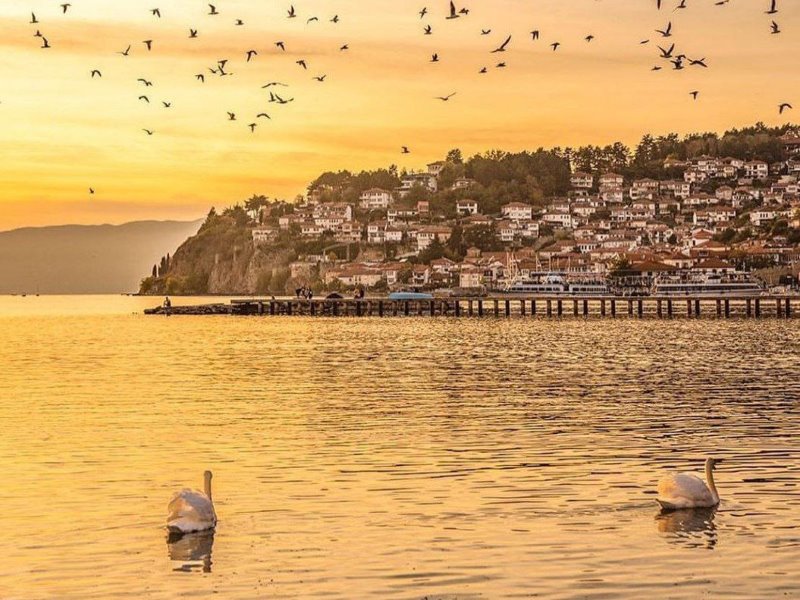
- Lake Ohrid: Swimming, diving, boat trips, fishing. Many beaches—both organized and wild—line the lake. Perfect for summer vacations.
- Lake Prespa: Less developed for tourism than Ohrid, but very scenic. Famous for its pelicans and Golem Grad (Snake Island) with ruins of ancient churches.
- Lake Dojran: The shallowest of the three, in the south of the country, known for the healing properties of its waters and mud.
Mountain Resorts
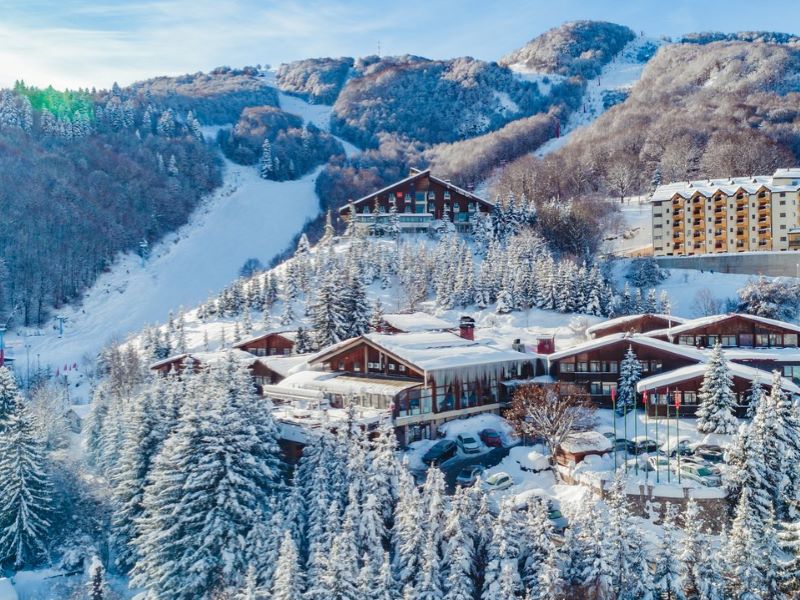
- Mavrovo: The largest ski resort in the country, located within Mavrovo National Park. Winter offers skiing and snowboarding; summer is for hiking and cycling. The famous partially submerged church of St. Nicholas is also here.
- Popova Shapka: Another ski center in the Šar Mountains, near Tetovo.
- Pelister: National park around Mount Pelister (near Bitola). Ideal for hiking, it’s home to unique Molika pine trees.
National Parks
- Mavrovo: The largest national park, home to brown bears, lynxes, and wolves. Excellent opportunities for trekking.
- Pelister: Renowned for its endemic Molika pine (five-needle pine) and mountain lakes.
- Galičica: Located between Lakes Ohrid and Prespa. Offers breathtaking panoramic views of both lakes and great routes for hiking and biking.
- Thermal Springs: The country boasts several thermal springs, such as in Debar and Katlanovo, offering wellness treatments.
Sights of the Country: Explore and Marvel
In addition to those already mentioned in the city and nature sections, here are a few more noteworthy sights:
- Matka Canyon: Just 15 km from Skopje, this is one of the country’s most beautiful natural spots. You can take a boat to Vrelo Cave (considered one of the deepest underwater caves in the world).
- Kokino Megalithic Observatory: If you’re interested in ancient civilizations and astronomy, this is a must-see. It dates back to 1800 BC.
- Colorful Mosque (Šarena Džamija) in Tetovo: Built in 1495 and rebuilt in 1833. It is unique for its vivid facade and interior paintings, highly unusual for mosques.
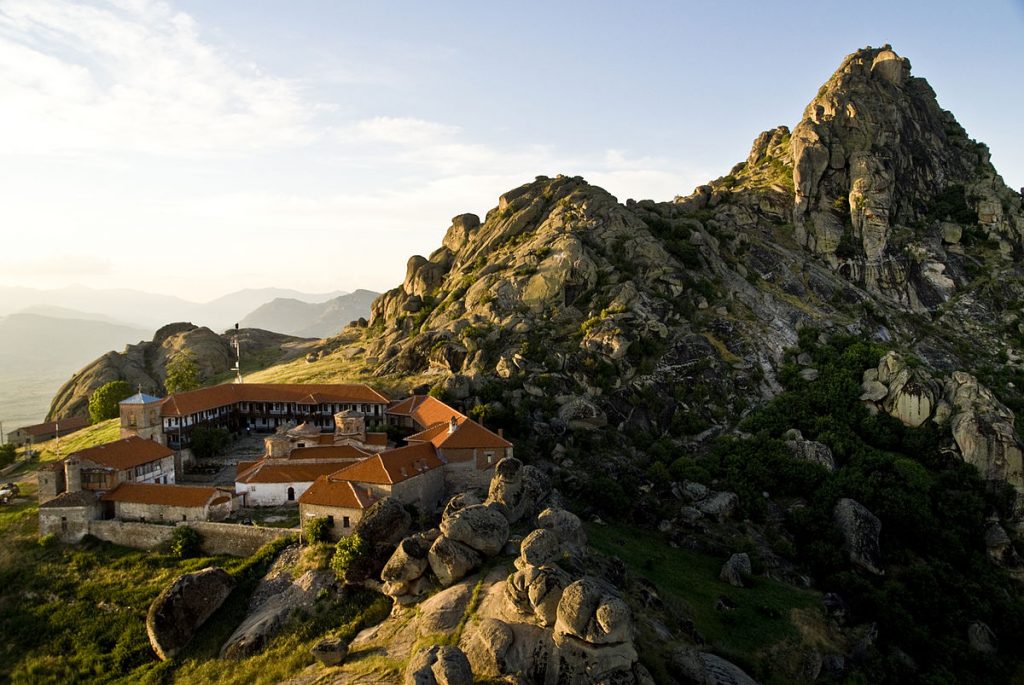
- Lesnovo Monastery: One of the most beautiful medieval monasteries in Macedonia, set in an extinct volcano. Known for its frescoes and architecture.
- St. Joachim Osogovski Monastery: A major and important Orthodox monastery in the east of the country, near Kriva Palanka. It features beautiful architecture and a rich history.
- Ohrid Pearls: Not exactly a sight, but a unique souvenir. The pearls are crafted by a secret technique using Ohrid trout scales. Each bead is handmade. These can be purchased in Ohrid from a few families who keep this centuries-old secret.
Where and How to Relax: Macedonian Leisure
The tourist infrastructure is developing quite actively, especially in Skopje and Ohrid. There are good hotels, restaurants, information centers. Outside these cities, the infrastructure may be simpler, but people are always eager to help.
Entertainment
- Active recreation: Hiking, trekking, mountain biking (mountains everywhere!). In winter—skiing and snowboarding. On the lakes—swimming, boating, kayaking, diving (in Ohrid).
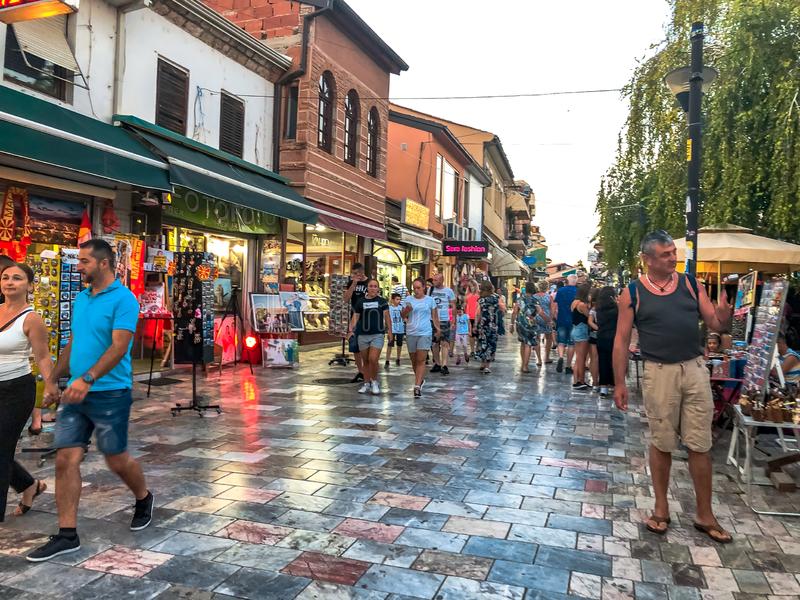
- Exploring history and culture: Visit ancient towns, fortresses, monasteries, and museums. The Old Bazaar in Skopje is an adventure in itself: get lost among narrow lanes, souvenir stalls, spice shops, and traditional crafts.
- Culinary delights: Be sure to try the local cuisine and wines!
- Nightlife: Skopje and Ohrid have bars, cafes, and nightclubs that stay open late. Macedonians love to relax in cafes and drink coffee.
- Wine tourism: A trip to the Tikveš wine region with tastings is a perfect idea for gourmets.
Major National Holidays and Carnivals
- Ilinden (Republic Day) – August 2: One of the most important national holidays, dedicated to the Ilinden Uprising of 1903. The day is marked by ceremonies and concerts.
- Independence Day – September 8: Another key national holiday celebrated with festivities.
- Strumica Carnival (February/March): If you’re traveling at this time, be sure to visit Strumica. This is one of the oldest carnivals in the Balkans—an incredibly vibrant and joyful event.
- Religious holidays: Orthodox Christmas (January 7) and Easter, as well as the Muslim Kurban Bayram (Eid al-Adha) and Ramadan Bayram (Eid al-Fitr), are widely celebrated and are public holidays.
Shopping
- Souvenirs: Traditional handmade items: filigree (fine wire jewelry), wooden crafts (boxes, figurines), carpets, ceramics, paintings.
- Food and drink: Local wine (especially Vranec, Temjanika), rakija (strong Balkan fruit brandy), ajvar (pepper-based vegetable relish), honey, local spices, tobacco (for those interested).
- Ohrid pearls: As mentioned before, a unique Ohrid souvenir.
- Where: The best places for souvenirs are the old bazaars in Skopje and Ohrid. Skopje also has modern shopping malls (City Mall, Capitol Mall) with international brands.
Where to Stay: Accommodation Options for Every Taste and Budget
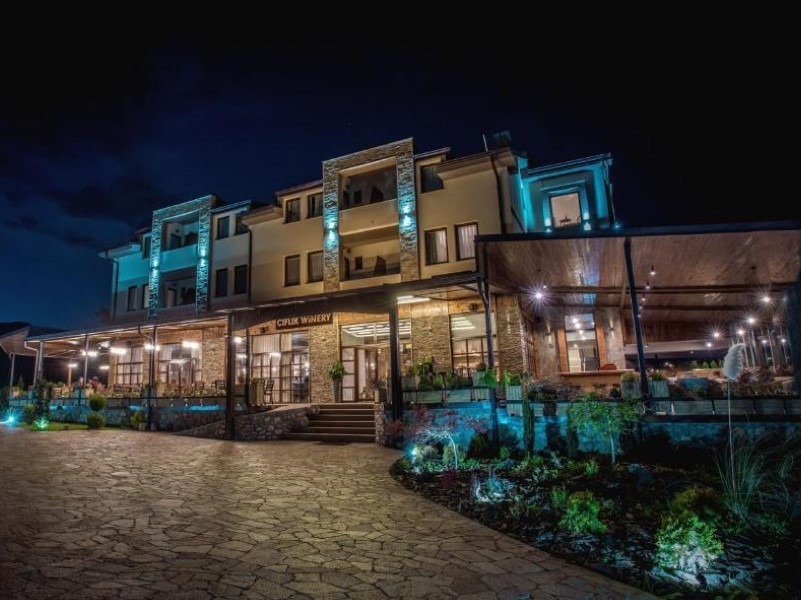
The accommodation infrastructure in North Macedonia is well-developed, especially in major tourist centers. You’ll find options for every taste and wallet, ranging from budget 2-3-star hotels to comfortable 4-star places and a few luxury 5-star hotels.
Skopje and Ohrid (the most popular cities)
- 3 stars: From €40 to €70 ($45-80) per night. Comfortable, with essential amenities.
- 4 stars: From €70 to €120 ($80-130) per night. Often feature a pool, spa, restaurant.
- 5 stars: From €120 ($130) and up. Luxurious hotels, mainly concentrated in Skopje.
Other Major Cities (Bitola, Prilep, Strumica)
- Prices are generally lower.
- 3 stars: From €30 to €60 ($35-70).
Guesthouses and B&Bs (private apartments/rooms)
A very popular option, especially in Ohrid and smaller towns. They often offer an authentic experience and a warm welcome.
- Prices: From €25 to €50 ($30-55) per night. Great value for money. Breakfast is often included, and the hosts can provide lots of helpful advice.
Hostels
Available in Skopje and Ohrid, catering to budget travelers and young people.
- Prices: From €10 to €20 ($12-22) per bed in a shared room.
There is a huge selection in Skopje and Ohrid. Other large cities (Bitola, Prilep) also have good hotels and guesthouses. In very small towns or mountain villages, choices might be limited to hostels, apartments, or guesthouses, but you can always find something. Booking in advance—especially during peak season (summer in Ohrid, weekends in Skopje)—is highly recommended.
What and Where to Eat: A Culinary Journey
Macedonian cuisine is a true paradise for lovers of delicious, hearty food! It blends Balkan, Mediterranean, and Ottoman traditions. Portions are usually large, and prices are quite reasonable.
National Cuisine and Its Features
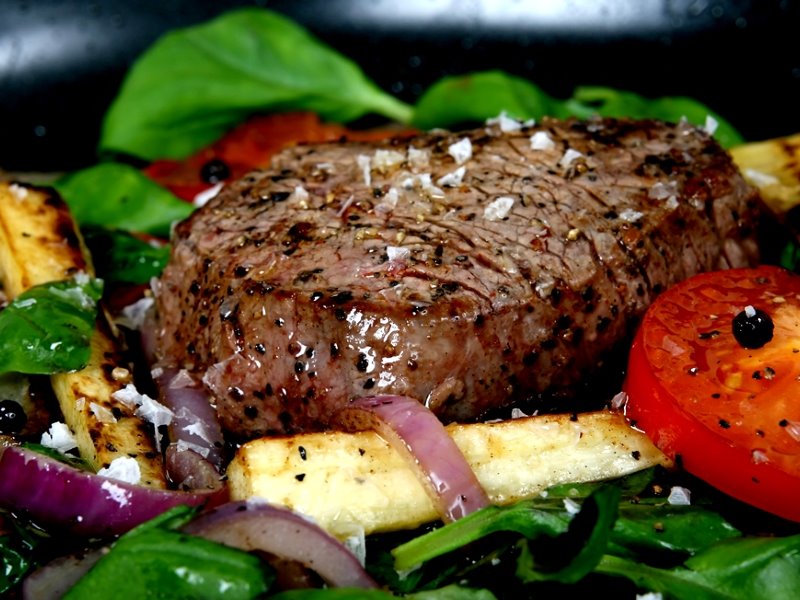
- Meat: Meat lovers will be delighted. Lamb, beef, and pork dishes are popular. Be sure to try ćevapi—small grilled minced meat sausages, and pljeskavica—a large meat patty, also grilled.
- Vegetables: Plenty of fresh vegetables. The famous shopska salad is a mix of fresh cucumbers, tomatoes, peppers, and onions, topped with grated white cheese (sirene).
- Pastries: Burek—a flaky pastry pie filled with meat, cheese, spinach, or potatoes. Sold everywhere, it’s the perfect quick breakfast or snack.
Signature Dishes
- Tavče gravče: Baked beans in a clay pot, often with meat. The number one national dish.
- Ajvar: A thick relish made from roasted red peppers and eggplant. Perfect with bread, meat, or as a side.
- Pastrmajlija: An open-faced yeast dough pie topped with pieces of meat (usually pork or lamb) and egg. Similar to pizza, but very Macedonian.
- Kachamak: A cornmeal porridge, similar to polenta, often served with cheese or meat.
- Ohrid trout (Ohridska pastrmka): If you’re at Lake Ohrid, try this unique fish.
- Cheeses: Many tasty local cheeses, especially sirene (brined white cheese, similar to feta).
Beverages
- Wine: Macedonia is a wine country. Try red wines from the Vranec grape and whites from Temjanika.
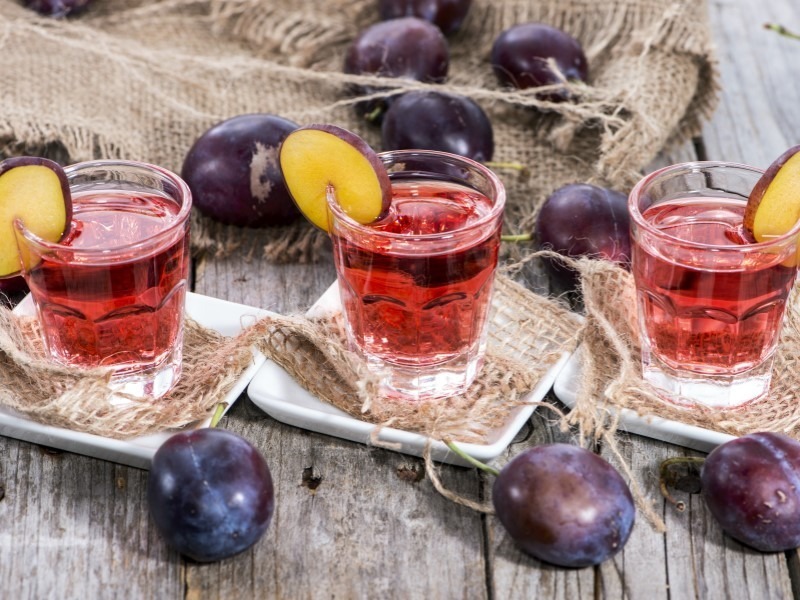
- Rakija: A strong fruit brandy (40%+). Popular varieties are plum (slivovica) and grape (grozdovica), among others.
- Mastika: An anise-flavored liqueur, clear but turns milky when mixed with water.
- Macedonian coffee: Served in small cups, very strong.
Food & Drink Infrastructure for Tourists
Restaurants (restoran, kafana): From traditional “kafana” (taverns with national cuisine and live music) to modern restaurants with international menus.
Average Price Range (main dish for one)
- Local/mid-range: From €8 to €15 ($9-17). For this price you can enjoy a generous, satisfying lunch or dinner.
- High-end/fine dining (Skopje, Ohrid): From €20 to €40+ ($22-45+).
- Cafés: Very popular for coffee, drinks, light snacks, and desserts.
- Coffee: From €1 to €2 ($1.1-2.2).
- Fast food/street food: Many stalls selling burek, grilled items (ćevapi, pljeskavica in a bun), and sandwiches. Delicious and very cheap.
- Burek: From €1 to €3 ($1.1-3.3) per slice.
- Street grill: From €3 to €6 ($3.3-6.6) per portion.
- Supermarkets: Large supermarkets are available in every city, where you can buy groceries, drinks, fruits, and vegetables at very reasonable prices if you prefer to cook for yourself.
A Few More Secrets for a Successful Trip
So, you’re almost an expert on North Macedonia! But here are a few more tips to make your trip perfect:
- Currency: The national currency is the Macedonian Denar (MKD). The exchange rate is roughly 1 EUR = 61.5 MKD, 1 USD = 56-58 MKD (subject to change). Euros are accepted in some large hotels and tourist areas, but it’s best to always have denars. Foreign exchange booths (menuvachnica) and banks are everywhere. ATMs are widely available.
- Safety: North Macedonia is a very safe country. Crime rates are low. Of course, always take standard precautions: watch your belongings in crowded places and don’t leave valuables unattended. Female travelers will also find it comfortable and safe.
- Water: Tap water in cities is generally safe to drink, but if you have doubts, buy bottled water.
- Tipping: It’s customary to leave tips at restaurants and cafés—usually 5-10% of the bill if you enjoyed the service. For small bills, you can simply round up. For taxi drivers, just round up to the nearest denar.
- Bargaining: Haggling is not common in shops or restaurants. At old bazaars (like in Skopje) you can try to negotiate for souvenirs or crafts, but it’s neither mandatory nor as widespread as in the Middle East.
- Pace of life: As mentioned, people here do not rush. Enjoy the moment—don’t expect everything to happen instantly. It’s part of the charm.
- Connectivity: Buying a local SIM card is easy and inexpensive (providers: A1, Makedonski Telekom). Wi-Fi is available in almost all hotels, cafés, and restaurants.
Greetings and Politeness
A few words in Macedonian will always be appreciated:
- Здраво (Zdravo): Hello
- Добар ден (Dobar den): Good day
- Благодарам (Blagodaram): Thank you
- Молам (Molam): Please / You’re welcome
- Извинете (Izvinete): Excuse me / Sorry
- Да / Не (Da / Ne): Yes / No
Best Time to Visit
- Spring (April-May) and Autumn (September-October): Ideal for sightseeing, hiking, and exploring cities. The weather is mild—not hot—and nature is beautiful.
- Summer (June-August): Perfect for relaxing on Lake Ohrid or other lakes, as well as for mountain tourism. Cities can be very hot.
- Winter (December-February): For fans of skiing and winter sports.
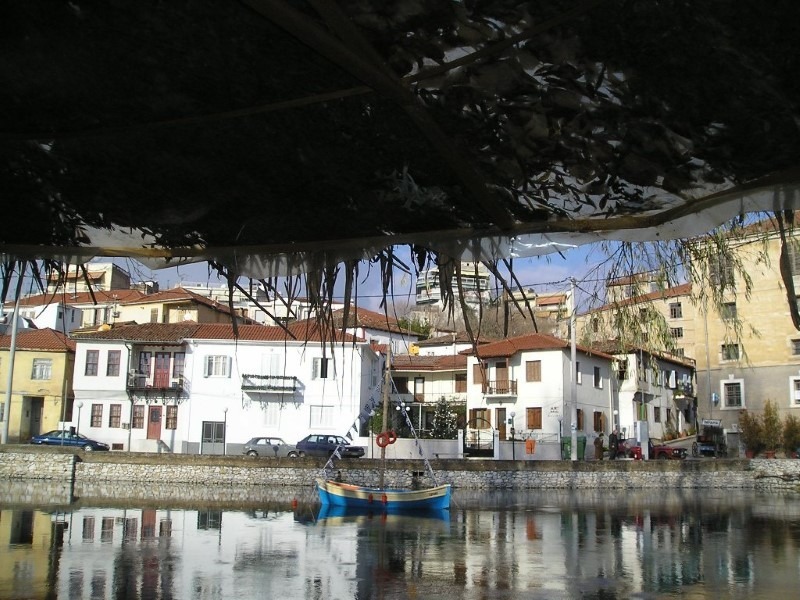
North Macedonia is a country that touches the soul. It does not flaunt its beauty but, once you discover it, you realize how unique, hospitable, and full of surprising treasures it is. Here you’ll find everything: ancient history, stunning nature, superb food, and—of course—genuine, kind-hearted people.
Don’t be afraid to embark on this adventure. North Macedonia is waiting to share its history, its legends, and its warmth with you. Have a wonderful trip, and may your encounter with this Balkan gem be truly unforgettable! Добредојдовте во Северна Македонија! (Welcome to North Macedonia!)