Let’s be honest: when we hear “Tunisia,” most people conjure up a standard set of images. The endless beaches of Djerba, the bustling markets of Sousse where merchants grab your arms, and maybe the sets from “Star Wars” in the desert. And, of course, the “all-inclusive” system, lazy relaxation by the pool, and evening entertainment.
But what if I told you that the real Tunisia is not sand and camels, but swamps, buffaloes, and millions of birds putting on such shows in the sky that Cirque du Soleil gets nervously envious? Welcome to Ichkeul National Park – a place that shatters stereotypes and makes you feel like a National Geographic explorer, even if you just stepped out of a rented compact car in flip-flops.
A Forgotten Paradise Just an Hour from Bizerte
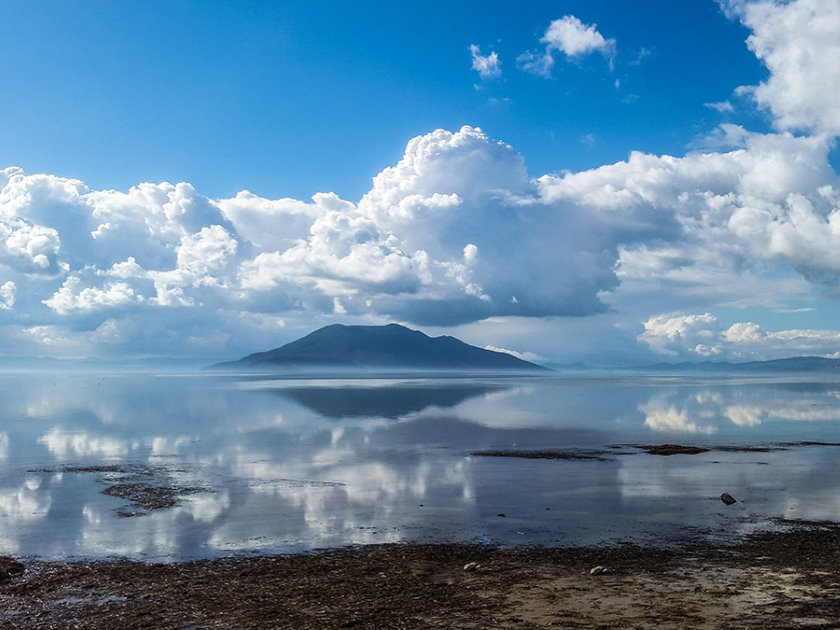
Ichkeul (or Ichköl, as it is sometimes spelled) is a unique biosphere reserve in northern Tunisia. And when I say “unique,” it’s not a marketing ploy. It’s the only place in the world where a lake and swamps have been preserved in such pristine condition in the middle of a fairly arid region. It’s a UNESCO World Heritage Site, but, paradoxically, there are no crowds of tourists with selfie sticks here.
Getting here is an adventure in itself. This is not a bus tour with a guide monotonously droning into a microphone. You have to go here on your own. The nearest major city is Bizerte (by the way, a place with a fascinating history, but more on that some other time). From there to the park is only about 25 kilometers.
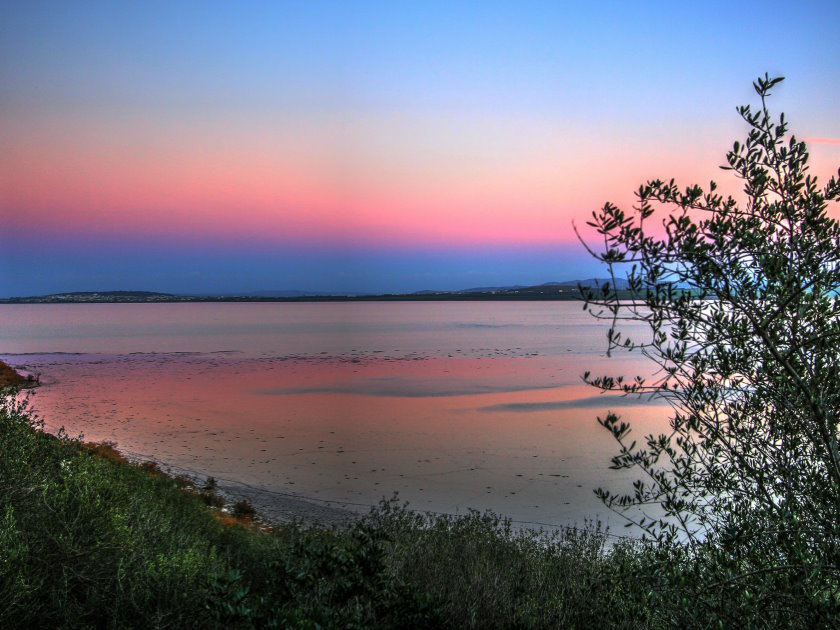
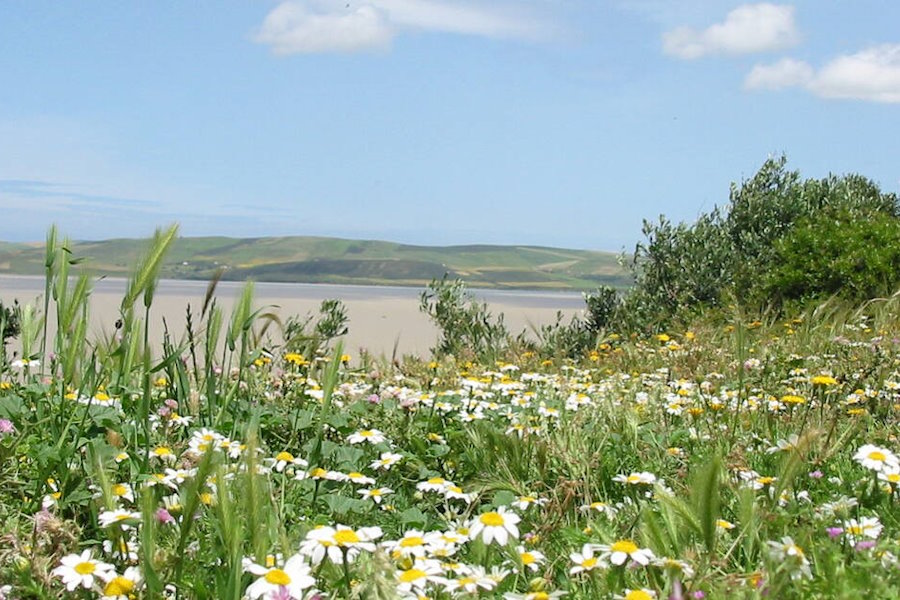
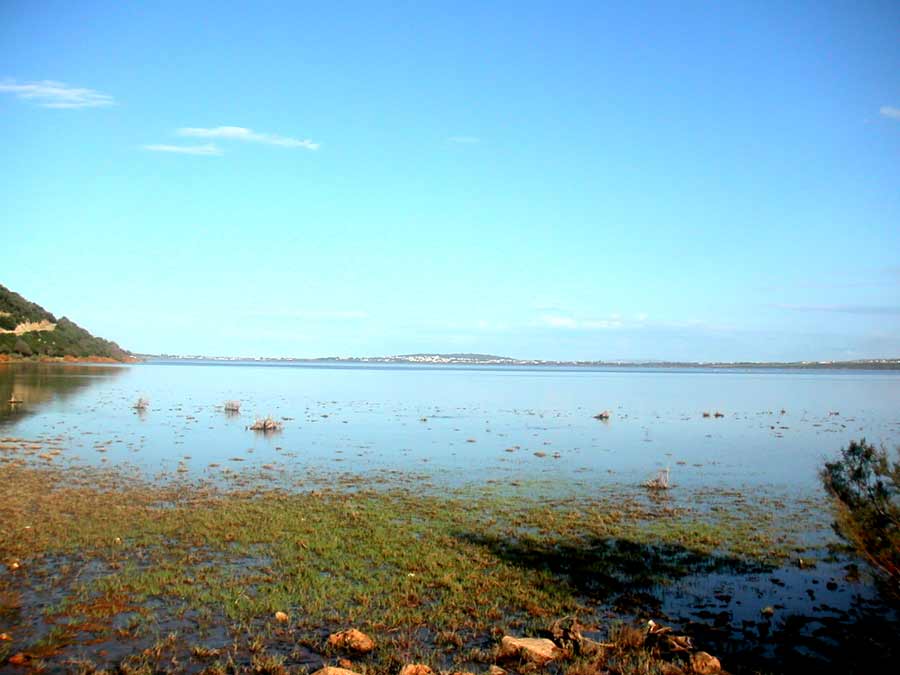
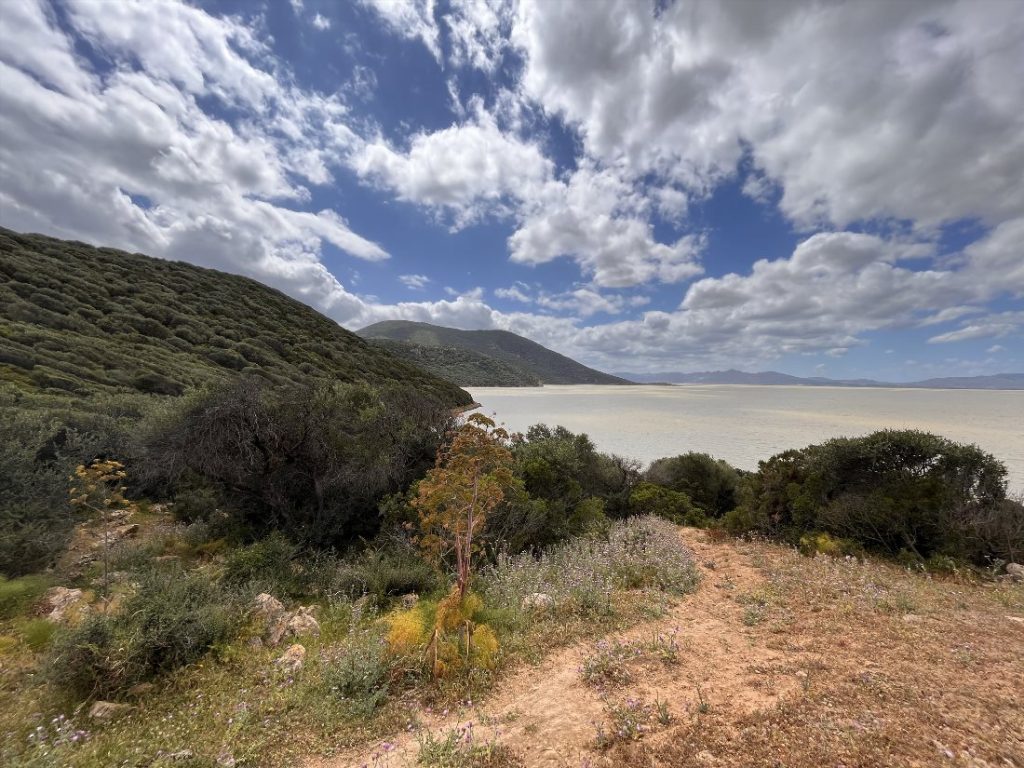
Imagine: you are driving along a regular road, surrounded by typical Tunisian landscapes – olive groves, sun-scorched grass. And suddenly the landscape changes. The air becomes humid, thick, saturated with the smells of silt and flowers. A huge expanse of water opens up before you, surrounded by Mount Djebel Ichkeul. It looks like a mirage, like a portal to another reality where nature is still in charge.
Seasonal Drama: Water That Changes Taste
The main feature of Lake Ichkeul is its character. It, like a capricious lady, changes its mood depending on the season. And this is not a metaphor. The lake is connected by a canal to the salt lake of Bizerte, which, in turn, flows into the Mediterranean Sea.
In winter, when it rains (yes, it rains in Tunisia, and it rains a lot!), fresh water from the mountains fills Ichkeul, and the lake becomes fresh. The water level rises, the swamps bloom. In the summer, when the heat dries up the rivers, the level drops, and salty seawater flows back in. The lake becomes salty.
This eternal struggle of salt and fresh water creates a unique ecosystem. Plants grow here that have adapted to this crazy rhythm. For example, pondweed – a favorite delicacy of local birds. If the balance is disturbed (and this has happened due to the construction of dams in the last century), the lake begins to suffer. But now, fortunately, the situation is under control, and nature is taking its toll.
Bird Airport of International Class
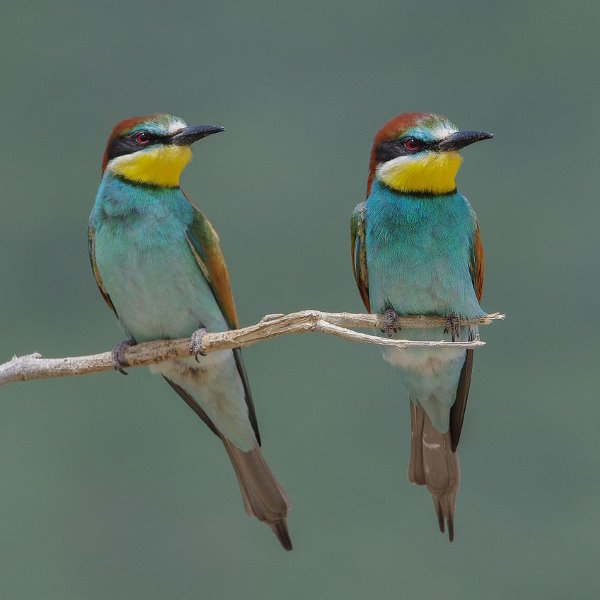
If you think you’ve seen a lot of birds in the park near your home, forget it. Ichkeul is Heathrow, Frankfurt, and Boryspil of the bird world, all rolled into one. It is the main transshipment base for migratory birds flying from Europe to Africa and back.
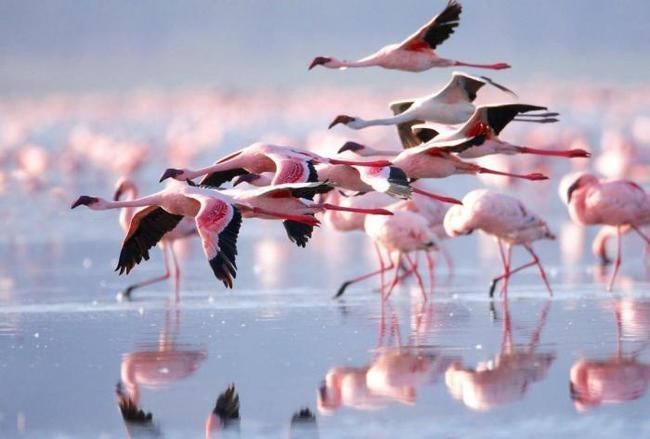
In winter, up to 200-300 thousand birds gather here! Just think about that number. Flamingos, geese, swans, ducks of all kinds – they are all here. When a flock of flamingos takes off at sunset, the sky turns pink not from the sun, but from their wings. This is a sight that literally takes your breath away.
For Ukrainians or residents of Northern Europe, this is especially surprising. Imagine: you fly away from the gray winter sky, and here, in Africa, you meet the same storks that you are used to seeing on the roofs of your rural houses in the spring. Here you realize how small and interconnected our world is. Borders were invented by people, and for birds there is only one passport – wings.
Buffaloes and a Hammam from Mother Nature
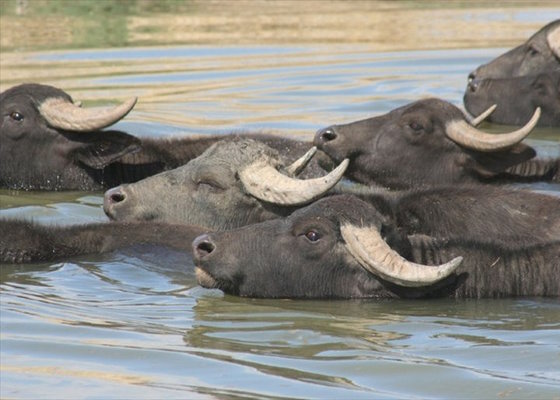
But birds are not the only masters of these places. At the foot of Mount Djebel Ichkeul graze water buffaloes. Huge, black, with powerful horns – they look like they escaped from the filming of a movie about prehistoric times.
Where did they come from here? Legend has it that a couple of centuries ago they were presented to the Tunisian beys by Italian kings (or vice versa, the story is murky). The fact is that the buffaloes took root, went wild, and now feel like kings here. You shouldn’t get close to them – their character is Nordic, but unpredictable. It is better to observe from afar, through the lens of a camera.
And there are also thermal springs here. Hot water gushes right from under the ground, smells of sulfur (well, the smell is specific, for an amateur, but useful!) and forms natural baths. Locals often come here to arrange a spa day in nature. These are not the polished hammams in the hotels of Hammamet. This is a wild, real hammam. You sit in hot water in the middle of wild nature, look at the mountain and understand: this is it, real bliss.
Ichkeul in Today’s Realities
Why go to Ichkeul now? In an era when the world is feverish, when the news puts pressure on the psyche, and the pace of life in large European cities is driving you crazy, such places become not just tourist spots. These are places of power. Places of reboot.
We are used to running. Running to work, running to check the news feed, running for success. In Ichkeul, time flows differently. There is no Wi-Fi on every corner here (and thank goodness!), it is quiet here, except for the hubbub of birds.
For a modern traveler from Ukraine, Poland or Germany, tired of urbanization and stress, a trip here is therapy. This is an opportunity to see Africa not through the window of a tourist bus, but to feel it with your skin. To see how nature recovers even after human intervention (remember the dams?). This gives hope. If the lake can find a balance between salt and fresh water, maybe we can find a balance in our lives?
Tips from an Experienced Traveler: How Not to Spoil the Impression
- Choose the time: The best time to visit is winter and early spring (from November to March). This is when there are the most birds. In summer, the lake becomes shallow, there are fewer birds, and the heat can be exhausting.
- Equipment: Forget about heels and white sneakers. Comfortable shoes that you don’t mind getting dirty are your best friend. And take binoculars! Without them, you will only see pink spots in the distance, but with them you will see every flamingo feather.
- Food: There are no Michelin-starred restaurants in the park itself. There are small cafes at the entrance, but it is better to take a picnic with you. A baguette, cheese, olives, a bottle of water – and lunch overlooking the lake will become one of the best memories of your vacation.
- Museum: There is a small eco-museum on the territory. It is modest, without interactive screens on the entire wall, but it is worth a visit to understand how this complex hydraulic system works.
Conclusion: Ichkeul is not about “see and forget”. It’s about “feel and remember”. This is Tunisia without makeup, honest and wild. So next time you plan a vacation, set aside a day to escape the hotel and see the real natural treasure of North Africa. Believe me, the buffaloes will be glad to see you (but that’s not certain).