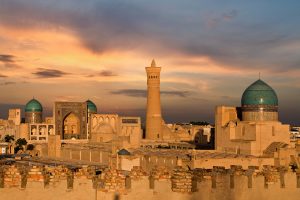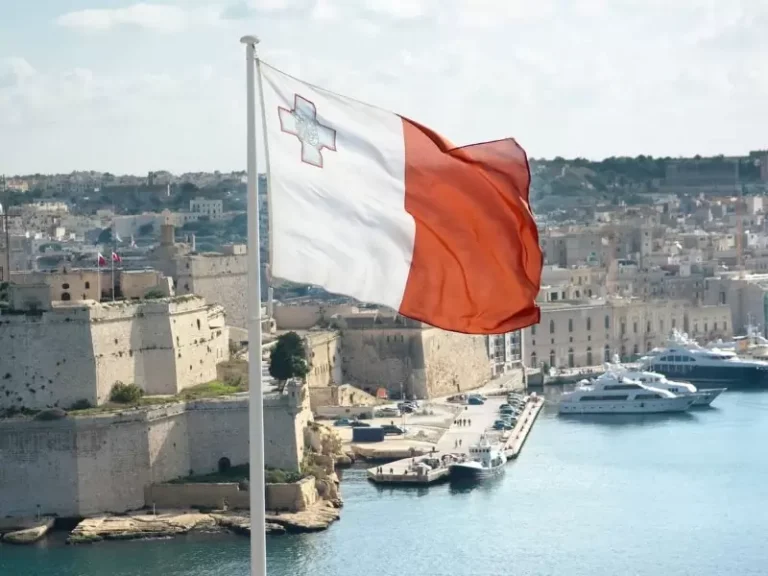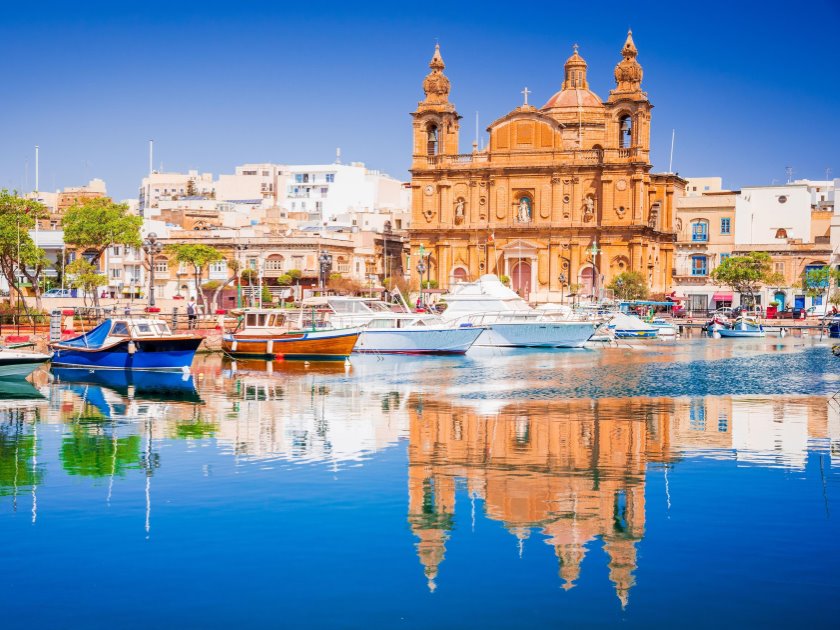
Imagine a place where every corner holds a breath-taking story. Where narrow streets the color of honey and sand end at a piercingly blue sea. Where you can have breakfast with a view of a 500-year-old fortress, and for lunch eat something so delicious you’ll immediately sign up for Maltese cooking classes. This is Valletta. A city built by knights for knights, and now a genuine magnet for anyone tired of boring vacations.
It always amused me how guidebooks describe Valletta: “a fortress-city,” “the knights’ capital,” “the jewel of the Mediterranean.” Sounds pompous, right? As if any moment a knight in shining armor on a white horse will ride out from around the corner. Spoiler: he won’t. Instead, a tourist on a Segway will roll out, or a local will speed by in an old Fiat.
But you know what? The magic doesn’t go away because of that. Valletta isn’t an open-air museum where you have to tiptoe. It’s a living, noisy, incredibly charming city where past and present have mixed into the perfect cocktail.
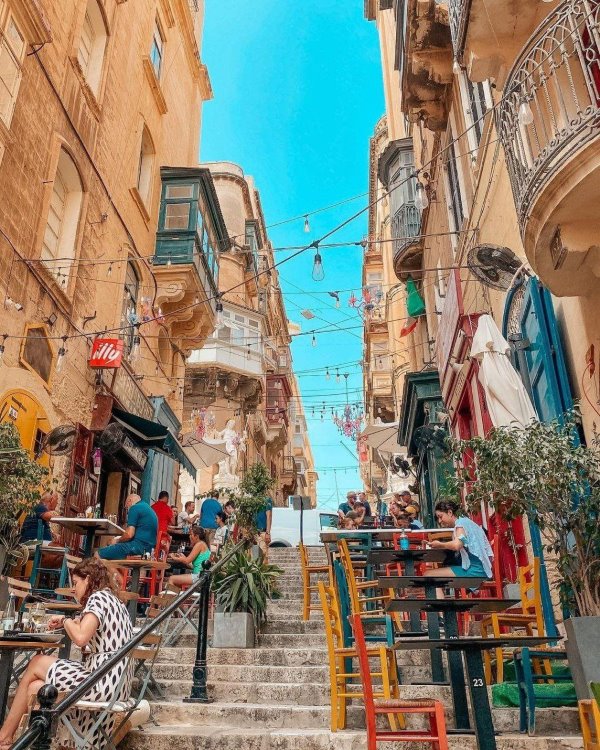
Stone jungles with a knightly heart
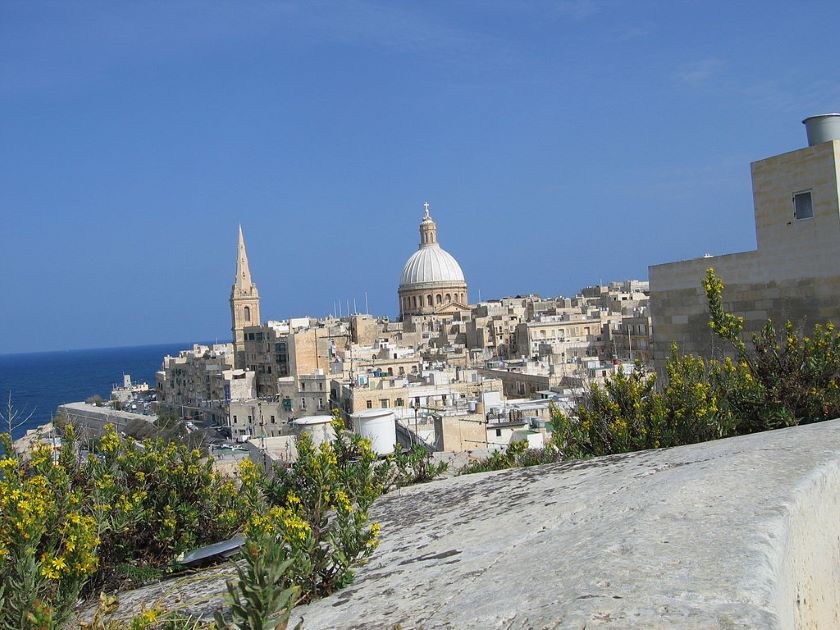
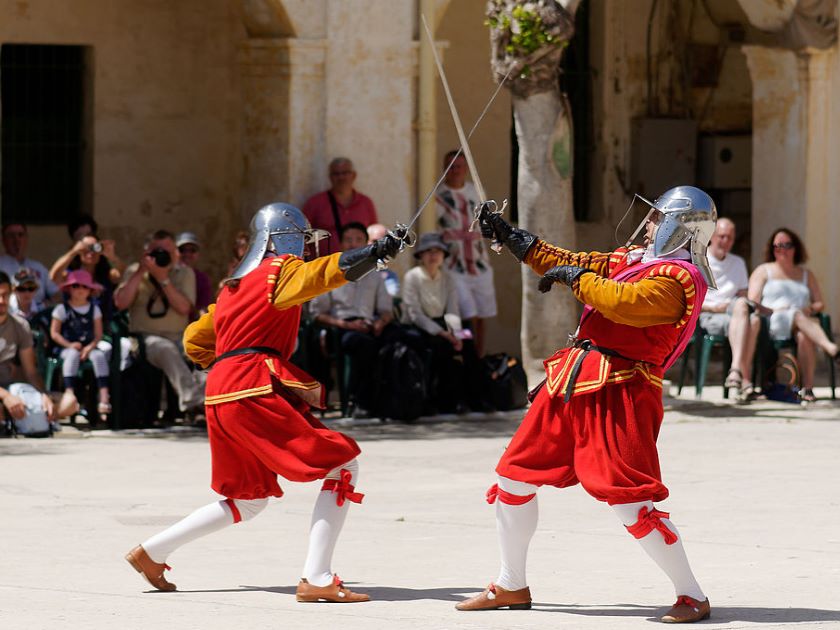
How did this city come about? Imagine the 16th century. The Ottoman Empire — the terror of the seas and surrounding regions. The Maltese knights, serious and desperate men, had just barely repelled the Great Siege. Losses were huge, fortifications battered. Their leader, Grand Master Jean Parisot de la Valette, slammed his fist on the table (at least that’s how I imagine it) and said: “Enough! We’ll build a new capital. One so that no enemy foot… well, you get the idea.”
And they built it. Not just anyone’s way, but following the latest in fortification fashion of the time. Straight streets so cannonballs would fly predictable trajectories, powerful bastions capable of withstanding any bombardment, all on a peninsula surrounded by water on three sides. Ingenious!
Today, walking these arrow-straight streets, you don’t think about artillery. You think about where to have your next cappuccino. But somewhere in the back of your mind you still feel that strength, that deliberation. Valletta is a city built by gentlemen — gentlemen who knew how to fight very well.
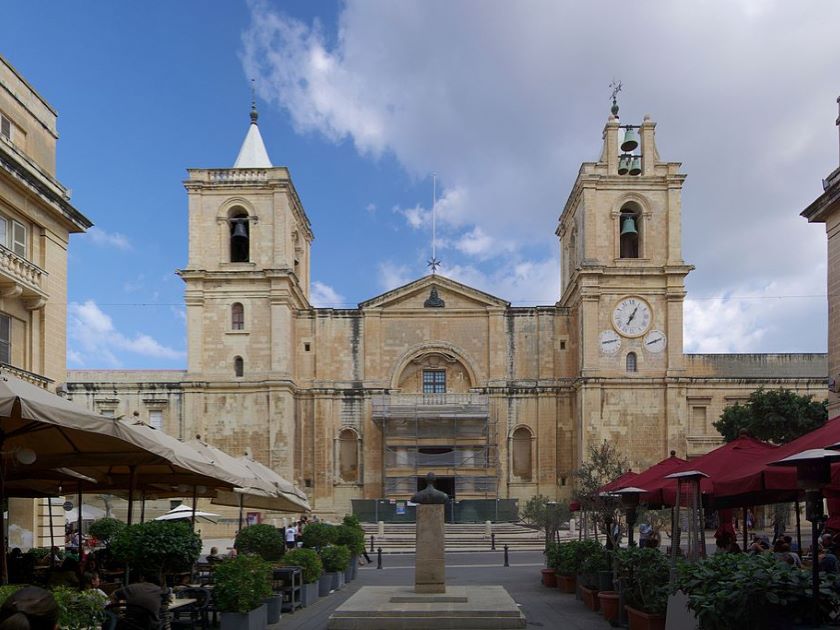
St. John’s Co-Cathedral: when modesty is not your thing
If you think the knights were ascetic warriors who slept on straw and ate crackers, you urgently need to visit St. John’s Co-Cathedral. Outside — a rather strict, almost severe building. No flourishes, gargoyles, or other Gothic frills. You step inside and… your jaw drops to the floor. Then it slides across that very floor, which, by the way, is a work of art in itself.
This is not just a cathedral; it’s a jewelry box the size of a football field. Gold, gold, and a bit more gold. Every column, every wall, every inch of ceiling is covered with intricate carving and painting. The floor is a mosaic of marble tombstones of the most distinguished knights of the order. You walk over it and literally tread on history.
And the cherry on top — two Caravaggio paintings, including his famous “The Beheading of Saint John the Baptist.” Looking at it, you understand why that guy is considered a genius of chiaroscuro and a master of drama. So, if you want to see “knightly luxury,” this is the place. Just don’t forget to pick your jaw up from the floor on the way out.
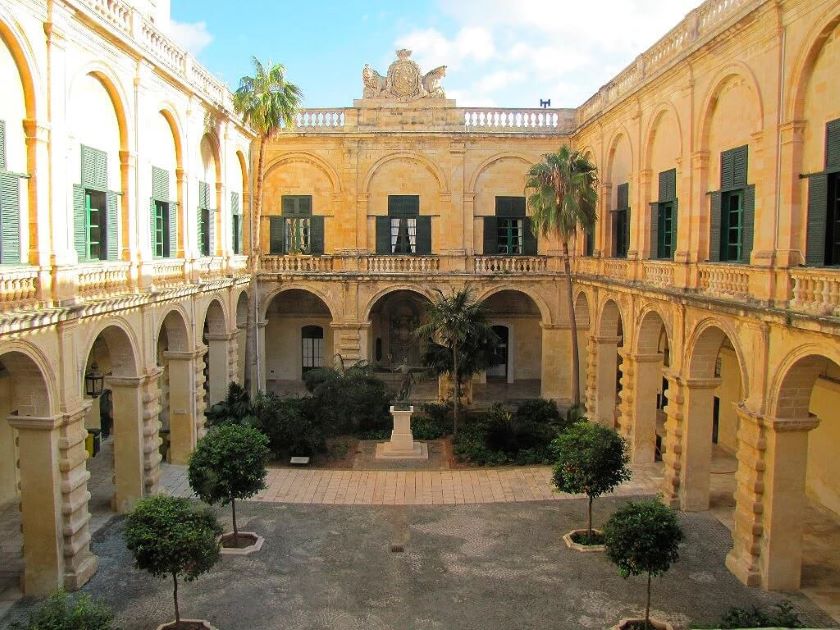
The Grandmaster’s Palace: where they ruled and partied
Since we’re talking about the knights, you can’t skip their main “office” — the Grandmaster’s Palace. It’s like the White House and the Pentagon in one bottle, only with tapestries and armor. Here the grandmasters received envoys, decided fates, and I’m sure threw lavish feasts.
Today the president of Malta works here, but much of the palace is open to us mere mortals. You can wander through halls lined with portraits of stern bearded men in wigs and imagine them debating another naval battle. Then go into the Armory.
Oh, it’s a paradise for any boy, regardless of age! Thousands of armors, swords, crossbows, muskets… There are even the armor of La Valette himself. Looking at them, you realize these guys were not only strategists but real heavyweights. Try swinging a sword in one of those outfits!
Not only knights: Valletta’s everyday magic
But enough of the high stuff. The coolest thing about Valletta is not just its palaces and cathedrals. It’s everyday life.
Upper Barrakka Gardens
This is a place to simply sit on a bench and exhale. From here you get, without exaggeration, one of the best views in the world: over the Grand Harbour and the “Three Cities” on the opposite shore. Every day at noon and at four in the afternoon cannons fire here — a salute battery honors tradition. The bang is so strong you jump in your seat, but it’s fun.
Streets and little balconies
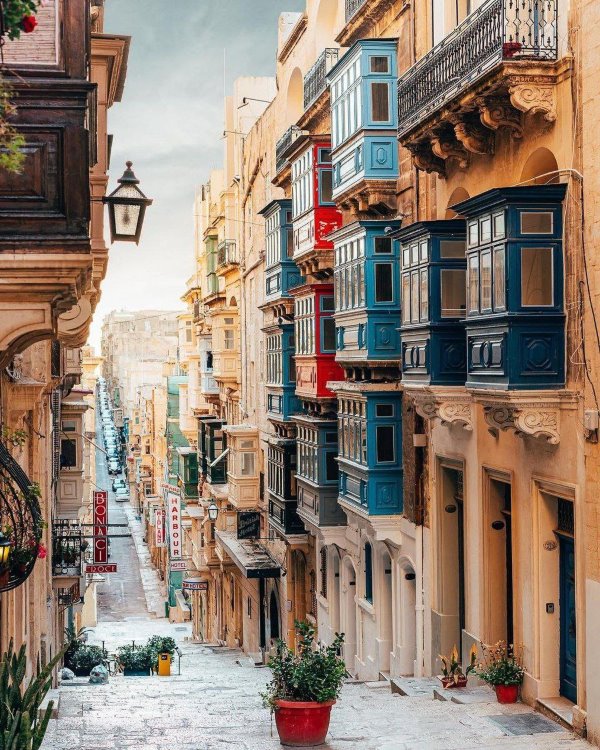
Just get lost in Valletta. Seriously. Turn off the main Republic Street into any alley and go where your eyes lead. You’ll find tiny squares, old shops selling all sorts of odds and ends, and, of course, the famous Maltese balconies. These colorful, enclosed wooden balconies (gallerias) are the city’s calling card. Green, red, blue — they hang over the streets like birdhouses, and each seems to hold its own little secret.
Food
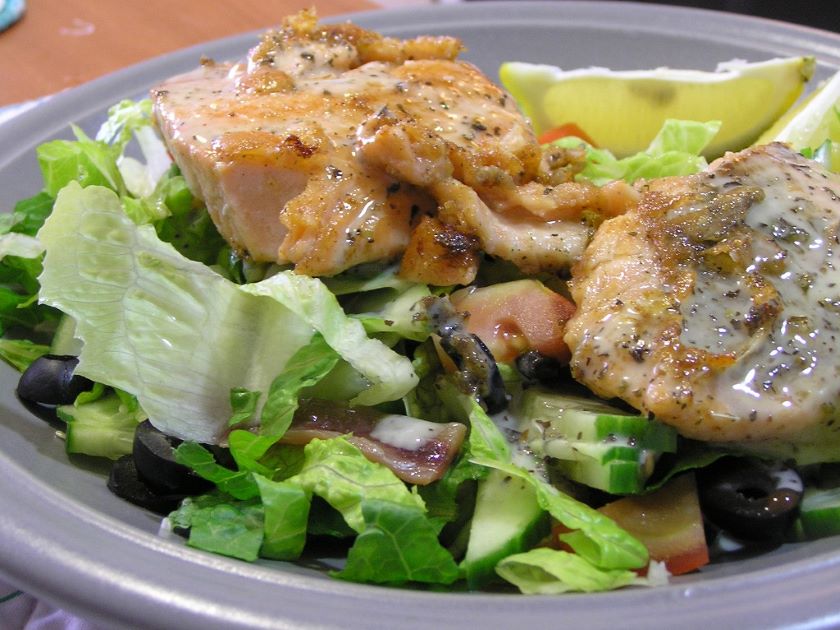
And of course, the food. In Valletta you can find everything: from fancy restaurants to tiny takeaways where for a couple of euros they’ll make you a giant ftira sandwich or sell you pastizzi — a puff pastry filled with ricotta or pea mash. It’s the local fast food, and it’s heavenly. At night, when the heat subsides, the city turns into one big outdoor restaurant. Tables are set right on the steps of narrow streets, garlands are lit, and the air fills with the hum of voices and aromas of rabbit stewed in wine and fresh seafood.
Tips for tourists
- When leaving your room, don’t forget to take a bottle of drinking water with you, because if you get lost among the hot streets you’ll hardly find a place to buy water.
- If you’re renting private apartments in Malta during cool seasons, bring warm socks and slippers: almost all houses have cold stone floors and no heating.
- When planning visits to Christian temples, avoid wearing shorts and low-cut tops.
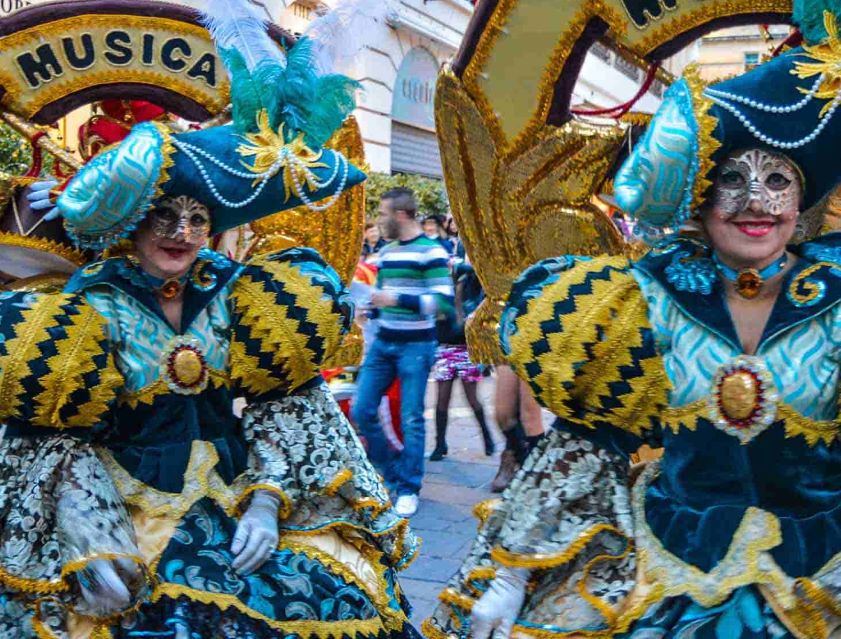
Valletta is not just a set of “must-see” sights. It’s a mood. It’s the feeling that you’ve stepped into the set of a historical film — but the film isn’t a dull drama, it’s an adventurous comedy with action and romance. A city built by knights now lives a full, vibrant, noisy and very tasty life.
And if you want to touch history without getting bored for a minute — pack your bags. The knights’ capital awaits. And believe me, it won’t disappoint.