Squashed, giant toads lay flattened on the asphalt. For me, this is a kind of litmus test: it means I’m in the tropics again. In a northern climate, these freshwater creatures don’t grow to such frightening sizes, but here, in Barbados, they have all the right conditions. The only thing preventing the toads from reaching the size of plump British tourists and, like them, soaking up the local rum, is the Barbadians’ love for cars.
Slavery and Sugar Cane: The Beginning of Barbados
In 1627, the first British experiment in creating a tropical agricultural colony was established on the island. Initially, white convicts were brought in to earn their freedom by working on sugar cane plantations; the English legal system even coined a verb – “to barbados.” But their productivity in the heat was dismal, and that’s when they remembered African slaves: by the mid-19th century, about 387,000 of them had been brought to Barbados!
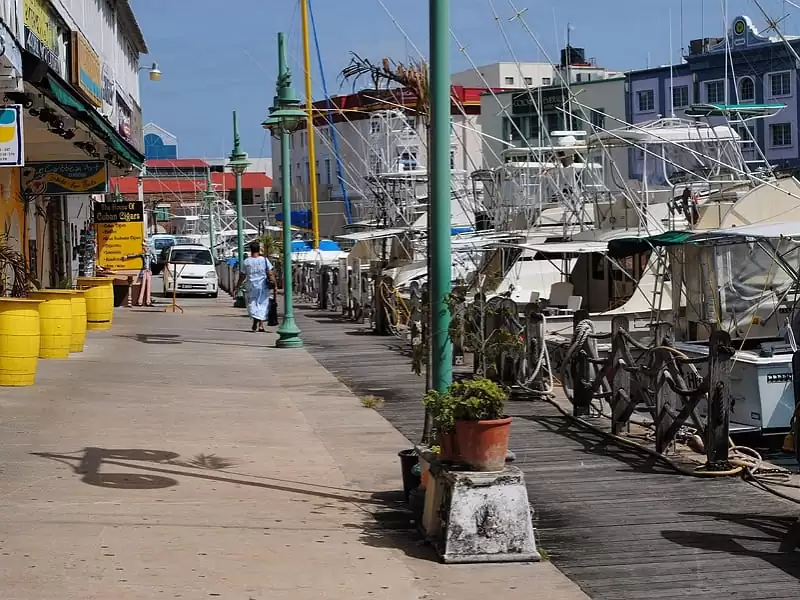
Sugar quickly made the island wealthy – just take a look at the campus of Codrington Theological College, founded in 1710 by the will and money of a planter with that surname. The capital, Bridgetown, became as important as Boston, and the island became more important to the British Crown than all its North American colonies.
Abolition of Slavery and the Emergence of the “Chattel House”
In 1834, slavery was abolished throughout the British Empire, and former slaves could choose which planter to work for and change employers. This led to the creation of tiny, colorful “Chattel Houses” that could be easily disassembled and moved from one plantation to another. They are still found in villages, often combined in twos or threes, increasing the total living space as the family grew or their wealth increased.
High Standard of Living and Tourism: Modern Barbados
Barbados boasts one of the highest standards of living in the Caribbean. Locals believe they won a million on a lottery ticket by being born on their small island (34 km by 20 km; with a population of 270,000, it’s five times more crowded than India), rather than on another patch of land: medicine and education are free, and there are generous benefits and other socialist perks. And now, guest workers from Guyana and St. Vincent are the ones toiling in the cane fields.
“Concorde” and the Search for Wealthy Russian Tourists
Today, the country is fed not by cane, but by tourism. The English still fly to the island out of old habit. Once they had the “Concorde” at their disposal: a three-hour flight from London and you were already on the beach with a rum punch in hand. If the super-jet had lasted a few more years, wealthy Russians, fond of exclusivity, wouldn’t have let the project die. So what if a plane crashed near Paris – lightning doesn’t strike the same place twice!
Today, one of the supersonic beauties dozes in a museum built for it near the capital’s airport, Bridgetown. “How do we attract more wealthy tourists from Russia?” the head of Barbadian tourism shouted in my ear. He was trying to overcome the syncopations of a local rock band playing under the wings of the airliner at a party for the Barbados Food and Rum Festival. “Bring back the Concorde!” I yelled back at him. The head rolled his eyes at me in bewilderment, thinking this Russian had had one too many.
The Elite of Barbados and the “Property Qualification”
At the opening of the festival, an elegant black man swayed behind a transparent grand piano, guests were served mahi-mahi ceviche in avocado mousse, and in the exciting lighting, the cream of island society paraded, periodically swirling around world-renowned chefs, their skin color, for the most part, resembling coffee without cream.
But the Barbadian elite, it seemed to me, were divided not by race, but by the “Property Qualification: Islanders whose genealogical roots went back to the 17th century, regardless of whether they were descended from slaves or planters, looked down on European and American upstarts who had bought villas in the last 20 years (an exception is made for the singer Cliff Richard: He’s an icon),” a matron with the figure of a fertility goddess whispered to me.
The “Platinum Coast”: History and Modernity
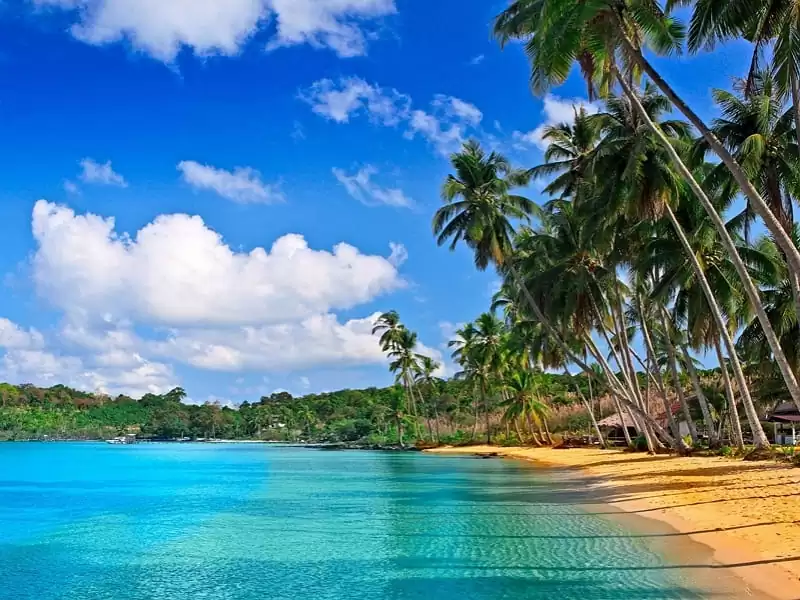
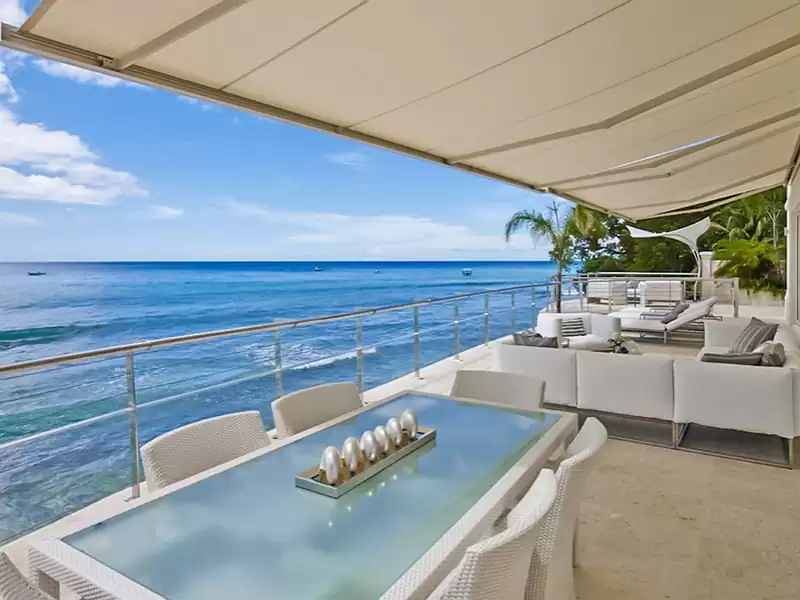
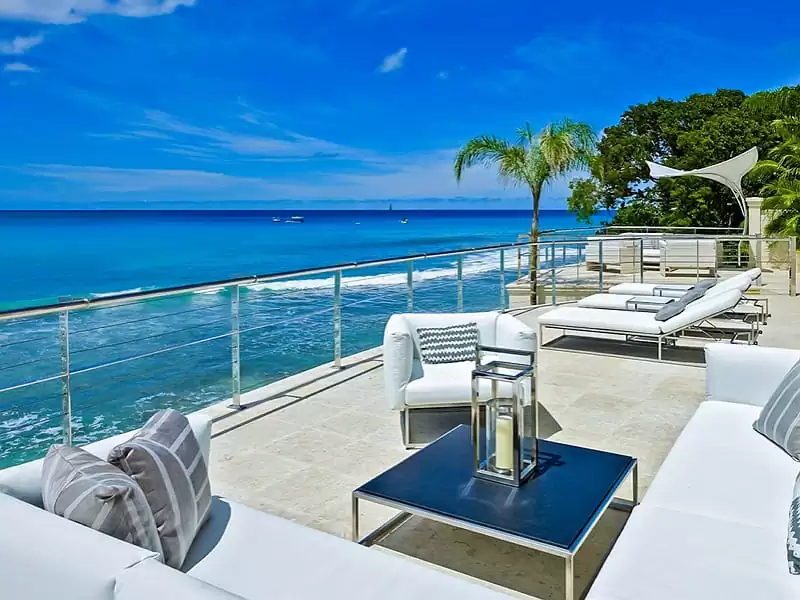
Barbados, as a resort popular with visiting celebrities, favors the western Caribbean coast with good beaches and gentle surf. Among the islanders, this side is known as the “Platinum Coast.” Jackie Onassis, T.S. Eliot, Greta Garbo loved to spend time here, Maria Callas strolled here with her pet monkey, and Churchill appeared here. When Countess Carla Cavalli discovered that all the court cooks were off on Sundays, she announced that she would feed “all” the guests of the island at her place.
The Transformation of Barbados: From Luxury to “All Inclusive”
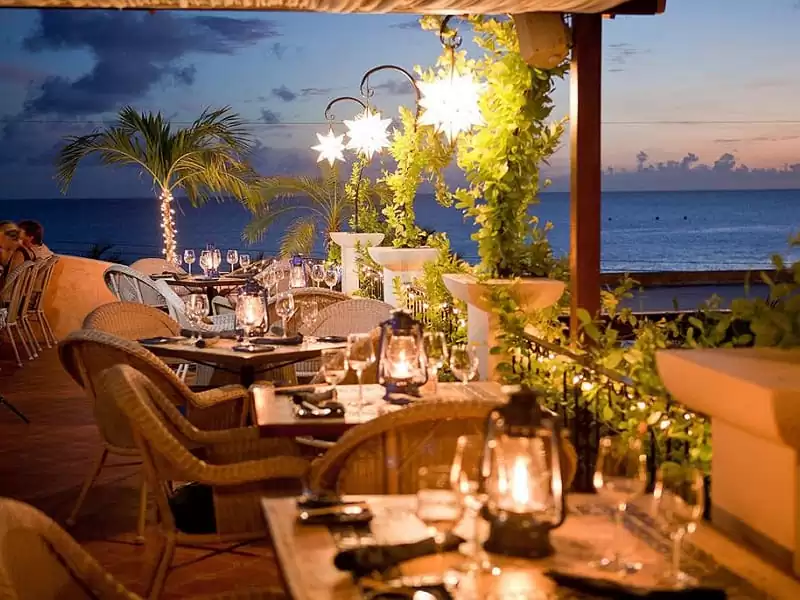
This era was irretrievably washed away by the surf and the opening of the international airport in 1979; today, provincial families are unloaded from the bellies of British and Virgin Atlantic planes every day, having booked a week of predictable pleasures, where “everything is included.” But if you manage to sit on the terrace of the old Coral Reef Club with a pre-sunset drink, the waves will bring a bit of the foam of a bygone era, especially when the Queen Mary II glides past the beach, sparkling with lights, and it seems that the empire is alive and well.
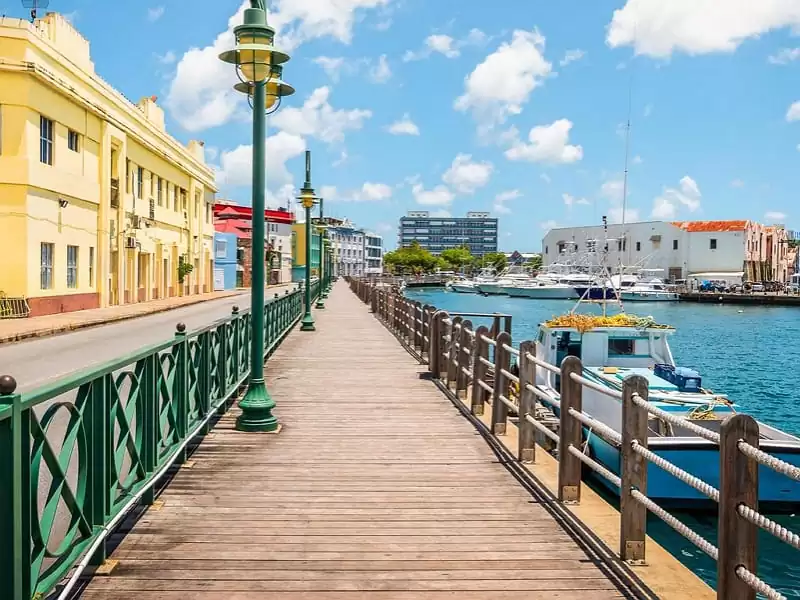
The “Platinum Coast” smells of England in the tropics. Bridgetown has its own Trafalgar Square, politically correctly renamed “National Heroes Square,” and a monument to Nelson, which is about to be demolished. The entrance ticket to a match at the polo club costs the same as a trip to the cinema.
I spent much more time in the toilet than at the table in the “Scarlet” bistro, which essentially consists of one room in a red “chattel house,” looking at the English magazines from the 60s pasted on the walls with photographs of fashion icon Gloria Guinness, who, like many other golden “partygoers” of the time, stayed at the island’s most revered hotel, Sandy Lane.
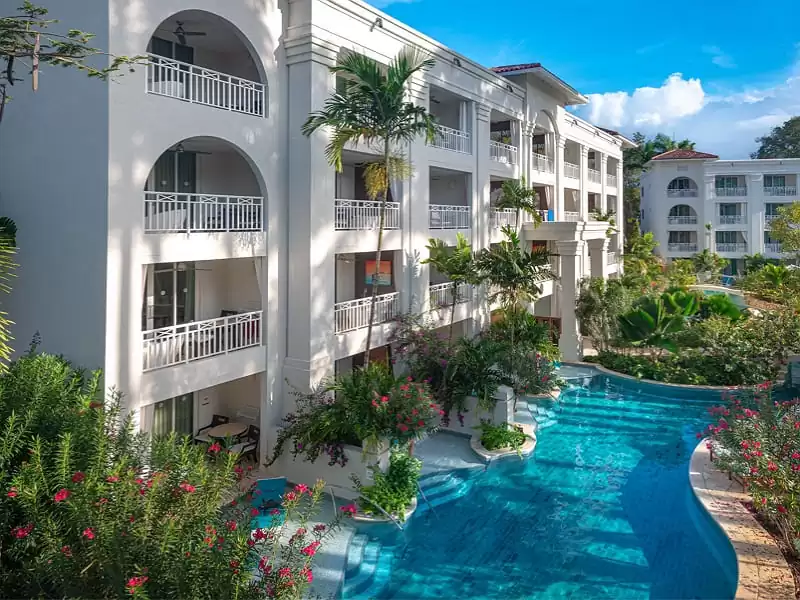
In 2001, the old hotel was demolished and an exact copy was built for 200 million. “We are not a five-star, but a five-diamond hotel,” I was corrected at the reception, but even in such a highly respected establishment, it was obvious that the island’s dense character was being diluted at all levels, giving way to condominiums and “all inclusives.”
Preserving the Soul of Barbados: Old Estates and Rum
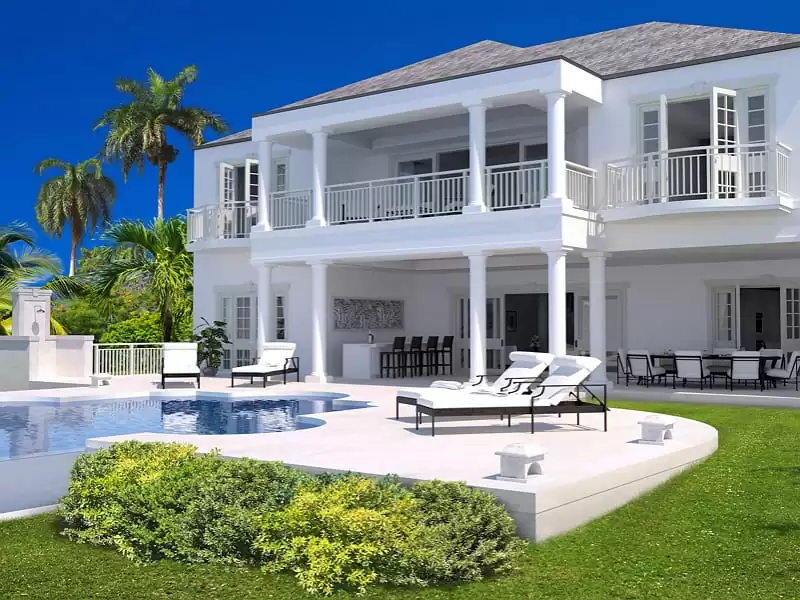
The Villa “Belrive,” once owned by Oscar winner Claudette Colbert, where the actress died at the age of 92 and fully made up, has been completely redone by the new owners and is now for rent. Boutique hotels, such as the “Crane,” which opened in 1887 and to which guests were delivered from ships by boats, are being expanded with multi-story buildings and streets styled after old Barbados for tourists.
But most people who come for the sun, sea and rum don’t pay attention to the fakes. If the soul of Barbados has been preserved, it is not in its native singer Rihanna, who has been made the cultural ambassador of the island, but in the central part of the island, where fields of cane, villages and old estates can be recognized from afar by the enfilade of two rows of tall palm trees leading to the master’s house.
It happens that there is no house anymore, but the palm trees are still standing… Those that have survived radiate goodness, decency and class without tinsel. Thus, the 350-year-old “St. Nicholas Abbey” is not an abbey at all, but a magnificent example of a Jacobean planter’s manor, one of only three surviving in the Western Hemisphere. In 2006, architect Larry Warren bought it after the death of the former owner, a lonely and gloomy colonel who had completely neglected both the house and the estate, and turned it into a museum.
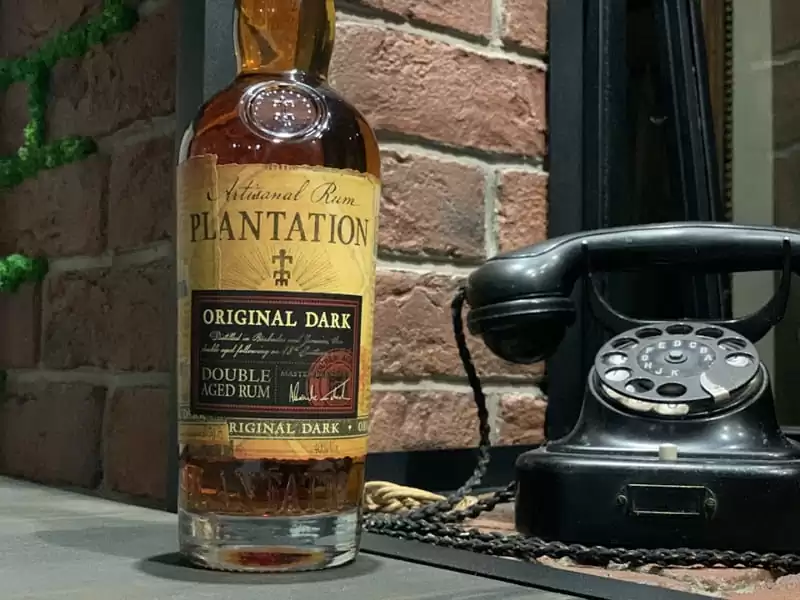
“Otherwise, someone else would have redone everything for a golf club or built villas for sale – I know, because I designed both,” Warren praised himself and showed me the “Chippendale” style railings and one of the first folding chairs in the world. At “St. Nicholas Abbey,” they make their own rum and will pour it into a beautiful bottle in your presence, seal it with a mahogany stopper and engrave whatever you want on the glass.
But the most poignant reminder of the old Barbados was lunch at the “Fisher Pond” estate with John Chandler and his wife, Rain. The owner, whose ancestors arrived on the island in 1635, told stories about things, house ghosts and people, showing Russian imperial porcelain and a 17th-century Flemish screen that belonged to the artist Verner Hall:
“Verna gave it to Claudette (Colbert) … they were neighbors … but then they fell out, and Claudette returned the screen … David Geffen later bought and sold Claudette’s villa … and I was asked to lend this table for a reception in honor of Queen Elizabeth when she visited the island.” Interrupting the host, guests discussed a dozen parrots in an aviary. Lunch was served in the garden among sculptures and orchids. They served bananas baked with curry, dark spiced roast and pudding with guava jam.
Village Life and “Cou-Cou”
In the center of the island, little reminds you of the million tourists who come to Barbados every year. Here are rural concerns, judging by the amount of agricultural machinery on the roads. The bus stops do not have route numbers, but only “To Town” or “From Town” are written. Women carry baskets with bougainvillea flowers and fruits on their heads for sale, or with the national dish “cou-cou” made from cornmeal and okra – due to the cheapness of the ingredients, it was convenient to feed slaves on plantations.
“As long as a woman’s cou-cou has lumps, she will never have a husband,” shared a popular wisdom one from whom I bought a bowl of “cou-cou” to try.
Churches and Rum Shops: Spiritual and Secular
It was still far from evening, and the men were already sitting with a glass. There are about 1,600 rum shops and about the same number of churches for the island’s 270,000 people. Most often, in both cases, it is a brightly painted house, either with a cross above the door or with a bottle painted on the wall. Yes, and they often stand door to door; the path from the alcoholic beginning to the spiritual is short in Barbados, you won’t get lost.
The island is divided into 11 parishes, and all the parish churches are just visible. The one in the parish of St. John stands above a two-hundred-meter cliff overlooking the eastern, Atlantic coast, where the waves, having run without obstacles from Africa itself, crash against the rocks, and the only people in the water are surfers who have accepted the challenge of both right-hand and left-hand twisting of high waves.
East Coast: Waves, Surfers and Reserves
Here is the spirit of an island reserve; construction is limited here, Barbadians go “to nature” here. Surfers, hippies and Rastafarians are found in the town of Bathsheba as often as black-bellied sheep on the green hills approaching Bathsheba.
At the only boutique hotel on this coast, “Atlantis,” I was assured that they have no plans for expansion. There is another hotel there, but the owner said that he has no phone, no email, no name. “Those who need to know about me know,” he said. “Like members of an informal closed club who came to Barbados half a century ago.”
Nightlife: Oistins and Dancing Until Morning
In the evening, after another festival tasting, I barely made it – due to traffic jams – to the fishing village of Oistins, where half the island gathers on Fridays. Dozens of tiny eateries open between the main street and the beach, serving various seafood, from noble swordfish to small “flying” fish, so named for its long side fins and its ability to glide on the surface of the sea.
Noisy, cramped, sweaty and delicious. Calories are not allowed to stagnate: the DJ was lighting up for those who are younger. And a little further away, the elderly danced to their own music. This street cabaret also had its own Valentine Beskostny, its own La Goulue, and Jane Avril. I haven’t experienced so many emotions on the dance floor for a long time: African plasticity, lean dark bodies, passion unexpected for the age and nostalgia without sadness for the past time, both personal and that of the island.
“How many people were dancing there today?” the taxi driver asked when I was returning to the hotel late at night. “A lot, about 50 people,” I replied. “You weren’t lucky. When two or three of the best couples come out, everyone else stands quietly to the side,” he said.