In the world of modern architecture, skyscrapers have become symbols of human progress, ambition, and engineering prowess. Today, our planet boasts nearly 5,000 majestic structures that rise above city skylines, reaching heights of over 150 meters. These colossal buildings continue to multiply each year, in response to the enduring demand for prestigious residential and office spaces.
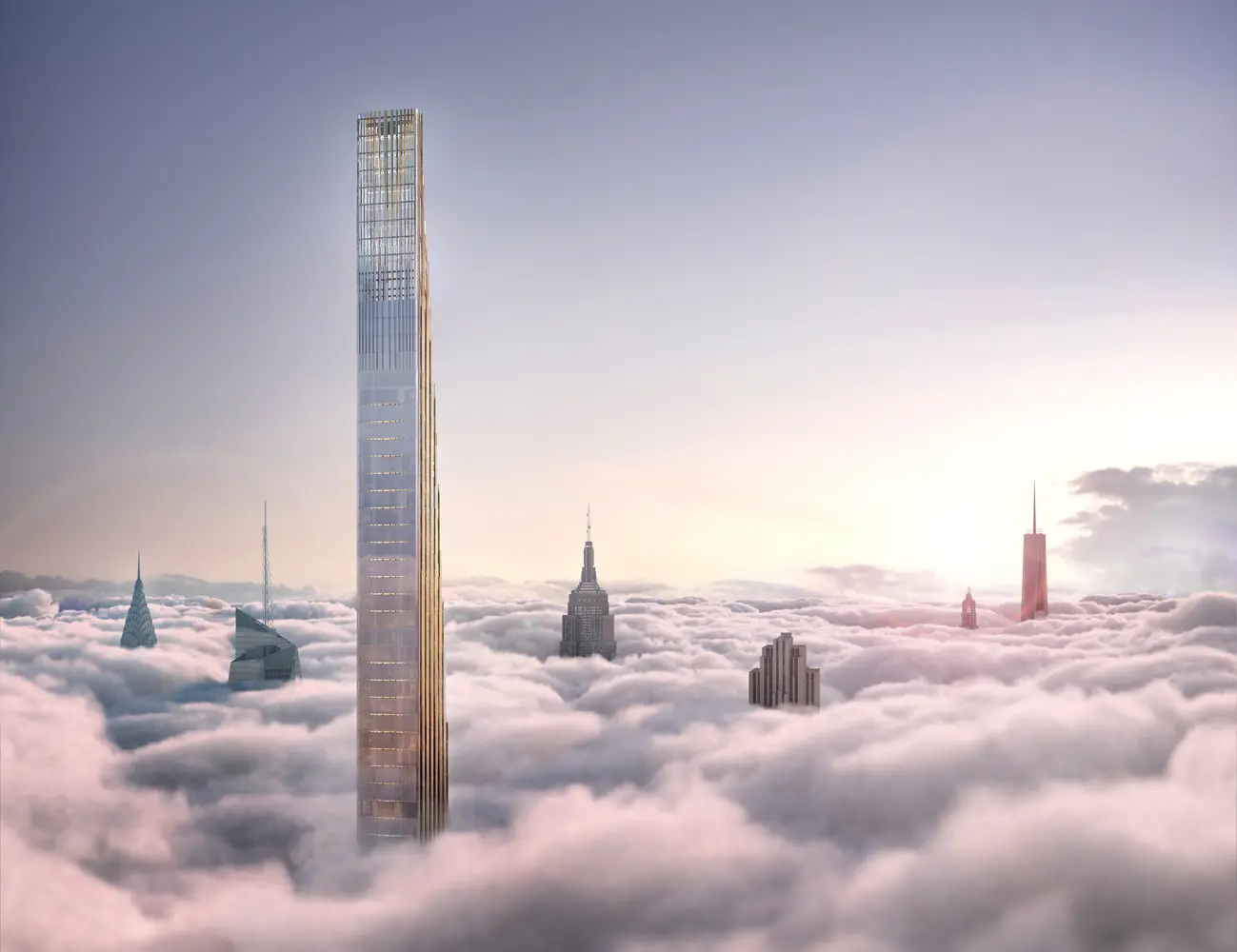
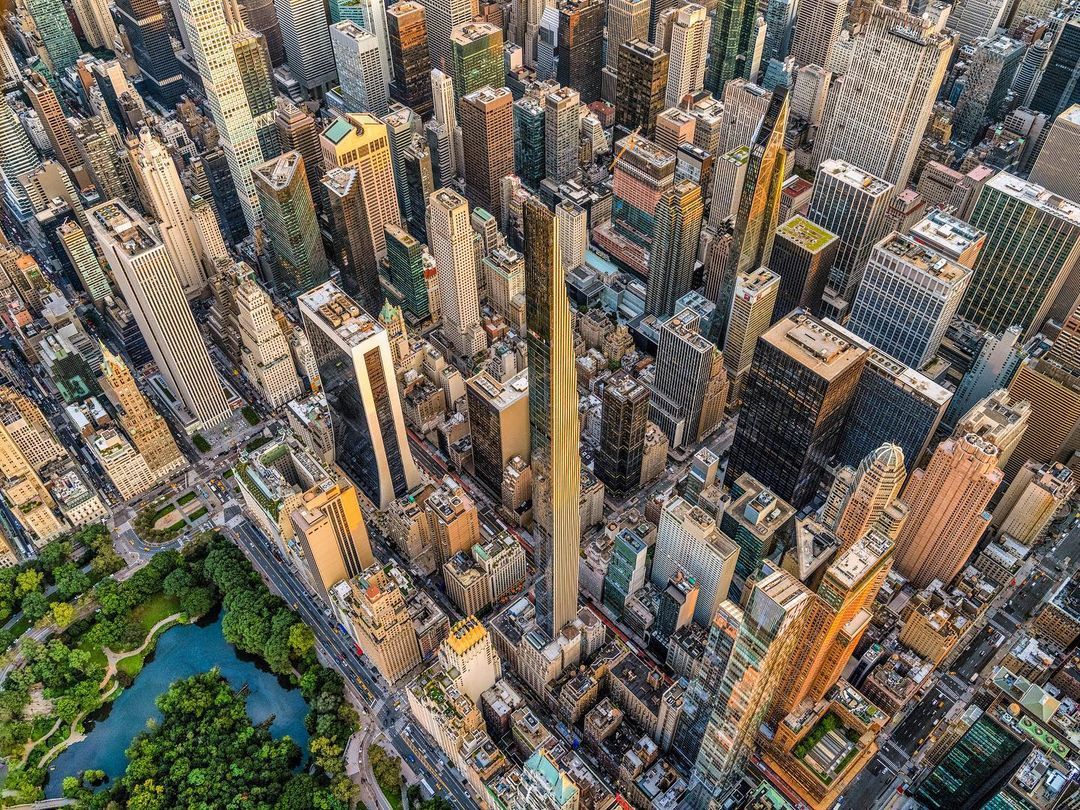
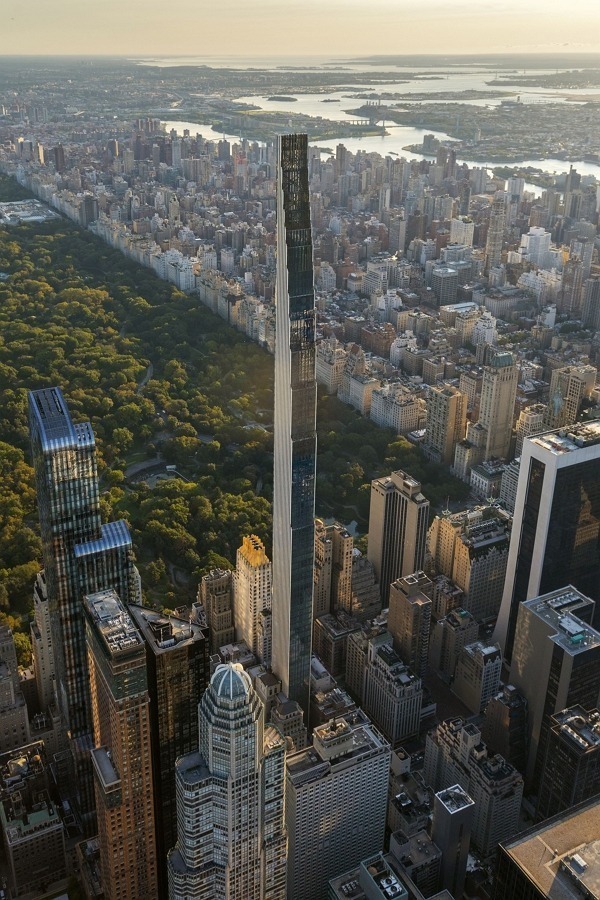
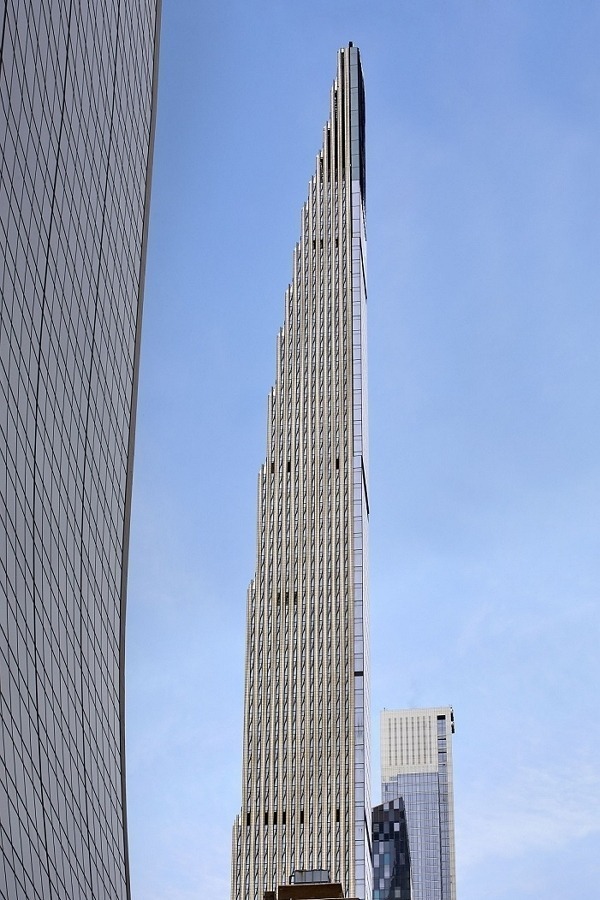
Among this forest of steel and glass giants, the Steinway Tower holds a special place. While it may not compete for the title of the tallest building in the world, it captivates the imagination with another unique quality—its incredible slenderness. Imagine this: the footprint of this thinnest skyscraper is just 32 by 61 meters, making it resemble an elegant needle piercing the Manhattan sky.
The Birth of an Architectural Marvel
The official name of this building is 111 West 57th Street, but in the hearts of New Yorkers and visitors alike, it is firmly known as Steinway Tower. Behind the creation of this masterpiece stands the distinguished architect Adrian Smith from the creative studio SHoP Architects, who succeeded in bringing to life a truly revolutionary project in modern construction.
Interestingly, the tower’s name has musical roots—it is associated with the legendary piano manufacturer Steinway & Sons, which gives the building a special cultural resonance and historical significance. It is as if the tower itself is a musical note, frozen in stone, glass, and metal, soaring skyward.
The majestic Steinway Tower has 82 floors and reaches a dizzying height of 435 meters. Inside this architectural wonder are luxurious residential apartments, earning it a place among the tallest residential buildings not only in New York, but in the world. Every floor here is an embodiment of sophistication, comfort, and prestige.
From Idea to Realization: The Story of Construction
The history of Steinway Tower’s creation is a fascinating saga of dreams, ambition, and overcoming engineering challenges—a story that began more than ten years ago and today stands as one of the most exciting chapters in the chronicle of New York architecture.
It all started in 2009, when enterprising billionaire and investor J. Sharpless “Sharky” Holmes acquired the building at 111 West 57th Street. Even then, he envisioned a bold idea—to transform this site into a true jewel in Manhattan’s crown by creating a luxurious residential space that would not only house the elite but also become an architectural symbol of the city. Holmes’ dreams were truly grand, and he wasn’t content with small ambitions.
To bring this daring concept to life, the architecture firm SHoP Architects—renowned for their innovative and bold designs—was chosen. The talented architects of this bureau developed a unique design that later became Steinway Tower’s hallmark: an incredibly slim silhouette, finishes of terracotta and bronze, and elegant lines evoking the classic Art Deco style while simultaneously looking toward the future.
One of the most challenging tasks faced by the architects and builders was the preservation and restoration of the historic façade of the existing building. This required precision work during the dismantling and subsequent restoration of the façade to seamlessly integrate it into the new project. Every brick and architectural element was treated with meticulous attention by specialists seeking to preserve the site’s historical memory.
История уникальной стройки
Construction itself began in 2014. Building the tower above ground level required the use of revolutionary construction technologies and materials. Engineers had to tackle extremely complex problems related to the building’s stability against wind loads—for the narrower and taller a skyscraper is, the more powerful the wind forces it must withstand. To ensure stability, a massive damper was built into the structure—a special mechanism that absorbs the building’s oscillations during strong winds or seismic activity.
For six long years, the construction of this sky-high colossus continued. A team of highly skilled specialists worked day after day, floor by floor, to bring the dream closer to reality. Finally, in 2020, the construction of Steinway Tower was officially completed, and its grand opening took place. Years of labor, colossal investment, engineering ingenuity, and architectural mastery materialized in this slender, elegant silhouette that changed the cityscape forever.
The finished building offered future residents luxurious apartments with exquisite interiors and all imaginable modern amenities. Steinway Tower instantly drew the world’s attention and was recognized as an outstanding example of modern architecture, earning numerous awards and rave reviews from professionals and ordinary people alike.

Hidden Treasures: Unique Features of the Skyscraper
Steinway Tower is not just a tall building—it is a true treasury of astonishing architectural and engineering solutions, each deserving of special attention and admiration.
First of all, the skyscraper’s astonishing proportions defy belief. Its height-to-width ratio is 24:1, making it a true marvel of engineering. Imagine a skyscraper slimmer than a pencil, proportionally speaking! Such incredible slenderness is what Steinway Tower showcases, as if challenging the laws of physics and gravity.
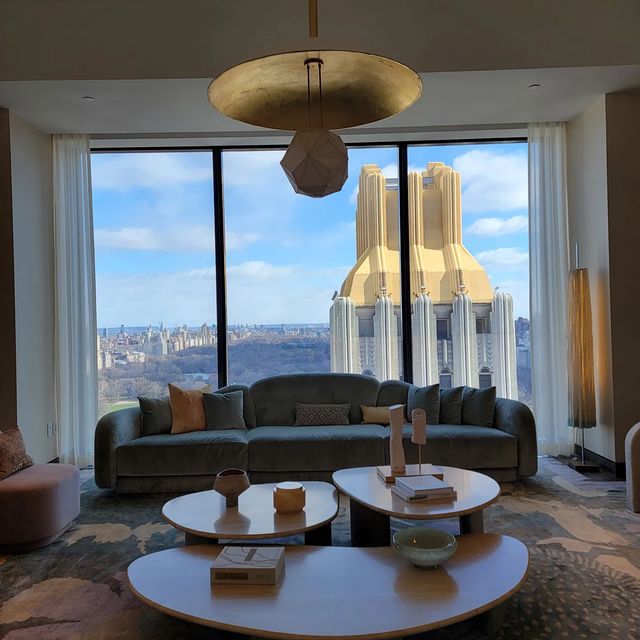
The tower’s façade is a work of art in its own right. It features terracotta elements and bronze details that create a stunning interplay of light and shadow—changing with the time of day and weather conditions. The east and west sides of the building are adorned with wave-like terracotta columns, while the southern façade is a continuous glass wall that offers breathtaking panoramic views of Central Park and all of Manhattan.
The skyscraper’s location is another undeniable advantage. It stands literally steps away from the famous Central Park, giving residents a unique opportunity to enjoy nature right in the heart of Manhattan’s concrete jungle. This proximity to the city’s green oasis creates a striking contrast between the creations of nature and those of human hands.
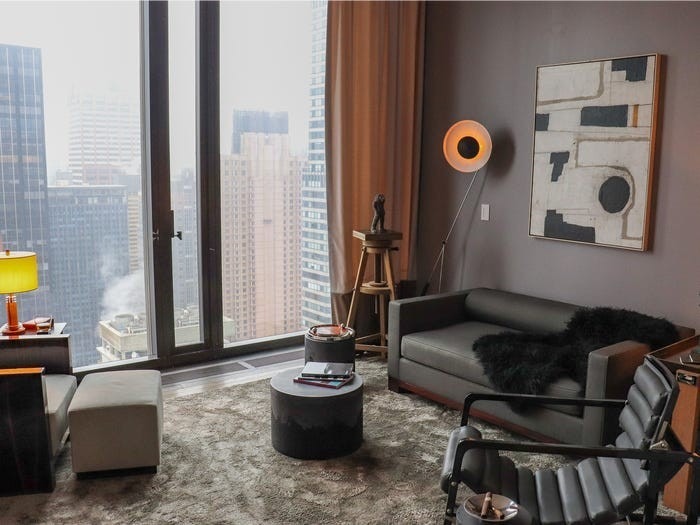
The interior space of the tower is the apotheosis of luxury and comfort. Its 46 residential floors contain only 60 apartments, demonstrating the exceptional spaciousness of each residence. Many units occupy an entire floor, providing their owners with a true 360-degree panoramic view of New York. The interiors are finished with rare woods, marble, and other exquisite materials. Ceilings up to 4 meters high create a sense of airiness and freedom.
Residents of the tower enjoy an unprecedented array of amenities: a massive swimming pool, a state-of-the-art fitness center, a spa, a wine cellar, a private cinema, a grand ballroom for special events, and round-the-clock concierge service. All of this makes life in Steinway Tower truly regal.
Another technical feature of the building is its innovative damping system, which ensures the skyscraper’s stability even during strong gusts of wind. Inside the tower is a giant pendulum weighing several hundred tons that counteracts the swaying of the building, ensuring residents’ comfort even in the windiest weather.
Cultural Significance and Symbolism
Steinway Tower is something more than just a tall residential building. It has become a true symbol of contemporary art and architecture in New York, attracting the gaze of both locals and countless tourists.
The building’s connection to musical heritage is of special significance. The name “Steinway” refers to the renowned firm Steinway & Sons, makers of some of the world’s finest pianos. This is not a coincidence—at the base of the tower stands the historic Steinway Hall, which for many years served as a concert venue and exhibition space for the brand’s instruments. In this way, the skyscraper symbolically unites the high art of music and architecture within a single space, creating a unique cultural context.
The architectural style of the tower, inspired by the Art Deco era, forges an intriguing link between the past and the future. It harkens back to the golden age of American architecture in the early twentieth century while simultaneously pointing toward the new technological possibilities of the twenty-first. It’s a kind of bridge between eras, embodied in glass, metal, and stone.
Steinway Tower has also become a reflection of current trends in luxury real estate—the pursuit of exclusivity, the creation of not just living spaces but works of art one can inhabit. Apartments in this skyscraper sell for tens of millions of dollars, making them accessible only to a very select few. It is a kind of vertical neighborhood for the elite-for those who can literally afford to live in the clouds, high above the bustle of the city.
A Glimpse into the Future
Today, Steinway Tower continues to inspire and amaze. It has become not only an important architectural landmark and symbol for New York, but also a sort of beacon for future generations of architects and engineers, proving that the potential of human genius and technical progress is virtually limitless.
It is entirely possible that in the coming decades we will see new, even bolder and slimmer skyscrapers that draw inspiration from Steinway Tower’s success. Technologies continue to develop, materials are becoming stronger and lighter, engineering solutions ever more sophisticated. Even now, skyscrapers are being designed around the world that may outdo Steinway Tower in slenderness and elegance.
Nevertheless, regardless of what architectural wonders the future holds, Steinway Tower will forever remain one of the most remarkable achievements of human thought and craftsmanship—a slender needle piercing the sky above Manhattan, reminding us that even the boldest dreams can become reality when driven by talent, determination, and a passion for creation.
So the next time you find yourself in New York and look up to see this extraordinary skyscraper, remember: you are not just gazing at a building, but at a dream brought to life in stone and steel—the human aspiration to conquer the sky, to transcend the boundaries of the possible, to create a beauty that will inspire generations to come.