Palermo is not just a city on the map of Europe. It’s a living, breathing, passionate organism, a grand theatrical stage on which dramas and comedies of human history have been played out for millennia. Unlike the strict and calculated capitals of Northern Europe, such as Oslo or Berlin, the capital of Sicily greets travelers with charming chaos, a riot of colors, and a cacophony of sounds.
It’s a city that doesn’t try to seem perfect, and it is in this pristine sincerity that its magnetism lies.
Today, Palermo is shedding the stereotypes of the past, transforming into one of the most attractive and dynamically developing tourist centers in the world, where ancient history organically intertwines with modern trends in sustainable tourism and the culture of “digital nomads.”
A Kaleidoscope of Eras: History Carved in Stone
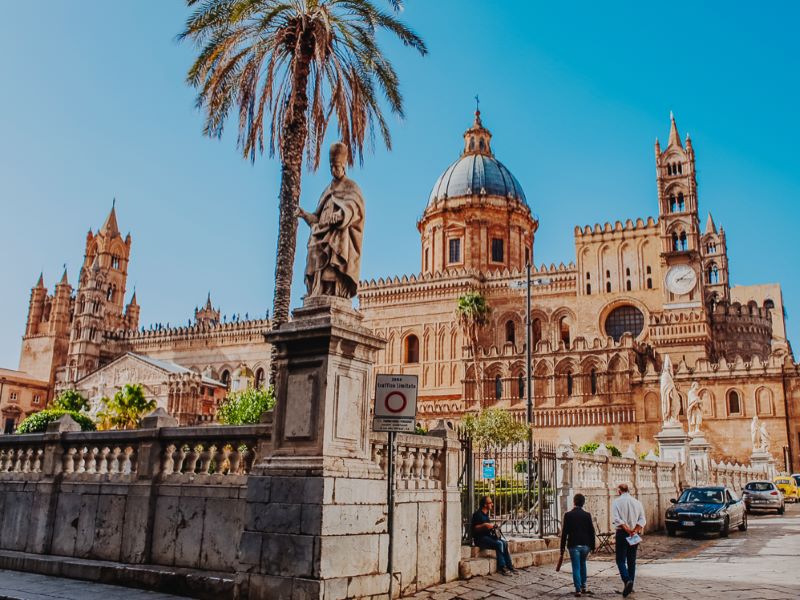
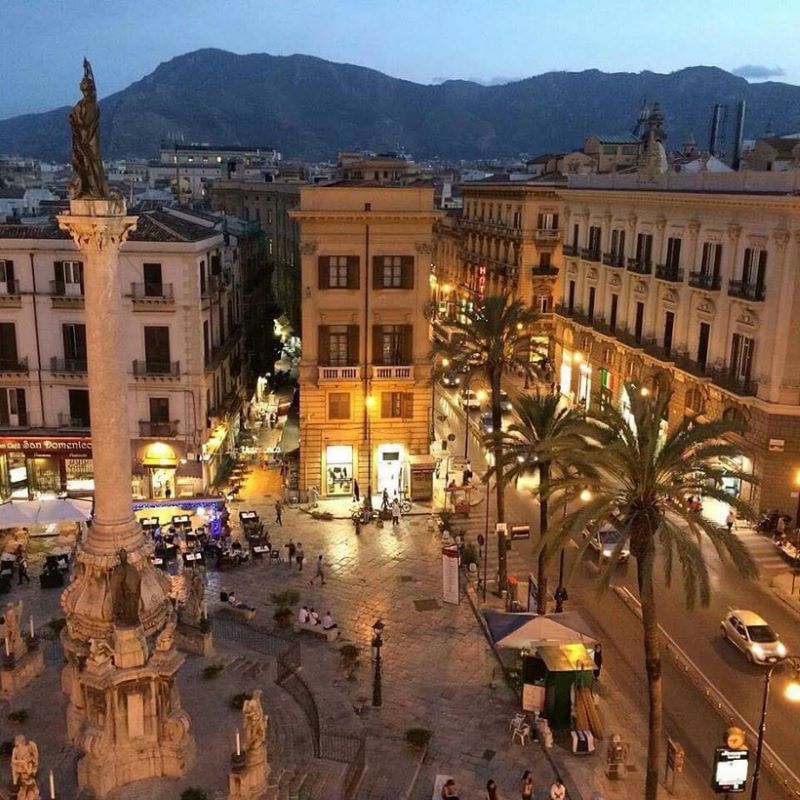
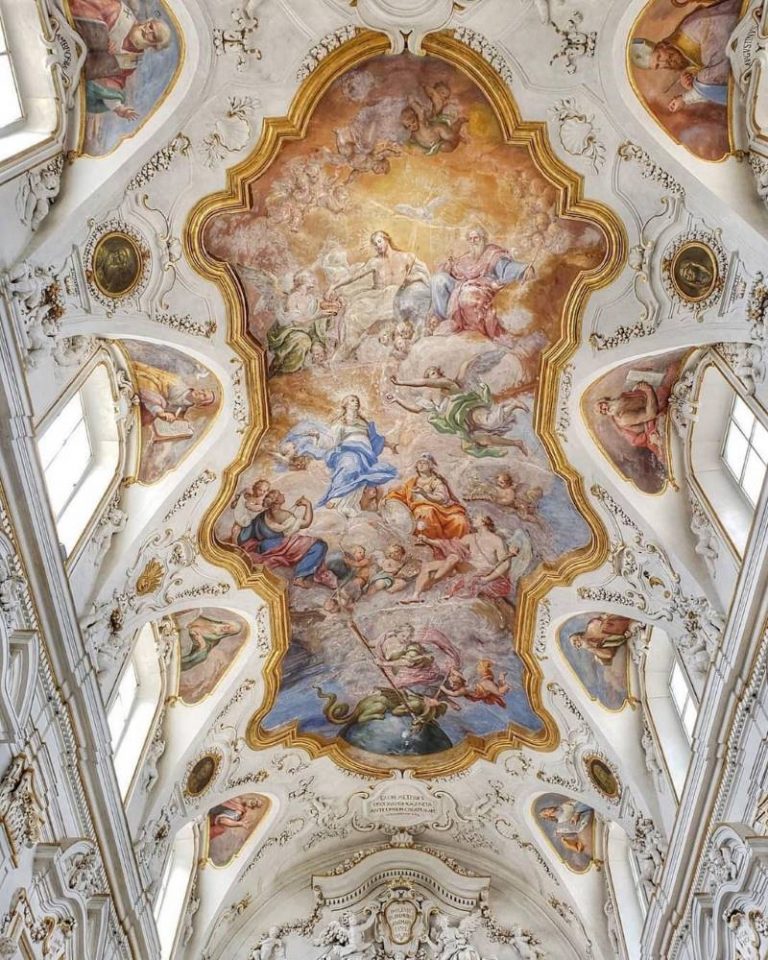
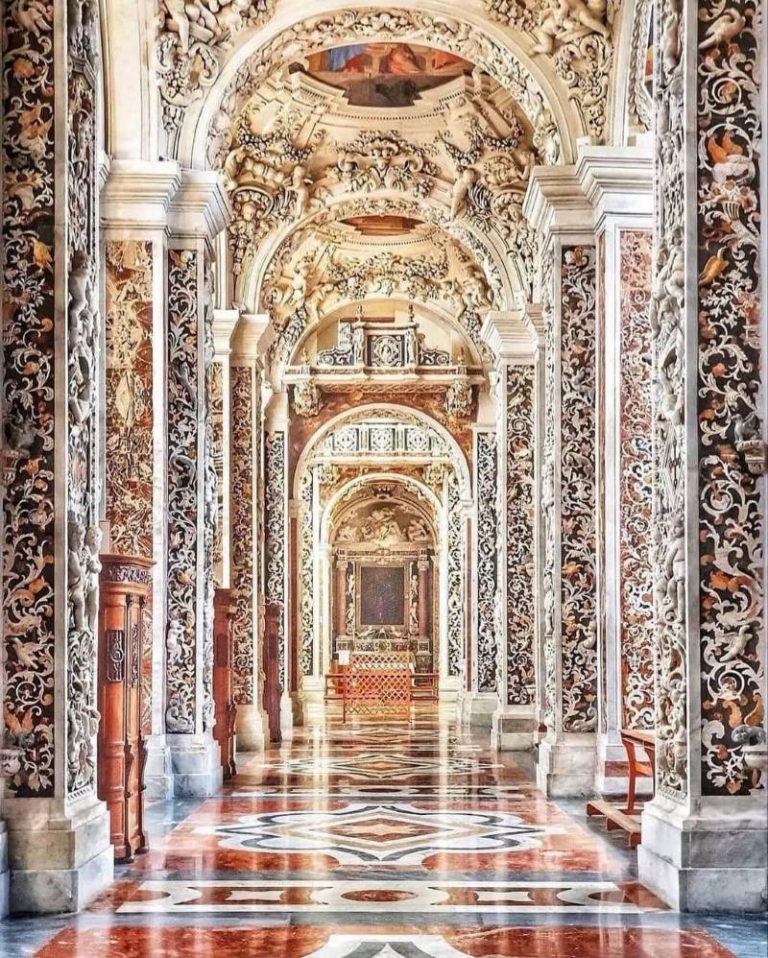
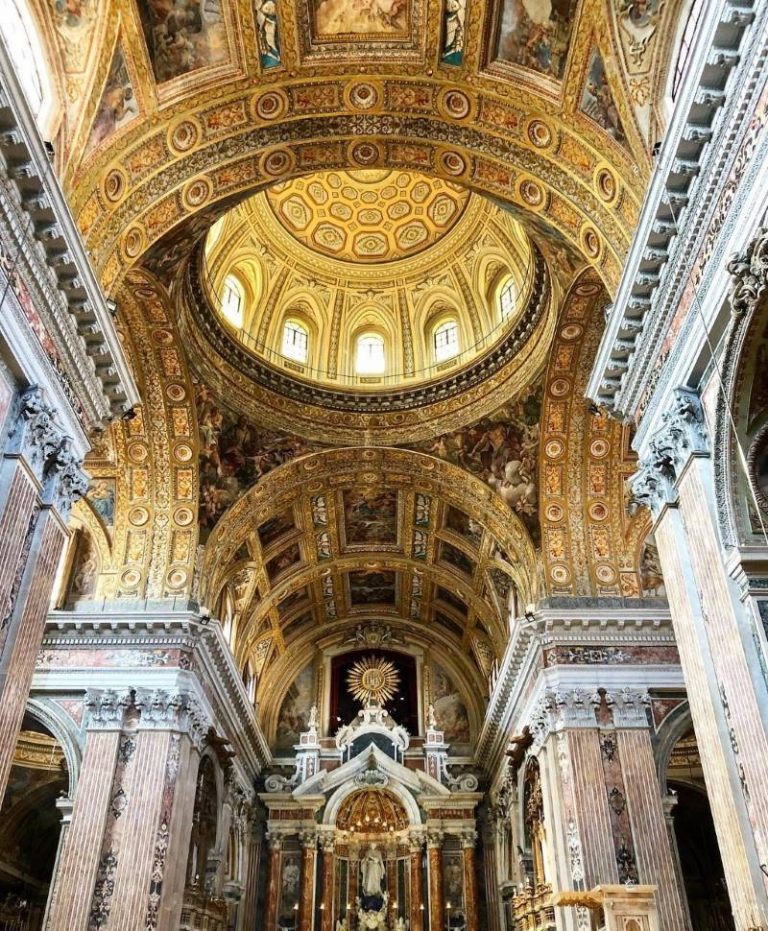
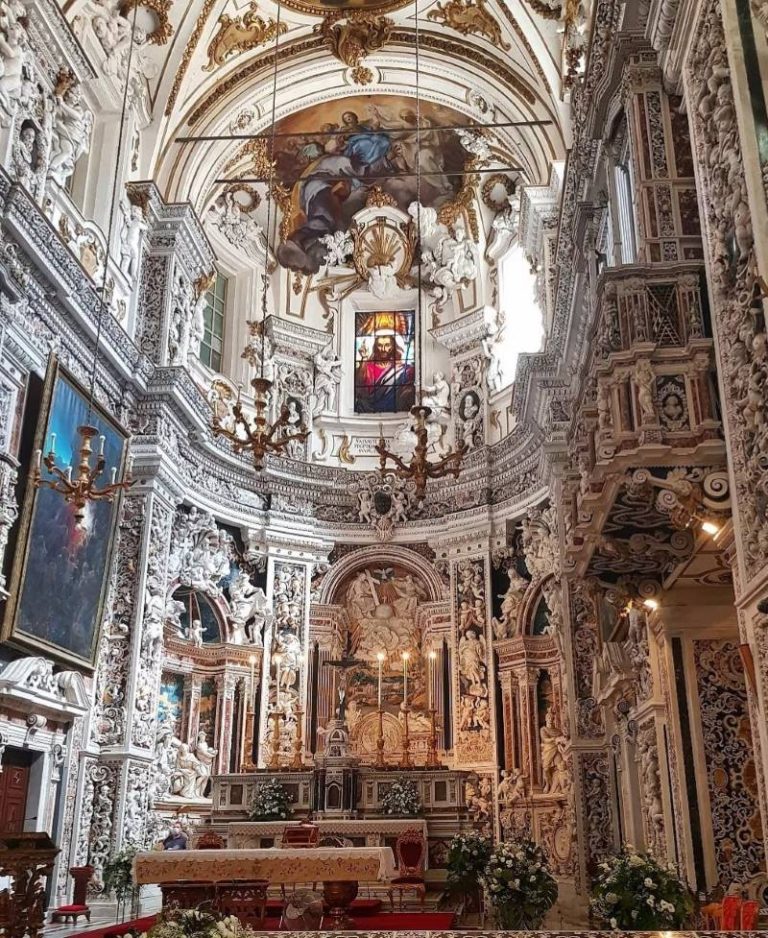
The history of Palermo is a history of constant conquests, each of which left its unique mark. Founded by the Phoenicians, the city was ruled by the Romans, Byzantines, Arabs, Normans, French, and Spanish. It is this mix of bloods and cultures that gave rise to a unique architectural style – Arab-Norman Gothic, which has no analogues anywhere else on the globe.
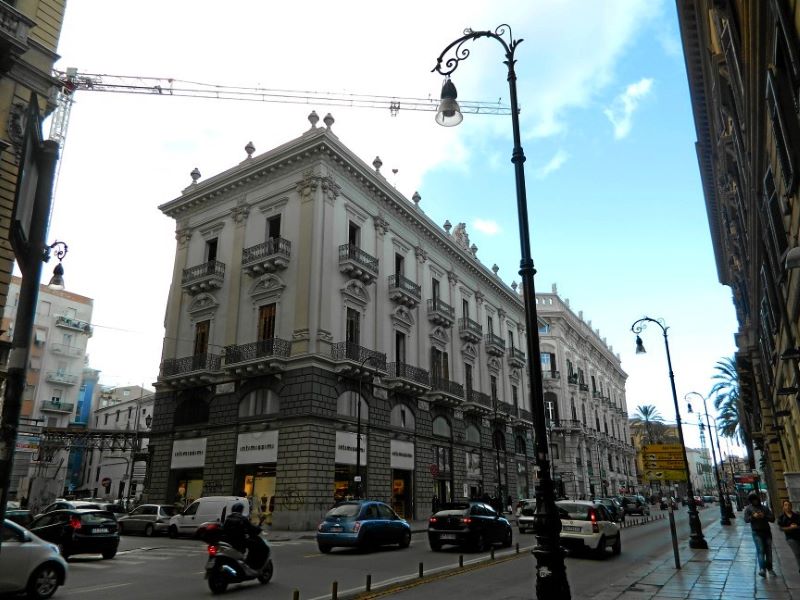
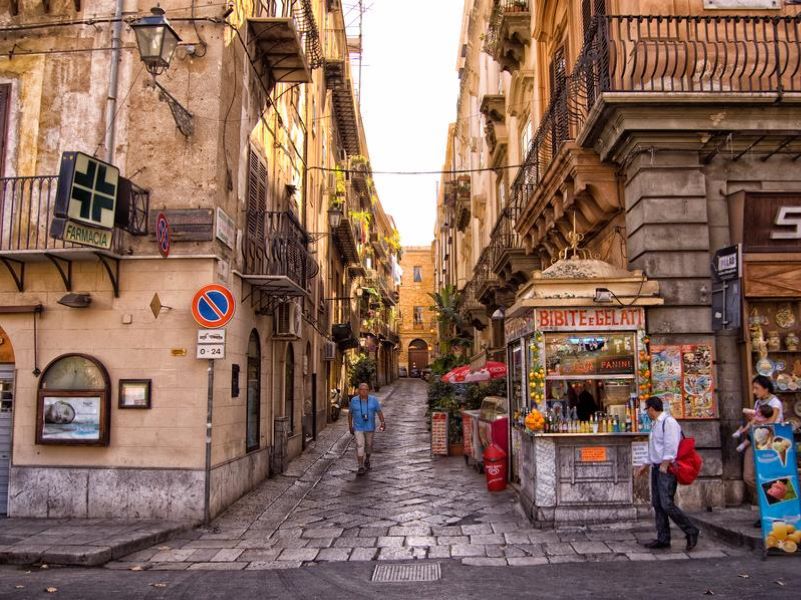
Wandering through the labyrinths of narrow streets, you can see how strict Catholic churches are crowned with red Arabic domes, and classical ancient columns coexist with Byzantine mosaics. Palermo is an architectural chronicle, an open book telling of times when the Mediterranean Sea was the center of the world known to mankind.
Climate and Nature: In the Embrace of the Sun and Sea
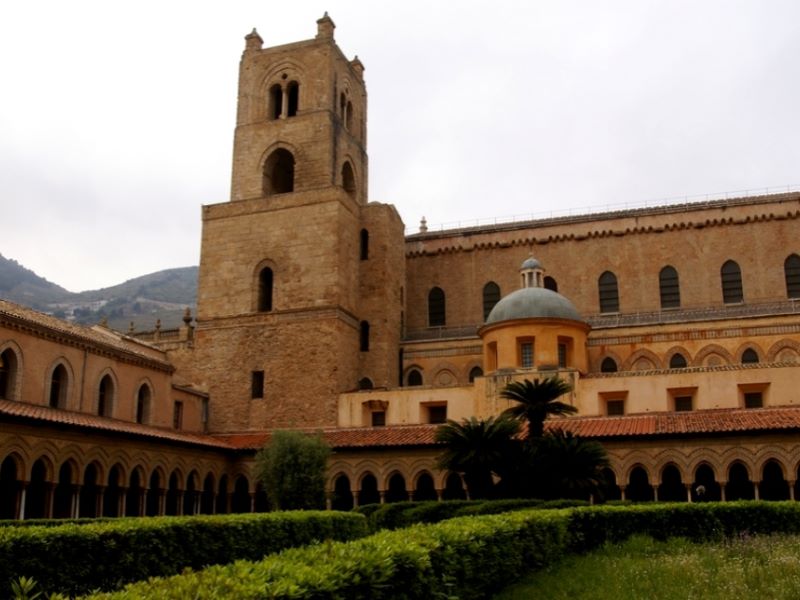
Palermo is located in the picturesque Conca d’Oro (Golden Shell) valley, washed by the azure waters of the Tyrrhenian Sea and protected by the majestic Mount Pellegrino. The German poet Johann Wolfgang von Goethe called this cape the most beautiful in the world.
The Mediterranean climate makes Palermo attractive at any time of the year. Winters here are mild and humid, resembling early spring in Paris or London, and summers are hot and dry. In the context of modern climate change, the summer months (July and August) can be a challenge for unprepared tourists, when the temperature confidently exceeds +35°C. The ideal time to visit is April, May, September, and October. In these months, the sun caresses rather than burns, the sea is warmed to a comfortable temperature, and the air is filled with the aromas of flowering citrus groves.
Architecture and Entertainment: From Majestic Cathedrals to Noisy Streets
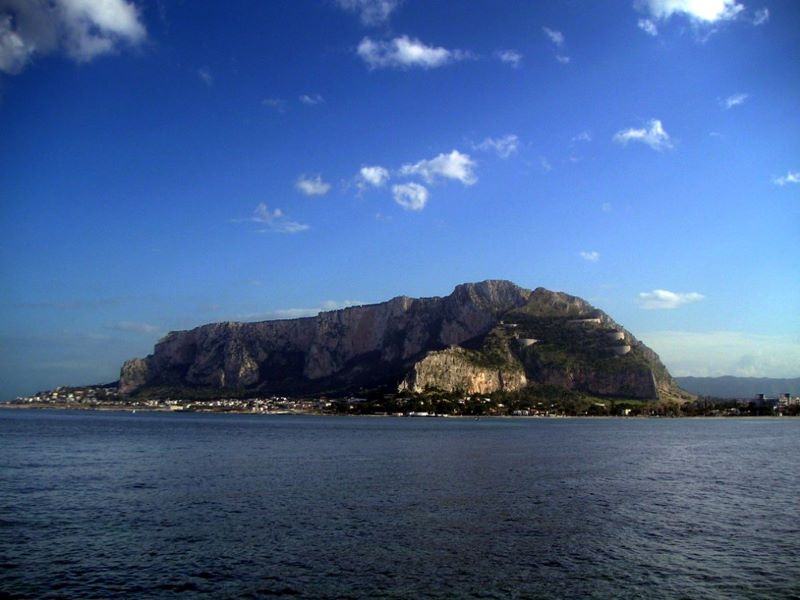
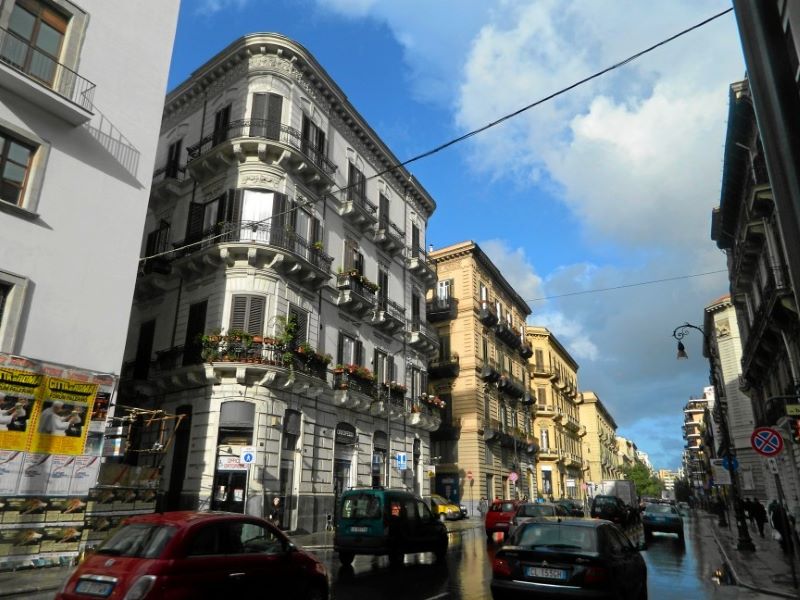
The heart of the city is the Quattro Canti (Four Corners) intersection, where the main arteries of Palermo intersect. Four baroque facades, decorated with statues of kings and patron saints of the city, symbolize the four seasons. From here, it’s a stone’s throw to Piazza Pretoria with its magnificent, but scandalous “Fountain of Shame,” surrounded by naked antique statues.
The Teatro Massimo deserves special attention – the largest opera house in Italy and the third largest in Europe (after the theaters of Paris and Vienna). Its monumental steps are known to many moviegoers from the final scenes of the cult saga “The Godfather.”
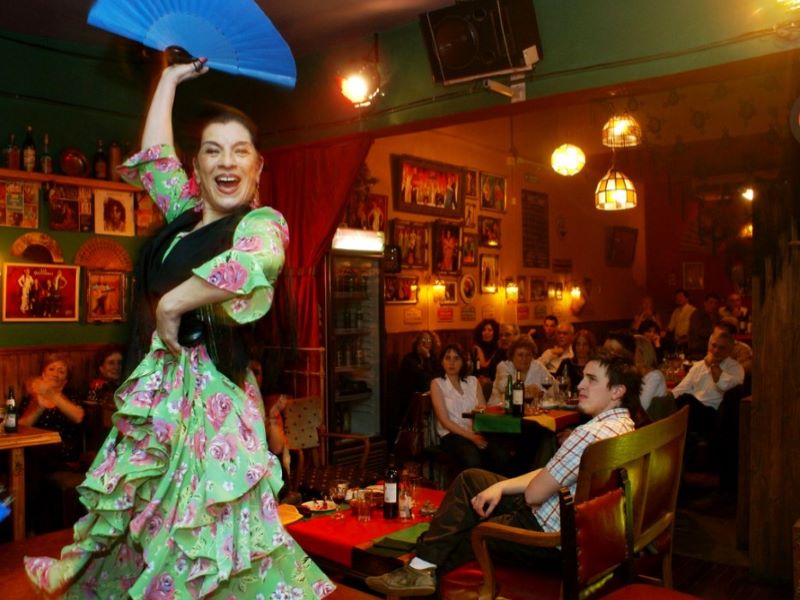
Entertainment in Palermo is spontaneous. In the evenings, the historical center turns into a huge recreation area: young people from different parts of Europe gather in the squares, live music pours out of small bars, and the spirit of absolute freedom (la dolce vita) floats in the air.
Must-see: What a Tourist Must See
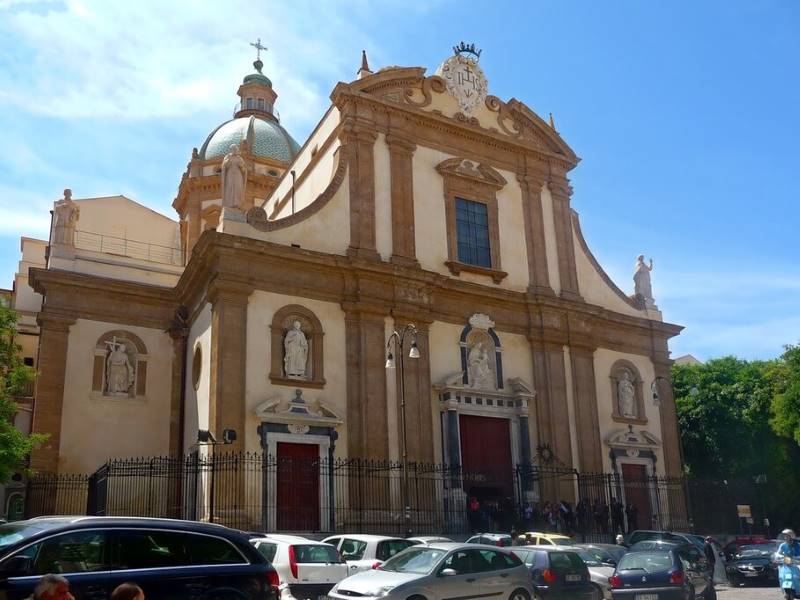
In order not to get lost in the variety of attractions, here is a list of places that must be included in the route:
- Palermo Cathedral (Cattedrale di Palermo). A grandiose structure that was built over the centuries. Sicilian kings and German emperors are buried here.
- Palatine Chapel (Cappella Palatina). A small chapel in the Norman Palace, the interior of which is entirely covered with golden Byzantine mosaics of striking beauty.
- Capuchin Catacombs (Catacombe dei Cappuccini). A gloomy but fascinating sight. An underground cemetery where the mummified bodies of thousands of citizens rest in the open – from priests to the local aristocracy of past centuries.
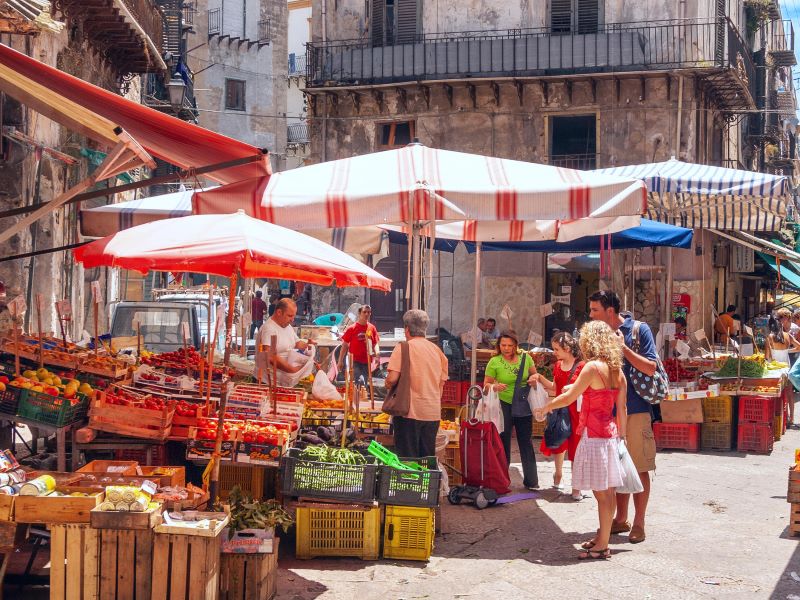
- Ballarò Market (Mercato di Ballarò). The oldest and noisiest market in the city. This is the quintessence of the Sicilian temperament: the cries of hawkers, mountains of the freshest seafood, exotic fruits and the smells of spices, reminiscent of the bazaars of the Middle East.
- Mondello Beach (Mondello). Located a few kilometers from the center. White sand, turquoise water and elegant Art Nouveau (Liberty) villas make it an ideal place to relax.
Sicilian Cuisine: A Gastronomic Paradise
Palermo’s cuisine is a reflection of its history. Forbes magazine regularly includes this city in the world’s top lists of street food capitals, putting it on a par with Bangkok and Mexico City.
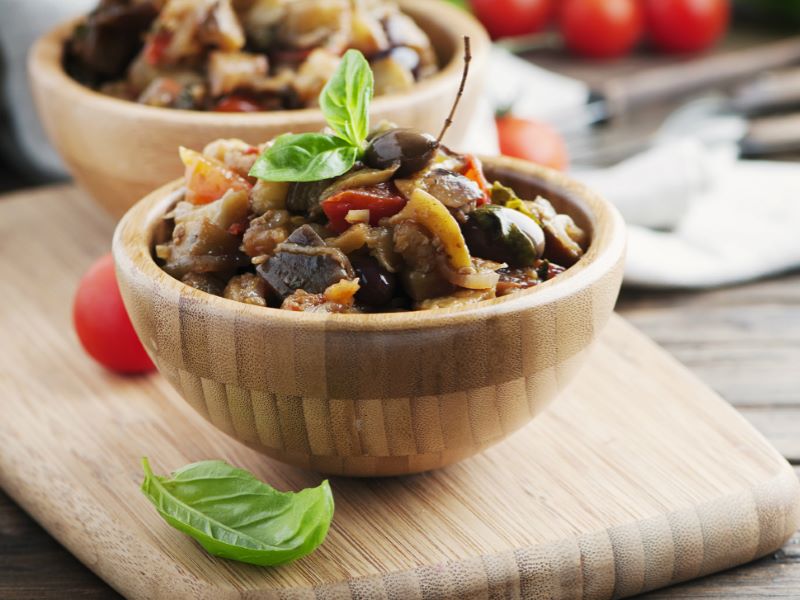
Be sure to try arancini – fried rice balls with meat ragu, green peas and cheese. Panelle are sold everywhere on the streets – pancakes made from chickpea flour, which are eaten with soft bread. Lovers of exoticism should try pani ca meusa – a bun with boiled spleen, a dish with a thousand-year history. And for dessert, there are the famous cannoli – crispy tubes filled with the most delicate cream made from sheep ricotta, and cassata – sponge cake with marzipan and candied fruit. All this goes perfectly with a glass of cool local white wine or a strong espresso.
Tourist Infrastructure: A Balance of Antiquity and Comfort
Today, Palermo is actively adapting to the needs of the modern traveler. Falcone-Borsellino International Airport receives flights from all over Europe – from Madrid and Amsterdam to London and Frankfurt.
It is easy to find accommodation in the city to suit every taste: from authentic Airbnb apartments in the heart of the old town to luxurious boutique hotels in restored 17th-century palaces. Public transport is represented by buses and modern tram lines, but the historical center is best explored on foot or by rented bicycle. Today, Palermo is actively implementing the concept of sustainable tourism: eco-hotels, farm-to-table restaurants and areas completely free of cars are appearing.
Travel Tips
- Rhythm of life. Remember the sacred siesta (pausa). From 1:00 p.m. to 4:00 p.m., many shops, churches and even some restaurants close. This is a time to relax in the shade.
- Safety. As in any major tourist capital in the world, whether it’s Barcelona or Rome, you should beware of pickpockets in Palermo. Don’t carry all your cash in one place and keep a close eye on your bags in the crowds at the markets.
- Shoes. The streets are paved with ancient cobblestones, so high heels are best left for evening outings, and choose the most comfortable shoes for walking.
- Language barrier. Although young people and those working in the tourism sector speak English well, a couple of phrases learned in Italian (or even Sicilian) will open the hearts of locals and may even provide a discount at the market.
- Cash. Despite the widespread use of contactless payments in Europe, small shops and markets in Palermo still prefer jingling coins.
Palermo is a city that you need to not only see, but also feel. Breathe in the smell of the sea breeze, mixed with the aroma of freshly brewed coffee, get lost in its endless alleys and allow this bright, passionate city to forever steal a piece of your heart.