Japan is famous for its adherence to traditions and culture, as well as its kind people and excellent cuisine. The Japanese dislike change so much that the current Emperor of Japan is a direct descendant of the country’s first ruler from the beginning of our era, which characterizes the country very well. But reading about the country is not enough; you need to feel it by visiting the capital of this island nation. Of course, it is impossible to fully explore the culture of the city and the country as a whole in one tour, but if you visit the most significant places, you can form a complete picture of your impressions of Japan.
Ancient Landmarks of Tokyo
Ueno Park
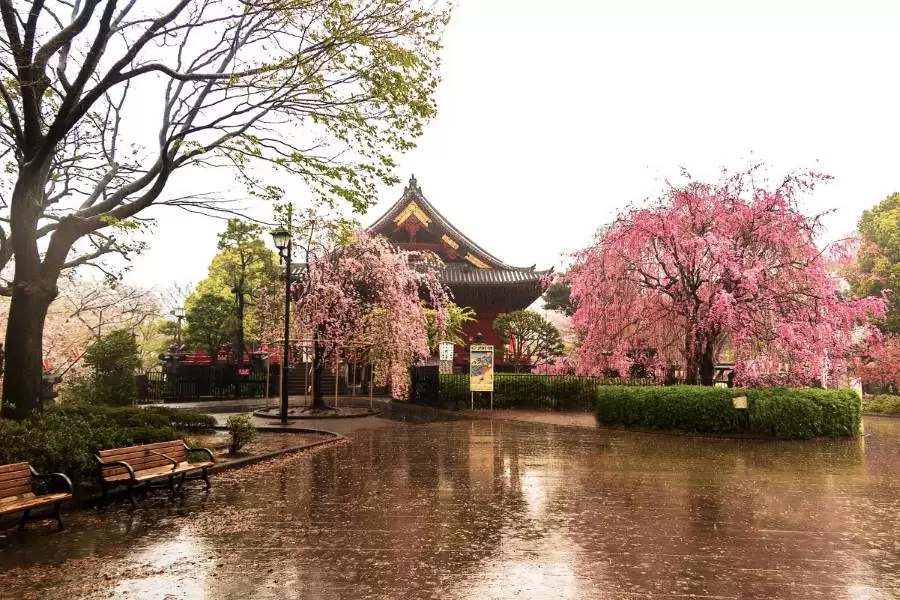
Ueno Park is considered the oldest park in Tokyo, and today it characterizes the development of the state’s culture as a cultural and entertainment center. It houses a huge zoo, a university, the National and Science Museums, and an art gallery. But there are the most people here when the sakura begin to bloom. It is an amazing sight to be among hundreds of trees with pink and snow-white petals. The nature of the park is stunning.
Hibiya Park
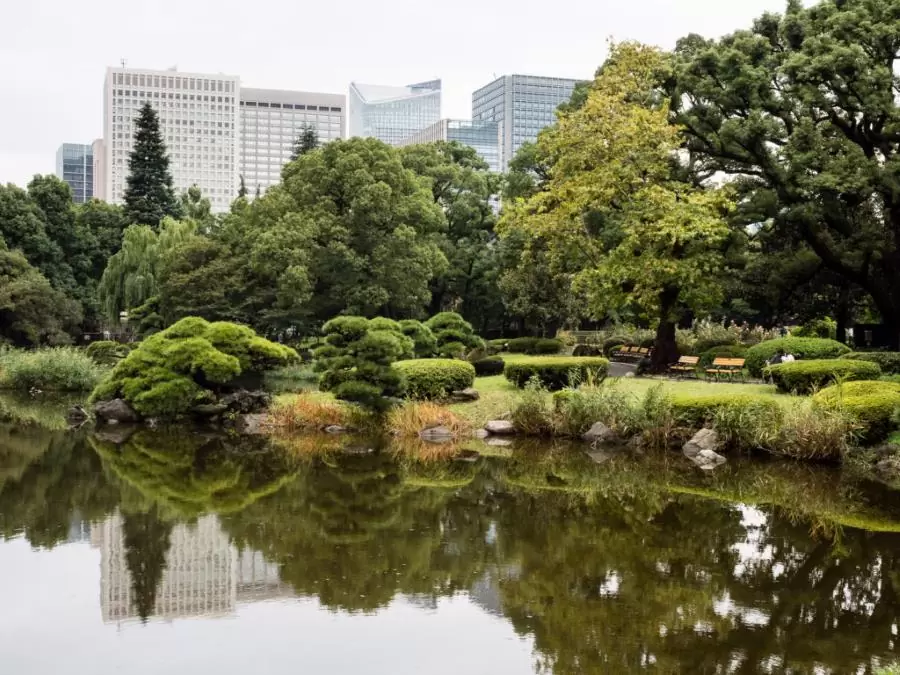
Hibiya Park deserves the fame of a kingdom of tranquility. Life in the crowded city of Tokyo is constantly seething, and sometimes you just want to escape from worldly vanity. Office workers hide here during lunch, workers relax after work, and you can constantly meet tourists and couples who leisurely stroll along the beautiful paths with magnificent fountains. Local shops offer to buy a real bonsai tree, and in winter, when it’s cold, a large ice rink is set up in the central part of the park.
Rikugien Garden
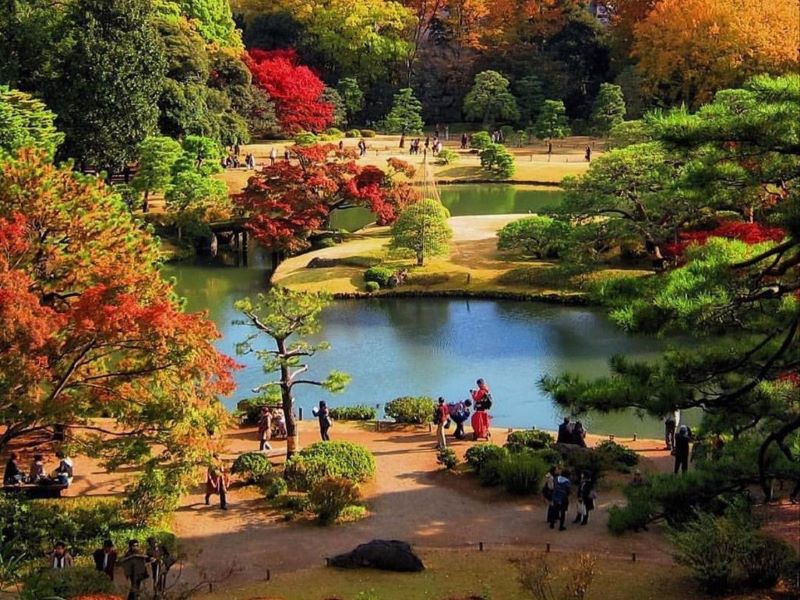
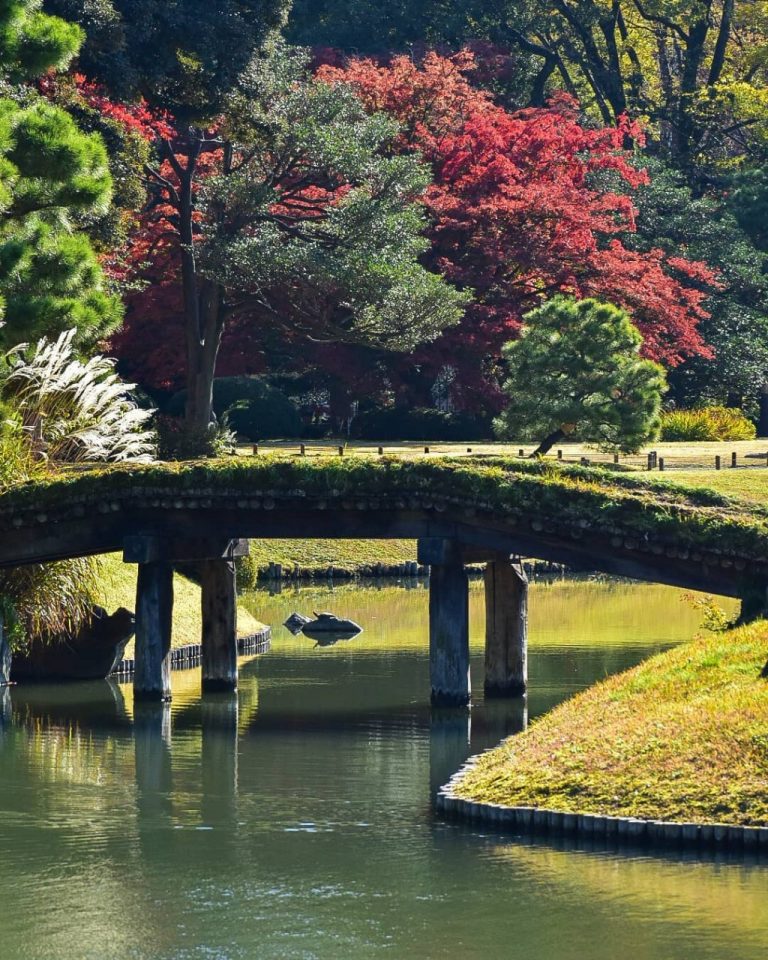
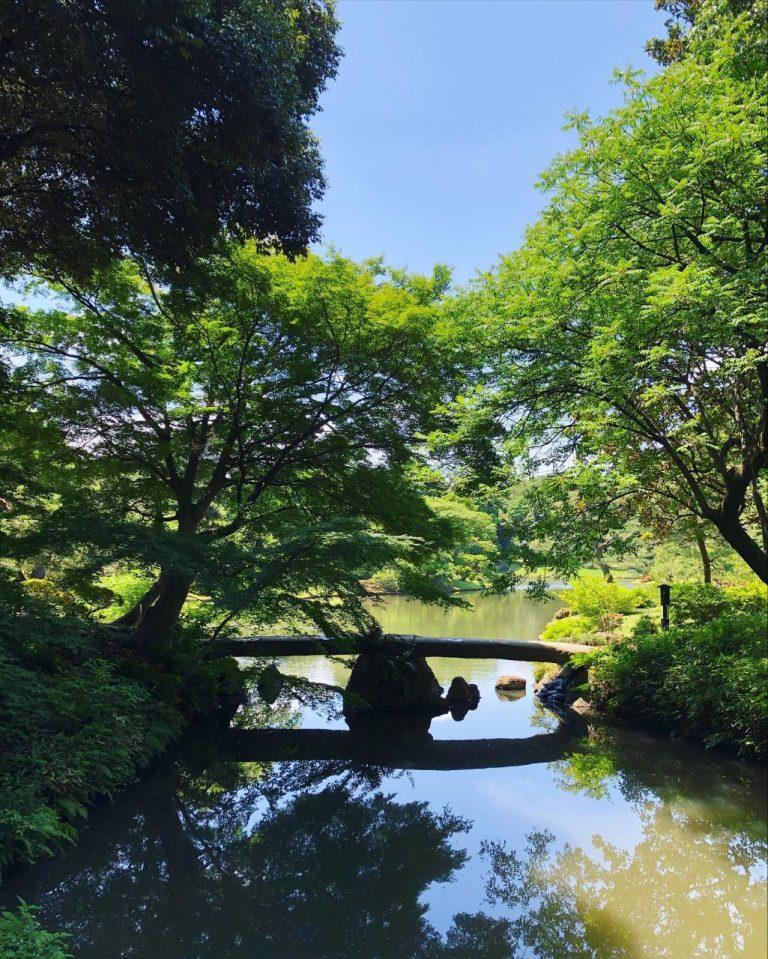
Rikugien Garden is a traditional Japanese garden from the Edo period, located in the Bunkyo district of Tokyo. This beautiful garden is one of the top ten places in Japan to visit in the fall. The name of the garden comes from the combination of two words – “rikugi,” symbolizing six types of medieval waka poetry, and “en” – garden or park.
The history of Rikugien Garden began in 1695, when Shogun Tokugawa Tsunayoshi gifted a picturesque piece of land to his supreme advisor and favorite, Yanagisawa Yoshiyasu, who decided to create a garden here. Yoshiyasu loved waka poetry and therefore designed the garden based on 88 poetic images from the works “Manyoshu” and “Kokinshu.”
Hama-rikyu Garden
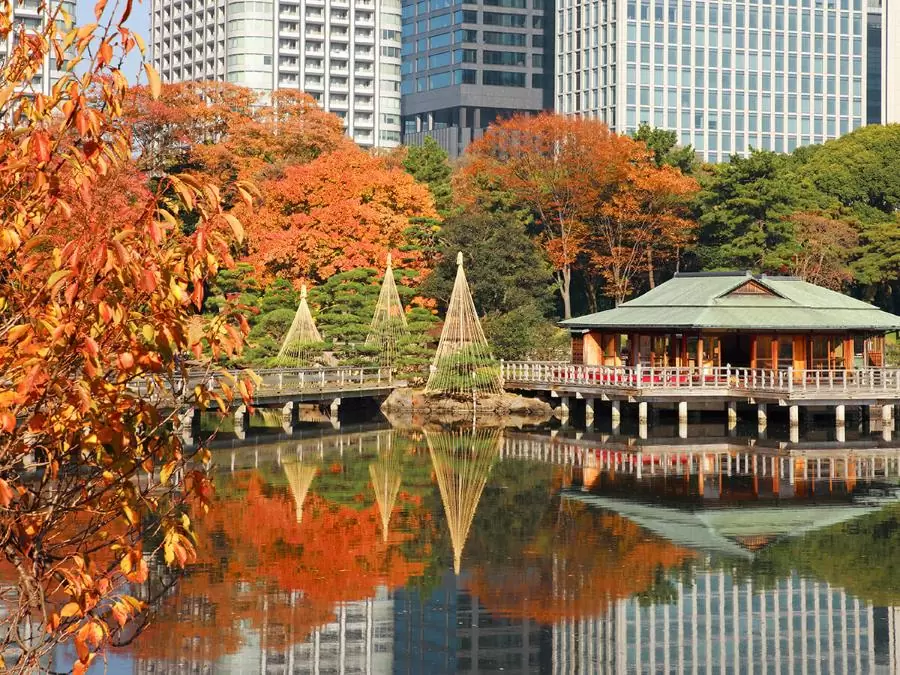
Another secluded corner stretches along the Sumida River, called Hama-rikyu Garden. There are always few people in the garden. Previously, the Matsudaira clan’s house was located here, and now it is an ordinary city garden designed in the Zen style.
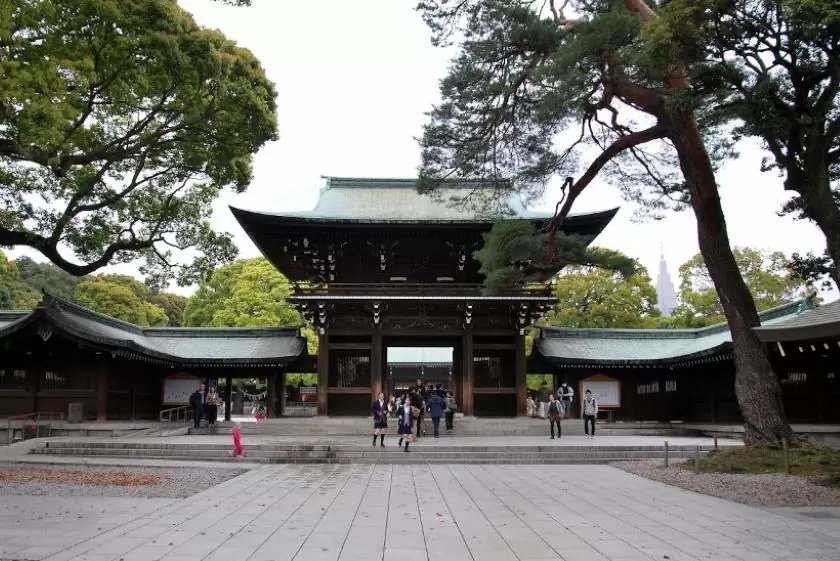
Meiji Shrine
The Japanese are most admired by the temple built in honor of Emperor Meiji. The population is very grateful to this ruler, as he transformed Japan from a medieval country into a developed modern state. An attractive garden of irises and thousands of trees planted in tribute from residents from all over the country grows around the temple. The most vivid and significant events in the lives of the Japanese take place here: newlyweds are married, and parents bring their newborns.
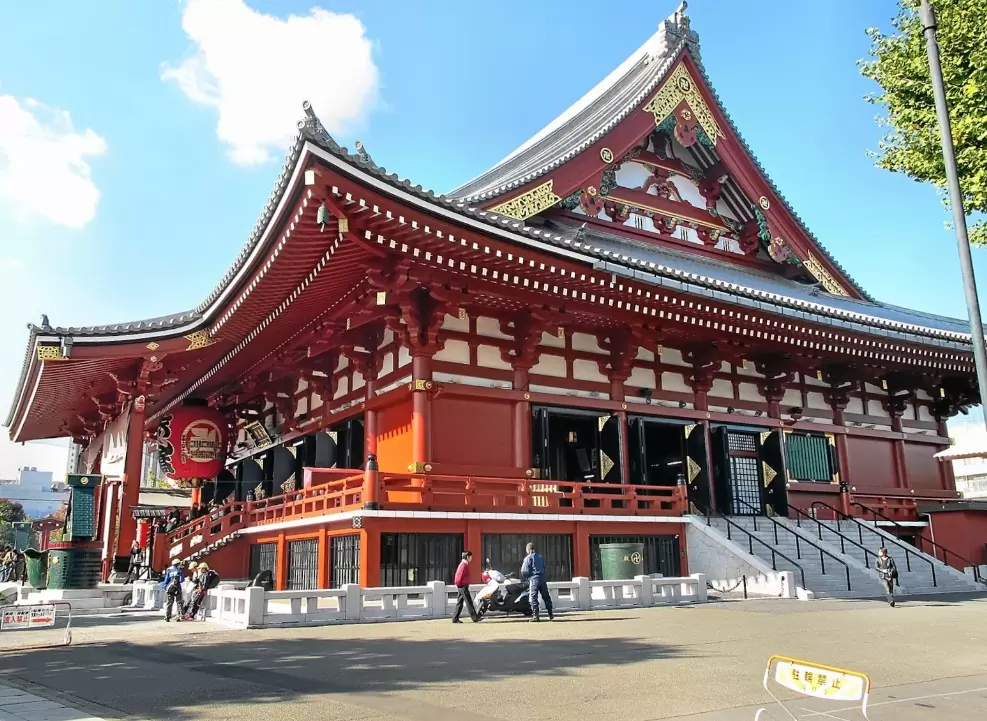
Sensoji Temple
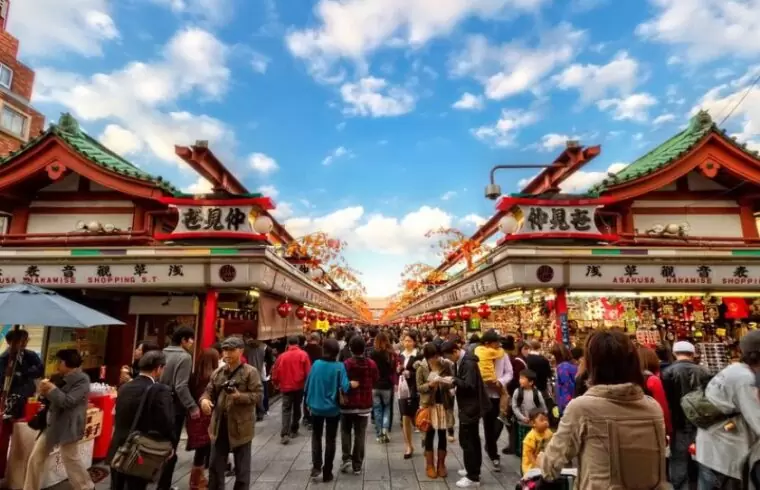
Sensoji Buddhist Temple was built in honor of the goddess Kannon in 645. Since then, there have always been a large number of monks and worshipers here, and the thresholds are literally covered with candles. This smoke helps to cleanse the soul of a person. At the exit of the temple, everyone receives a clean sheet of paper to hang on a local tree.
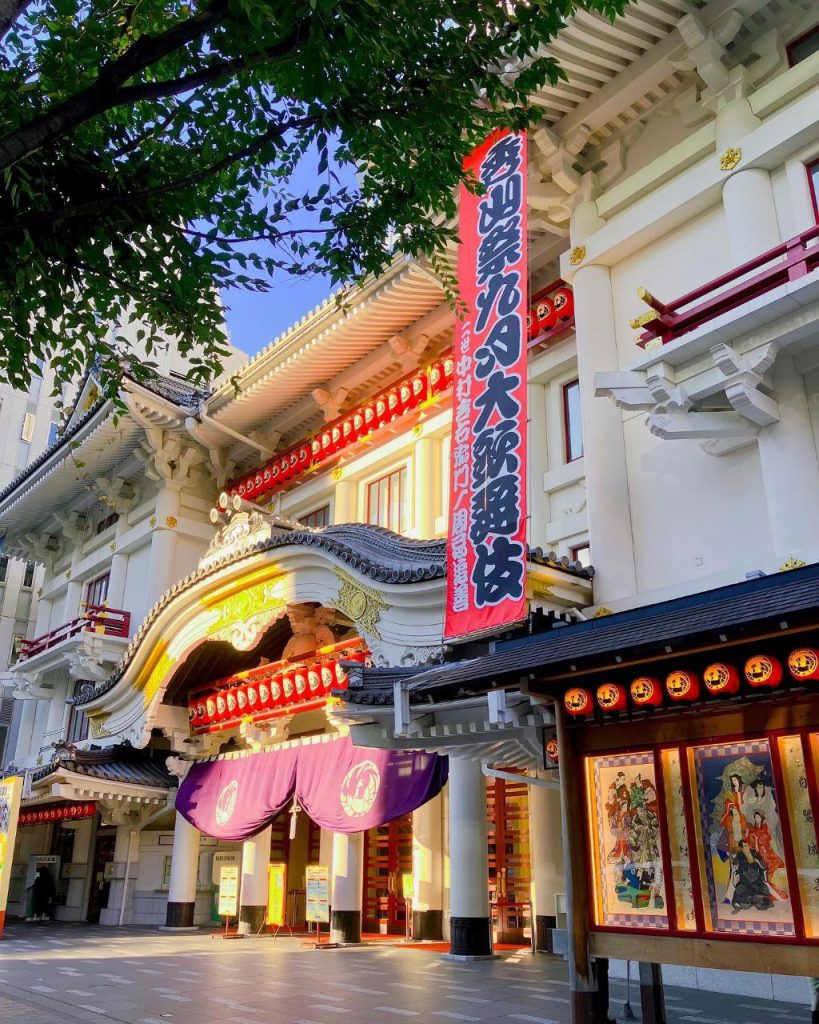
Kabuki Theater
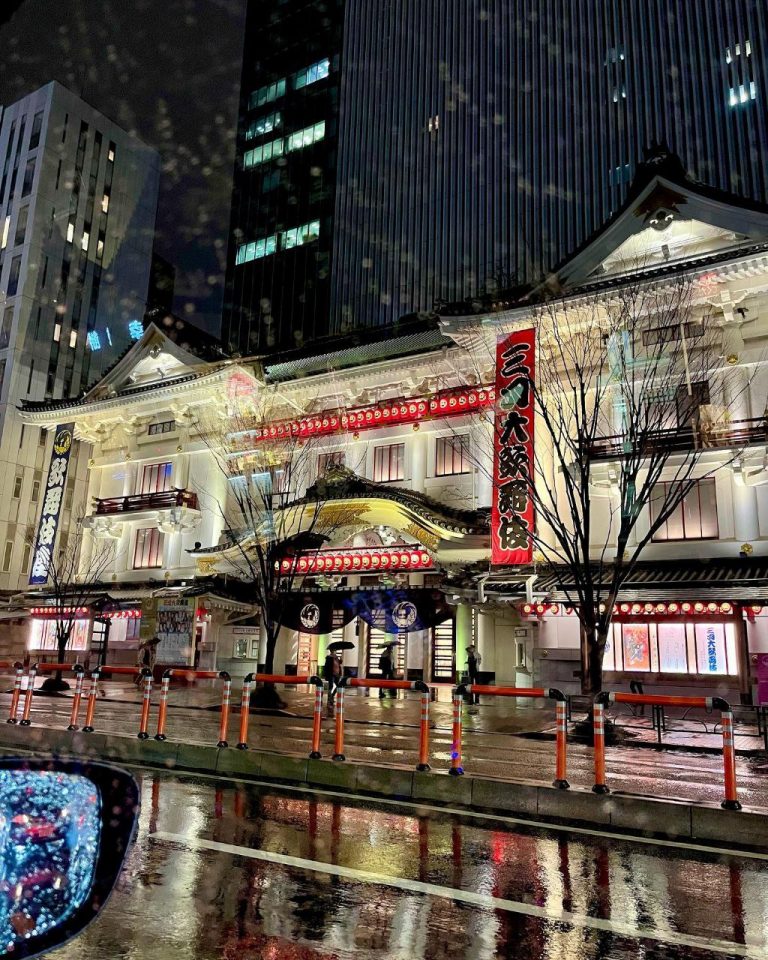
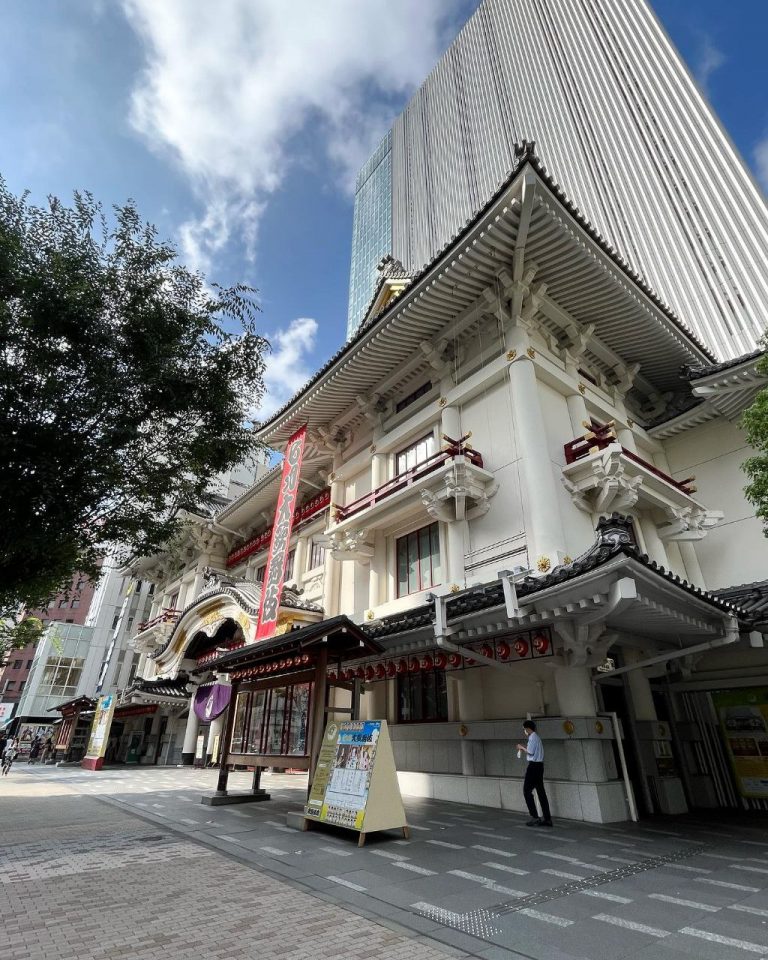
One of the striking exotic elements of Japanese culture is the traditional Kabuki Theater. The performance is a mixture of dance, singing, music, bright scenery and makeup mixed with oriental symbolism. You don’t necessarily need to know Japanese to understand and feel the performance. The most famous theater is located in the suburbs of Tokyo – the Ginza shopping district.
For the Japanese, the Kabuki-za Theater is a source of pride. The building has a distinctive oriental architecture, decorated with posters and advertisements. The building was destroyed by American bombings in 1945, but was restored 6 years later.
Interesting fact — knowing two Japanese words gives you a discount in Tokyo
Knowing one trick, you can eat and drink as much as you want in Tokyo establishments without spending crazy money. You only need to look for two words in the menu: Tabehodai and Nomihodai.
- The first means “all you can eat,” that is, the visitor has the right to eat as much as he wants in the establishment, paying a fixed amount for it (equivalent to 15-40 €). The choice of delicious offers is large: sushi, grilled meat, fried chicken, vegetables, fish, nabe (everything that is served in a deep pot with boiling broth) and other dishes. The offer is valid for one and a half to two hours.
- If a visitor finds the word Tabehodai on the menu, he will be able to drink sake, cocktails and all sorts of other drinks for the rest of his life. At the same time, he will also need to pay a specific amount, which will not increase even with an order of 10 glasses of something strong.
Such tricky establishments called Izakaya are aimed not only at foreigners. They are also very loved by the Japanese themselves, often visiting here for family holidays and quite ordinary occasions such as lunch or dinner.