Hello to all lovers of sparks, crazy parties, and—let’s be honest—glorious chaos! If you’ve ever dreamed of landing in the epicenter of something utterly unbelievable, then, guys and gals, I know exactly where to send you. Today we’re diving into the world of Las Fallas—the very festival in Valencia that, trust me, can turn your life upside down. And not just any old way, but with fireworks, music, and a ton of… well, you get it, everything!
I stumbled upon an old article (well, “old”—for the internet it’s a dinosaur!) about this festival and thought: “Hey, it’s still damn relevant!” Sure, some details may have changed, but the spirit of Fallas—its madness and magic—haven’t gone anywhere. So let’s plunge into this spectacular event, seasoned with my personal impressions, a pinch of modern reality, and, of course, a nice, friendly, chatty tone.
20 days (or more!) of Fallas: what is it, anyway?
Alright, let’s start with the basics for those who are totally out of the loop. What is Fallas? Picture this: mid-March, Valencia. And the city just explodes! Literally—from firecrackers and fireworks—and figuratively—from emotions, colors, and a never-ending flood of people. It’s not just a festival, it’s a whole philosophy, a way to live, breathe, and—dare I say it—go delightfully mad with full permission.
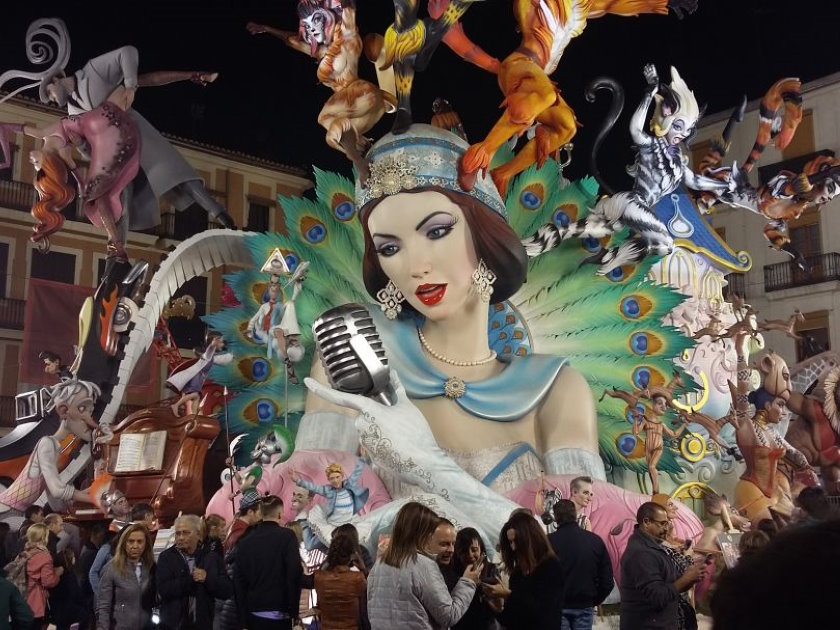
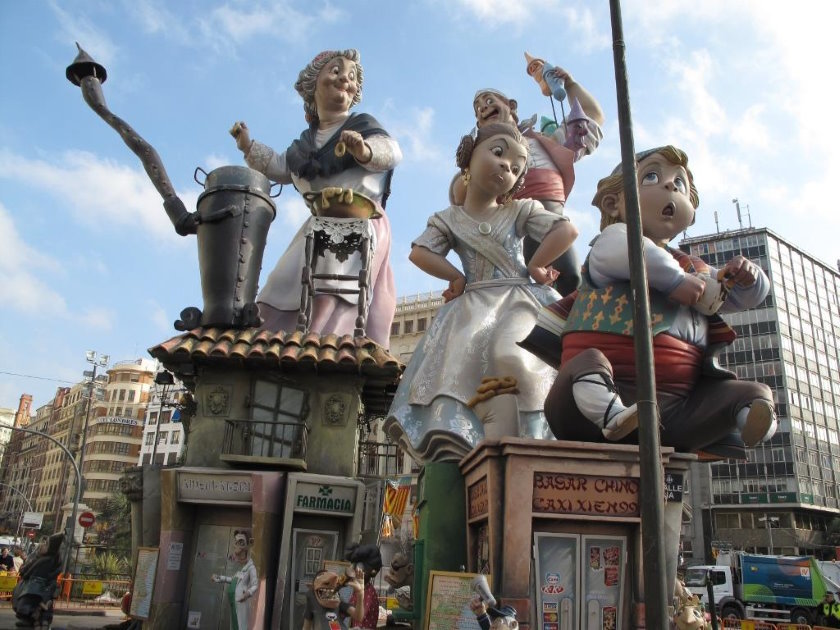
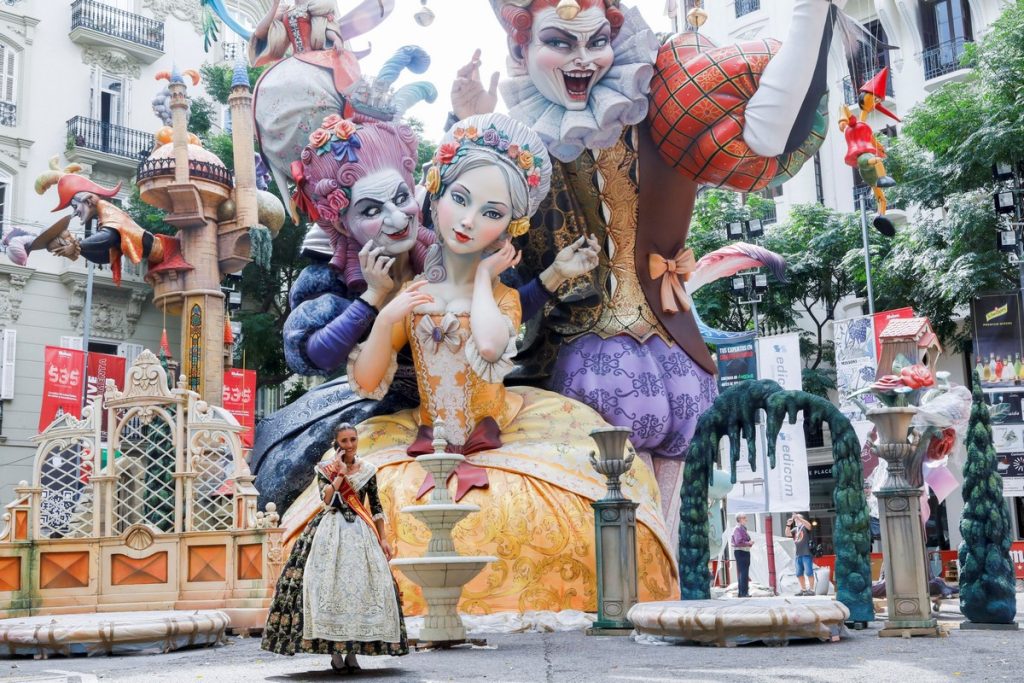
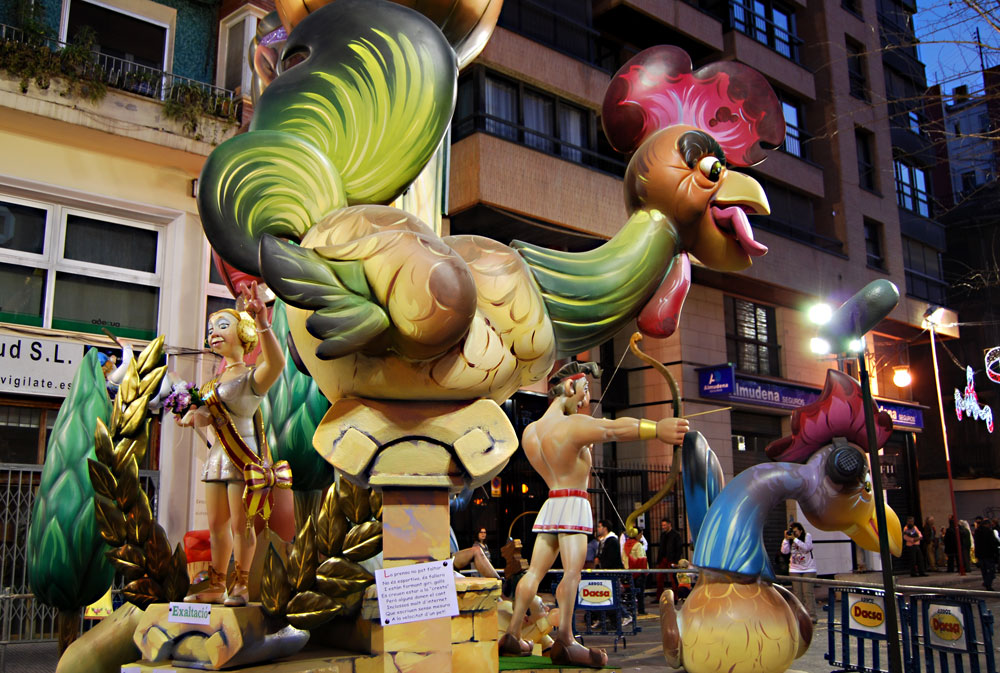
At its core, Fallas is a farewell to winter and a greeting to spring. But not quietly—full blast! Center stage goes to the fallas—huge, multi-meter sculptures made of papier-mâché, wood, and other combustible materials. These aren’t just dolls; they’re works of art that satirize politicians, celebrities, social issues—pretty much anything you can think of. And the most interesting (and slightly shocking for the uninitiated) part is that at the end of the festival, all this splendor… is burned. Yep, down to ashes!
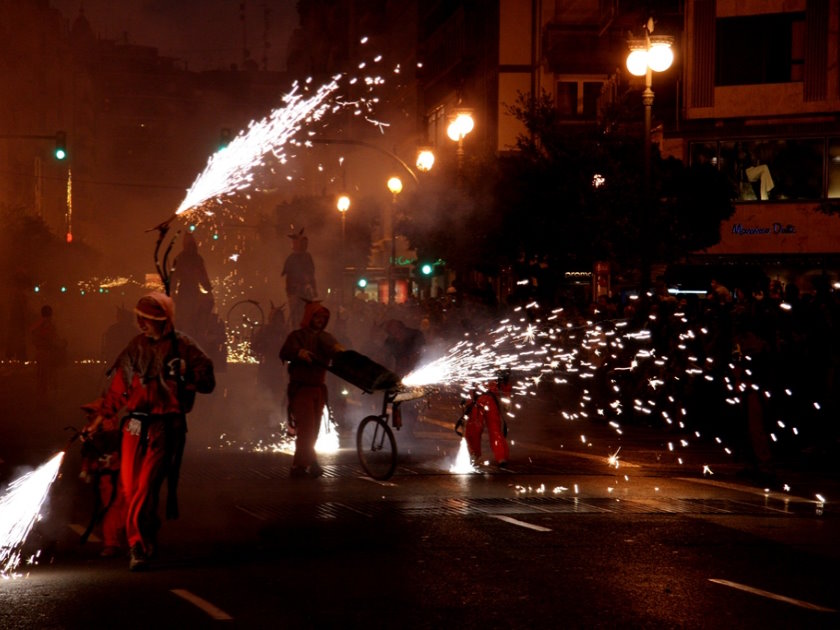
It all kicks off long before the finale, usually around March 1. And those 20 days aren’t just prep—they’re a full prelude to the grand finale. Every day there’s the “Mascletà”—a symphony of firecrackers, thunder, and smoke that makes the ground tremble under your feet and your blood surge in your veins. It’s not just loud; it’s the art of sound, pure adrenaline. And trust me, after your first Mascletà, you either fall in love with that roar forever or… well, Fallas just isn’t for you.
My 20 days in Valencia: a survival guide (and how to get the most out of it)
So, let’s say you, like I once did, decide to dive into this madness. What awaits you?
- Prepare for sleepless nights and endless crowds. Seriously, forget about peace and quiet. Music, firecrackers, the hum of the crowd—this is your new soundtrack. The city doesn’t sleep, and neither will you. Wear comfortable shoes, because you’ll walk—a lot. A whole lot. Traffic jams? Forget cars; your feet are everything.
- The fallas aren’t just dolls—they’re messages. Every year, a jury selects the “Ninot Indultat”—the figure that will be spared from the flames and placed in the Fallas Museum. It’s not just a beauty contest; it rewards the wittiest, most topical, and best-crafted sculpture. Stroll around the city and study them. Try to guess what the creators wanted to say. Sometimes it’s obvious, sometimes it’s not. But it’s always fascinating.
- Food! Oh, the food! Valencia is the birthplace of paella, and during Fallas it’s cooked everywhere. And not just paella. Street food, churros with chocolate, buñuelos—it’s all part of the celebration. Forget diets and just enjoy. If you don’t like fried fish (like me), be warned: the smell is everywhere!
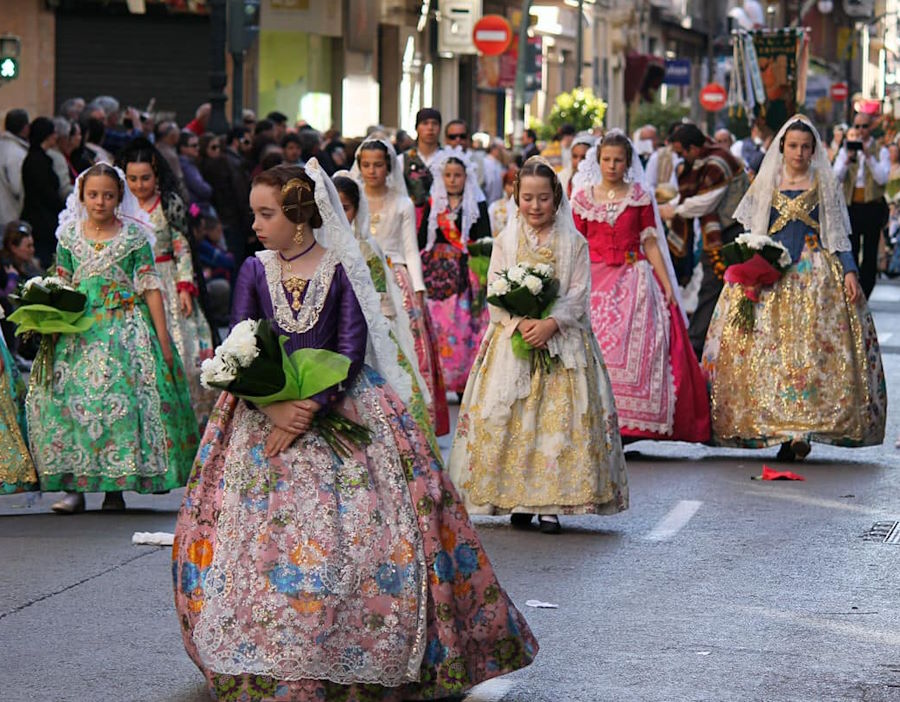
- Flowers, flowers, flowers. If you think Fallas is only fire and noise, you’re mistaken. There are deeply touching moments too. For example, the “Ofrenda de Flores”—the offering of flowers to Our Lady of the Forsaken. Thousands of women and men in traditional dress carry flowers to a giant wooden statue of the Virgin, which gradually gets “dressed” in a floral mantle. It’s incredibly beautiful and very emotional. Here’s a modern parallel: if you want to see people unite for beauty and tradition, Fallas is the perfect example.
- Fire is the climax. The “Cremà” is the very moment when all the fallas are burned. It usually happens on the night of March 19–20. And it is… something else! Huge bonfires, heat, smoke, thousands of people watching the spectacle. It’s bittersweet (so much work goes into them!), but also absolutely gripping. It’s about cleansing, about beginnings. The modern philosophy of “burning bridges and starting over” becomes literal here.
Fallas today: why it matters more than ever
Here we come to the most interesting part—the relevance of Fallas in our time. It may seem like it’s just people partying, burning figures, making noise. But in reality, it’s much deeper.
Freedom of speech and satire
In a world where censorship and political correctness sometimes go to absurd lengths, Fallas remains a stronghold of satire. The fallas mock everything without much restraint (though there are, of course, some limits). It’s a release valve, a way to flip off society, politicians, and global problems. In a tense world, the chance to laugh at ourselves and at the world around us is priceless.
Community and togetherness
Fallas isn’t just an individual celebration. It’s a community festival. Each neighborhood (falla) unites to create its own sculpture, organize events, and raise funds. It’s an incredible example of how people can work together for a common goal. In an era when we sit at home glued to gadgets, Fallas reminds us of the importance of face-to-face connection, cooperation, and shared joy.
Traditions in the modern world
In an age of technology and globalization, when everything is becoming the same, Fallas is a reminder of the importance of preserving cultural traditions. It’s not just an old custom; it’s a living tradition that constantly evolves while keeping its essence. And that’s crucial for self-identity.
Emotional release
After all the stresses, anxieties, and information overload, Fallas is a powerful emotional catharsis. The noise, the fire, the crowd, the laughter, the tears—all help you blow off steam, reboot, and start a new chapter. In a world where mental health is an increasingly pressing issue, such release-festivals are simply necessary.
Ecology and “burning”
Yes, of course, burning huge papier-mâché figures doesn’t exactly fit modern eco-trends. And that’s a hot topic of debate within Valencia itself. But there’s a philosophy here too: it symbolizes cleansing, letting go of the old to make room for the new. Maybe in the future Fallas will find ways to be more “green,” but for now it remains a powerful symbol of cycles and renewal.
In conclusion: my verdict on Fallas
If you’ve read this far, I hope you’ve caught a bit of my love for this madness. Fallas isn’t just a festival—it’s an experience. It’s something you have to live through to understand. It’s not always comfortable, not always clear, but always unforgettable.
So if you ever find yourself in Valencia in March, don’t pass it by. Dive into this whirlpool of colors, sounds, and emotions. Allow yourself a bit of madness. Because in today’s world, where everything is so predictable and orderly, Fallas is a breath of fresh air. It’s a reminder that life isn’t just work and routine, but also laughter, joy, fire, and a little good, managed chaos.
And yes, whatever anyone says, we all really need a festival like this. So that sometimes, at least once a year, we can just let ourselves… Fallas!