Listen, have you ever caught yourself thinking that you’ve already seen so much—mountains, seas, even some Grand Canyon (well, at least in pictures)—and yet your soul still craves something THAT special? Something that makes you involuntarily go WOW and drop your jaw in disbelief? If so, I have news for you: nature in Mexico once decided to show off in a big way and created the Copper Canyon. And believe me, it succeeded completely!
Forget everything you thought you knew about “big” canyons. What awaits you in northern Mexico is not just a hole in the ground. It’s an entire complex of seven gigantic canyons that together form a system easily rivaling its famous American cousin in size. Understand? Rivaling! And yet Copper Canyon remains, for many, a kind of “secret ingredient” in the travel book.
When scale simply knocks you off your feet
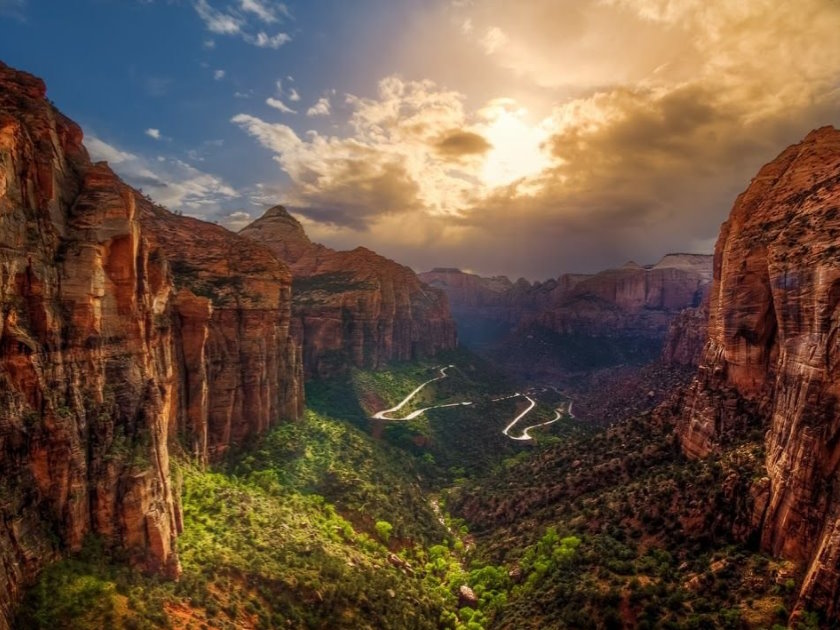
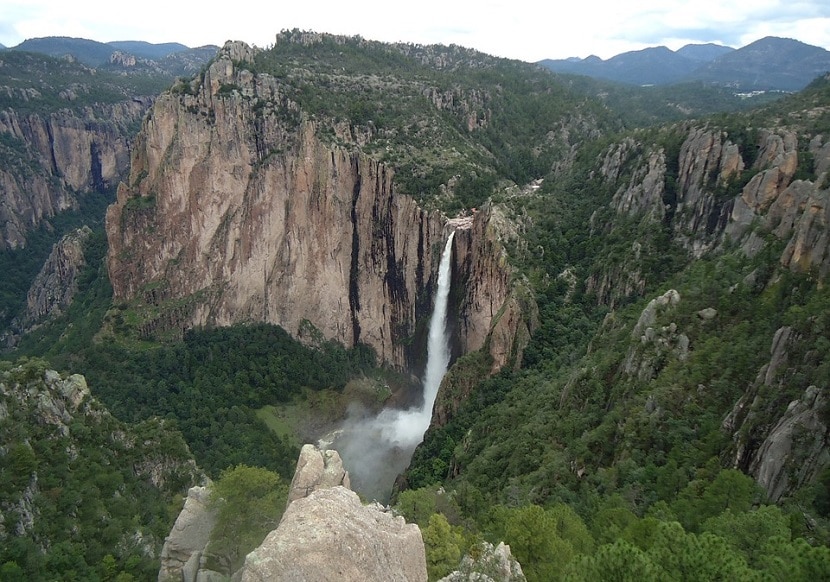
Imagine: you stand at the edge, and an abyss opens before you. No, not like that. Before you unfolds a system of incredible proportions—chasms, gorges, plateaus and peaks painted in every shade of ochre, terracotta, and that very “copper” tone that gave this wonder its name. Some gorges reach nearly two kilometers deep—that’s like stacking three skyscrapers on top of each other and adding a bit more on top! Dizzying? Absolutely!
The canyon is not a monolith. It consists of seven “brothers,” each with its own character and name: Urique, Candameña, Sinforosa, Batopilas, Chinipas, Ocampo, and La Sinforosa. And yes, if you thought these were simply seven identical holes, you were wrong. Each is unique in its own way, but together they create something grand, as if the Earth itself decided to show what it can do when it’s in a good mood.
This whole system formed over millions of years. Water, wind, and tectonic plates all worked tirelessly to carve, wash away, and blow out these gigantic stone steps, chasms, and walls. Looking at it, you begin to truly understand the word “eternity.”
Rarámuri: the people who whisper to the wind
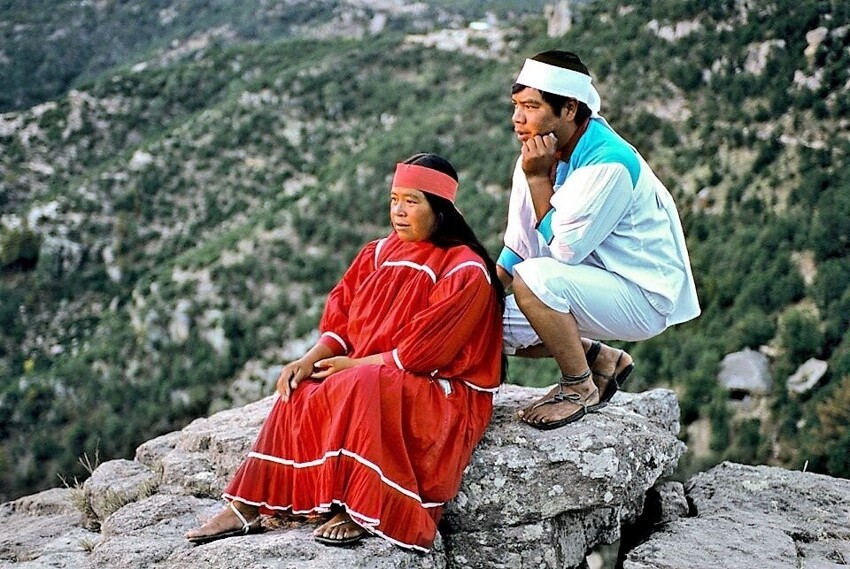
But Copper Canyon is not just about geology and breathtaking views. It’s also home. Home to the remarkable people called the Rarámuri, known to the world as the Tarahumara. And here’s where it gets really interesting!
These people are not merely “native inhabitants.” They are the true stewards of these lands, living here, literally on the edge of the world, preserving their traditions and way of life for centuries. They live in small settlements, sometimes in caves or simple houses scattered across the canyon.
Have you ever heard of the “running people”? That’s them. The Rarámuri are known for incredible endurance and the ability to cover vast distances across rugged terrain without tiring. For them it’s not a sport but a way of life, a form of communication, hunting, and simply moving between settlements. They can run hundreds of kilometers with hardly any stops, remaining light as a feather and calm as the canyon’s majesty.
When you meet Rarámuri people, you sense the wisdom of many generations in their eyes. They live in harmony with nature, valuing every plant and every animal. Their traditional crafts—vibrant textiles, baskets, wooden figurines—are not just souvenirs but pieces of their soul, their connection to this land. Communicating with them, even with gestures, you feel time slow down and begin to hear the whisper of the wind and the canyon’s heartbeat.
El Chepe: the train that slices through the mountains
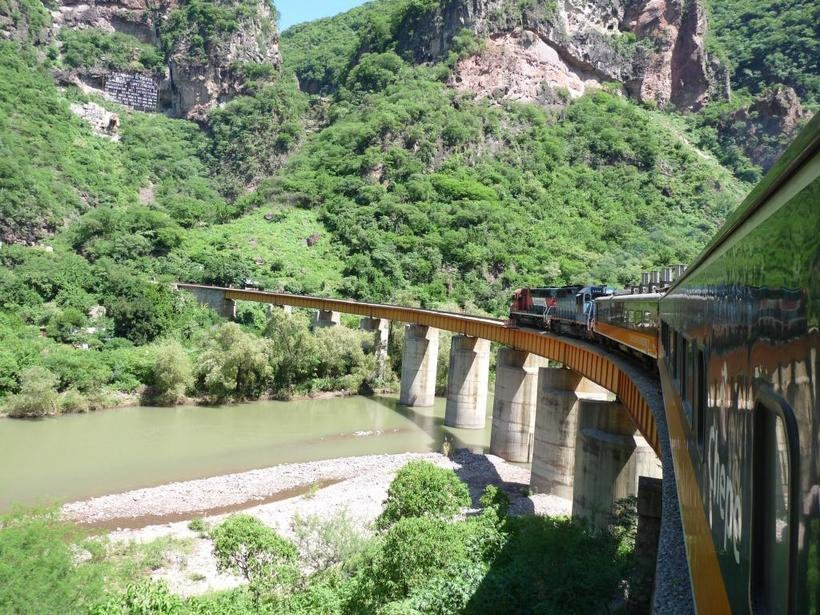
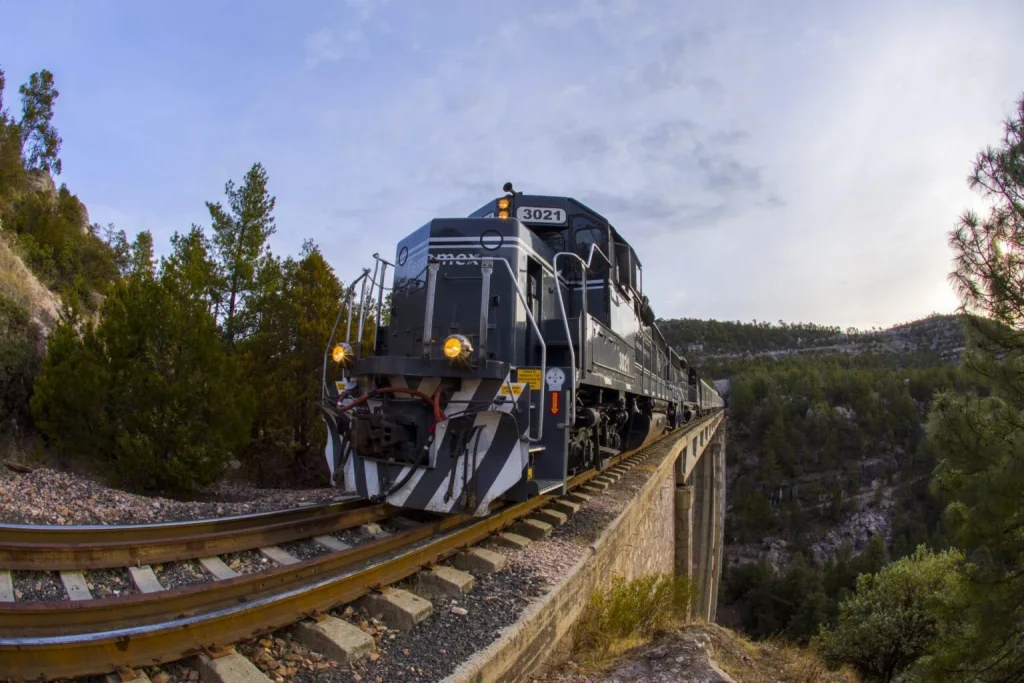
How do you reach this fairy tale? Of course, you can drive (if you’re an adrenaline fan and love switchbacks), but the vast majority of travelers choose the legendary train “El Chepe”. And this is not just transportation but an adventure that is an attraction in itself!
Imagine: you sit by the window and, like in a movie, the scenery changes outside. First there may be green fields, then harsher semi-desert landscapes, and soon the train begins to bite into the mountains. Tunnels alternate with bridges spanning dizzying chasms with hundreds of meters of air beneath you. The screech of wheels, a heartbeat’s thump, shouts of “Wow!” from all around—that’s a normal occurrence on El Chepe.
The route passes through more than 80 tunnels and 30 bridges, offering views that literally blow your mind. You’ll pass villages tucked into slopes, see Rarámuri herding their livestock, and simply enjoy nature’s grandeur. The journey on El Chepe is not just getting from A to B; it’s meditation on wheels, immersion into rural Mexico, and a prelude to the grand spectacle that awaits you.
What to do besides gasp in awe?
Okay, you arrived and gaped. What next? Believe me, there’s plenty to do!
- Viewpoints (Miradores): This is sacred. There are several equipped platforms offering the most photogenic views. The most famous are Mirador de Urique and Piedra Volada. Standing there on the edge, you feel like a grain of sand in this vast world. Each time your breath is taken away like the first time!
- Barrancas del Cobre Adventure Park (Parque de Aventuras Barrancas del Cobre): If you love thrills, this is your paradise. Here you’ll find one of the world’s longest cable car rides (a funicular) that carries you across the gorge, letting you see the canyon from a totally new perspective. Also there are ziplines, a Tarzan swing, and a via ferrata! Feeling like a bird flying over the abyss is priceless. The wind whistles in your ears, adrenaline spikes, and the views… well, you get the idea!
- Hiking and Trekking: For those who love to immerse themselves fully in nature. You can hire a local guide (often Rarámuri) who will show hidden trails, tell you about local plants and animals, and lead you to waterfalls or ancient caves. It’s a chance not just to see but to feel the canyon, hear its sounds, smell its air. Just don’t forget sturdy shoes and water!
- Visiting Rarámuri Villages: Some tourist routes include visits to Rarámuri villages. This is an opportunity to learn about their daily life, buy handmade goods, and maybe even take part in a traditional celebration (if you’re lucky). The main thing is to remember mutual respect and that you are a guest.
Green oases and feathered neighbors
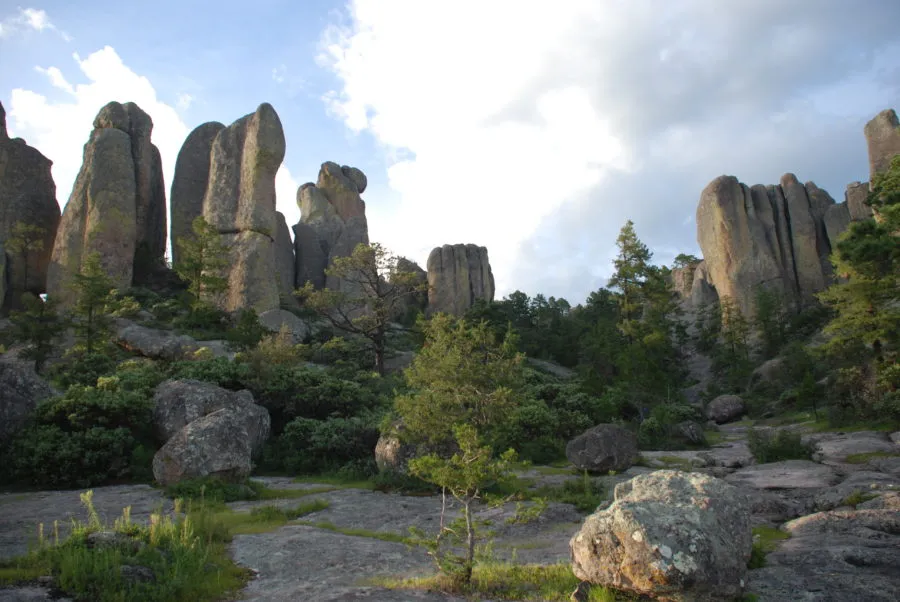
Despite its rocky ruggedness, Copper Canyon is far from a desert. Depending on elevation and climate zone, you’ll find an amazing diversity of flora and fauna. From hardy cacti and yucca in the lower parts to lush pine-oak forests on the plateaus.
You may encounter deer, puma, bears, wild boar, and of course many birds. Colorful parrots, eagles, owls—their songs and cries add lively notes to this stone symphony. In the lower, warmer parts of the canyon, palms and citrus trees even grow! Imagine that contrast: red rocks and lush greenery. Nature never stops surprising, does it?
When to go so you don’t regret it?
In short: the best time to visit Copper Canyon is spring (March–May) or autumn (September–November). At those times the weather is most comfortable—not too hot and not too cold. The air is clear, and the greenery after rains (in autumn) or before summer (in spring) looks especially vivid.
Summer (June–August) is the rainy season, which on the one hand makes the landscapes lusher and waterfalls fuller. On the other hand, there can be downpours and washed-out roads, making trekking and some activities difficult. Winter (December–February) can be quite cool, especially at higher elevations, sometimes with light snow. But it’s also when the canyon takes on a special, austere beauty and there are fewer tourists. Choose what suits you best!
In conclusion: just go!
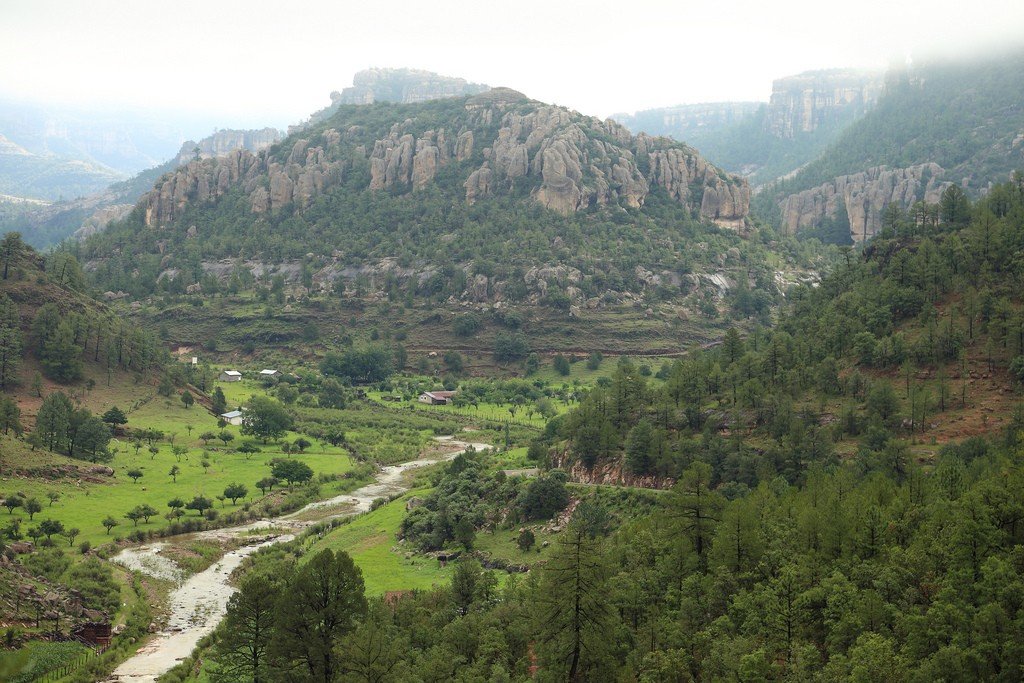
Copper Canyon is not just “another natural attraction.” It’s a place that breathes history, keeps millennia-old secrets, and makes you feel truly alive. It’s when nature’s scale is so overwhelming that you start to cherish every breath and every second.
If you’re looking for an adventure that will be etched into your memory forever, if you want to see the world from a completely new perspective and understand what true “untouched beauty” is, Copper Canyon should be on your list. This is a place where nature didn’t just show off—it put on a real show. And it’s a show everyone should see. Trust me, you won’t regret it! And you might just almost drop your jaw too—but it will be worth it!