Hello, dear future adventurers! Are you ready to immerse yourselves in a world that seems to operate by entirely different rules? If you’ve ever dreamed of finding yourself on the other side of the globe, where wild nature whispers ancient secrets and cities pulse with modern energy, then you’re looking in the right direction. Today, we’re going to embark on a virtual journey through Australia—a country that is simultaneously an island, a continent, and, in many ways, a separate planet.
Forget about boring guidebooks—this will be your personal, friendly chat about what awaits you if you decide to take this incredible leap. So, make yourself a cup of something tasty, get comfortable, because we’re in for a long and fascinating story. We’ll dissect Australia piece by piece so that when you set foot on its red earth, you’ll feel not like a tourist, but just a little bit like a local.
Introduction and a Brief History of the Country: Greetings from the Past and Present!
Imagine a place that has existed for billions of years, evolving in complete isolation. That’s exactly what Australia was. Before the arrival of Europeans, this land belonged to the Aboriginal and Torres Strait Islander peoples, whose culture is at least 65,000 years old. Just think about it: this is the oldest continuous culture on Earth! They lived in harmony with nature, following complex laws of the Land and their Ancestors, passing on knowledge through songs, dances, and stories.
Their connection to the land isn’t just a beautiful phrase, it’s a deep, almost mystical unity. And when you travel across Australia, especially its red center, you’ll feel this echo of antiquity.
Then, at the end of the 18th century, in 1770, the ships of British Captain James Cook appeared on the horizon. He “discovered” this eastern shore for Europeans, named it New South Wales, and claimed it for the British Crown. That set everything in motion. At first, Australia became a sort of “giant prison”—convicts from Britain were sent here, as the American colonies had already gained independence by then. The first fleet arrived in Sydney Cove in 1788.
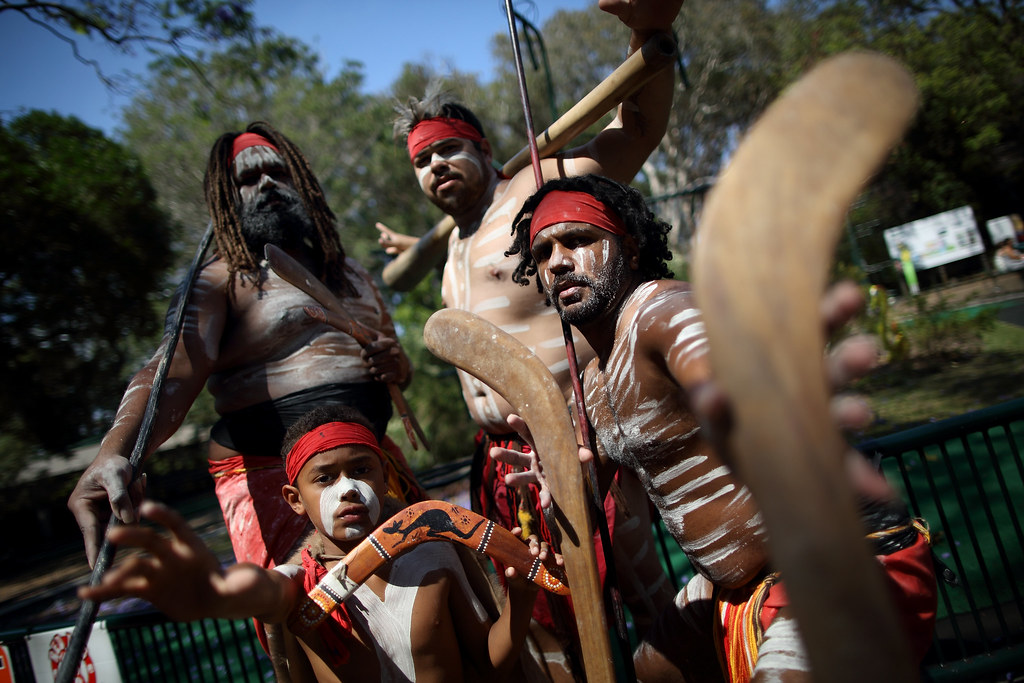
Of course, these were tough times for the Indigenous peoples—their way of life was destroyed, their land taken, and they suffered under colonial oppression. Today, Australia is actively working towards reconciliation and recognition of these historical injustices, and you’ll see many signs of respect for Aboriginal culture—from place names to artworks.
Over time, the colonies developed, and people began coming here not just by force, but in search of a new life—especially during the Gold Rush in the mid-19th century. In 1901, six separate colonies united in the Commonwealth of Australia, becoming an independent nation within the British Empire (and to this day, the King or Queen of the United Kingdom remains the head of state, though it is now mainly a ceremonial role).
Today, Australia is a young, dynamic country with a rich European heritage, deep roots in Indigenous culture, and incredible multiculturalism that has absorbed the best of every corner of the planet.
Geographical Location, Landscape, and Climate: A Continent of Contrasts
Australia is a country-continent. Yes, you heard right. It covers the entire mainland of Oceania (apart from some small islands). It’s the fourth largest continent in the world and at the same time, the largest island. It’s surrounded by the Indian and Pacific Oceans, which of course define its unique flora and fauna, as well as its climate.
Landscape
Picture a palette of the boldest colors.
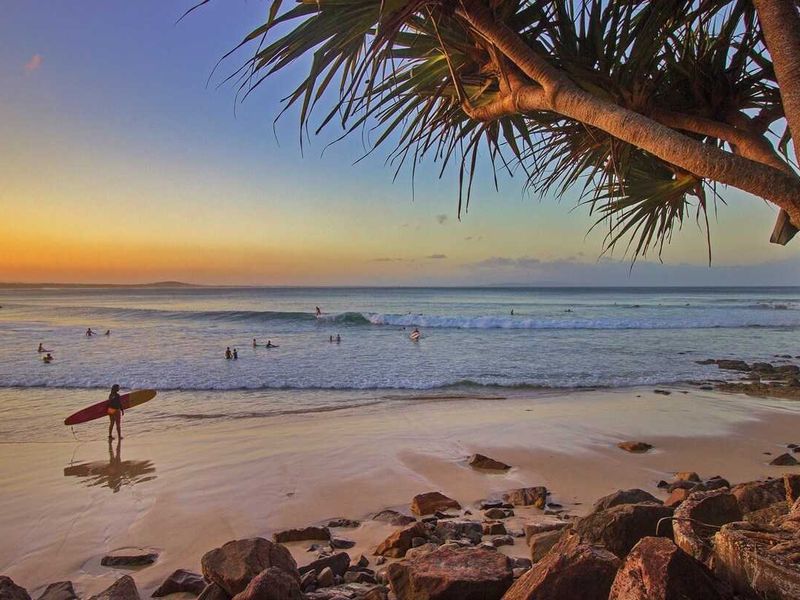
- Coastline: This is the first thing that greets you. Thousands of kilometers of stunning shores—from the golden sandy beaches of Sydney and the Gold Coast to the wild, rocky coasts of Western Australia. Here you’ll find everything for ocean lovers: paradise surfing spots and tranquil bays for swimming and snorkeling.
- The Great Dividing Range: It stretches along the entire eastern coast. These mountains aren’t very high (the highest point is Mount Kosciuszko at 2,228 m), but they play a key role in the climate by trapping moisture from the ocean. Here you’ll find eucalyptus forests, waterfalls, and cozy towns.
- The Outback: This is the heart and soul of Australia—vast, red, ancient and sparsely populated. Here you’ll see endless deserts, canyons, lonely farms (called “stations”—some the size of a small European country!). This is where time slows down and the horizon seems infinite. Uluru, the iconic rock, is here too.
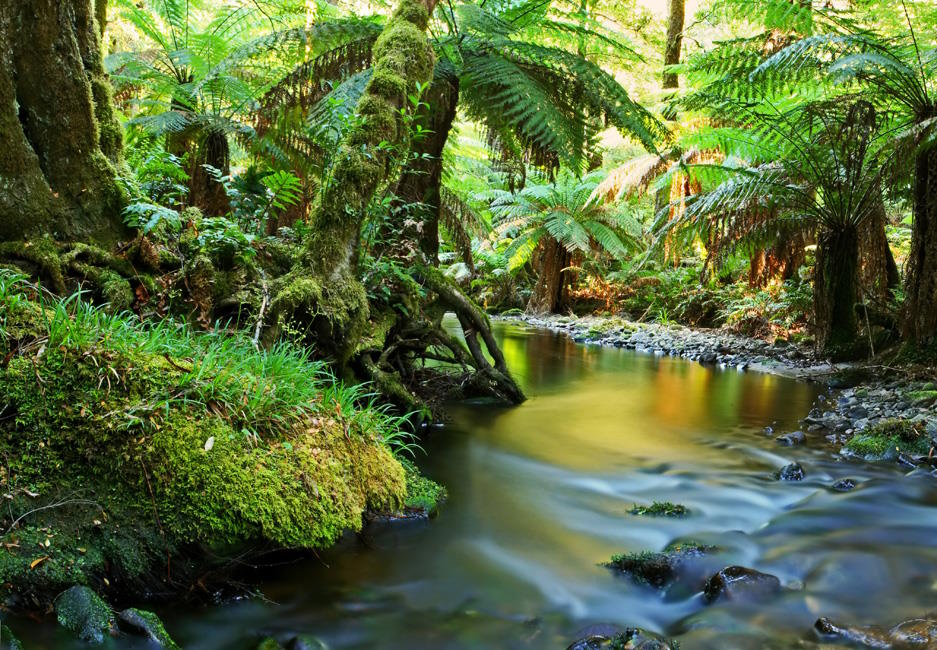
- Tropical Rainforests: In the north, especially Queensland, you’ll find ancient rainforests, like the Daintree—one of the oldest on the planet. Lush greenery, exotic birds, and a unique humid atmosphere await you.
- Tasmania: A separate island-state in the south, which is a stark contrast to mainland Australia. Here you’ll find a cooler climate, dramatic mountain scenery, ancient forests, and unique animals such as the Tasmanian devil.
Climate
And here’s where most of the nuances lie! Because Australia is so vast, the climate is highly varied. And most importantly, the seasons are “reversed” compared to the Northern Hemisphere:
- Summer: December to February. This is the hottest time. In the south (Sydney, Melbourne, Adelaide)—warm and sunny, perfect for beach vacations. In the central regions—the heat is unbearable (temperatures can exceed 45°C/113°F). In the tropical north (Darwin, Cairns)—it’s the “wet season”: very hot and humid, with heavy rains and storms, but nature comes alive and waterfalls are full.
- Autumn: March to May. Perhaps one of the best times to visit most regions. Comfortable temperatures, especially in the south. In the north, the rains gradually subside.
- Winter: June to August. In the south—cool, sometimes rainy, but snow falls only in the mountains (there are ski resorts in the Alps of New South Wales and Victoria!). In the north—it’s the “dry season,” with perfect weather: sunny, warm, but not oppressively hot, and low humidity. This is the best time to visit the tropics and the Outback.
- Spring: September to November. Another great time to travel. Temperatures rise and the wildflowers bloom.
Climate Features You Need to Be Aware Of
- Sun: The ultraviolet index in Australia is one of the highest in the world. The sun here is FIERCE. Even on cloudy days or in winter you can get sunburned. Always use sunscreen (SPF 30+), wear a wide-brimmed hat, sunglasses, and long-sleeved clothing. Seek shade! Australians have a motto: “Slip, Slop, Slap” (slip on a shirt, slop on some sunscreen, slap on a hat).
- Heat: In the Outback and desert areas, the summer heat is DANGEROUS. Always carry plenty of water, avoid walking in the middle of the day, and watch out for signs of heatstroke.
- Bushfires: Especially in summer and autumn in the south. Watch for news and warnings if you’re planning to travel to rural areas.
- Cyclones and Floods: In the north, during the wet season, cyclones and associated flooding can occur.
- Marine Creatures: In tropical waters from November to May there are dangerous sea creatures (such as box jellyfish). You should only swim in areas specifically marked and protected by stinger nets.
Political and Administrative Structure, Capital, Religion, and Important Nuances: The Queen, Kangaroos, and “No Worries”
Australia is a parliamentary democracy and a constitutional monarchy. The formal head of state is the British monarch (currently King Charles III), represented by the Governor-General. But don’t worry — this is mostly a symbolic role. Real political power lies with the Prime Minister and Parliament.
The country consists of six states (New South Wales, Victoria, Queensland, Western Australia, South Australia, Tasmania) and two major inland territories (Northern Territory and Australian Capital Territory). Each state and territory has its own parliament and government, responsible for local matters, while the federal government handles nationwide affairs.
Capital
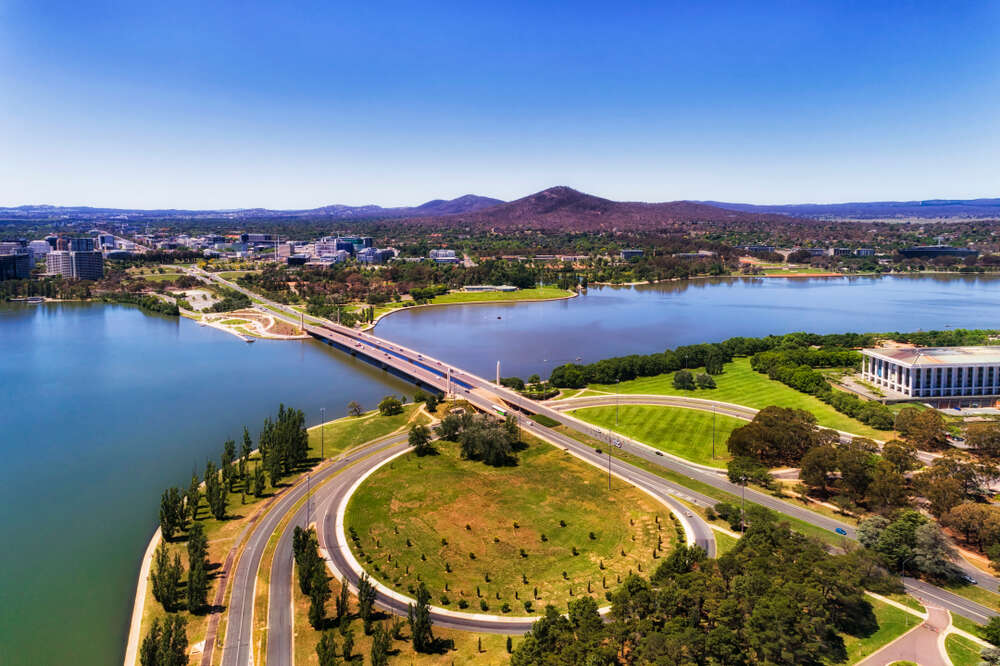
Here’s a surprise for many! The capital of Australia is not Sydney or Melbourne — it’s Canberra. Why? In the early 20th century, Sydney and Melbourne were constantly competing for prominence. To end these “city wars,” it was decided to build an entirely new capital “from scratch” between the two. Canberra is a planned city, full of greenery, with plenty of museums, galleries, and government buildings. Unlike bustling metropolises, it has a calm vibe, but it’s well worth visiting to see the heart of Australian democracy.
Religion
Australia is officially a secular country with a complete separation of church and state. While most of its population has historically been Christian (about 40% according to recent data), Australia is very multicultural, and virtually all world religions are represented. You’ll find mosques, Buddhist temples, synagogues, and churches of many denominations. However, most Australians are not deeply religious, and you won’t encounter religious pressure in everyday life.
Key Aspects of Mentality and Culture
- “No worries!”: This is perhaps the main Australian mantra. It reflects their relaxed attitude toward life, lack of unnecessary fuss, and willingness to help. If you make a mistake or apologize, you’ll most likely hear the iconic “No worries!” in response.
- Egalitarianism (Equality): Australians value equality highly. It doesn’t matter who you are or what you do — everyone deals with each other on equal terms. There’s no cult of hierarchy here; even high-ranking officials are approached in a casual manner.
- Straightforwardness and Honesty: Australians tend to say what they mean without beating around the bush. Some foreigners may find this a little blunt, but it’s just the way they communicate. They value honesty and openness.
- Love of Nature and Sports: Australians are an outdoors nation. They love beaches, barbecues in the park, camping, hiking, and of course, sports. Cricket, Australian football (AFL), and rugby are not just games—they’re part of national identity.
- Multiculturalism: This is one of Australia’s brightest features. The country actively welcomes immigrants from around the world, which is reflected in everything from cuisine to linguistic diversity. No-one is surprised if you speak with an accent or follow a different religion.
- “Tall Poppy Syndrome”: This is an interesting concept where those who stand out too much, brag, or think they’re better than others are “cut down to size.” It’s all about equality — don’t show off, just be one of the crowd.
Population and Language: From Aboriginal Peoples to the World
Australia is a huge country, but its population isn’t big. As of today, about 26 million people live here — roughly the population of Moscow and its region. Most people are concentrated along the southeastern and eastern coasts, in major cities.
Indigenous Populations
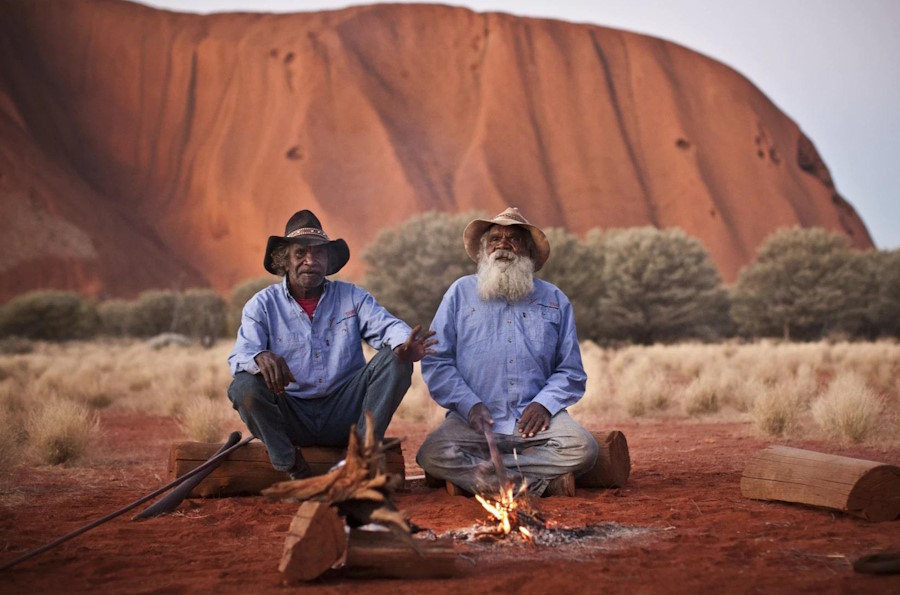
As mentioned, Australia’s Indigenous peoples are Aboriginal Australians and Torres Strait Islanders. They aren’t a single group, but comprise many different tribes and language groups (there were several hundred before colonization), each with unique traditions and territories. Today, they make up about 3% of the country’s population. It’s important to treat their culture with respect and curiosity. You can learn more in museums, cultural centers, or by taking tours run by Indigenous Australians themselves.
Official and Common Languages
The official and dominant language is English. However, it’s “Australian English,” with a very recognizable accent that may sound a bit unusual at first, plus plenty of slang. Australians love shortening words (for example, “arvo” instead of “afternoon,” “barbie” for “barbecue,” and “brekkie” for “breakfast”) and using quirky expressions. Don’t hesitate to ask questions if you don’t understand something—locals are happy to explain!
Thanks to strong waves of immigration, hundreds of other languages are spoken in Australia. Among the most widespread (besides English) are:
- Mandarin
- Arabic
- Cantonese
- Vietnamese
- Italian
- Greek
- Hindi
- Tagalog (Filipino)
If you speak any of these languages, you’ll have an easier time finding fellow speakers, especially in larger cities.

National Mentality: Key Things for Tourists to Know (Revisited and Supplemented)
- Laid-back Attitude: Don’t rush; enjoy the moment. Australians are not fans of stress or hurry.
- Sense of Humour: Aussies love to joke around—often with sarcasm and self-irony. Don’t take everything to heart.
- “Mateship”: This is a very important concept—loyalty, mutual support, and helping friends. You’ll often hear people call each other “mate,” even if they don’t know each other well.
- Respect for Rules: While they are relaxed, rules are taken seriously here—whether it’s road rules, garbage disposal, or behaviour in public places. There are hefty fines for breaking the rules.
- Focus on Health and Fitness: Many Australians are very active—they play sports, run, swim. It’s a fundamental part of their lifestyle.
- Safety: Australia is a very safe country. Crime rates are low. But as everywhere, common sense is always wise.
Transport Infrastructure: Conquering Continental Distances
Australia is vast—this is something you need to understand. Traveling between cities and regions is a story in itself.
Air Travel
This is your main mode of transportation over long distances. If you want to get from Sydney to Perth (almost 4,000 km!) or from Melbourne to Cairns, flying is the only reasonable option.
- Major Airports: International airports are located in Sydney (SYD), Melbourne (MEL), Brisbane (BNE), Perth (PER), Adelaide (ADL), Darwin (DRW), and Cairns (CNS).
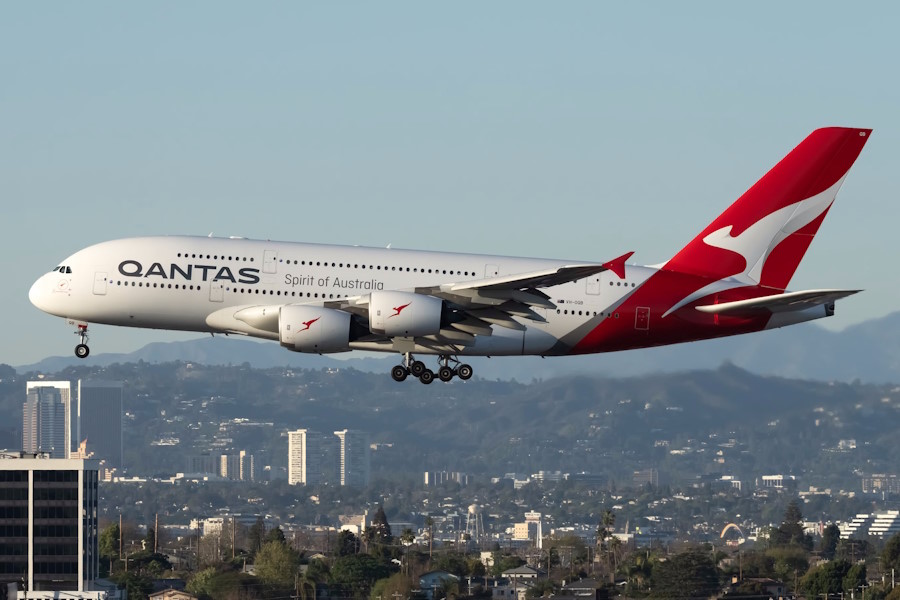
- Domestic Airlines: The largest players are Qantas (the national carrier) and Virgin Australia. There are also budget carriers such as Jetstar (owned by Qantas) and Regional Express (Rex), offering more affordable options. It’s often possible to find good deals, especially if you book in advance.
Sea Routes
Mostly cruises. Australia is a popular destination for cruise liners, especially between cities on the east coast or to Pacific islands. There is no regular domestic sea passenger service (except for ferries).
Railways
Intercity trains in Australia are more of a tourist attraction and a luxury adventure than an everyday means of transport.
- The Ghan: The legendary train running from Adelaide through Alice Springs to Darwin, crossing the continent from south to north.
- Indian Pacific: Connects Sydney and Perth, passing through Adelaide.
- Great Southern Rail: Offers other routes. These trains are very expensive, but it’s an unforgettable experience, including meals and excursions along the way.
- Suburban Rail: In major cities (Sydney, Melbourne, Brisbane, Perth, Adelaide), there are well-developed suburban train networks connecting the city center to outlying areas.
Intercity Buses
The most budget-friendly way to travel between cities, especially on the east coast.
- Greyhound Australia: The largest bus company, offering routes across the country. It’s slow but cheap. An excellent option for backpackers.

Urban Public Transport
In major cities, the transport system is well-developed and convenient.
- Sydney: Trains, buses, ferries (a great way to see the city from the water!), and light rail. The Opal Card is used for payment, available and reloadable at stations and shops. It can also be linked to a bank card.
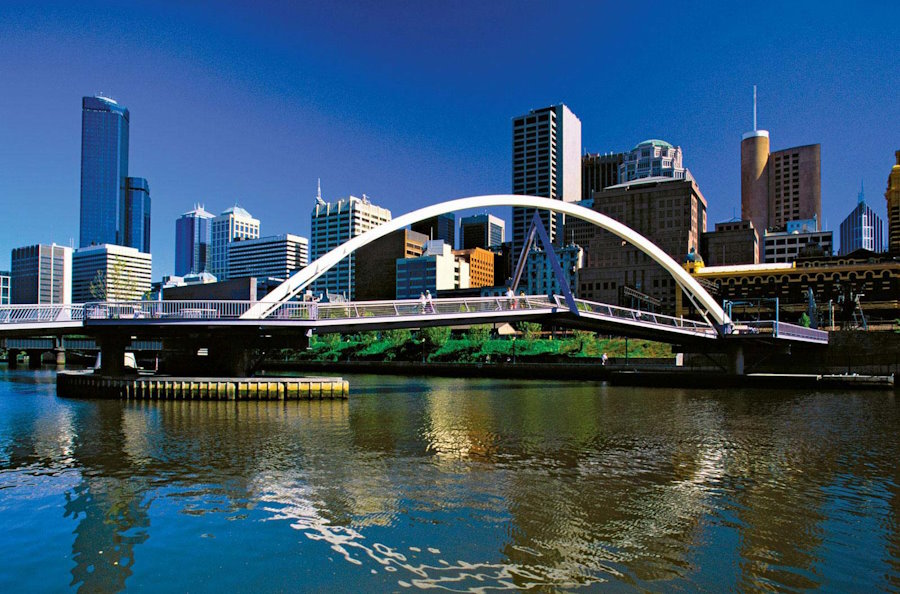
- Melbourne: Famous for its trams (the largest tram network in the world!), plus trains and buses. The Myki card is used. There’s a Free Tram Zone in the city center.
- Brisbane: Buses, trains, ferries (CityCat). Go Card is used.
- Other cities also have buses, and sometimes trains or trams.
Taxis and Ridesharing
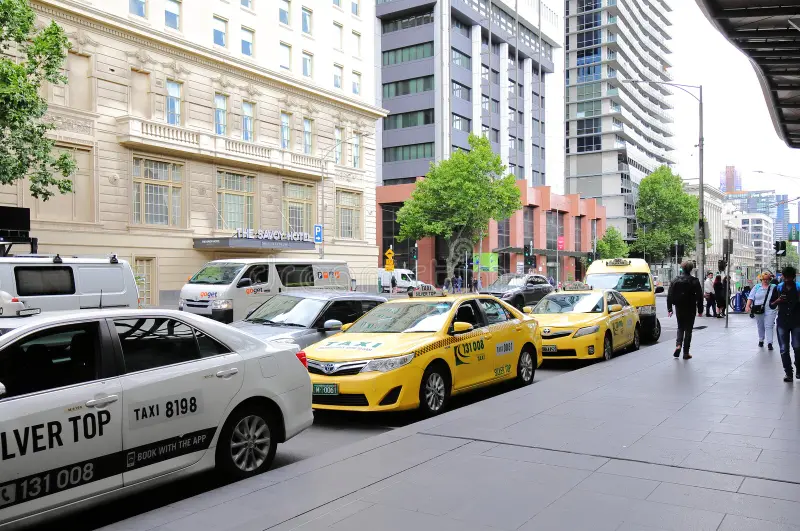
- Taxis: Available in all major cities, can be hailed on the street, ordered by phone, or via app. More expensive than ridesharing.
- Ridesharing: Uber, DiDi, and Ola are very popular and widespread. Usually cheaper than taxis, with plenty of drivers available.
Car Rental
If you plan to explore beyond the major cities, renting a car is a must.
- Drive on the left! This is very important to remember.
- Major companies: Hertz, Avis, Europcar, Budget, Thrifty. There are also local operators.
- You’ll need an international driver’s license and a credit card to rent a car.
- Roads in Australia are generally excellent, but outside the cities distances are huge and gas stations are few and far between. Plan your route, take extra water and fuel, especially in the Outback.
Important: When planning your trip, keep the huge distances in mind. Don’t try to see the whole of Australia in a week—it’s impossible. It’s better to pick one or two regions and explore them in depth.
The Most Important and Interesting Facts About the Country: What Makes Australia Australia
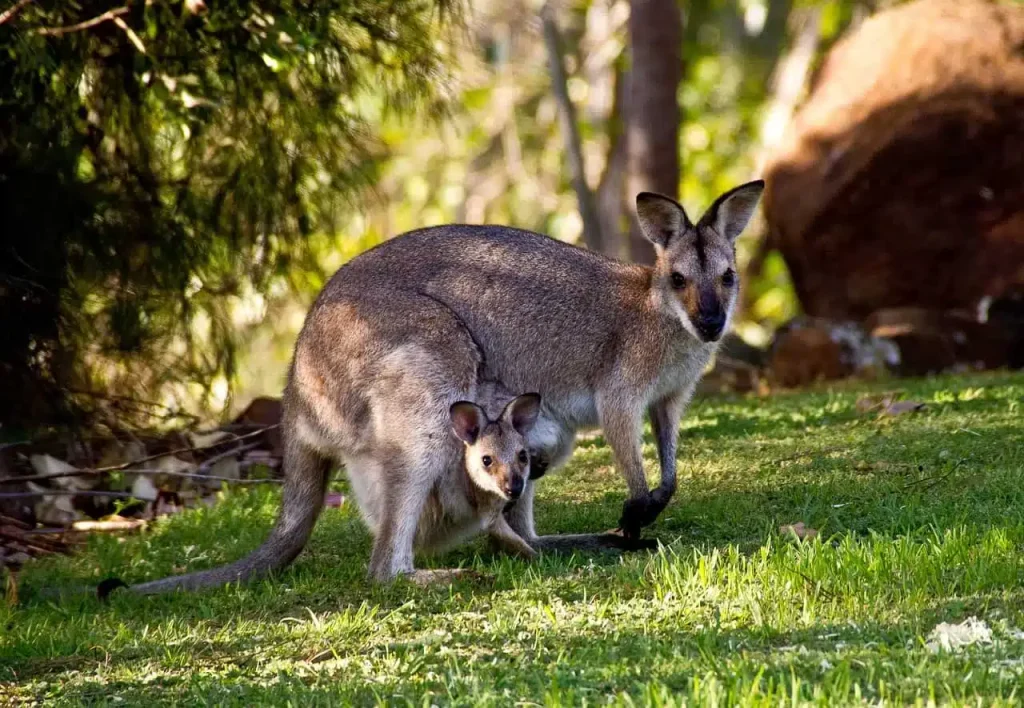
- Unique fauna: Kangaroos, koalas, wombats, platypuses, echidnas, Tasmanian devils—80% of Australia’s animals are endemic, meaning you won’t see them anywhere else on earth. It’s basically an open-air zoo!
- Most dangerous animals? Yes, Australia does have lots of venomous snakes and spiders, as well as crocodiles and sharks. BUT! The chances of running into them and being hurt are tiny. Most Australians live their whole lives never seeing a venomous snake or spider up close. Just be careful, don’t stick your hands where they don’t belong, avoid swimming in unfamiliar places, and follow safety rules in national parks.
- The Great Barrier Reef: The largest coral reef system in the world, visible from space. One of the natural wonders of the world, unfortunately under threat from climate change. See it while you can!
- Uluru (Ayers Rock): A sacred monolith for Indigenous peoples, a symbol of the Australian Outback. This massive red rock changes color depending on the time of day.
- The land of kangaroos: Kangaroos aren’t just a symbol—there are more of them than people! They live in many regions, even in the suburbs of big cities. Be careful on the roads, especially at dawn and dusk.
- “World’s largest island, smallest continent”: Remember? It’s an island, a continent, and also the driest inhabited continent.
- Love of barbecues (Barbie): Barbecuing is a national pastime and a way of life. Every park has free electric grills, and Aussies love getting together for a “barbie.”
- Coffee mania: Melbourne and Sydney are famous for their incredible coffee culture. You’ll find some of the world’s best cafés here, and locals are very serious about their coffee.
- Ozone hole: Australia sits under a zone with a thin ozone layer, so UV radiation here is extremely strong. Sun protection is a must, always!
- Cricket, AFL, rugby: Sport here is like a religion. Attending an Australian football (AFL) match in Melbourne or a cricket game is a unique cultural experience.
- “G’day mate!”: The greeting “Good day, mate!” is a classic, though not used as often in daily life as in movies. But “No worries” is sacred!
- Opals: Australia is the world’s biggest producer of opals. If you’re looking for a unique souvenir, this could be it.
- Wine: Australia is a major and highly respected wine producer. Wine regions like the Barossa Valley or Hunter Valley produce world-class wines.
Australia’s Largest Cities and Top Tourist Destinations: From Metropolises to Untamed Wilderness
Australia offers an incredible variety of cities and natural wonders.
Largest Cities (by population)
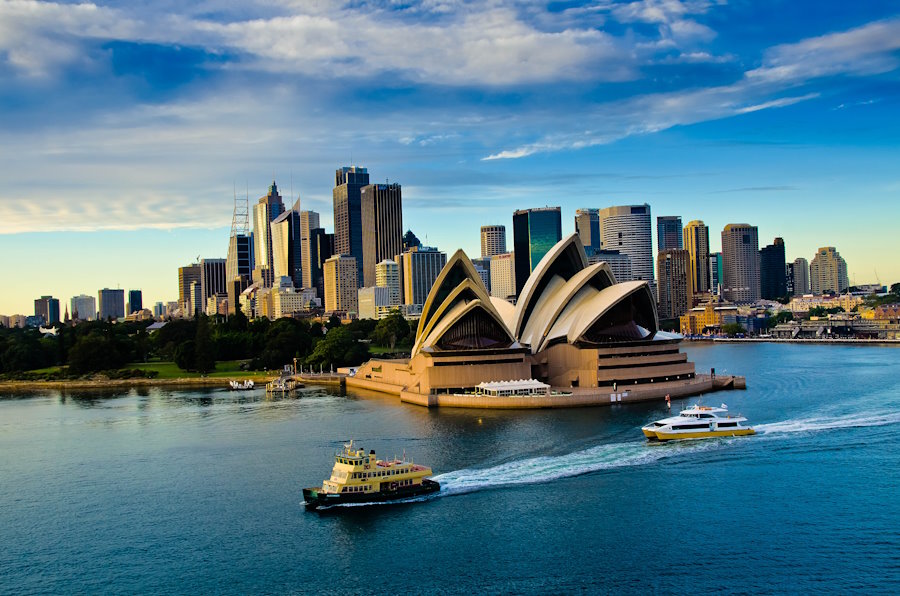
- Sydney (NSW): The largest and arguably most recognizable city. Its famous landmarks are the Opera House and the Harbour Bridge. Here you’ll find stunning beaches (Bondi Beach!), top-notch restaurants, lively bars, and nearby national parks (the Blue Mountains). It’s a highly dynamic, cosmopolitan city.
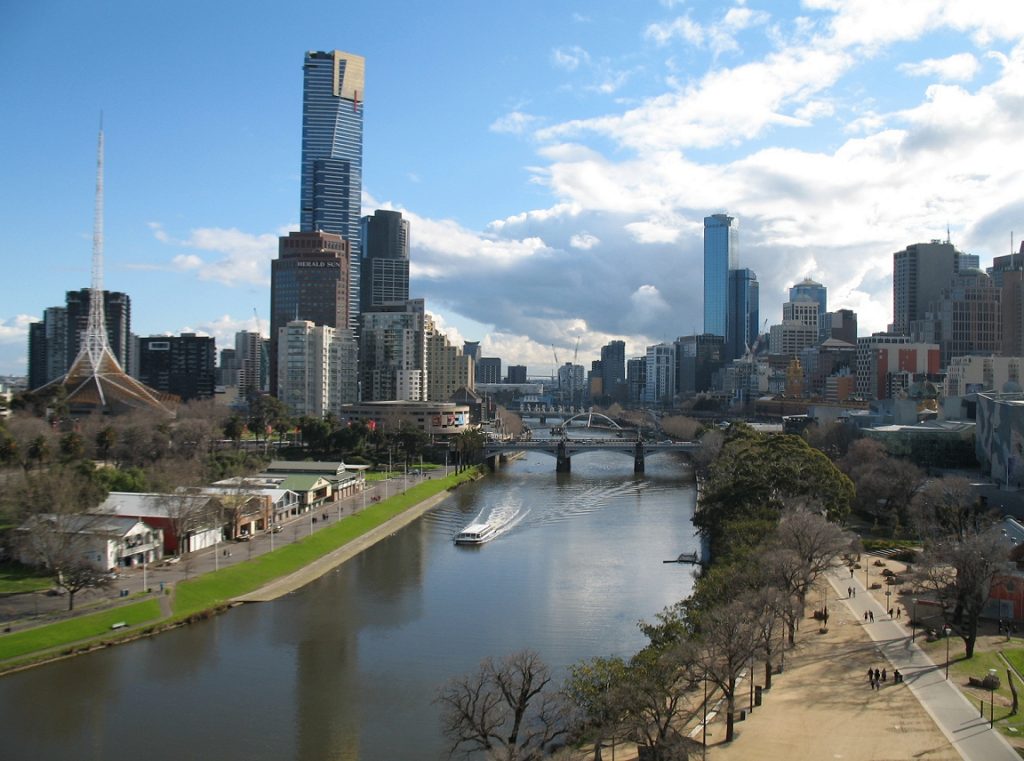
- Melbourne (VIC): The country’s cultural capital. Renowned for its coffee culture, graffiti-filled laneways and boutique shops, art, live music, and of course, sports. Major events like the Australian Open tennis championship and the Melbourne Cup horse race are held here.
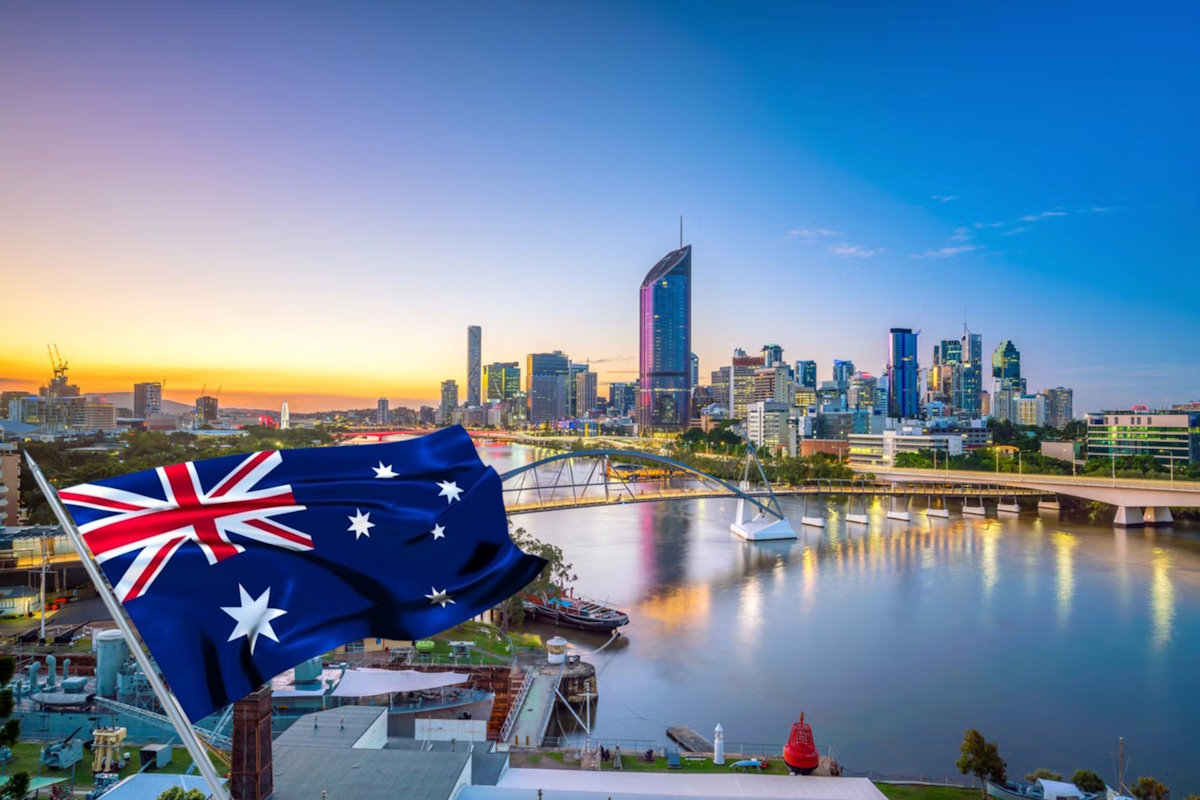
- Brisbane (QLD): The capital of Queensland, a sunny “river city.” The gateway to the Gold Coast and Sunshine Coast, famed for their endless beaches and amusement parks. Brisbane boasts a more relaxed, tropical vibe.
- Perth (WA): The world’s most isolated major city, on the west coast. Known for its breathtaking beaches (Cottesloe), beautiful parks (Kings Park), and proximity to Rottnest Island (home to quokkas!) and the Margaret River wine region.
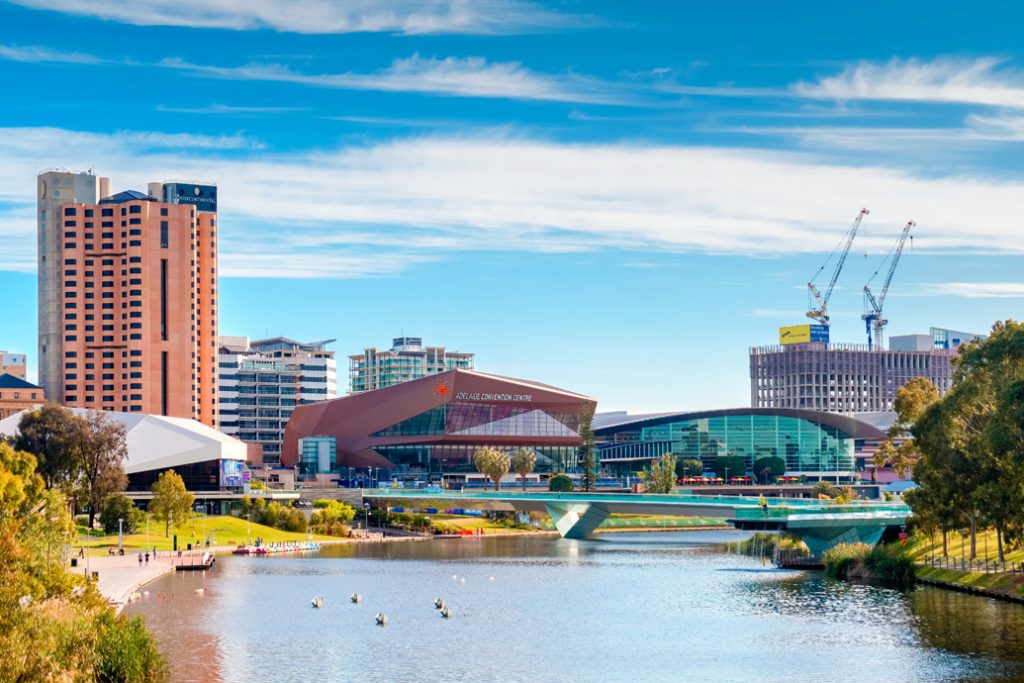
- Adelaide (SA): The capital of South Australia, known as the “city of churches” and of festivals. More laid-back and elegant. Surrounded by famous wine regions like the Barossa Valley. It’s the gateway to Kangaroo Island.
- Gold Coast (QLD): Technically part of the greater Brisbane area, but a tourism hub in its own right. A resort city with skyscrapers, theme parks (Dreamworld, Warner Bros. Movie World), and the iconic Surfers Paradise beach.
- Newcastle (NSW): A major port city north of Sydney with a rich industrial history, beautiful beaches, and a growing cultural scene.
- Canberra (ACT): The nation’s capital, as mentioned earlier. A must-visit to understand Australia’s political history and national symbols.
- Darwin (NT): The capital of the Northern Territory, gateway to the tropical north. The perfect base for visiting Kakadu and Litchfield national parks. Known for its sunsets and laid-back lifestyle.
- Hobart (TAS): The capital of Tasmania and Australia’s second-oldest city. Set at the foot of Mount Wellington, it’s rich in history and has a vibrant contemporary art scene (home to MONA museum).
Popular Tourist Destinations
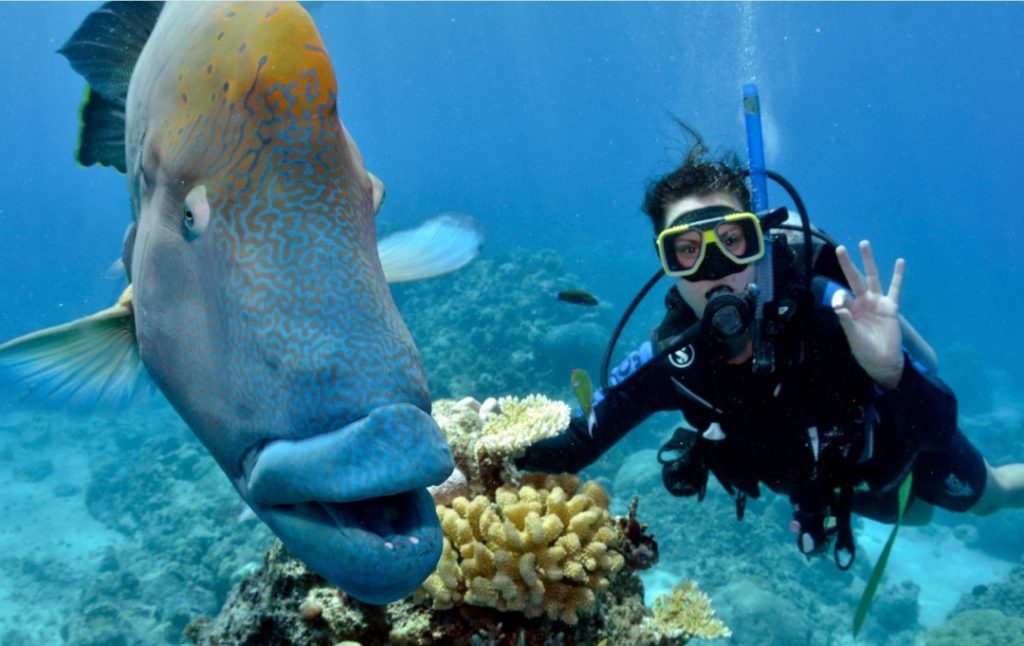
- Great Barrier Reef: Cairns and Port Douglas in northern Queensland are the main departure points for reef tours (snorkeling, diving, cruises).
- Uluru & Kata Tjuta: The heart of the Outback, Northern Territory. A must-see at sunrise and sunset over these ancient monoliths.
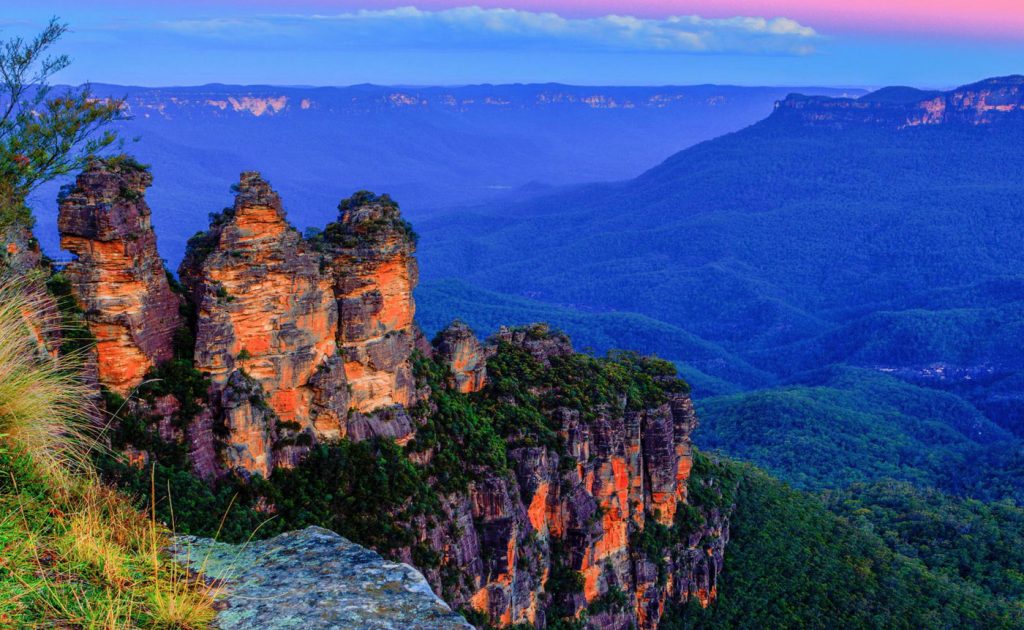
- Blue Mountains (NSW): Two hours from Sydney. Spectacular eucalyptus forests, canyons, waterfalls, and the famous Three Sisters rock formation. Perfect for hiking.
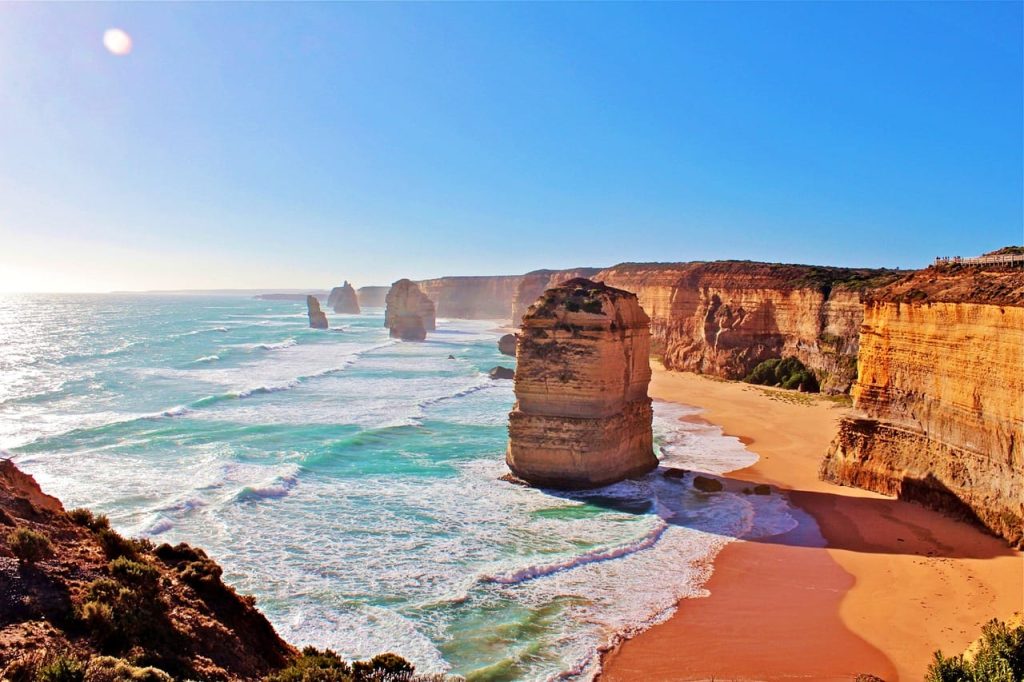
- Great Ocean Road (VIC): One of the world’s most scenic coastal drives, west of Melbourne. Famous for the Twelve Apostles rock formations.
- Kakadu National Park (NT): A UNESCO World Heritage Site, one of the largest national parks in the world. Features incredible biodiversity, ancient Aboriginal rock art, waterfalls, and crocodiles.
- Kangaroo Island (SA): One of the best places to see wildlife: kangaroos, koalas, seals, and birds.
- Wine regions: Barossa Valley (South Australia), Hunter Valley (New South Wales), Yarra Valley (Victoria), Margaret River (Western Australia).
Natural Recreational Areas: Relaxing in Nature’s Embrace
Nature is Australia’s greatest treasure, offering endless opportunities for relaxation and adventure.
Beach Resorts
- Gold Coast (QLD): The classic resort city with endless beaches, surfing, amusement parks, and lively nightlife.
- Sunshine Coast (QLD): A more tranquil alternative to the Gold Coast, with beautiful beaches like Noosa and the Glass House Mountains National Park.
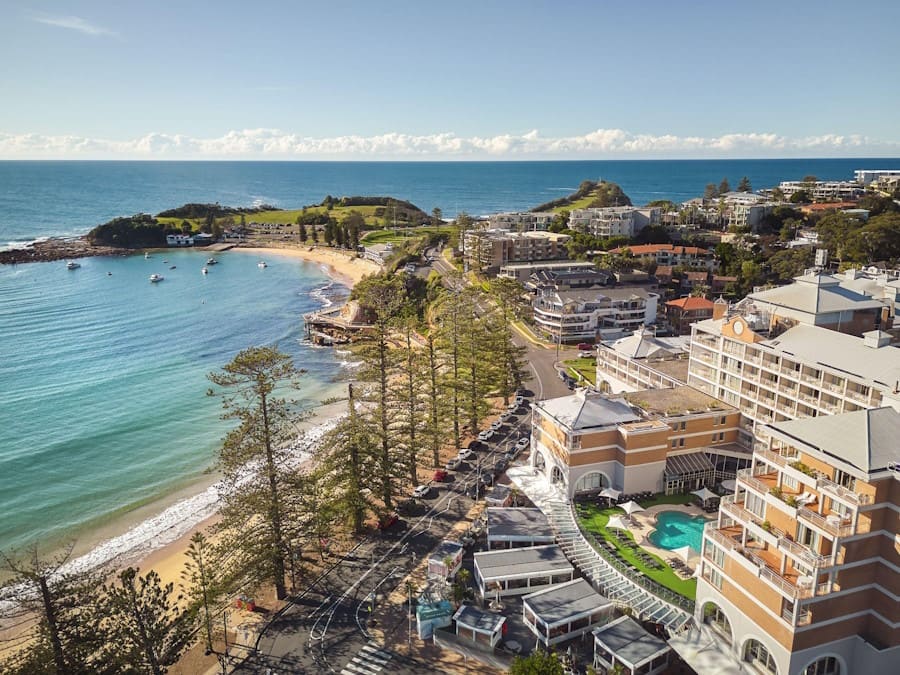
- Bondi Beach (NSW): Sydney’s iconic beach, ideal for sunbathing, swimming, surfing, or just people-watching.
- Manly (NSW): Another beautiful Sydney beach, easily reached by ferry.
- Byron Bay (NSW): A bohemian beach town with a relaxed vibe, popular among surfers and yoga lovers.
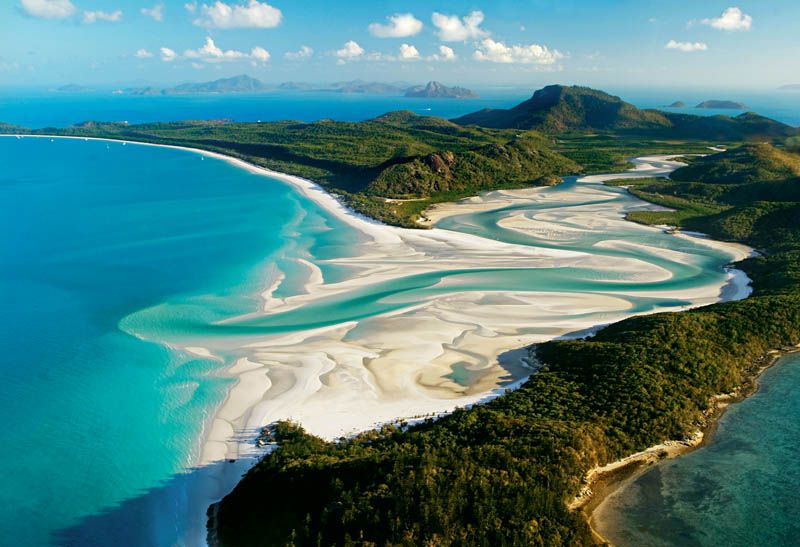
- White Paradise Beaches (Whitsunday Islands, QLD): An archipelago of idyllic islands with dazzling white sands (like Whitehaven Beach) and crystal-clear waters, perfect for yachting and diving.
Mountain Resorts
- Australian Alps (NSW/VIC): Yes, Australia has ski resorts! In the Victorian and New South Wales high country (Thredbo, Perisher) you can ski and snowboard in winter (June–August). In summer, these areas are great for hiking.
- Blue Mountains (NSW): Ideal for day trips from Sydney. Walking trails, zip lines, cableways, and stunning views.
- Grampians National Park (VIC): A beautiful mountain range in Victoria with breathtaking views, waterfalls, hiking trails, and Aboriginal rock art.
- Cradle Mountain–Lake St Clair National Park (TAS): The jewel of Tasmania, part of a World Heritage area. Untamed landscapes, famous multi-day hikes (like the Overland Track).
Wellness Retreats
While Australia is not famous for traditional “spa resorts” with thermal waters as in Europe, there are many places for wellness, yoga, and retreats, especially in Byron Bay, the Sunshine Coast, and regional wine country. Some hotels offer their own spa facilities.
Conservation Areas and Parks
- National Parks: There are hundreds across Australia, each unique. From tropical rainforests (Daintree) to deserts (Namadgi National Park) and coastal parks (Whitsundays, Freycinet). Many parks have excellent facilities for camping, picnics, and hiking.
- Wildlife Parks: These aren’t traditional zoos but sanctuaries where animals live in environments as close to natural as possible. For example, Healesville Sanctuary (Victoria) or Lone Pine Koala Sanctuary (Brisbane).
- Marine Reserves: The Great Barrier Reef, Ningaloo Reef (Western Australia)—top spots for snorkeling, diving, and observing marine life. Ningaloo is famous for swimming with whale sharks!
Country’s Must-Sees: From Icons to Hidden Gems
The Most Famous and Popular
- Sydney Opera House (NSW): An icon and UNESCO World Heritage Site. Be sure to visit, walk around, and maybe catch a show.
- Sydney Harbour Bridge (NSW): You can walk across or even climb to the top (BridgeClimb) for stunning views.
- Uluru (NT): The sacred red rock. See it at sunrise or sunset. Learn about its importance to Aboriginal people (climbing is banned due to its cultural significance).
- Great Barrier Reef (QLD): Dive or snorkel in this underwater wonderland.
- The Twelve Apostles (VIC): Limestone stacks along the Great Ocean Road.
- Bondi Beach (NSW): The most famous beach in Australia.
- Kakadu National Park (NT): Ancient landscapes, waterfalls, Aboriginal rock art.
Interesting but Lesser-Known (or Alternative) Sights
- Museum of Old and New Art (MONA, Tasmania): A private museum in a converted winery near Hobart. Famous for its provocative and contemporary collection. A must-see!
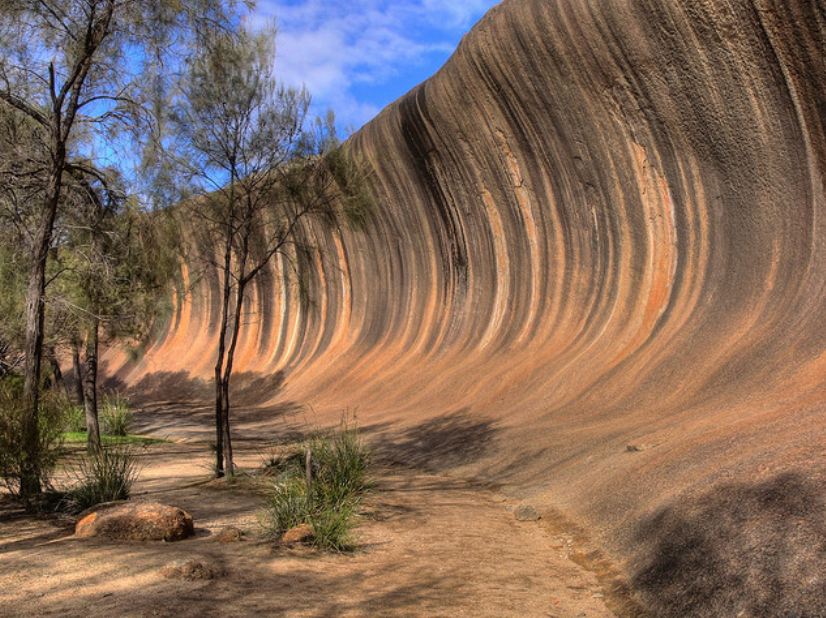
- Wave Rock (WA): A unique natural formation in Western Australia—a rock shaped like a giant wave.
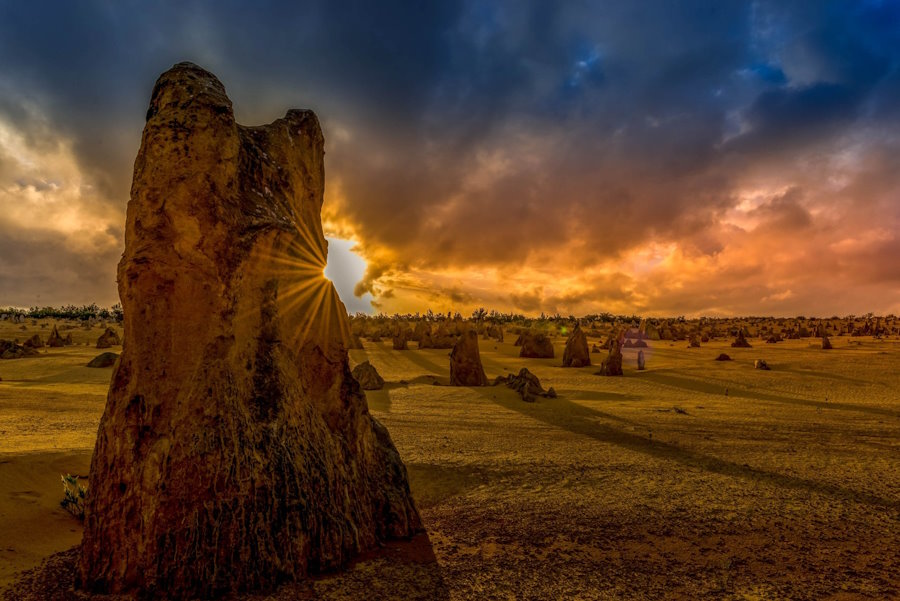
- The Pinnacles (WA): A desert with thousands of limestone pillars, resembling a Martian landscape. Near Perth.
- Karijini National Park (WA): Stunning red gorges, waterfalls, and swimming holes in Western Australia. Perfect for adventure and hiking enthusiasts.
- Ningaloo Reef (WA): A great alternative to the Great Barrier Reef, especially if you’re on the west coast. Swim with whale sharks (seasonally). Wilder and less crowded.
- Coober Pedy (SA): A desert town where most people live underground (“dugouts”) due to the extreme heat. The world’s opal capital. A unique experience!
- Litchfield National Park (NT): Another park near Darwin, less hyped than Kakadu but with amazing waterfalls, natural pools, and cathedral termite mounds.
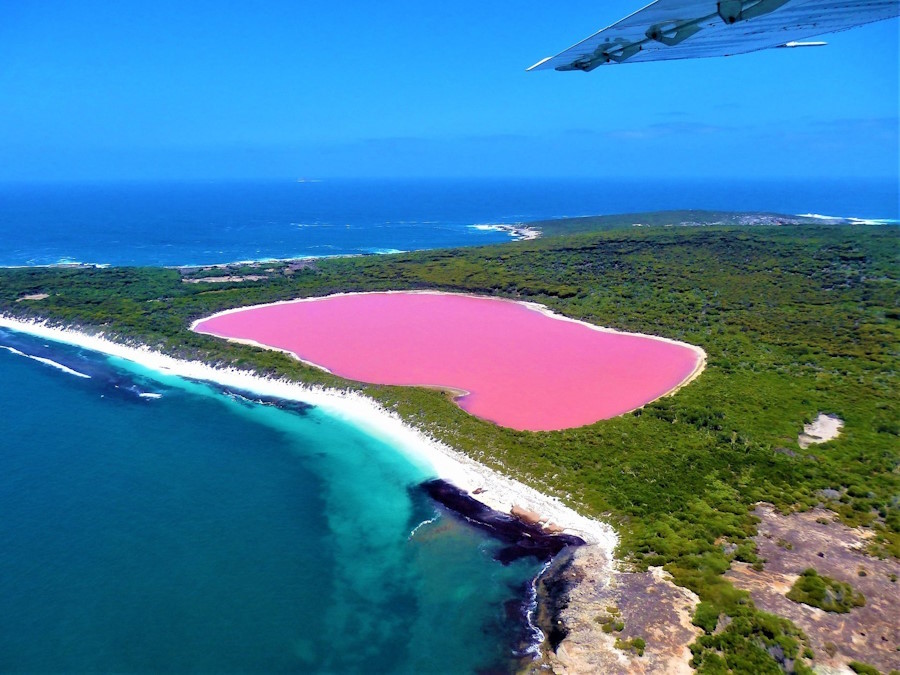
- Lake Hillier (WA): The famous pink lake on Middle Island. Best seen from the air.
- Kangaroo Island (SA): One of the top spots to see Australian wildlife in its natural habitat.
- Whitsunday Islands (QLD): Not just reef—a group of 74 islands with some of the most beautiful beaches in the world.
Where and How to Relax and What to Do: Classic Aussie Fun
Australia is a country for both active adventure and total relaxation. The tourist infrastructure is highly developed. In cities and popular tourist areas, you’ll find everything: hotels, restaurants, tour operators, excursions, rental outlets, and information centers. In the Outback, of course, things are much more basic.
Leisure & Entertainment
- Beach holidays and water sports: Swimming, surfing (try a lesson!), paddleboarding, snorkeling, diving, kayaking. Beaches are a way of life here.
- Exploring cities: Museums (e.g., Australian Museum in Sydney, National Gallery of Victoria in Melbourne, National Museum of Australia in Canberra), art galleries, theaters, concert halls, nightclubs, and bars.
- Foodie adventures: From fine dining to street food trucks, chic cafés to traditional Aussie pubs.
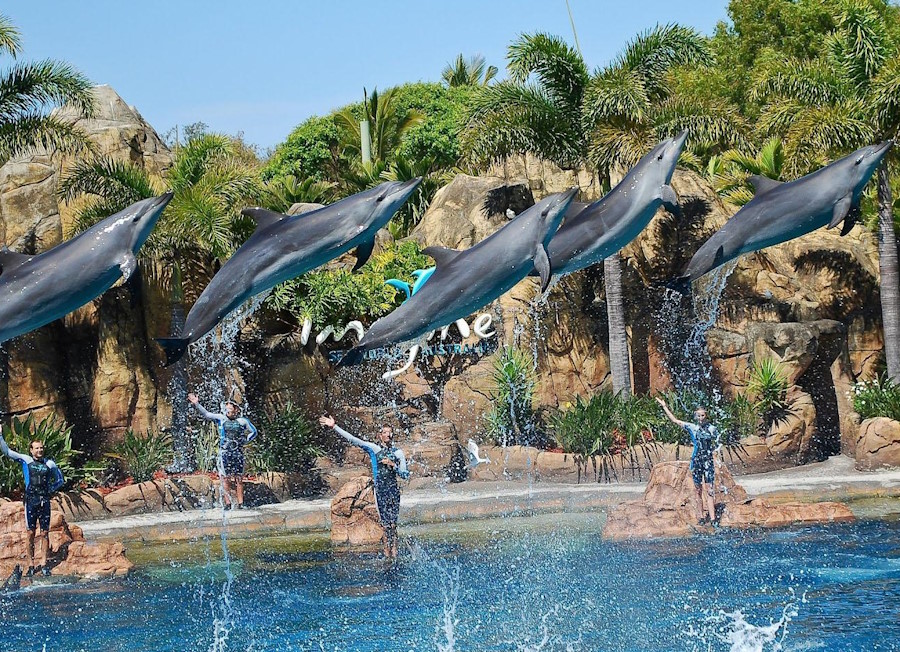
- Wildlife watching: One of the main attractions. Koalas, kangaroos, penguins (on Phillip Island near Melbourne), dolphins, whales (during migration season).
- National parks: Hiking, camping, exploring unique landscapes.
- Sports: Attend a cricket, Australian football (AFL), or rugby match. A real cultural experience!
- Wine tourism: Visit wine regions, enjoy tastings.
- Outback adventures: 4WD tours, horseback riding, discovering Aboriginal culture.
Major National Holidays and Festivals
- Australia Day (26 January): National holiday marking the arrival of the First Fleet. Celebrated with parades, fireworks, barbecues, and street parties. It’s also a day to reflect on the nation’s colonial history.
- ANZAC Day (25 April): Commemorates those who served and died in wars. A highly significant and solemn day.
- New Year’s Eve: Sydney hosts one of the world’s most famous fireworks displays over the harbor. A global event!
- Sydney Mardi Gras (February–March): One of the world’s largest and oldest LGBTQ+ parades and festivals. A spectacular, colorful event.
- Vivid Sydney (May–June): A festival of light, music, and ideas, where the Opera House and other iconic landmarks are illuminated by incredible installations.
- Melbourne International Comedy Festival (March–April): One of the largest comedy festivals in the world.
- Melbourne Cup (First Tuesday of November): The famous horse race that’s practically a public holiday in Victoria. On this day, all of Australia stops to watch the race and place a bet.
Shopping and Souvenirs
- Opals: Australia is the opal capital of the world. Available at specialist shops.
- Ugg Boots: Warm sheepskin boots—even though they’re now made outside Australia, authentic ones are available here.
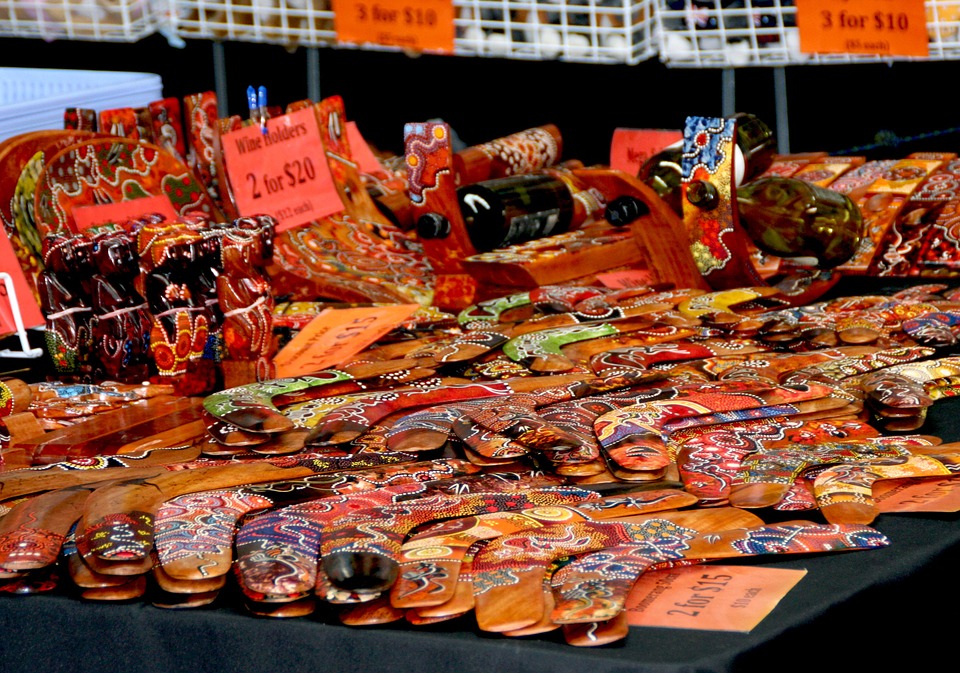
- Aboriginal art: Paintings, boomerangs, didgeridoos, sculptures. Make sure to buy from vendors that support Indigenous communities.
- Australian skincare: Made with natural ingredients like eucalyptus and tea tree oil.
- Australian wines: An excellent gourmet souvenir.
- Kangaroo, koala, and boomerang-themed souvenirs: The classics.
- Coffee: Beans or ground coffee from Australia’s renowned cafés.
- Major shopping malls: Found in all cities—look for Westfield, for example.
- Boutiques and designer stores: Especially in central Sydney and Melbourne.
- Markets: Try Melbourne’s Queen Victoria Market or Salamanca Market in Hobart—great for buying local produce, souvenirs, and food.
Where to Stay: Accommodation for Every Budget
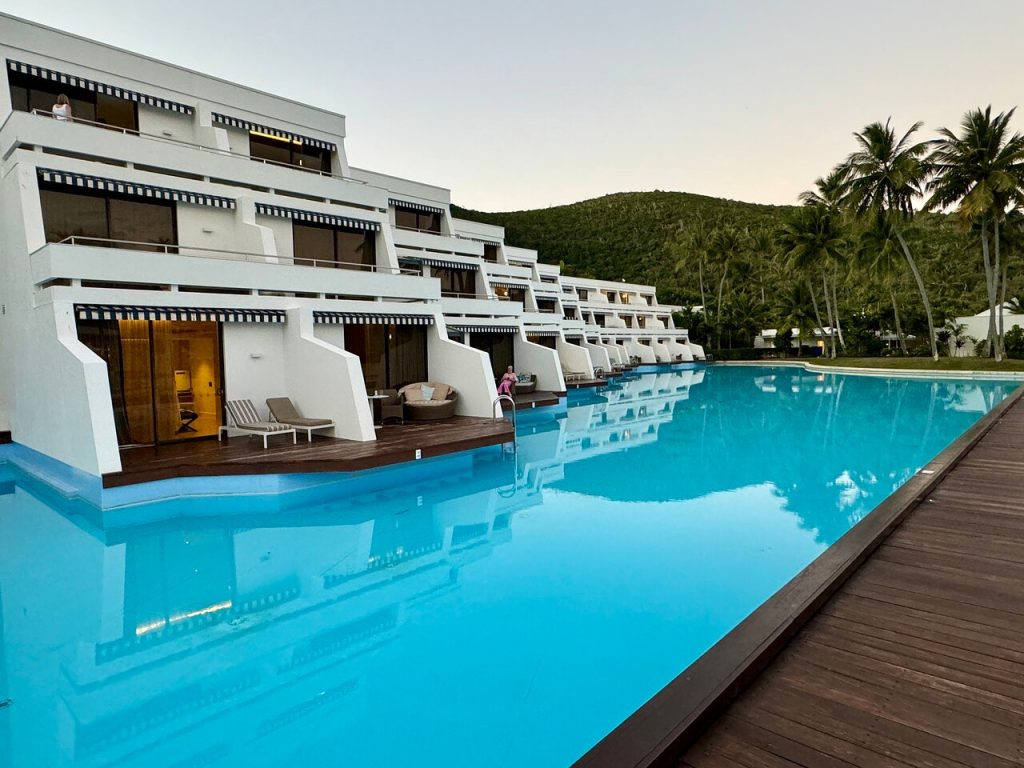
Accommodation infrastructure in Australia is very well developed, especially in major cities and top tourist destinations. The further you venture into the Outback, the fewer options and the higher the prices due to the remoteness.
Types of Accommodation
- Hotels: From budget chains to world-class five-star luxury hotels. Air-conditioning and Wi-Fi are standard everywhere.
- Motels: Very common in regional towns and along highways. Usually simpler but comfortable, with parking at your door and often a pool. Ideal for road trippers.
- Apartments / Serviced Apartments: Great for families, long stays, or those who want to cook. Includes a kitchen and laundry.
- Hostels: Popular with backpackers and young travelers. Offer dorm rooms and sometimes private rooms. Usually have shared kitchens, lounges, and often organize events.
- Guesthouses / B&Bs (Bed & Breakfast): Cozier and more personalized, often in historic buildings or scenic countryside.
- Caravan Parks & Camping: Very popular. Offer sites for tents, caravans, as well as cabins for rent. Often feature shared kitchens, laundries, pools, and playgrounds. A great option for budget stays and getting closer to nature.
Average Prices (in USD)
- Hostel (dorm bed): $25 – $50. In the most popular areas or big cities, can be up to $60–70 in peak season.
- Budget Hotel / Motel (private room): $100 – $150. Basic comfort—clean and functional. Prices vary greatly depending on location and season.
- Mid-range Hotel / Apartment: $150 – $250. Good quality, amenities, and location. The most common choice for tourists.
- Luxury Hotel (4–5 stars): $250+. No upper limit—can be $500–1000+ per night for exclusive hotels or places like Uluru.
- Cabin at a Camping Park: $80 – $150. Usually a small cabin with a bed and sometimes a kitchenette, with either shared or private facilities.
- Site for tent/caravan: $30 – $60. Depends on availability of electricity and amenities.
Important Nuances
- Prices can vary greatly depending on the season (peak season—summer, school holidays, major events), day of the week (weekends are more expensive), and location.
- Book in advance: Especially if you’re traveling during peak season or to major events.
- Price comparison: Use aggregators (Booking.com, Agoda, Expedia) to find the best deals.
What and Where to Eat: A Culinary Journey Through the Land of the Sun
Australian cuisine is an amazing mix of cultures, reflecting the country’s history: British roots, waves of European immigration, Asian influences, and of course, unique local products.

National Cuisine and Its Features
- Barbecue (Barbie): The heart of Australian food! Aussies love grilling meat (steaks, sausages—“snags”, lamb chops) and vegetables. It’s not just food, it’s a social event.
- Fresh seafood: As an island nation, Australia offers fantastic fresh seafood: prawns, lobsters, oysters, a variety of fish (for example, barramundi).
- Lamb: Lamb is another symbol of Australian cuisine.
- “Bush Tucker”: Traditional Aboriginal foods—from kangaroo and emu to various plants, berries, and nuts. More and more restaurants are including these ingredients in their menus.
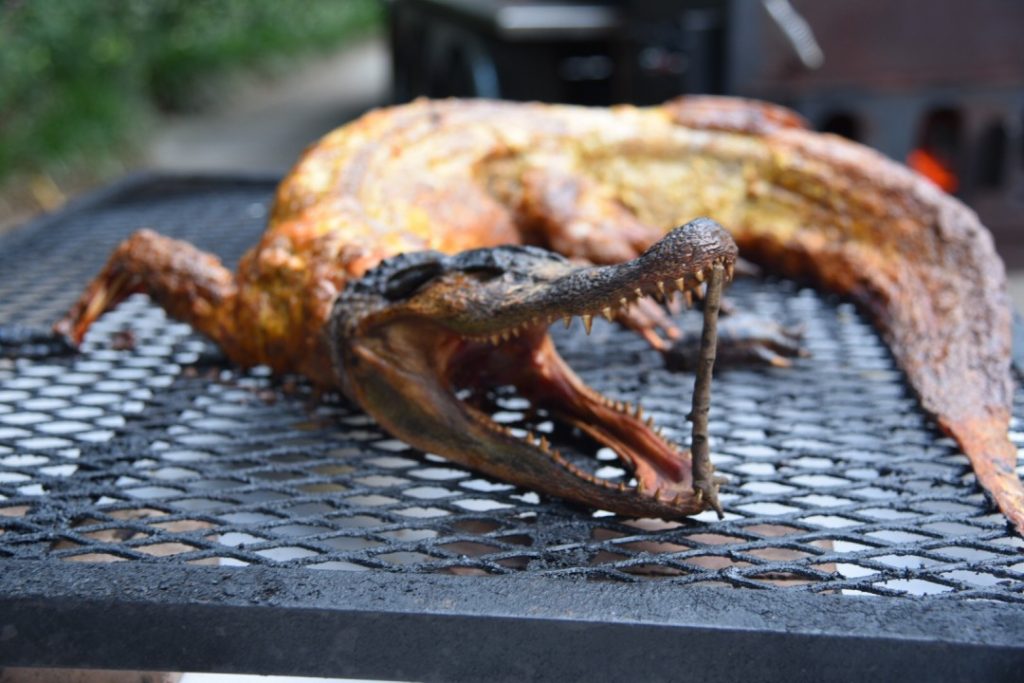
- Kangaroo meat: Yes, people eat it! It’s lean, healthy meat, often served in restaurants.
- Pavlova: A light meringue dessert with berries and whipped cream. Australia and New Zealand still argue over who invented it.
- Lamingtons: Sponge cake cubes coated in chocolate and rolled in coconut. A true classic!
- Vegemite: The iconic Australian yeast extract spread. Salty, thick, and definitely an acquired taste. Locals spread it thinly on buttered toast. Try it to find out what it’s all about—but be ready for a strong flavor!
- Coffee culture: As mentioned earlier, coffee in Australia is an art form. Many modern coffee trends started here. Cappuccino, latte, flat white (an Australian invention!)—try them all.
Food Infrastructure for Tourists
- Restaurants: In all major cities, you’ll find restaurants for every taste and budget—from fine dining to ethnic eateries (with lots of Asian, Italian, and Greek cuisine).
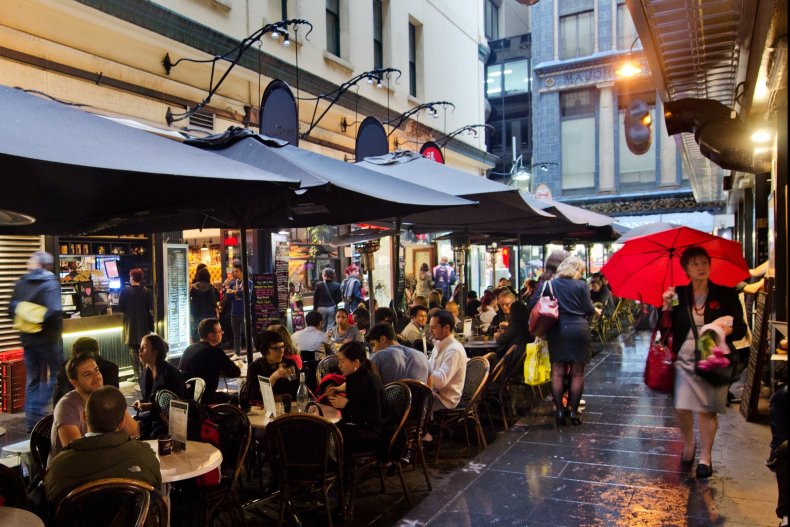
- Cafés: The heart of Aussie gastronomy. Great for breakfast, lunch, or a coffee break. They offer brunches (hugely popular!), sandwiches, salads, and pastries.
- Pubs: The local pub is not only a place to drink but also great for a hearty lunch. “Pub grub” includes classic dishes: schnitzel (chicken parma), steak sandwiches, fish and chips. Portions are big!
- Food courts: Found in shopping centers and business areas. Tons of stalls with a wide variety of food, often Asian, at affordable prices.
- Fast food: International chains (McDonald’s, KFC, Subway) and Australian ones (Hungry Jack’s—this is Burger King, Red Rooster—chicken).
- Supermarkets: Woolworths and Coles are the two biggest supermarket chains. Great places to buy groceries if you’re staying in an apartment, or just to grab a snack.
Average Meal Prices (in US Dollars, USD)
- Coffee: $4 — $5
- Sandwich / Pastry in a café: $8 — $15
- Light breakfast / Café lunch: $15 — $25
- Pub lunch (main course): $20 — $35
- Dinner in a mid-range restaurant (main course): $30 — $50
- Dinner in a fine dining restaurant: $80+ per person (excluding drinks)
- Fast food combo meal: $12 — $18
- Pint of beer in a pub: $8 — $12
- Glass of wine in a restaurant: $12 — $20+
Important: In many restaurants and cafés, you can bring your own alcohol (BYO—Bring Your Own) if they don’t have a license to sell it. Check in advance. This can save you money.
Final Part and Useful Tips for Tourists: In Conclusion
Well, can you feel the scent of eucalyptus, hear the sound of the ocean, and the distant call of the didgeridoo? Australia is not just a country—it’s a state of mind, it’s an adventure. And to make it as comfortable and unforgettable as possible, here are a few final, essential tips:
- Sun protection is your best friend! We’ve mentioned it already, but it’s worth repeating: SPF 30+, a wide-brimmed hat, sunglasses, and covering clothing. Don’t ignore this. The sun here is relentless.
- Drink plenty of water! Especially on hot days and during long excursions. Dehydration is a real danger.
- Don’t underestimate the distances. Australia is HUGE. Don’t try to cram everything into one trip. Pick one or two regions and enjoy them to the fullest. Getting between states often requires flying.
- Respect wildlife. Don’t feed animals (it harms them and you), and always keep a safe distance, especially from unfamiliar creatures. Be alert on roads—kangaroos and other animals can suddenly cross.
- Be careful in the water. If you’re at the beach, only swim between the lifeguard flags (they mark the safe zone). The ocean can be unpredictable, with rip currents. In tropical waters, sharks can be present in winter (May–November), and poisonous jellyfish in summer (November–May).
- Stay informed about local conditions. Before heading out to national parks or remote areas, check road and weather conditions (fires, floods, cyclones).
- Respect Indigenous culture. Learn, listen, and visit cultural centers. If a place is marked as sacred and entry or photography is not allowed, follow the rules.
- Money and tipping. The national currency is the Australian dollar (AUD). Credit cards are accepted almost everywhere. Tipping is not mandatory but appreciated for good service (especially in high-end restaurants).
- Visa. You’ll need a visa to visit Australia. For citizens of many countries, electronic tourist visas (eVisitor or ETA) are available online. Take care of this in advance.
- Electricity. Outlets in Australia are type I (three flat pins). You’ll need an adapter. Voltage is 230V.
- Emergency number. If you need emergency help (police, ambulance, fire)—call 000.
- Be open to new things. Try Vegemite (even if you don’t like it!), chat with locals, learn a few Aussie slang words. Australians are very friendly and welcoming.
Australia is a country that will leave you with truly unforgettable memories. It will challenge you with its wild beauty, amaze you with its diversity, and win you over with its laid-back vibe. Good luck planning your trip! May it be filled with wonders, adventures, and unforgettable moments. And remember, “No worries, mate!”