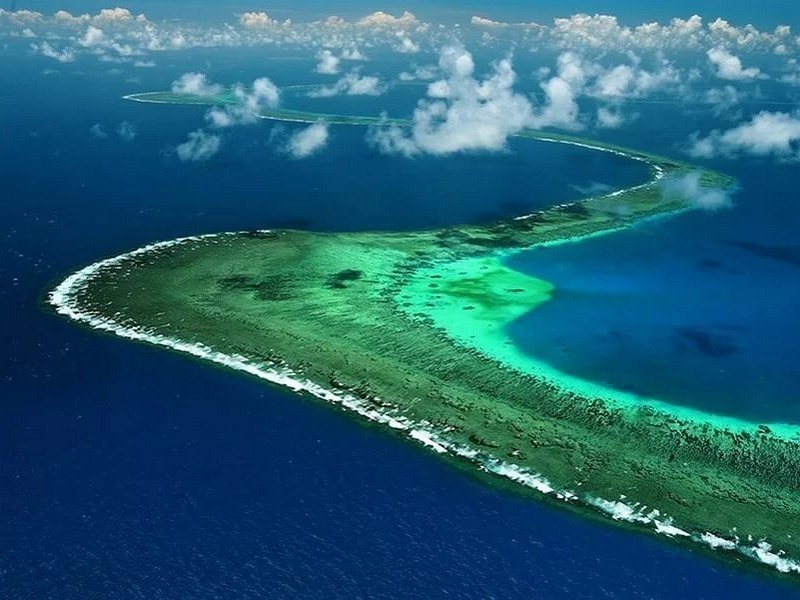
The Great Barrier Reef is the largest coral reef system in the world, one of the most famous and greatest natural wonders on the planet. It is located in the Coral Sea off the eastern coast of Australia and stretches for over 2,300 kilometers. The reef is 2 km wide in the northern part and about 150 km wide in the southern part.
The structure of the Great Barrier Reef is formed by billions of tiny organisms known as coral polyps. It is the only result of the activity of organisms on Earth that is visible from space! The reef covers an area of 348,698 km² (for comparison, the area of the United Kingdom is 244,820 km²).
The Great Barrier Reef is home to a huge variety of marine life, including corals, fish, sea turtles, sea snakes, dolphins, and many other species. It also attracts many tourists who come here for scuba diving and snorkeling to explore the underwater world and enjoy the beauty of this unique natural phenomenon.
However, the Great Barrier Reef also faces challenges related to climate change, pollution, and other threats to the marine ecosystem. The Australian government and international organizations are working on measures for the conservation and sustainable management of the reef to preserve its unique nature for future generations.
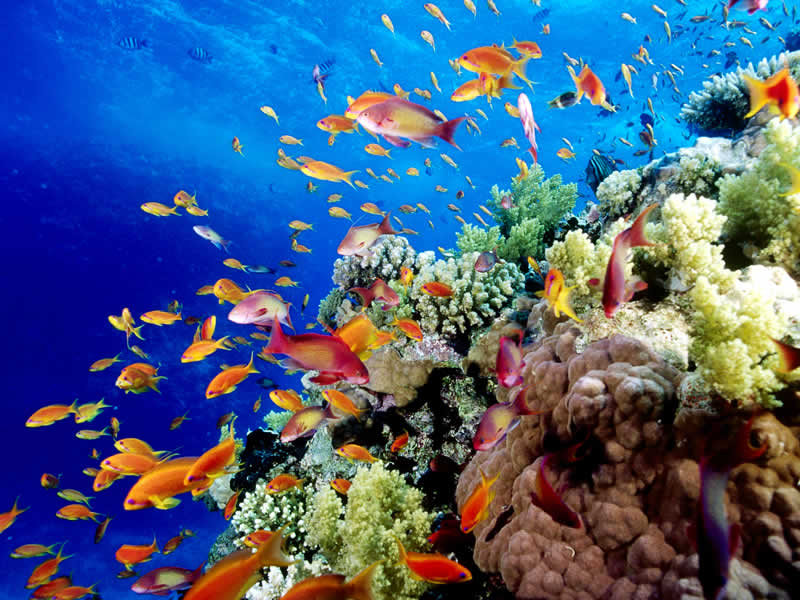
Diving on the Great Barrier Reef
Diving on the Great Barrier Reef is one of the most impressive and popular underwater adventures in the world. This world natural monument attracts divers from all over the world with its amazing underwater world and diversity of marine life. The Great Barrier Reef is located off the east coast of Australia, and access to it is usually from coastal cities and islands such as Cairns, Townsville, and Port Douglas.
The best time for diving on the Great Barrier Reef is from June to October, when the water is warm and provides excellent underwater visibility. Visibility on the reef can reach 30 meters or more, making it a great place for diving. The water temperature is usually in the range of 22°C to 29°C, which is comfortable for divers.
There are over 2,900 individual reefs and islands on the reef, and each offers its own unique dive locations. Some of the most popular dive sites include Great Barrier Reef Marine Park, Osprey Reef, Ribbon Reefs and Cod Hole. If you are not an experienced diver, you can obtain PADI (Professional Association of Diving Instructors) certification or other certifications at one of the many dive centers on the coast.
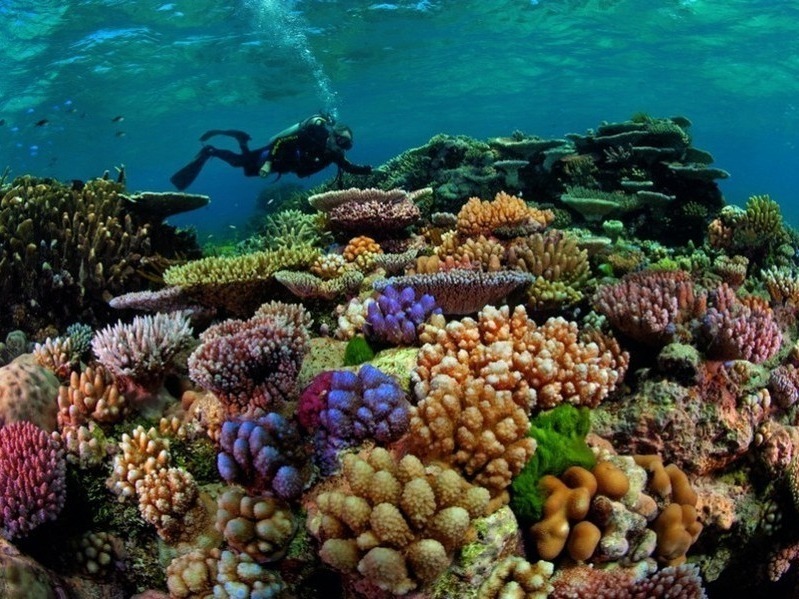
Diving on the Great Barrier Reef provides incredible opportunities to observe underwater life and enjoy the beauty of this place. It is one of those places that leaves an unforgettable impression on every diver. Many tour operators offer dive tours to the Great Barrier Reef. This can include day trips, multi-day tours with accommodation on ships or islands, as well as various types of equipment and services.
Wild Whitehaven Beach on the Great Barrier Reef
The wild Whitehaven Beach with its incredibly white sand makes an indelible impression. This miracle of untouched nature is located in the heart of the Great Barrier Reef, on the largest of the 74 Whitsunday Islands. A multiple winner of prestigious competitions, Whitehaven deservedly enjoys the reputation of the most photogenic beach in Australia.
Whitehaven – the pearl of the South Pacific – is 7 kilometers long. Numerous magnificent bays, lagoons and coves with natural viewing platforms surround it. It is said to be the whitest beach in the world, surpassing even the popular Maldives.
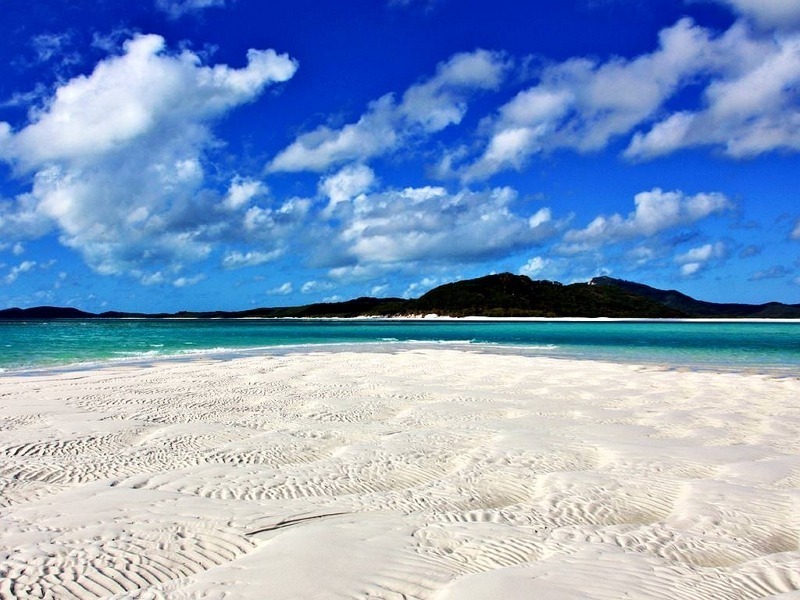
The sand consists of silica, which provides its unique light shade. The sand on White Paradise Beach is so pure that NASA uses it in the creation of special lenses for telescopes. Let’s recall at least the famous “Hubble”. Sand grains are also used for creating glass and polishing silver.
In the northern part of Whitehaven Beach lies the amazing Hill Inlet, where during high tide, waves and sand mix, creating incredible white and blue patterns. Surrounded by a National Park, White Paradise Beach looks directly into the waters of the Great Barrier Reef, making this place a favorite among snorkeling fans.
Traces of Maritime Disasters on the Great Barrier Reef
The Great Barrier Reef is a well-known location for shipwrecks and maritime disasters. Many ships have collided with dangerous reefs and shallows in this region, leading to their sinking.
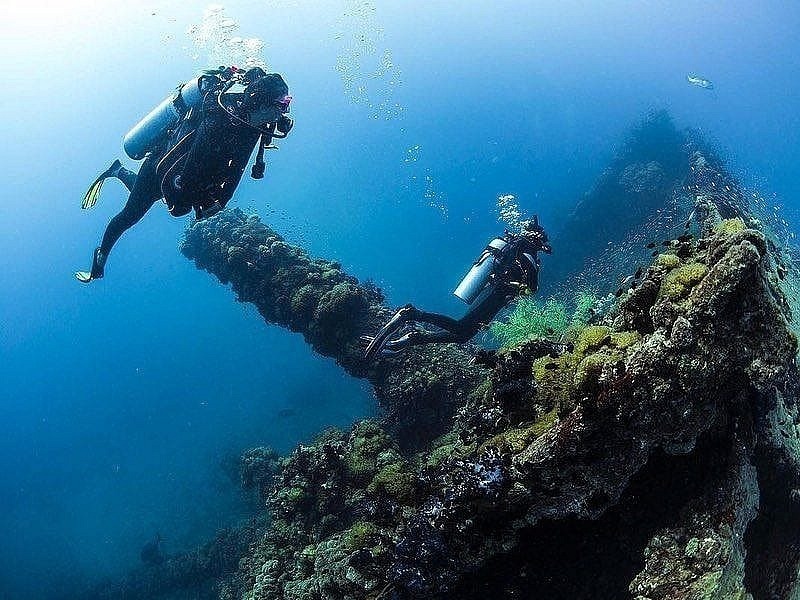
Some of the most famous shipwrecks on the Great Barrier Reef:
- SS Yongala. This passenger steamship sank in 1911 in the reef area. The ship was lost during a cyclone. Today it is one of the most popular places for snorkeling and exploration.
- Aarhus. The Danish steamship Aarhus sank in 1894 as a result of a collision with the Molne Wreck reef. This ship has also become a popular diving spot due to the abundance of marine life in the area.
- Lady Bowen. In 1894, Lady Bowen, a two-masted barque, collided with a reef in this region and sank. This place is now known as Bowen’s Bark and attracts divers.
- Research Vessels: For many years, scientific and research vessels have conducted research on the Great Barrier Reef and have sometimes encountered navigational difficulties, which could lead to their sinking or damage.
The shipwrecks on the Great Barrier Reef have become interesting objects for underwater archaeologists and divers. They represent a part of the region’s maritime history and serve as a home for diverse marine life. These places also provide an opportunity for researchers and enthusiasts to learn about the historical traces and artifacts left behind after shipwrecks.
Interesting Facts About the Great Barrier Reef
The Great Barrier Reef is an amazing place full of interesting facts and unique features. Here are some interesting facts about the Great Barrier Reef:
- The Great Barrier Reef is the largest coral structure in the world and the only natural formation that can be seen from space.
- The corals that make up the reef are living organisms called coral polyps. They build their skeletons from calcium and create coral reefs over centuries.
- The Great Barrier Reef is exposed to threats, including climate change, ocean warming, pollution, and threats from coral bleaching caused by rising water temperatures.
- The reef serves as an important nesting site for sea turtles, such as green turtles and leatherback turtles.
- There are many small islands on the reef, some of which are inhabited, and they house research stations and resorts for tourists.
- The Great Barrier Reef is one of the best places in the world for snorkeling and diving. Thousands of people visit the reef every year to explore its underwater world.
- In 1981, the Great Barrier Reef was included in the UNESCO World Heritage List.
- The reef is inhabited by more than 1,500 species of fish, 400 species of corals, 4,000 species of mollusks, and many other species of marine life.
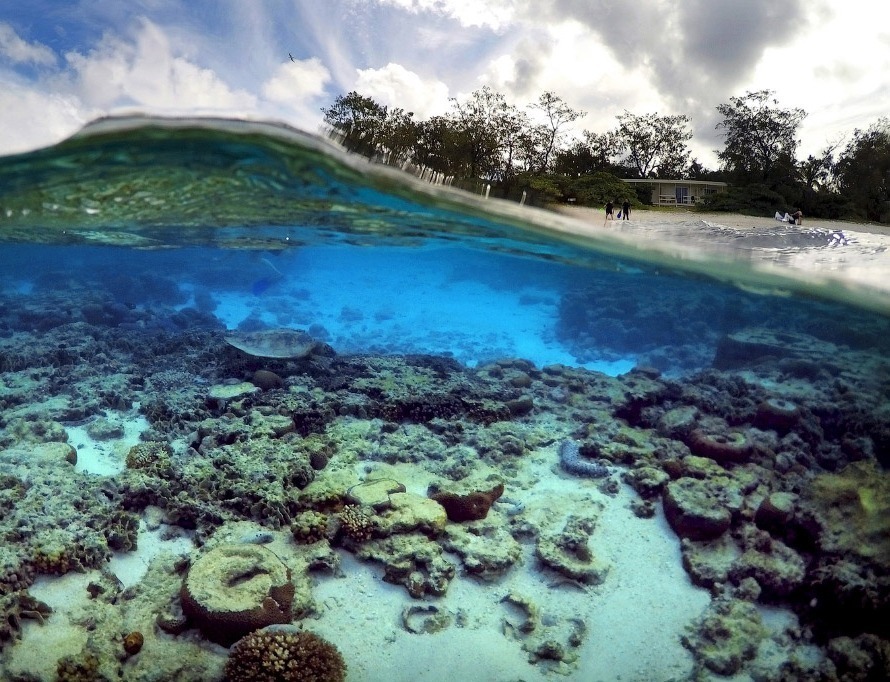
The reef is constantly changing and evolving under the influence of various factors, and researchers are continuously studying it to understand these processes. The Australian government and various organizations are taking measures to conserve and protect the reef, including creating reserves and establishing restrictions on fishing and tourism, to preserve this amazing place for future generations.