Glasgow doesn’t try to look presentable – it lives a real life: with pubs, the smell of soot, and unexpected splashes of refined design. Here, you can finish a pint of Guinness, stroll past velvet window displays, and the next moment stumble upon a house that looks like it was designed by a poet-artist. Glasgow doesn’t pretend. It says, “I am what I am,” with beer froth on its lips and a husky laugh in its voice.
Here, you can pop into a pub “for one drink” and leave three hours later – with a new acquaintance, warming you with jokes and the address of the best street cafe. I didn’t come for polished views – I wanted to hear the city: its conversations, affectionate scolding, and quiet confessions. Come on, I’ll show you where Tosh whispers architectural secrets, and the pipes still beat out an old working rhythm.
Stereotypes and Antagonism: Glasgow vs. Edinburgh
“Heard you’re going there?” the taxi driver asked.
“To Edinburgh?” I asked.
“No, to Glasgow. The people there are real. Edinburghers? They’re like tea without milk – kind of okay, but something’s missing.”
That’s how the locals talk. Jokes about “snobs” and “drunks” are their way of teasing each other, like old friends. In reality, both cities live their own lives; Glasgow just doesn’t try to be neat. It’s rough, but honest – and that’s its advantage. Smooth over the stereotypes and you’ll see people who don’t strive to be polite for the sake of appearances, but are happy to help you lift a suitcase or tell you where to get the best drink.
Glasgow is about sincerity, even if it’s sometimes presented with a squint and sarcasm.
First Impressions: Pubs, the Cathedral, and a Flea Market
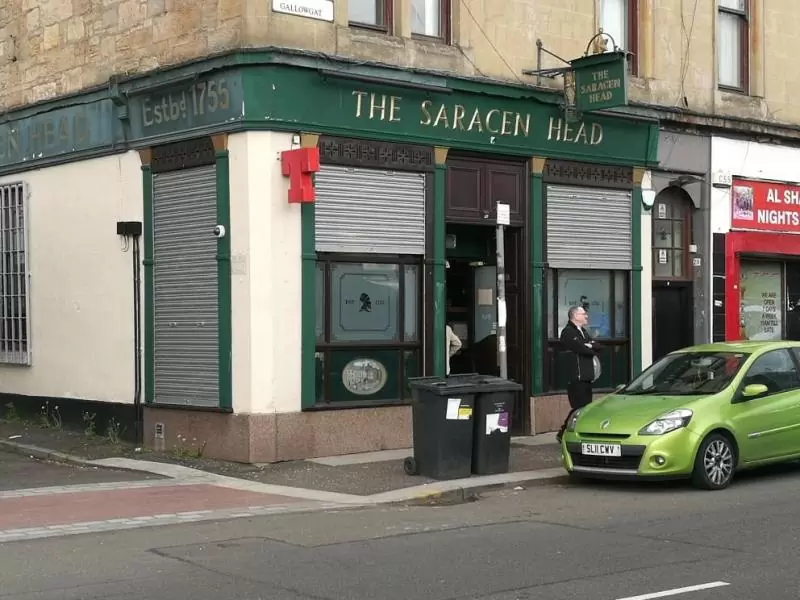
The first few hours in Glasgow are easy to remember by the smell: beer-stained wood and heated asphalt mix with the aroma of fresh bread and old books at the Barras. Pubs here aren’t just a place to drink, but miniatures of human life: weddings, arguments, football debates, and meager family dramas unfold between the tables. Sit at the bar, take a sip – and you’re immediately caught by the ear:
“New here, are you? For what purpose? Tourism or trouble?”
“Just wandering.”
“Then have another one and listen,” the bartender smiled.
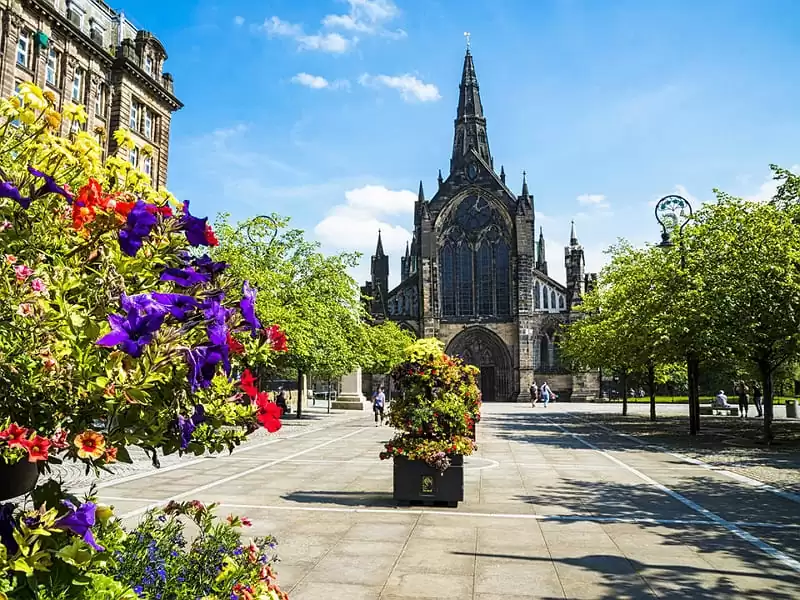
St. Mungo’s Cathedral and the Necropolis are urban pauses: views, silence, old tombstones that seem to whisper that things used to be different here. And the Barras is a market where you can buy a vintage teapot and hear the story of a family of three generations who worked in the shipyards.
Local Life: Voices of Bars and Streets
In Glasgow, people readily exchange stories, and in every joke, you can hear a sense of reality. A dialogue in a bar can give you more than a tour:
“Remember when they took down that sign?” one asked.
“Yeah. The cops, and then the guy came back and put it back up, but upside down.”
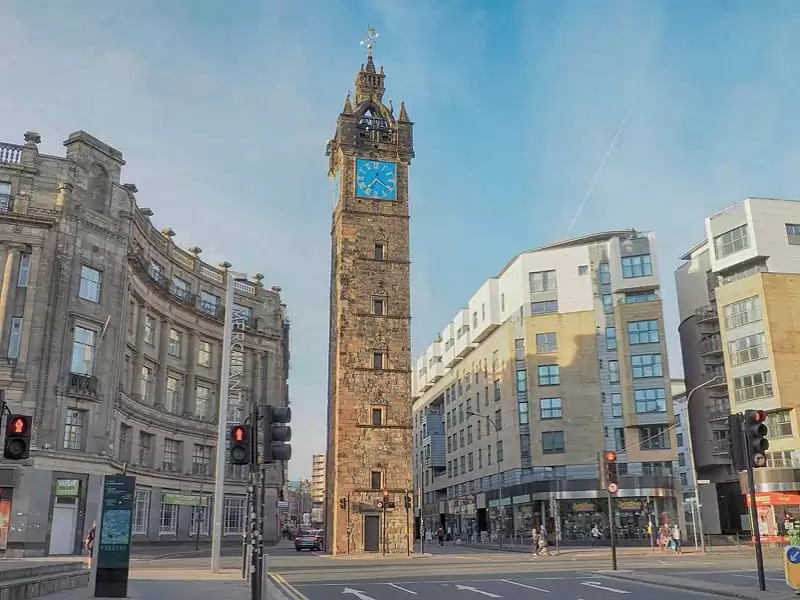
On the streets – there are their own dialogues: graffiti jokes with passers-by, street musicians interrupt each other, and neighbors comfort an old man on a bench. They tease, but if they see you’re having a bad time, they’ll help without asking questions. Street musicians, benches, homemade cakes in cafes – it all adds up to the living, breathing fabric of the city.
This is a city where a stranger can become an old friend after the first two sentences.
Industrial Past: Shipyards, Locomotives, and Decline
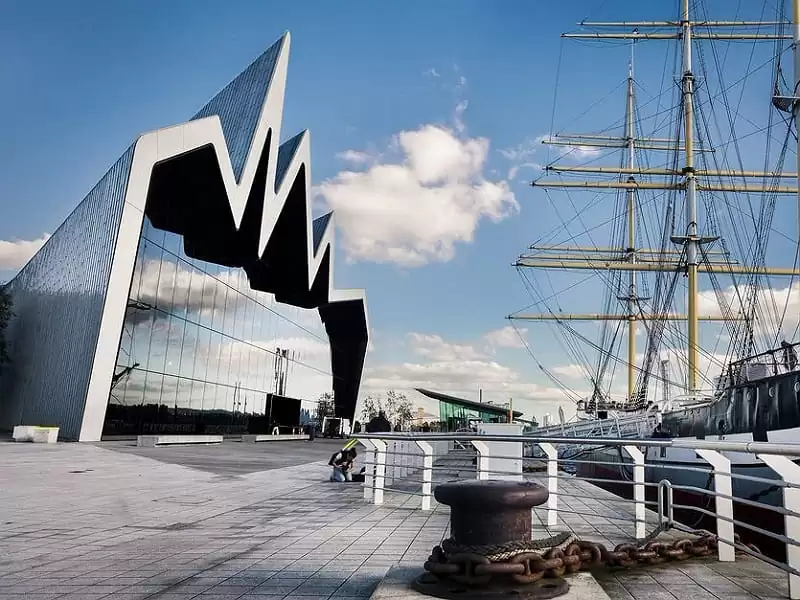
When you look at old photos of the shipyards, you realize: the city was a huge factory. They built the world here. Today, the legacy of this is wide embankments, solid houses, and stories about people who laid down their lives on the boards of ships. But after the wars, everything went wrong. People left, factories were covered in dust. There were years when the streets seemed forgotten, and the houses empty. And you immediately feel why the locals’ eyes sometimes look sad: the memory of the past weighs heavily.
Collapse and Hope: Social and Economic Upheaval
The decline didn’t come silently – it brought unemployment, disease, and empty houses. No one hides the fact that there were hard times. Benefits, vacant jobs, families struggling to make ends meet day after day. It was like a long, stormy thunderstorm, years when hope seemed like a scarce commodity.
But the people here don’t give up. But in these same dark years, sparks were born: social initiatives, people who didn’t agree with the farewell song. Galleries and cafes grew out of the wreckage. Someone renovated a warehouse and made it an exhibition space, someone else – a workshop. Hope began with small doors and loud conversations at counters.
Rebranding and Revival: Glasgow’s Miles Better and a Cultural Leap
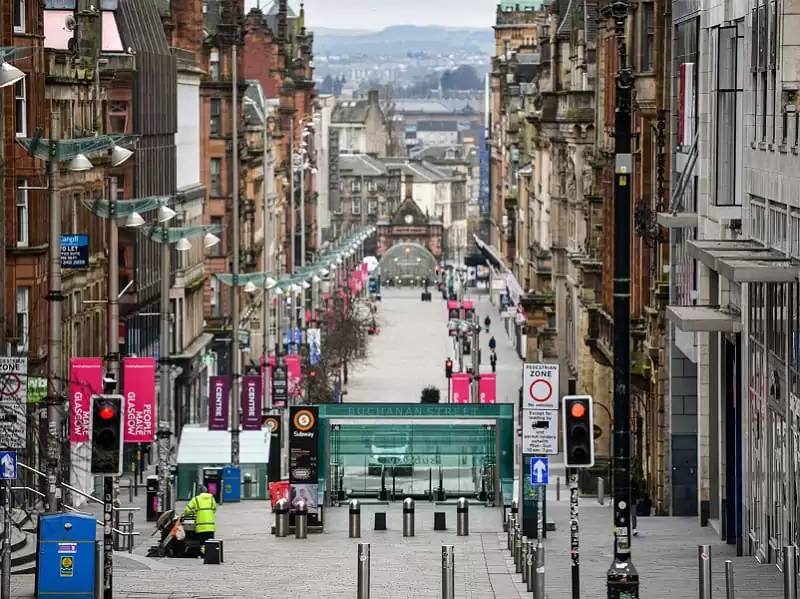
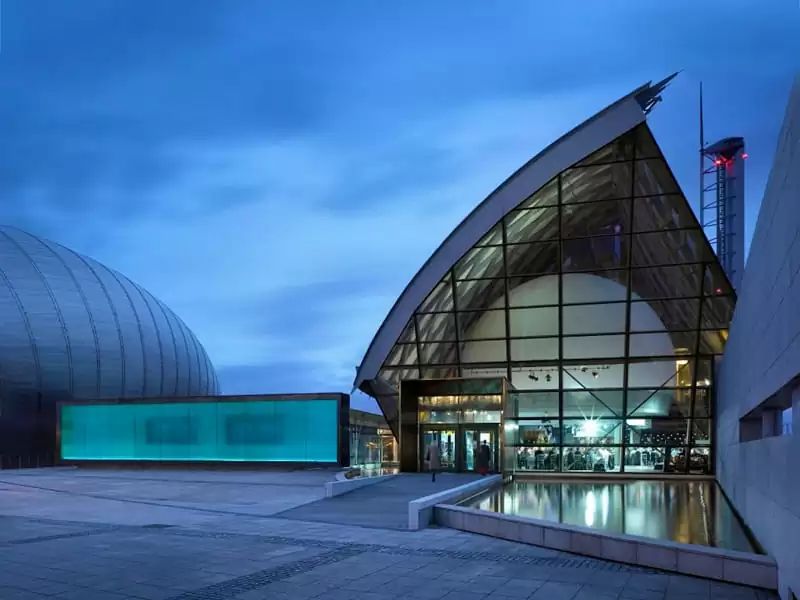
The “Glasgow’s Miles Better” campaign appeared – and people started to look at it differently. It was as if the city suddenly became interesting to itself – and to others as well. Museums opened, the embankment was put in order, and the vacant shipyards began to live a new life.
It wasn’t an instant miracle. People invested time, money, and faith. Sometimes, it was a small cafe that attracted artists, musicians, and those who wanted to live differently that made all the difference. It wasn’t a lightning-fast success: the revival happened step by step, often thanks to a small group of people with great determination.
Charles Rennie Mackintosh: The Magic of “Tosh” and Architectural Gems
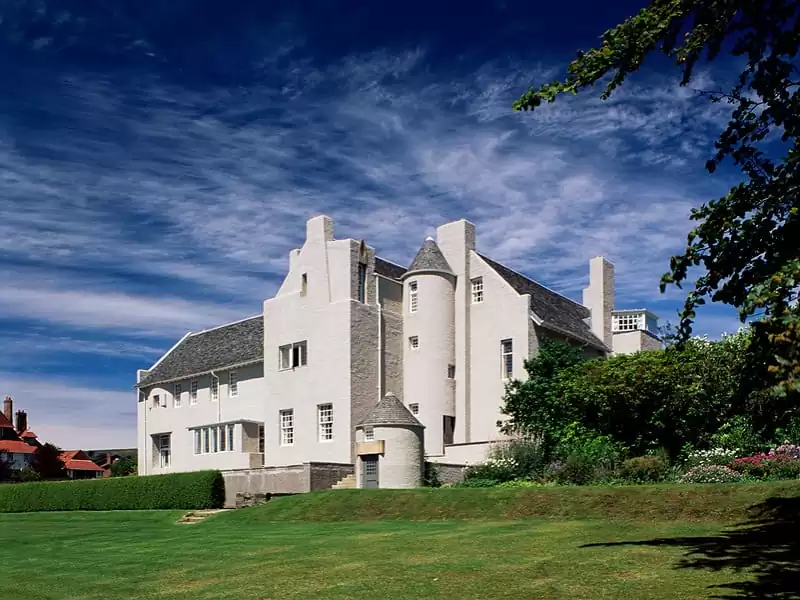
Mackintosh is like a character from another world who suddenly turned out to be nearby and became your neighbor. He’s the type who makes something click inside you: “Oh, you could do it that way?” His houses are like tiny theaters, where every detail has its place. You walk into the Hill House and think: “Someone really loved beautiful things and knew how to make them a part of life.”
He designed not only walls, but also the life inside: from furniture to curtains and spoon shapes. His houses and interiors seem to send you to an alternate reality: strict lines, unexpected details, the feeling that everything is done with love for the little things. In Glasgow, he’s treated like an old friend: they’re proud of him, show him to tourists, and joke about “that strange, magnificent man.”
School of Art: A Place Where Design Becomes Life
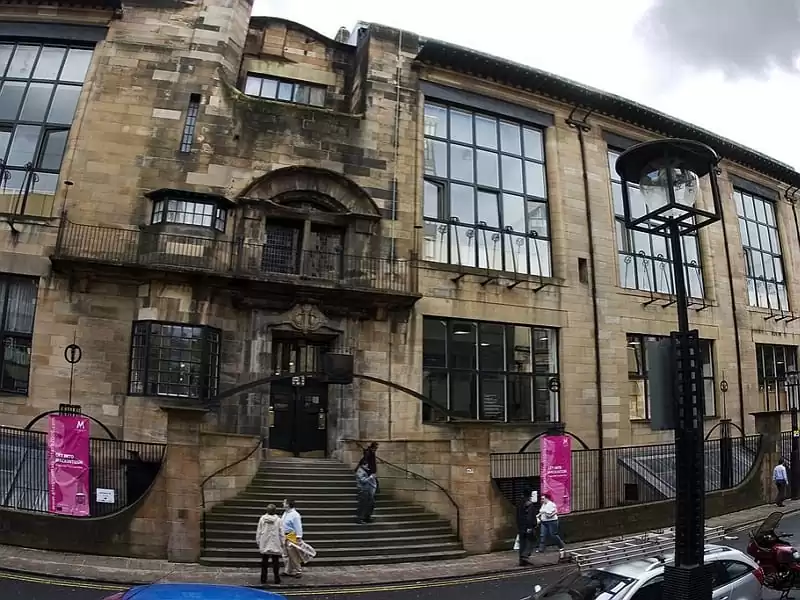
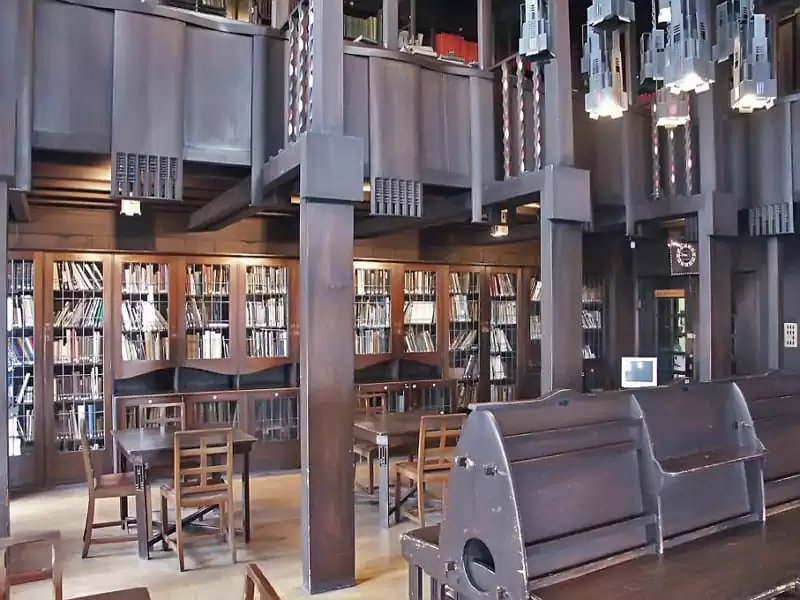
The School of Art is the heart of Glasgow’s creative energy. It’s not just about learning to draw and sculpt: it’s about learning to think in terms of design. It’s like a beehive: noisy, creative, and a little chaotic, but everything works. Students carry their work around, discuss projects, and make lamps out of whatever comes to hand.
One guy was making a lamp out of old shoes and calling it a “recycled creative solution.” A professor passed by and just nodded: “Keep going, don’t be afraid.” It is here that the ideas that later decorate the city are born. This is a place where creativity isn’t just a hobby, but a way to live and earn, and where every day pushes you towards new solutions.
Character of the City: Humor, Audacity, and Everyday Poetry
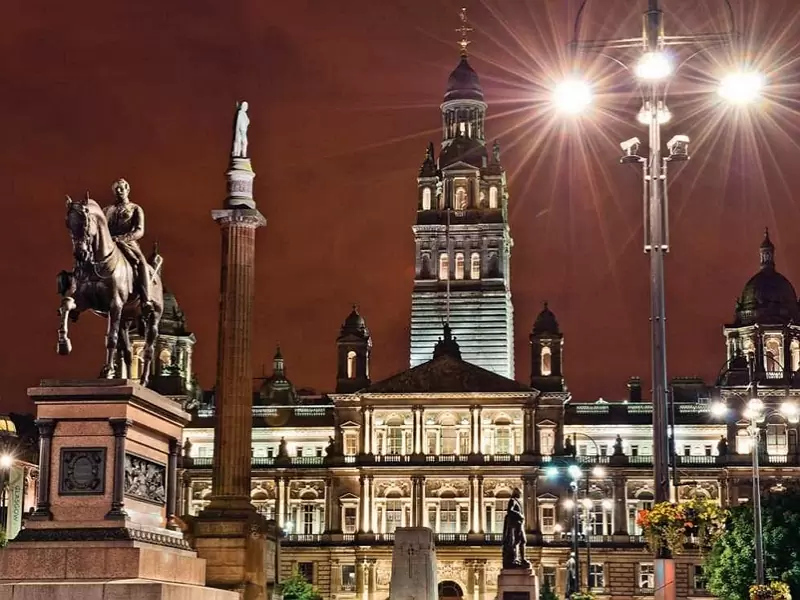
Glasgow knows how to joke and does it masterfully. Take the Duke with the traffic cone helmet: someone puts it on, someone takes it off, someone puts it back on – and so on, like a family joke. This says a lot: people like to spice up everyday life with a little hooliganism.
The city’s humor isn’t just laughter. This audacity isn’t just a joke, but a way to maintain community, it’s a tool to live on, unite, and speak the truth gently. This is their poetry: in the small prank on the statue, in the sticker on the pole, in the song that a street musician sings, who knows the best place to watch the sunset over the Clyde.
Glasgow won’t pose for a postcard – it wants you to talk to it. It says directly: “Here, the past meets the present, and sometimes they argue.” But in this dispute, what makes the city alive is born: a person who can’t be silent if he sees injustice; an architect who believes in beauty; a bartender who knows everything about the area; a schoolboy who will win a design competition tomorrow.
Here, Tosh and the pipes, galleries and shipyards, working-class roughness and designer refinement are mixed – and in this mixture, a real, necessary, and slightly prickly Glasgow is born. You want to come back not because it’s clean and perfect here, but because it’s real. And also – to laugh along with it.