If you think there’s nothing interesting in Fukushima Prefecture except the infamous nuclear power plant, you are sorely mistaken. In fact, this region of Japan boasts astonishing natural and man-made attractions, among which the Inawashiro Herb Garden holds a special place. Let’s embark on a journey to this remarkable spot, a place many travelers don’t even know exists!
Where Is This Natural Wonder Located?
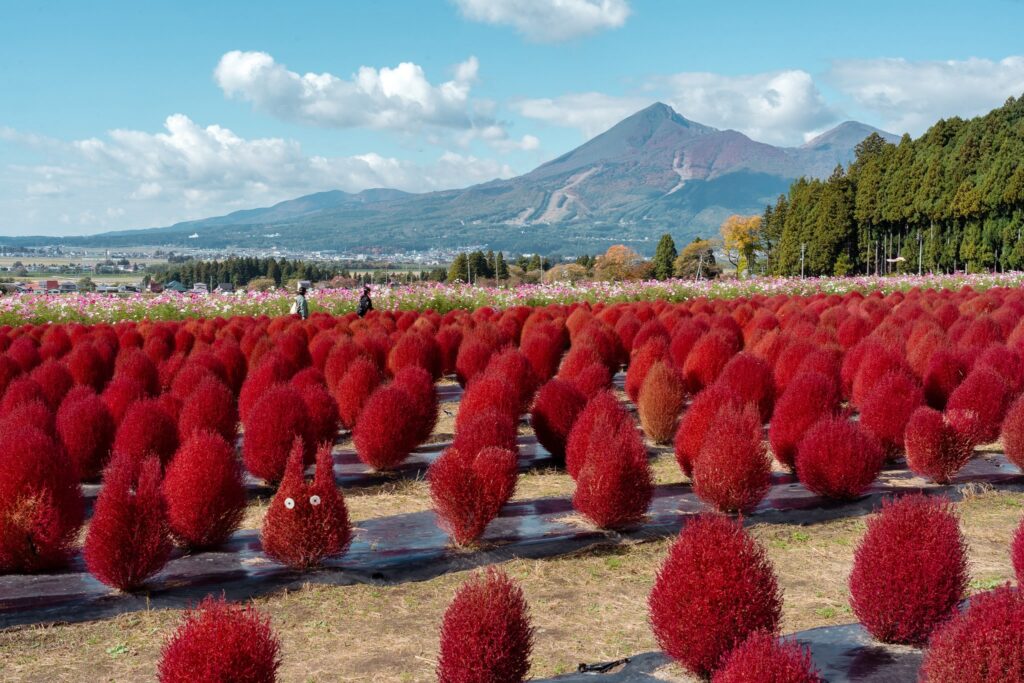
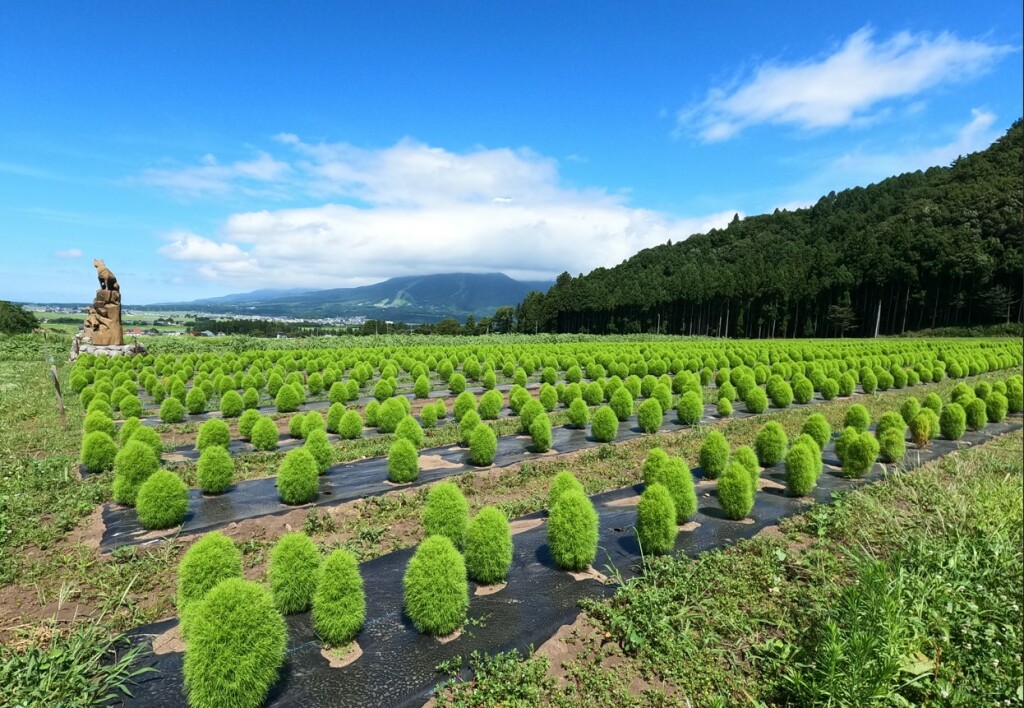
The Inawashiro Herb Garden is nestled in the picturesque area of Inawashiro Town in the western part of Fukushima Prefecture. It lies about 250 kilometers north of Tokyo and is quite easy to reach by bullet train, followed by local transport. The garden spreads at the foot of Mount Bandai, next to the beautiful Lake Inawashiro, creating a stunning natural landscape.
Its geographical location gives the garden a unique atmosphere: on one side—the majestic mountain, on the other—the mirror-like surface of the lake. The climate here is fairly mild in summer and snowy in winter, providing excellent conditions for cultivating a diverse array of herbs and plants. By the way, the name “Inawashiro” can be translated as “straw castle,” alluding to the agricultural past of the area.
The Story Behind the Creation: How This Green Oasis Came to Be
The history of the Inawashiro Herb Garden began relatively recently—in the 1980s, when local enthusiast and medicinal plant expert Takeshi Yamamoto decided to create a space to collect and showcase the rich diversity of local flora. Initially, it was a small private garden, but thanks to the support of local authorities and a growing interest in traditional medicine, the project quickly expanded.
The garden officially opened in 1985, but its true blossoming came in the early 2000s, when a new wave of interest in natural products and traditional healing methods swept through Japan. After the 2011 disaster, when Fukushima Prefecture came under the world’s spotlight due to the nuclear accident, the garden became a symbol of the region’s revival and a testament to the fact that life goes on here.
Interesting fact: the garden originally had just about 50 species of herbs; now, that number exceeds 400 varieties! Each year, the collection is refreshed with new plants, some of which are brought from distant corners of the world.
Unique Features of the Inawashiro Herb Garden
What makes this garden stand out among the many other botanical gardens in Japan? First and foremost, its thematic focus. Unlike classic gardens where ornamental plants take center stage, here the emphasis is on medicinal and aromatic herbs.
The garden is divided into several themed areas:
- Traditional Japanese Medicinal Herbs Zone—gathering plants used in Japanese folk medicine for centuries
- International Section—showcasing herbs from various countries around the world
- Aromatic Zone—a collection of the most fragrant plants
- Culinary Section—herbs used in food preparation
- Research Plot—where experiments with rare species are conducted
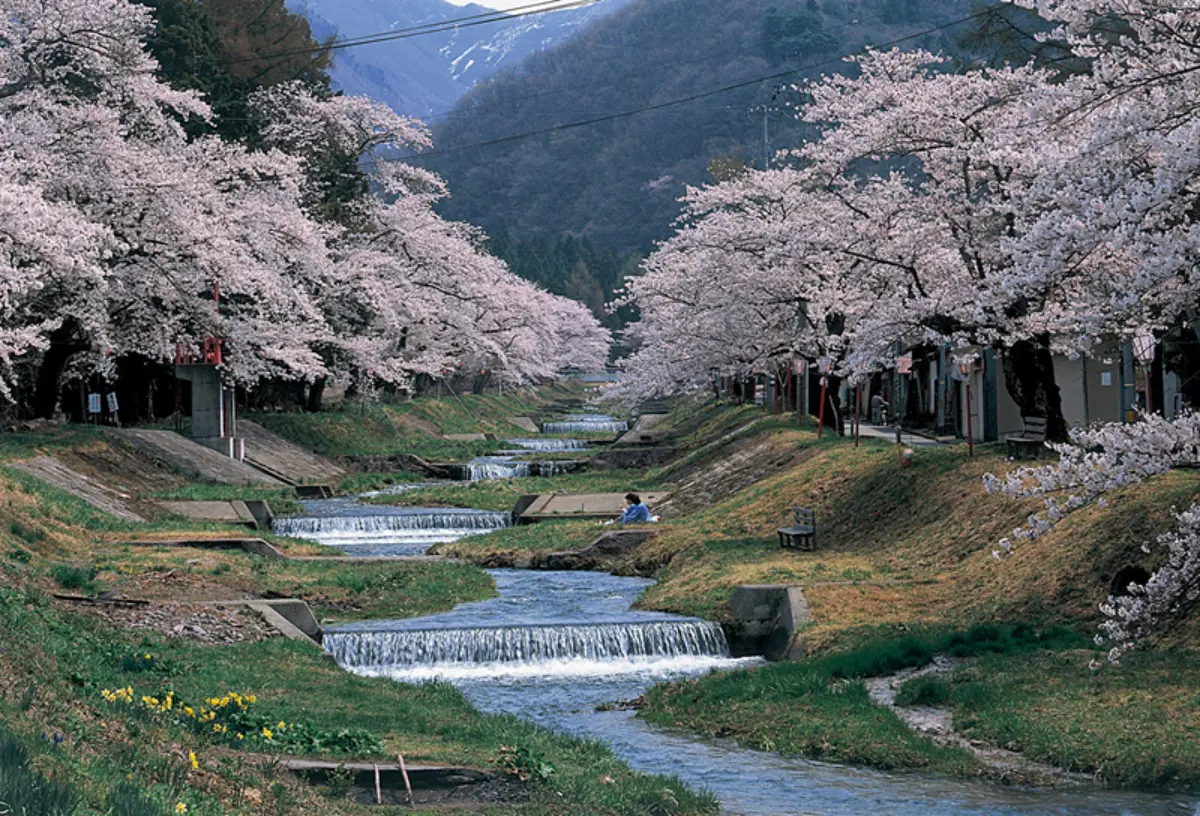
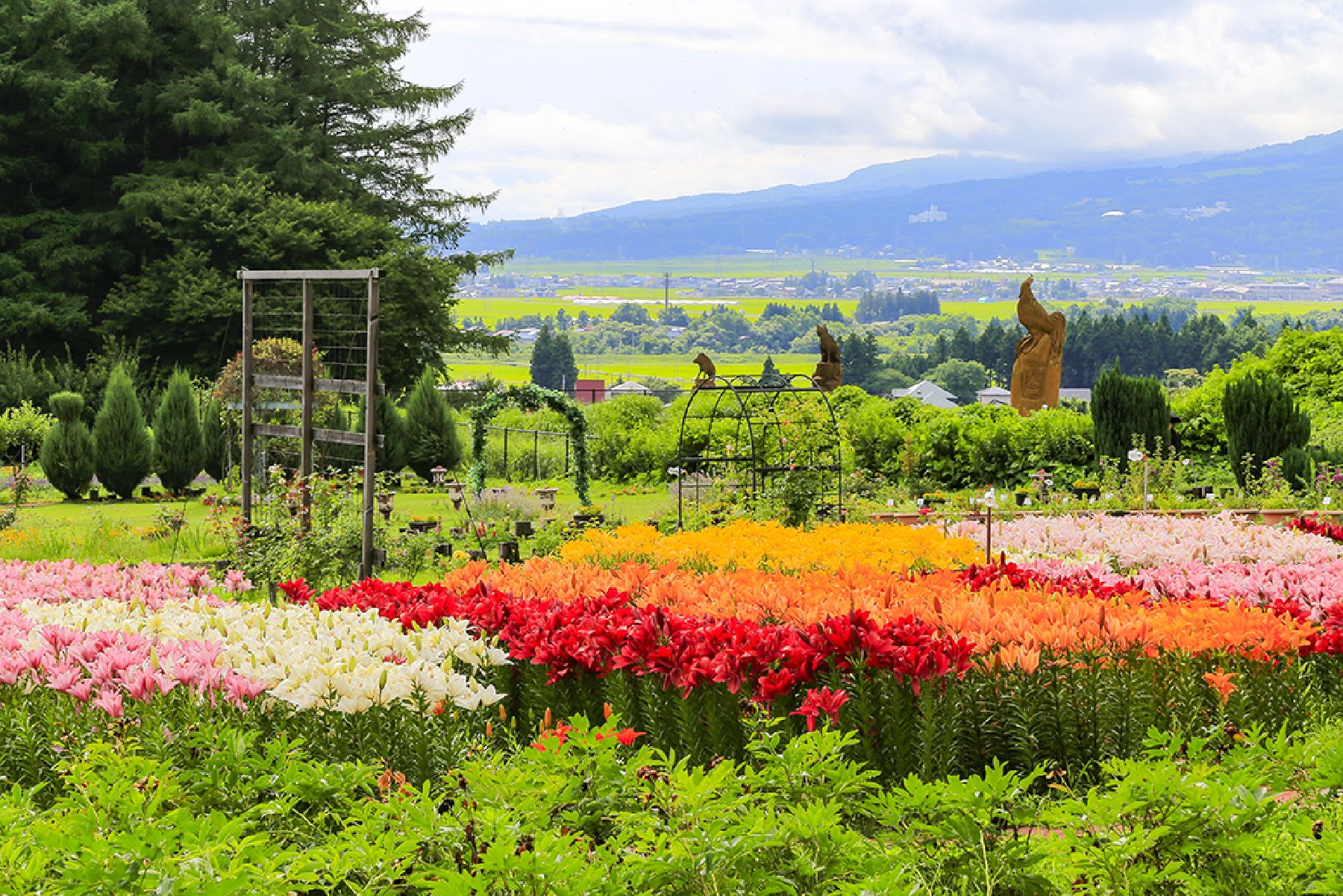
One of the most impressive features of the garden is its seasonal transformation. Every month, the garden looks completely different: in spring, it’s awash with the delicate blossoms of mint and sage; in summer, it delights with the vibrant colors of St. John’s wort and echinacea; in autumn, the golden hues of chamomile and calendula catch the eye. Even in winter, when most plants are dormant, the garden maintains its charm—many evergreen herbs create whimsical patterns on the snow.
Another unique aspect is interactivity. Unlike many botanical gardens, where you can only look at the plants, here visitors are encouraged to touch them, smell them, and in special areas even taste certain edible herbs. This creates a wholly immersive experience in the world of scents and flavors.
Fascinating Facts You Definitely Didn’t Know
The Inawashiro Herb Garden is not just a beautiful place, but also a treasure trove of intriguing stories and facts. Here are a few:
- Herbal Sake — The garden collaborates with local sake producers to create unique infusions using herbs grown here. Some of these drinks are available exclusively at the garden.
- Self-Cleaning Pond — At the center of the garden is a small pond with a natural water filtration system employing carefully selected aquatic plants. Developed by local scientists, this system is now used in other ecological projects throughout Japan.
- Ghostly Herbs — A local legend speaks of “ghost herbs”—plants that appear briefly during the full moon and possess magical powers. While this is of course just a story, it draws many visitors to the garden at night during full moons.
- Restorative Mission — After the Fukushima nuclear accident, the garden became a center for phytoremediation research—using plants to cleanse soil of radioactive elements. Some herb species grown here are used to help restore contaminated areas.
- Floral Clock — The garden hosts an unusual “Flower Clock” installation, where different herbs bloom and close at specific times of day, allowing you to estimate the time without a watch.
- Seed Collection — The garden houses one of Japan’s largest collections of medicinal plant seeds, with over 2,000 specimens. This collection plays an important role in preserving biodiversity.
Tourist Infrastructure: Everything for a Comfortable Visit
Over the last decade, the Inawashiro Herb Garden has grown from a local attraction into a popular tourist destination for both Japanese and international visitors. Around 300,000 people visit annually, and interest continues to rise.
For guest convenience, the garden offers:
- Information center with materials in several languages
- Herb café where you can taste dishes and drinks using plants from the garden
- Workshops, hosting classes on making herbal teas, soaps, and aromatic oils
- Gift shop offering unique herb-based products
- Viewing platforms with vistas of Lake Inawashiro and Mount Bandai
Tourism infrastructure around the garden is also developing. Within walking distance are several traditional ryokan (Japanese inns), where you can stay overnight and enjoy hot spring baths (onsen). Nearby, you’ll also find local cuisine restaurants serving dishes made with the garden’s produce.
For those wishing to combine the garden with other regional attractions, special tours are available, including trips to Lake Inawashiro, visits to historic temples, and explorations of traditional villages.
How to Get There and the Best Times to Visit
Getting to the Inawashiro Herb Garden is quite straightforward. From Tokyo, take the Shinkansen bullet train to Koriyama Station (about 1.5 hours), then transfer to a local train to Inawashiro Station (about 40 minutes). From the station, regular buses or taxis (a 10–15 minute ride) will take you to the garden.
The garden is open year-round, but the best time to visit is from May to October, when most plants are actively growing and in bloom. It’s especially beautiful from late May to early June, when the lavender is flowering, and in September, during the autumn bloom of many medicinal herbs.
If you plan to visit during peak season (especially on weekends), it’s advisable to book tickets in advance through the official website. Note that on certain holidays, special festivals and events take place here, attracting large crowds.
More Than Just a Garden
The Inawashiro Herb Garden is much more than just a botanical collection. It’s a place where tradition and innovation, nature and culture, science and art all come together. It has become a symbol of Fukushima Prefecture’s revival and proof that even after severe hardships, nature continues to delight with its beauty and abundance.
If you’re planning a trip to Japan and want to see something out of the ordinary, off the beaten tourist path, be sure to add this remarkable place to your itinerary. You’ll not only enjoy the beauty and aromas of hundreds of plants but also discover a new, lesser-known side of Japan—a country where reverence for nature has risen to the level of an art form.
And remember, every visit to the Inawashiro Herb Garden is not just a tourist experience, but also a contribution to the restoration and development of a region striving to overcome negative associations and show the world its true beauty and wealth of natural and cultural heritage.