Well then, friends, ready for an adventure? If you’re reading these lines, it means Malta is already lingering somewhere in your thoughts, like an enticing mirage in the middle of the Mediterranean. And rightly so! Because Malta is not just an island — it’s a whole world in miniature, a time capsule where antiquity intertwines with modernity, and every corner breathes history and legend. I’ll take you through this amazing country and tell you everything you need to know before you set foot on its sunny soil. Get ready — it will be long, but incredibly interesting!
Hello, Malta! Or how I fell in love with this little archipelago
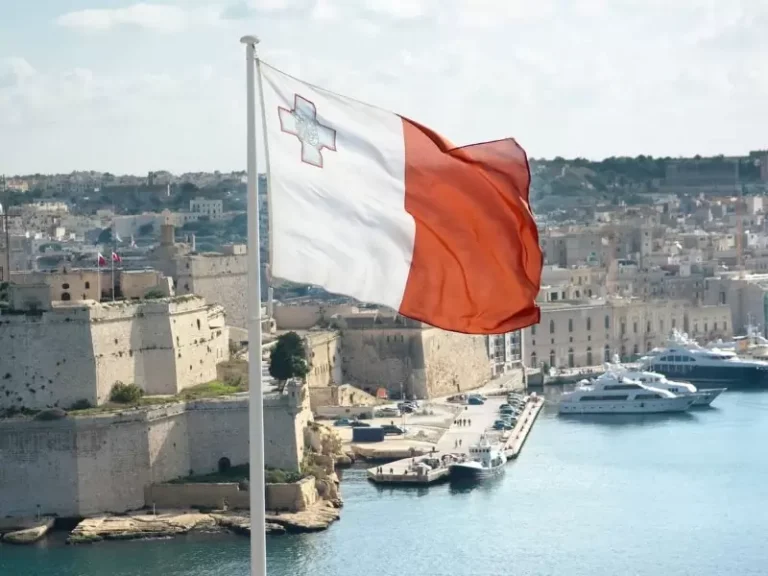
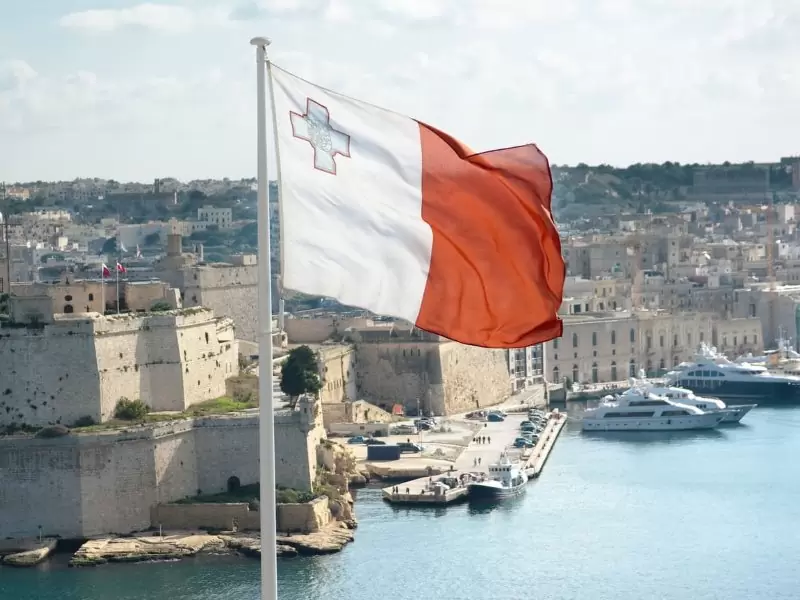
Imagine this: you stand atop the ancient walls of Valletta, Malta’s capital, and before you stretches the azure Mediterranean, glittering under the golden sun. Behind you — majestic cathedrals, narrow streets with colorful balconies, and around you — a talkative people, a mix of melodious Maltese and easily understandable English. Can you feel it? That’s Malta. It immediately wraps you in its atmosphere, sometimes spicy and intense, sometimes gentle and relaxed.
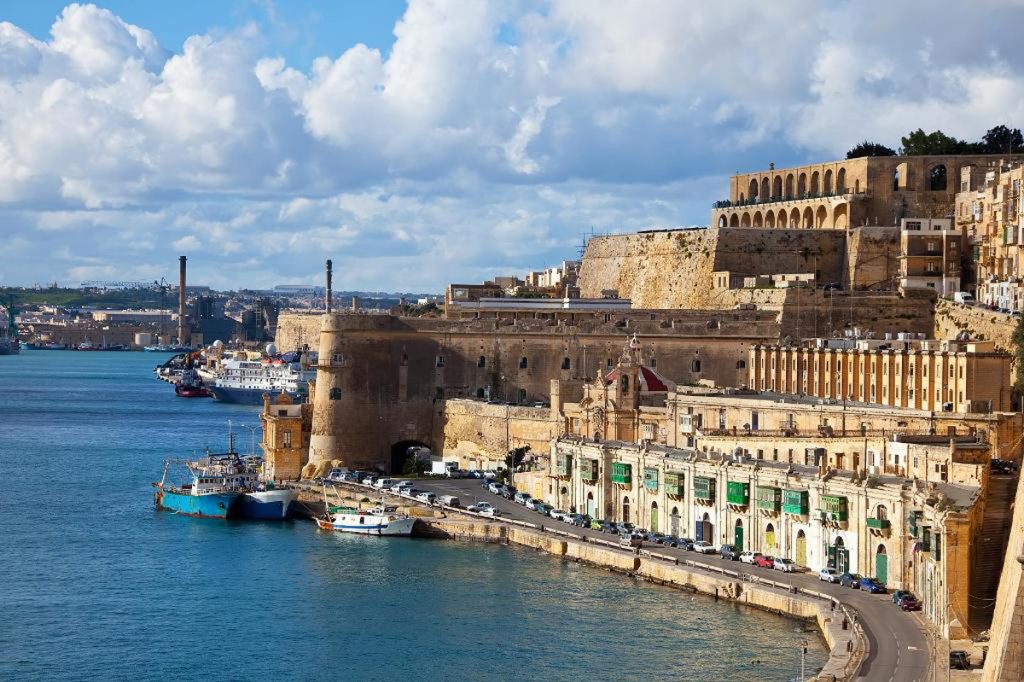
Malta is not just a country — it’s an archipelago of seven islands (the main ones: Malta, Gozo, and Comino), located right in the heart of the Mediterranean, south of Sicily and east of Tunisia. Because of this strategic position, throughout its long history Malta has seen probably everyone who ever sailed these waters.
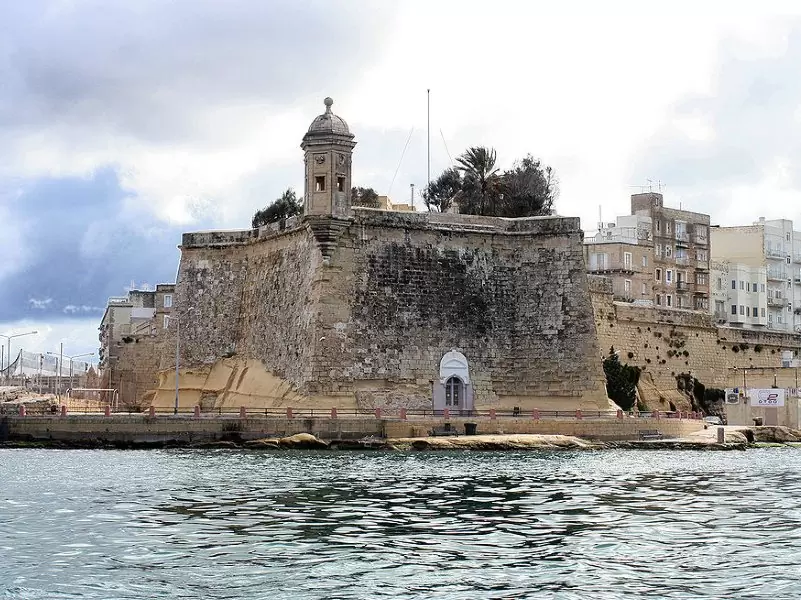
It all began thousands of years BCE, when mysterious megalithic temples were built here — structures older than the Egyptian pyramids! Later came the Phoenicians, Romans, Arabs (who left a huge mark on the language and culture), Normans, Spaniards. But perhaps the brightest period in Malta’s history is connected with the Order of St. John, or the Knights Hospitaller, who arrived here in 1530 after being expelled from Rhodes.
They turned Malta into an impregnable fortress and Valletta into an architectural masterpiece. After them came the French (briefly, but loudly), and then the British, who ruled for almost two centuries, leaving behind left-hand driving, the English language, and a certain “island” resilience. Malta gained independence only in 1964 and joined the European Union in 2004. Such a bouquet of cultures, eras, and influences awaits you on these small but very proud islands.
Geography, landscape and climate: sun, cliffs and sea-blue
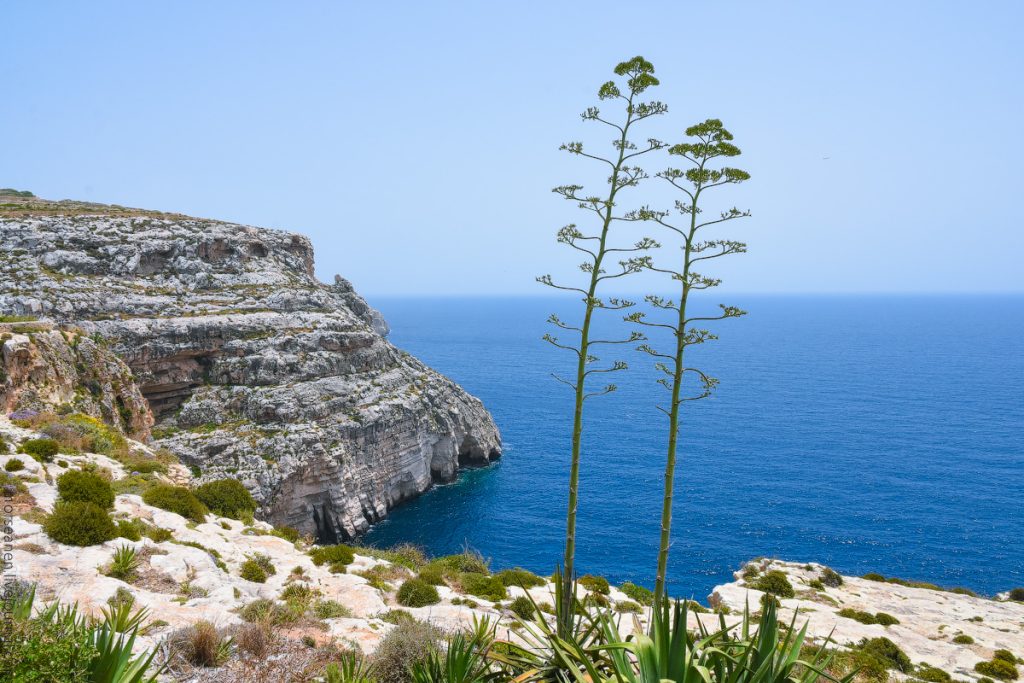
If you imagine Malta as a green tropical paradise with high mountains and full-flowing rivers, let me surprise you. Malta is a land of rock and sun. There are no mountains (the highest point — Dingli Cliffs — is only 253 meters, but the view from there is breathtaking!), and no rivers (all water comes from rainfall collected in underground reservoirs and desalinated seawater).
The landscape is predominantly hilly and rocky, with terraced fields that look like giant steps descending to the sea. There isn’t much greenery, but what there is is very vivid, especially in spring.
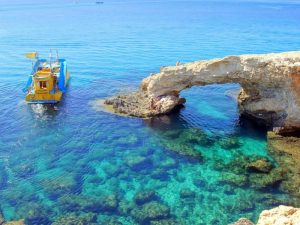
What Malta has in abundance are stunning coastlines. It’s a paradise for lovers of rocky coves, cozy sandy beaches (there aren’t many, but they exist!), and of course crystal-clear, incredibly azure water. You’ll see amazing natural arches, sea caves and cliffs that drop straight into the sea, creating dramatic scenery.
Now about the climate. It’s a classic Mediterranean climate, meaning:
- Summer (June–September): Hot, dry and very sunny. Temperatures easily exceed +30°C, sometimes +35°C. Rain is rare. Perfect for beach holidays, diving and water sports. But be prepared: daytime can be too hot for long walks and excursions. Occasionally a dry, hot sirocco wind from North Africa blows through, making it quite oppressive.
- Autumn (October–November): Mild and pleasant. Temperatures hover around +20–25°C, the sea is still warm, but rain can return. Great time for sightseeing and active travel.
- Winter (December–February): Mild, with temperatures around +12–18°C. Many sunny days, but rain occurs regularly, though usually short-lived. Everything turns greener and citrus trees are laden with fruit. Ideal for those who dislike heat and want to explore Malta’s history and culture.
- Spring (March–May): Arguably one of the best times to visit. Comfortable temperatures (+18–25°C), nature blooms profusely, and the sea begins warming up by May.
Tip for tourists: If your goal is beach relaxation, come in summer. If you want to explore sights without exhausting heat, spring or autumn are your best bets. At any time of year, bring sunscreen, a hat and sunglasses — the sun here is very strong!
Political and administrative system, capital, religion and nuances
Malta is a parliamentary republic within the Commonwealth of Nations and, of course, a full member of the European Union. The head of state is a president (mostly ceremonial), while real power lies with the prime minister and parliament. Administratively, the country is divided into 68 local councils.
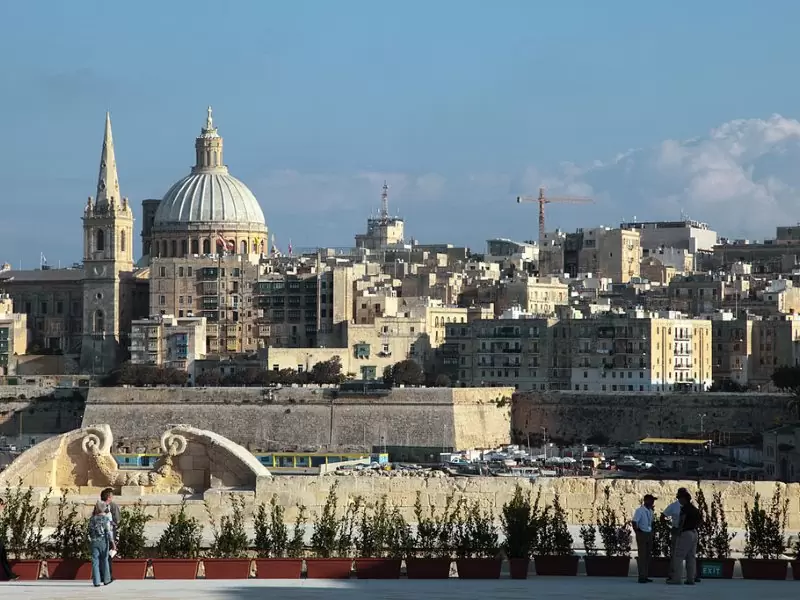
Capital — Valletta. This is not just a capital but a true architectural masterpiece and fortress listed as a UNESCO World Heritage site. It is also one of the smallest capitals in the world by area (only about 0.8 square kilometers!), yet incredibly dense in historical monuments.
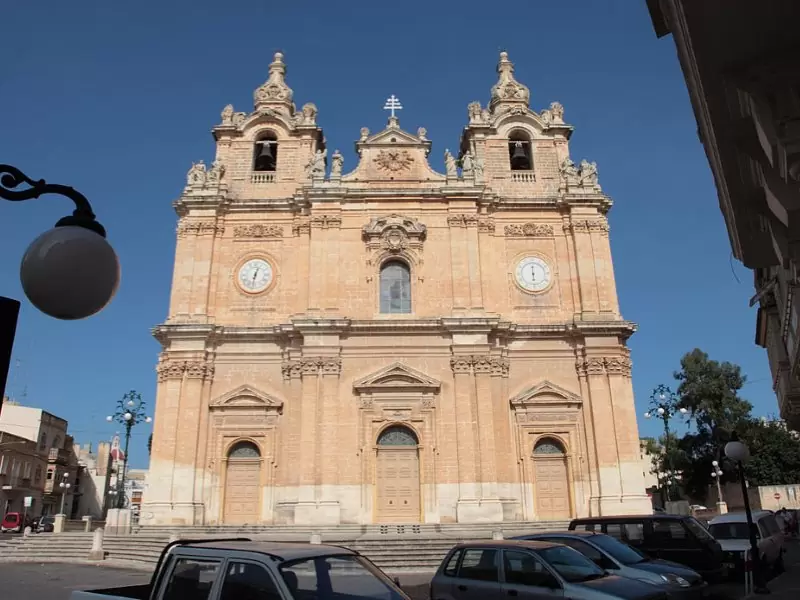
Religion in Malta is more than faith — it’s a cornerstone of society. The overwhelming majority of the population (over 90%) are Roman Catholics. Catholicism is the state religion. You’ll see this everywhere: every town and even small village has its grand church, often more than one. The ringing of bells is an integral part of Maltese atmosphere.
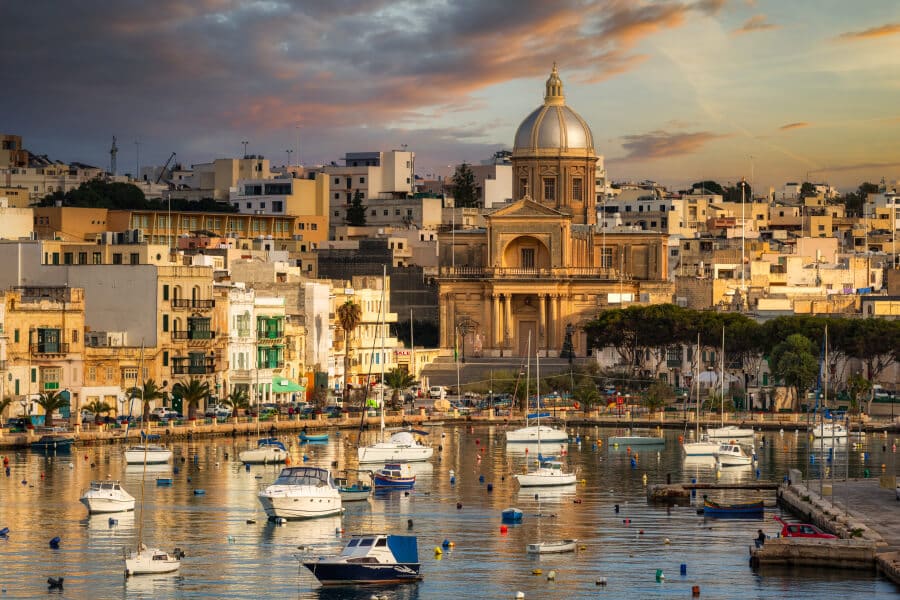
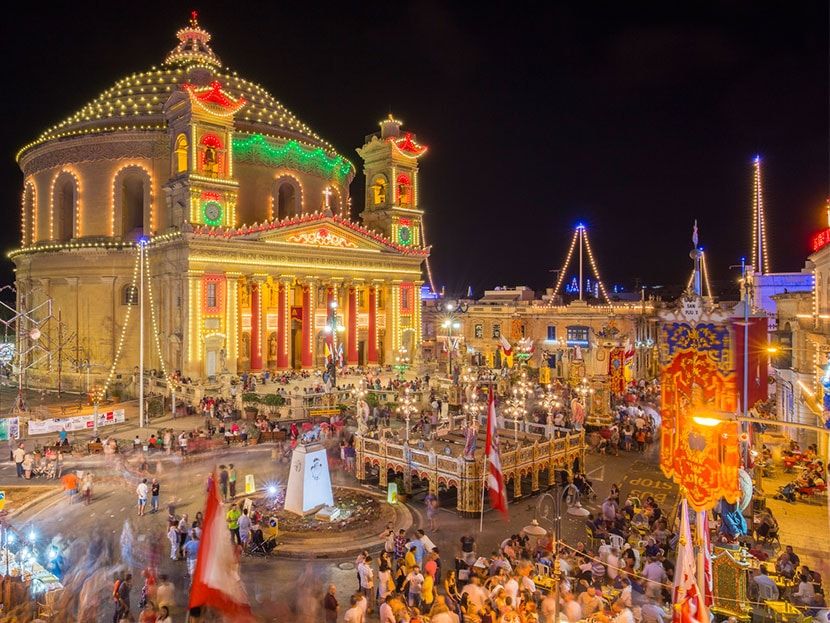
Important nuance: Maltese religiosity shows itself not only in Mass attendance but in everyday life. Family values, respect for elders and traditions are strong. In summer you’ll encounter amazing festas — local feasts honoring patron saints of towns and villages. These are incredible spectacles: streets decorated with flags and garlands, solemn processions with statues of saints, and at night the sky lit by fantastic fireworks that can last for hours!
This is a very important part of Maltese culture — if you happen to be on Malta during a festa, be sure to attend — it’s unforgettable!
In general, Maltese people are very tolerant, but don’t forget to respect their traditions, especially when visiting churches (shoulders and knees must be covered).
Population and language: Maltese color and English accent
Malta’s population is relatively small — just over 530,000 people. Yet population density is one of the highest in Europe. No wonder — space on the islands is limited!
The native population are the Maltese — a unique people whose blood includes everyone who ever set foot on these islands. Physically they may resemble southern Italians, Greeks, or even Arabs — a result of millennia of conquests and cultural exchanges.
Main question for a tourist: what language do they speak? You’ll be pleasantly surprised. Malta has two official languages:
- Maltese (Malti): The only Semitic language written in the Latin alphabet. It sounds very unusual, a mix of Arabic, Italian and English. Much of the vocabulary is Semitic, but grammar and many words are borrowed from Italian (especially the Sicilian dialect), and recently many English words have been incorporated. For most tourists it will be a completely new language.
- English: Thanks to long British rule, English is known by virtually everyone. In shops, restaurants, hotels and on the streets — you’ll communicate easily. All signs, menus and directions are bilingual. So you’ll hardly feel a language barrier here.
Features of the national mentality
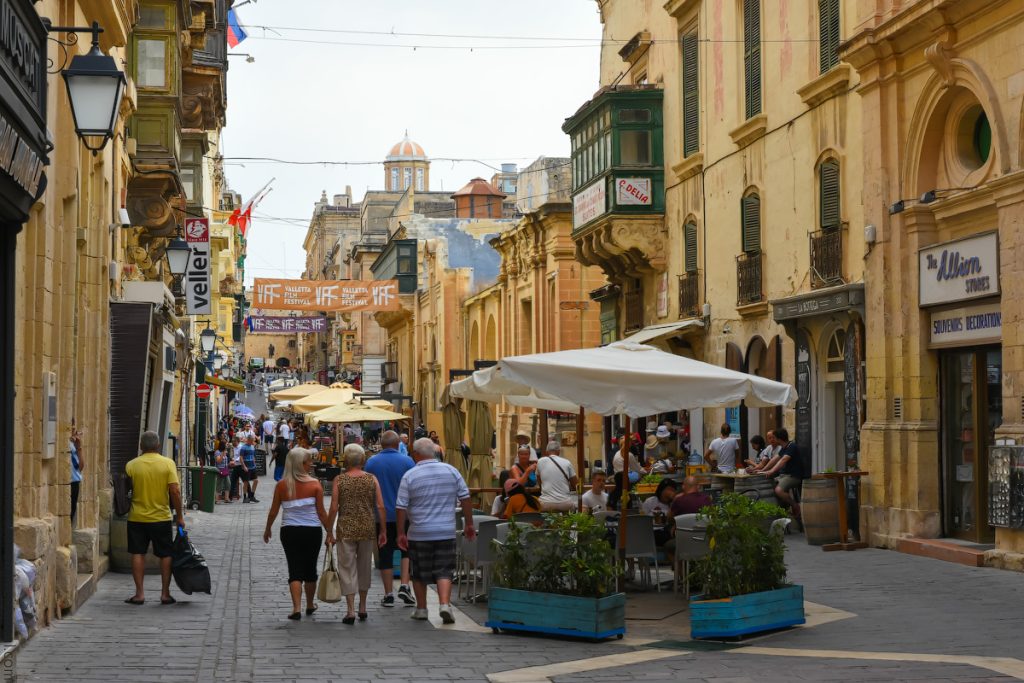
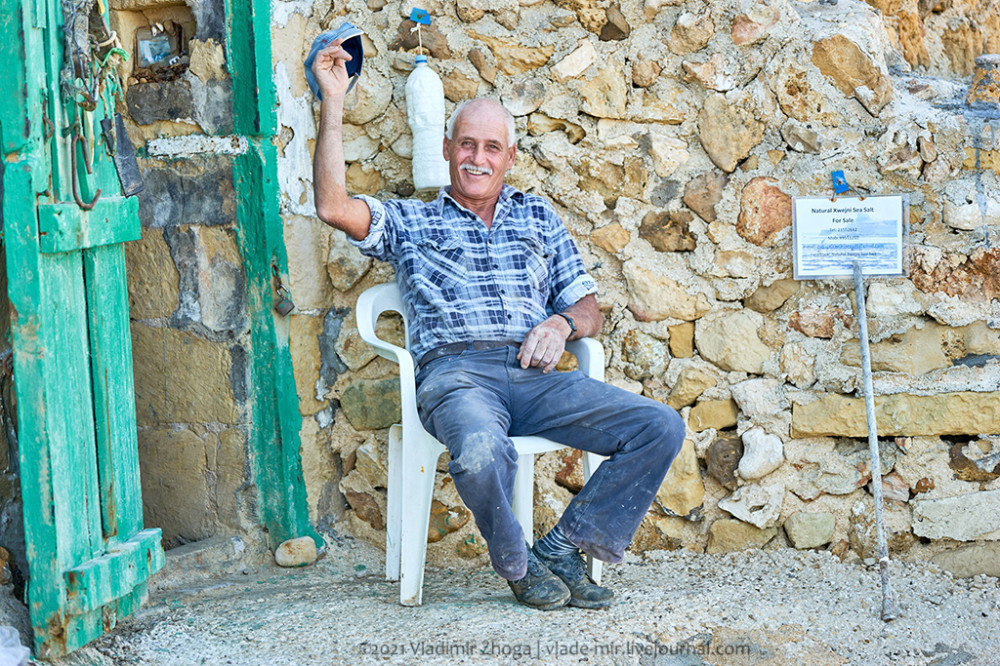
Maltese people, like many southern nations, are very hospitable and friendly. They love to chat and can be somewhat loud and expressive. Family is sacred to them. They are relaxed and live by the motto “m’hemmx problema” (pronounced “m’hemmesh problema”) — “no problem.” It’s their local equivalent of the Spanish “mañana.” Don’t be surprised if something runs behind schedule or slower than you’re used to.
Here people don’t rush. Just relax and enjoy life at their pace. They are also very patriotic and proud of their history and culture. Complimenting their country, or even attempting a few words in Maltese (for example, “Grazzi” — thank you, “Bonġu” — good morning) will be much appreciated.
Transport infrastructure: buses, ferries and left-hand driving
Despite its small size, Malta has a fairly developed transport system that lets you reach almost any point.
Air connections
Malta has a single airport — Malta International Airport (MLA), located close to the capital. It’s well connected with the rest of Europe and some countries of North Africa and the Middle East. From the airport it’s easy to get to any city by bus (direct routes to Valletta, Sliema, St. Julian’s), taxi or booked transfer.
Sea routes
- Ferries to Gozo and Comino: The main way to travel between the islands. Regular ferries run from the main island (from Cirkewwa) to Gozo and Comino (from Cirkewwa and Marfa). The trip to Gozo takes about 25 minutes. Small boat taxis often run to Comino (and the famous Blue Lagoon).
- Ferries to Sicily: High-speed ferries run from the Grand Harbour area in Valletta to Sicily (Catania, Pozzallo), if you fancy a short trip to the neighboring Italian island.
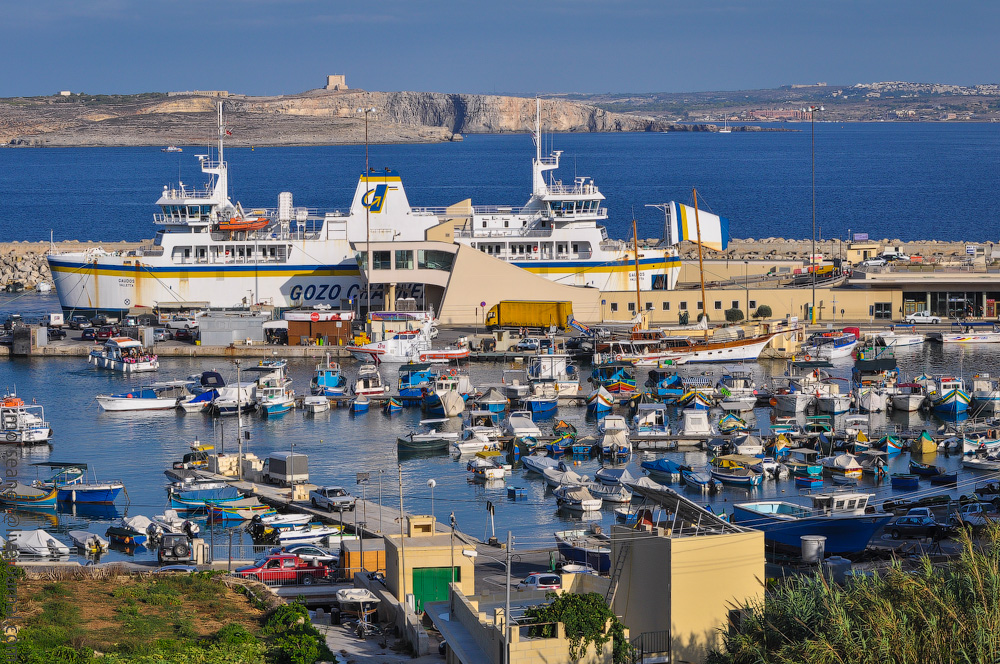
Local water taxis/ferries
In the Grand Harbour and Marsamxett Harbour areas (Valletta, Three Cities, Sliema) there are small ferry crossings that are a great alternative to buses and let you enjoy the coastline from the water.
Railways
There are none in Malta at all. Never have been, apart from one short line that operated in the early 20th century.
Intercity buses and public transport
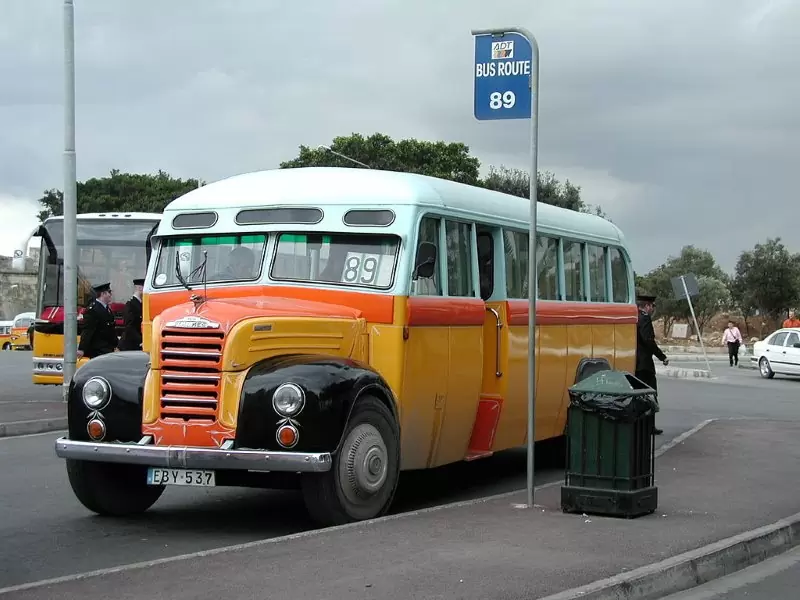
- Buses are everything! They are the primary form of public transport in Malta. The bus network is extensive, and you can reach almost anywhere on the island by bus. Buses are modern and air-conditioned but can be crowded at peak times and get delayed by traffic in narrow streets.
- Payment: You can pay cash (about €2–2.5 per ride; a ticket is valid for 2 hours with transfers) or buy a Tallinja Card. For tourists there are special options: the Explore Card (7 days of unlimited travel, about €21 for adults) or 12 Single Day Journeys (12 trips for €15). These are very cost-effective if you plan to travel a lot.
- Main bus terminal is right by the gates of Valletta.
Taxis and car-sharing:
- Taxis: Official white taxis with meters. Prices can be quite high, especially if hailed on the street.
- Taxi apps: It’s much more popular and economical to use apps like Bolt and eCabs. They work well, cars are plentiful, and prices are fixed and transparent. I recommend downloading them upon arrival.
- Car-sharing: There are several companies (for example, GoTo) offering electric vehicles for short-term rental. Convenient for city trips.
- Car rental: Available and quite popular, especially if you want to explore remote corners of the island or need mobility.
IMPORTANT!
- Left-hand driving: This is the first thing to get used to.
- Narrow and winding roads: Many roads are very narrow, especially in old towns and villages.
- Parking: Can be a real quest, especially in tourist areas.
- Driving style: Maltese drivers can be rather expressive, so be cautious.
If you’re not confident in driving under new conditions, it’s better to rely on buses and taxis.
The most important and interesting facts about the country: did you know that…?
Malta, though tiny, is full of surprises. Here are a few facts that will amaze you:
- One of the smallest countries in the world: Malta’s area is only about 316 square kilometers. You can drive from one end to the other in literally an hour!
- Older than the pyramids: Maltese megalithic temples (for example, Ħaġar Qim and Mnajdra) date from 3600–2500 BC. They are older than the Egyptian pyramids and Stonehenge!
- The only Semitic language written in the Latin alphabet: As mentioned, the Maltese language is a unique case in world linguistics.
- Filmed by Hollywood: Thanks to its unique landscapes and architecture, Malta is often a filming location for Hollywood blockbusters. Scenes for Gladiator, Troy, The Count of Monte Cristo, Munich, and Game of Thrones were shot here (the Red Keep in the first season is Fort Ricasoli, and the wedding scenes were filmed at the Azure Window on Gozo, before its collapse).
- Grand Harbour — one of the best natural harbors: This huge bay, now filled with luxury yachts and cruise ships, was for centuries a strategic site and the scene of many sieges.
- A diver’s country: The waters around Malta are among the cleanest and most transparent in the Mediterranean. There are many shipwrecks, underwater caves, and rich marine life, making Malta a diver’s paradise.
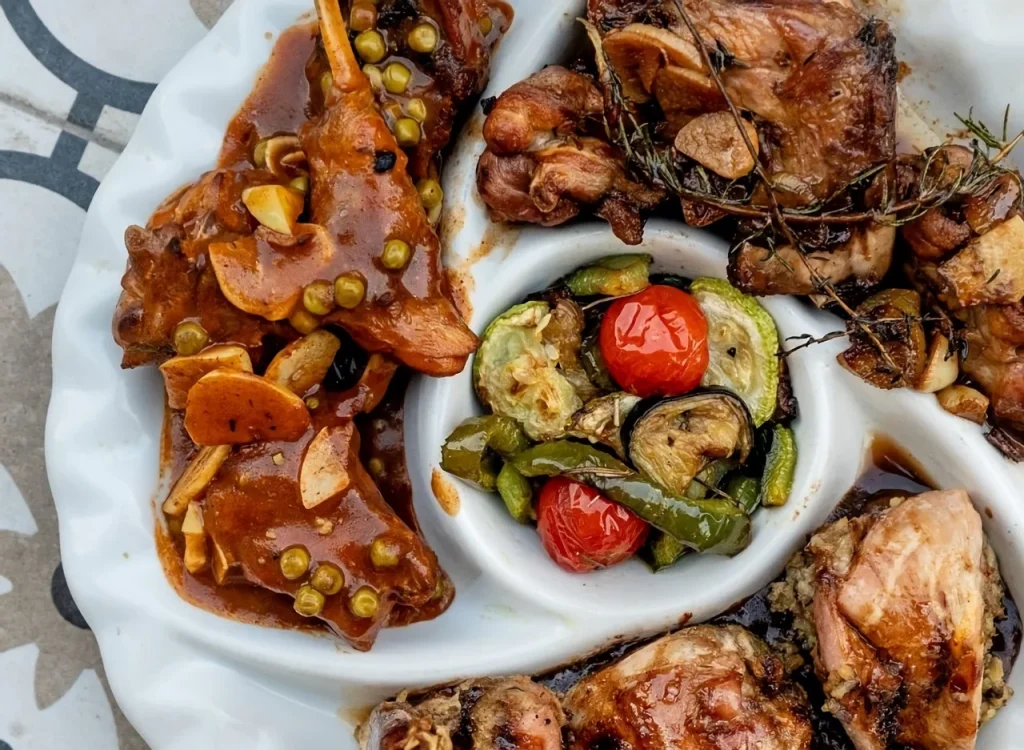
- National animal — a pigeon?: No, seriously, it’s kind of funny. But the national dish is rabbit (fenek).
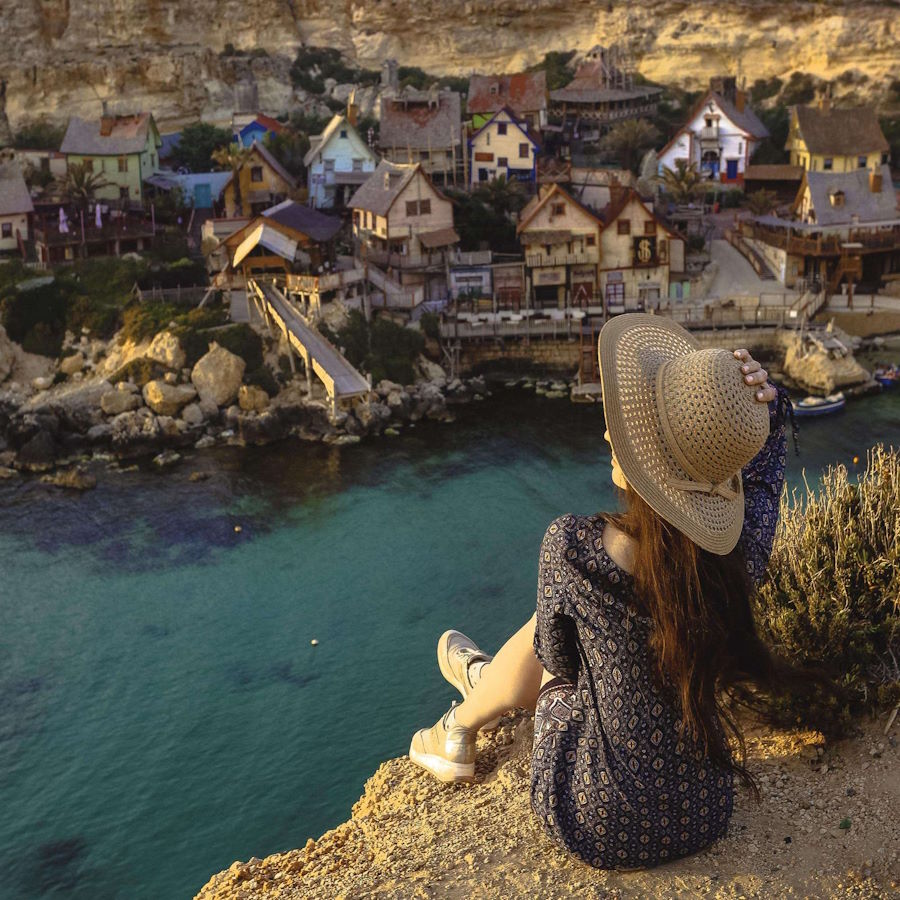
- Popeye Village: The original film set from the 1980 Popeye movie with Robin Williams is here. Now it’s a whole theme park!
- Severe water shortage: Due to the lack of rivers and low rainfall, Malta historically faced fresh water shortages. The problem is now addressed with desalination plants, but water resources are still highly valued.
- Festas are life!: You won’t understand the Maltese soul until you see a summer festa with its insane fireworks, bands, and processions.
The largest cities and popular tourist destinations: from ancient times to nightlife
Malta, though small, is very diverse. Every city and village has its own unique character.
Valletta (Valletta)
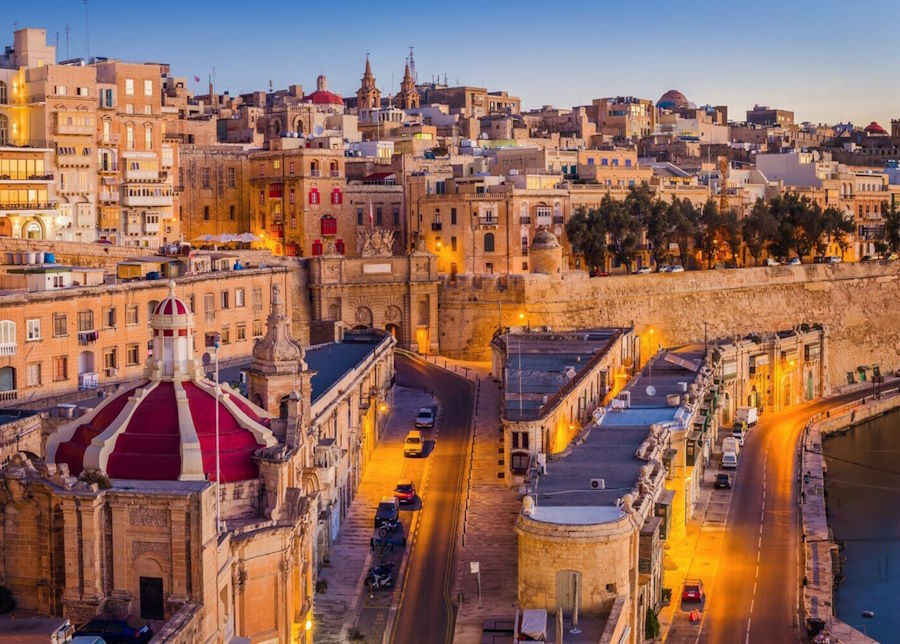
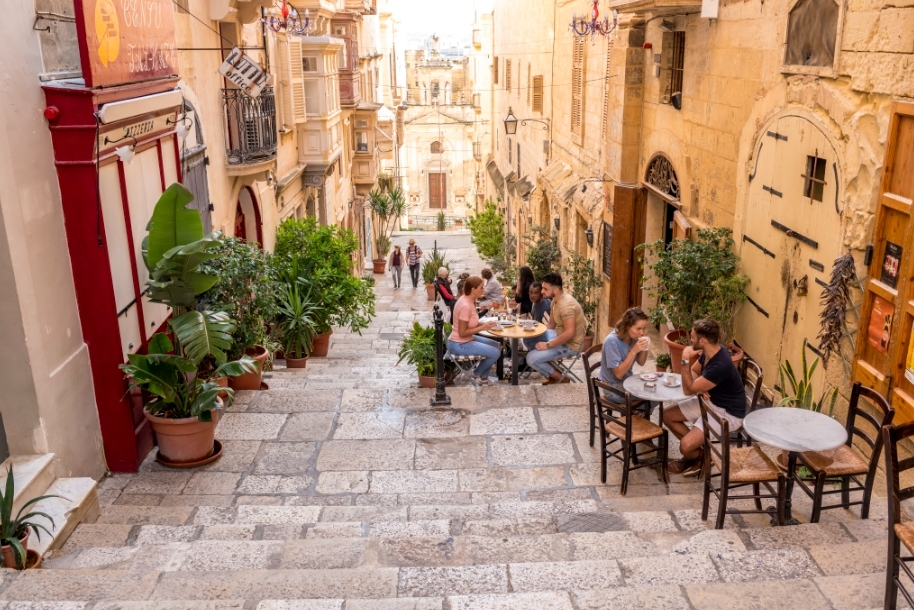
A must-visit! The capital, a UNESCO site, a fortified city built by the knights. Every stone here breathes history. Narrow streets, steep climbs and descents, colorful balconies, majestic palaces, the Upper and Lower Barrakka Gardens with stunning views of the Grand Harbour. By day it buzzes with life; by night it quiets down and becomes a romantic place for dinner.
Sliema (Sliema) and St. Julian’s (St. Julian’s)
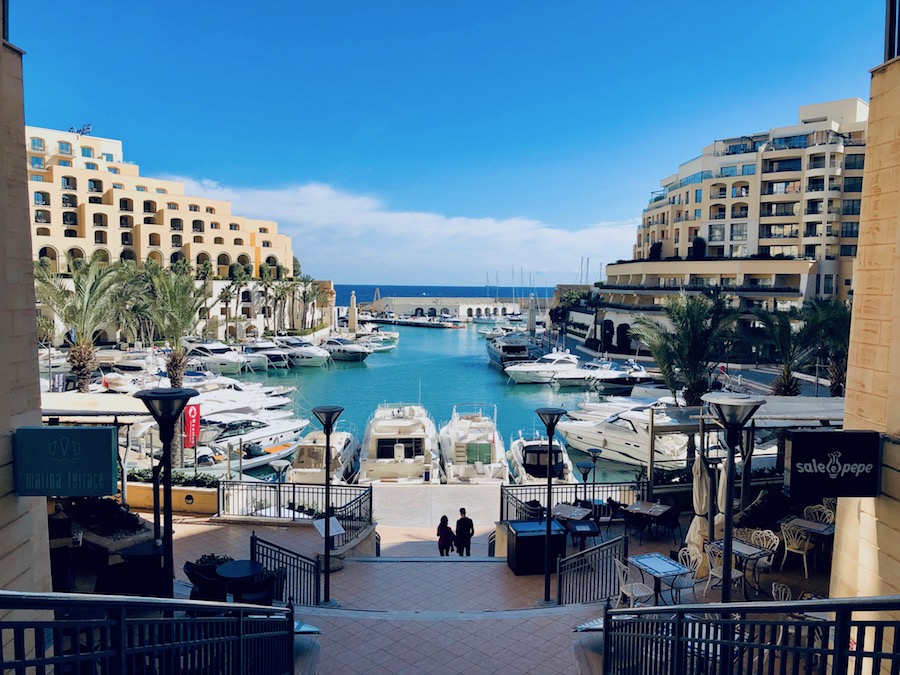
If Valletta represents history, Sliema and St. Julian’s are Malta’s modern pulse. Most major hotels, shopping centers, restaurants, cafes, and the famous nightlife area Paceville in St. Julian’s are here, where the party goes on until morning. It’s ideal for those seeking comfort, entertainment, and easy access to public transport. Ferries run constantly between Sliema and Valletta.
Mdina (Mdina) and Rabat (Rabat)
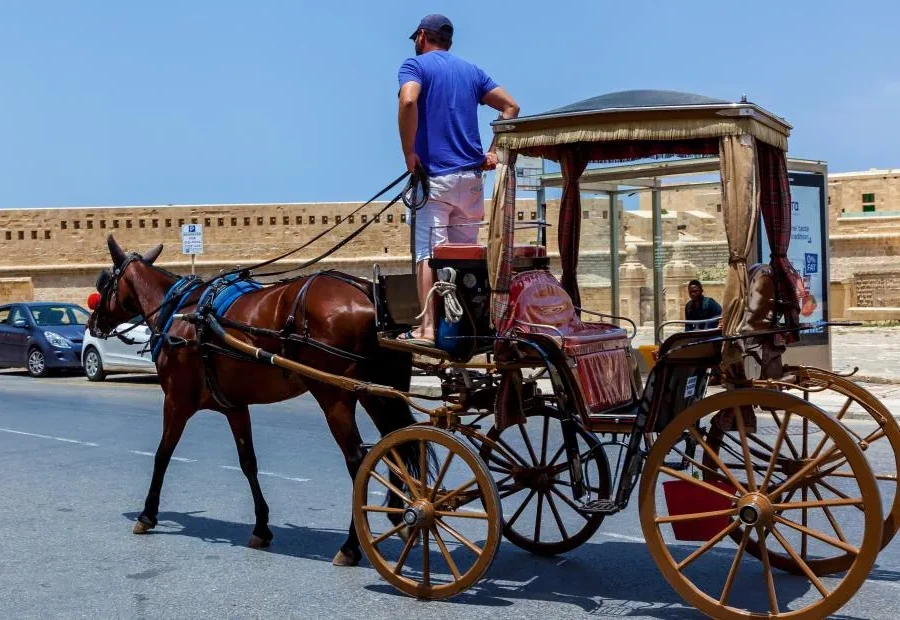
Mdina, the “Silent City,” is the former capital of Malta, located on a hill. It’s a medieval fortress with narrow labyrinthine streets where cars are prohibited (except for locals). Entering it feels like stepping back hundreds of years. An amazing quiet and tranquility reigns, occasionally interrupted by the clatter of horse-drawn carriages. Nearby Rabat is a livelier town with catacombs, ancient churches, and everyday local life.
The Three Cities (Vittoriosa/Birgu, Senglea/Isla, Cospicua/Bormla)
Located directly opposite Valletta across the Grand Harbour. These were the knights’ first homes before Valletta was built. They are even more authentic than Valletta, with rich history, fortifications, and narrow streets. You can stroll, visit museums, have coffee in an old tavern, and enjoy stunning views of Valletta. Reachable by water taxi or ferry from Valletta.
Marsaxlokk (Marsaxlokk)
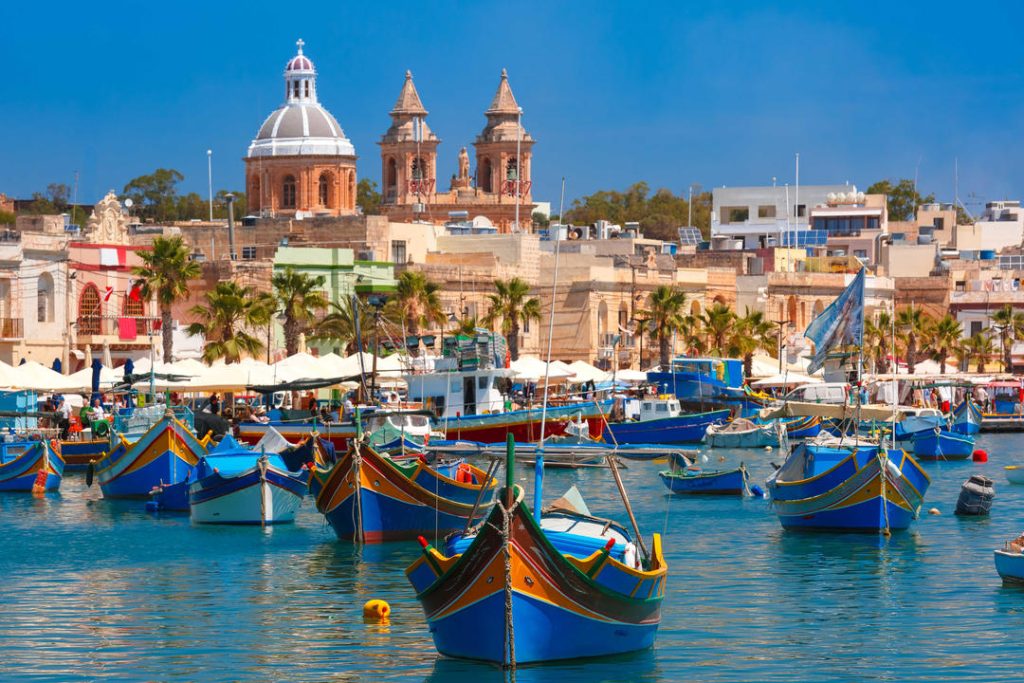
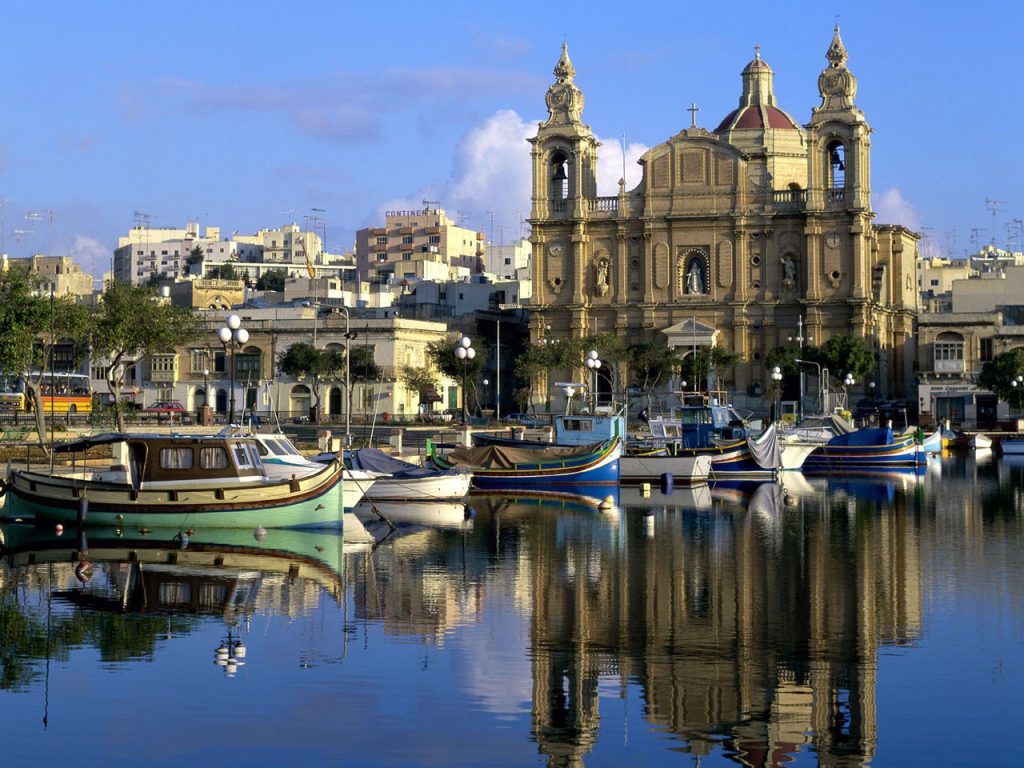
A picturesque fishing village in southern Malta, famous for its colorful fishing boats called luzzu with eyes on the bow, believed to ward off evil spirits. On Sundays there’s a famous fish market where you can buy the freshest fish or try it in one of the many seafood restaurants.
Island of Gozo (Gozo)
The second-largest island in the archipelago, often called Malta’s “younger sister.” Gozo is greener, quieter, and more rural. Ideal for those seeking retreat, natural beauty, and a slower pace of life. It has its own megalithic temples (Ggantija), scenic beaches (Ramla Bay with its red sand), the famous Dwejra Bay (where the Azure Window once stood), the Citadel in Victoria (Rabat in Gozo), and excellent diving spots.
Island of Comino (Comino)
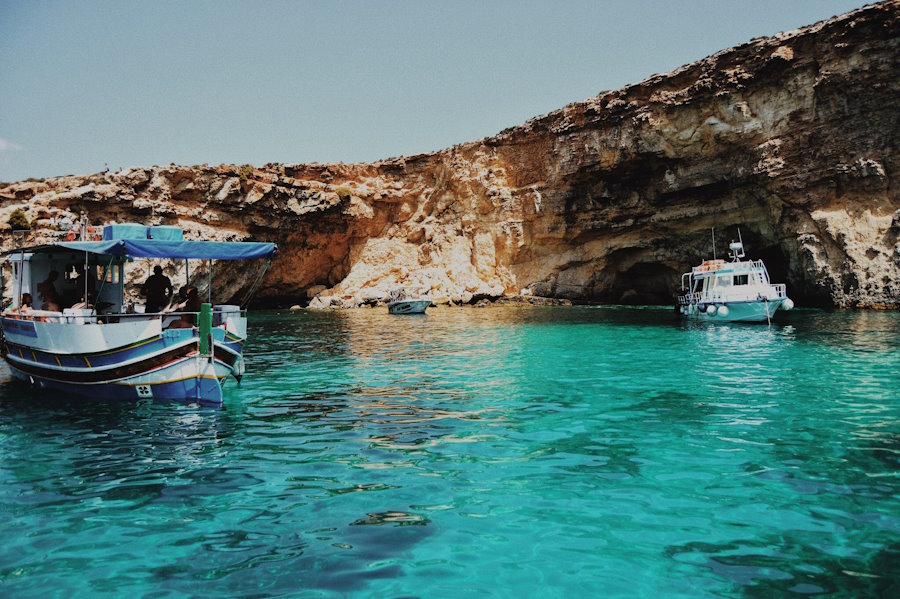
The third and smallest inhabited island, almost uninhabited (only a couple of residents). Comino is perfect for day trips. It’s home to the famous Blue Lagoon — a bay with incredibly turquoise, clear water, ideal for swimming, snorkeling, and relaxing on a boat. It’s very crowded in summer, but the beauty is worth it.
Natural recreational areas: where the sea meets the sky
Despite its rocky landscape, Malta offers many opportunities to enjoy nature.
Beaches
Although Malta isn’t known for endless sandy beaches, there are several great spots for swimming. You can find secluded spots for bathing, snorkeling, and cliff diving:
- Golden Bay: One of the most popular sandy beaches on the west coast, with good infrastructure.
- Ghajn Tuffieha Bay: A neighboring, quieter beach with red sand that you reach via a long staircase.
- Mellieħa Bay (Għadira): The longest sandy beach in Malta with a shallow entry, ideal for families with children.
- Ramla Bay (Gozo): The largest and most beautiful sandy beach on Gozo with unusual reddish-orange sand.
- St. Peter’s Pool: A natural pool carved into the rocks with crystal-clear water, popular for jumping in.
- Pretty Bay (Birżebbuġa): The only sandy beach in southern Malta, and it’s man-made.
Diving and Snorkeling
Malta, Gozo, and Comino are true paradises for underwater enthusiasts. Underwater visibility can reach 30 meters! There are many dive centers offering dives for every level. You can explore shipwrecks (Malta is one of the world’s centers for recreational wreck diving), underwater caves (Blue Hole in Gozo), reefs, and amazing marine life.
Dingli Cliffs
The highest point in Malta, offering breathtaking views of the sea and the islet of Filfla. A great place for walks and enjoying the sunset.
Blue Grotto
A complex of seven sea caves on the southern coast accessible by boat. On sunny days, the water inside the caves takes on incredible shades of blue and turquoise.
National parks and reserves
Malta doesn’t have large forests, but there are several small natural areas where you can walk and enjoy local flora and fauna, especially in spring:
- Buskett Gardens: The only large woodland area in Malta, a man-made forest planted by the knights.
- Majjistral Nature and History Park: On the northwest coast, combining natural beauty with historical ruins. Ideal for hiking.
Sights of the country: from ancient temples to Baroque
What you must see in Malta:
Most famous and popular
- St. John’s Co-Cathedral in Valletta: From the outside it looks modest, but inside it is one of the most lavish Baroque cathedrals in Europe — a true work of art! It houses one of the few signed paintings by Caravaggio — “The Beheading of Saint John the Baptist.” Stunning frescoes, marble floors covered with knights’ tombstones, and gilded stucco. A must-see!
- Grand Master’s Palace in Valletta: The historic residence of the Grand Masters of the Order and later the British governors. It now houses the parliament. Part of the palace is open to visitors (the Armoury, State Apartments).
- Upper Barrakka Gardens in Valletta: From here you get one of the most breathtaking views of the Grand Harbour and the Three Cities. Every day at 12:00 and 16:00 there is a salute ceremony from historic cannons.
- Megalithic temples (Ħaġar Qim, Mnajdra, Tarxien): These ancient structures dating from 3600–2500 BC are among the oldest free-standing stone structures in the world. They impress with their engineering and mystery. Be sure to visit to touch history older than the pyramids.
- Ħal Saflieni Hypogeum: An underground necropolis and sanctuary carved into rock more than 5,000 years ago. It’s a UNESCO site and one of the most astonishing archaeological places. Important: visits are strictly limited; tickets must be booked online several months in advance! Without a ticket you won’t be admitted.
- Mdina and Rabat: As mentioned, the “Silent City” with its narrow streets, palaces, and island views, and neighboring Rabat with Roman catacombs.
- The Citadel in Victoria on Gozo: A medieval fortress overlooking Gozo’s capital. It offers panoramic island views. Inside there are cafes, museums, and narrow streets.
- Blue Lagoon (Comino): Not an architectural site, but the number one natural attraction.
Interesting but less well-known (or worth attention)
- Fort St. Elmo and the National War Museum in Valletta: Learn about the Great Siege of Malta in 1565 and Malta’s role in World War II. The museum is very interactive and engaging.
- Malta Classic Car Collection Museum: For vintage car lovers — a pretty impressive collection.
- Domvs Romana in Rabat: Ruins of a luxurious Roman villa with stunning mosaics.
- San Anton Gardens: Beautiful botanical gardens with exotic plants, ponds, and birds, located next to the presidential residence.
- Malta Toy Museum in Valletta: Small but very charming private museum with a collection of old toys — definitely nostalgic!
- Lascaris War Rooms in Valletta: An underground complex of tunnels and rooms from which wartime defense was coordinated during World War II. Very atmospheric and informative.
- Malta National Aquarium in Qawra: A modern aquarium where you can get to know Mediterranean marine life.
Where and how to relax and what to do: from parties to historical walks
Malta offers something for every taste and budget. The tourist infrastructure is very well developed, especially in coastal areas.
Sightseeing and history: Obviously, Malta is paradise for history lovers. You can spend days walking through Valletta, Mdina, the Three Cities, exploring temples and museums. You can join organized tours or explore independently by bus.
Beach holidays and water sports: Swim, sunbathe, snorkel, dive, sail, parasail, water-ski. Along the coast there are many centers offering these services.
Parties and nightlife: The center of Malta’s nightlife is Paceville in St. Julian’s. All the main clubs, bars, discos and casinos are concentrated here. Music thumps until morning and the crowd is very diverse. Valletta and Sliema also have bars, but they are calmer, geared toward dinner and cocktails.
Cruises and boat trips: Be sure to take a boat trip around the islands. A trip to Comino and the Blue Lagoon is a must-do. You can also rent a yacht or boat for a more private experience.
Shopping:
- Sliema: Home to the largest mall “The Point” and many brand stores along the promenade.
- Valletta: Main shopping streets are Republic Street and Merchant Street. You’ll find international brands as well as souvenir shops and local artisans.
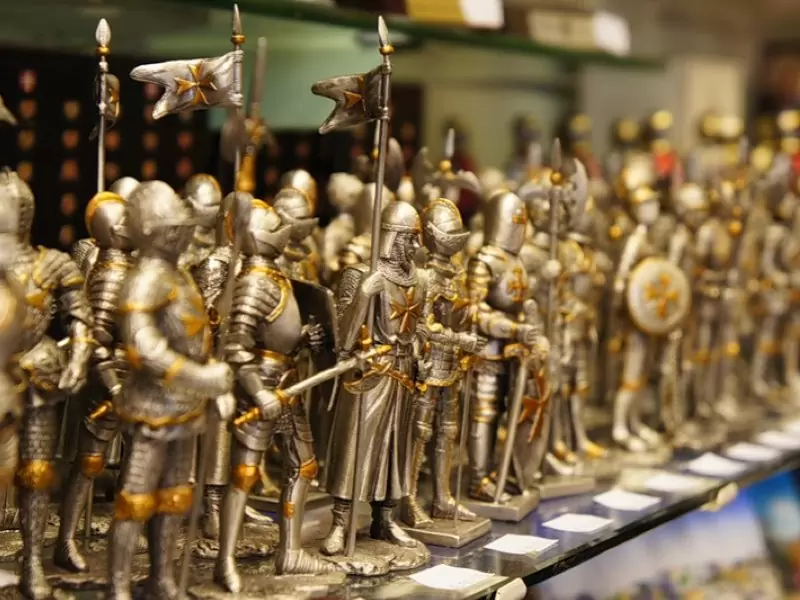
- Local souvenirs: Maltese glass (Mdina Glass), silver filigree jewelry, Maltese lace, local wine and honey.
National holidays and carnivals:
- Festas: As mentioned, summer village festivals with fireworks are a unique cultural event. You can find festival schedules online.
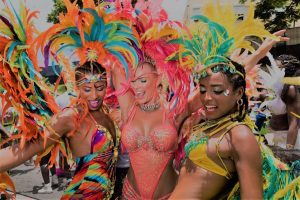
- Carnival: Held the week before Lent (usually in February). The grandest carnival is in Valletta with parades, masquerades and dances. Gozo has its own wilder, more spontaneous carnival in Nadur with its own program.
- Holy Week and Easter: Very significant religious holidays with solemn processions and ceremonies.
- Harvest and wine festivals: In autumn you can visit local fairs dedicated to the harvest or local winemaking.
Where to stay: from luxury to budget options
Accommodation infrastructure in Malta is very well developed, especially in tourist centers. You’ll find options for every taste and budget.
Hotels
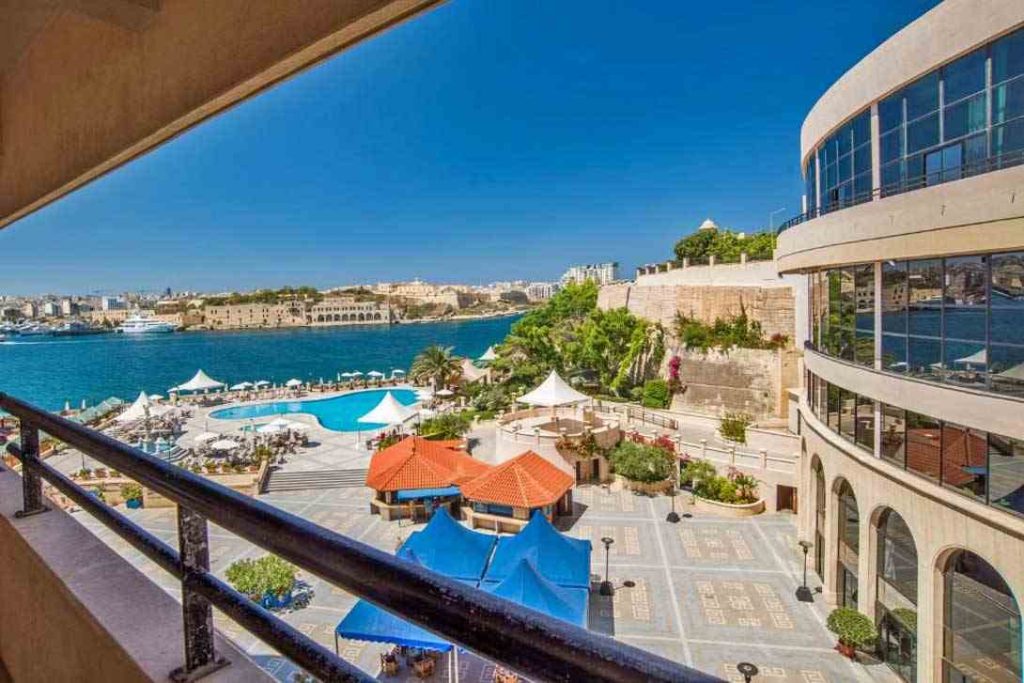
- Luxury (5 stars): Most luxury hotels are concentrated in St. Julian’s (sea views, pools, spas) and Valletta (boutique hotels in historic buildings). Average price: €200–400+ per night.
- Mid-range (3–4 stars): Many in Sliema, St. Julian’s, Valletta, Mellieha. Offer good comfort and service. Average price: €100–200 per night.
- Budget (2–3 stars): Simpler hotels, often without many amenities but clean and comfortable. Found in all tourist areas. Average price: €60–100 per night.
- Boutique hotels and guesthouses: Especially popular in Valletta, Mdina and Gozo. Often restored historic buildings offering unique atmosphere and personal service. Average price: €80–150 per night.
- Hostels: For budget travelers or those seeking social interaction. Mostly in Sliema and St. Julian’s. Average price: €20–40 per bed in a dorm.
- Apartments and Airbnb: Very popular, especially for families or longer stays. From studios to large apartments with kitchens. Average price: €50–150 per night depending on size and location.
Tips for choosing
- Valletta: Ideal if you want to immerse yourself in history and culture and enjoy the evening atmosphere. Convenient for bus travel.
- Sliema/St. Julian’s: If you want active nightlife, shopping, modern amenities, access to (though rocky) beaches and a good restaurant selection.
- Mellieha: For beach holidays, especially with children (sandy beaches).
- Gozo: For calm, relaxed stays, communion with nature and experiencing local life.
Important: In peak season (July–August) and during major festivals (e.g., Carnival) prices can be significantly higher and the best options are quickly snapped up. Book in advance!
What and where to eat: Mediterranean flavors with a touch of the east
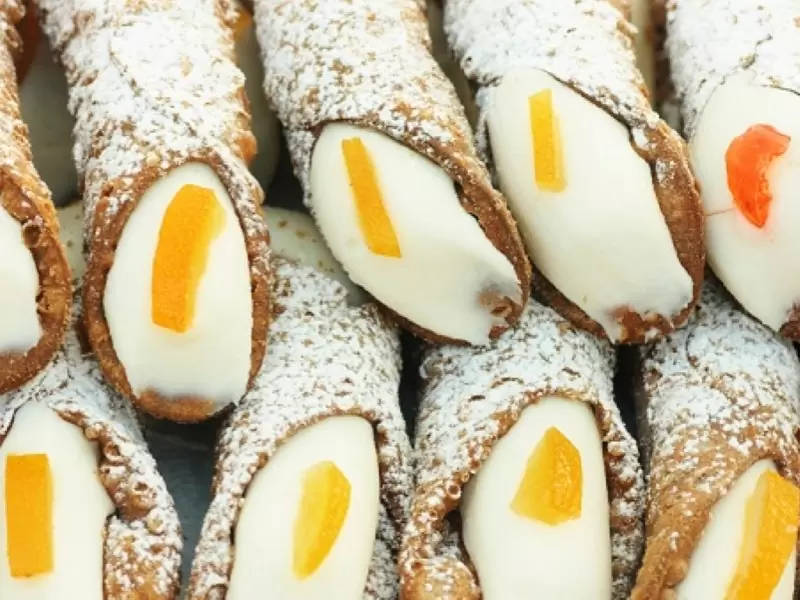
Maltese cuisine is a delightful mix of Mediterranean, Sicilian, Arabic and even English influences. It’s simple, hearty and very tasty.
Must-try dishes
- Pastizzi: An absolute must-try! Flaky pastry pockets filled with ricotta or mashed peas. The perfect cheap and incredibly tasty snack sold on almost every corner in small kiosks—pastizzerias. Cost: €0.50–1.
- Fenek: Stewed rabbit—the national dish. Prepared in various ways: braised in wine, roasted, served with garlic and herbs. Tender and aromatic.
- Lampuki Pie: Lampuki (dorado or mahi-mahi) is a popular seasonal fish (especially in autumn). It’s made into a pie with vegetables and fish.
- Ħobż biż-Żejt: Maltese bread rubbed with tomato, drizzled with olive oil, sprinkled with herbs, sometimes with tuna, olives and capers. Simple but delicious—local bruschetta.
- Ġbejniet: Small cheeses from sheep or goat milk, fresh or dried, sometimes with pepper. A great snack.
- Soups: Popular vegetable soups like minestrone (minestra) or the thick vegetable-and-fish soup aljotta with garlic.
- Fronġa: Maltese omelet with sausage and cheese.
- Kinnie: A local soft drink, very popular. Reminiscent of cola but with a bitter orange and herbal taste—worth trying out of curiosity.
- Local wine: Malta produces wine that’s quite decent. Try local varieties like Girgentina for whites and Gellewza for reds.
Food infrastructure for tourists
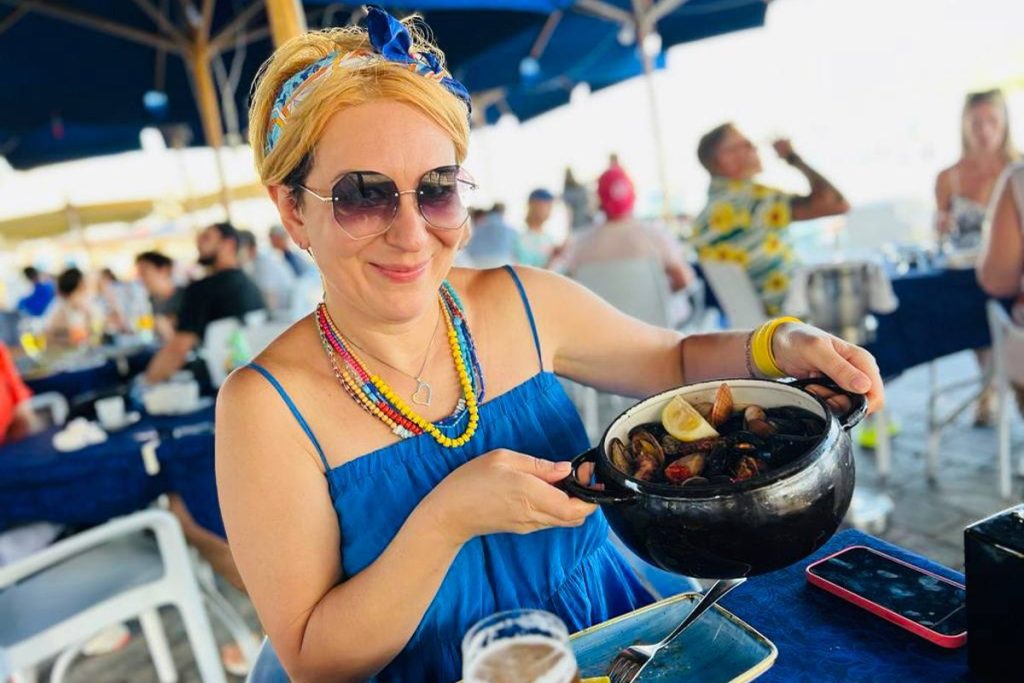
- Restaurants: From high-end places with signature cuisine (especially in Valletta and St. Julian’s) to cozy family-run restaurants serving traditional dishes. Seafood restaurants are especially good in coastal villages like Marsaxlokk. Average dinner in a mid-range restaurant per person: €25–40. Fine dining: €50+.
- Cafés: Many cafés where you can have coffee, pastizzi, sandwiches or light salads. Average lunch in a café per person: €10–20.
- Food courts: In large malls (for example, The Point in Sliema) with international and local options. Average price: €10–15.
- Fast food: All usual international chains (McDonald’s, Burger King, KFC) as well as local fast-food spots. Average price: €7–12.
Where to eat
- Valletta: Many restaurants and cafés, from touristy to very authentic. Look for small streets where real gems often hide.
- Sliema/St. Julian’s: Huge choice, many places with sea views, though prices can be a bit higher.
- Marsaxlokk: The best place for fresh seafood and fish, especially on Sunday after the fish market.
- Mdina/Rabat: Cozy cafés and restaurants offering local dishes in a historic atmosphere.
- Gozo: In Victoria (Rabat on Gozo) and along the coast you’ll find excellent family-run restaurants offering more authentic cuisine.
Useful tips for travelers
So, I think I’ve laid out the whole inside scoop on Malta! But before you rush to buy tickets, here are a few important tips to make your trip as comfortable and pleasant as possible:
- Book in advance: Especially if you travel in high season (July–August) or for holidays. This applies to hotels, popular excursions (e.g., the Blue Lagoon can be crowded), and most importantly tickets to the Ħal-Saflieni Hypogeum—they must be booked months ahead!
- Sun protection: Don’t skimp on sunscreen (even on cloudy days), hats and sunglasses. The sun is strong here and sunstroke or burns are easy to get.
- Drink water: Dehydration is common in the heat. Drink plenty of water, especially if you are active. Tap water in Malta is drinkable but desalinated and may taste different, so many prefer bottled water.
- Swim shoes: For many rocky beaches and water entry points it’s better to have special water shoes to avoid cutting your feet on rocks or encountering sea urchins.
- Opening hours (siesta): In small villages and some shops siesta is still observed, especially in summer. Many places may be closed from 13:00 to 16:00. This is less noticeable in tourist centers.
- Tipping: It’s customary to leave about 10% in restaurants if service was good. You can round up fares for taxi drivers.
- Cash and cards: Most places accept cards, but it’s useful to have some cash for small purchases, bus fares (if you don’t have a Tallinja card) or tiny cafés. Currency is the euro (€).
- Left-hand traffic: Remember this when crossing streets. Look right first, then left!
- Walking shoes: Valletta and Mdina have many steep climbs and cobbled streets. Comfortable, closed shoes are your best friend. Leave high heels at home.
- “M’hemmx problema”: Learn this expression. It reflects the Maltese approach to life. Don’t stress about small things—enjoy the slow pace, the conversation and each moment. Maltese people are very helpful and ready to assist, even if it takes a bit longer than you expect.
- Learn a few Maltese words: “Grazzi” (thank you), “Bonġu” (good morning), “Iva” (yes), “Le” (no)—these simple words will surely bring a smile to locals’ faces.
Malta is not just a holiday, it’s an immersion into a very special world where history, nature and an incredible culture come together. It may seem small, but its soul is vast. Every corner holds secrets of millennia and every person is ready to share warmth and hospitality.
So don’t hesitate! Pack your bags, open your heart to new experiences and set off on this unforgettable adventure. Malta is waiting for you! And believe me, it won’t disappoint. Have a great trip! Bongu u Merħba f’Malta! (Good morning and welcome to Malta!)