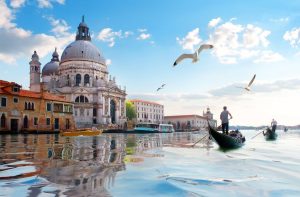
Do you know what a typical European tour of Italy looks like for someone visiting for the first time? Rome – to see the Colosseum and eat gelato on the Spanish Steps. Venice – to ride a gondola and try not to get lost in the labyrinth of canals. And Florence – to take a selfie in front of David. It’s a classic, and there’s nothing wrong with that. But if you ask any Italian (or a sophisticated traveler from Germany, France, or Spain) where the real, non-plastic, not created exclusively for tourists soul of the country hides, they will almost certainly name one name. Bologna.
This city is often overlooked by glossy guidebook authors, and, frankly, thank goodness. Because of this, Bologna has retained its authentic vibe. Italians themselves affectionately call it three words: La Rossa (The Red), La Dotta (The Learned), and La Grassa (The Fat). And behind each of these nicknames lies an entire universe, which today, in the era of digital nomads, fast food, and globalization, feels like a breath of fresh air.
Let’s walk along these terracotta streets and figure out how a medieval city manages to remain the most lively, progressive, and delicious place on the map of modern Europe.
La Rossa: 40 kilometers of roofs, porticoes, and rebellious spirit
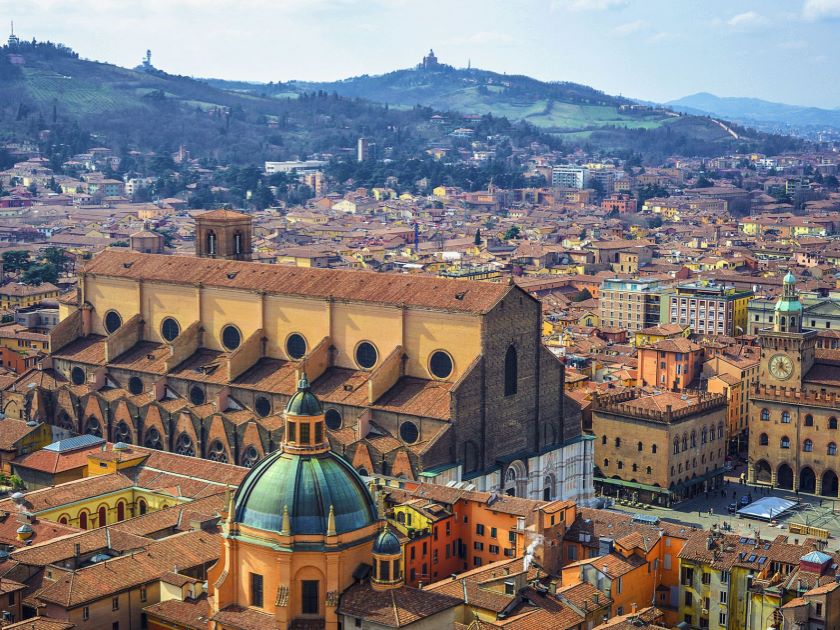
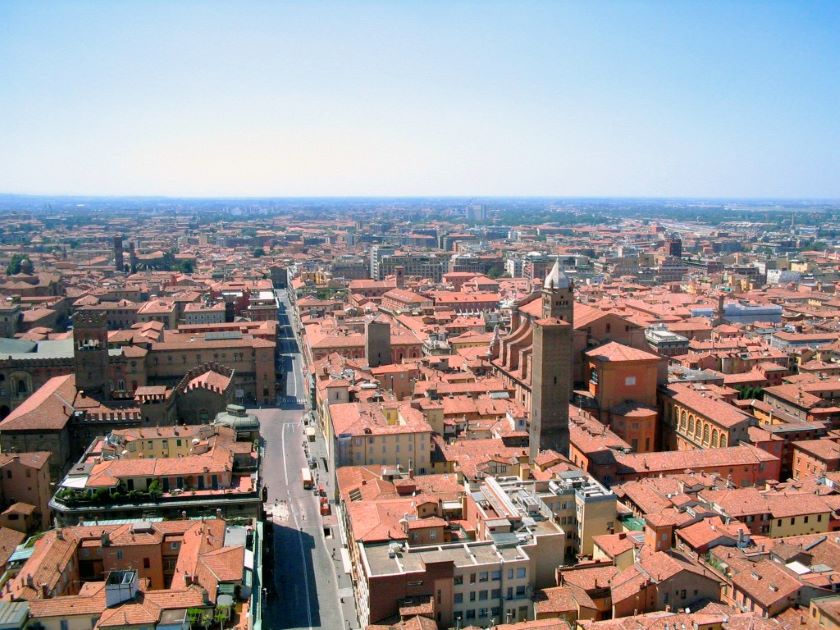
The first thing that catches your eye when you leave the central station building (which, by the way, is served by super-modern high-speed trains from all over Europe) is the color. Bologna is red. And it’s not just about the tiled roofs, the baked brick of the buildings, and the terracotta facades, which begin to glow at sunset as if there are light bulbs hidden inside them.
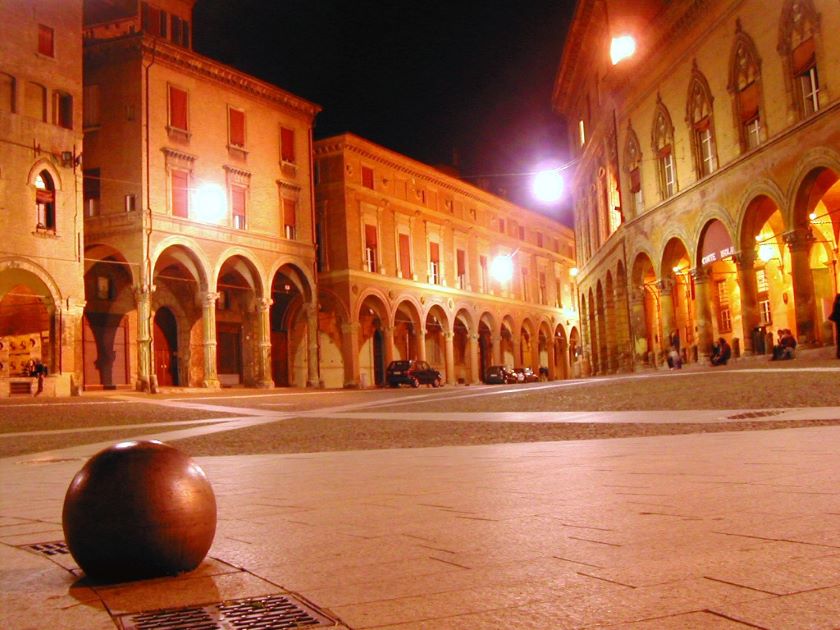
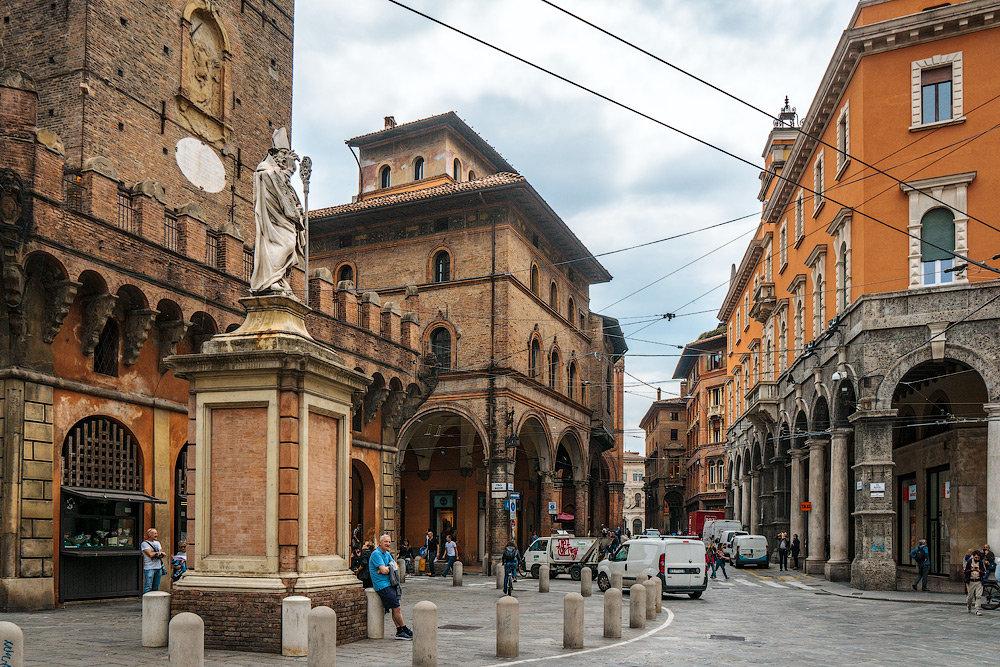
Bologna is unique in its architecture. You can walk through the entire city center in pouring rain or under the scorching July sun, and you won’t even need an umbrella. The secret is in the porticoes – endless covered galleries that stretch along the buildings for an incredible 40 kilometers. UNESCO recently finally added them to the World Heritage List.
The funniest thing is the reason for their appearance. In the Middle Ages, Bologna grew rapidly (spoiler alert: due to students), and there was a catastrophic shortage of housing. Then clever homeowners began to expand the second floors of their houses so that they hung over the street. To prevent this structure from collapsing on the heads of passers-by, it was supported by wooden (and later stone) columns. Thus, the city authorities killed two birds with one stone: they increased the living space and did not give away municipal land. Ingenious urban planning from a thousand years ago, from which modern developers could learn!
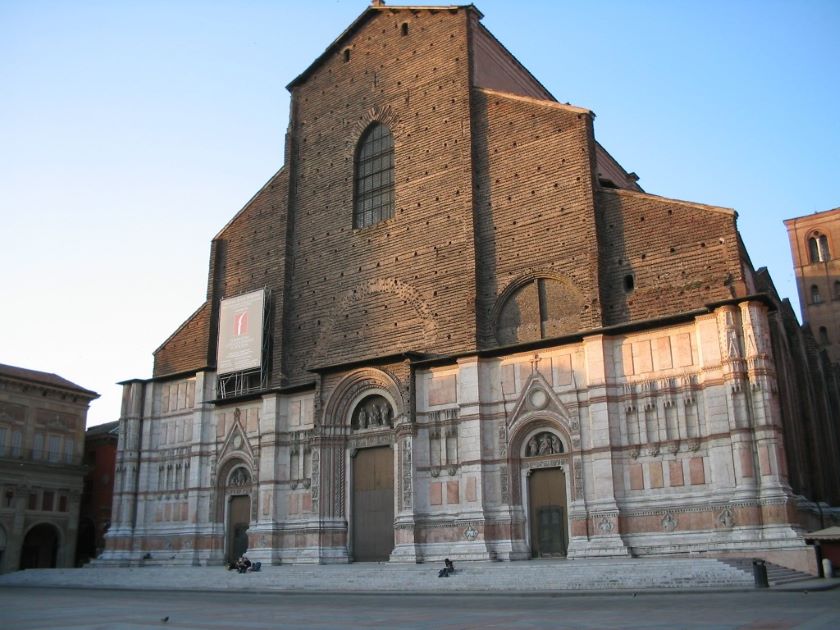
Today, modern life is seething under these porticoes. Freelancers from all over the world open their coworking spaces here, tourists from Asia hide from the rain here, and local pensioners drink their morning espresso here, discussing the latest world football news. And above all this splendor rise the Two Towers – Asinelli and Garisenda. These are medieval “skyscrapers.” By the way, Garisenda is now tilted even more than the famous Leaning Tower of Pisa. Because of this, the city authorities recently had to close the square – architectural realities take their toll, and ancient brick requires the most complex engineering solutions of the 21st century to avoid collapsing.
Well, and “Red” is also about politics. Bologna has historically been considered the most left-wing, freethinking, and rebellious city in Italy. Here, the ideas of equality have always been supported, the most vibrant student strikes take place here, and here you can find the best socially significant graffiti in Europe.
La Dotta: the place where higher education was invented
Imagine the year 1088. Four centuries before Columbus discovered America. No iPhones, internet, printing presses. And in Bologna, a university is already being founded. The oldest continuously operating university in the Western world. The University of Bologna (Alma Mater Studiorum) is older than Oxford, older than the Sorbonne in Paris.
It was here that Dante Alighieri, Petrarch, Erasmus of Rotterdam, and Nicolaus Copernicus studied. When you walk through the ancient corridors of the Archiginnasio (the former main building of the university), where the walls are completely covered with the coats of arms of students from noble families of the past, goosebumps run down your skin. You physically feel the weight of the centuries and the power of human thought.
But the coolest thing about Bologna is that it has not turned its university into a museum under glass. Today, Bologna is a student cauldron that is crazy in its energy. Of the city’s nearly 400,000 population, about a quarter are students. The Erasmus exchange program brings young people here from Spain, Sweden, the Netherlands, the USA, and Australia.
Thanks to them, the medieval city pulsates with youthful energy. During the day, students with MacBooks sit on the steps of ancient palazzi, preparing for exams in artificial intelligence or genetic engineering, and in the evening, the same steps turn into a huge lounge where rivers of inexpensive Aperol flow, laughter sounds in ten different languages, and the spirit of absolute freedom hovers in the air. It is an amazing contrast: lectures on quantum physics within walls that remember alchemists.
La Grassa: the culinary capital, or Why you can’t lose weight here
And now about the most important thing. About why you should come to Bologna, even if you are indifferent to architecture and history. Bologna is the “Fat” capital of Italy. And believe me, this is the greatest compliment. The entire Emilia-Romagna region, whose capital is Bologna, is the gastronomic heart of Europe.
Let’s immediately destroy the main myth, because of which the Bolognese can roll their eyes so much that they will see their own brain. There is no dish called “Spaghetti Bolognese.” This is the invention of American and British marketers. What you are looking for is Tagliatelle al Ragù – perfect, freshest, handmade egg noodles that absorb a thick, slow-simmered meat sauce.
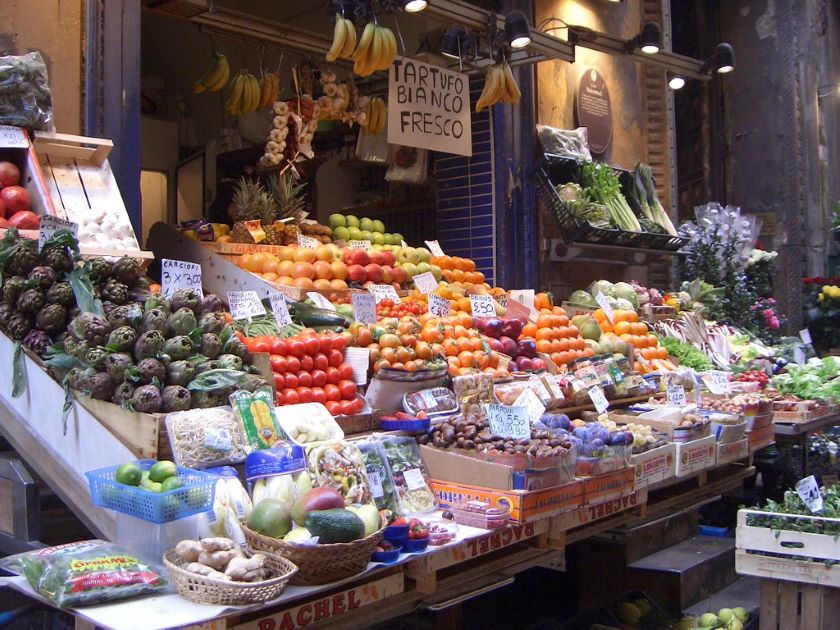
In today’s realities, when the whole world sits on food deliveries, when we are used to swallowing burgers on the go, staring at a smartphone, Bologna offers a radical alternative – the Slow Food philosophy. Here, food is a religion.
Walk through the narrow streets of the Quadrilatero district – the oldest market in the city, which has been operating here since the Middle Ages. The air here is thick with smells. On the shop windows lie huge, torpedo-like loaves of real Mortadella (forget about cheap Bologna sausage, real mortadella is a masterpiece with inclusions of pistachios and black pepper). Here they also sell the famous Parmigiano Reggiano and authentic balsamic vinegar from neighboring Modena, which is aged in wooden barrels for 12-25 years and costs like a good perfume.
You definitely need to try tortellini – tiny dumplings, folded in the shape of a ring (legend has it that the cook sculpted them, inspired by the navel of the goddess Venus). Traditionally, they are served in a rich chicken broth (Tortellini in brodo) – this is a dish that local grandmothers cook for Christmas, and it heals not only a cold, but also a broken heart.
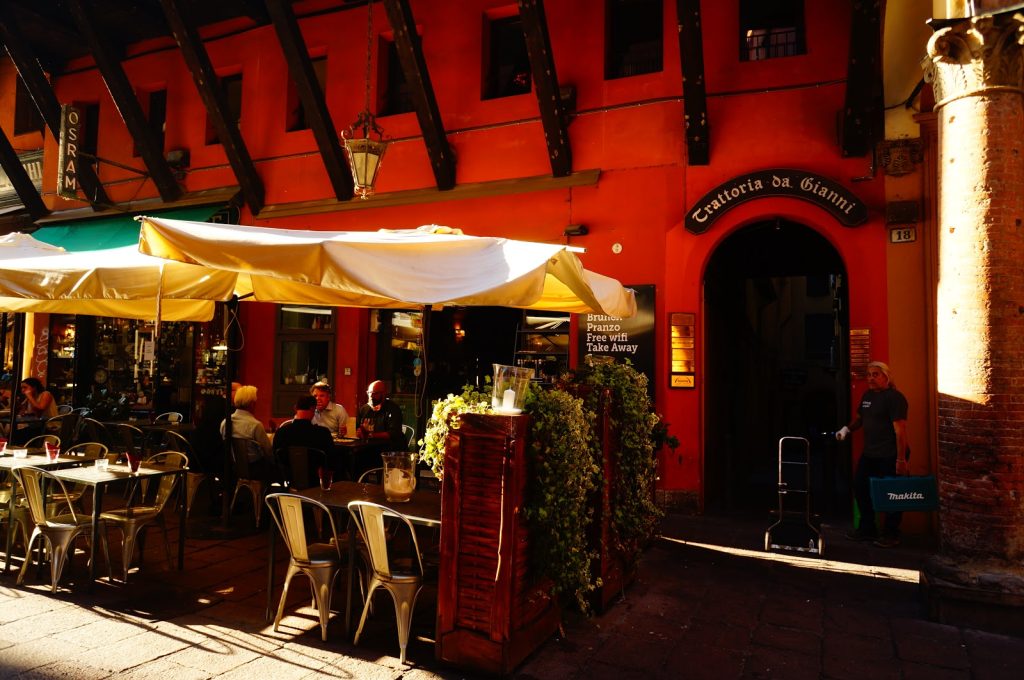
Modern rhythm and balance of past and future
It may seem that Bologna is a city stuck in the past, a kind of tale of delicious food and ancient books. But this is a huge mistake. Today, Bologna is one of the most economically developed and modern cities in Europe.
Did you know that just a few dozen kilometers from the medieval towers and porticoes of Bologna is the famous “Motor Valley”? It is here that the fastest and most desirable cars on the planet are born: Ferrari, Lamborghini, Maserati, Pagani, as well as Ducati motorcycles. Bologna is surrounded by high-tech factories, research centers, and headquarters of international IT companies.
This city has found the ideal balance that many megacities of the world have been unsuccessfully seeking for decades. It took its great historical heritage, carefully covered it with its kilometer-long porticoes, and introduced modern technology, advanced science, and a tolerant, open to the world society into it.
Unlike Florence or Venice, which have largely become hostages of their beauty and turned into postcards for tourists, where local residents are suffocating from prices and crowds, Bologna lives for itself. Yes, there are tourists here, but they dissolve in the turbulent flow of students, professors, businessmen, and simply Italians who value the quality of life.
Summing up
Bologna does not try to impress you from the first second with the glitter of gilding or the grandeur of ancient ruins. She acts more subtly. It envelops you in the warmth of its red walls, it intoxicates you with the tart Sangiovese wine, it makes your brain work at high speeds in conversations with local students, and then lulls you with a plate of the best pasta in your life.
If you want to see Europe as it should be ideally – respecting its roots, insanely delicious, intellectual, but at the same time fun, modern and absolutely devoid of snobbery – buy a ticket to Bologna. Just leave the diets at home and be prepared to walk a lot. This city is worth every step under its eternal porticoes.