If you think that Italy is all about pasta, Venice, and noisy Roman markets, you’re due for a surprise. In the heart of Lombardy, on the charming Lake Iseo, there’s a real European secret tucked away — a tiny, mysterious Loreto Island. And on its rocky surface sits a neo-Gothic castle, looking like it jumped straight out of a fairy tale. So, what makes the island special, who built the castle, why do people still talk about it, and can you actually visit it? Let’s dive in.
Geographical Setting and Known History of Loreto Island
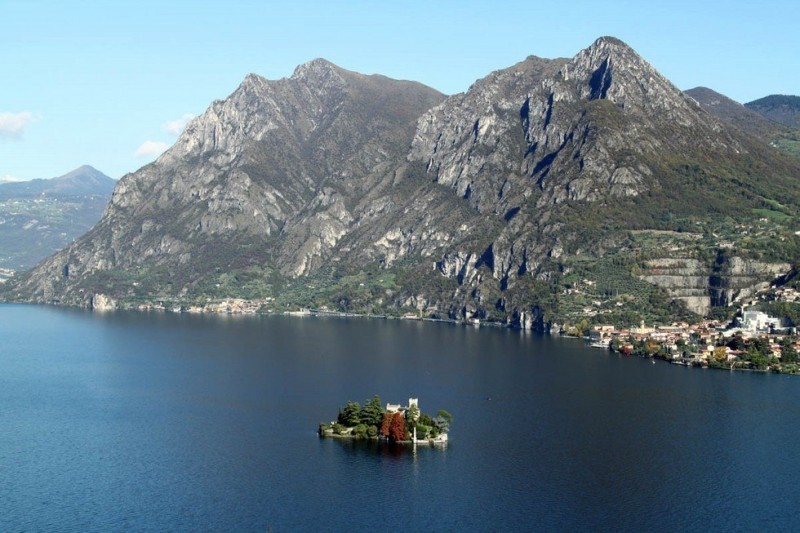
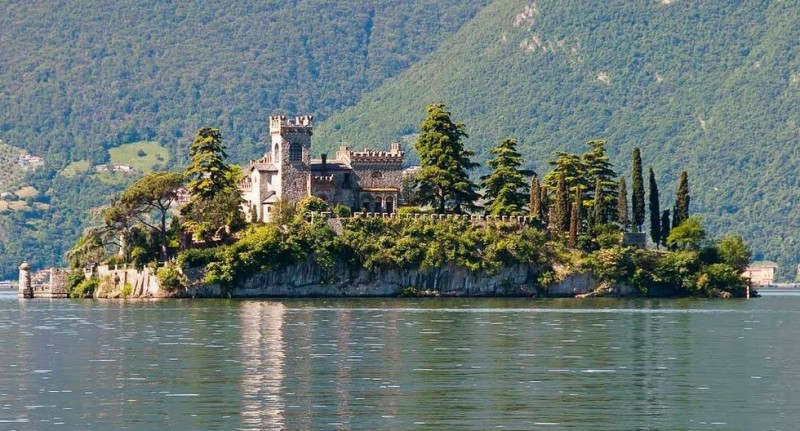
Lake Iseo is the fourth largest lake in Italy, but it’s not as internationally famous as Como or Garda. That’s actually a good thing: things are less crowded, and the atmosphere’s more authentic. Loreto Island is a miniature speck of land, just north of the much larger Monte Isola, occupying slightly more than a hectare (about 2.5 acres).
Digging into history, people have settled here since at least the Middle Ages. In the early 15th century, the island hosted a monastery of St. Clare, but by the 19th century it had fallen into disrepair. Over the years, Loreto passed through the hands of aristocrats, was sometimes abandoned, and then acquired a new storybook life.

The Castle: Building History and Fun Facts
The island’s centerpiece is its picturesque neo-Gothic castle. Built at the dawn of the 20th century, it was commissioned by Vincenzo Richeri, an enterprising industrialist from Milan. He bought Loreto in 1900, aiming to transform it into something unique—a real-life fairy-tale castle where he could escape city life and host powerful friends.
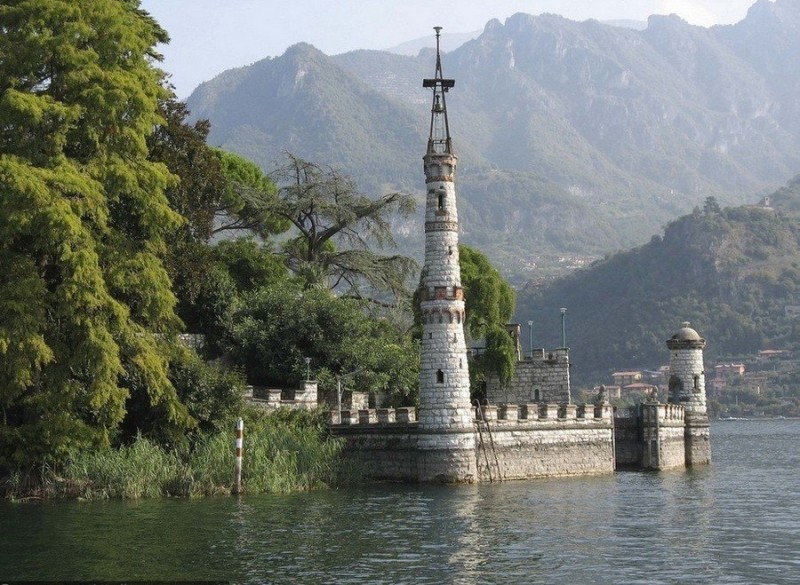
Construction wrapped up around 1910. The castle sports jagged towers, manicured gardens, and a silhouette straight out of a King Arthur tale. Despite its quaint appearance, the castle is quite spacious, complete with its own private chapel and a marina for boats.
Locals love to whisper that the castle might be haunted; there are legends about the ghost of a past lady owner occasionally gazing from one of the upper windows on dark nights. Good fodder for a Disney movie!
Celebrity Rumors and Fun Facts
Present-day Loreto is privately owned. In recent years, Italian newspapers buzzed about a rumor: George Clooney, an admirer of Lake Como who actually owns a villa there, supposedly considered buying Loreto Island. Allegedly, Clooney fell for the island’s vibe and looked into purchasing the castle to escape paparazzi.
Not only that—Loreto has hosted exclusive private concerts and its shore is a favorite backdrop for spectacular wedding photo sessions. Not bad for a plot of land you can walk across in under two minutes.
Tourism Potential and Accessibility
Here’s the “catch” for wanderlust travelers: Loreto Island is not open to free public visits. Since it’s private property, entry is generally forbidden. The few exceptions are rare special events or private tours, typically by special arrangement. So, your best bet is to admire this lakeside castle from a boat: you can rent a kayak or book a brief guided cruise that circles the island. The view is especially magical in the evening when the castle’s windows begin to glow with warm light.
Despite being closed-off, Loreto holds massive tourist potential. Tour companies would love to open it for excursions, romantic strolls, weddings, or photoshoots. Already, some locals call it “the most mysterious castle on Italy’s lakes.”
In Conclusion
Loreto Island may be small, but it’s packed with mystery, privacy, and old-world charm. Who knows—maybe Hollywood’s next A-lister will someday move in, or the owners will open it up, like France did with Mont Saint-Michel. Until then, you can gaze at Loreto from Lake Iseo or Monte Isola’s shores, dreaming of the day when you might step inside its magical castle on an Italian lake.