Well, fellow travelers and lovers of atmospheric stories! Get ready, because today we’re heading to one of the most magical places on Earth. A place where every stone breathes history, where the air is filled with the aroma of spices and ancient legends, and where time seems to have decided to take a little break. Yes, that’s right – we’re talking about Bukhara, the pearl of the Great Silk Road, the heart of Uzbekistan, and just an incredibly cozy city.
Forget for a while about the hustle and bustle of megacities, the frantic pace of life, and endless deadlines. Imagine narrow streets, bizarre patterns of minarets against a turquoise sky, the laughter of merchants in the bazaar, and leisurely conversations over a bowl of fragrant tea. That’s Bukhara. It doesn’t shout about itself, it whispers. And if you’re willing to listen, it will reveal its most secret secrets to you.
Welcome to a Fairy Tale!
Imagine. You arrive, and the first steps through the streets of Bukhara are already an immersion. No skyscrapers or hustle and bustle here. Only ancient buildings of baked brick, decorated with exquisite mosaics, and a light smell of freshly baked flatbread. Bukhara is a city that has not just survived, but has lived to this day without losing its soul. It’s like an old wise aksakal (elder) sitting in the shade of a chinar tree, who has seen too much to rush.
The feeling that you have stepped into the pages of an oriental fairy tale haunts you everywhere. There is no clear division into “old” and “new” city here – it is all steeped in antiquity. People live in houses that are hundreds of years old, work in workshops where skills have been passed down from generation to generation, and even the pigeons in Lyabi-Hauz Square seem to be descendants of those very ones who saw Avicenna himself. This is not just decoration – this is life.
A City Where Time Has Stood Still
The history of Bukhara is not just a set of dates, it’s a saga. It is believed that the city is more than 2500 years old. Just think about that number! It already existed before our era, it was an important trading and cultural center. And then it went wild: the conquests of Alexander the Great (albeit fleeting), the era of the Sogdian kingdoms, the Arab conquest that brought Islam, and the flourishing during the Samanid dynasty. It was then that Bukhara became one of the largest intellectual and religious centers of the Islamic world. The greatest scientists, thinkers and poets lived and worked here: Avicenna, Imam al-Bukhari, Naqshbandi.
Then there were the Mongols, Timur, the Bukhara emirs… Each left their mark, their architectural gem, their legend. The city was the center of the Bukhara Emirate, and then became part of the Russian Empire and the USSR. But even in the most turbulent times, Bukhara retained its unique spirit, its authenticity. It has always been an open-air museum city, but at the same time a living, breathing organism. And that, perhaps, is its main feature.
The Weather Whispers: “It’s Hot!”
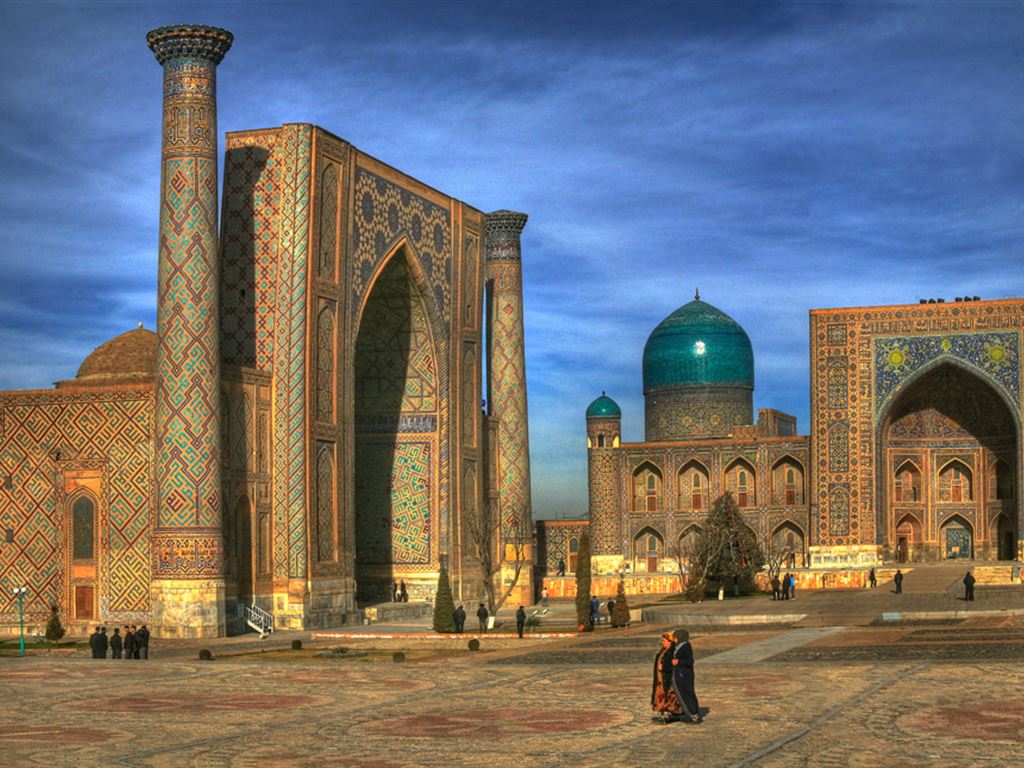
Since we are talking about Uzbekistan, the climate here, as you understand, is corresponding – sharply continental. If you go in the summer, be prepared for real African heat. The sun is scorching, the thermometer easily exceeds +40°C. But! This is dry heat, which is much easier to tolerate than humid heat, and most excursions and walks are best planned for the morning and evening. During the day – siesta, a teahouse in the shade, or a museum with air conditioning.
The best time to visit Bukhara is definitely spring (April-May) and autumn (September-October). During these months, the temperature is the most comfortable for walking, nature blooms, or pleases with golden colors. Winter here is cool, sometimes even snowy, but sunny, so even in December-February you can catch completely magical views. In general, choose the season for yourself, but remember: the heat is part of the Bukhara flavor!
What to See, Where to Go?
This is where the fun begins! Bukhara is, in fact, one big attraction. Wherever you go, there is something ancient, beautiful, with a history. But there are, of course, their own “highlights”:
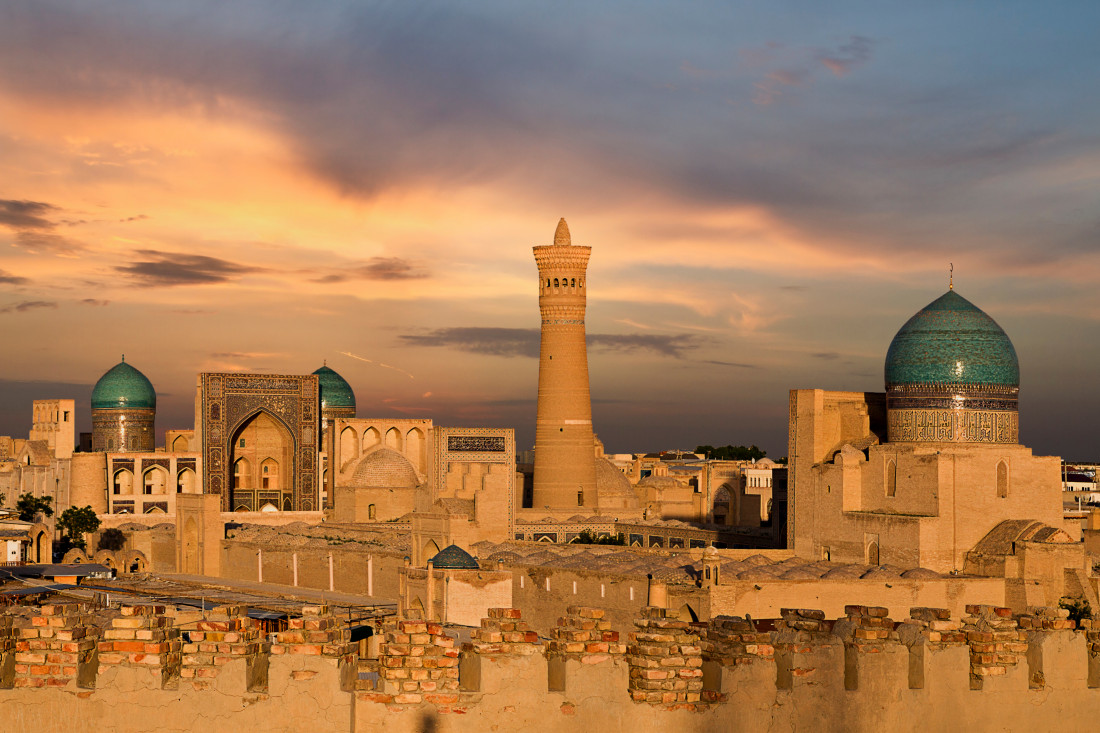
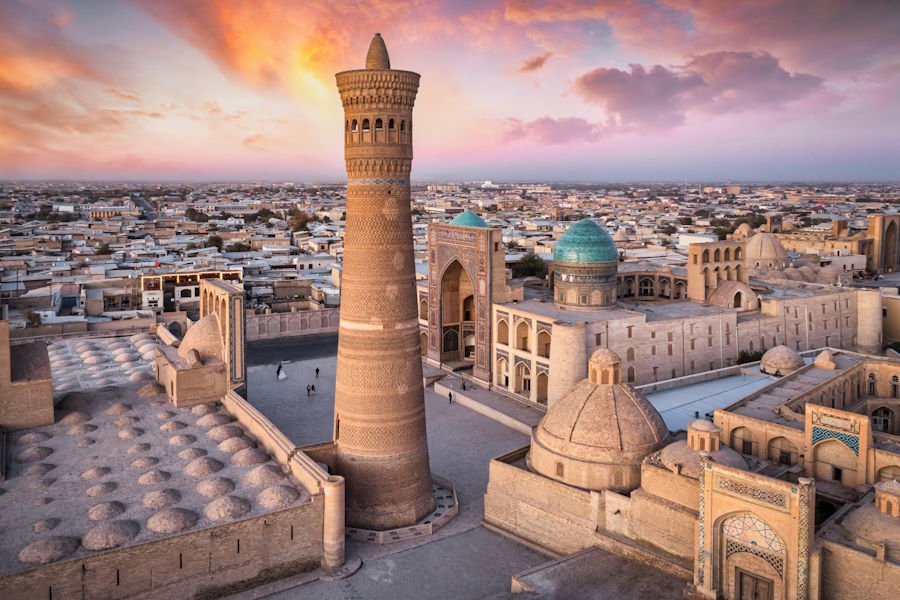
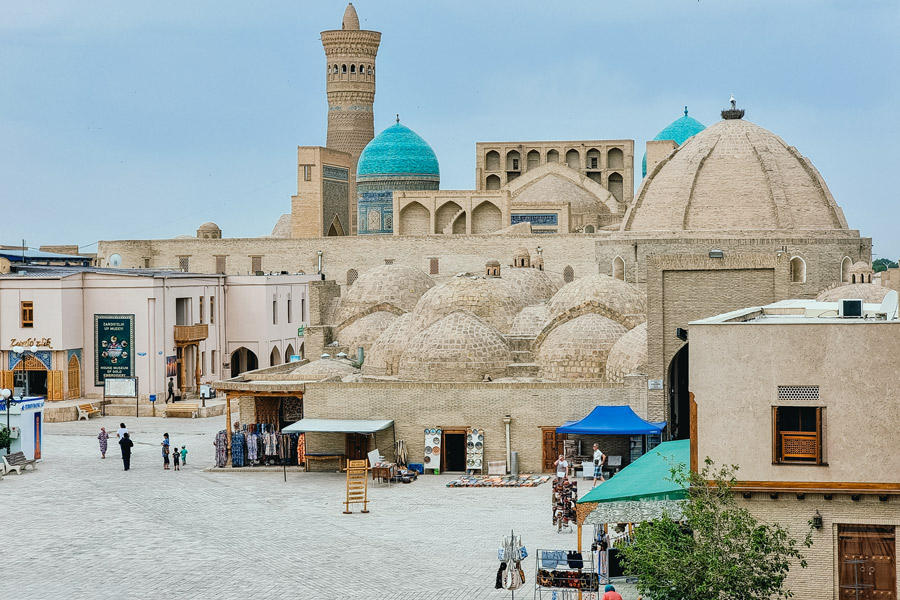
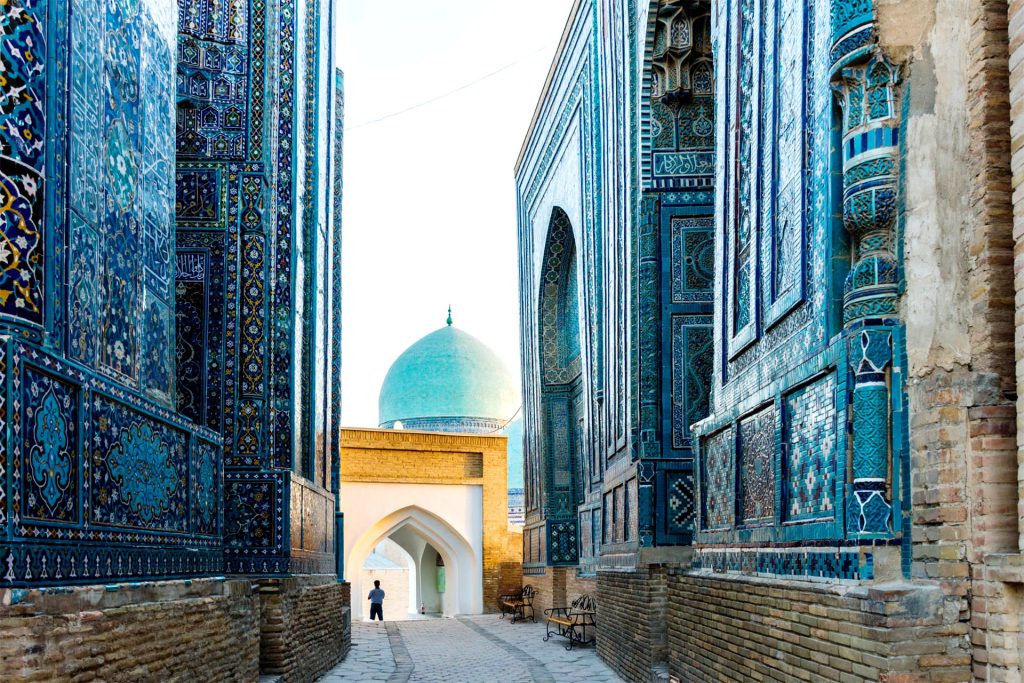
- Poi Kalyan Complex: This is the heart of Bukhara. The incredible Kalyan Minaret (Minaret of Death, from which criminals were once thrown off – creepy, but impressive!), the Kalyan Mosque (one of the largest in Central Asia) and the Mir-i-Arab Madrasah, which is still an active religious educational institution. All this together creates such an ensemble that it takes your breath away. In the evening with lighting – it’s just space!
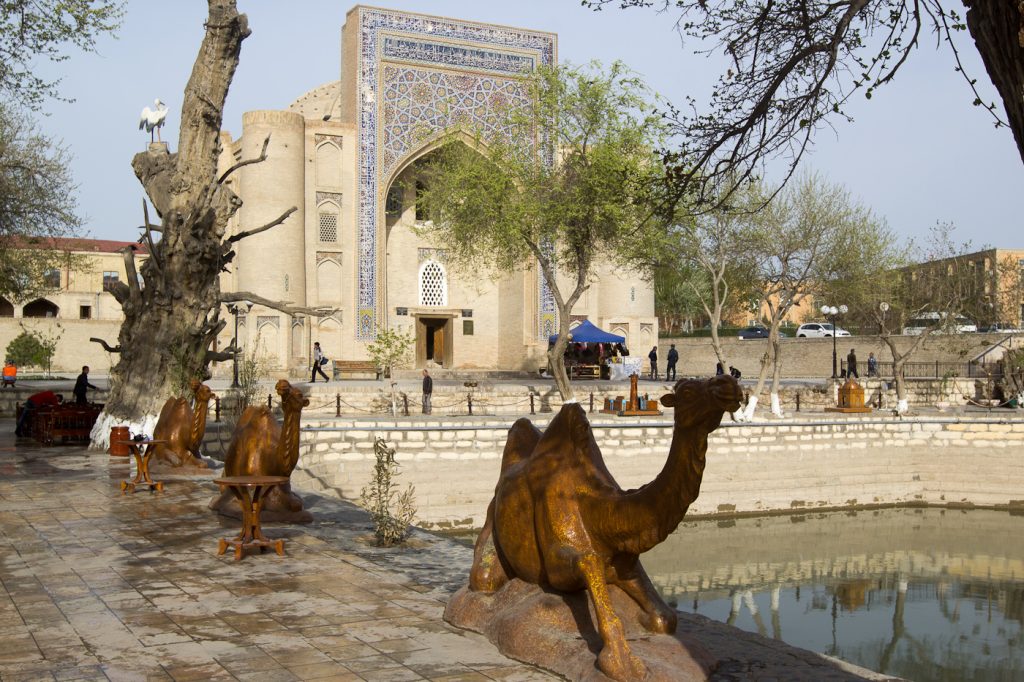
- Lyabi-Hauz Ensemble: This is, perhaps, the most cozy and lively place in Bukhara. A large square with a pond (hauz), surrounded by ancient madrasahs (Divan-Begi, Kukeldash) and a khanaka. Here you can sit for hours in a teahouse under ancient mulberry trees, drink tea, watch the life of the city, listen to unhurried conversations. It’s especially good here in the evening.
- Samanid Mausoleum: A masterpiece of architecture of the IX-X centuries, built of baked brick with incredible masonry that changes patterns depending on the lighting. This is one of the oldest and best-preserved monuments in Central Asia. Just “wow!”
- Chor Minor: A small but very photogenic madrasah with four turquoise minarets. Looks like an illustration from an oriental fairy tale. It is located a little to the side, but the walk to it is worth it.
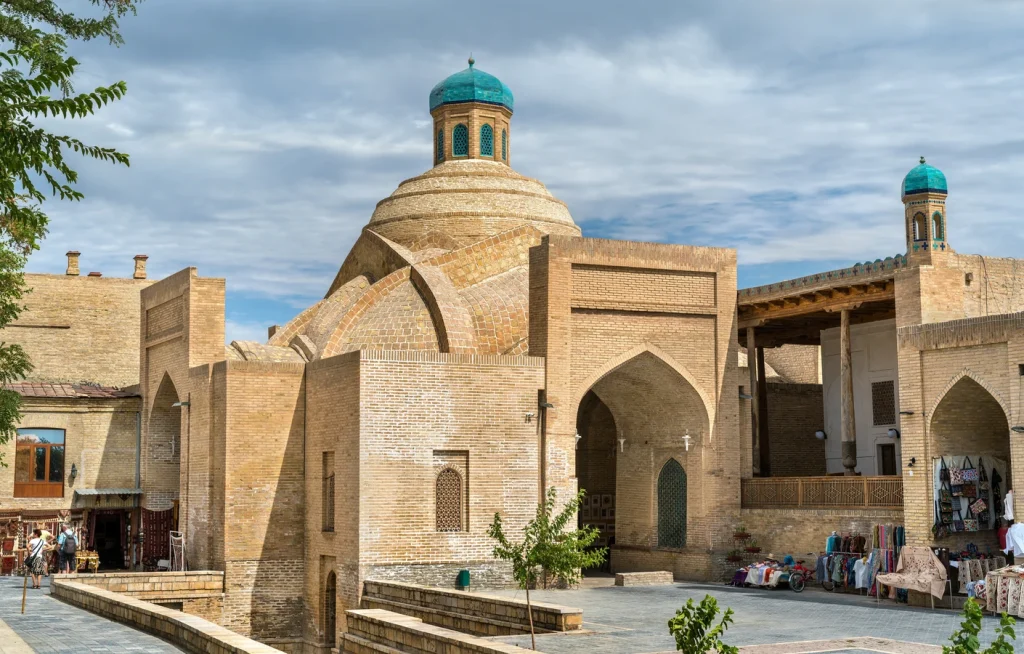
- Trading Domes (Taki): Once upon a time, brisk trade of the Silk Road was boiling under these domes. And today you can also find everything here: from souvenirs and carpets to spices and national costumes. The atmosphere of the bazaar, ancient arches – it’s very colorful.
- Ulughbek and Abdulazizkhan Madrasahs: A couple more stunning madrasahs, located close to each other, demonstrating the scope and beauty of oriental architecture.
And this is just the tip of the iceberg! There are hundreds of madrasahs, mosques, caravanserais in Bukhara, just waiting to be explored. Just get lost in these streets – and you will find your own personal pearl.
Beaches? In the Desert?!
And here, my friends, let me dispel one myth and honestly answer the tricky question from your request: there are no beaches in Bukhara. Not at all. The city is located in the middle of the Kyzylkum desert, far from any seas, large rivers, or lakes suitable for beach holidays.
So, if you dreamed of sunshine and sand by the water, Bukhara is not your option. But don’t be upset! The absence of beaches is more than compensated for by the unique atmosphere of the oasis. The reservoirs here are those very hauzes, around which life has been boiling for centuries. They are not for swimming, but for contemplation, for creating coolness on a hot day, for reflecting ancient minarets.
In a sense, Lyabi-Hauz with its greenery and water in the middle of a dry city is a kind of “beach” – a place to relax, meet and enjoy life, just without swimming trunks and diving. So, adapt to local realities: here is its own water, its own coolness, its own relaxation!
And What to Do in the Evening?
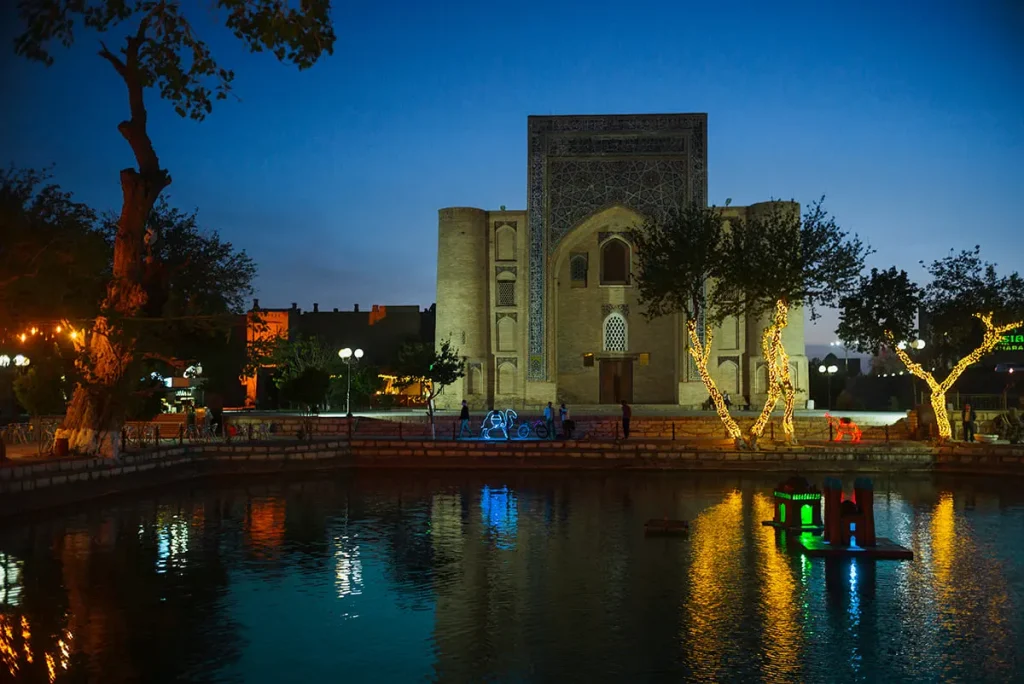
When the sun sets, Bukhara does not freeze, but acquires a special, mysterious atmosphere. Forget about the usual nightclubs with loud music until the morning – this is not about Bukhara. Here is its own culture of entertainment.
Food is a Separate Song!
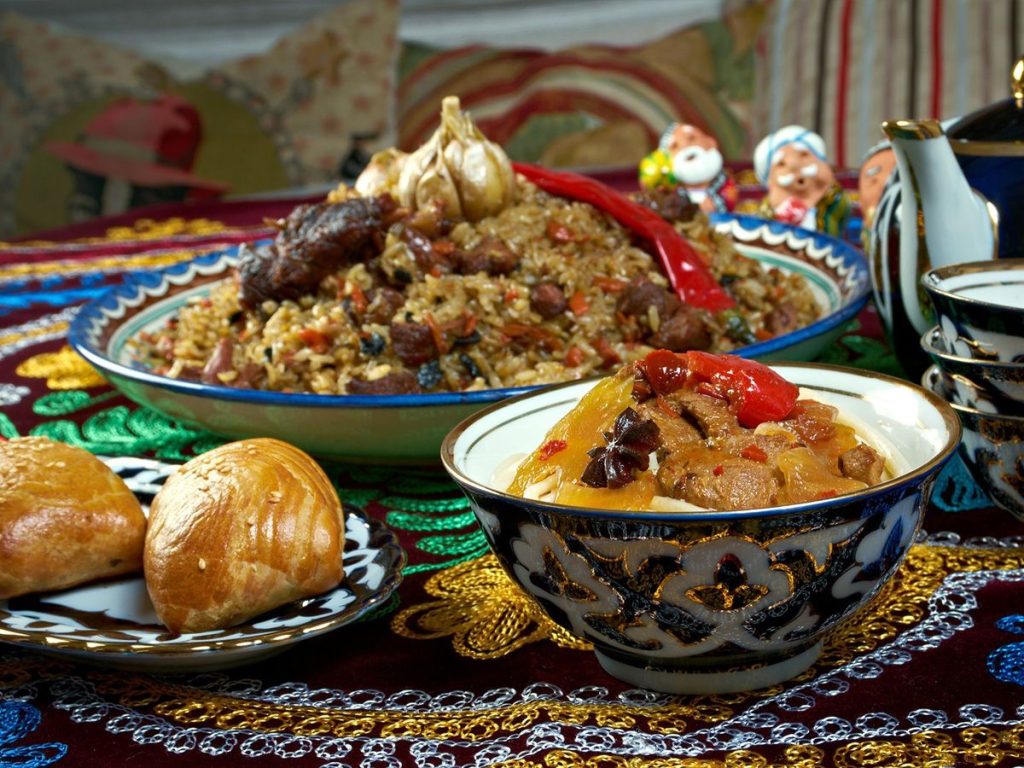
Uzbekistan is a paradise for gourmets, and Bukhara is one of its centers. Be sure to try:
- Plov (Pilaf): The king of Uzbek cuisine. It is prepared especially in Bukhara.
- Samsa: Ruddy pies with meat, baked in a tandoor.
- Shashlik (Kebab): Tender meat on skewers.
- Lagman: Thick soup with homemade noodles and meat.
- Shurpa, mastava, manti… The list is endless!
- Tea: The main drink. It is drunk always and everywhere, at any time of the year. Green tea quenches thirst perfectly.
Where to eat: Of course, in teahouses! They are everywhere, many are located directly in the courtyards of ancient buildings, under awnings, surrounded by greenery. Atmospheric, tasty and inexpensive. There are also more modern restaurants, but for real color – go to the teahouse.
Evening Walks
The best entertainment. The Poi Kalyan Complex with lighting is simply a stunning sight. Stroll through Lyabi-Hauz, listen to unhurried conversations, look at the stars. The narrow streets of the Old City under the lanterns create a magical atmosphere.
Folk Shows
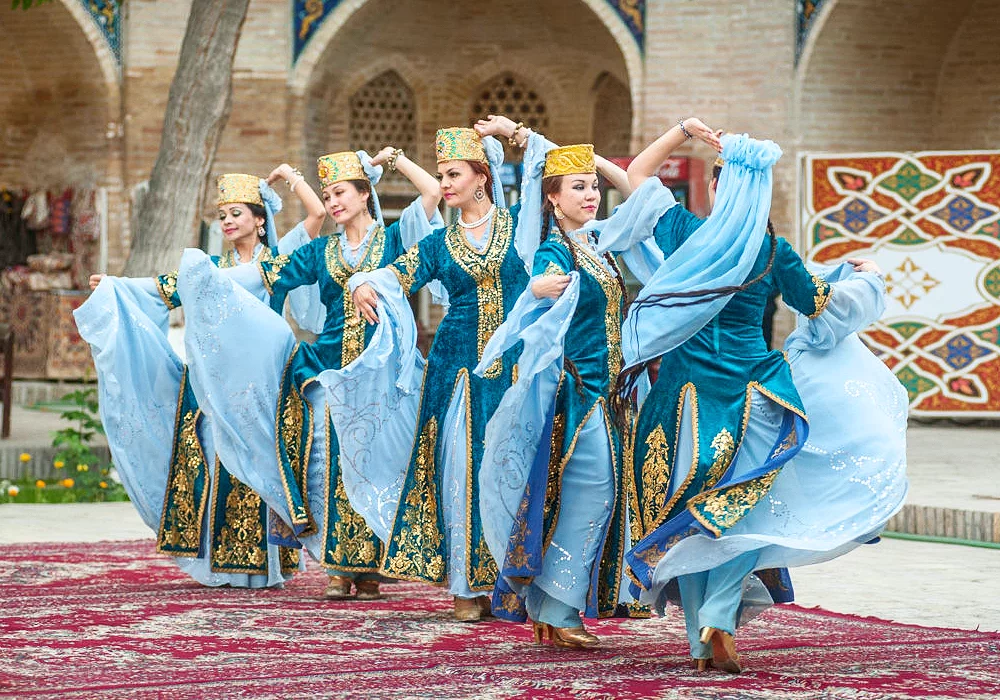
In some madrasahs (for example, in Nadir Divan-Begi), traditional concerts with dances, music and a fashion show of national costumes are held in the evening. This is touristy, of course, but very beautiful and immerses you in the local culture.
Master Classes
Want to learn how to cook real Uzbek plov or sculpt samsa? There are many places in Bukhara where you can sign up for a cooking master class. Or try your hand at pottery or wood painting.
Bazaars
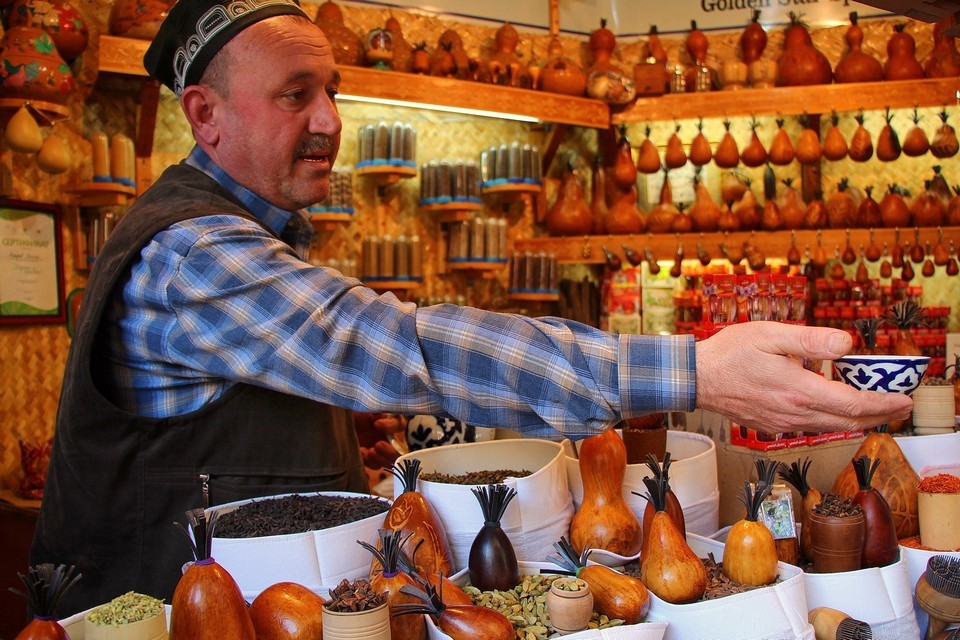
Evening bazaars also have their own charm. You can not only buy something, but also just watch life, bargain (this is the East!).
Bukhara is about a leisurely vacation, about tasting moments, about meditation among antiquities. If you are looking for discos until the morning, then perhaps you should look for them in Tashkent. And here – its own, unique atmosphere.
Tourism: Prospects and Sensations
Tourism in Bukhara is developing by leaps and bounds, but the city still manages to maintain its authenticity. The government of Uzbekistan is actively investing in infrastructure, new hotels are appearing (from cozy boutique hotels in ancient houses to quite modern ones), and roads are being improved.
Why go now? Because Bukhara offers a unique experience:
- Authenticity: You don’t just see ancient buildings, you feel history come alive around you. It’s not a museum exhibit, it’s a living city.
- Hospitality: Uzbeks are famous for their hospitality. You will be greeted as a dear guest, treated to tea, and told stories.
- Safety: Uzbekistan is a very safe country for tourists, and Bukhara is no exception.
- Accessibility: Prices for accommodation, food and souvenirs remain quite reasonable compared to European destinations.
- Uniqueness: This is a destination that is not yet “overrun” by crowds of tourists, like some other historical places.
Therefore, if you are looking not just for a vacation, but a real journey through time, with complete immersion in another culture, then Bukhara is your ticket.
A Few Interesting Facts (About Bukhara, Not About Mellih!)
And now, as promised, a few facts. But let’s immediately agree: I don’t know anything about Mellih (if this was a typo or a joke, sorry!), but I will gladly tell you about Bukhara!
- Holy City: Bukhara is considered one of the seven holy cities of Islam. There are more mosques here than in any other city in Central Asia. They say that in the Middle Ages there were more than 360 of them, one for each day of the year.
- Kalyan Minaret: In addition to its beauty and architectural grandeur, this minaret served as a beacon for caravans coming from the desert. It was so great that Genghis Khan, after the conquest of Bukhara, was so impressed by it that he did not allow it to be destroyed, unlike many other buildings.
- Water Supply: Until recently, Bukhara was famous for its unique water supply system, based on aryks and hauzes (ponds). This was a brilliant way to provide water to a city in the desert, although the hauzes sometimes became a source of disease until they were drained in Soviet times. Lyabi-Hauz is one of the few that have survived.
- Cradle of the Great: Bukhara gave the world many great scientists, philosophers and poets. Imam al-Bukhari, the author of one of the most authoritative collections of hadiths, and, of course, Ibn Sina (Avicenna), a doctor, philosopher and encyclopedist, were born near Bukhara or were closely associated with it.
- City of Craftsmen: Bukhara has been a center of crafts for centuries. Here you can still find workshops where hereditary jewelers, blacksmiths, potters, and weavers work. These are not just souvenirs, but works of art made using ancient technologies.
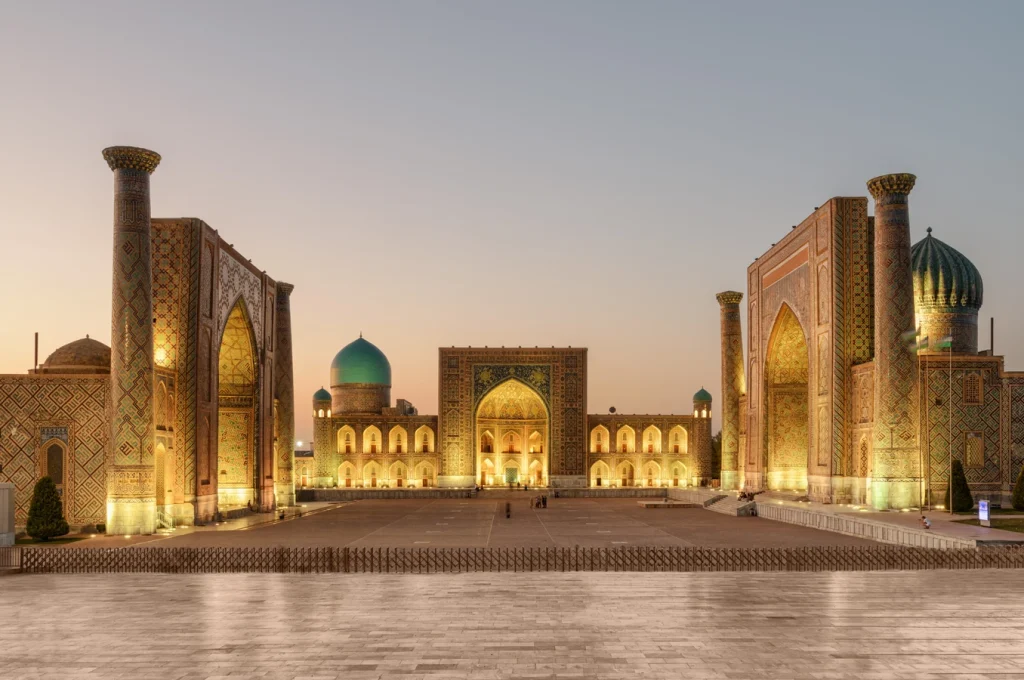
In short, Bukhara is not just a point on the map, it’s a whole journey. A journey not only in space, but also in time. It teaches slowness, contemplation and the ability to enjoy the moment. It smells of spices and old dust, sounds like a quiet whisper of centuries and the laughter of children, and looks like a living postcard from the distant past.
If you are tired of standard resorts and are looking for an adventure that will leave a deep mark on your soul, Bukhara is waiting for you. It will give you unforgettable impressions, incredible photos and stories that you will tell your friends for a very long time. Come and see for yourself: fairy tales are not only in books, they live – right there, in Bukhara.