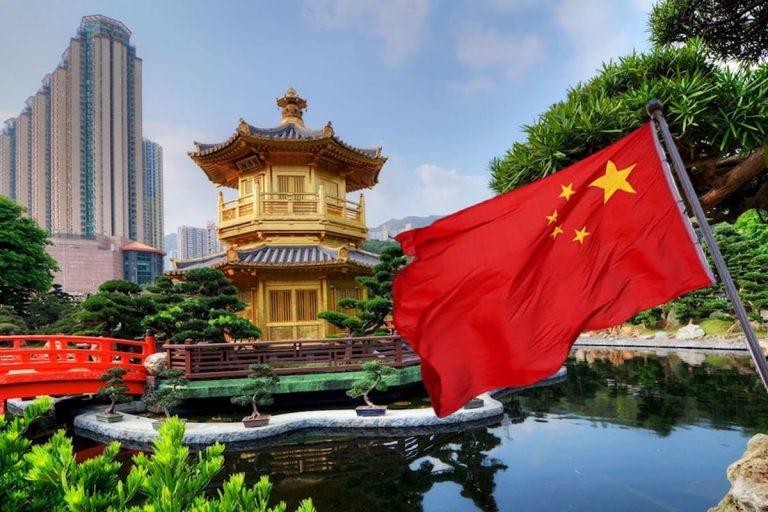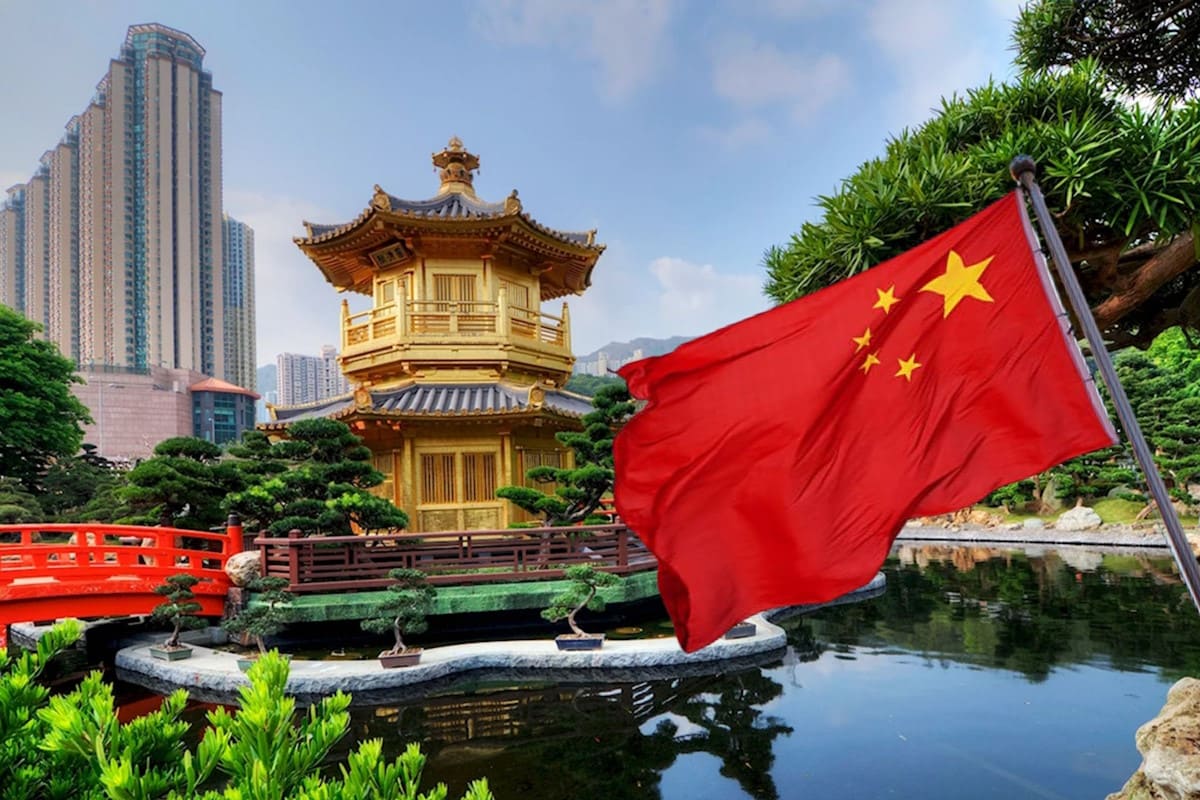
Well, friends, are you heading to China? Excellent choice! But I’m warning you upfront: it’s not just a country, it’s an entire universe. Gigantic, ancient, strikingly modern, and incredibly diverse. China is like several worlds gathered under one roof, and your first encounter with it can be simultaneously shocking, inspiring, and absolutely unforgettable.
If you’re going there for the first time, prepare for an adventure that will turn your perception of the world upside down. This article is your first guide to this amazing land, an attempt to gather as much useful information as possible to make your trip as comfortable and full of impressions as possible.
Introduction and Brief History of the State: From Empire to the Celestial Empire
Imagine a country where history is measured in millennia, not centuries. China is the cradle of one of the oldest civilizations in the world, which gave humanity gunpowder, paper, the compass, printing, and a thousand other things without which the modern world is simply unthinkable. From the first dynasties, like Shang and Zhou, to the mighty Qin, Han, Tang, Song, Ming, and Qing – each era left its indelible mark on the culture, architecture, and consciousness of the people.
It is a history of ups and downs, conquests and golden ages, when China was the center of the world, and its inventions and knowledge spread far beyond the borders of the Celestial Empire.
In the 20th century, the country experienced upheaval: the fall of the last dynasty, years of civil war, the struggle against Japanese invaders, and finally, the formation of the People’s Republic of China in 1949 under the leadership of Mao Zedong. After decades of turbulent changes, reforms, and incredible economic growth, modern China appears before us as an amazing symbiosis of ancient traditions and ultramodern technologies.
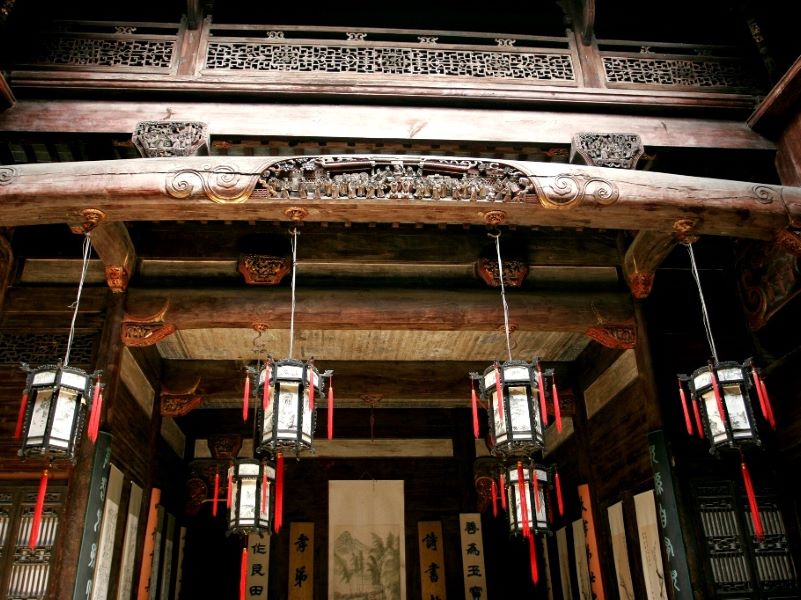
It is a country where thousand-year-old temples, ancient villages, and a leisurely pace of life are hidden behind the walls of skyscrapers and high-speed trains. For a tourist, this means one thing: wherever you go, you will constantly come across artifacts of the past that live in harmony (or contrast) with the present.
Geographical Location, Landscape, and Climate
China is the third largest country in the world by area, and this area determines the incredible diversity of its nature.
Landscape
- East: Fertile plains stretch here, through which the great rivers flow – the Huang He (Yellow River, the cradle of Chinese civilization) and the Yangtze (Long River, the third longest in the world). Most of the population and the largest cities are concentrated here. The coastline stretches for thousands of kilometers, from the Yellow Sea in the north to the South China Sea in the south.
- North: Here you will find the vast steppes of Inner Mongolia, the Loess Plateau with its unique landscapes, and, of course, part of the Great Wall of China, passing along mountain ranges.
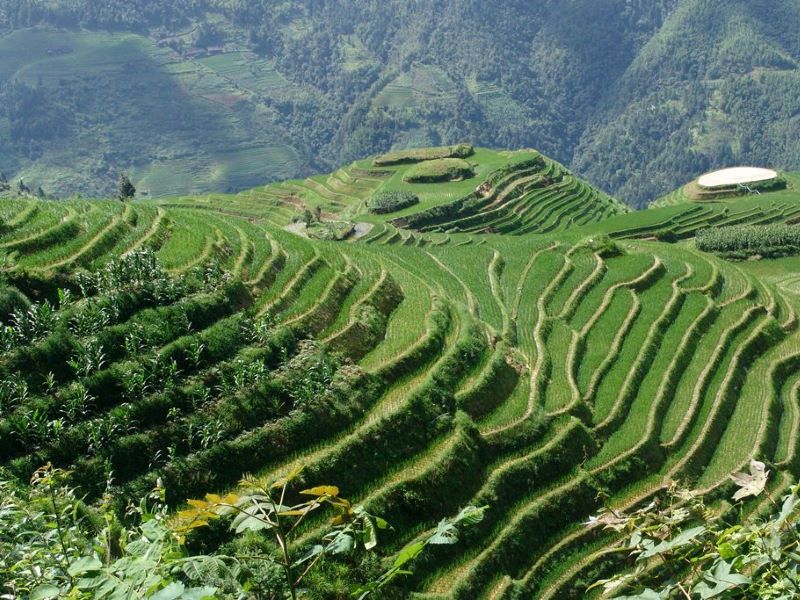
- Southwest: This is the realm of giant mountain systems – the Tibetan Plateau, the “roof of the world,” surrounded by the Himalayas, the Karakoram, and other ridges. Yunnan is also located here, a province known for its terraced rice fields, tropical forests, and unique biodiversity.
- West and Northwest: These are regions of deserts (Taklamakan, Gobi), semi-deserts, and high mountains (Tian Shan, Kunlun). The Great Silk Road passed here, and oases and ancient cities have survived to this day.
Climate
Due to the vast territory, the climate in China is very diverse, and this is important to consider when planning your trip.
- North (Beijing, Harbin): Continental climate with very hot and humid summers and harsh, cold winters. Spring and autumn are comfortable, but it can be dusty.
- Center (Shanghai, Xi’an): Subtropical, monsoon climate. Summers are very hot and humid (up to 40°C), winters are cool, but rarely with severe frosts. Spring and autumn are the ideal time to visit.
- South (Guangzhou, Hainan): Tropical and subtropical climate. Warm all year round, summers are long, hot, and very humid, with a rainy season and typhoons (June-September). Winters are mild.
- West (Tibet, Xinjiang): High-altitude and sharply continental. It is cold in Tibet for most of the year, the weather is unpredictable, with a lot of sunshine. In the desert areas of western China, there are sharp temperature changes between day and night, hot summers, and cold winters.
Tip: If you plan to visit several regions, be prepared for different weather conditions. Layered clothing is your best friend. And be sure to check the forecast before you go!
Political and Administrative Structure, Capital, Religion, and Important Nuances
China is a one-party state ruled by the Communist Party of China (CPC). The head of state is the President of the People’s Republic of China. The country is divided into:
- 23 provinces (Taiwan is considered the 23rd province),
- 5 autonomous regions (where large ethnic minorities reside, such as Tibet or Xinjiang),
- 4 municipalities directly under the central government (Beijing, Shanghai, Tianjin, Chongqing),
- and 2 special administrative regions (Hong Kong and Macau), which have a high degree of autonomy.
Capital: Beijing – the political, cultural, and educational center of the country. It is a giant metropolis where the imperial past (Forbidden City, Temple of Heaven) coexists with modern architecture.
Religion
Officially, China is an atheist state, but various religions coexist peacefully in the country:
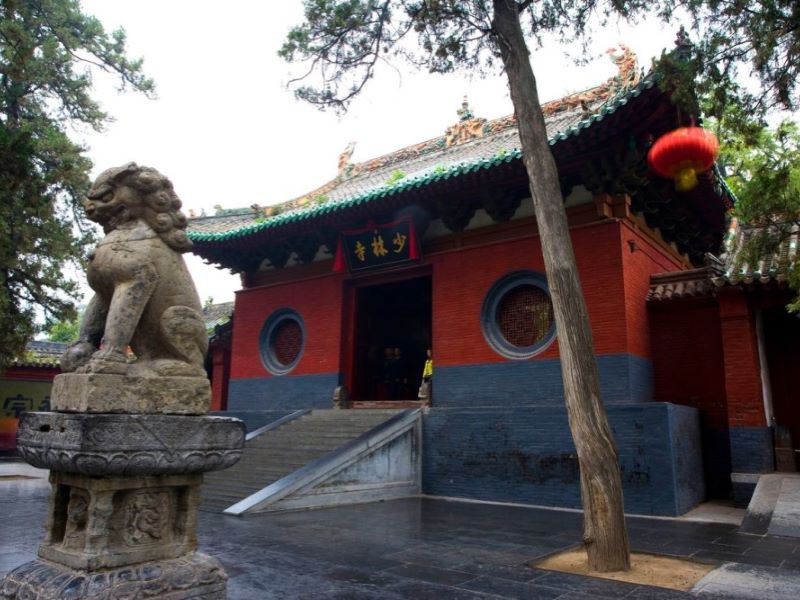
- Buddhism: Widespread, especially in Tibet and among the elderly. Buddhist temples are an integral part of the urban and rural landscape.
- Taoism: An indigenous Chinese philosophy and religion based on harmony with nature and the pursuit of immortality.
- Confucianism: More of an ethical and philosophical system that has had a colossal impact on Chinese society, its values, morals, and family relationships.
- Islam: Common among the Uyghurs in the west (Xinjiang), Hui people, and other ethnic groups. Mosques can be found throughout the country.
- Christianity: Present, but significantly less widespread. Traditional folk beliefs are also very strong. For tourists, this means an abundance of beautiful temples, monasteries, and the opportunity to experience a deep spiritual culture.
Important Nuances (that tourists should know)
- Internet Censorship (Great Firewall): This is perhaps the most important. Many familiar websites and services (Google, Facebook, Instagram, YouTube, WhatsApp, X/Twitter, many news sites) are blocked. Without a VPN, you will be “cut off” from the world. Download and set up a reliable VPN (ExpressVPN, NordVPN, Astrill) before arriving in China, as downloading them from within the country can be difficult.
- Payment: China is a society that has almost completely abandoned cash. Everything from buying tea to paying for a taxi is done through the mobile applications Alipay and WeChat Pay. Cash may only be accepted at markets, and even then, not always. Credit cards are only accepted in very large hotels and expensive restaurants. Be sure to install and set up these applications (you will need to link an international card). Without them, you will feel very uncomfortable.
- “Face” (Mianzi): The concept of “face” is a central element of Chinese culture. Losing face means shame. Do not put Chinese people in an awkward position, do not criticize openly, do not raise your voice. A smile and calmness will always help.
- Bureaucracy: Be prepared for document checks, facial scanning, and fingerprinting. This is normal practice for security purposes.
- English Language: Outside of major tourist attractions and expensive hotels, English is practically not used. Be prepared for a language barrier. Download a translator (Google Translate with offline translation and photo translation functions, Pleco for learning Chinese characters) – they will be your best friends.
Population and Language
- Population: More than 1.4 billion people. It is the most populous country in the world, and you will feel it, especially in large cities.
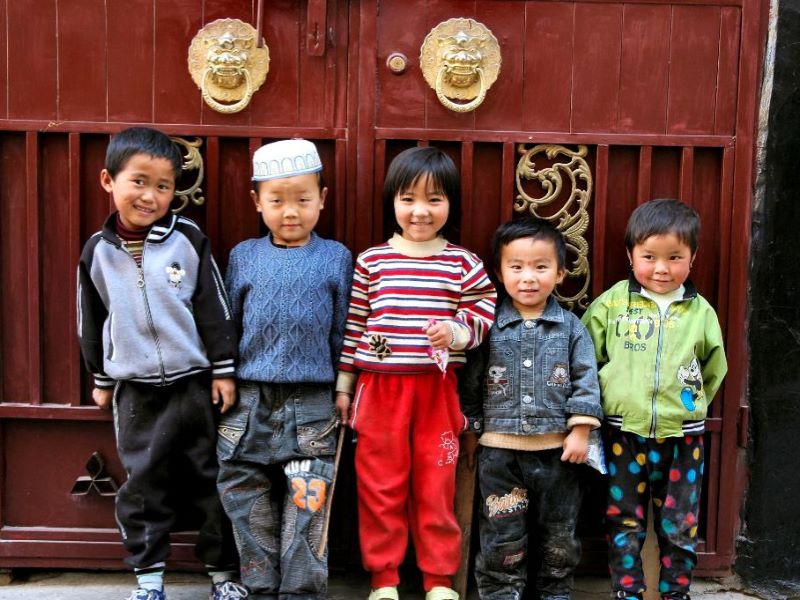
- Nationalities: Although the majority of the population are Han Chinese, accounting for about 92%, China officially recognizes 56 ethnic groups. Among them are large minorities such as the Zhuang, Manchus, Hui, Miao, Uyghurs, Tibetans, Mongols, and others. Each of these groups has its own unique culture, language, traditions, and cuisine. This is a huge cultural wealth, and if you have the opportunity to visit the autonomous regions, you will see China from a completely different perspective.
- Official Language: Putonghua (普通话), or Standard Mandarin Chinese, based on the Beijing dialect of Mandarin Chinese. Outside of China, it is more often referred to as Mandarin.
- Common Languages/Dialects: Despite Putonghua, China is full of different dialects and languages that are often mutually unintelligible. The most well-known are: Cantonese (Guangdong, Hong Kong, Macau), Shanghainese, Hunanese, Sichuanese, and many others. In tourist areas, Putonghua will be sufficient, but outside of them, you sometimes have to work hard to communicate.
Features of the National Mentality
- Collectivism: Community interests are often put above personal ones.
- Respect for elders and authority: This is deeply ingrained.
- Pragmatism and hard work: Chinese people are very practical and results-oriented.
- Hospitality: In general, Chinese people are very hospitable, although they may sometimes seem a little closed off or overly curious.
- Directness/”No beating around the bush”: Sometimes Chinese people can be very direct in communication, which may seem rude to a European. Don’t take it personally.
- “Crowd Culture”: In crowded places, the usual rules of personal space and queues may not be followed. Be patient.
- Curiosity: You may be photographed or asked where you are from, especially in less touristy places. Smile and enjoy the attention.
Transportation Infrastructure: How to Get Around the Middle Kingdom
The Chinese transportation system is a miracle of the modern world. It is incredibly developed, efficient, and generally very punctual.
Air Travel
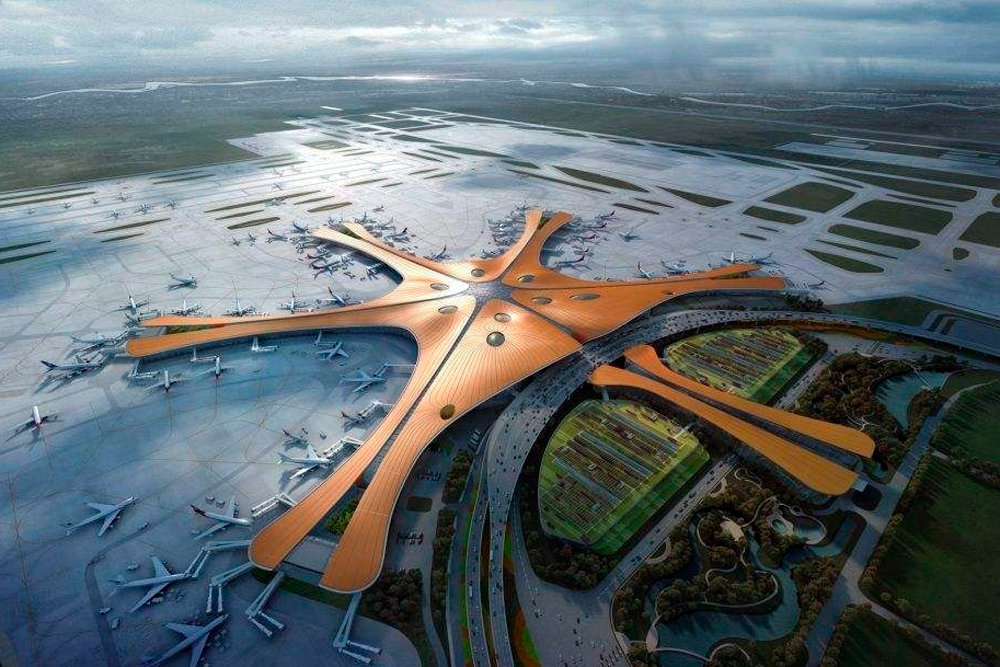
Major cities (Beijing, Shanghai, Guangzhou, Chengdu, Xi’an, etc.) have huge, modern international airports. Domestic flights connect almost all corners of the country, making it the fastest way to cover long distances. It is best to book tickets in advance, especially before holidays.
Railways
High-speed trains (高铁, Gāotiě) are a hallmark of China! It is the best high-speed rail network in the world, connecting almost all major cities. The trains are comfortable, fast (up to 350 km/h), and very punctual. Be sure to try it! There are different classes: second class (the most common, comfortable), first class, business class, and VIP.
Regular trains (slow, often old, but very cheap) also exist. Train tickets (especially for high-speed trains) can be sold out long before departure, especially in peak season. Use apps like Trip.com for booking.
Intercity Buses
A cheaper but slower option for traveling between cities, especially if there is no rail connection. Bus stations can be quite chaotic.
Airports and Train Stations
These are often huge, modern complexes that can be quite busy and confusing. Arrive early. Follow the signs and be prepared for security lines.
Urban Public Transport
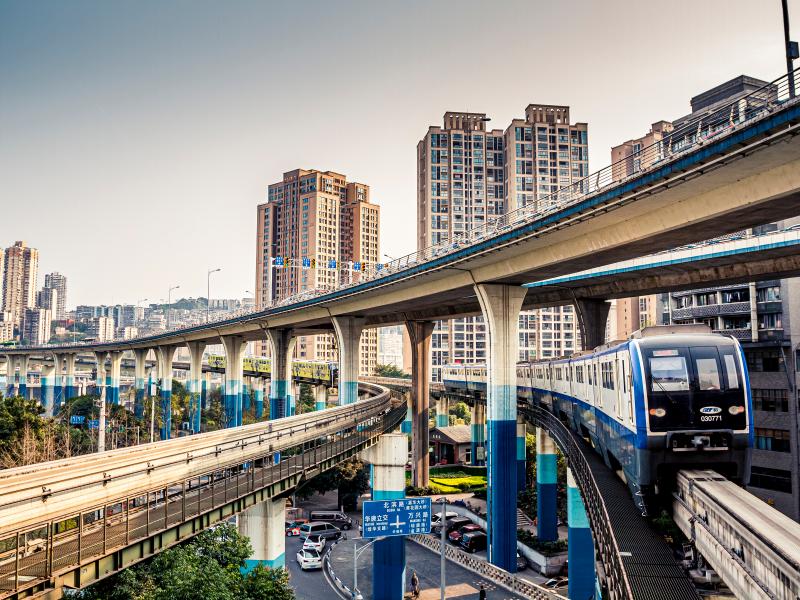
- Subway: In most major cities (Beijing, Shanghai, Guangzhou, Shenzhen, Chengdu, Chongqing, etc.), subways are clean, efficient, and inexpensive systems. It’s easy to navigate – all signs are duplicated in English, and there are directions.
- Buses: A very developed network, but understanding the routes without knowing Chinese can be difficult. Mobile applications or special cards are often used for payment.
Taxis and Car Sharing
- Taxis: Easy to catch on the street in major cities. Make sure the driver turns on the meter. The problem is the language barrier. It is better to show the address in Chinese or use applications.
- Didi Chuxing (滴滴出行): The Chinese equivalent of Uber/Lyft, absolutely dominant in the market. It is a must-have application. You can order a car, specify the destination (even in English, the application will translate), pay via WeChat Pay or Alipay, and you don’t have to communicate with the driver. Very convenient and often cheaper than a regular taxi. Car sharing (renting a car for self-driving) is practically inaccessible to tourists without a Chinese driver’s license.
The Most Important and Interesting Facts About the Country
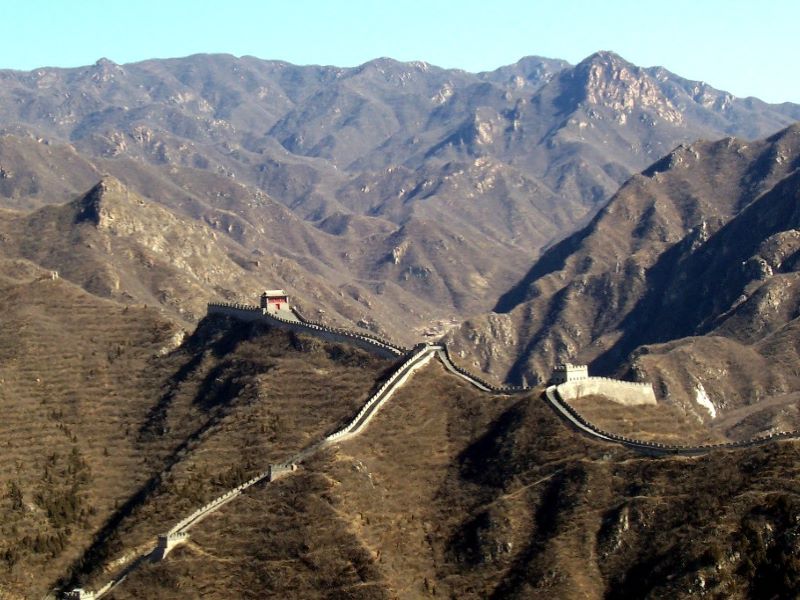
- The Great Wall of China: Not a single structure, but rather a series of fortifications built over centuries to protect against northern nomads. Contrary to popular myth, it is not visible from space with the naked eye.
- The Terracotta Army: Discovered accidentally by farmers in Xi’an, it’s the eighth wonder of the world – thousands of clay warriors guarding the tomb of the first emperor, Qin Shi Huang. Each warrior is unique!
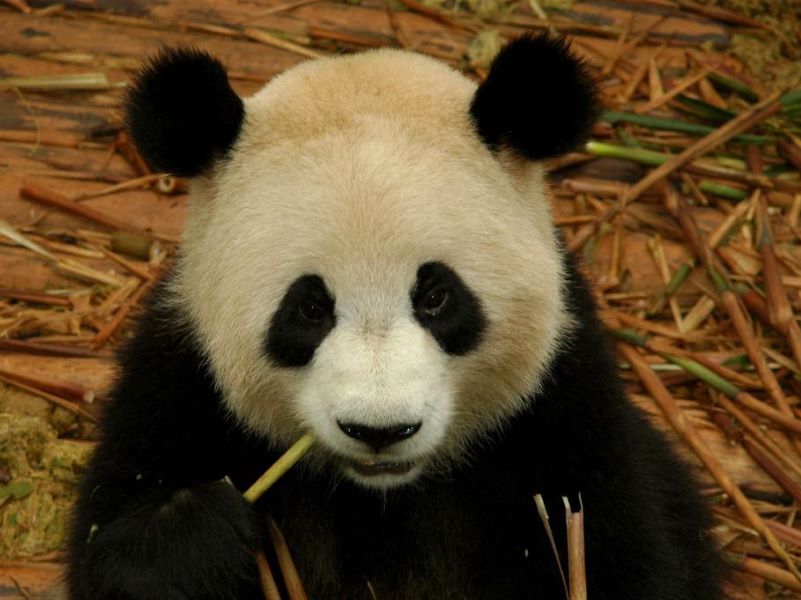
- Pandas: China is the homeland of these adorable creatures. Panda breeding centers in Chengdu and other cities offer a great opportunity to see them in person.
- Cuisine: Chinese cuisine is one of the most diverse and complex in the world. Forget what you’ve tried in “Chinese” restaurants in the West. There are eight “great” cuisines, each with its own flavor and style.
- Tea: China is the cradle of tea. The tea ceremony is an art form and an important part of the culture.
- Characters: The Chinese language is one of the few ancient languages that is still actively used in writing.
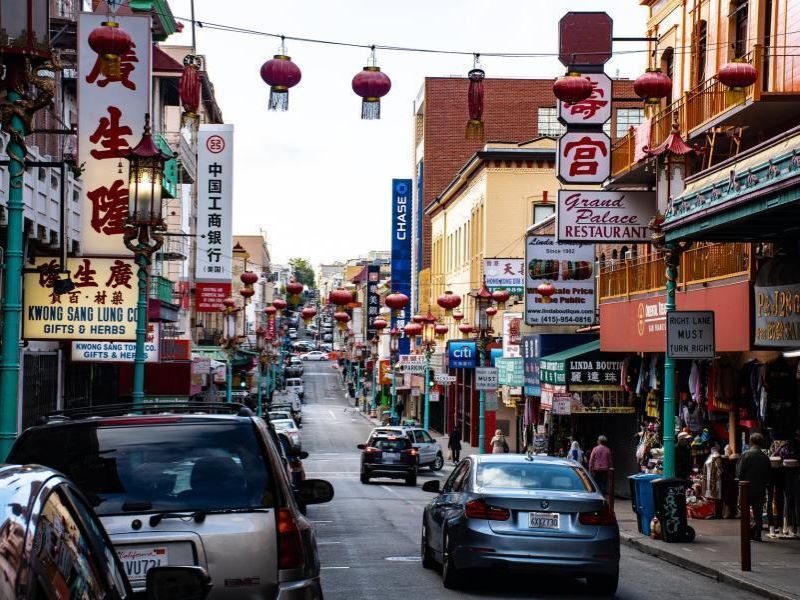
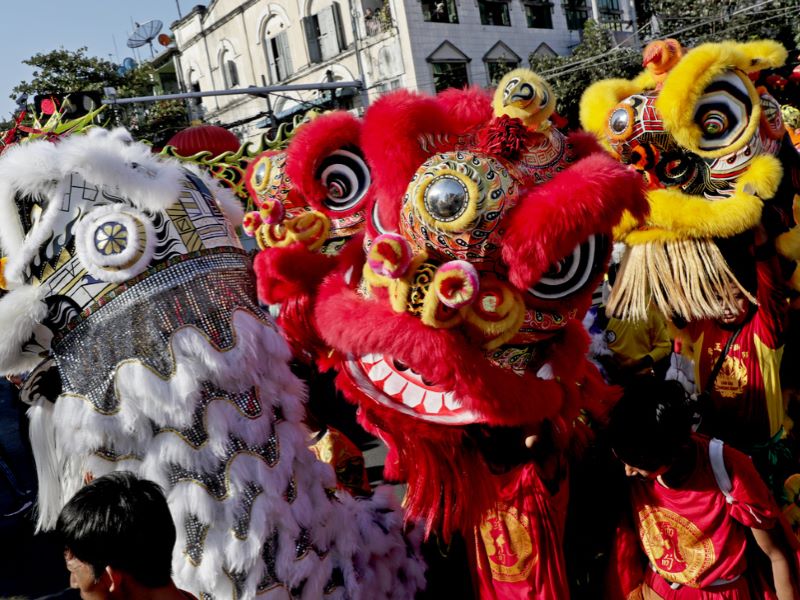
- Red Color: A symbol of luck, happiness, and prosperity. You will see it everywhere, especially during holidays.
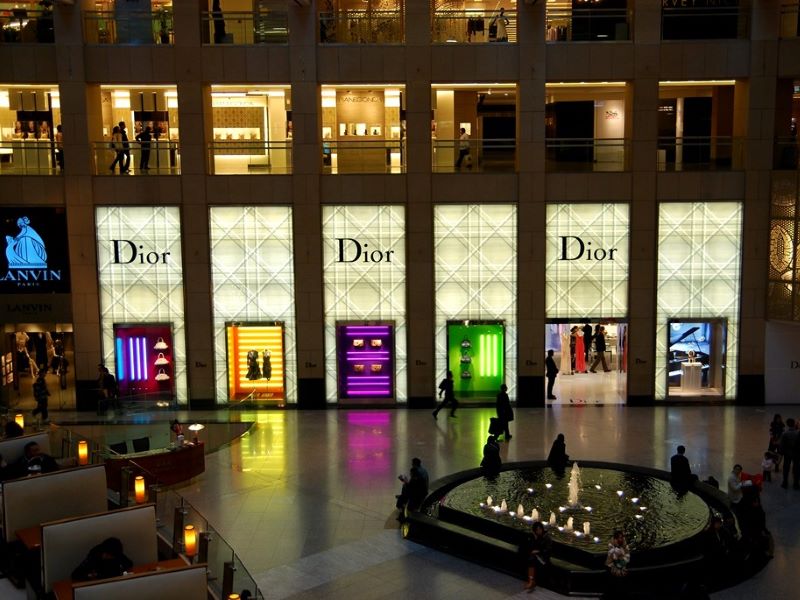
- Huge Shopping Malls: China is a shopper’s paradise. Enormous shopping malls, sometimes multi-story, with boutiques and entertainment.
- Pace of Development: China is changing so fast that even if you were there a few years ago, you will be amazed at how much has changed.
The Largest Cities and Popular Tourist Destinations
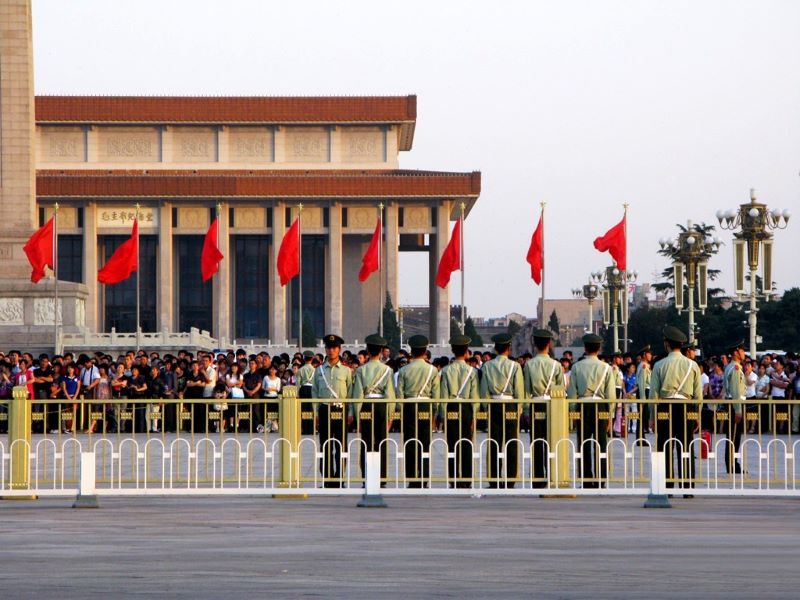
- Beijing: The capital city. A must-visit. Home to the Forbidden City (Imperial Palace), the Great Wall of China (several sections are accessible, such as Badaling or Mutianyu), the Temple of Heaven, the Summer Palace, and Tiananmen Square.
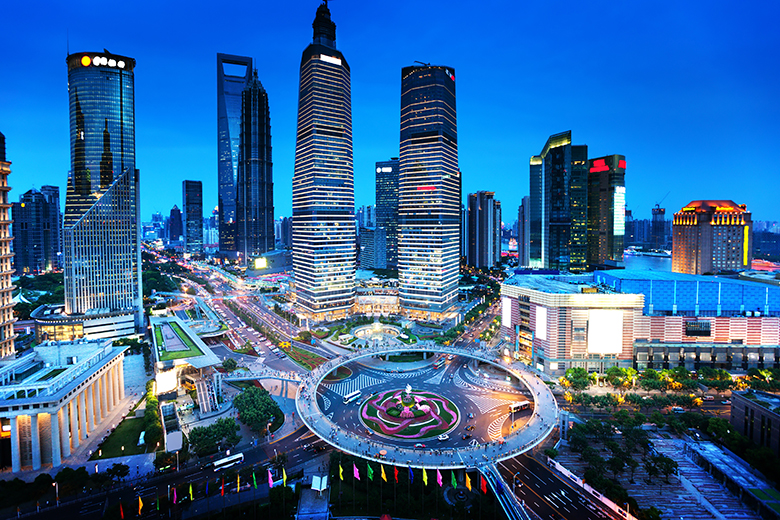
- Shanghai: The financial capital, a city of the future. Pudong skyscrapers, the historic Bund district (a waterfront with colonial architecture), the French Concession, Yu Garden, and the Oriental Pearl Tower.
- Xi’an: Ancient capital, the starting point of the Silk Road. Home to the Terracotta Army, the city wall (you can rent a bicycle and ride along it), the Big Wild Goose Pagoda, and the Muslim Quarter.
- Chengdu: The capital of Sichuan province. The main attraction is the Giant Panda Breeding Research Base. Also famous for its spicy cuisine (Sichuan hotpot!) and the relaxed atmosphere of tea houses.
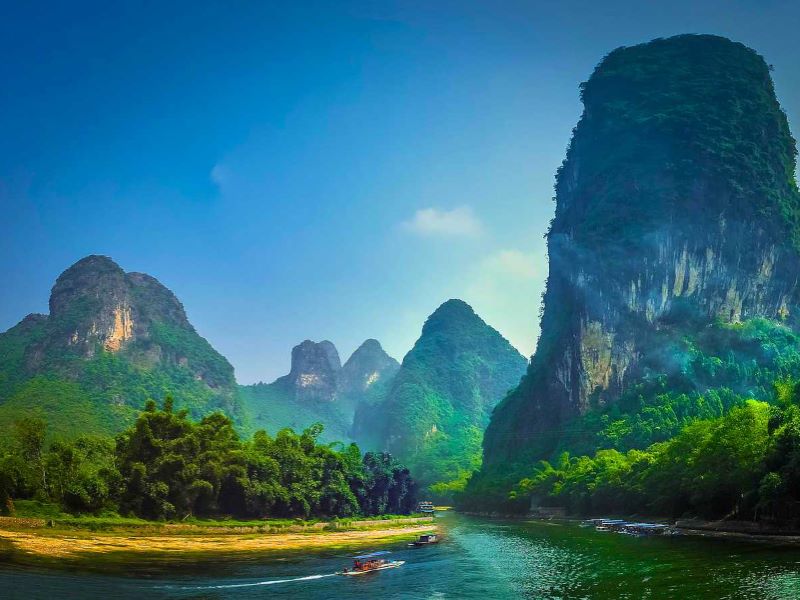
- Guilin & Yangshuo: A region with stunning karst landscapes. River cruises on the Li River, bamboo raft trips, and climbs up hills with panoramic views.
- Hangzhou: “Paradise on Earth” according to Marco Polo. West Lake (Xihu) is a UNESCO World Heritage Site, and home to the Longjing tea plantations.
- Suzhou: “Venice of the East,” famous for its classical gardens and canals.
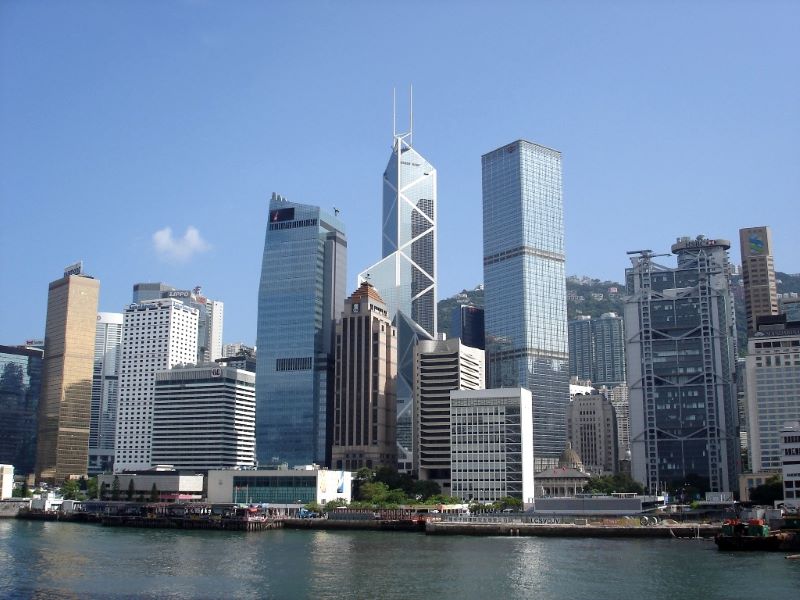
- Hong Kong: A special administrative region. A unique blend of East and West, skyscrapers, shopping, and cuisine. (Requires a separate visa or visa-free entry, check requirements).
- Macau: A former Portuguese colony, the “Las Vegas of the East.” (May also require separate entry).
Natural Recreation Areas: From Mountains to Sea
Seaside Resorts
- Hainan Island: “The Chinese Hawaii.” Subtropical climate, beaches, palm trees, warm seas, and excellent infrastructure. The most popular resort is Sanya.
- Qingdao: A city on the coast of the Yellow Sea, known for its colonial architecture, beer, and beaches.
Mountain Resorts and Nature Reserves
- Zhangjiajie National Forest Park: The one that inspired the creators of “Avatar.” Incredible pillar-like rocks, mists, and glass bridges.
- Huangshan (Yellow Mountains): Famous for its “welcoming pines,” bizarre rocks, seas of clouds, and hot springs. A popular spot for photographers.
- Wudang Mountains: The cradle of Taoism and many styles of Wushu. Temples on the slopes of the mountains, an atmosphere of tranquility.
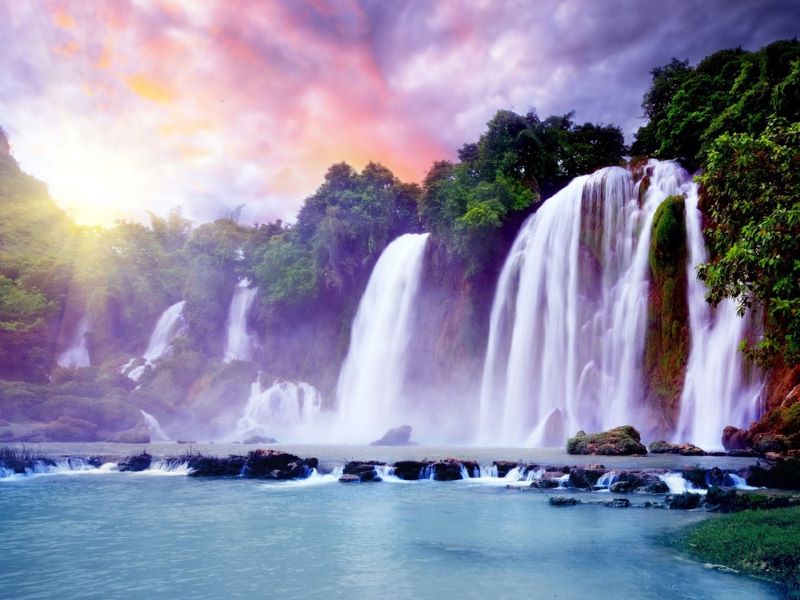
- Jiuzhaigou Valley Nature Reserve: A valley with stunning multi-level waterfalls, colorful lakes, and snow-capped peaks. (Important: was closed after an earthquake but is gradually reopening; check for up-to-date information).
- Wellness Resorts: Many regions are rich in thermal springs. For example, in the foothills of Tibet, in Sichuan province, and also in Hainan.
- National Parks and Natural Attractions: For example, the Yangtze River Canyon (Three Gorges), the Stone Forest in Kunming, the Longji Rice Terraces near Guilin.
Landmarks of the Country: Famous and Hidden Gems
The Most Famous and Popular
- Great Wall of China (Badaling, Mutianyu, Jinshanling sections)
- Forbidden City (Beijing)
- Terracotta Army (Xi’an)
- Temple of Heaven (Beijing)
- Bund and Pudong skyscrapers (Shanghai)
- Summer Palace (Beijing)
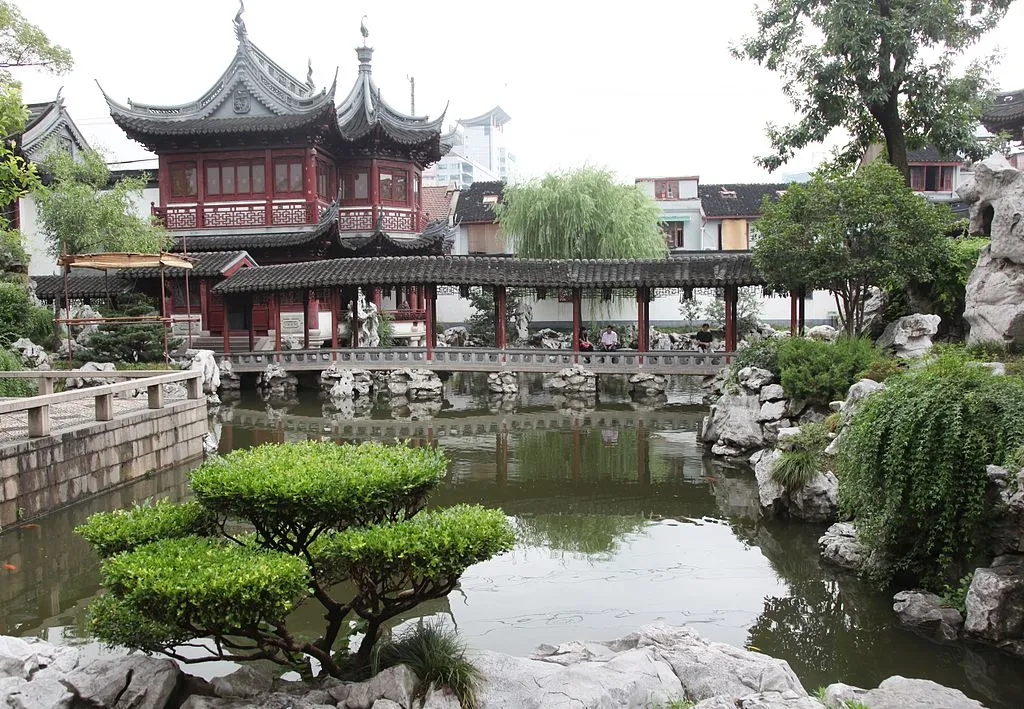
- Yu Garden (Shanghai)
- Leshan Giant Buddha (Sichuan Province)
- Karst Mountains of Guilin and Yangshuo
- Zhangjiajie (Avatar Mountains)
- Pandas in Chengdu
- West Lake (Hangzhou)
Interesting, But Not So Well-Known (May Not Be a Priority for the First Time, But Worth Noting)
- Huangluo Yao Village: In Guangxi, where women with the longest hair in the world live.
- Danxia Landform (Rainbow Mountains) in Zhangye: Stunning geological formations resembling giant rainbow layers.
- Ancient City of Pingyao: A well-preserved fortified city, a UNESCO World Heritage Site, allowing you to glimpse into the China of the Ming and Qing dynasties.
- Panjin Red Beach: A unique ecosystem where a special type of grass turns bright red in autumn.
- Mogao Grottoes in Dunhuang: A unique complex of Buddhist cave temples on the Silk Road, with frescoes and sculptures.
Where and How to Relax and What to Do: From Shopping to Opera
China offers an endless number of activities for tourists. In major cities, the tourist infrastructure is developed to the highest level – modern information centers, well-organized excursions (often in English), quality guides. Outside of major cities, there may be difficulties with English, but local guides are still available.
Entertainment
- Shows: Attend an acrobatic show in Shanghai, the Peking Opera in Beijing (even if you don’t understand the language, it’s spectacular), or the breathtaking Impression Sanjie Liu show outdoors in Yangshuo (with karst mountains in the background!).
- Nightlife: Beijing and Shanghai have a vibrant nightlife with bars, clubs, and karaoke bars (KTV – very popular with the Chinese).
- Cooking Classes: Learn how to make dim sum or Sichuan hotpot.
- Tea Ceremonies: A relaxing and informative experience.
- Massage: Chinese massage is a tradition and an art.
Major National Holidays or Carnivals
- Chinese New Year (Spring Festival, Chun Jie): The most important holiday, usually falling in late January – mid-February. Time for family gatherings. The streets are decorated in red, lots of fireworks, but there is traffic collapse and many shops and establishments are closed. It is better to plan your trip either well before or well after.
- Golden Weeks: Two weeks a year when the whole country rests and travels. The first is from May 1 to 7 (Labor Day), the second is from October 1 to 7 (National Day). At this time, all tourist places are overcrowded, and prices for transport and accommodation skyrocket. If possible, avoid these periods.
- Mid-Autumn Festival (Zhongqiujie): A harvest festival, families gather and eat mooncakes. A beautiful holiday, but also a lot of people travel.
Shopping
- Traditional Goods: Tea (a must!), silk, pearls, jade products, porcelain, calligraphy, painting, panda souvenirs. Buy in specialized markets or shops.
- Modern Shopping: In major cities, there are countless huge shopping malls with international brands and local brands. Electronics and gadgets are often cheaper, but make sure there is an international warranty.
- Markets: Electronics, fabric, counterfeit, antique markets are a world of their own. Bargain! The price can be reduced by 2-3, or even 5 times.
Where to Stay: Accommodation Options and Price Ranges
China’s accommodation infrastructure is very well-developed, especially in tourist cities. You will find hotels to suit every taste and budget.
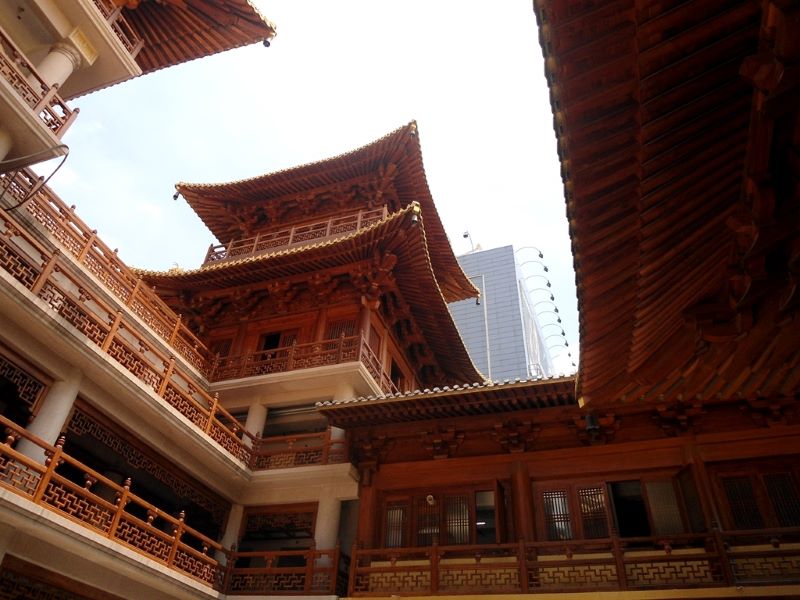
Important Note: Many budget Chinese hotels (especially non-chain or in small towns) do not have a license to accommodate foreign citizens. This is due to police registration requirements. Always check in the hotel description on aggregators or directly ask if they accept “foreign guests” (外宾). Large hotels, international chains, and most hotels you find on Booking.com or Agoda usually have such a license.
Hotels
- International Chain Hotels (Hyatt, Marriott, Hilton, Shangri-La, etc.): The highest level of service, comfort, often with English-speaking staff. All amenities are available. Average price range: $150 – $400+ per night (depending on the city and class).
- Local High-End Hotels: Can be of very good quality, but the service sometimes differs, and English-speaking staff is less common. Average price range: $100 – $250 per night.
- Mid-Range (e.g., Jinjiang Inn, Home Inn, GreenTree Inn): Clean, functional, offering basic comfort. A great option for budget travelers. Average price range: $40 – $100 per night.
- Guesthouses: Often found in small towns, resort areas, or tourist villages (e.g., Yangshuo). Can offer a more authentic experience. The quality varies greatly, from simple to very cozy. Average price range: $25 – $70 per night.
- Hostels: Common in major cities and popular tourist destinations. A great option for budget solo travelers or groups. There are shared rooms (dormitories) and private rooms. They often have common areas where it is easy to meet other tourists. Average price range: Dorm room: $10 – $25 per bed. Private room: $25 – $50 per night.
Where to Book
- Trip.com (formerly Ctrip): The largest Chinese online aggregator, very convenient for booking hotels, trains, and plane tickets in China. There is an English version.
- Booking.com, Agoda, Expedia: Also work, but sometimes have fewer deals or worse prices compared to Trip.com.
What and Where to Eat: A Gastronomic Adventure
Chinese cuisine is not just food, it’s a whole philosophy, history, and art. Forget the stereotypes you know! There are so many regional cuisines here that your head spins, and each of them is a separate world of flavors.
National Cuisine and its Features
The Eight Great Cuisines of China:
- Sichuan (四川菜): Spicy, using Sichuan peppercorns (mala), which causes numbness and tingling in the mouth. Try mapo tofu, gong bao chicken, hotpot.
- Cantonese (广东菜): Light, fresh, with an emphasis on the natural flavor of the ingredients. Known for dim sum (baozi, shaomai), roasted duck.
- Hunan (湖南菜): Even spicier than Sichuan, but with a different kind of spiciness.
- Shandong (山东菜): Salty, focusing on seafood and soups.
- Anhui, Fujian, Jiangsu, Zhejiang: Less well-known outside of China, but each is unique.
Northern Cuisine (Beijing): Heavier, using wheat (noodles, dumplings) and meat. Peking Duck is a must-try!
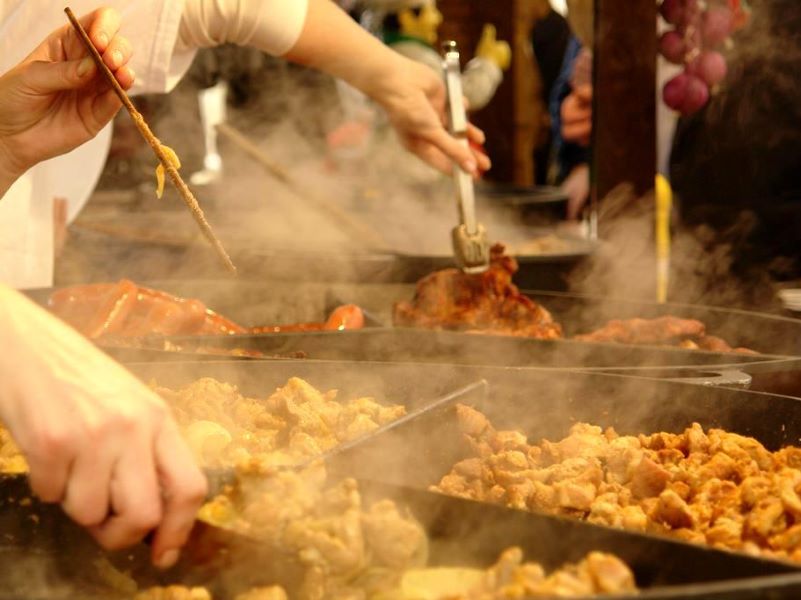
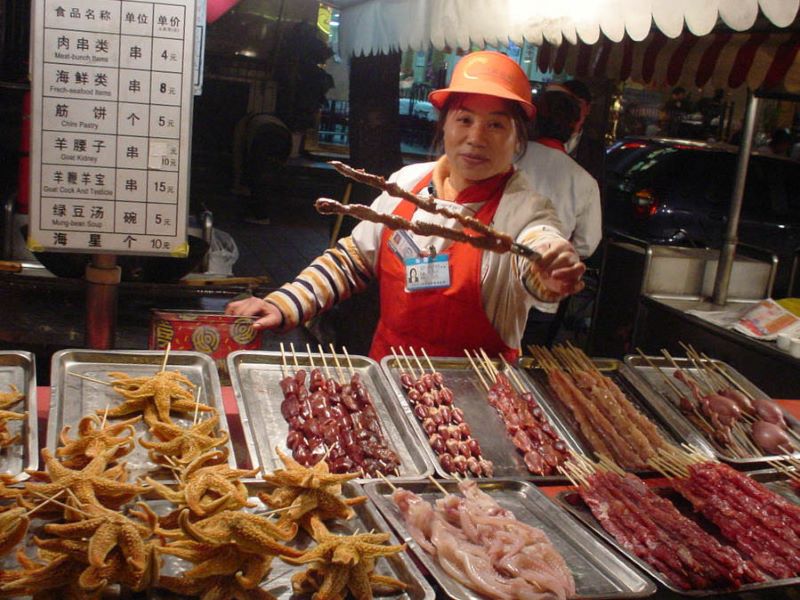
Street Food: This is a whole world of flavors, smells, and experiences. From kebabs to jianbing pancakes and various types of noodles.
Food Infrastructure for Tourists
- Restaurants: From family-run eateries to high-end restaurants. In major cities, it’s easy to find restaurants with English menus and even English-speaking staff. In less touristy places, you will have to use photos in the menu or a translator.
- Cafes: Many cozy cafes, especially in big cities, where you can drink coffee (or tea!) and have a snack.
- Food Courts: In shopping malls and train stations. Offer a wide selection of dishes at affordable prices. A great option if you can’t decide what to try.
- Fast Food: International chains (KFC, McDonald’s, Burger King) are very popular and widely represented. They often offer localized dishes. Local fast-food chains are also numerous.
- Street Markets: A real paradise for gourmet experimenters. Be careful with hygiene, but don’t be afraid to try!
Average Price Range (per person)
- High-End Restaurants: $30 – $100+ (depending on drinks and dishes).
- Mid-Range (good local restaurant): $15 – $30.
- Casual Cafes/Eateries: $7 – $15.
- Food Courts/Fast Food: $5 – $10.
- Street Food: $2 – $7 (per dish).
Food Tips
- Use Chopsticks: It’s part of the experience. If you don’t know how, don’t hesitate to ask for a fork (叉子, chāzi), but it’s better to practice in advance.
- Drink Bottled Water: Tap water in China is not intended for drinking.
- Be Prepared for Spicy Food: Especially in Sichuan and Hunan. If you don’t like it, say “bù là” (不要辣 – bù là, not spicy).
- Try New Things: This is your chance to broaden your gastronomic horizons!
Final Section with Useful Tips for Tourists
China is a journey that will change you. It’s not just a country, but a grand, multi-dimensional experience that will give you hundreds of stories and thousands of photos.
But to make the trip as smooth as possible, remember these final tips
- Visa: There is no visa-free regime with most CIS countries (except for some exceptions for transit). Apply for a visa in advance in your country. This is a simple but time-consuming process.
- VPN and Payment Systems (Again!): I can’t stop repeating: install and test a VPN before you leave. Set up Alipay and WeChat Pay – it will be VERY difficult without them.
- Language Barrier: Download offline translators (Google Translate with photo function), or even better – Pleco (for hieroglyphs). Write down or save the names of your hotel and attractions in Chinese. Learn a few basic phrases: “Nǐ hǎo” (Hello), “Xiè xie” (Thank you), “Bù yào là” (Not spicy).
- Be Prepared for Culture Shock: It’s normal. Lack of queues, loud conversations, peculiar etiquette – this is part of Chinese everyday life. Smile, be patient and open.
- Local SIM Cards: Buy one upon arrival. This is convenient for internet and app usage. You will need your passport.
- Bargaining: Bargaining is normal in markets and small shops. Don’t be shy!
- Tipping: Tipping is not customary in China, and sometimes it can even be perceived as an insult.
- Hygiene: Carry hand sanitizer with you. Wipes are a must-have, as toilet paper is not always available in public toilets.
- Copies of Documents: Always carry a copy of your passport and visa. It is better to keep the originals in the hotel safe.
- Insurance: Get good travel insurance. Medicine can be expensive.
- Openness and Curiosity: The most important thing. China is a country of contrasts and surprises. The more open you are, the more you can learn and the more impressions you will get.
China is waiting for you! It promises to be loud, bright, delicious, and absolutely unforgettable. Get ready for the trip of a lifetime! Good luck!