If Asia had its own overachiever, the one who always wears a neatly ironed shirt, knows three languages, and somehow manages to be the life of the party, it would be Singapore.
Many people think that Singapore is just a huge transit hub where you can stroll for a couple of hours between flights to Bali or Australia. Oh, how wrong they are! This tiny island nation (which, by the way, is smaller than St. Petersburg) is a real portal to the future, where the jungle sprouts through concrete, and traditions peacefully drink tea with high technology.
Forget boring guidebooks. Let’s talk about what this “Lion City” really is, why you should go there, and what you need to be prepared for in order not to go broke (spoiler: it’s possible, but difficult).
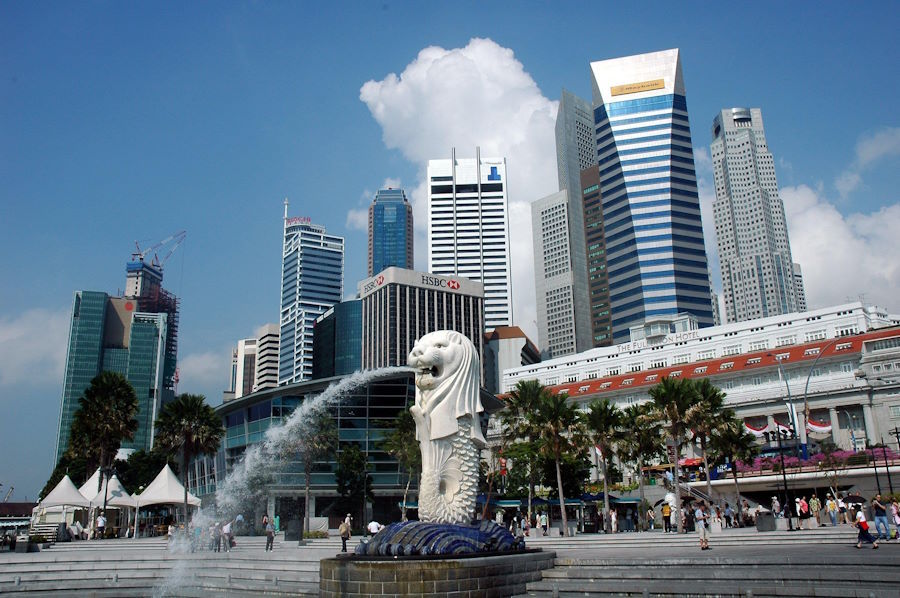
Asia for Beginners, or “Why is it so clean here?”
The first thing that strikes you when you leave Changi Airport (more on that later, it’s not an airport, but a spaceship!) is the sterile, almost unnatural cleanliness. There is no dust here. Seriously, you can walk all day in white sneakers, and they will remain white by the evening.
Singapore is often called “Asia-lite” or “Asia for Beginners.” If you are scared by the chaos of Bangkok or the noise of Hanoi, Singapore is the perfect start. Everyone speaks English here, transportation runs on schedule to the second, and you can (and should!) drink water straight from the tap.
But behind this perfect facade lies a rigid discipline. You’ve probably heard stories about fines. And yes, they are real.
- Chewing Gum is Banned: It is forbidden to import and sell chewing gum. You can chew it if your doctor prescribed it (seriously), but spitting it on the sidewalk is absolutely forbidden. The fine is such that you can buy a used car in Russia with that money.
- Durian on the Subway: This stinky, but locally loved “king of fruits” is prohibited from being carried on public transportation. The smell does not disappear for weeks.
- Didn’t Flush? Pay! There are sensors in public toilets. Forgot to press the flush button – get your wallet ready.
Seems harsh? Maybe. But that’s why it’s so pleasant to be here.
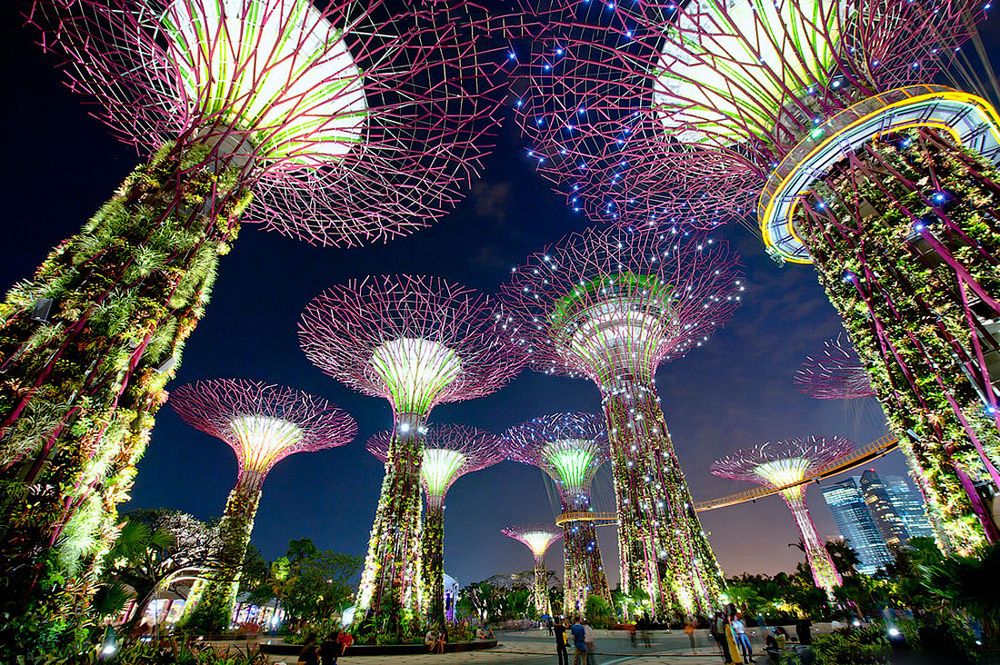
Gardens by the Bay: Avatar in Real Life
If you haven’t taken a photo against the backdrop of Supertree Grove (Supertrees), consider that you haven’t been to Singapore. This is the city’s hallmark, and in real life it looks even cooler than on Instagram.
Imagine giant structures the height of a 16-story building, entwined with living plants. During the day, they collect rainwater and solar energy, and in the evening they put on a light show to the music from Disney cartoons or “Star Wars.” And the best thing is that entrance to the park itself is free! You only need to pay to go up to the bridge between the trees (OCBC Skyway).
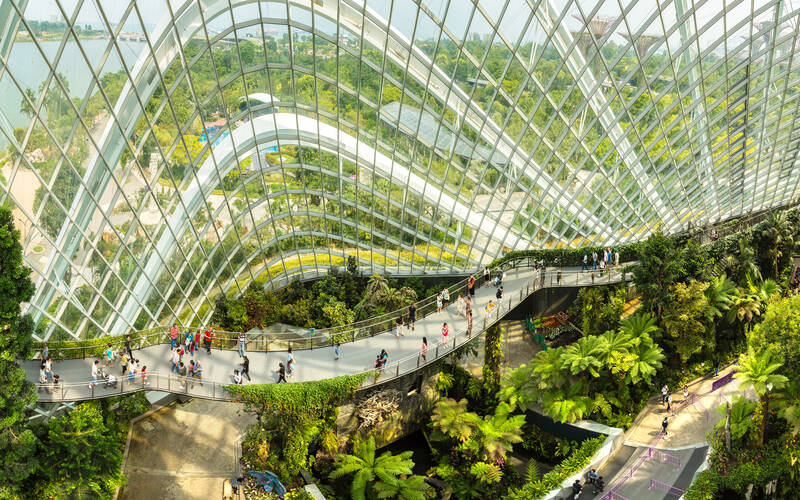
Nearby are two huge glass “shells”:
- Cloud Forest: Inside is a 35-meter mountain with a waterfall. It’s cool, humid and incredibly beautiful. It feels like you’ve entered a lost world.
- Flower Dome: The world’s largest glass greenhouse. Here it is eternal spring and plants from all over the world are collected.
Tourist Tip: Come to the Supertrees twice. During the day to walk through the greenhouses, and in the evening (around 7:45 PM or 8:45 PM) to lie directly on the grass under the trees and watch the Rhapsody light show. It’s free and gives you goosebumps.
Food: Where to Eat at a Michelin Star Restaurant for $5
Singapore is a paradise for the stomach. Locals are obsessed with food. The question “Have you eaten yet?” here replaces “How are you?”.
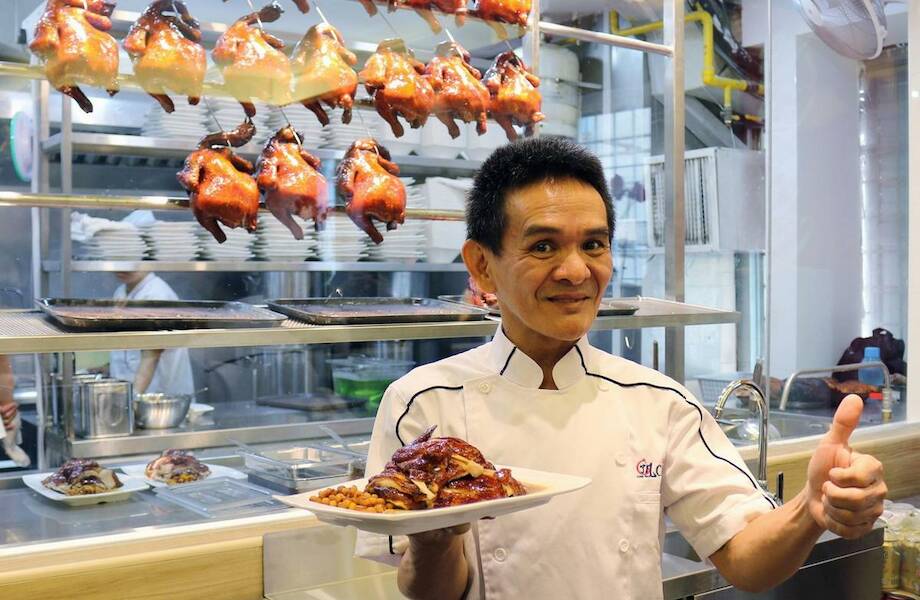
Forget about fancy restaurants with white tablecloths (although there are plenty of them here too). The real heart of Singapore beats in Hawker Centres. These are covered food courts in the open air, where dozens of stalls have been preparing their signature dishes for decades.
There are no air conditioners or waiters here, but there is food that will make you swallow your tongue.
- Hawker Chan: This is a legend. The cheapest Michelin-starred food in the world. A portion of chicken with rice and soy sauce costs about 4-5 Singapore dollars. The queue will be long, but it’s worth it.
- Laksa: Spicy noodle soup in coconut milk with shrimp and shellfish. This is the taste of Singapore in one bowl.
- Chili Crab: The main national dish. A huge crab is stewed in a thick, sweet and spicy tomato sauce. You need to eat it with your hands, smearing yourself up to your elbows. Be sure to take fried “mantou” buns with the sauce to soak up the leftovers.
Lifehack: If you see a long line of locals at a stall, feel free to stand in line. Singaporeans will never stand in line for bad food.
Marina Bay Sands: A Ship That Ran Aground in the Heavens
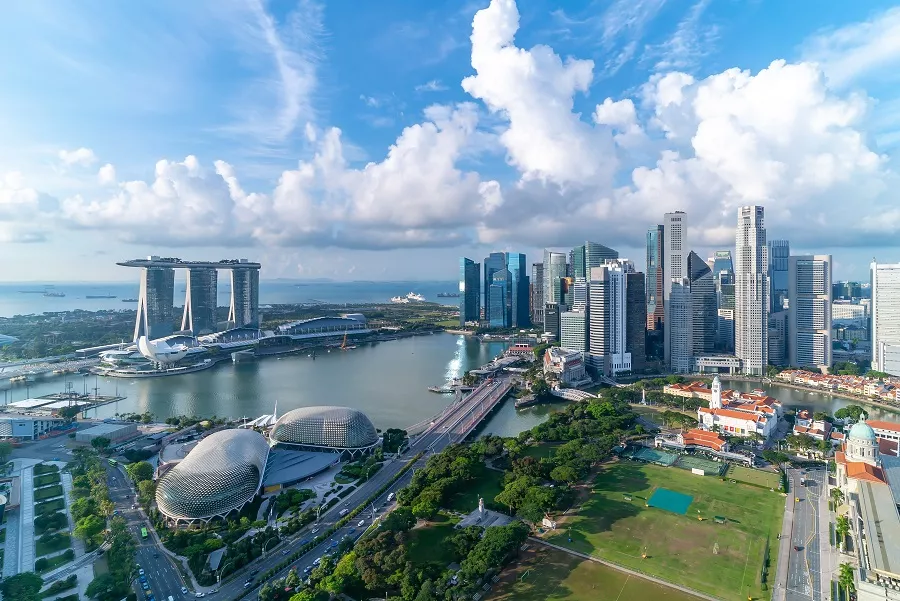
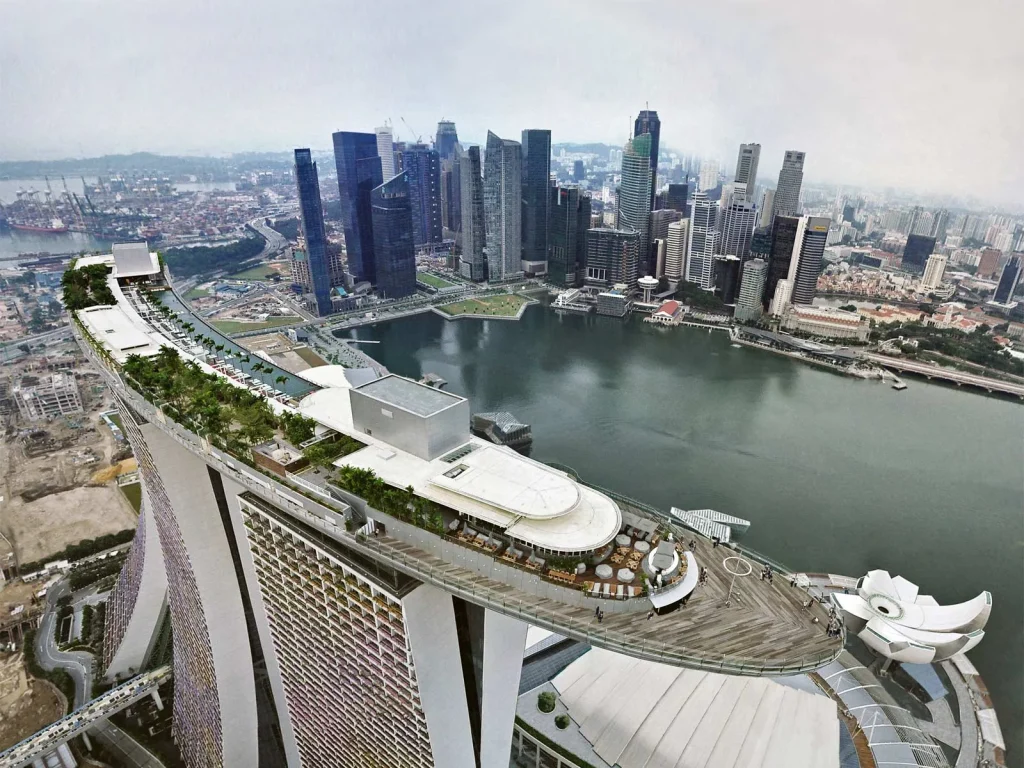
You’ve seen this building in movies. Three towers with a giant boat lying on top. This is the Marina Bay Sands hotel.
On the “deck” of this boat is the famous infinity pool. Bad news: only hotel guests can swim there (a room costs as much as an airplane wing). Good news: you can go to the Skypark Observation Deck (for a fee) or go to the CÉ LA VI bar (by buying a cocktail), which is located on the same roof. The view of the night city with skyscrapers burning with lights will make you feel like a character in a cyberpunk movie.
Ethnic Quarters: Three Countries in One
Singapore is a melting pot of cultures. Chinese, Malays and Indians live peacefully here. And each has its own colorful area.
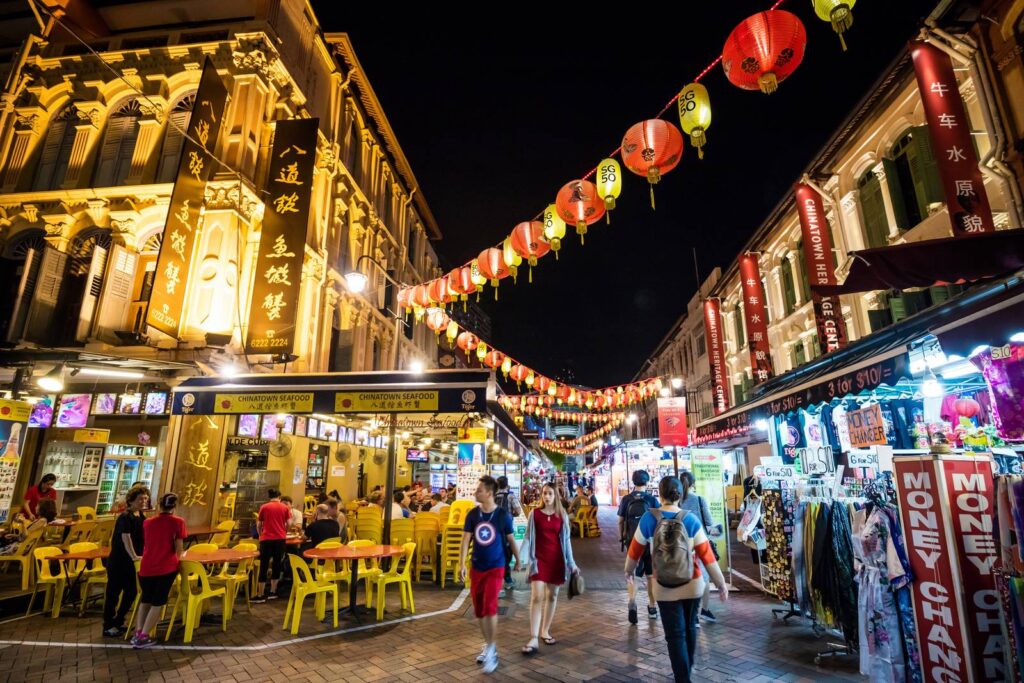
- Chinatown: Red lanterns, souvenirs, delicious Peking duck and the majestic Buddha Tooth Relic Temple. This is a place where you can buy everything: from cheap magnets to dried seahorses.
- Little India: As soon as you cross the border of this area, the smell of spices, jasmine and incense hits your nose. It’s noisy, bright, Bollywood hits are playing, and the houses are painted in all the colors of the rainbow. Be sure to try “roti prata” (flatbreads with curry) and visit the 24-hour Mustafa Centre shopping center – it has everything.
- Kampong Glam (Arab Quarter): The most hipster area. Around the golden dome of the Sultan Mosque are scattered trendy coffee shops, shops with Persian carpets and walls with cool graffiti. Haji Lane is a real find for lovers of Instagrammable photos and designer clothes.
Sentosa: An Island of Fun
If you are tired of concrete and want a beach or adrenaline, take the monorail or cable car (the views are amazing!) and go to Sentosa Island.
This is a huge playground for adults and children.
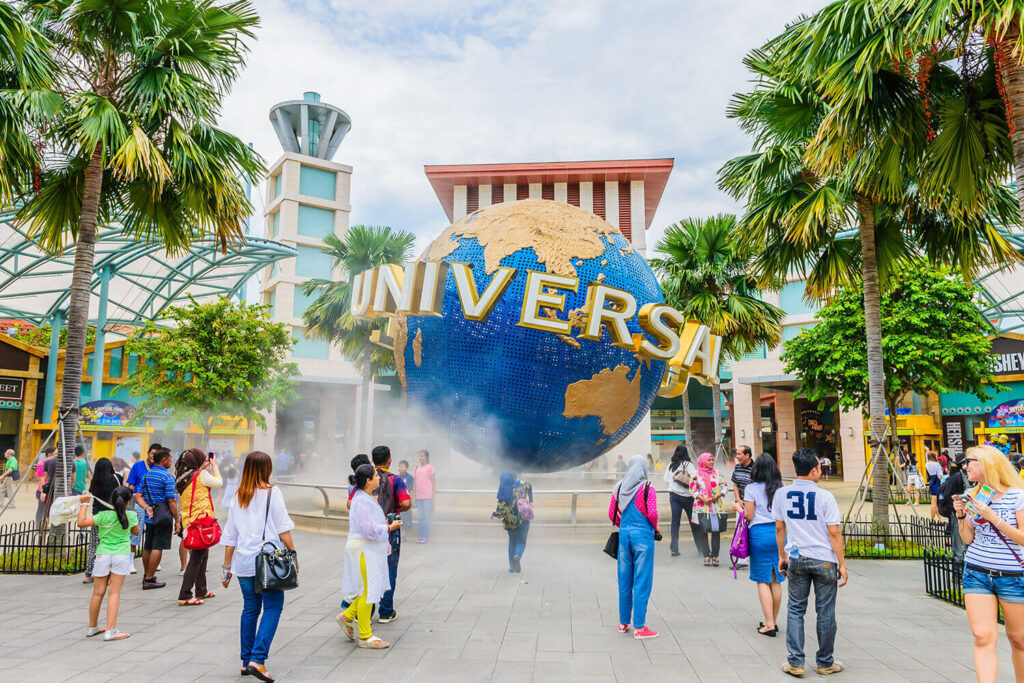
- Universal Studios Singapore: One of the best amusement parks in Asia. Roller coasters based on “The Mummy” and “Transformers” will shake your soul out of you (in a good way).
- Beaches: Yes, there are beaches in Singapore (Siloso, Palawan, Tanjong). The sand is brought there specially, and the palm trees are planted in a line. The water is not as clear as in the Maldives (there is a port nearby, after all), but it is great for “wetting your feet” and sunbathing.
- The Southernmost Point of Continental Asia: On Palawan Beach there is a suspension bridge leading to a tiny island. There is a sign claiming that there is no one further south than you in Asia. Geographers argue, but the photo turns out great.
Changi: An Airport You Don’t Want to Leave
We started with it and we will end with it. Changi is an attraction in itself. Many tourists arrive at the airport 4-5 hours before departure just to take a walk.
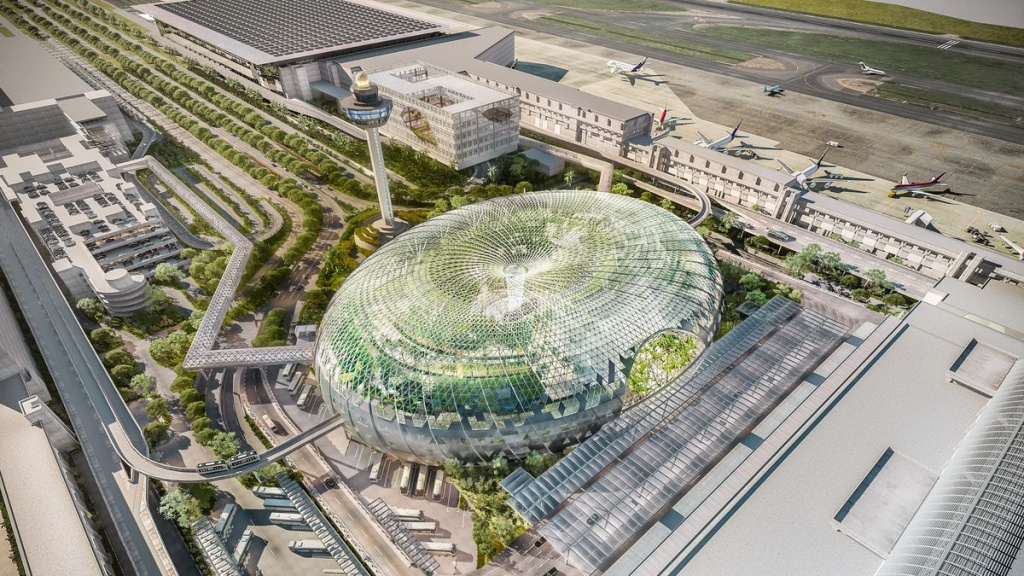
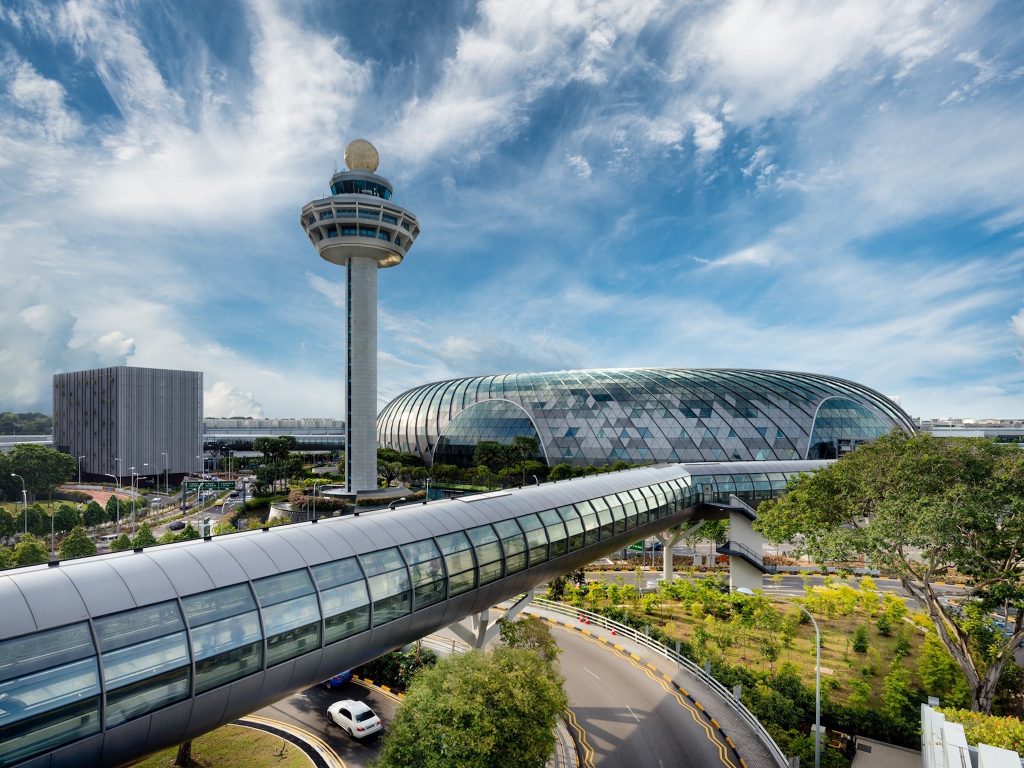
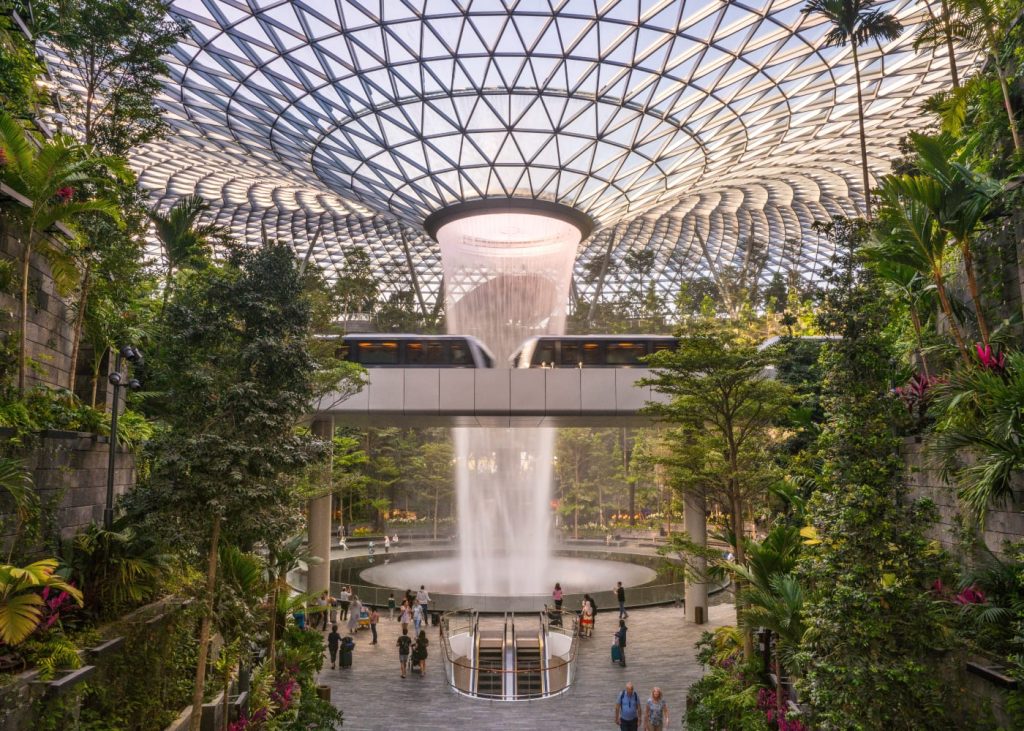
The main star here is the Jewel complex. This is a shopping center connected to the terminals, in the center of which is the Rain Vortex – the world’s tallest artificial waterfall under a roof (40 meters!). A train runs around it between the terminals, creating a completely futuristic picture.
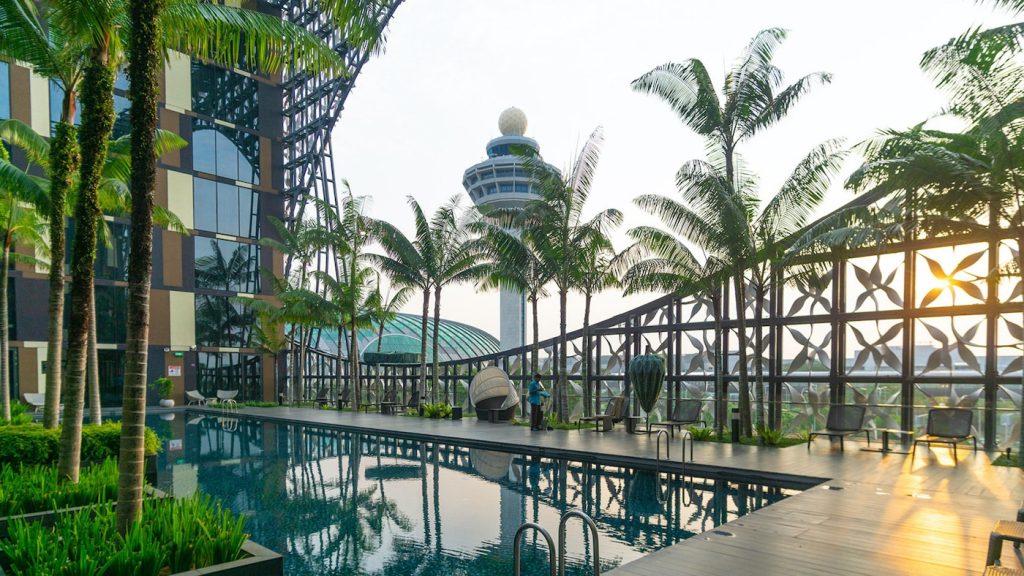
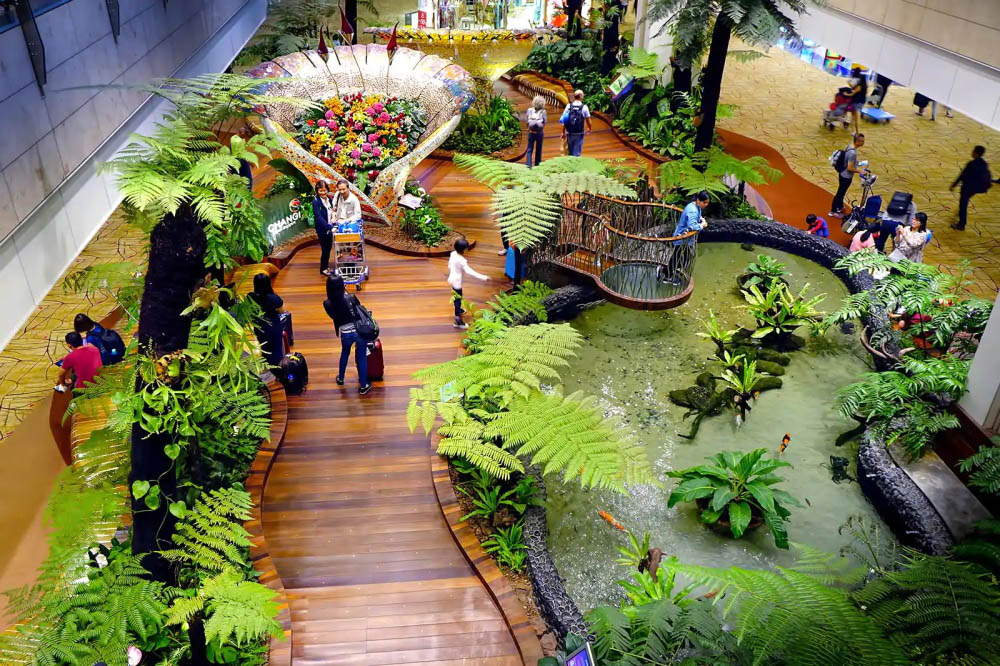
The airport also has a butterfly garden, a cactus garden, a cinema (free for transit passengers), a rooftop pool and kinetic sculptures.
Expensive, But Worth It?
Singapore is one of the most expensive cities in the world. Alcohol is indecently expensive here (beer in a bar is about $15-20), and accommodation is pricey.
But! This is a city of impressions. This is a demo version of how humanity can live if it conquers technology and learns to respect nature. It is worth coming here for at least 3-4 days to see the future with your own eyes, eat your fill of crab, be surprised by the fines and understand that “concrete jungles” can be truly green.
Pack your bags, and don’t forget to take out your chewing gum before customs! Have a nice flight