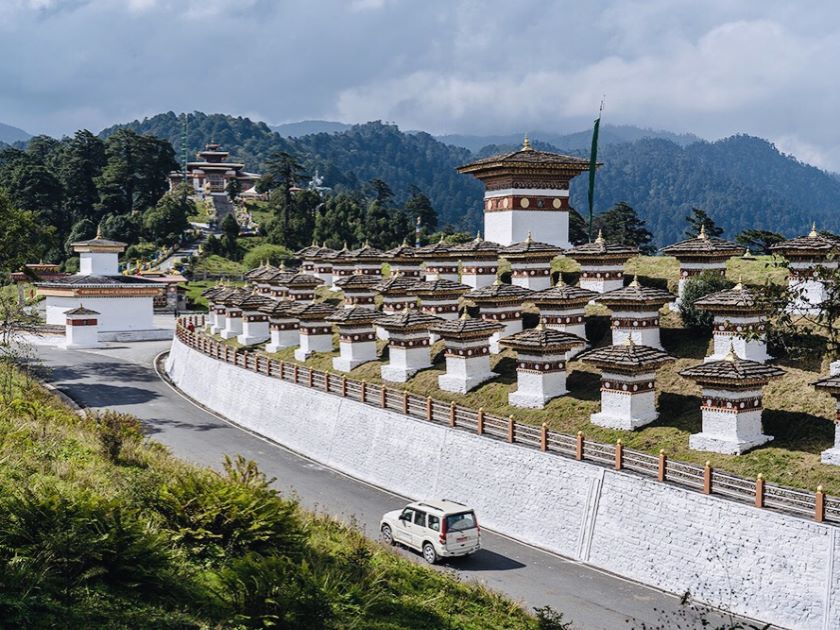
At an altitude of nearly 2,200 meters above sea level, in the heart of a picturesque valley, lies the town of Paro — one of the most magical and pristine places on the planet. Here, every stone, every prayer wheel, and every bend in the mountain road tells a story woven from ancient legends, deep spirituality, and breathtaking natural beauty. This is not just a town; it is a crossroads of cultures, traditions, and incomparable landscapes, where time slows its pace, allowing one to fully immerse themselves in an atmosphere of peace and contemplation.
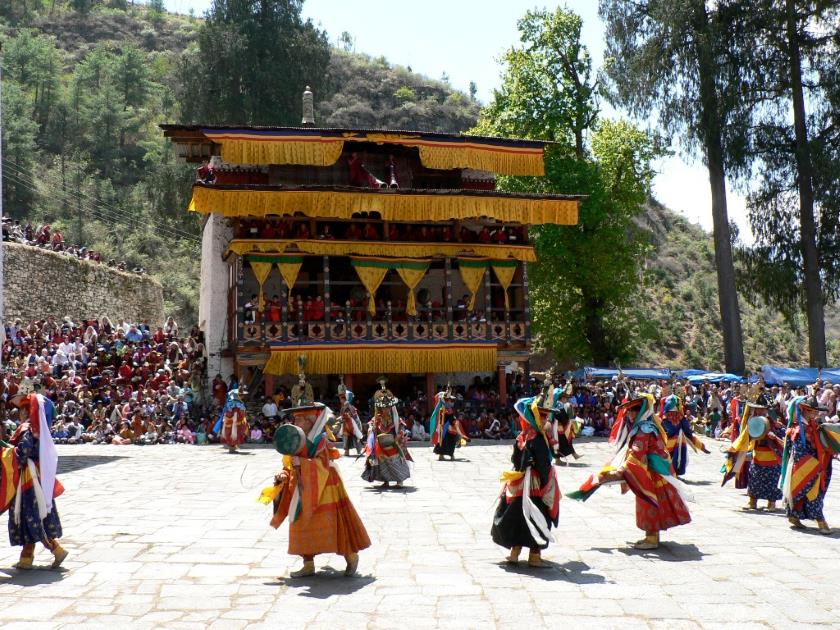
Echoes of the Ages: The History of Paro
The history of Paro is rooted deep in the past, in times when these lands were inhabited by ancient tribes. Over the centuries, Paro became a key center of Bhutan, holding great strategic importance due to its location on trade routes and its proximity to the border with Tibet. The town flourished, developing around its fortress-dzongs and Buddhist monasteries, which served not only as religious centers but also as administrative structures.
It is here, according to legend, that in the 8th century, Guru Padmasambhava, known as Rinpoche or the Second Buddha, brought Buddhism to these lands, making his legendary flight on a tigress to Taktsang Lhakhang. This moment was a turning point in Bhutanese history, forever linking the country’s destiny with Buddhist teachings. In the 18th and 19th centuries, Paro became the arena for many important historical events, including internal strife and the strengthening of central authority, which shaped the appearance of the town and its fortifications as they stand today.
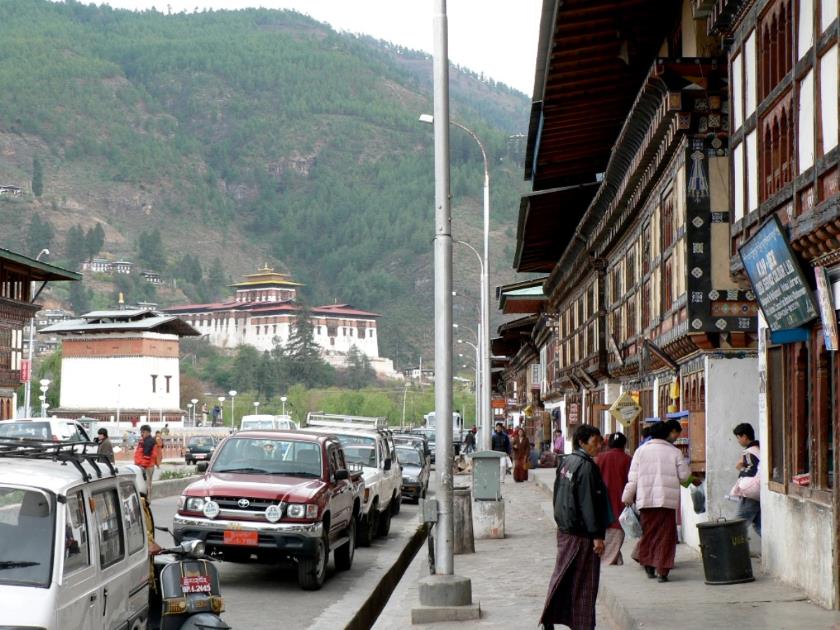
Whispers of the Mountains: Weather and Nature
The nature surrounding Paro is a living masterpiece that changes its colors with every season. A temperate climate prevails here, which, thanks to the influence of the Himalayas and the proximity to the equator, creates an astonishing diversity.
- Spring (March-May): The valley comes alive as rhododendrons and magnolias bloom. Temperatures are comfortable, around +15°C to +20°C. An ideal time for trekking.
- Summer (June-August): The monsoon season brings heavy rains, but the surrounding nature turns a lush, vibrant green. Temperatures hover around +20°C to +25°C.
- Autumn (September-November): The most popular time for visiting. Clear skies, mild temperatures (+10°C to +20°C), and incredible views of the Himalayan peaks.
- Winter (December-February): The air becomes cooler, and snow occasionally falls. Temperatures can drop to -5°C, but most days are sunny and clear, offering stunning views of the snow-capped summits.
The natural setting of Paro is a true treasure trove. Majestic Himalayan forests with centuries-old pines and firs cover the mountain slopes, while turbulent mountain rivers and waterfalls hide in deep crevices. The fauna is equally diverse: you can spot rare birds like the Satyr Tragopan and, if you’re lucky, encounter the elusive snow leopard or red panda. The Paro Valley is famous for its fertile lands where rice, wheat, and apples are grown, giving the landscape a particularly picturesque charm.
Keys to the Soul: Must-See Sights for Tourists
A journey to Paro is a series of discoveries. Here is what you should definitely include in your itinerary:
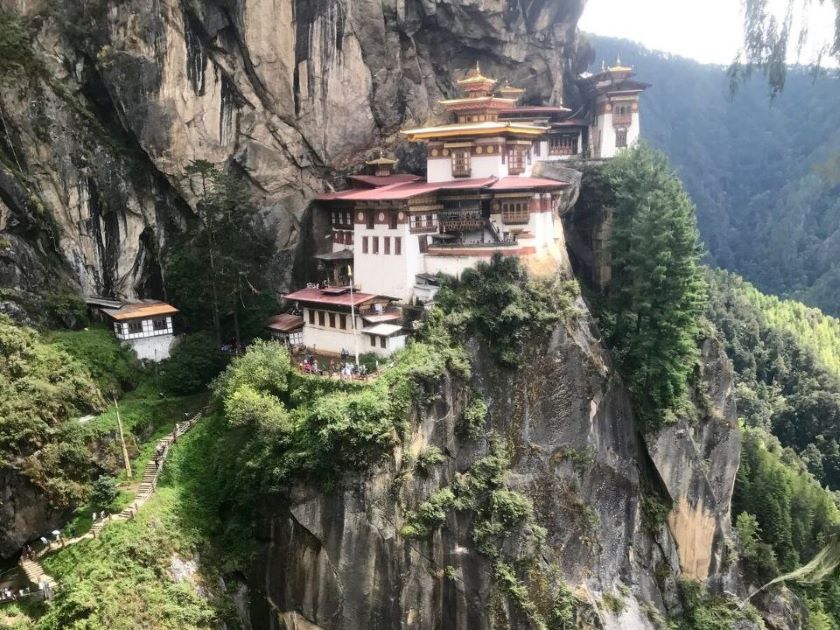
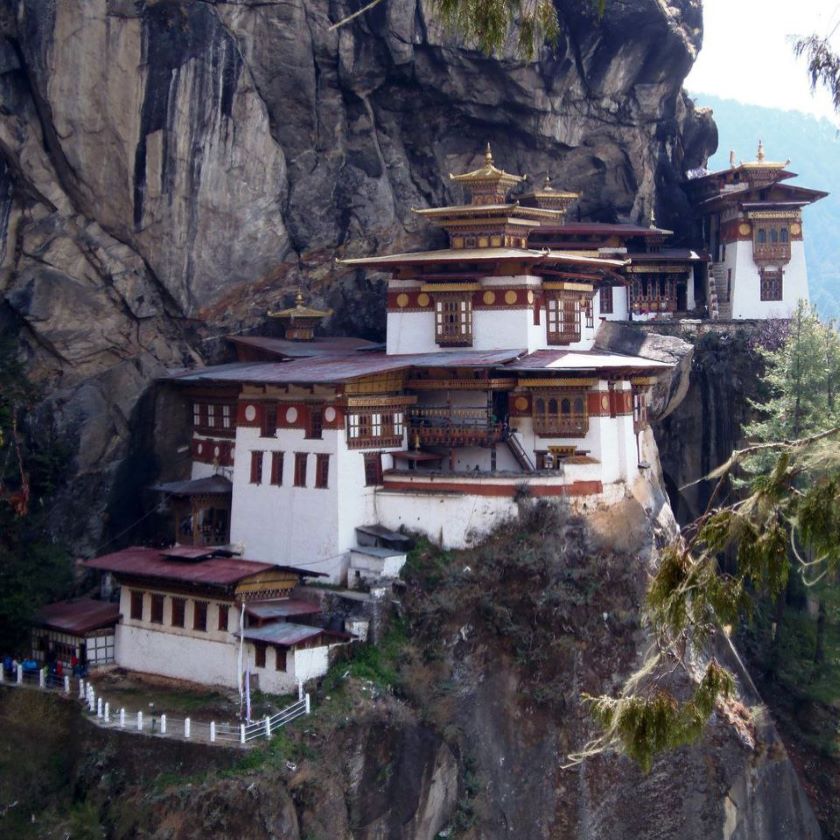
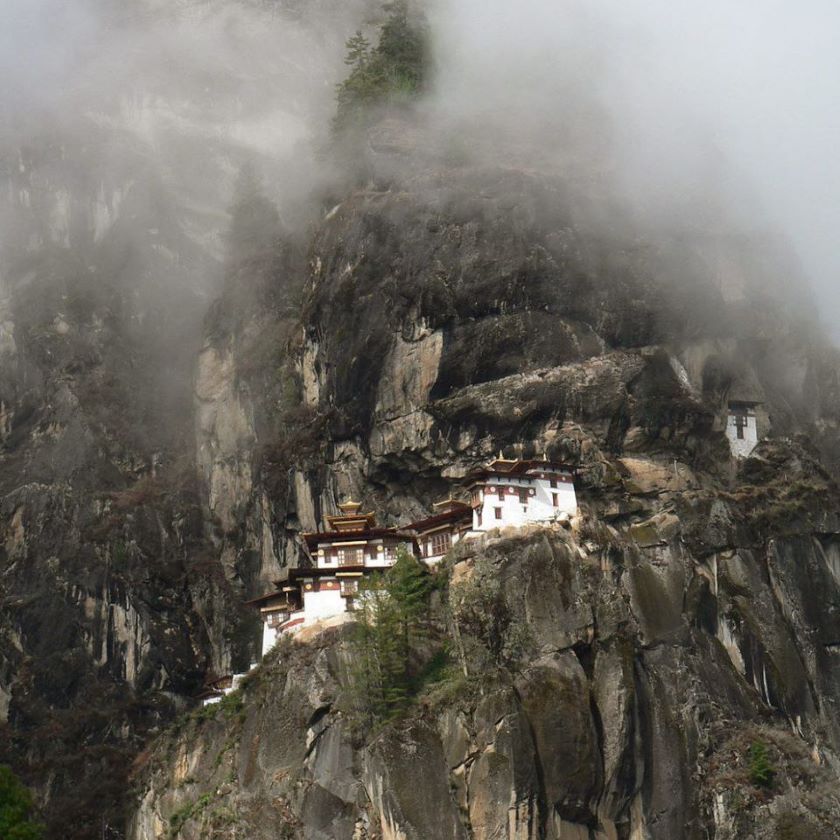
- Taktsang Lhakhang (Tiger’s Nest): Without a doubt, this is the most iconic landmark in Bhutan and the entire Himalayan region. This majestic monastery, literally “clinging” to a sheer cliff at an altitude of 3,120 meters, is a symbol of spirituality and resilience. The ascent to it is a meditative journey through pine forests, offering unforgettable views and a sense of deep awe before the power of nature and the human spirit. The hike takes 2-3 hours and requires some physical preparation.
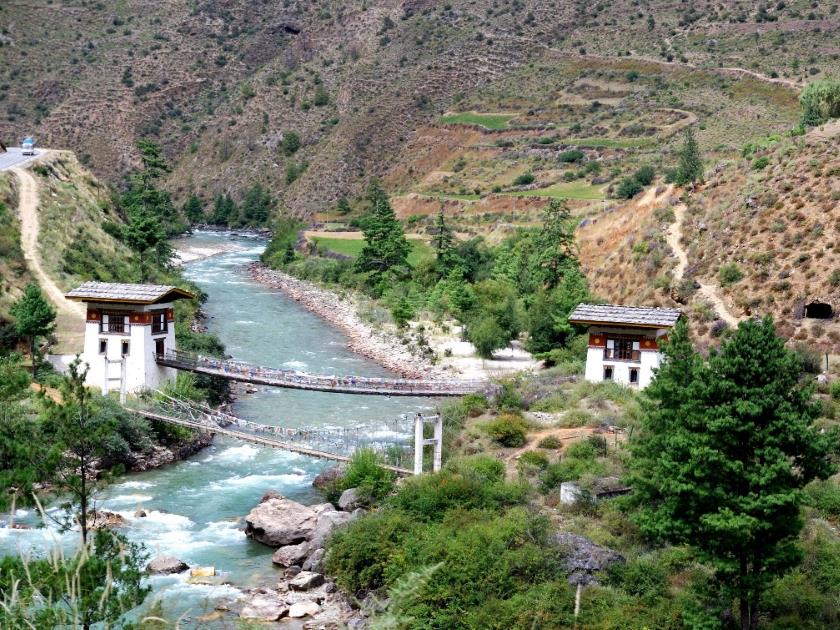
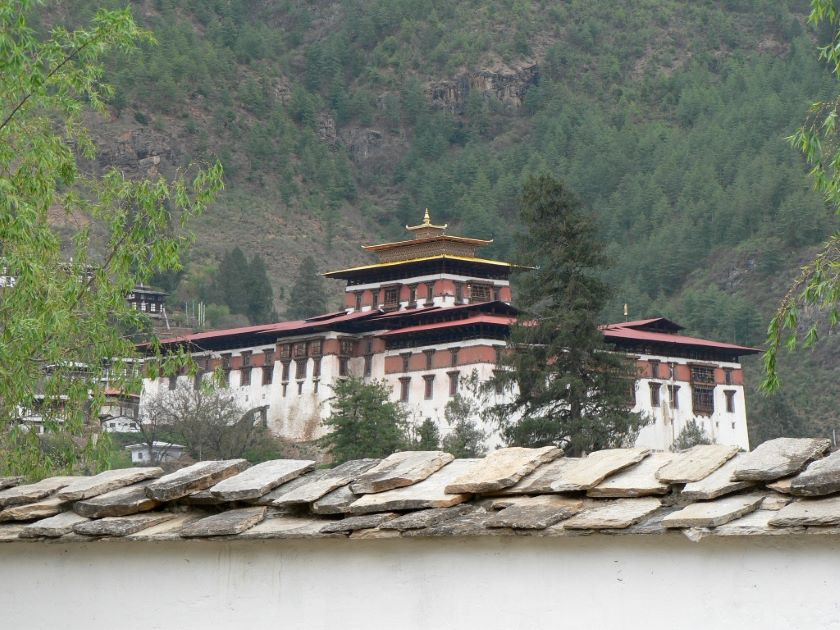
- Paro Dzong (Rinpung Dzong): Rising proudly over the valley, this historical fort and monastery is a magnificent example of Bhutanese architecture. Its massive walls and elegant wooden galleries hold centuries-old secrets. Today, it houses city administrative offices and a monastic school. A stroll through its courtyards and halls allows you to touch the living history of Bhutan. Near the dzong is the Nyamai Zam — a traditional wooden bridge draped in prayer flags that leads to the old watchtower.
- National Museum of Bhutan (Ta Dzong): Housed in a former watchtower shaped like a conch shell, this museum offers a deep dive into the country’s culture and history. It gathers unique artifacts: ancient thangkas (Buddhist scrolls), weapons, household items, traditional costumes, and rare specimens of flora and fauna. It is an excellent way to understand the uniqueness of Bhutan.
- Bhutanese Farmhouse Museum: A visit to this authentic Bhutanese home-turned-museum provides insight into the traditional way of life in the Paro Valley. You can see how local residents have lived for centuries, how their dwellings are arranged, and taste traditional dishes cooked over an open fire.
- Kyichu Lhakhang: One of the oldest and holiest temples in Bhutan, built in the 7th century by the Tibetan King Songtsen Gampo. The tranquility and peace of this place are felt immediately. The temple is an important pilgrimage site and serves as a beautiful example of early Buddhist architecture.
A Taste of Bhutan: Local Cuisine
Bhutanese cuisine is a unique flavor adventure where the spiciness of peppers meets the rich aromas of local spices and fresh ingredients. Paro offers a wealth of places to explore these culinary traditions.
Here are a few dishes worth trying:
- Ema Datshi: The national dish of Bhutan. This is a spicy stew made of chili peppers and Bhutanese cheese. A must-try!
- Kewa Datshi: Similar to Ema Datshi, but with potatoes instead of chili peppers. Less spicy, but just as hearty.
- Momos: Tibetan-style dumplings that can be filled with meat (beef, pork, chicken) or vegetables. Served with a spicy sauce.
- Jasha Maru: A spicy chicken stew with ginger, garlic, and tomatoes.
- Khapse: Traditional deep-fried biscuits of various shapes, often served during festivals.
- Suja: Bhutanese butter tea. A distinctive beverage that is definitely worth trying to experience the full depth of the local culture.
Paro features many cozy restaurants and cafes offering both traditional Bhutanese cuisine and, thanks to growing interest in the country, international dishes. Many restaurants in Paro strive to use organic produce grown in the local valleys.

Serving the Traveler: Tourism Infrastructure
Despite its remoteness, Bhutan is actively developing its tourism infrastructure to make the stay of guests as comfortable as possible while preserving its uniqueness and eco-friendliness. Paro, as one of the main tourist destinations, offers a wide range of services.
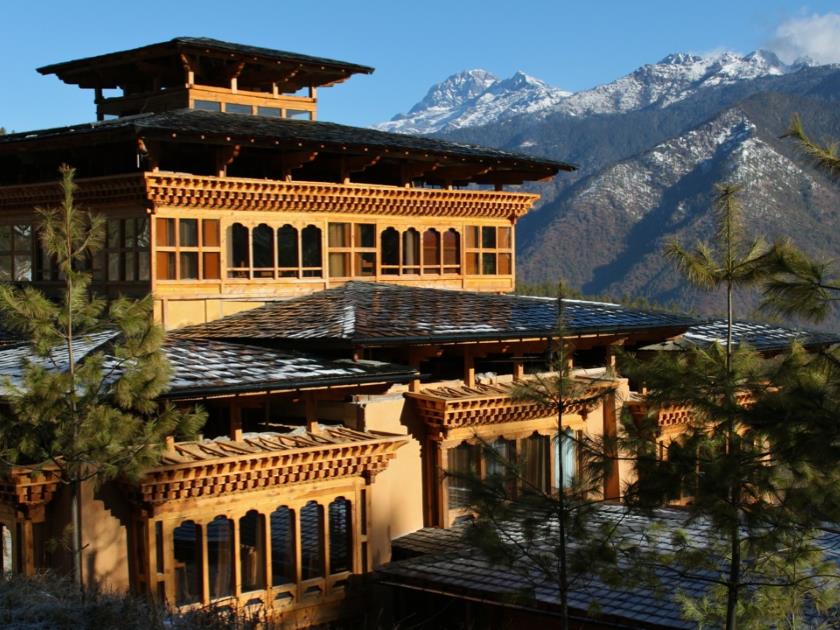
- Accommodation: From luxury five-star hotels overlooking the valley to cozy family guesthouses and boutique hotels offering an authentic Bhutanese experience. Many hotels are built in the traditional style but are equipped with all modern amenities.
- Transport: For moving around the town and its surroundings, car services with a driver are used, typically provided by a travel agency. There is no public transport in the conventional sense, which emphasizes the exclusivity of the journey.
- Travel Agencies: All tourism activity in Bhutan is strictly regulated, and trips are organized through licensed agencies. They provide a full package of services: visa, transfer, accommodation, guide, and excursions.
- Connectivity: Paro has good mobile coverage and internet access in hotels and some cafes, though overall speeds may differ from what is common in major cities in Europe or Asia.
- Shopping: In local shops and markets, you can purchase traditional souvenirs: handmade crafts, textiles (especially the famous Bhutanese fabrics), wood carvings, ritual items, and organic products.
Words of Wisdom: Recommendations for Tourists
To ensure your adventure in Paro is unforgettable and worry-free, keep the following tips in mind:
- Respect local traditions: Bhutan is a deeply religious country. When visiting monasteries and dzongs, dress modestly (shoulders and knees must be covered), remove your shoes before entering sanctuaries, and do not take photos without permission from the monks.
- Acclimatization: Paro is at a significant altitude (2,200 m). Upon arrival, give yourself a day to acclimate, drink plenty of water, and avoid excessive physical exertion.
- Currency and Payments: The national currency is the Bhutanese Ngultrum (BTN), pegged to the Indian Rupee (INR). Major hotels and shops accept credit cards, but cash is always useful for small purchases and at markets.
- Local Guide: Travel in Bhutan is always accompanied by a local guide. Value their knowledge — they are your key to understanding the culture, traditions, and history of this amazing country.
- Drinking Water: Always drink bottled water. Tap water may not be safe.
- Speed is not the point: In Bhutan, a slow pace is valued. Surrender to the rhythm of the country, enjoy every moment, and be ready for adventures that aren’t always planned by the schedule.
In Conclusion
Paro is not just a point on a map; it is an entire feeling, a unique experience that stays in the heart forever. The town offers a deep immersion into spirituality, stunning natural beauty, and warm hospitality. From ancient monasteries to picturesque valleys — Paro awaits those seeking something more than just a journey, those ready to discover the last stronghold of true happiness on Earth.