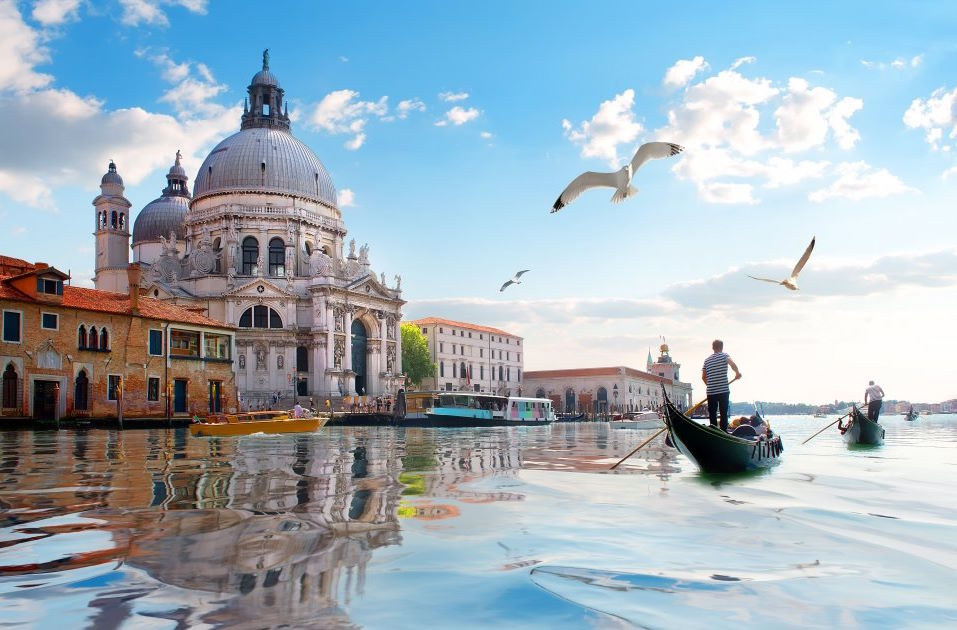
Venice is the oldest city in Italy and Europe, whose uniqueness lies in the fact that it is literally built on water. Venice is located on 118 islands in the Adriatic Sea, connected by canals and bridges. It is a city unlike any other in the world, with a rich history, architecture, and culture—a city that is sure to enchant you with its beauty, history, and culture.
Venice was founded in the 5th century AD by refugees from the mainland escaping barbarian invasions. Over time, the city became a powerful maritime republic, controlling trade between Europe and the East. During the Renaissance, Venice was a center of art and culture—great masters such as Titian, Tintoretto, and Veronese lived and worked there. The republic fell in the 18th century, and Venice became part of the Austrian Empire. In 1866, Venice joined the Kingdom of Italy.
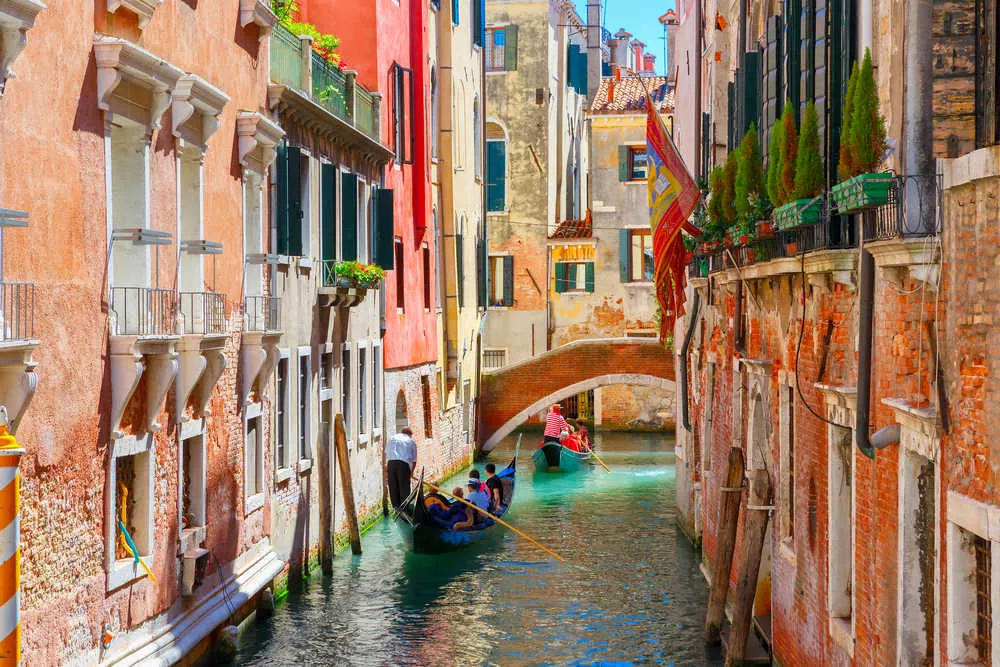
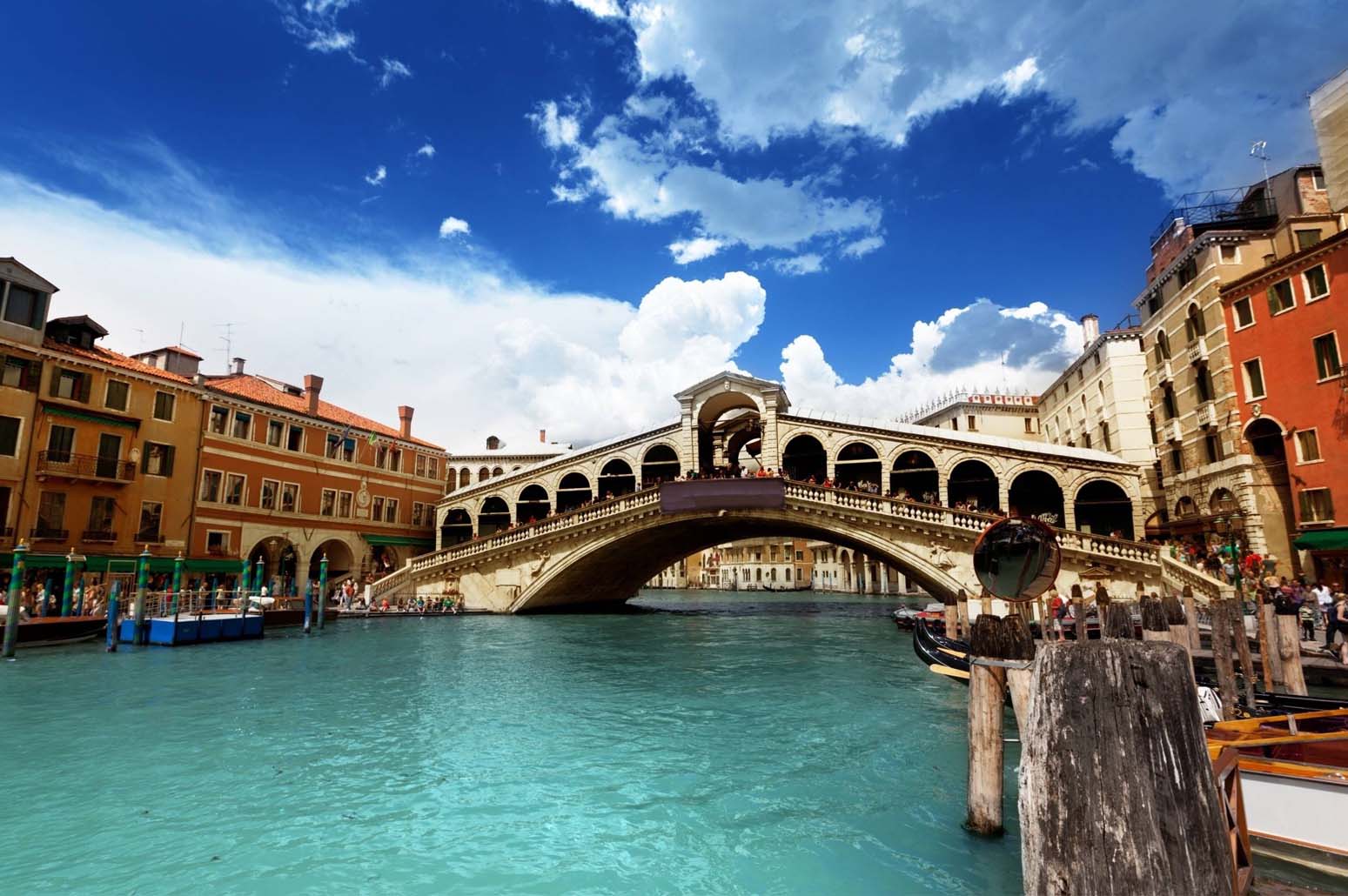
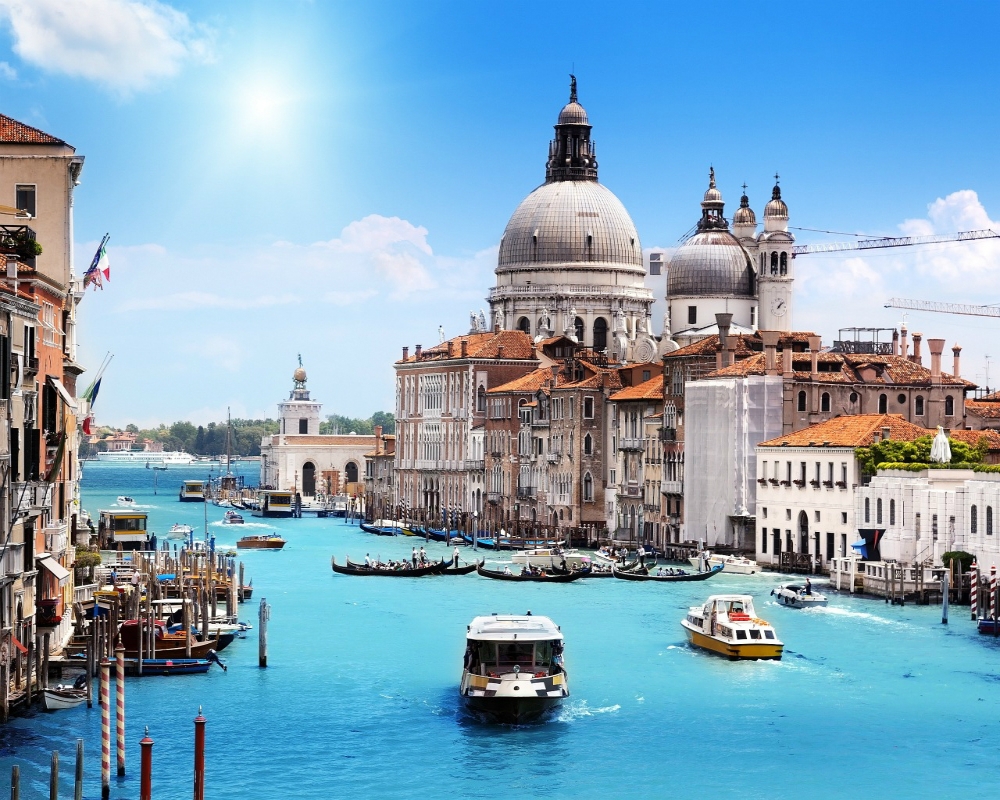
Venice is famous for its canals, along which gondolas, traditional rowboats, travel. The most famous canal is the Grand Canal, which runs through the center of the city. On the canals of Venice, you can see many beautiful bridges, the most famous of which is the Rialto Bridge. The city is also renowned for its palaces, churches, and squares. Among the most famous sights of Venice are St. Mark’s Square, the Doge’s Palace, and St. Mark’s Basilica.
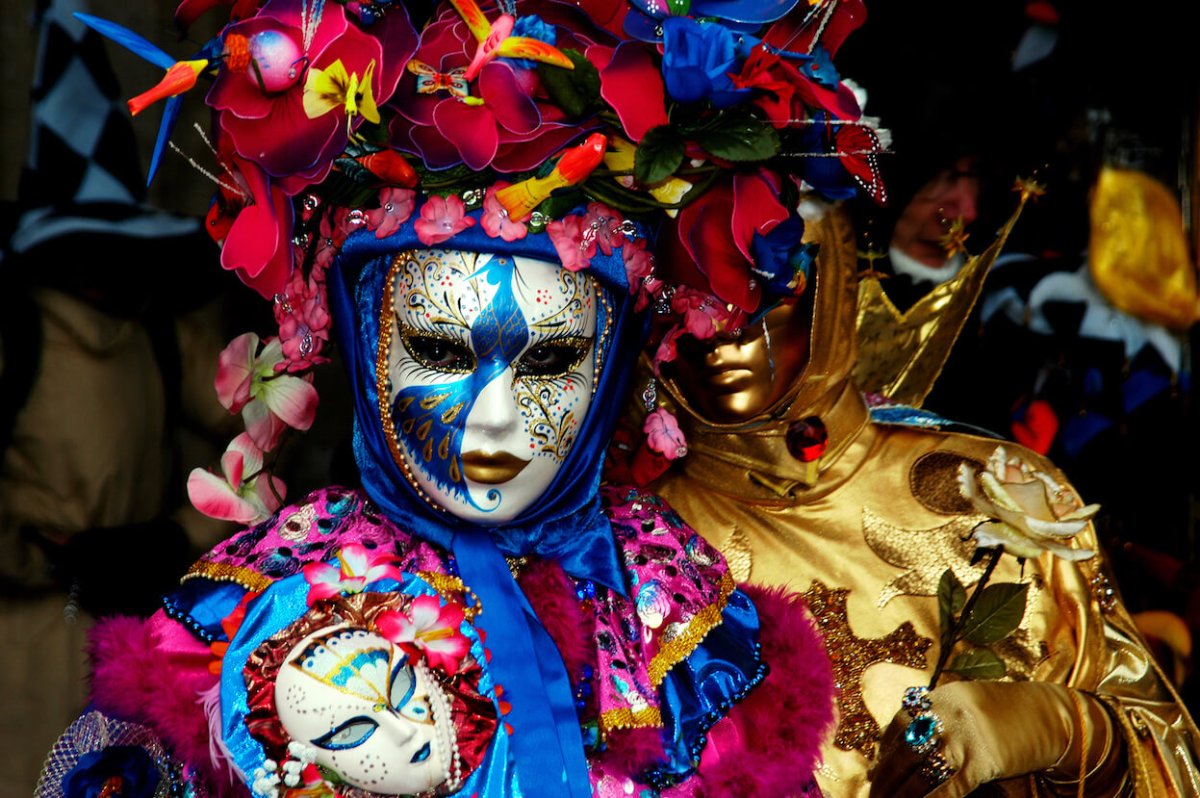
Venice is a city with a rich and diverse culture. Numerous festivals and events are held here every year, including the Venetian Carnival, which is one of the most famous carnivals in the world. Venice is also home to many museums, galleries, and theaters. Venetian cuisine is a unique blend of Italian and Mediterranean culinary traditions. Some of the most popular dishes in Venice are risotto, polenta, and fritto misto.
Venice – The Most Interesting Facts
- Venice is a unique city where there are no cars or public transportation. You can get around the city on foot, by gondola, vaporetto (water buses), or water taxi.
- All of Venice is built on wooden piles driven into the silty bottom of the lagoon. Over time, these piles compact, making the city more stable.
- Due to its weight and the impact of water, Venice is gradually sinking. Over the last 100 years, the city has sunk approximately 30 centimeters.
- In Venice, instead of streets, there are 150 canals, which are navigated by gondolas and other boats.
- In Venice, there are over 400 bridges that connect the islands. The most famous bridge is the Rialto Bridge, built in the 16th century.
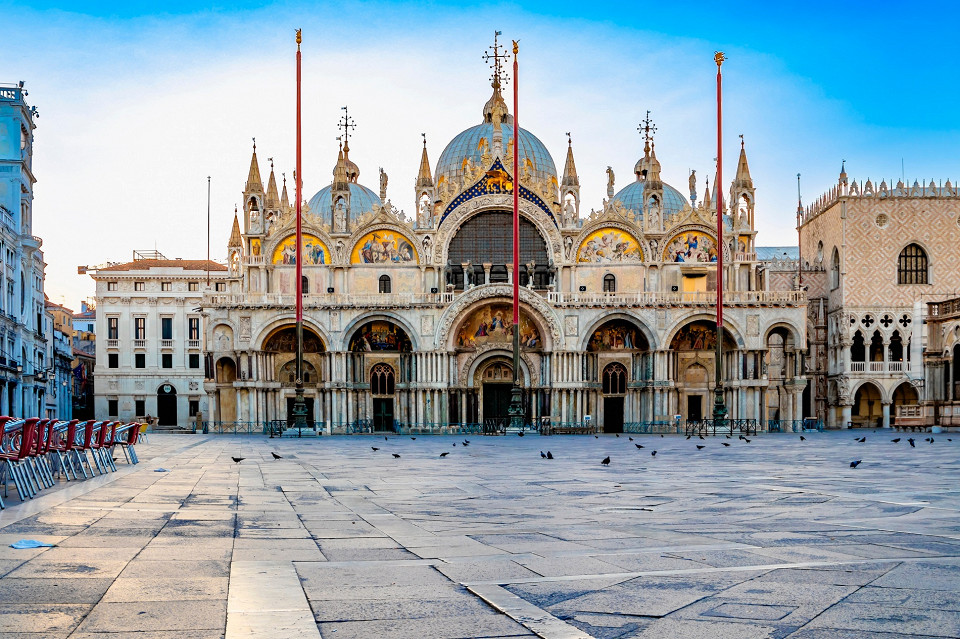
- St. Mark’s Basilica is an architectural masterpiece and one of the most famous symbols of Venice.
- The Doge’s Palace was the residence of the Doges of Venice for 700 years. It is now a museum.
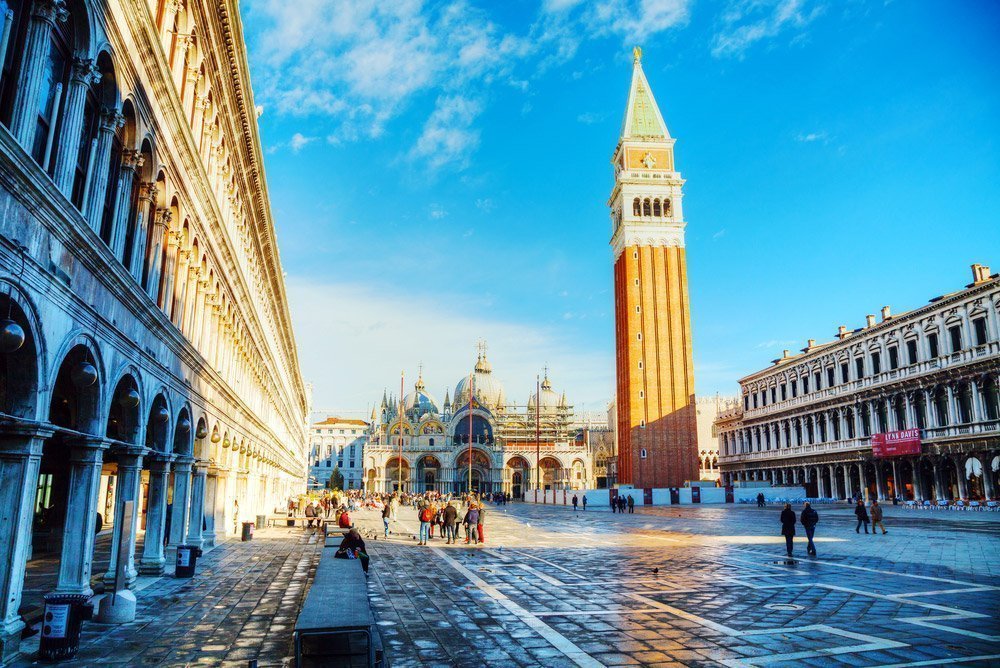
- Saint Mark’s Square is the main public square of Venice, where St Mark’s Basilica, the Doge’s Palace, and the Campanile di San Marco (bell tower) are located.
- The Venetian Carnival is an annual festival held for two weeks before Lent. During the carnival, people wear masks and costumes and participate in parades and parties.
- Saint Mark’s Square is known for its pigeons, which people can feed. In 2009, the authorities in Venice banned feeding pigeons in Saint Mark’s Square due to sanitation problems.
- The San Michele Cemetery is a cemetery located on a small island near Venice. More than 100,000 people are buried here.
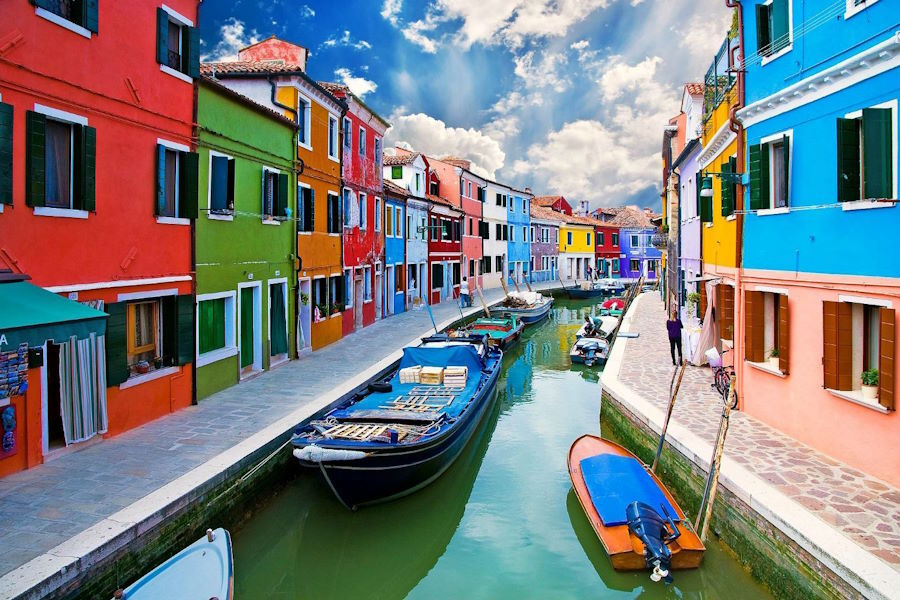
- Burano Island is known for its colorful houses.
- Murano glass is a type of glass that is produced on the island of Murano. It is known for its high quality and beauty.
- Venetian opera is one of the oldest opera houses in the world.
- Acqua Alta Bookshop is a unique bookstore located in Venice. The shop is known for its collection of books, which are stored in boats and gondolas.
- Venice was one of the cities most affected by the plague in the 14th century.
- Galileo Galilei lived and worked in Venice for 18 years.
- Venice has several casinos that are popular tourist attractions.
- Венецианский язык — это диалект итальянского языка, на котором говорят в Венеции.
These are just some of the many interesting facts about Venice.!
Venice for tourists: main attractions
Venice is a popular tourist destination, visited by millions of people every year. The city offers many accommodation options, from luxury hotels to hostels. Venice also has many restaurants, cafes, and bars where you can try local cuisine. If you plan to visit Venice, be sure to book your tickets and accommodation in advance, especially if you are traveling in the high season.
Here are a few tips to help you plan a trip to Venice:
- The best time to visit Venice is spring (April to May) or autumn (September to October) when the weather is mild and there are fewer tourists.
- If you want to avoid crowds, consider visiting Venice on weekdays.
- Buy the Venezia Unica City Pass, which entitles you to free public transport and discounts on admission to museums and attractions.
- Learn some basic phrases in Italian.
- Be prepared for Venice to be crowded, especially in the summer.
- Don’t forget to try the local cuisine!
Relax and enjoy the atmosphere of this unique city!
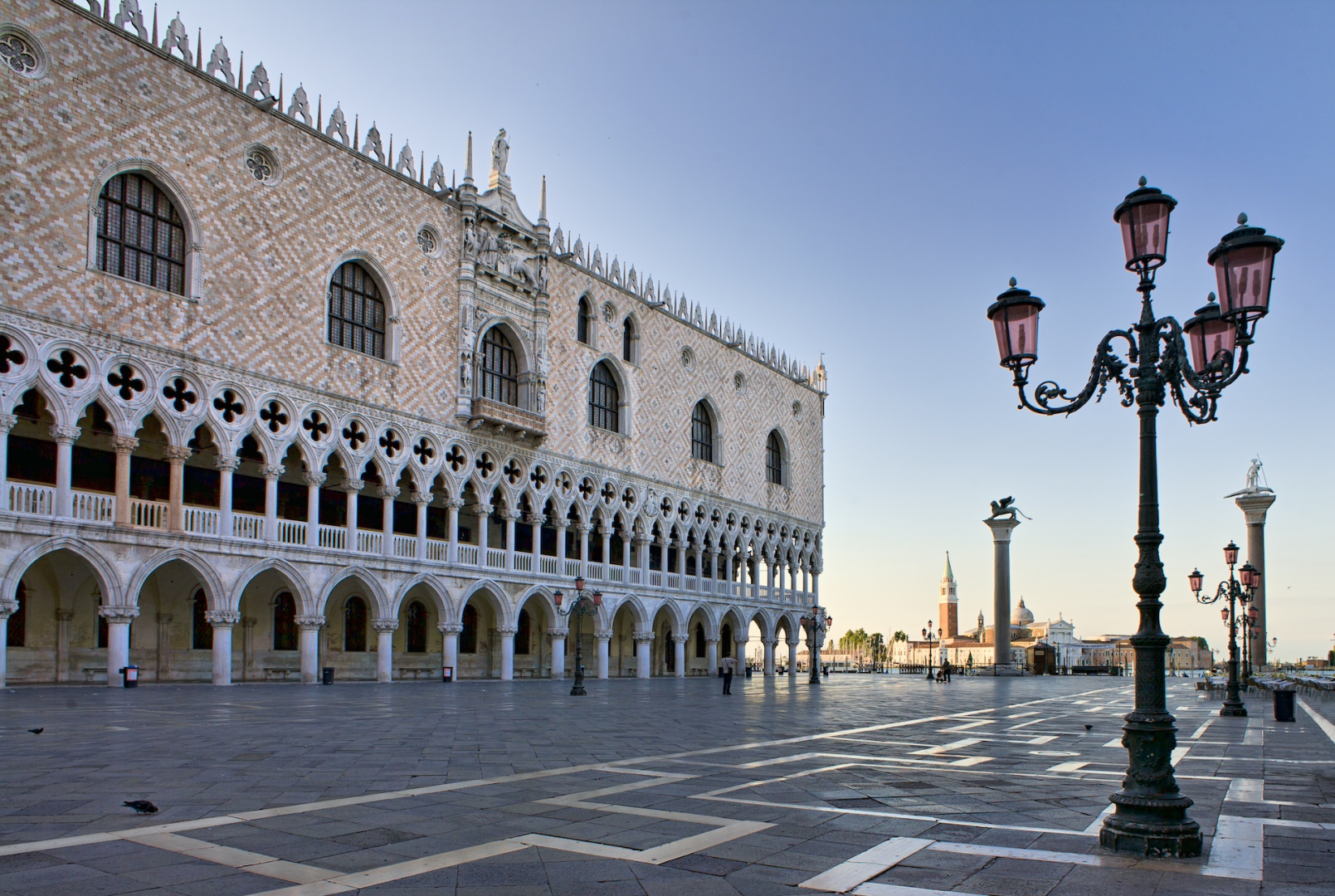
Venice is a city filled with history, architectural masterpieces, and cultural landmarks. The most important of these are rightfully considered to be:
- Saint Mark’s Square: This is the main public square of Venice, where St. Mark’s Basilica, the Doge’s Palace, and the Campanile di San Marco (St. Mark’s bell tower) are located.
- St. Mark’s Basilica: This is a Byzantine masterpiece that is one of the most famous symbols of Venice. The basilica is decorated with mosaics, gold, and precious stones.
- Doge’s Palace: The Doge’s Palace was the residence of the Doges of Venice for 700 years. It is now a museum.
- Rialto Bridge: This is the most famous bridge in Venice. It was built in the 16th century and is one of the city’s most recognizable symbols.
- Grand Canal: This is the main canal of Venice, which runs through the entire city. Gondolas and other boats travel along the canal.
- Murano and Burano Islands: These islands are known for their crafts. Murano produces glass, while Burano produces lace.
- Venetian Carnival: This is an annual festival held for two weeks before Lent. During the carnival, people wear masks and costumes and participate in parades and parties.
These are just some of the many attractions Venice has to offer. The city’s uniqueness also lies in the fact that everyone finds something interesting for themselves here. This city does not leave even the most seasoned travelers indifferent.
Are you visiting Venice for the first time?
Let us offer a few helpful tips:
- The best time to visit Venice: Spring (April to May) or autumn (September to October) are the best times to visit Venice, when the weather is mild and there are fewer tourists.
- How to get around: In Venice, you can get around on foot, by gondola, vaporetto (water buses), or water taxi.
- What to bring: Be sure to bring comfortable shoes, as you will be doing a lot of walking. Also bring sunscreen, a hat, and sunglasses, especially if you are visiting Venice in the summer.
- What to buy: In Venice, you can buy many souvenirs, such as Murano glass, lace, masks, and carnival costumes.
5 Myths About Venice
Tourist myths are a tenacious thing, because over time they tend to turn into stereotypes. And as everyone knows, people find it hard to part with stereotypes.
Myth 1. The canals in Venice smell bad
If you ask those who live in Venice, or those who have spent at least a few days there, they will confidently tell you: the canals in Venice smell like the sea. And what does the sea smell like? Fresh seaweed, fish, and something else marine. It’s easy and free to breathe on these canals. Much easier and freer than on our streets choked with car exhaust. And only once a year, when the life cycle of the algae ends and they die, can a smell appear. But in Venice, it is customary to clean the canals regularly.
Myth 2. It’s best to visit Venice in the summer
This myth is beloved by those who have never been to Venice during peak tourist season. Just one visit to the city, packed with tourists, where the high humidity makes the heat particularly unbearable, and they would abandon this myth forever and readily agree that a November flood is much more romantic than a July crowd.
Myth 3: The most expensive coffee in the world is in the famous “Florian” cafe
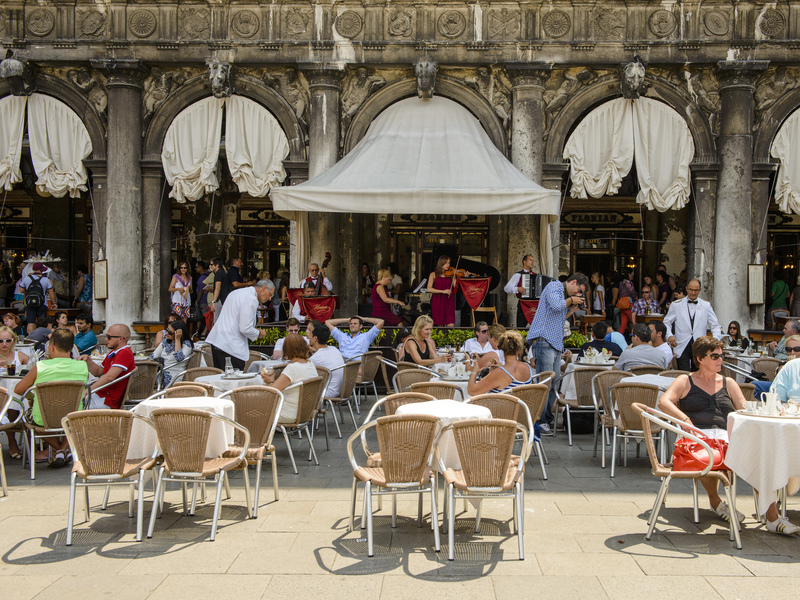
In fact, according to a study conducted by the London branch of the American consulting firm Megseg, the most expensive cup of coffee in the world is sold in Moscow. And in the “Florian” café on St. Mark’s Square, you can drink a cup of espresso sitting on the same red plush sofas where Casanova, Lord Byron, Goethe, Madame de Staël, Charles Dickens, Marcel Proust, Rubinstein, Stravinsky, Modigliani, and Brodsky once sat.
Myth 4. There’s nothing to see in Venice: all the buildings are peeling and leaning
Interestingly, this claim, which serves as a reason for some to refuse a trip to Venice, is a compelling reason for others to come here. For the city’s uniqueness lies in its authenticity, and the peeling plaster of the walls is nothing more than the patina of time, which is especially valued in Venice, and which you can’t buy for any money.
Myth 5. It’s easy to get lost in Venice
It’s hard to argue with this one statement: indeed, navigating the intricate Venetian streets is quite challenging. But if you dare to get lost in their labyrinth, you’re sure to experience one of the most exciting adventures of your life, because being alone with the city is the greatest luxury it can offer you.
Things to do in Venice
Need to:
- First, you need to finally allow your dream to come true and come to Venice.
- Secondly, you need to buy a vaporetto (water bus) pass and ride aimlessly on different routes, taking in the Venetian beauty from the water, as you should.
- Third, you need to wait for the sunset in St. Mark’s Square, sitting at a marble table under the arch of the “Florian” cafe.
- Fourth, at the San Marco station, you need to take a vaporetto and travel one stop to the island of San Giorgio. Go into the deserted San Giorgio Maggiore church, take the elevator to the very top of the bell tower, and, left in complete solitude, survey from a bird’s-eye view the red Venetian roofs, the domes of churches, the turquoise waters of the lagoon, and the numerous islands.
- Fifth, you need to allow yourself to get lost in Venice and be alone with the city. At that moment, you will be surprised to discover that there is another Venice, one that is not written about in guidebooks or told by guides, but whose charm is no less than the luxury of San Marco.
No need:
- Firstly, don’t come to Venice for half a day with a large group of tourists and a perpetually rushing guide. You risk being forever disappointed in this city.
- Secondly, don’t try to visit every souvenir shop in the Rialto Bridge area. It’s enough to look into one of them to decide whether you need authentic Venetian masks, not Chinese fakes.
- Thirdly, avoid dining in restaurants located in the most crowded and touristy areas. You’re unlikely to find authentic, high-quality Italian dishes there, but the prices will definitely make an impression.
- Fourthly, don’t get upset about the high cost of a gondola ride. To get an idea of what a Venetian gondola is like, and at the same time feel like a real Venetian, use a traghetto – a ferry from one bank to the other. It costs next to nothing, and the impressions are immense, as you cross in the boat standing up.
- And fifth, what you definitely shouldn’t do in Venice is try to navigate by house numbers. For example, what can an address like “Dorsoduro 2145” tell someone who doesn’t know? It turns out it includes the name of the district and the sequential number of the building, of which there may be several thousand in that district. And there is no reference to streets or canals.