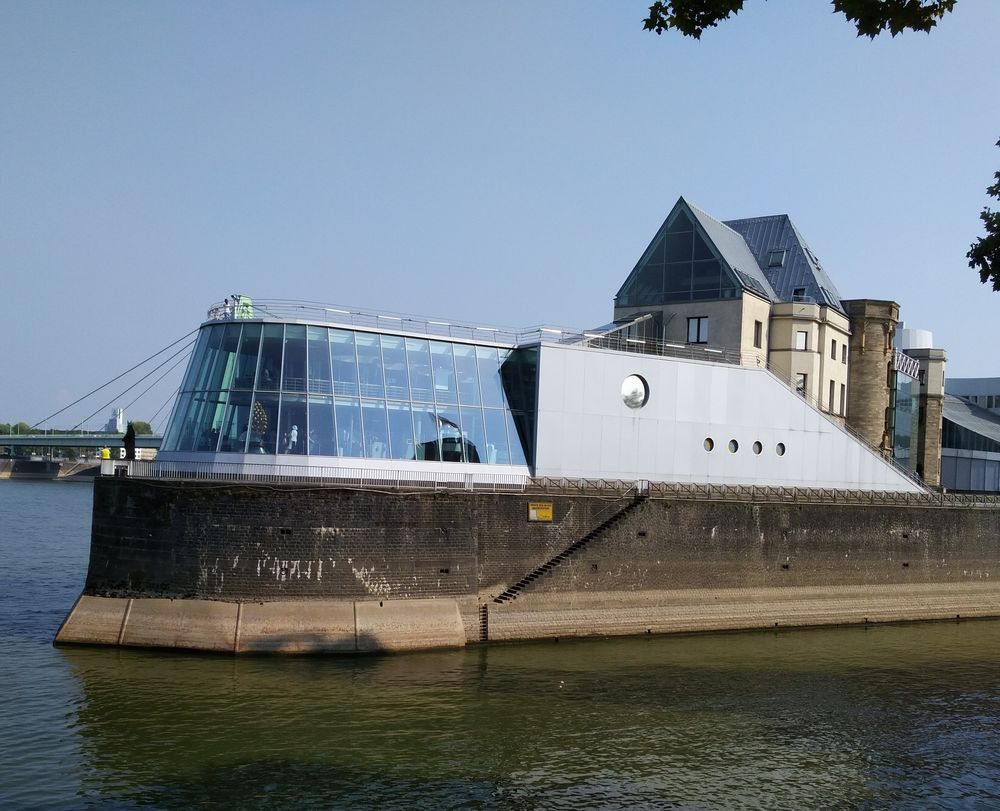
There are places you enter with curiosity and leave in love. The Chocolate Museum in Cologne is exactly that. It stands on the Rhine, gleaming with glass and metal, and promises from the threshold: here you’ll enter a world where every bar has a character, every cocoa bean has a destiny, and the visitor gains a new addiction.
If you think a museum means boring showcases and stern placards, forget it. The Cologne Chocolate Museum is a sweet attraction where you’ll be told, shown, and given tastes. Yes, the tasting is real. And yes, it’s worth it.
How to get there and what to expect at the entrance
- Address: Rheinauhafen, Cologne, right by the water.
- How to get there: a 15–20 minute walk from Cologne Cathedral along the riverfront. Beautiful and easy.
- Tickets: it’s better to buy online — queues can form. The price is pleasant, like the first bar after a sleepless night.
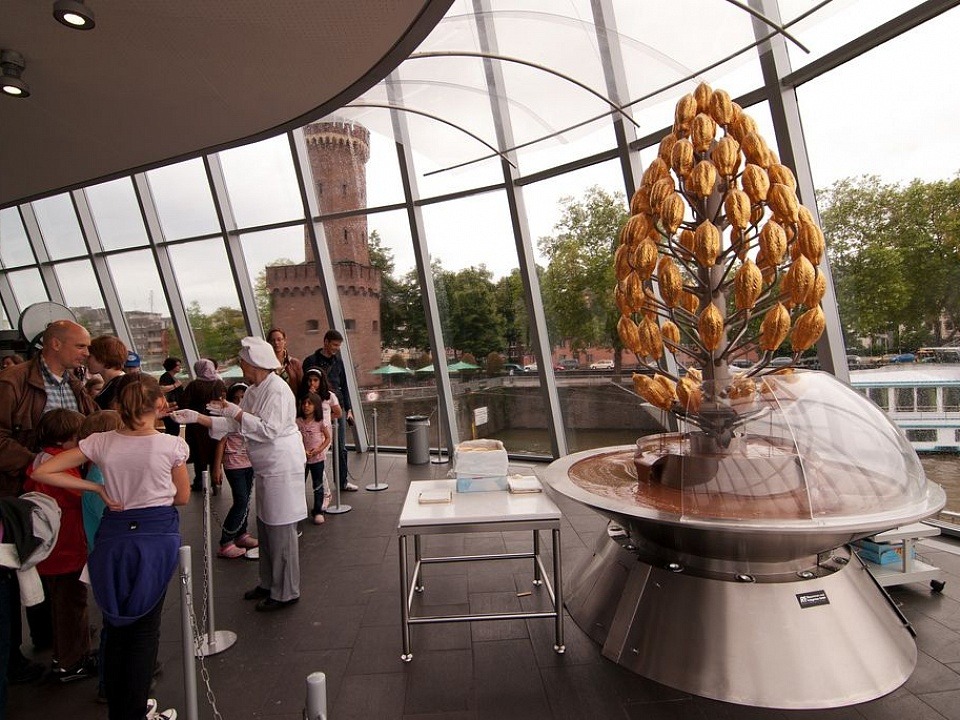
Inside — a modern exhibition with interactive elements, and that very showcase that even stern people in business suits stare at: the chocolate fountain.
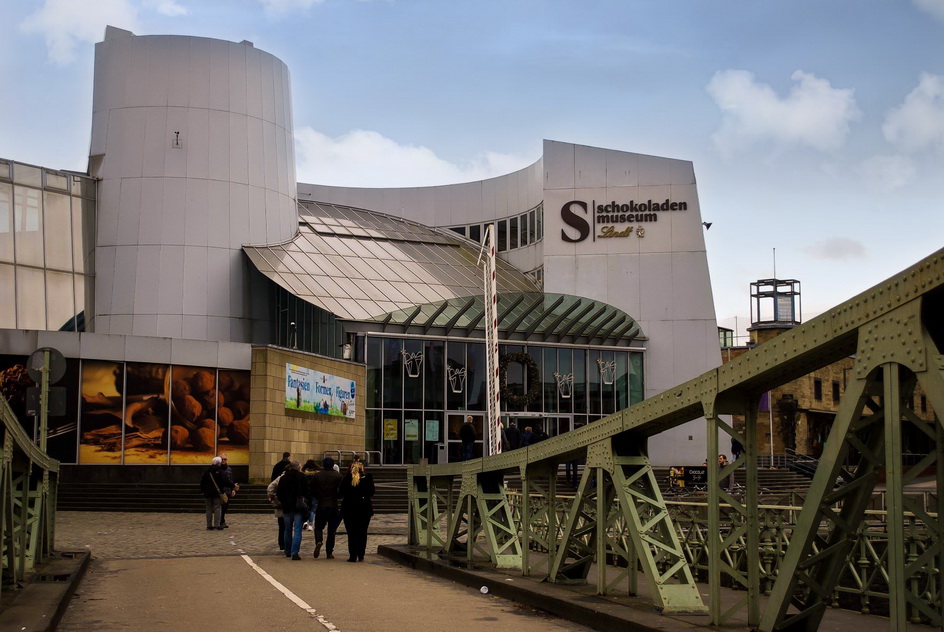
The chocolate fountain: where dreams are dipped in milk chocolate
Yes, it’s true: a huge fountain with warm milk chocolate flowing down. Beside it a staff member in a white coat (as if in an operating room of happiness) dips wafer cookies — and hands one to you. It tastes like childhood, holidays, and grandma’s kitchen, but modern and with a little pride in the technology.
Tip: step closer, but be polite. The line at the fountain is as logical as the urge to take another waffle.
The journey of the cocoa bean: from jungle to chocolate bar
The exhibition is well organized: first you enter a mini-greenhouse with real tropical plants. Here they explain how cocoa grows, why the tree is temperamental, and how delicate beans give birth to powerful flavor.
- Geography: Africa, Latin America, Asia — different regions produce different notes.
- Farming: they explain harvest, fermentation, and drying — the most important stages. Without them, there wouldn’t be that distinctive aroma.
- Ethics: a separate section about fair trade and sustainable production. The sweet industry is a serious matter.
All this isn’t dry theory: interactive displays, videos, sniffing “stations” where you can literally inhale cocoa aromas at different stages.
Mini-factory: when you watch production and realize — the magic is real
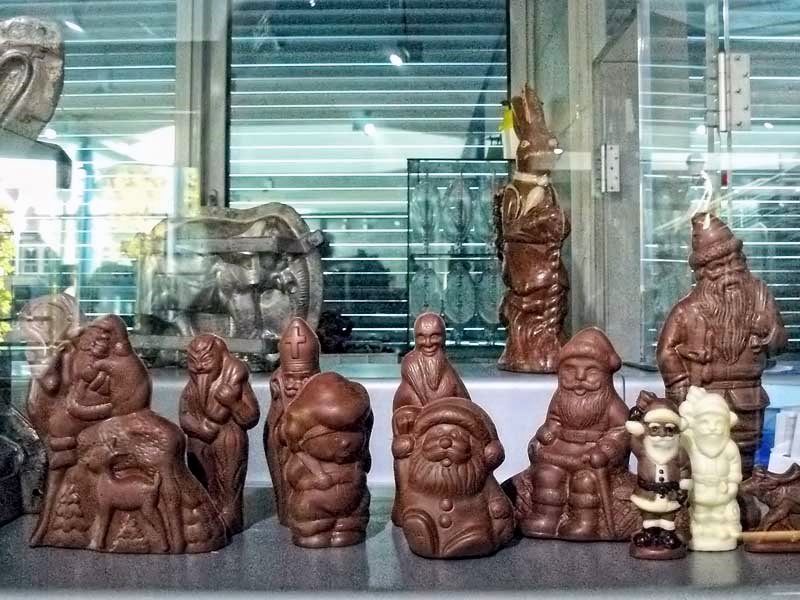
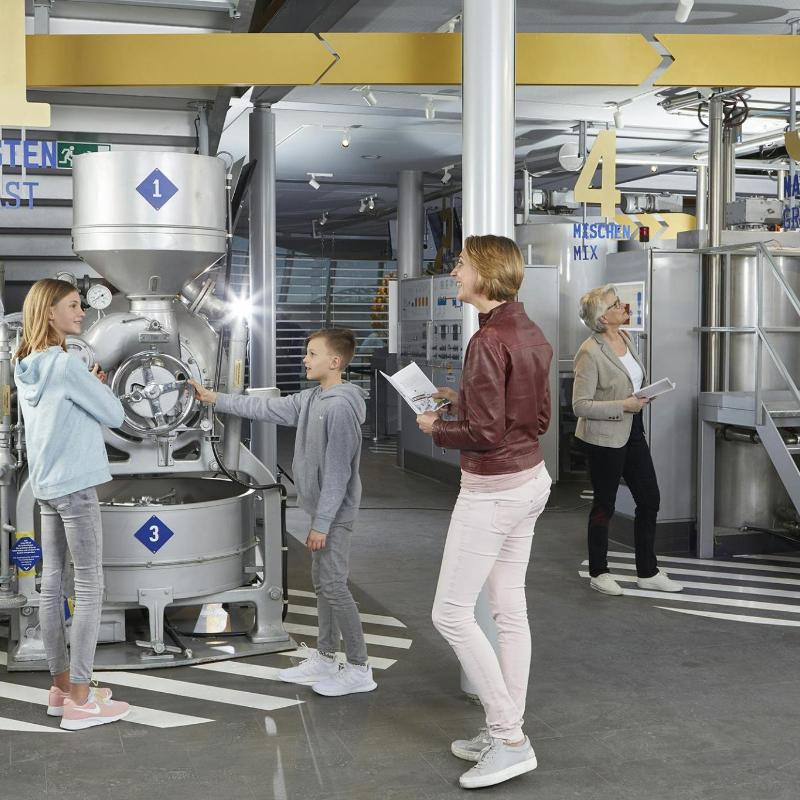
The most interesting part: the museum is integrated with a mini-factory. Through glass you can see machines that crush, mix, and temper chocolate. The packaging line rustles, bars come out like little bronze bricks of joy.
- Tempering: that very process that makes chocolate glossy and “snap” with a pleasant crack.
- Tasting points: yes, you can taste. The difference between milk, dark, and white suddenly stops being abstract.
At some point you understand: chocolate is not just a sweet — it’s flavor engineering.
History and legends: from the Maya to industrialists
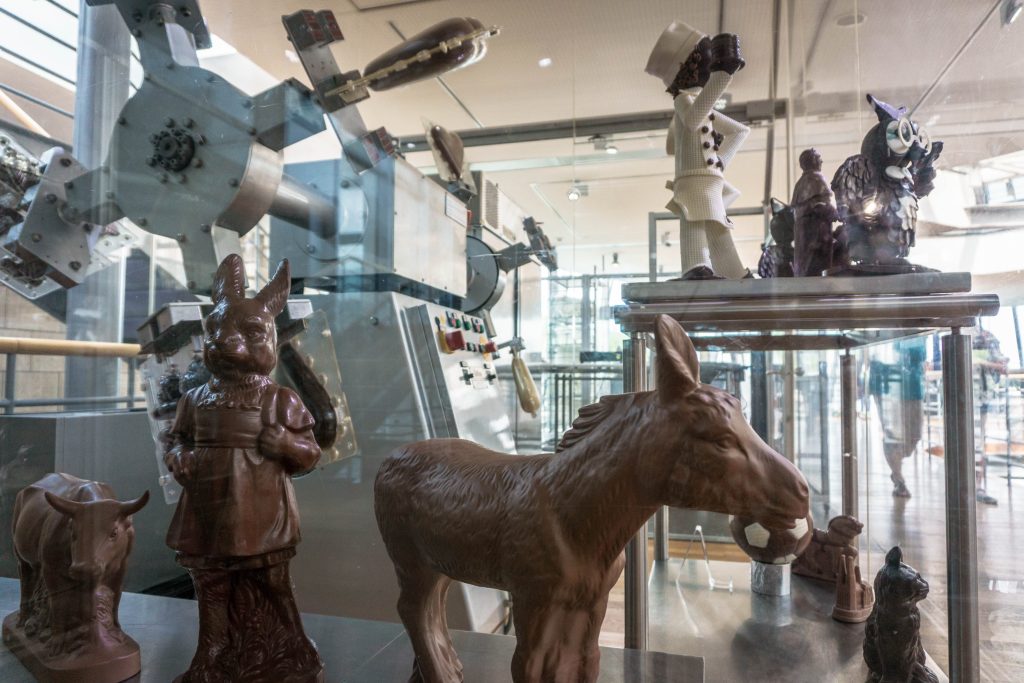
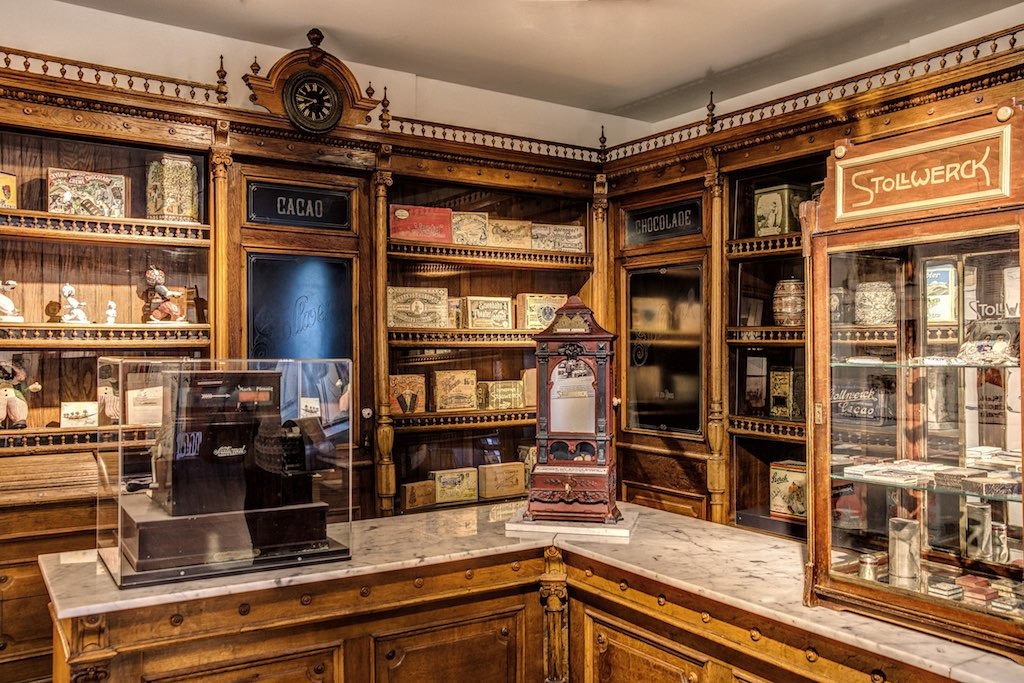
Do you love stories? There are many here. How the cocoa drink was sacred for the Maya, how European nobility drank chocolate from porcelain cups for centuries, and how factories later made bars available to everyone. There are rare packages, antique molds, advertising posters — vintage beauty.
A special pleasure is looking at molds for figures: bunnies, Santas, little ships. Confectioners’ imagination exceeds expectations. You already imagine sneaking such a bunny off the shelf… but no, it’s a museum. Although the shop at the end fixes everything.
Make your own bar: the workshop of sweet decisions
One of the hit attractions is the chance to assemble your own chocolate bar. You choose a base (dark, milk, white), add mix-ins (nuts, berries, caramel, salt, pepper — yes, spicy works too), watch it being poured and decorated. Then — take it away in a beautiful wrapper.
- Tip: go for 70% dark + hazelnut + cranberry + a pinch of sea salt. The balance is divine.
- Time: sometimes you’ll have to wait, but the wait is sweet — there’s plenty to do around.
For kids and adults: interactive without lectures
The museum is great for families. Kids get glued to the machines and the fountain, adults to the ethics and technologies. The exhibition speaks human language: “Here’s the bean, here’s the taste, here’s the world behind the bar.” And it works better than any textbook.
There are quests, hands-on experiments, delicate installations. At some point you catch yourself flipping through the displays like a social feed — only useful and ad-free.
Café and shop: the moment you “donate” to yourself
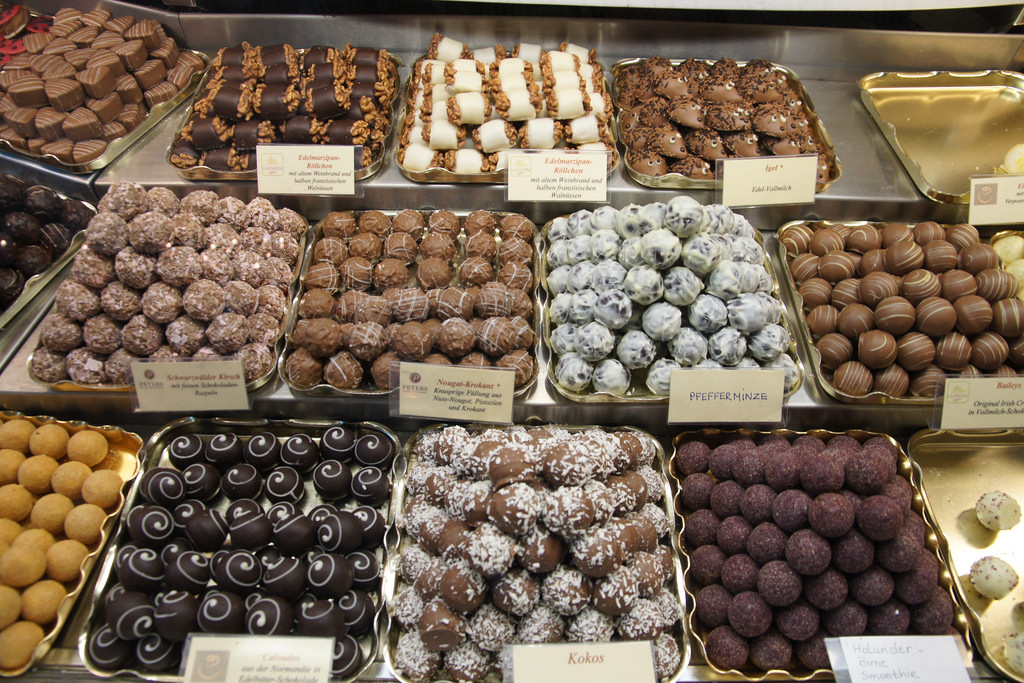
After the exhibition — a café with stunning desserts. Hot chocolate thick as an embrace, cakes ranging in chocolate intensity from espresso-strong to cloud-creamy. The displays shine, and you suddenly become someone who photographs pastries. And that’s okay.
The shop is another story: bars from around the world, tasting sets, cocoa powders, pastes, figures, gift boxes. A wallet trap, but such a beautiful one! Great souvenirs — not magnets, but things you can eat with pleasant memories.
Visitor hacks: how to make the visit perfect
- Come on a weekday and early: fewer people, more time at the fountain.
- Buy tickets online: saves nerves.
- Leave room in your bag: you will definitely leave with purchases.
- Don’t rush: allow 1.5–2 hours for the tour, with the café — a full 3 hours.
- Camera or phone: the lighting is good, exhibits are photogenic.
- If with children: bring water and a snack — for the walk to the museum; inside the exit will be sweet anyway.
Why this is not just a museum
The Chocolate Museum in Cologne is about respect for the product and the people who make it. About a flavor assembled from the labor of farmers, technologists, and confectioners. About a history that smells of cocoa and adventure. And about a small personal happiness — that very wafer at the fountain that makes your day better.
Final: a chocolate checklist
- You understood what good chocolate is.
- You tried it both liquid and solid.
- You saw how it is born.
- You bought an “extra” bar and don’t regret a single bit.
Seriously: if you find yourself in Cologne — go to the Chocolate Museum. It’s one of those addresses that add flavor to the city and give you reasons to smile. And yes, forgive yourself in advance for all future desserts. This museum knows how to inspire sweet decisions.