“Nothing captures the essence of America quite like our national parks”—President Franklin Roosevelt’s words perfectly reflect the importance of these protected lands to the country. Today, national parks seem like an integral part of the American landscape, but their history is full of fascinating twists and turns.
How it all happened: from idea to realization
The concept of the national park was conceived by self-taught artist George Catlin (1796–1872). While traveling through Dakota in 1832, painting scenes of Native American life, he became alarmed at how white settlers’ expansion was destroying traditional culture, wilderness, and wildlife.
Catlin proposed setting aside special territories protected from industrial and agricultural development, where both nature and indigenous cultures could be preserved in their original state. This was a revolutionary idea.
The First Steps
In 1864, Congress and President Lincoln took the first practical steps, and in 1872, the world’s first national park—Yellowstone—was established. Over 2 million acres were set aside for public use, with commercial development strictly forbidden. The US example was quickly embraced by other countries.
Yellowstone set an important precedent—the park spanned three states (Wyoming, Montana, and Idaho), requiring federal management. At the same time, the government started establishing forest reserves, and in 1903, President Theodore Roosevelt created the first wildlife refuge on Pelican Island in Florida.
Organizational Challenges and Solutions
By 1916, the Department of the Interior managed 14 national parks. However, the management system was flawed—there simply wasn’t organized oversight. The military had to be deployed to protect Yellowstone and Yosemite from poachers and vandals, which was far from ideal.
As more protected areas were designated, the need for a specialized administrative body became clear. So, in 1916, President Woodrow Wilson established the National Park Service.
Today
Today, the US boasts 58 national parks across 27 states. Alaska and California lead with 8 parks each, followed by Utah (5) and Colorado (4). The largest is Wrangell–St. Elias National Park in Alaska, covering 32,000 sq. km.
All US national parks combined cover 210,000 sq. km, and 14 of them are UNESCO World Heritage Sites. America’s national parks are not just protected lands—they’re true natural treasures, offering breathtaking scenery, rich wildlife, and endless opportunities for adventure.
The idea born nearly two centuries ago in the mind of a wandering artist has grown into a global movement to preserve our planet’s natural heritage.
America’s National Parks – Fun Facts
As we’ve seen, America is not all about New York skyscrapers and Miami beaches—it’s also home to awe-inspiring nature, lovingly safeguarded within its national parks. There are 63 national parks in the US, each a true gem. Let’s discover the most fascinating facts about these natural treasures.
Yellowstone—the Granddaddy of Parks
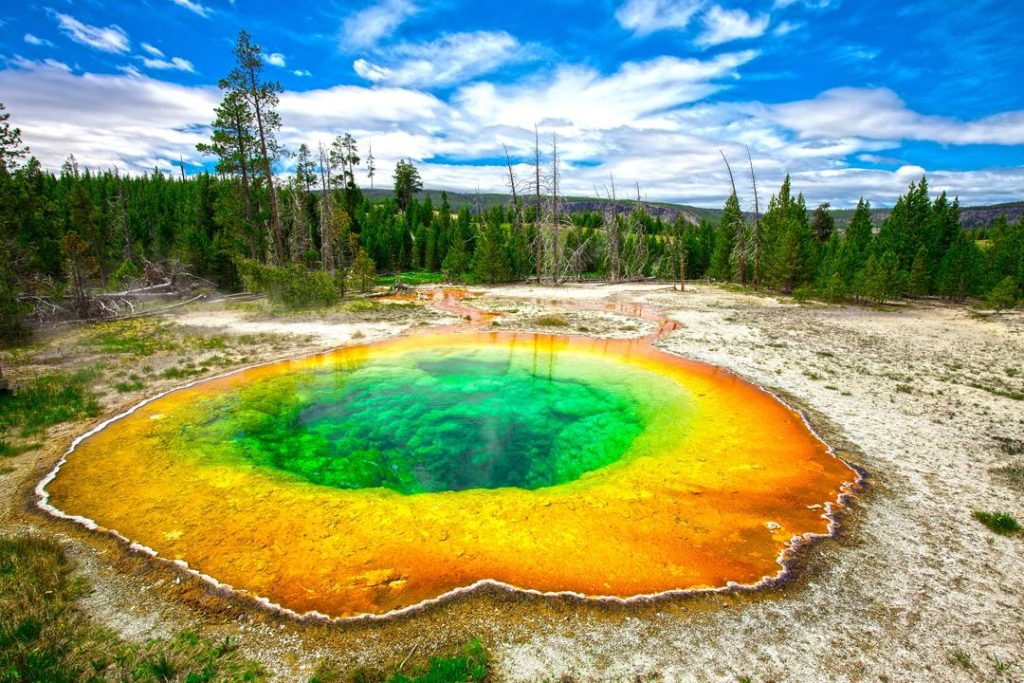
Yellowstone National Park, established in 1872, was the first national park not only in America but in the world. Imagine what a breakthrough it was at the time—to simply declare: “Stop! This land should belong to everyone, not just a few companies.”
But Yellowstone is famous for more than just being first. It’s home to around 10,000 geysers and hot springs—half of all the geysers on Earth! The most famous, Old Faithful, erupts every 90 minutes, so reliably that you could set your watch by it.
Grand Canyon—Cosmic Scale
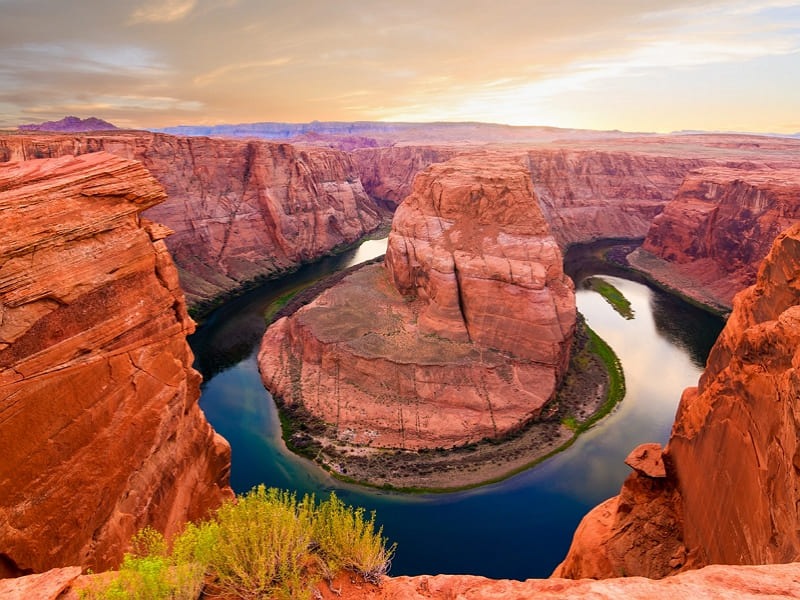
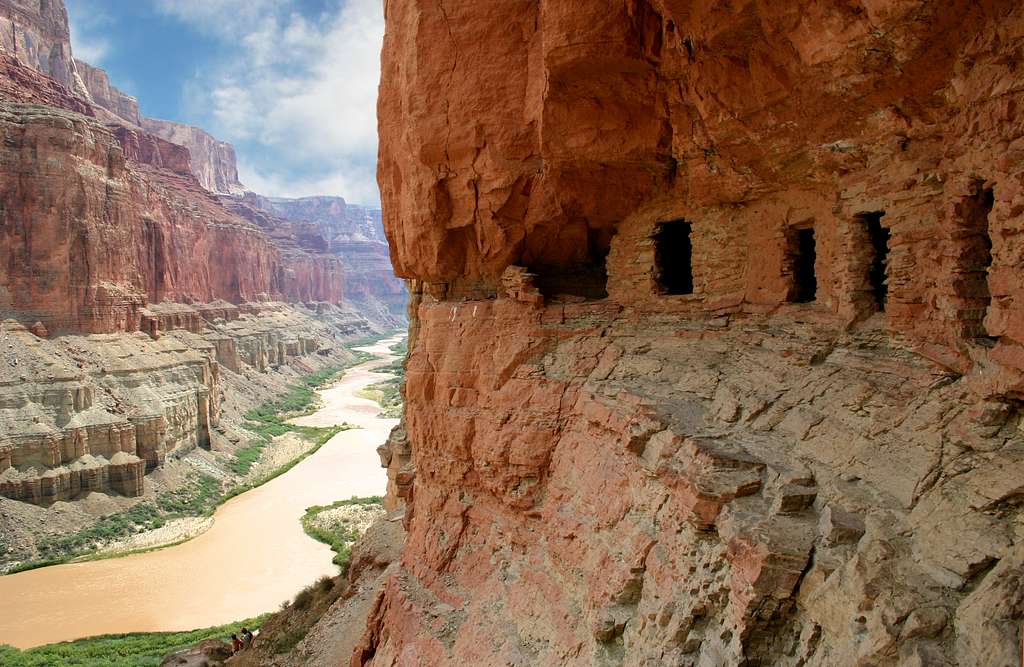
Grand Canyon National Park in Arizona is so huge it’s visible from space. The canyon stretches 446 kilometers long, up to 29 kilometers wide, and 1.8 kilometers deep. To grasp its scale: if you decided to walk from one rim to the other, it would take about 21 hours of nonstop hiking.
Fun fact: the rock layers in the canyon reveal Earth’s history for the past 2 billion years. It’s like a giant book written by nature itself.
Sequoia—the Home of Giants
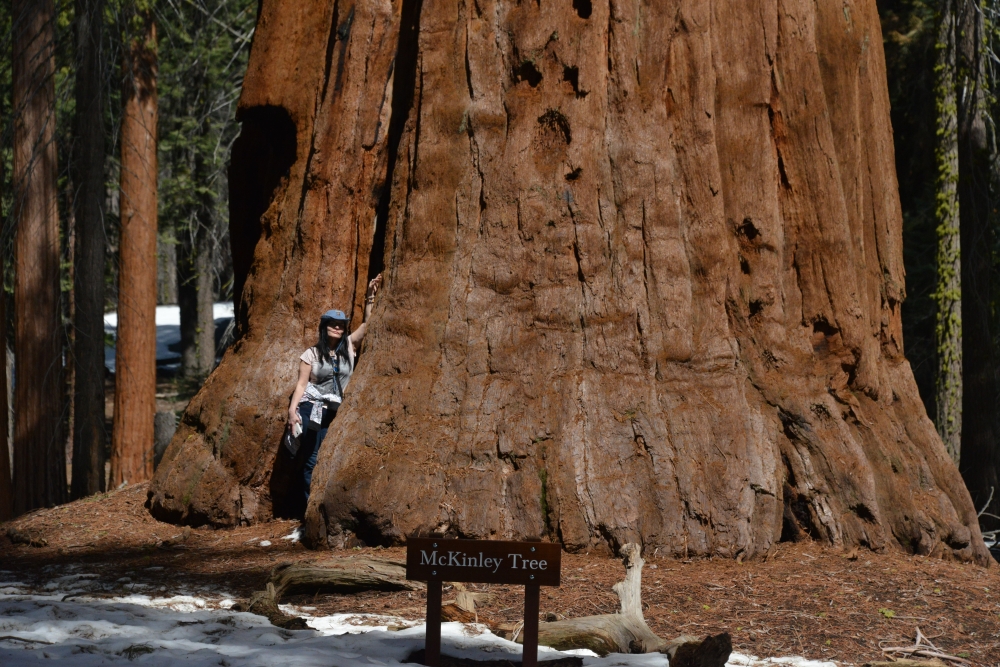
Sequoia National Park in California is home to the largest trees on the planet. The “General Sherman” tree is the world’s largest by volume. It stands 84 meters tall, with a trunk circumference of 31 meters. It would take 20 people holding hands to encircle it.
Sequoias live incredibly long lives—some are over 3,000 years old. That means when the pyramids were being built in Egypt, these trees were already growing in California!
Everglades—the River of Grass
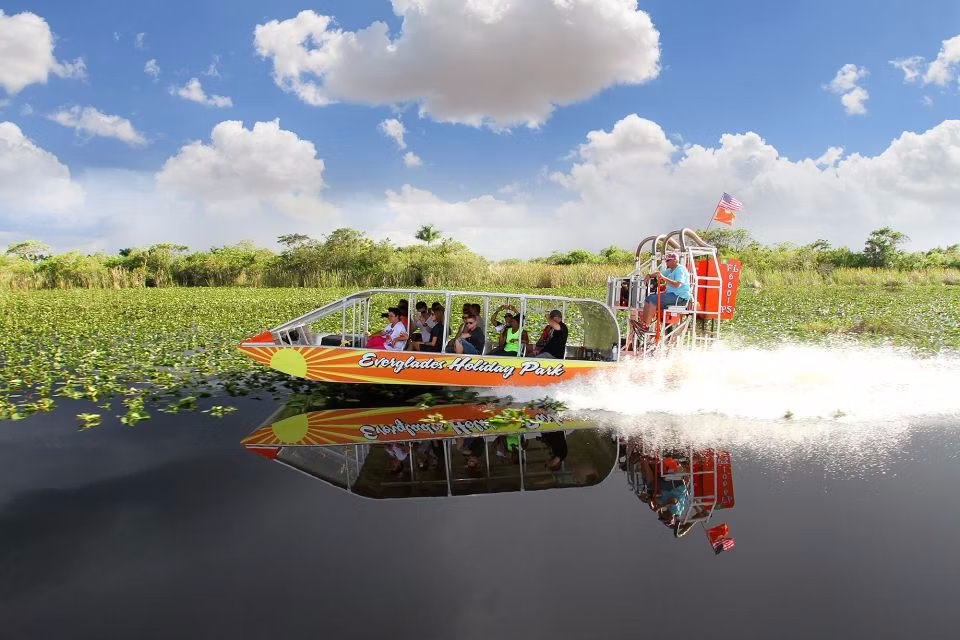
Everglades National Park in Florida is known as the “River of Grass.” It’s a unique ecosystem where water slowly flows through marshy grasslands. Here, you’ll find alligators, Florida panthers, manatees, and more than 350 species of birds.
Fun fact: both American alligators and American crocodiles live in the Everglades. It’s the only place on Earth where both species share the wild.
Yosemite—the Mecca of Climbers
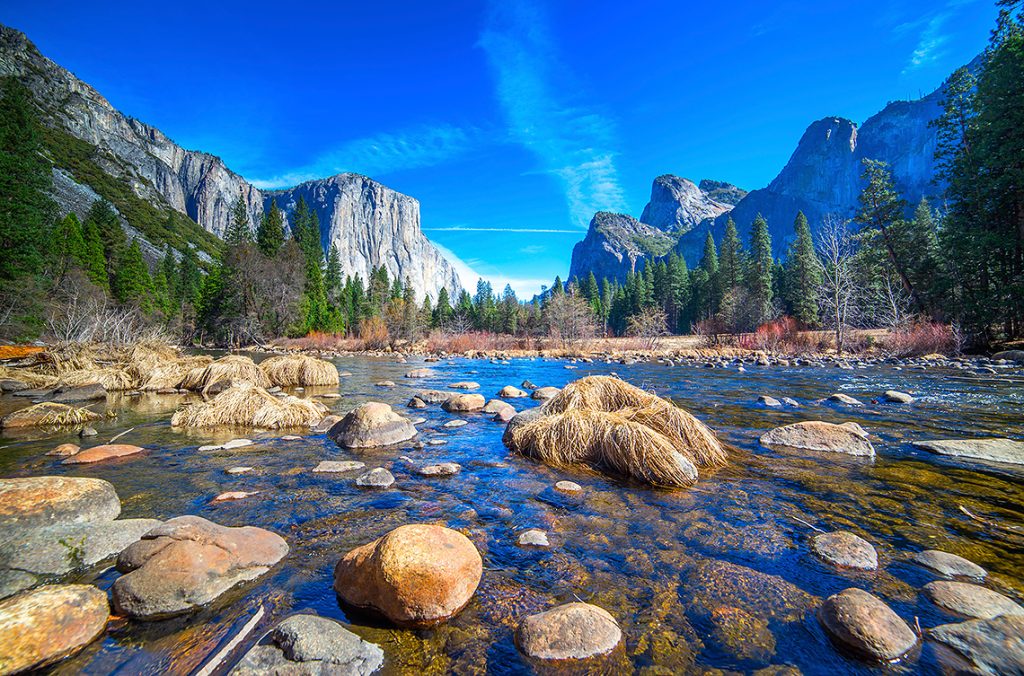
Yosemite National Park in California is famed for its granite cliffs. El Capitan, rising 900 meters, is a challenge sought by climbers from around the world. The first ascent took 47 days, but today the speed record is under 2 hours!
Yosemite Falls is among the world’s tallest waterfalls (739 meters), but in summer it nearly dries up, often to the disappointment of visitors.
Surprising Numbers
- The most visited national park is Great Smoky Mountains, on the border of Tennessee and North Carolina, welcoming over 12 million visitors annually.
- The largest park by area is Wrangell–St. Elias in Alaska—it’s bigger than Switzerland! The smallest is Hot Springs in Arkansas, covering only 22 square kilometers.
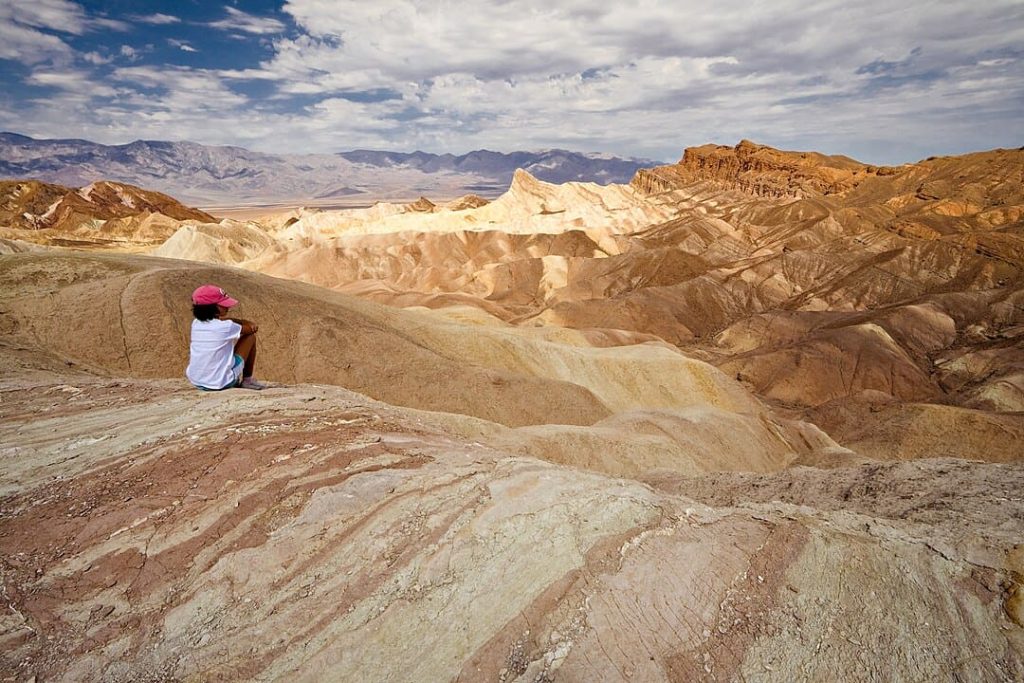
- Death Valley National Park holds the record for the world’s highest temperature—56.7°C. Yet in winter, the climate is quite pleasant for tourists.
Wildlife and Conservation
US national parks have become sanctuaries for many species that might have disappeared without protection. Wolves have been successfully reintroduced to Yellowstone, restoring balance to the ecosystem. Grizzly bears, bison, mountain lions—they’ve all found refuge in the national parks.
Interestingly, in some parks, animals are completely unafraid of people. Deer in Yosemite casually stroll through campsites, and in Yellowstone, bison can cause “traffic jams” on the roads.
Parks as Science Labs
National parks are not just tourist attractions—they’re also vital scientific centers. Here, researchers study climate change, animal behavior, ecosystem evolution. Many breakthroughs in biology and ecology were made in national parks.
America’s national parks are more than just beautiful selfie spots. They are living museums of nature, where every stone and every tree tells the astonishing history of our planet. They show us how wonderful Earth can be when humans don’t interfere, but instead carefully protect its beauty.
It’s no wonder the American system of national parks has become a model for the world. After all, nature is our shared heritage—something we must preserve for generations to come.