You know, there’s that old, worn-out phrase: “My home is my castle.” We say it when we hang a new picture in the living room or buy a cozy throw. “Castle” is something about comfort, safety, a place to exhale and hide from the hustle of the outside world. But what if the outside world suddenly decided to play for keeps? What if it stopped knocking and simply kicked the door down?
The last few years, especially since the start of the full-scale war in Ukraine, have shown us that our “castle” is a very fragile notion. Air-raid sirens, “gifts” falling from the sky, the constant threat — all this has forced millions to rethink the very concept of safety. And, as always in critical moments of history, human inventiveness has kicked into high gear.
We have stepped back into the ancient race against the elements — only this time the elements have taken the form of rockets, drones, and geopolitical madness.
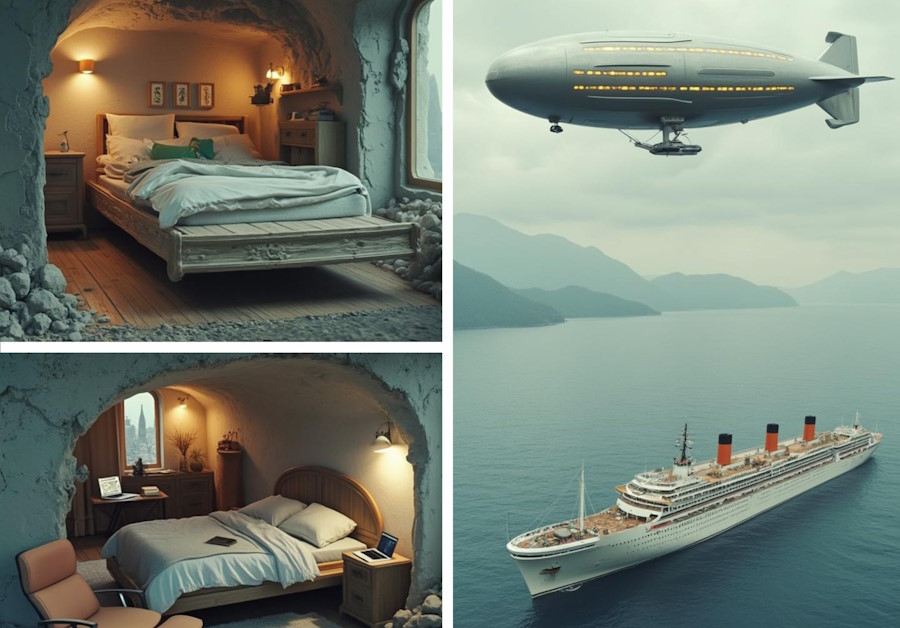
People began to seek shelter not only metaphorically but in the most literal sense — underground, in the skies, and even at sea.
The underground realm: a return to the roots
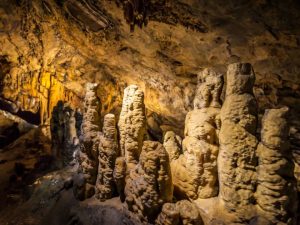
Let’s be frank: the idea of hiding underground is as old as humanity. Our distant ancestors lived in caves, and there was primal logic to it. Above — predators, bad weather, hostile tribes. Below — relative quiet, stable temperature, and a thick layer of rock overhead. Centuries passed, we built skyscrapers, launched satellites, invented the internet… and now we’re looking again at the ground beneath our feet.
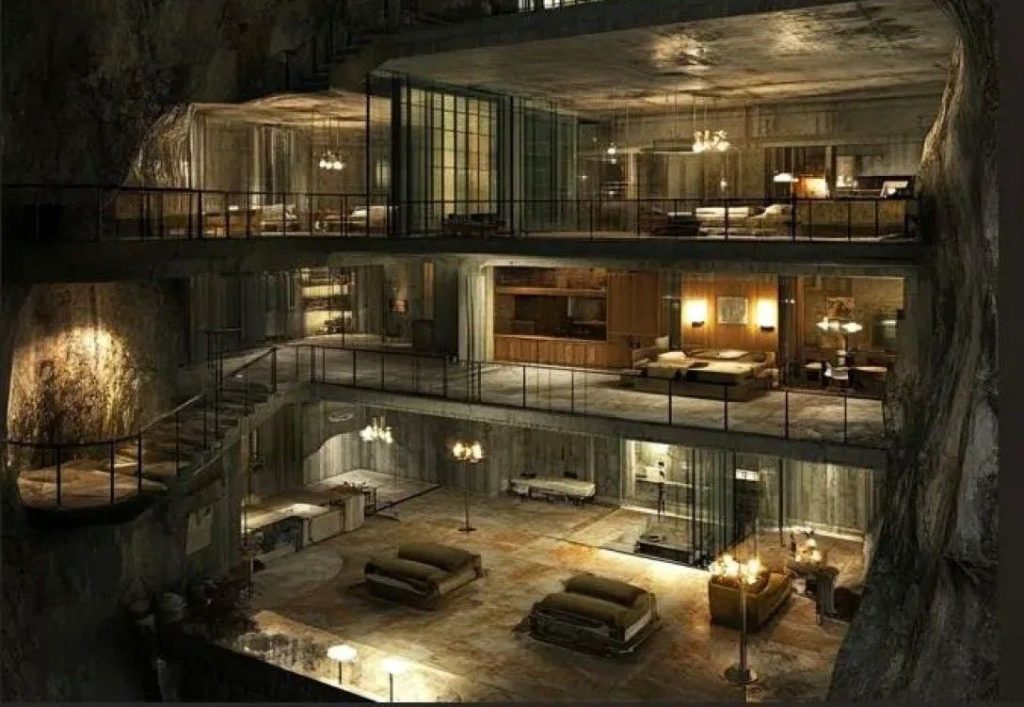
Today’s bunker is, of course, not a damp cave. It’s a high-tech marvel, the “iPhone” of shelters. In Ukraine, which has borne the brunt of modern war, demand for underground shelters has skyrocketed. And we’re no longer talking about old Soviet bomb shelters with peeling paint and the smell of mildew. Private companies offer modular bunkers that can be buried in your yard in a couple of days.
Imagine this: you order a bunker like a pizza. A truck arrives, a crane lowers a sealed metal capsule into an excavated pit, it’s hooked up to utilities, covered with soil, and voilà — you have a personal shelter. Inside — everything you need: air filtration systems (so you don’t have to breathe dust and filth after “hits”), water and food stores, autonomous power from a generator or batteries, and even Wi‑Fi so you don’t miss the news. This is no longer just a survival cellar; it’s an underground mini-office, a leisure room, Fortress 2.0.
And this trend is not limited to Ukraine. In European countries, especially those neighboring the conflict zone, people have started thinking as well. Google searches like “buy a bunker in Poland” or “shelter prices in Germany” are no longer exotic. Wealthy Europeans and Americans go even further. For them, a bunker is less about protection from missiles and more about insurance against global collapse: pandemics, nuclear winter, economic crash, or even uprisings of the “hungry and angry.”
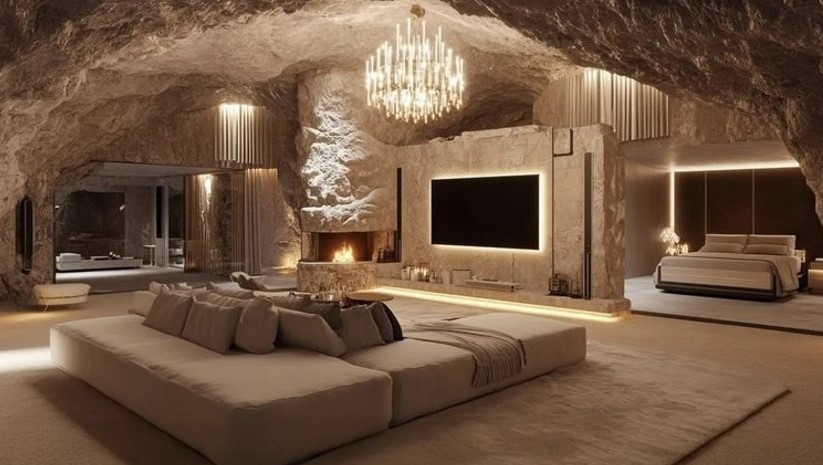
Companies like the American Vivos build entire underground cities for multimillionaires — former Cold War military bunkers converted into luxurious apartments with cinemas, pools, and hydroponic farms. This is the quintessence of the idea to “go underground”: if the world above collapses, we’ll just build our own new one below.
On and under the water: an ark for the chosen
If underground feels cramped and dark, there’s an alternative — the boundless sea. The idea of a floating home isn’t new, but today it takes on a very different tone. This isn’t the romance of living on a barge in Amsterdam; it’s pragmatic calculation. The sea is freedom. Freedom from borders, from local authorities, from problems tied to a specific patch of land.
Modern “sea wolves” are not ragged pirates but respectable gentlemen. They buy ocean yachts capable of months of autonomous cruising. On board — water desalinators, solar panels, satellite internet, and provisions enough for a circumnavigation. If trouble breaks out in your country, you simply weigh anchor and head for international waters, sipping a cocktail and watching the sunset.
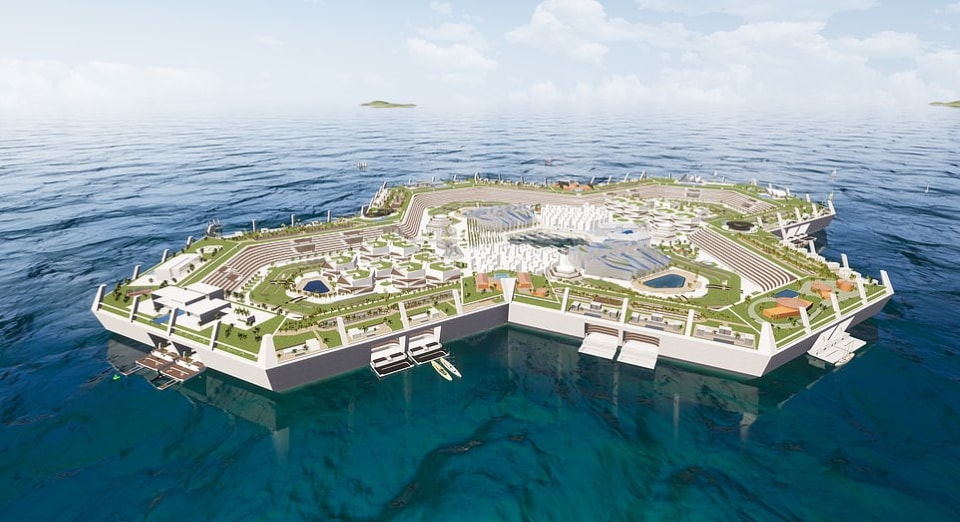
For those willing to pay truly large sums, there are projects for floating city-communities. These are giant liners or platforms where people can live for years without setting foot ashore. Projects like The World or Blue Estate offer not just cabins but full apartments and villas with ocean views. It’s an entire miniature civilization: shops, restaurants, schools, and hospitals. The global elite create personal “Noah’s Arks” to ride out any worldwide flood, whether literal or metaphorical.
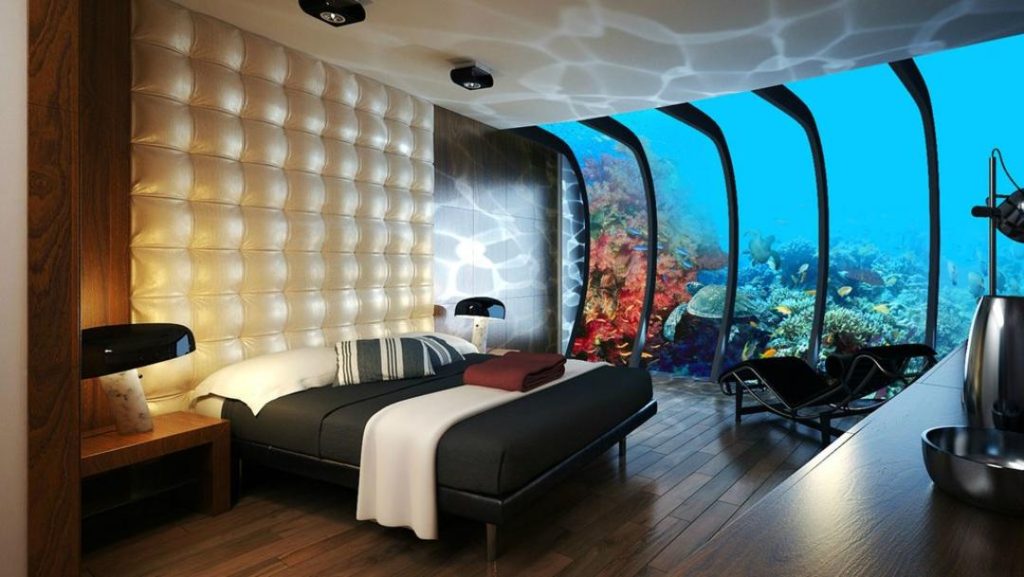
And the most desperate (or the most ingenious?) look even deeper: submarines. Yes, private submarines. For now they’re toys for billionaires, but the idea is captivating. To be invisible, invulnerable, gliding through the water column while storms rage on the surface. It’s escapism elevated to an art.
The sky castle: the dream of complete detachment
And finally, the most fantastic but no less alluring route — into the sky. No, this isn’t about riding out an alert in an airplane. It’s about creating permanent or long-term settlements in the air. Sounds like science fiction? Maybe. But remember, skyscrapers were once considered fantasy a hundred years ago.
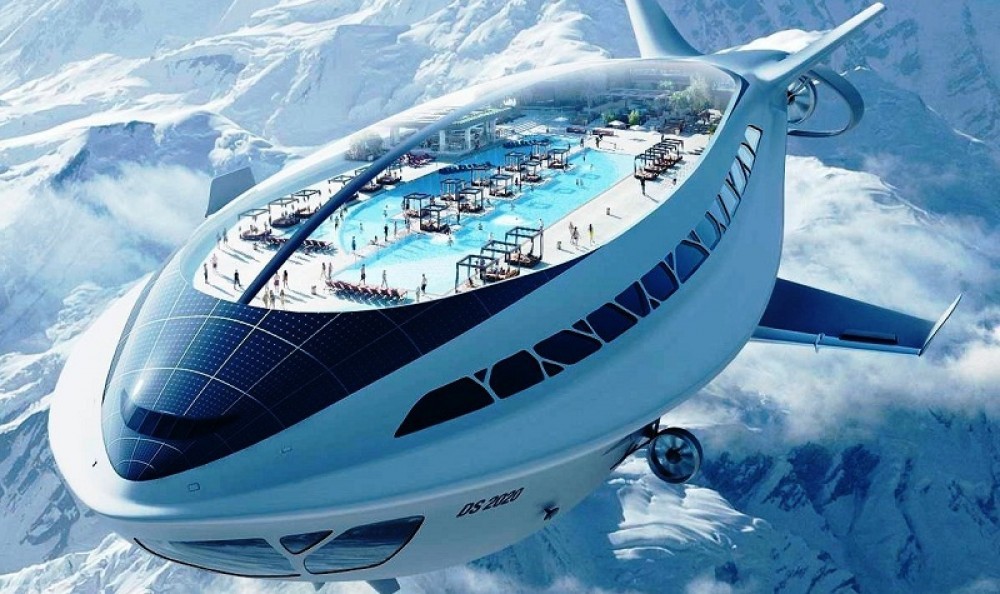
Today the idea lives on in concepts for airship-homes and flying hotels. Imagine a giant “city” slowly drifting through the sky powered by solar energy. It wouldn’t depend on roads, bridges, or borders. It could move to where things are calm, where the weather is good, where there are no wars or revolutions. Residents of such “sky castles” would be citizens of the world in the most literal sense.
Of course, realizing such projects is still far off. It would require enormous technological breakthroughs and investment. But the mere fact that humanity seriously considers this option is telling. It speaks to a profound disillusionment with our “earthly” civilization. We still haven’t learned to live together peacefully on this planet, and now the boldest minds dream of simply flying away from it all.
An arms race… for civilians
What does all this mean? We’re witnessing a remarkable paradox. States spend trillions creating ever more destructive weapons. At the same time ordinary people, from a Ukrainian farmer to a California IT millionaire, invest their money in protective technologies. A kind of “arms race” for civilians is underway, where instead of missiles there are bunkers, instead of tanks yachts, and instead of fighters the dreams of airships.
This new reality blurs the line between survival and lifestyle. A bunker becomes a mark of prestige. An autonomous yacht — a symbol of freedom. The ability to hide, disappear, become invulnerable — that is the main currency of the 21st century.
And looking at all this, you can’t help but ask: wouldn’t it be simpler for all of us to agree? To spend these huge resources not on hiding from each other underground, on the water, and in the skies, but on making our common home — planet Earth — a safe and cozy “castle” for everyone again?
It seems that, for now, the answer is no. Which means the race for survival continues. And everyone chooses their track: some dig deeper, some go further out to sea, and some just look up at the sky and dream.