Hello friends! Here we are again at the threshold of that age-old question that stirs our minds every spring and makes us frantically leaf through tourist brochures (or, more often, monitor websites): “Where to go this summer?”. And this summer is not just any summer, but the summer of 2025. July-August is the peak season, when everyone wants sun, sea, mountains, or simply a change of scenery. And you know what? The world is changing, and it’s changing very quickly. What was relevant last year may no longer work this year. So let’s try to figure out together where you can go for a dose of unforgettable experiences, without risking any unpleasant surprises.
Let me state right away: this article is not about how to book a tour for the upcoming weekend. It’s more of a friendly conversation, a kind of guide to choosing a destination, taking into account not only the weather and the beauty of the landscapes, but also much more mundane, but incredibly important things: safety, the political situation, economic feasibility. Because, let’s face it, sitting on a sun lounger under a palm tree is much more pleasant when you’re sure that there are no shells exploding nearby and there’s no risk of being in the epicenter of some kind of unrest. We’re going on vacation, not into an adventurous action movie.
So, let’s grab a cup of coffee (or something stronger, depending on your mood) and dive into the world of vacation opportunities in 2025.
Before Dreaming: Realities of the World in 2025
Let’s be honest. The last few years have shown us that the world is fragile and unpredictable. The pandemic, conflicts, political turbulence, natural disasters – all this has, unfortunately, become part of our reality. And when we plan a vacation, especially one as important as a summer one, we can’t just close our eyes to it.
Which regions are most likely not the best choice for a vacation in July-August 2025?
Countries affected by active military conflicts
Obviously, regions where hostilities are taking place or where there is a high probability of their resumption should be excluded from the list. This applies, first of all, to a number of countries in the Middle East (certain parts of Syria, Yemen, possibly Iraq, zones around the Israeli-Palestinian conflict), as well as, alas, Ukraine and the territories adjacent to it. No matter how attractive the history or nature of these places may be, safety comes first.
Countries with an unstable political situation and frequent unrest
Some African countries, certain regions of Latin America, and sometimes parts of Asia may be subject to internal conflicts, protests, or increased crime rates. Before traveling, it is always worth studying the current recommendations of your country’s Foreign Ministry and travel warnings. For example, countries such as Haiti, Sudan, some parts of the Democratic Republic of the Congo, as well as a number of regions of Mexico or Brazil, may be risky.
Regions prone to frequent natural disasters in the summer
If you are planning a trip in July-August, it is worth considering the hurricane season in the Caribbean and the southeastern United States, as well as the monsoon season in Southeast Asia (for example, in some parts of India, Bangladesh, the Philippines). Although not all regions of these countries suffer equally, there is a risk of spoiling your vacation due to bad weather or even facing the consequences of floods/earthquakes.
Countries with unfriendly rhetoric or political complications for tourists from certain countries
Unfortunately, geopolitics also affects tourism. For citizens of some countries, there may be difficulties in obtaining visas, increased processing times, or unfriendly attitudes at the everyday level. It is important to take this into account when planning to avoid unpleasant surprises at the border or already in place.
This list, of course, is not static and requires constant updating. Therefore, when planning a trip, be sure to check the latest news and official sources of information.
Now that we’ve decided where definitely not to go, let’s move on to the pleasant part – where you can and even should go!
The Most Affordable Options: When the Budget is Limited, but the Soul Craves Adventure
Even with a limited budget, you can have a wonderful vacation. The main thing is to choose the right direction and be prepared for compromises (or, on the contrary, for new discoveries!).
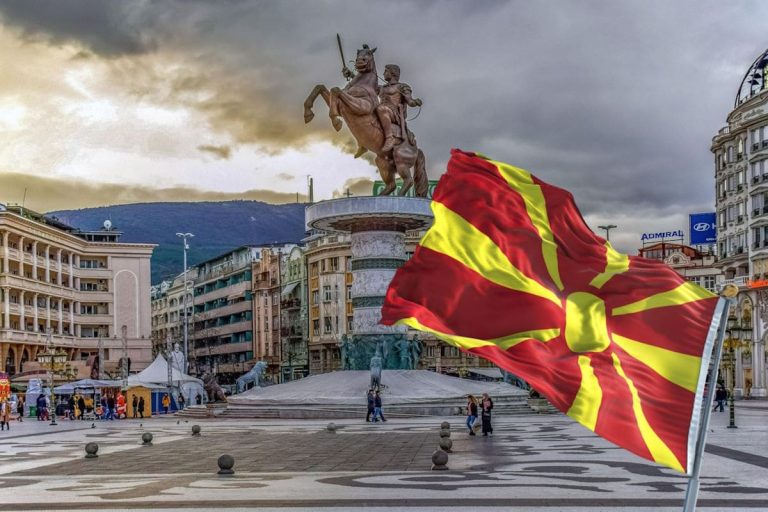
Balkan Countries (Montenegro, Albania, Bosnia and Herzegovina, North Macedonia)
- Why: These countries offer stunning scenery, a rich history, delicious food and relatively low prices compared to Western Europe. The Adriatic coast of Montenegro and Albania (for example, Budva, Kotor, Durres, Saranda) is crystal clear sea, picturesque mountains and cozy towns. Bosnia and Herzegovina, North Macedonia – it’s more about mountains, lakes (Ohrid!), ancient monasteries and cultural tourism.
- What to see/do: Swimming in the Adriatic, hiking in national parks (Durmitor, Prokletije), exploring ancient cities (Kotor, Ohrid, Mostar), gastronomic tourism (lots of meat, cheese, vegetables and wine).
- Prices: Accommodation, food and transport are much cheaper than in Italy or Croatia. You can find apartments for 30-50 euros per day, lunch in a cafe will cost 10-15 euros.
- Safety: Generally stable and safe environment. Petty theft is possible in tourist spots, but there are no serious threats. There is no political unrest in tourist areas.
- Nuances: Infrastructure may not be as developed as in Western Europe. It can be crowded in peak season.
Georgia / Armenia
- Why: The Caucasus is not just mountains, it’s a whole philosophy. Hospitality, wine, ancient monasteries, a unique culture and, of course, incredible nature. And all this for a very reasonable price. Tbilisi, Batumi, Yerevan, Sevan, Kazbegi – sounds like a song.
- What to see/do: Wine tasting (mandatory!), hiking in the mountains, visiting ancient temples and cave cities (Vardzia, Uplistsikhe, Geghard), walking through the old streets of cities, getting acquainted with local cuisine.
- Prices: Very affordable. Accommodation can be found from 20-30 euros per night, food in a cafe 7-12 euros for lunch. Public transport is very cheap.
- Safety: Generally safe countries. The local population is very friendly to tourists. It is worth avoiding border territories with conflict zones, but the main tourist routes are completely safe.
- Nuances: Infrastructure can be different, especially in the regions. Some roads require an SUV.
Egypt (budget hotels)
- Why: If you want the sea and the sun for minimal money, Egypt (mainly Sharm el-Sheikh and Hurghada) is still one of the most affordable destinations for an all-inclusive beach holiday. The Red Sea, coral reefs, antiquities – a classic of the genre.
- What to see/do: Diving/snorkeling, excursions to the pyramids and Luxor (far away, but possible), quad biking safari, just lying on the beach and enjoying.
- Prices: All-inclusive packages can cost from 300-500 euros per person per week (without airfare, if you buy separately, or with airfare as part of a package tour).
- Safety: Tourist areas (Red Sea resorts) are well guarded. However, you should be vigilant when traveling outside the resorts and avoid independent trips deep into the country without a reliable guide. The situation in the Sinai Peninsula and Cairo requires more careful attention. In general, safety is at an acceptable level for a beach holiday.
- Nuances: It can be very hot in July-August (up to +40-45°C). For some tourists, the all-inclusive service may seem monotonous.
Average Price Range: When You Want Comfort, but Without Ruin
This segment offers much more variety and a compromise between price and quality.
Turkey (regions besides Antalya and Istanbul, or 4* hotels)
- Why: Turkey has long established itself as an excellent destination for beach and cultural holidays. In addition to the popular Antalya and Istanbul, there are many other beautiful places: the Aegean coast (Bodrum, Marmaris, Fethiye, Izmir), Cappadocia, Pamukkale. Here you can find quality service, delicious food and beautiful scenery.
- What to see/do: Swimming in the Aegean or Mediterranean Sea, yachting, hot air ballooning in Cappadocia, visiting ancient ruins (Ephesus, Hierapolis), walking through colorful oriental bazaars.
- Prices: A week in a good 4* hotel with “all inclusive” on the Aegean coast can cost from 700-1200 euros with airfare. Independent trips (air tickets + apartments) will cost approximately the same amount.
- Safety: Generally safe. There are no serious problems in tourist areas. You should be careful in Istanbul (pickpocketing) and avoid regions bordering Syria.
- Nuances: Very hot in July-August. Crowded in peak season at popular resorts.
Greece (mainland or small islands)
- Why: Greece is the cradle of civilization, a stunning sea, delicious food and an incomparable atmosphere. If large islands like Crete or Rhodes can be expensive, then the mainland (Halkidiki, Peloponnese, Athens) or less popular islands (Naxos, Paros, Ios) offer excellent options at an average price.
- What to see/do: Beach holidays, exploring ancient ruins (Acropolis, Delphi, Olympia), island hopping (moving between islands), tasting local cuisine and wine, immersing yourself in Greek culture.
- Prices: A week on mainland Greece or a small island (without a luxury hotel) can cost 800-1500 euros with airfare. Food in taverns 15-25 euros for lunch.
- Safety: Very safe. Locals are friendly. Only petty theft is possible in tourist areas of Athens.
- Nuances: It can be quite hot in July-August. Some small islands may have less developed infrastructure.
Portugal
- Why: A great alternative to Spain or Italy, often with lower prices. Lisbon, Porto, the Algarve – these are fantastic landscapes, the Atlantic Ocean, surfing, delicious seafood and wine.
- What to see/do: Walks in Lisbon and Porto, surfing on the Atlantic coast, beach holidays in the Algarve, port wine tasting, visiting ancient castles and monasteries.
- Prices: Airfare may be more expensive than to the Mediterranean, but prices for accommodation and food are quite moderate. Apartments from 70-100 euros per night, lunch in a good restaurant 20-35 euros. The total cost for a week is from 1000-1800 euros.
- Safety: One of the safest countries in Europe.
- Nuances: The Atlantic Ocean is cooler than the Mediterranean in July-August. There are many hills in Lisbon and Porto, which can be tiring for some.
Slovenia / Croatia (regions outside Dubrovnik)
- Why: Slovenia is alpine lakes (Bled, Bohinj), mountains, caves and a small but very cozy coast. Croatia is the Adriatic, thousands of islands, national parks (Plitvice Lakes!) and medieval cities. If you avoid the overcrowded Dubrovnik, you can find very attractive options.
- What to see/do: Swimming in the Adriatic Sea, hiking in the Julian Alps, exploring the Postojnska Jama caves, walking around Split, Zagreb or Ljubljana, visiting the Plitvice Lakes.
- Prices: Slovenia is slightly more expensive than Croatia. A week in Slovenia/Croatia can cost 900-1700 euros with airfare. Prices for food and accommodation are comparable to Portugal.
- Safety: Very safe. EU countries, stable environment.
- Nuances: Many tourists in peak season. Prices in popular places in Croatia can be quite high.
Premium Segment: When Money is Not an Issue, and Comfort is a Priority
If the budget allows, the world opens up limitless possibilities for a luxurious and unforgettable vacation.
French Riviera / Italian Riviera (Côte d’Azur, Amalfi Coast)
- Why: A classic of luxury holidays. The Côte d’Azur (Nice, Cannes, Saint-Tropez) is glamour, chic hotels, exquisite restaurants and impeccable beaches. The Amalfi Coast (Positano, Amalfi, Ravello) is stunning views, picturesque towns carved into the rocks, and incredibly delicious Italian food.
- What to see/do: Beach holidays, walks along the embankments, visiting boutiques of famous brands, gastronomic delights, boat trips on a yacht, exploring picturesque towns.
- Prices: High. Accommodation in a good hotel from 300-500 euros per night, lunch in a restaurant from 50-100 euros per person. A week of vacation will easily exceed 3000-5000 euros, and this is not the limit.
- Safety: Generally safe, but pickpockets are found in crowded tourist spots.
- Nuances: Very crowded and hot in July-August. Prices reach their peak.
Maldives / Seychelles / French Polynesia (Bora Bora)
- Why: This is paradise on Earth. Turquoise water, snow-white beaches, bungalows on the water, absolute peace and privacy. Ideal for a romantic getaway, honeymoon or complete relaxation.
- What to see/do: Snorkeling, diving, water sports, spa treatments, romantic dinners on the beach, complete disconnection from the hustle and bustle.
- Prices: Very high. Airfare is expensive, accommodation in a bungalow on the water from 500-1000 euros per night. A week of vacation can cost from 7000-15000 euros and above.
- Safety: Very safe. These destinations are exclusively focused on tourists.
- Nuances: There is practically no cultural program outside the hotel. It can be boring if you don’t like just lying on the beach. The flight takes a long time.
Switzerland / Austria (Alps)
- Why: If you are not a fan of heat and the sea, but prefer mountain air, stunning scenery, crystal clear lakes and comfort, then the Alps are the perfect choice. In July-August, there are ideal conditions for hiking, cycling, paragliding and simply enjoying nature.
- What to see/do: Hiking along scenic routes, climbing mountains on funiculars, swimming in the cleanest lakes (Lake Geneva, Lake Zurich, Lake Constance, Lake Wolfgangsee), visiting cozy alpine villages, tasting cheese and chocolate.
- Prices: High. Accommodation in a good hotel from 200-400 euros per night, lunch in a restaurant from 40-70 euros. A week of vacation from 2500-4000 euros.
- Safety: Very safe.
- Nuances: Not for beach holiday lovers. The weather in the mountains can be changeable.
Japan (for cultural and urban tourism)
- Why: Unique culture, a combination of ancient traditions and ultra-modern technologies, amazing cuisine, polite people. July-August is not the ideal time to visit Japan (hot and humid, typhoon season), but if this is the only available period, then why not? The main emphasis is not on a beach holiday, but on exploring cities and culture.
- What to see/do: Exploring Tokyo (Shibuya, Shinjuku, Asakusa), Kyoto (temples, gardens, geishas), visiting Fuji, tasting Japanese cuisine, hot springs (onsens).
- Prices: High. Airfare is expensive, accommodation in hotels from 150-300 euros per night. Food can be both affordable (ramen, sushi in regular cafes) and very expensive in exquisite restaurants. A week from 2500-4500 euros.
- Safety: One of the safest countries in the world.
- Nuances: Very hot and humid in July-August. You need to be prepared for the typhoon season (although they usually do not affect the central regions often). The language barrier can be a problem outside major tourist areas.
Ideas for Non-Standard Travel (for Different Budgets)
What if you want something completely different?
- Road trips in Europe/USA: Renting a car and planning a route along the scenic roads of Germany, France, Ireland, Scandinavia or the national parks of the USA (for example, the west coast) is freedom of movement, flexibility and the opportunity to see much more. The budget strongly depends on the chosen countries and level of comfort.
- Expeditions to South America: If you are ready for adventure, then Peru (Machu Picchu), Bolivia (Salar de Uyuni), Chile/Argentina (Patagonia) offer incredible natural beauty and cultural experiences. The budget can be from average to premium, depending on the level of comfort and duration. It is important to take into account seasonality (in July-August it is winter in the Southern Hemisphere, but in many regions it is the “dry season” and the ideal time for hiking).
- Cruises: A great option for those who want to see several places in one trip and prefer that all organizational issues be resolved. There are cruises in the Mediterranean, the Baltic, the Caribbean, Alaska. Prices range from average to premium.
Plan, but Be Prepared to Change
So, friends, we have run through the map of the world, estimating options for the July-August holiday of 2025. As you can see, there are plenty of opportunities, and there is something for every wallet. The main thing is to approach the choice consciously, not to succumb to momentary advertising appeals and always, always check the current information about the safety and political situation in the chosen country.
The world is not standing still, and the situation can change quickly. Therefore:
- Follow the news: Especially the warnings and recommendations of your country’s Foreign Ministry.
- Study forums and reviews: The real experience of other travelers is an invaluable source of information.
- Have a backup plan: It doesn’t hurt to have a couple of alternative options in mind, in case the main one has to be canceled.
- Get insurance: Good travel insurance is not an expense, but an investment in your peace of mind.
And remember: the best vacation is not always the most expensive or the most exotic. The best vacation is the one that brings you joy, peace and unforgettable experiences, without creating unnecessary problems and risks. May the summer of 2025 be a time of amazing discoveries and well-deserved rest for you! Happy travels!