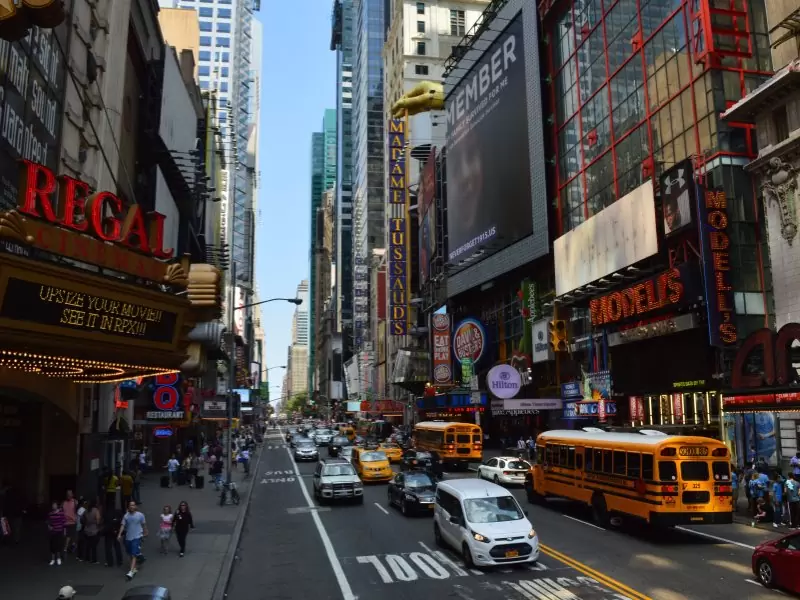
Here you are, you’re scrolling through the news, swiping through an endless feed on your smartphone, and you stumble upon a headline: “The Largest Cities in the World.” You click. And you see a list: Tokyo, Delhi, Shanghai, Sao Paulo… Numbers, millions of residents, huge areas. Dry facts, right? Well, not quite. For me, someone who has lived in both a tiny village and a real anthill-megalopolis, these numbers are just the tip of the iceberg.
Because behind each of these millions lies an entire universe, its own “urban cosmos” that breathes, lives, changes. And believe me, by 2030 it will change even more. Let’s forget about academic dryness for a moment and talk heart-to-heart, as if we’re sitting in the kitchen with a cup of tea, and outside the window is this very, vast, humming city.
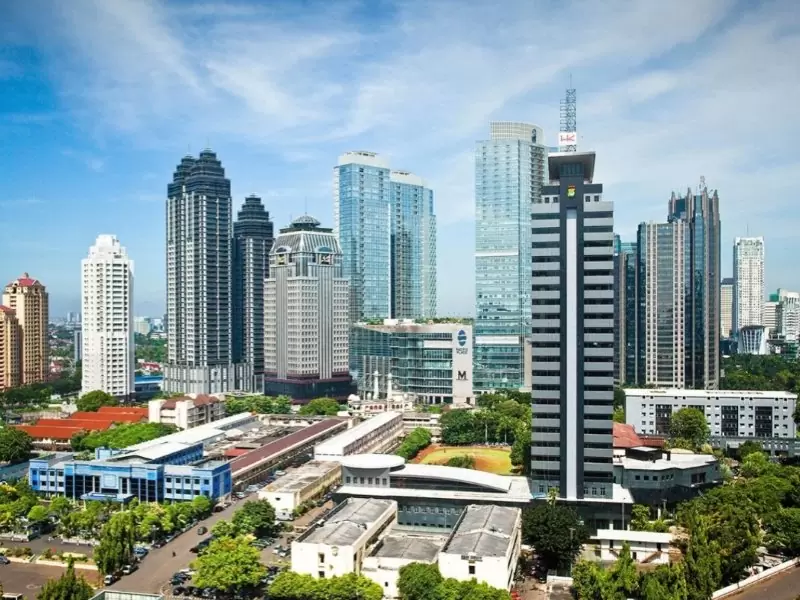
Giants on the Map, But What’s Inside?
When they say “the largest city,” what’s the first thing that comes to mind? Traffic jams? Crowds? Yes, that’s all there. But that’s like saying the ocean is just a lot of water. A megapolis is a symphony of chaos and order, it’s a living organism where each of its millions of inhabitants is a cell, with its own function, its own path.
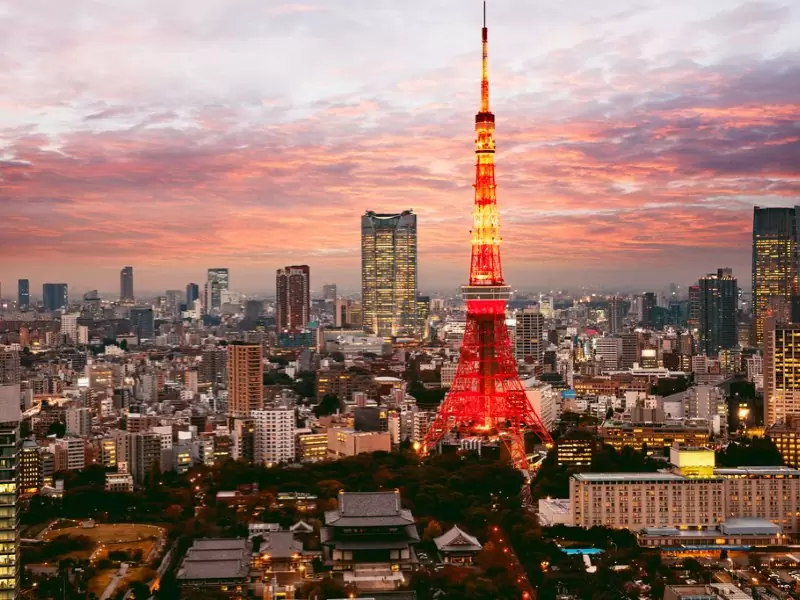
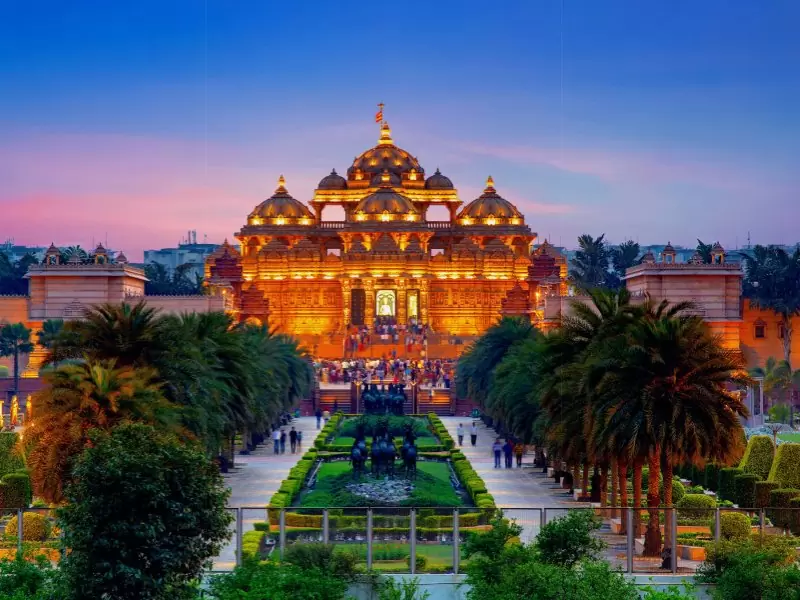
Imagine Tokyo. Skyscrapers reaching into the clouds, shining neon signs, perfect cleanliness and order, despite the incredible population density. Or Delhi, with its pulsating energy, the smells of spices, ancient temples side by side with modern business centers. These aren’t just points on the map, they’re characters. Each megapolis has its own DNA, its own rhythm.
Remember the first time you found yourself in a truly huge city. That feeling when you’re simultaneously lost in the crowd and feel like part of something grand. That cacophony of sounds – the hum of cars, laughter, music, announcements in the subway – it all merges into a single song that sounds only here.
And these “giants” that website wrote about, they don’t just hold the record for the number of residents. They are pioneers, laboratories of the future, where all our ideas about how human society should be organized are tested.
Cities of the Future (Almost Today): 2030, Hello!
Okay, enough lyricism. Now seriously, but without being boring. What will change in these behemoths by 2025? Certainly not that they will become smaller! On the contrary, urbanization is advancing like a tank, and more and more people are flocking to big cities. But how will they live?
Digital Zen and the Nervous System of the City
By 2025, our megacities will become even “smarter.” And this isn’t just a trendy word. Imagine: traffic lights that are regulated in real time not by a timer, but by traffic density, using data from thousands of sensors.
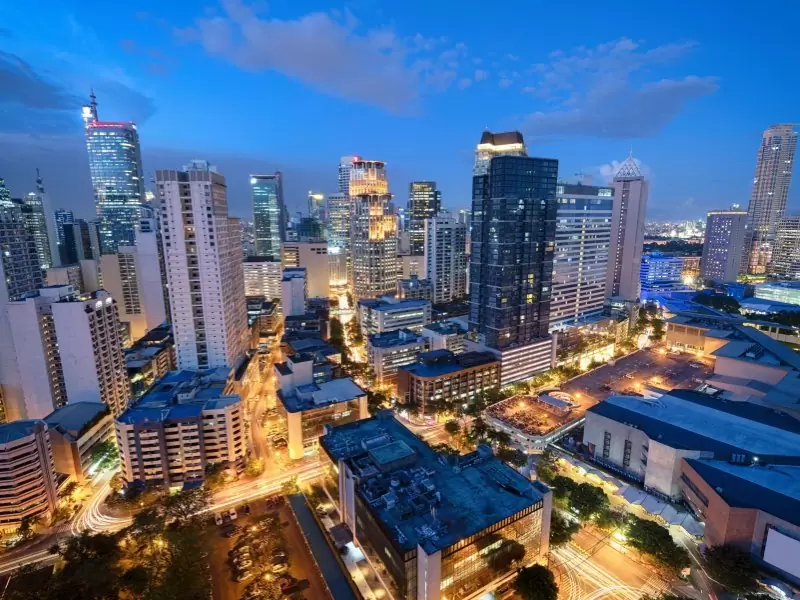
Trash cans that report themselves when they need to be emptied. Air quality monitoring systems that show in real time where it’s best to take a walk and where you should wear a mask. Your subway already “knows” how many people have entered at each station and redistributes trains for maximum efficiency.
This is an entire nervous system, pulsing with data. And yes, it will most likely run on AI, which will predict our needs for us. Sounds cool, but also a little… creepy, doesn’t it?
Green Oases in the Concrete Jungle
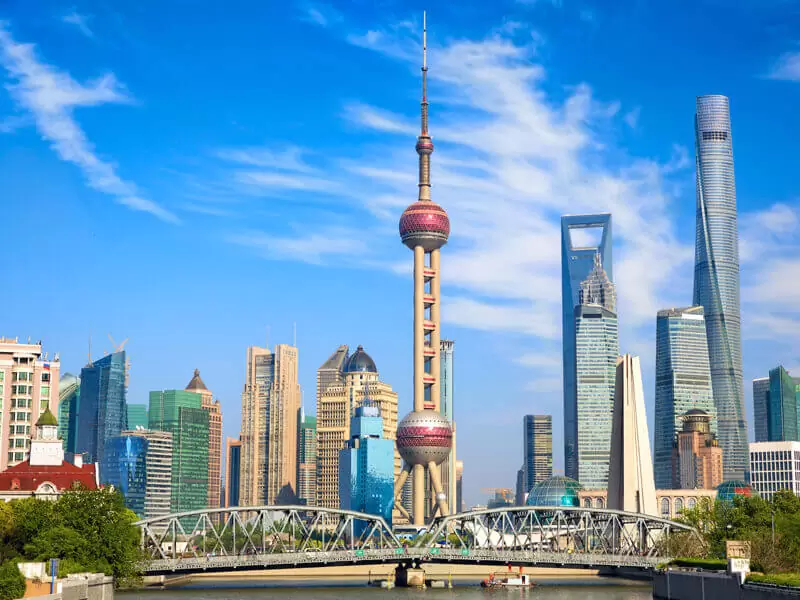
The problem of ecology in megacities is nothing new. But by 2030, the trend towards “greening” will be even stronger. Vertical farms on the roofs of skyscrapers? Easily. Public gardens instead of boring lawns? Of course! Cities will fight for every square meter to turn it into a mini-park or at least a flower bed.
People are already tired of exhaust fumes and now demand fresh air. And there will also be “green” corridors for pedestrians and cyclists, connecting neighborhoods. Fewer cars, more feet and wheels.
Remote Work and the “Third Place”
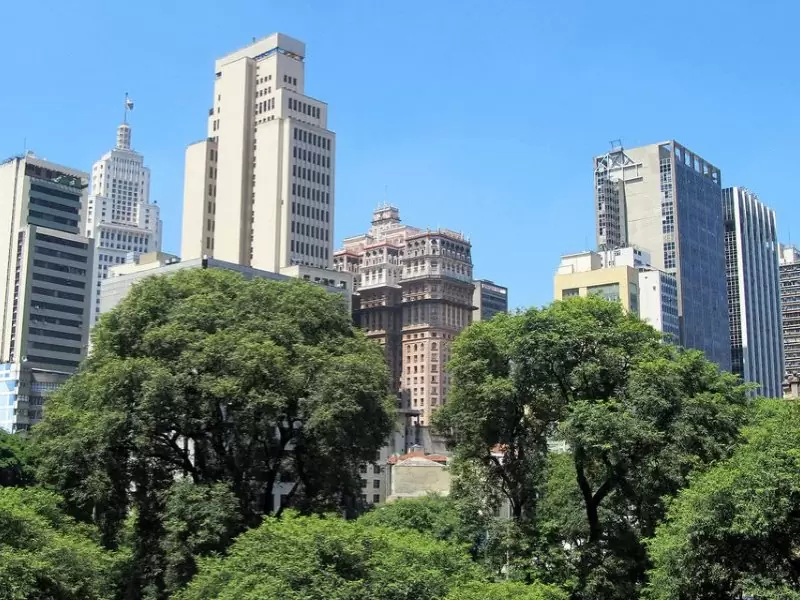
The pandemic showed us that we can work from home. And although not everyone has switched to full remote work, by 2025 there will be even more coworking spaces, “third places” (not home, not the office, but where you can sit with a laptop and a cup of coffee) in megacities. Workspaces will become more flexible, and public transport may be slightly less congested during peak hours (but this is not a fact, the cities are still growing!).
This, by the way, will give a chance to areas that used to be “dormitory” to develop their infrastructure – new cafes, shops, small businesses will appear, because people will spend more time there.
Social Stratification and the Digital Divide
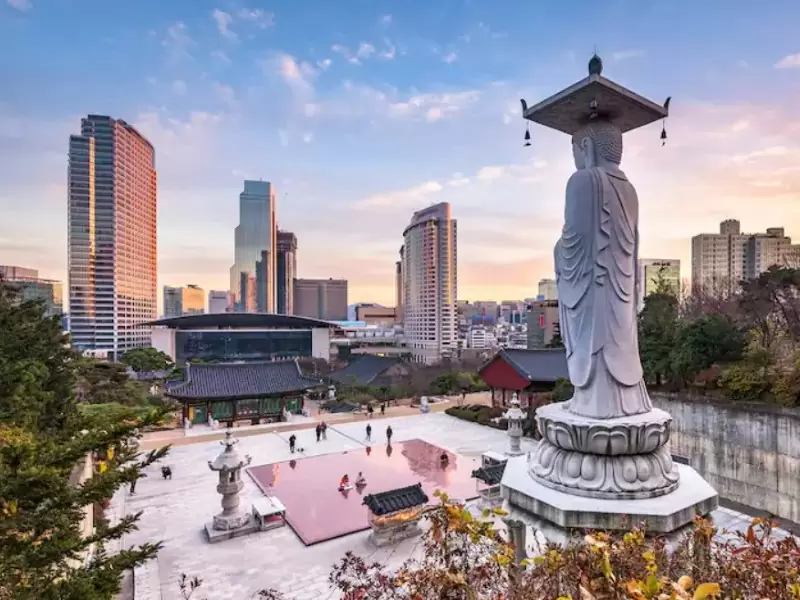
But this is not so rosy. The “smarter” the city becomes, the greater the risk that someone will be left behind. Those who do not have gadgets, access to fast internet, or simply the skills to use all these new services, may find themselves in a “digital ghetto” inside the bustling megacity. The gap between the “super-connected” and the “disconnected” may become even more noticeable. This is a challenge that cities will have to solve.
Megapolis: A Stage for Humans (and Their Gadgets)
All this high-tech wrapping is cool, but what does it mean for the average person? By 2030, our personal “connection” with the city will become even deeper. Not just maps on your smartphone, but augmented reality that will show you the nearest free parking space or tell you the history of the building you’re passing.
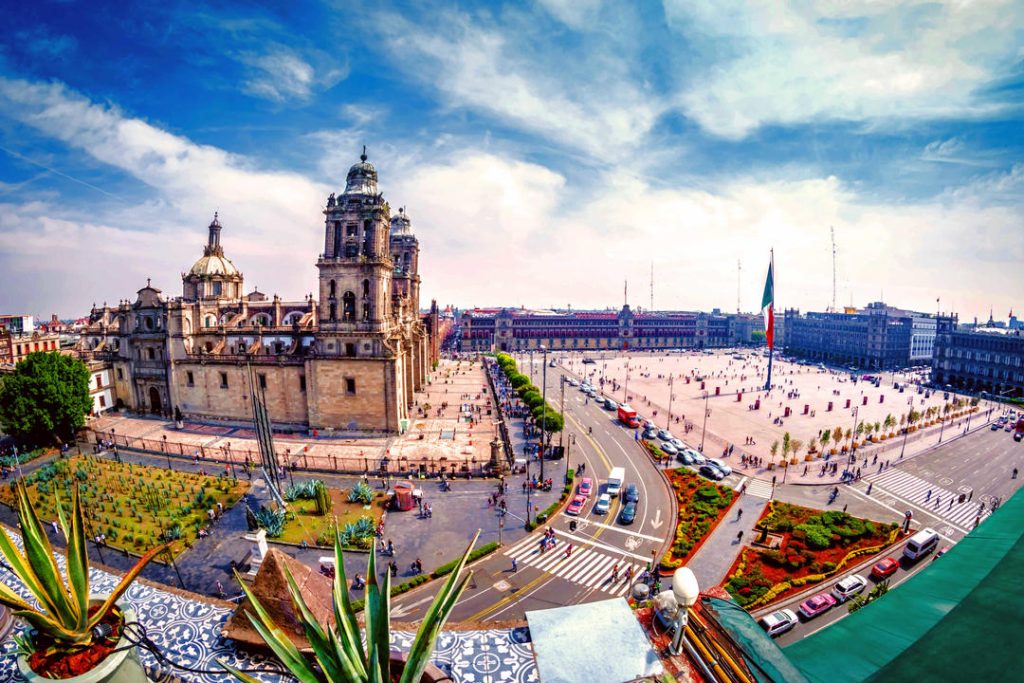
We will become even more dependent on our gadgets to navigate this “cosmic” maze. They will become our personal guides, assistants, translators. But at the same time, paradoxically, it is in the megapolis, among millions of people, that you can feel the loneliest.
By 2030, the need for “real” communication, for the creation of local communities, will become even more acute. People will look for their “islands” in this ocean, whether it’s a favorite cafe, a gym, or an interest group. The megapolis will offer choices like never before, but it will also require us to be able to make that choice.
Not Just Stones and Asphalt: The Soul of the City
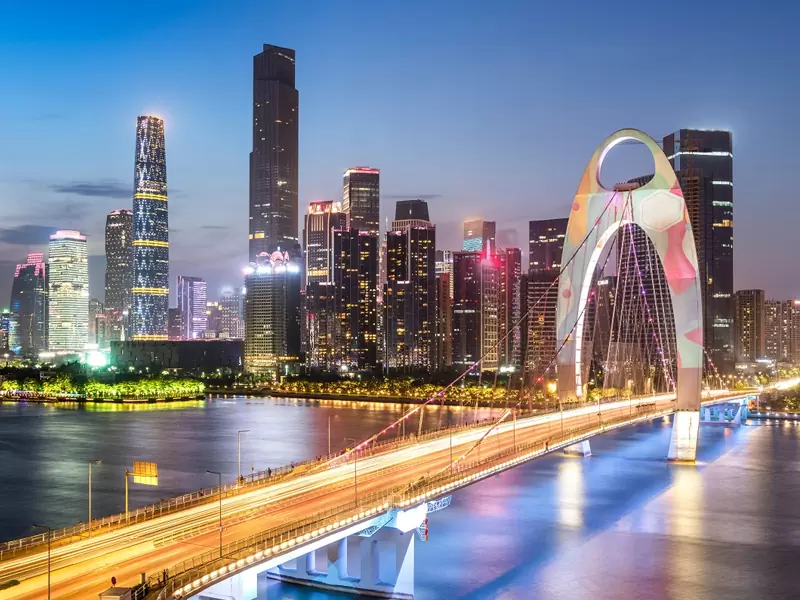
And yet, behind all these numbers, technologies, traffic jams and skyscrapers, there is something more. Every megapolis has its own soul. It’s what makes people come there, stay, create, love and suffer. It’s a mixture of history and modernity, culture and counterculture, ambition and disappointment.
In 2030, cities will continue to be melting pots where different cultures, ideas, and dreams meet. It’s the place where everything new is born: art, fashion, technology, social movements. It is here, in this frantic rhythm, that the future of humanity is formed. And it is here, among all this hustle and bustle, that you can find incredible moments of beauty: a ray of sunshine breaking through the cracks of skyscrapers; a street musician playing chills; the smell of fresh pastries from a small bakery.
These “largest cities” are not just a collection of buildings and people. They are living, constantly changing organisms that reflect all the best and worst that is in ourselves. They challenge us, require us to adapt, but also give incredible opportunities.
Breath of the Future
So, by 2026, our megacities will become even more complex, even smarter, even “greener” (we hope!), and perhaps even more demanding. They will continue to grow, absorbing new territories and people. They will offer incredible amenities and technologies, but also pose new social and environmental challenges.
The modern megapolis is a whole world – a world that never sleeps, is constantly changing and is always ready to surprise. A journey into the heart of a megapolis is always an adventure, exciting, sometimes frightening, but always alive. And, damn it, that’s what makes our life so interesting!