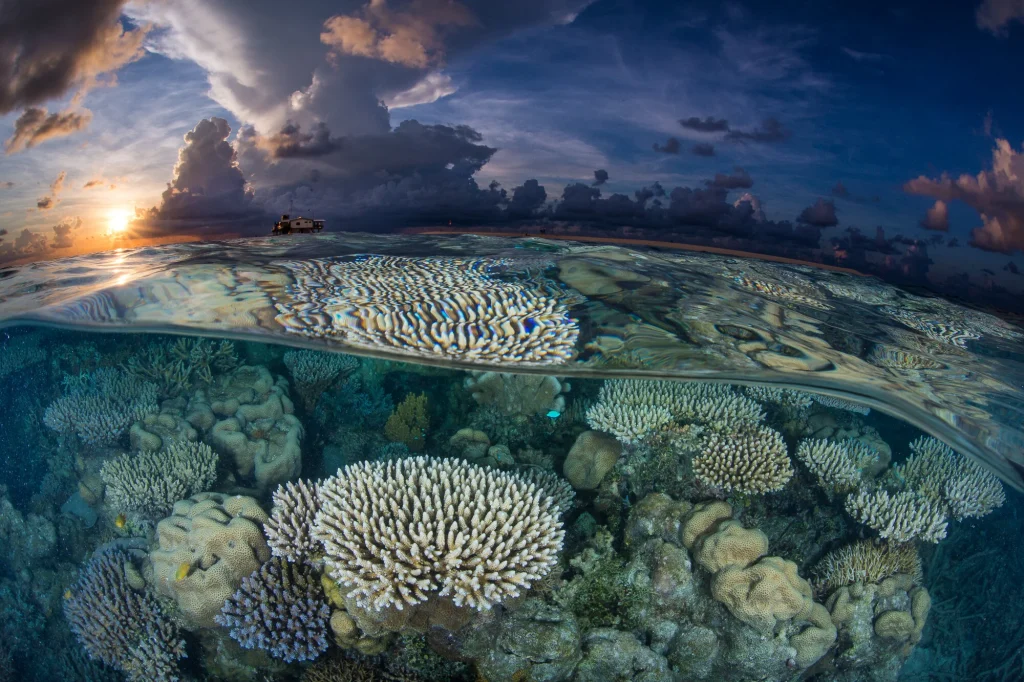
There’s a place on our planet where the horizon merges so seamlessly with the ocean that you lose track of where the sky ends and the water begins. A place so far removed from civilization that even satellite internet feels like an impudent intrusion from another world. Welcome to Tubbataha—a tiny speck in the Sulu Sea that is something of a Holy Grail for divers from all over the world (from meticulous Germans to reckless Australians).
In today’s reality, when the world is overloaded with information, the noise of megacities, and the perpetual hustle and bustle of European capitals, Tubbataha remains that “last frontier.” It’s not just a coral reef. It’s a time capsule, preserving the pristine power of the ocean.
Isolation as the Ultimate Luxury
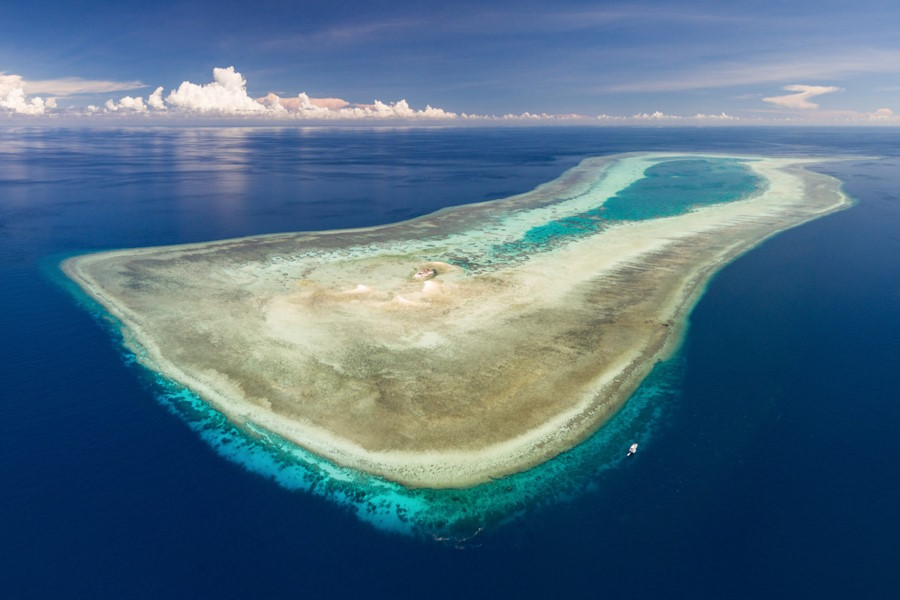
Let’s be frank: getting here is quite a quest. Tubbataha Reef is located in the heart of the Philippine archipelago, but far from popular tourist trails. The nearest civilized point is the city of Puerto Princesa on the island of Palawan. And this is where the fun begins.
Access to the reef is only possible during a short “window” from mid-March to mid-June. The rest of the time, the sea here is too capricious, and storms can turn your trip into a remake of the movie “The Perfect Storm.” In an era when we’re used to getting everything at the snap of our fingers—from pizza delivery in Paris to renting an electric scooter in Berlin—this dependence on the whims of nature seems something wild and at the same time incredibly attractive. This is exclusivity that money can’t buy; you can only wait for it.
Life on Board: Liveaboard as a Lifestyle
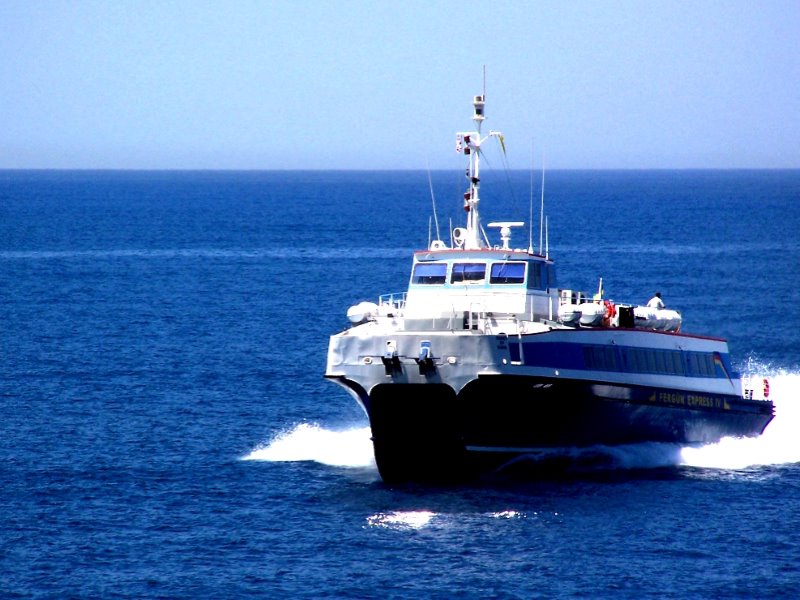
There are no hotels on Tubbataha. None at all. No bungalows on stilts or five-star resorts with swimming pools. The only way to see this wonder is in a liveaboard format (living on a ship).
For a week, a specially equipped yacht becomes your home. You wake up to the cries of seagulls, drink strong coffee while watching the sunrise over the empty ocean, and take your first step into the water even before you’re fully awake. There’s a special romance to this, understandable only to those who are willing to trade a soft bed in a Hilton for a narrow cabin for the chance to see a whale shark at arm’s length.
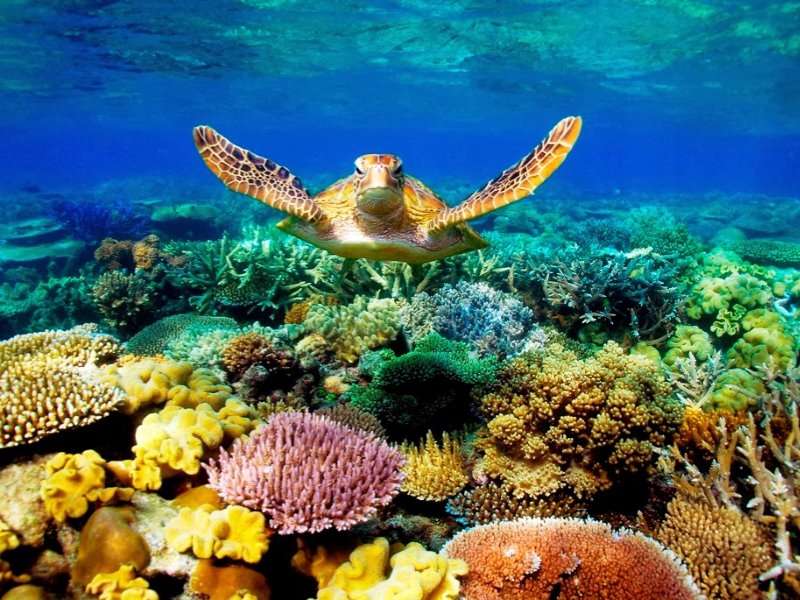
Underwater Metropolis: Who Lives in Coral Skyscrapers?
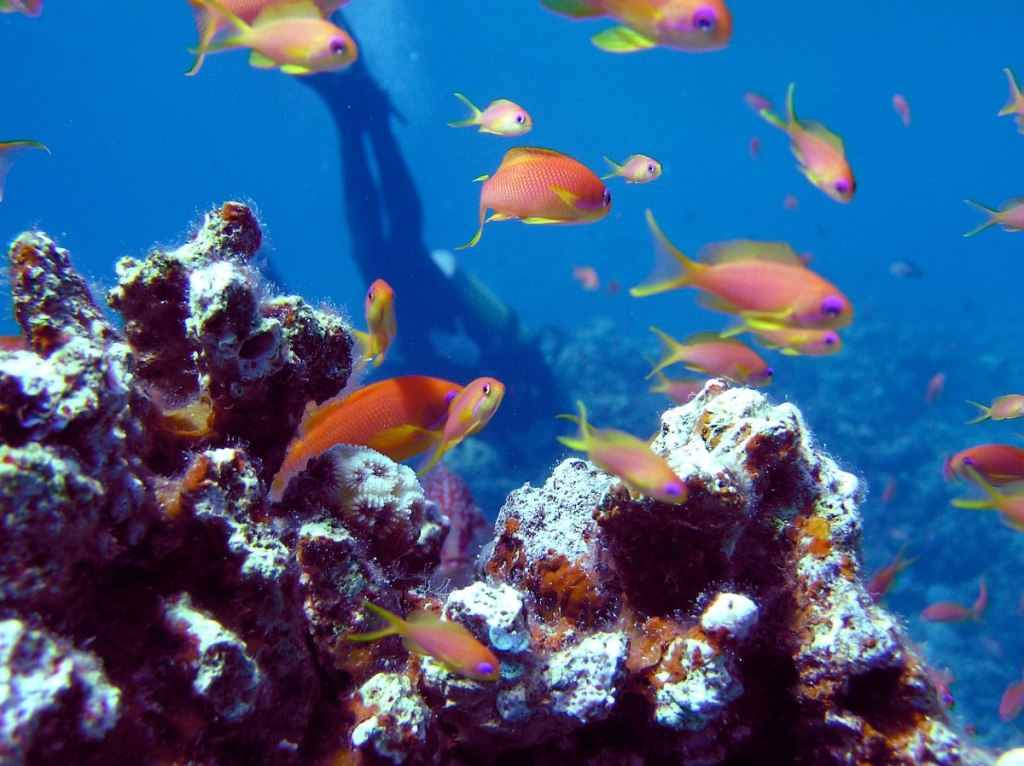
When you dive on the “North” or “South” Atoll (the two main parts of the reef), reality changes. It’s not just “fish in the water.” It’s a complex ecosystem, reminiscent of Times Square at rush hour, only instead of yellow taxis, schools of barracuda are rushing past.
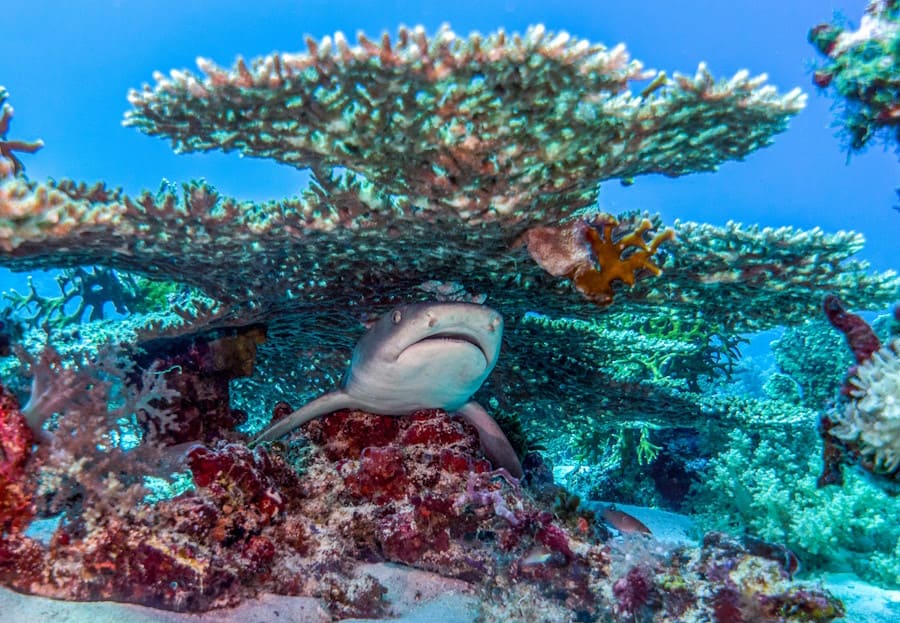
- Shark Paradise. If in most tourist places seeing a shark is an event to tell your grandchildren about, here it’s commonplace. Whitetip and blacktip reef sharks patrol the coral walls like guards in an upscale boutique. If you’re lucky, a majestic hammerhead shark or even a tiger shark may rise from the depths.
- Giants of the Ocean. Tubbataha is a “refueling station” for migratory species. Whale sharks, these slow-moving spotted buses, often come here to snack on plankton. Meeting them is an experience that changes your mind. You realize how small you are and how majestic nature is.
- Macro World. For those who like to examine the details, there is also plenty of space here. Seahorses the size of a fingernail, incredible nudibranchs, painted so brightly that it seems as if a crazy designer from Milan has worked on them.
Ecology and Reality: A Fragile Balance
In 2024, talking about diving is impossible without the topic of ecology. We live in a world where coral reefs are rapidly disappearing due to global warming and ocean acidification. But Tubbataha is a success story.
Thanks to strict control by UNESCO and the Philippine authorities, the reef is in stunning condition. Any fishing is prohibited here, and the number of divers is strictly limited. This is an example of how humanity can preserve nature if it simply leaves it alone.
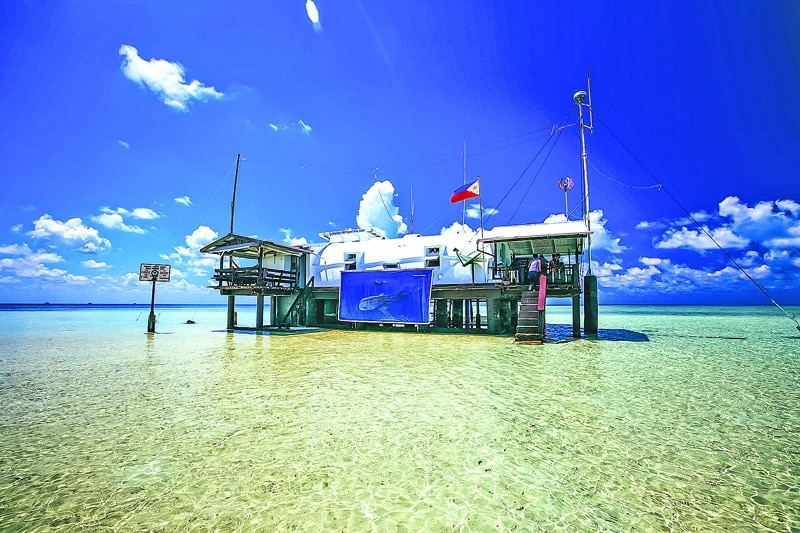
For a European tourist, accustomed to the strict environmental standards of Norway or Switzerland, such an approach seems natural. But in the tropics, maintaining such a standard is a real feat. Every cent from your environmental fee goes to patrolling the area by rangers who live on a tiny station in the middle of the ocean for months, protecting this biosphere reserve.
Diving as Digital Detoxification
Why do people from London, New York, or Singapore spend thousands of dollars and dozens of hours on flights to get here?
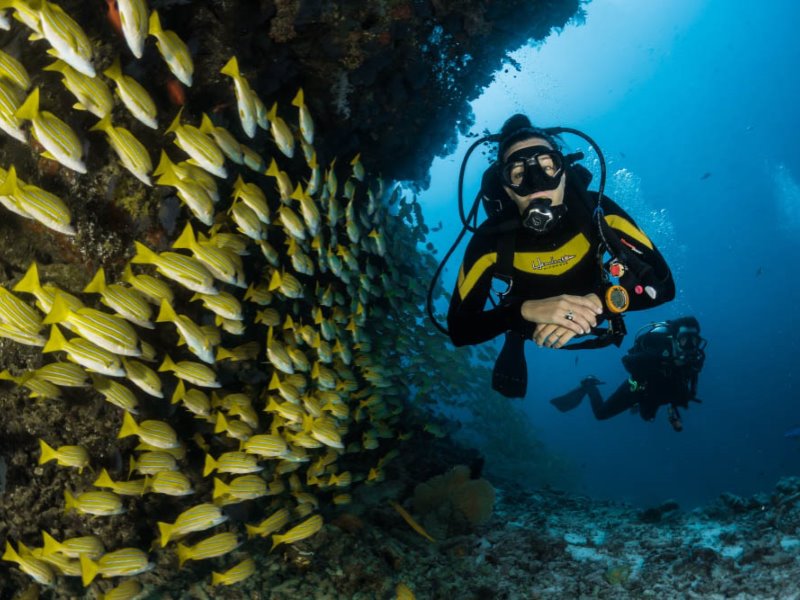
In today’s reality, Tubbataha is one of the few places where your smartphone turns into a useless piece of plastic and glass. There is no 5G here. No notifications from social networks. No bad news. There is only the rhythm of your breathing in the regulator and the sound of bubbles rising to the surface.
This “forced” offline heals the soul better than any psychotherapist. You start to notice shades of blue that you didn’t see before. You learn to communicate with gestures and eyes with your dive buddies. This is a return to the origins, to the present moment “here and now.”
Vertical Gardens: What Makes Tubbataha Special?
Geologically, the reef consists of two huge structures rising from a depth of several hundred meters. This creates a unique landscape—vertical walls covered with gorgonian fans and sponges.
You soar in the abyss, to your left is an endless blue, to your right is a living, pulsating wall of life. At some point, there is a feeling of weightlessness, akin to going out into outer space. No wonder many divers call Tubbataha “space on Earth.”
Practical Tips for Those Who Dare
If you are inspired and have already started looking for fins, here are a few things to consider:
- Level of preparation. This place is not for beginners. Strong currents are commonplace. You will need a certificate of at least Advanced Open Water level and, preferably, decent experience (from 50 dives).
- Equipment. Check everything twice. In the open sea, there will be no store where you can buy a torn mask strap or repair a computer.
- Booking. Places on good boats sell out a year or two in advance. Yes, the diving community is a cult of fanatics, and they know what they are fighting for.
In Conclusion: Why Do We Need This?
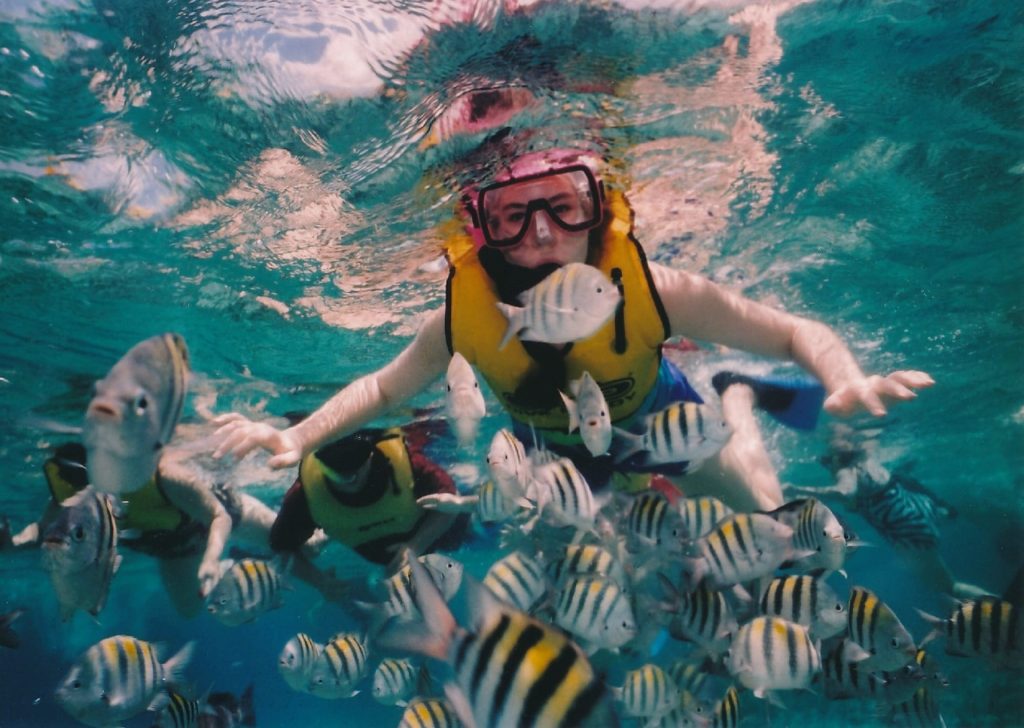
The world today is full of boundaries, limitations, and anxieties. But the ocean knows no boundaries. When you are at a depth of 20 meters at Tubbataha Reef, it doesn’t matter what language you speak or what passport you have in the safe on the ship. All that matters is how much air is left in the tank and what incredible fish is swimming by.
Tubbataha is a reminder that our planet is still capable of surprising. It’s a dream worth pursuing. After all, in the end, we collect not things, but breathtaking moments. And believe me, when you see the back of a whale shark cutting through the surface of the Sulu Sea at sunset, you will understand: it was all worth it.