Imagine: the city noise is far behind you, deadlines have dissolved, and traffic jams exist only in nightmares. You take a deep breath, then exhale, and the world around you changes. Sounds fade, colors become brighter, and that familiar feeling of heaviness disappears. You float. You fly. You breathe underwater. Sounds like fantasy? Not at all! This is diving, and if you’ve ever thought about trying it, this article is your gentle push toward underwater adventures.
I used to think diving was for the very brave, the very wealthy, or the very reckless. It turned out to be simply a ticket to a completely different world — and more accessible than it seems. Let’s have a heart-to-heart about it.
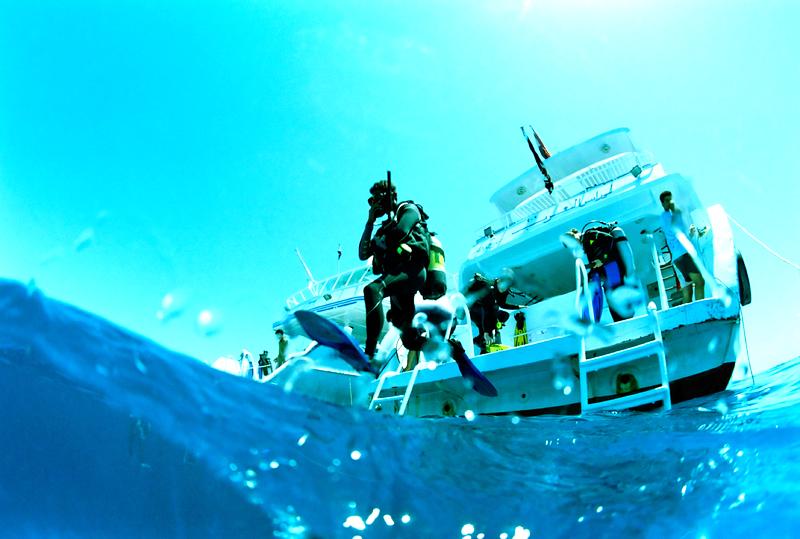
The underwater world calls: where it all begins (or why the land no longer holds you)
Seriously, what is it about diving that makes people fly halfway around the world, haul heavy gear, and pay to breathe from a tank? Here’s the thing: it’s a complete, one hundred percent reset.
At the moment of descent, when water envelops you from all sides and sounds vanish, you enter a silence you won’t find on land. It’s like meditation, only without a mat or the need to sit in lotus position. You almost become part of this vast, pulsing organism — the ocean. The feeling of weightlessness, when you simply hover and drift without much effort, is pure bliss. On land we’re constantly fighting gravity; down there you’re free.
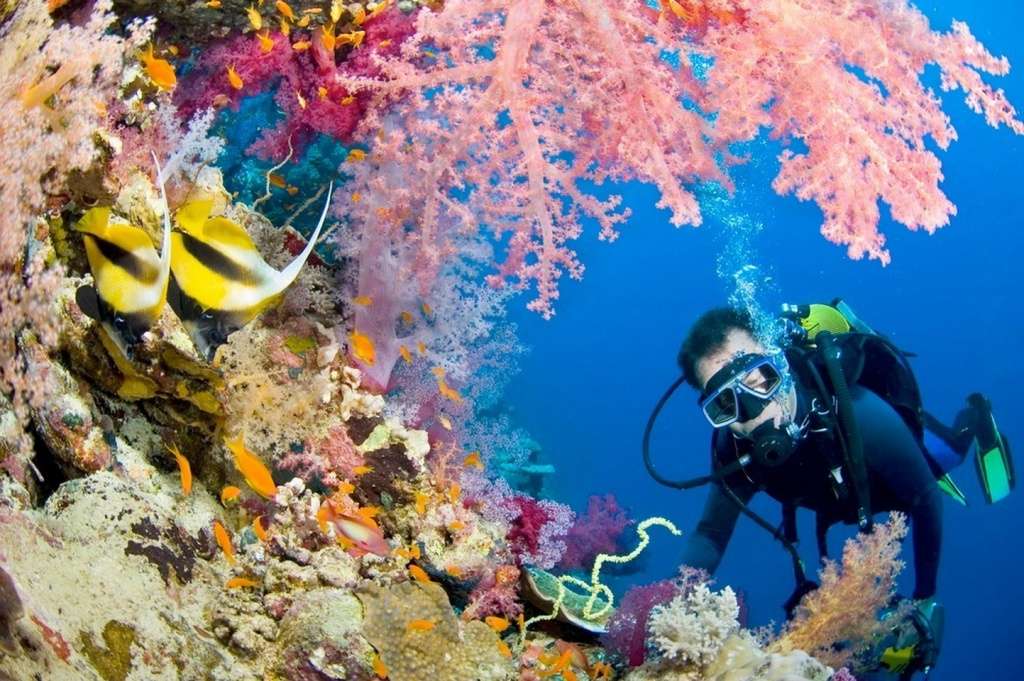
And, of course, the visuals. What unfolds underwater surpasses any nature documentary or National Geographic photo. Reefs, like giant ever-changing cities, full of incredible residents: rainbow-colored fish flashing past like sparks; majestic turtles gliding leisurely about their business; graceful manta rays resembling underwater airplanes; and, if you’re lucky, sharks (don’t worry, they’re usually more afraid of you!). Every dive is like opening a new page in the most beautiful book.
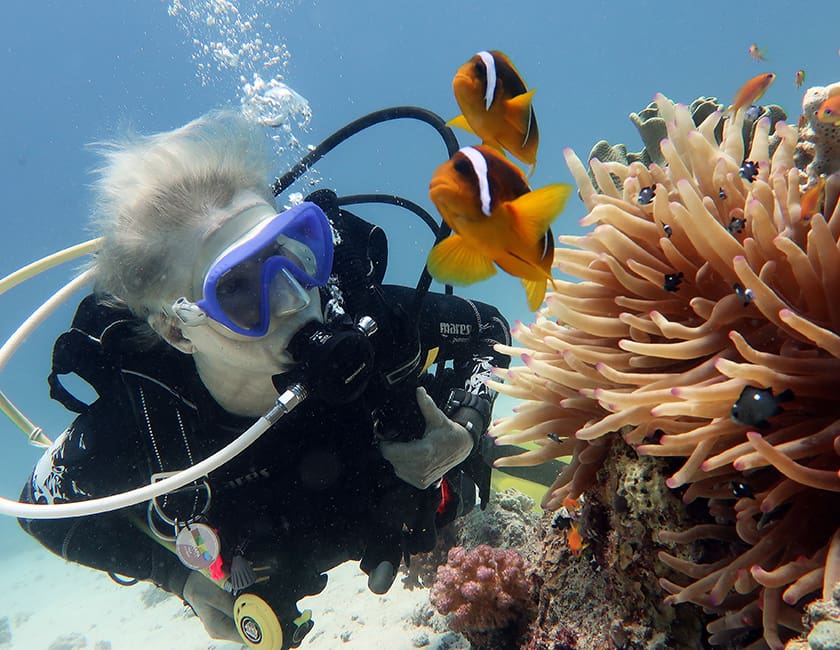
First steps to the bottom: gods didn’t immediately make perfect pots, and not all divers pet sharks at once
But I can’t swim! What if I panic? The tank is heavy! — familiar thoughts? Don’t worry. I know plenty of people who could barely stay afloat before diving and now dive like fish.
First thing to understand: diving isn’t about bravery, it’s about technique and calm. Before you see your first seahorse, you’ll have to train. The most popular systems are PADI and SSI. Both are globally recognized standards for safety and quality of instruction.
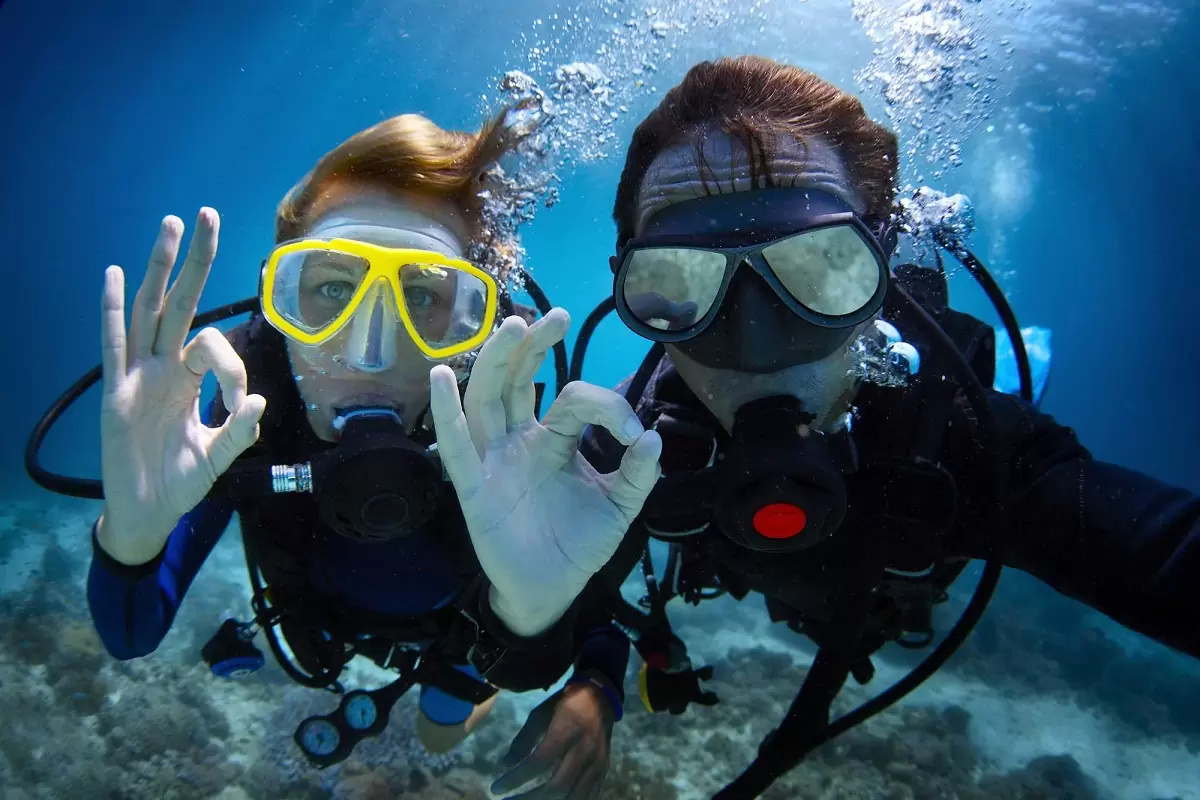
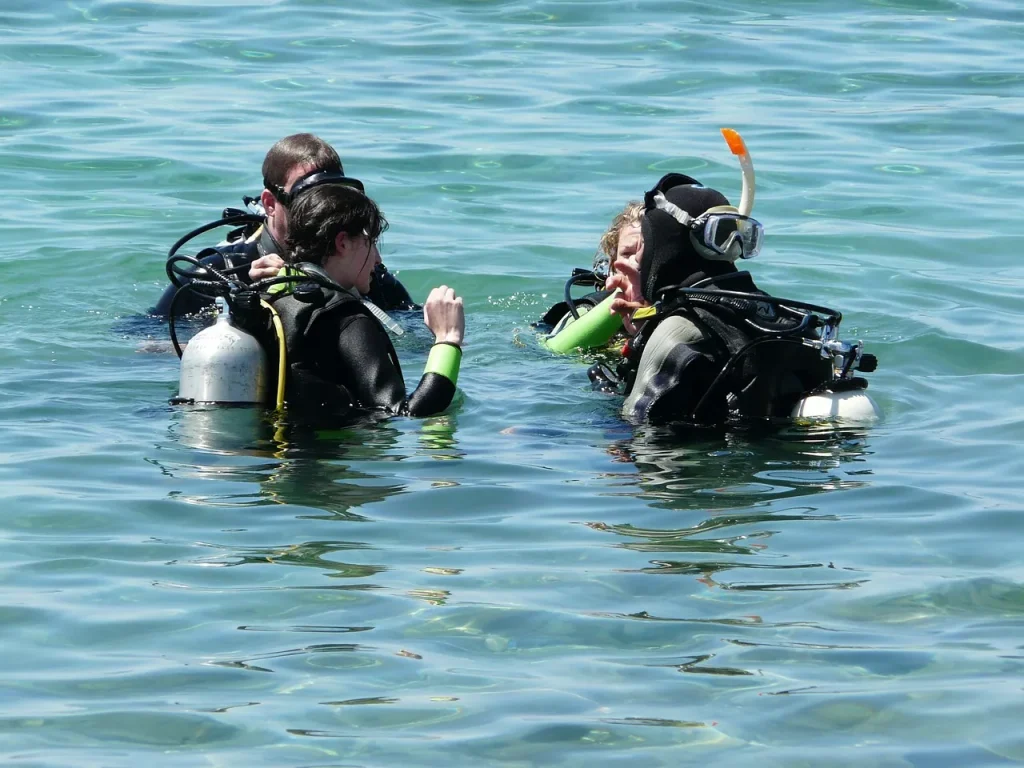
The Open Water Diver (OWD) course usually takes a few days. You’ll learn how the gear works (mask, fins, regulator, tank, buoyancy compensator — it’s less scary than it sounds), how to breathe underwater, how to clear your mask, how to equalize (balancing ear pressure — very important!), and much more. Training starts in a pool or shallow water, then moves to several open-water dives under the careful supervision of an instructor.
Believe me, if you listen carefully and don’t panic, you’ll be fine. The instructor holds your hand (well, almost), and initially you simply follow them, breathe, and enjoy. It’s not rocket science — it’s more like learning a new game.
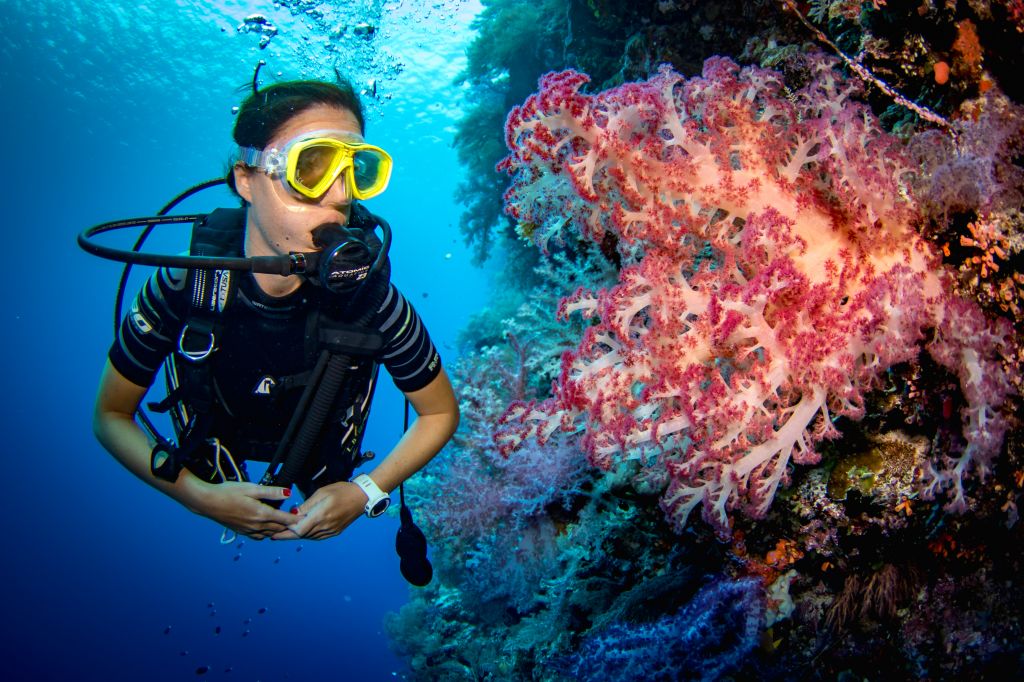
How to choose a dive center and not regret it
- Reputation: reviews, social media, transparent pricing.
- Safety: briefings before every dive, oxygen on board, insurance checks.
- Equipment: condition of regulators and BCDs, availability of computers for rent.
- Guides and languages: convenient if the instructor speaks Russian/English and explains clearly.
- Groups: smaller groups are calmer, especially during dives.
Don’t hesitate to ask questions in advance. A good center will always answer openly.
Quick start: a plan for your first (or next) trip
- Define your level and goal: training, liveaboard, “relaxing holiday with diving.”
- Choose a region based on season and budget.
- Find 2–3 dive centers and compare conditions and safety.
- Book in advance: spots on boats and yachts fill up fast.
- Check insurance, documents, and pack personal gear.
- Review the basics: underwater signals, tables/computer, emergency procedures.
- Arrive one day earlier — acclimatization and rest work wonders.
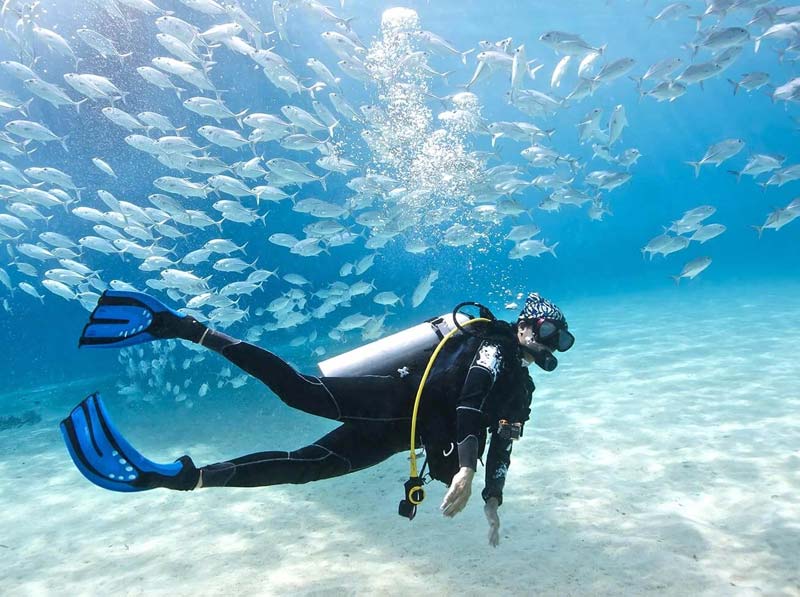
Where to dive? A treasure map for beginner (and not only) divers
Here we come to the most delicious part. The world is vast, and wherever there’s decent water, there’s diving. But some places have become true meccas for divers.
The Red Sea (Egypt)
Our “home” and favorite option. If you’ve never dived, Egypt is the perfect place for your first experience. Warm water, stunning coral reefs starting literally from the shore, abundant marine life, and very reasonable prices. You can see everything here: from tiny clownfish to turtles and even sharks (reef sharks are common). There are also many wrecks, some accessible even to beginners. The “Thistlegorm” is legendary!
- Why it’s great: clean water, stable weather, short flights from Europe, a wide choice of centers.
- Where to dive: Hurghada (easy reefs), Sharm el-Sheikh (Ras Mohammed), Dahab (Blue Hole — for experienced divers), “Brothers” (sharks, currents).
- Who it suits: from beginners to pros. Great for a first liveaboard.
The Maldives
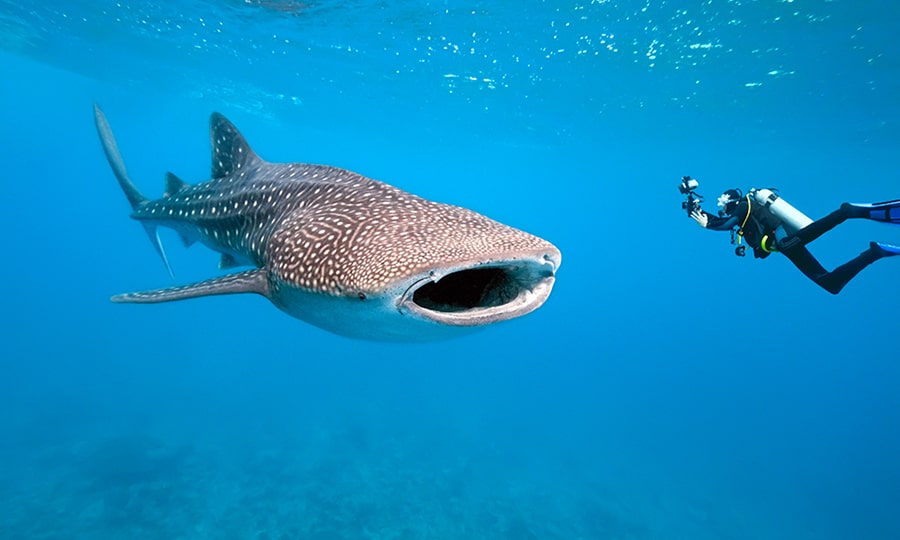
If you want luxury and guaranteed encounters with big animals. Mantas, whale sharks, nurse sharks — here they’re a way of life, not rare luck. Visibility is so good it feels like swimming in an aquarium. And of course, those turquoise lagoons and white sandy beaches. Pure paradise.
- Feature: drift dives in channels, mantas at cleaning stations, night dives with giant rays.
- Season: year-round, but currents change with monsoons — pick routes with a guide.
- Important: moderate to strong currents — better to have at least Advanced certification.
Thailand
Especially the Similan Islands or Koh Lipe. Beautiful reefs, frequent sightings of whale sharks and mantas. Plus, Thailand always means great food, massages, and affordability.
- Similan Islands: big pelagics, granite boulders, excellent visibility.
- Koh Tao: the “diving university” — many schools, gentle conditions for beginners.
Indonesia (Raja Ampat, Komodo, Bali)
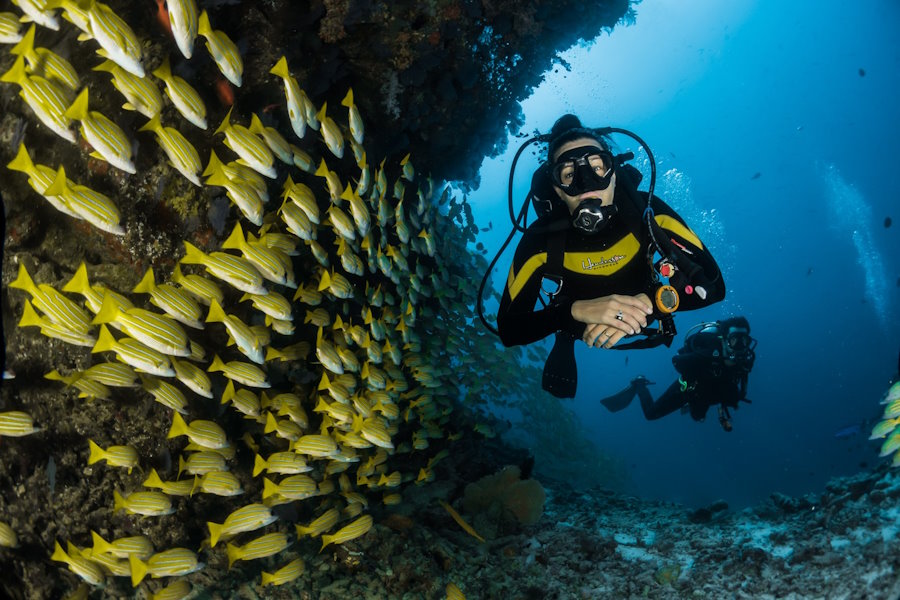
This is raw nature at its finest. Raja Ampat is the planet’s biodiversity center — more species of fish and corals than anywhere else. Getting there is harder and more expensive. Komodo features strong currents and huge mantas and grey reef sharks. Bali is more accessible, with wreck diving (e.g., USAT Liberty at Tulamben), manta points, and its unique atmosphere.
- Raja Ampat: the coral “heart” of the planet, incredible biodiversity. Macro life, reef sharks, soft corals.
- Komodo: mantas, dramatic topography, sometimes powerful currents.
- Bali (Tulamben): accessible wreck dive on USAT Liberty right from the shore, excellent macro area.
Australia (Great Barrier Reef)
How could we leave it out? This wonder of the world can be seen from space. Millions of fish, stunning corals. Sadly, parts of the reef now suffer from climate change, but it’s still a magnificent sight.
Mexico (Yucatán, Cozumel)
The Yucatán offers unique cenotes. Imagine diving in fresh, crystal-clear underground lakes lit by beams of light through holes in the cave ceiling. It feels like a scene from an Indiana Jones movie! Cozumel is famous for drift diving, where the current carries you along spectacular reef walls.
- Playa del Carmen, Tulum: cenotes — underground rivers with crystal water and a mystical atmosphere. For confident divers.
- Isla Mujeres: whale shark season — snorkeling.
- Socorro: oceanic mantas, hammerheads, wild beauty. Liveaboard only.
The Caribbean
Warm, clear water, beautiful reefs, wrecks. For example, Bonaire is a paradise for shore divers — all dive sites are marked from the shore.
Europe and nearby routes
- Cyprus (Zenobia): one of the best wreck dives in the Mediterranean.
- Malta: arches, grottos, clear water.
- Norway: cold water, whale safaris, dry suits.
- Turkey (Kaş): comfortable conditions, convenient logistics, great food between dives.
And that’s just the tip of the iceberg! Wherever you go, you’ll find a chance to dive.
More than just fish: sharks, wrecks and other adventures
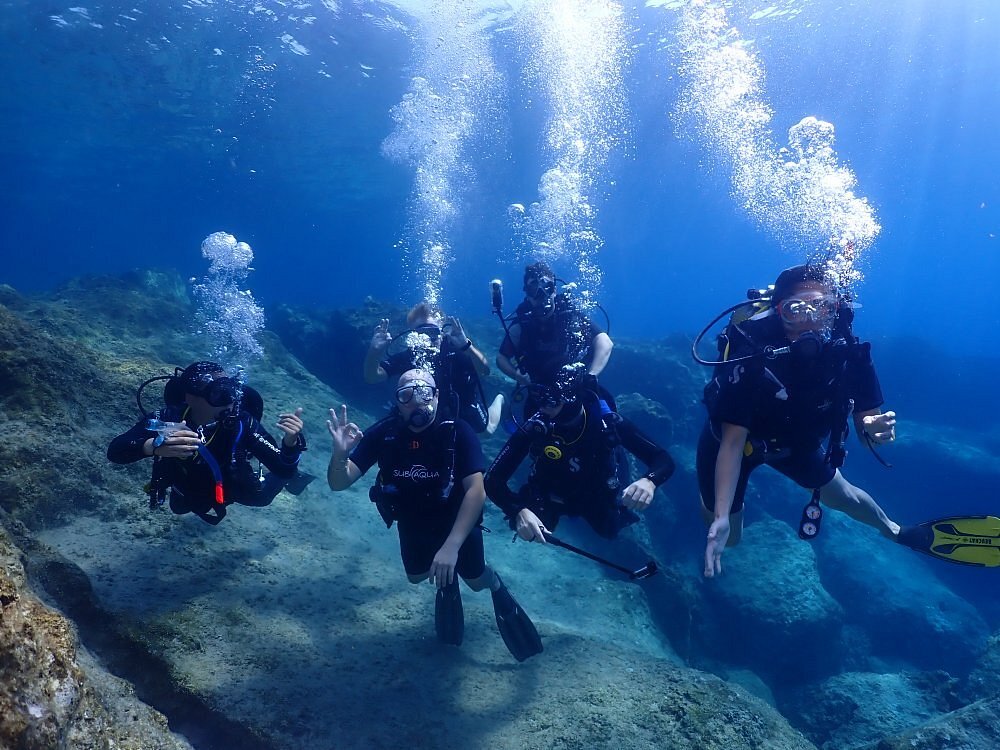
Once you’ve mastered the basics and feel more confident, diving opens up even more possibilities. It’s not just about admiring reefs.
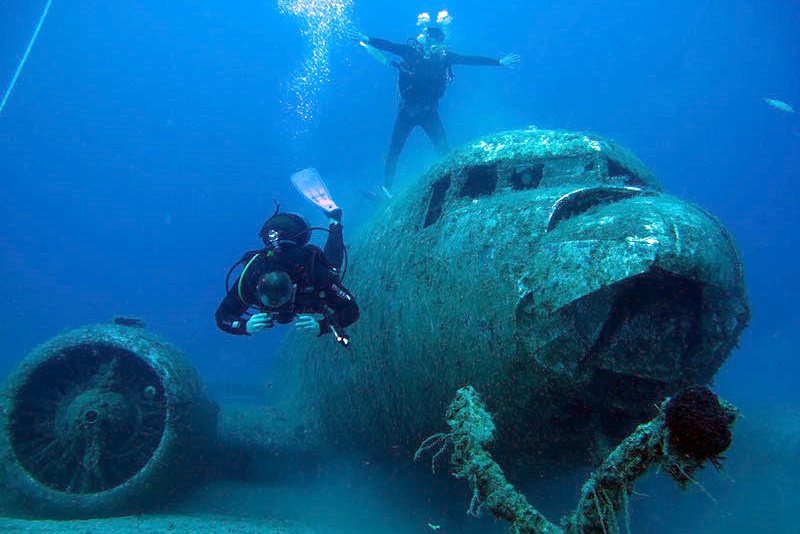
- Wreck Diving: Sunken ships, planes, even entire towns! It’s incredibly atmospheric. You feel like stepping into a time capsule, watching nature reclaim and transform man-made objects. Wrecks become artificial reefs full of life. It’s history and adventure.
- Night Diving: Now that’s pure magic! Underwater at night everything is different. Many creatures that hide by day come out to hunt. Corals open up, bioluminescence glows (tiny lights in the water that sparkle with movement — like stars). Adventure intensifies when you see only what your torch illuminates.
- Cave/Cavern Diving: For those who’ve fallen in love with water and want something extreme. Extremely beautiful, but requiring additional training and a strict safety approach.
- Drift Diving: You surrender to the current and enjoy being carried along the reef. It’s like an underwater flight!
And, of course, encounters with charismatic inhabitants: a manta gliding gracefully above you or a whale shark the size of a bus — moments you’ll remember forever. It’s not just “looking at fish”; it’s about interacting with wild nature on its own terms.
There’s one rule you must never break while diving. All divers know it: “Do not touch anything underwater.” This rule exists to protect all inhabitants of the underwater world. If everyone starts touching corals, the marine flora — and consequently the fauna — would be gone in no time.
What to bring: a no-panic checklist
- Documents: diver certification (card or digital), logbook, insurance covering diving.
- Personal gear: mask, snorkel, fins, wetsuit appropriate for water temperature, computer. Regulator and BCD — optional.
- Little things that matter:
- anti-fog for the mask;
- spare straps and mouthpiece;
- whistle and surface marker buoy (SMB);
- thin gloves, neoprene socks;
- first aid kit: plasters, seasickness remedy, antiseptic, antihistamine;
- reef-safe sunscreen.
- Gadgets: action camera with a red filter, spare batteries, mounts.
Tip: if in doubt about fit and comfort, it’s better to have your own mask and wetsuit.
Weather and seasons: when and where is best
- Egypt: year-round, peak visibility in autumn. Winter is cooler but less crowded.
- Maldives: November–April is dry with good visibility. May–October has more plankton and more active mantas.
- Indonesia: Raja Ampat — November–April, Komodo — April–November (check locally).
- Philippines: December–May is more comfortable weather-wise.
- Thailand: Similans — October–May, the park is closed the rest of the time.
- Caribbean/Mexico: November–March is milder; hurricane season is late summer.
Always check local reports before traveling — conditions change.
How much it costs: realistic guides
- Day trips: from €70–120 for 2 dives, excluding rental.
- Equipment rental: €20–40 per day.
- OWD courses: €300–500 depending on region.
- Liveaboard: €1200–3000 per week, plus flights and tips.
- Action camera: not necessary, but nice to have for memories.
Lifehack: watch for packages from centers — often rental and gases are included when booking a block.
Why diving is more than a hobby — it’s a whole philosophy of life
Think I’m exaggerating? Not at all. Diving changes not only your passport stamps but sometimes your worldview.
- Total relaxation and zen: Underwater you completely disconnect from the hustle. No one will call or write. You focus only on your breathing and the surrounding world. It’s a true digital detox and meditation.
- Respect for nature: When you see this beauty with your own eyes, you start to value it much more. You realize how fragile this world is and how important it is to protect it. Divers often become activists and ocean guardians.
- Overcoming yourself: Many fear water, confined spaces, or darkness. Diving helps conquer those fears. Each dive is a small victory and a step toward greater confidence.
- New friends: Diving is always about community. You dive with a buddy, meet like-minded people on dive boats and at centers. These are people with an immediate common topic and shared adventures. It’s great!
- Travel and discovery: Diving makes you go to corners of the planet you might never have considered. You discover not only underwater worlds but new cultures and horizons.
Remember the main thing: Safety is everything!
Finally, an important point. Diving is not mindless fun. It’s an activity that requires preparation and adherence to safety rules.
- Training: Don’t skimp on a good instructor and a certified course. Your life literally depends on their hands and your knowledge.
- Listen to the instructor: Always. No questions.
- Don’t panic: If something goes wrong, follow procedures and stay calm.
- Check equipment: Always ensure everything is functioning properly.
- Never dive alone: Always with a buddy.
- Don’t exceed limits: Depth, no-decompression times — these aren’t jokes.
Follow these simple rules to get maximum pleasure and minimal risk.
Conclusion: Try it once and you won’t stop
Diving is not just a hobby. It’s a passion, a lifestyle, a window into a completely different world that most people don’t even know exists. It’s a chance to feel like an explorer, a pioneer, part of something much bigger than yourself.
If the call of the deep resonates even a little in your soul, don’t hesitate. Find the nearest dive center, do a try-dive, then take the full course. I guarantee: after your first breath underwater you’ll understand what I mean. The land won’t hold you as tightly anymore. It will be one of the best discoveries of your life. The underwater world is waiting!