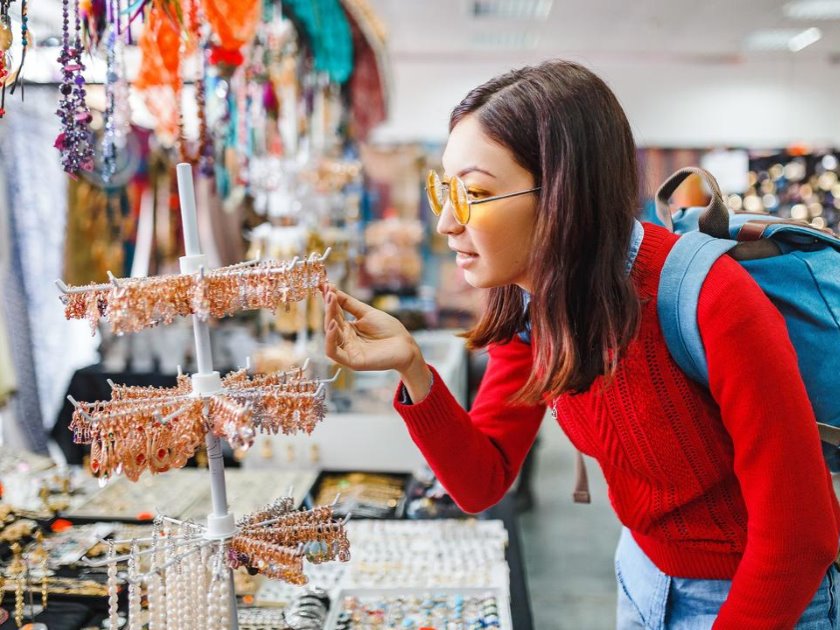
Hello, fellow travelers! So, confess—who among us hasn’t felt that sweet anticipation when packing a suitcase for a new adventure? We dream of new experiences, delicious food, breathtaking views… and, of course, souvenirs! A souvenir isn’t just a trinket; it’s a little anchor that helps us, on long winter evenings, dive back into memories of that trip. It’s a piece of atmosphere, a fragment of a place’s soul that we bring home.
But here’s the catch: wherever there are tourists eager to bring something “special” home, there will always be those who want to cash in on that desire… let’s say, quite handsomely. And not always by honest means. Buying souvenirs can sometimes turn into a detective story where you need to be Sherlock Holmes, Hercule Poirot, and a bit of Ostap Bender all at once. The goal? To bring home a cool, authentic item—not a pathetic fake, a dust collector, or worse, the feeling that you were “taken for a fool.”
Today let’s talk frankly, like friends, without fancy jargon, about how not to get cheated in the fascinating world of souvenir shops, eastern bazaars, and persistent sellers.
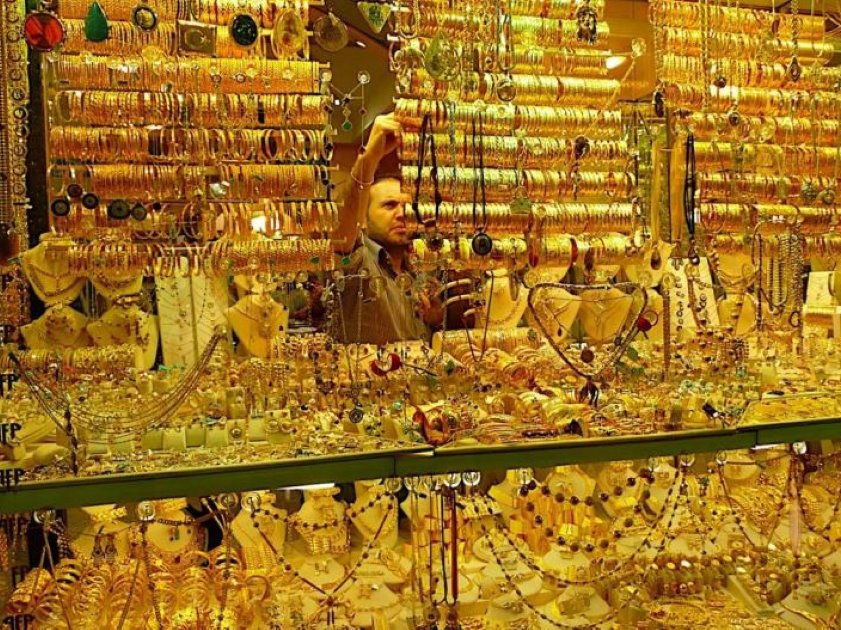
“Helpers” from nowhere: friendship is friendship, but tobacco is separate
Imagine walking through an unfamiliar city, admiring the architecture, when a friendly, smiling local approaches you. “Hello! Do you need help? You look a bit lost,” or “Oh, you have such an interesting camera—I can show you the best photo spots!” The tourist’s heart melts: what a kind person! Real local hospitality, right?
But wait. Behind that showy friendliness there’s often a clear motive. Such a “helper” is 99% likely to lead you not to the best or the cheapest souvenir shop, but to a place where they have an agreement to get a cut of the sales. Do you really think they’re spending their time on you for free? Sadly, such selfless angels are rare on tourist trails.
What to do? Smile, politely thank them, and firmly say: “Thanks, I’ll manage” or “I’m fine.” Don’t fall for charm and persistence. Your “no” is your right not to pay extra for an unnecessary middleman. Remember: a genuinely helpful local usually doesn’t impose—they simply answer your questions if you ask.
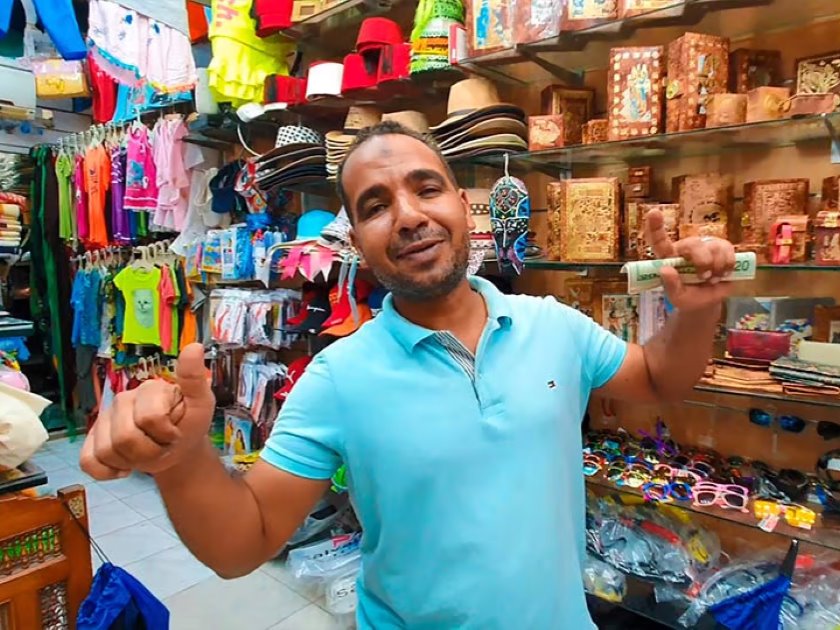
Free cheese: a trap for the inattentive
Here’s another classic scenario. You enter a shop and are offered “free” tea, invited to try on jewelry, smell the spices, or even given a small “gift.” Sounds great, right? Who would refuse a freebie, especially on vacation?
But now you’re sitting, drinking tea, chatting, feeling almost at home. Then comes the “casual” product showcase, stories about uniqueness, discounts “just for you because you’re such nice people.” Subconsciously you start to feel obliged. After all, they gave you something for free! How can you now leave without buying? That would be rude!
Sellers play on that guilt and discomfort. You feel “awkward” refusing, and you buy something completely unnecessary, overpriced, or both.
What to do? Smile, thank them, but stay alert. If something is offered “for free,” keep in mind that it may be followed by a pushy sales attempt. Don’t hesitate to leave if you feel pressured. Your financial well-being is more important than someone’s imagined offense. And remember the old proverb about free cheese.
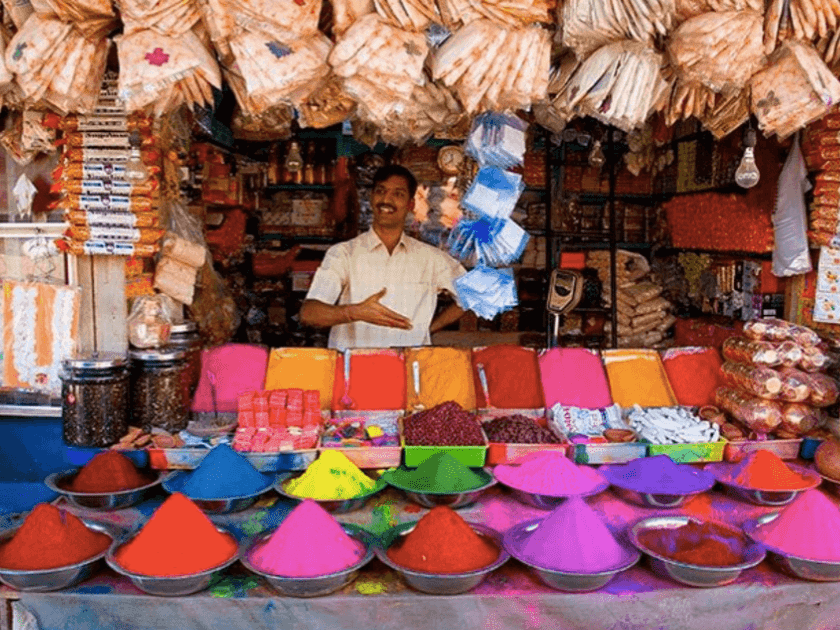
Isn’t it a bit pricey? The art of pricing
So you’ve found that perfect plate/magnet/scarf. The seller names a price. Many tourists freeze. “Should I haggle? How? How much should I drop it by? What if I offend them?”
Friends, in some cultures (especially on eastern bazaars, in parts of Asia, Africa, and Latin America) bargaining isn’t just about saving money. It’s part of the cultural experience, a kind of game or ritual that sellers expect! If you don’t haggle, you deprive them of the pleasure and, worse, you overpay by multiples.
For example, in Turkey or Egypt, if you buy something at the first price offered, the seller may genuinely wonder why you didn’t even try. The initial price often includes a margin intended for bargaining.
What to do?
- Reconnaissance: Don’t buy the first thing you like. Walk around several shops and compare prices. Ask the price of the same item in different places to get a sense of the real cost.
- Start low: Was a price quoted? Boldly offer half, or even a third of it! Yes, it may seem cheeky, but it’s part of the game. You can always raise your offer.
- Play a role: Smile, joke, say it’s “too expensive,” “my wallet is crying,” or “I’d rather buy food for that.” Let the seller “haggle” with you. Sometimes pretending to leave works—you’ll often be offered a better price.
- Be persistent but polite: No need to shout or be rude. Respect for local culture and customs always pays off.
- Know your limit: Decide your maximum price in advance. If the seller won’t come down to it, just walk away. You might find the same thing cheaper in the next shop.
Remember, 50 cents for locals can sometimes equal the cost of a day’s meal, while for you it’s pocket change. But if every tourist overpays, prices go up for everyone.
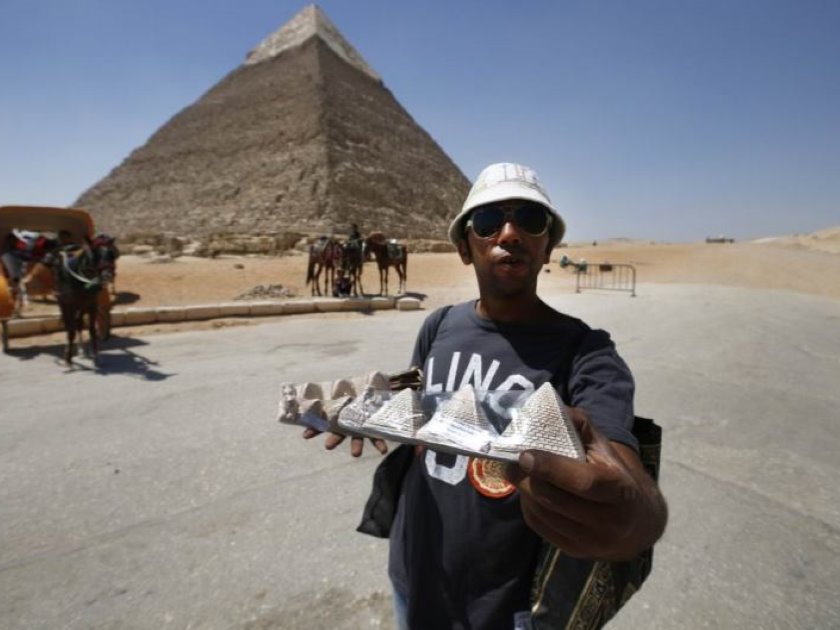
Keep your ears open: quality matters!
Oh, those stories about bringing home a “real silk shawl” from India that, after the first wash, turns into a shapeless polyester rag. Or “silver earrings” from Thailand that turn green within a week. Familiar?
In pursuit of cheapness or a “unique deal” we often forget the most important thing—quality. Tourist areas are full of counterfeits and low-quality goods passed off as authentic or valuable.
What to do?
- Inspect closely: Examine the item from all angles. Are there loose threads? Are the seams straight? Is the paint chipping? Any chips or cracks? If it’s fabric—feel it. Distinguishing natural silk from synthetic is fairly easy by touch (silk is smooth, slightly cool, and wrinkles “gracefully” without stiff creases).
- Smell matters: Don’t be shy to sniff. If it smells of harsh chemicals, cheap glue, or something unpleasant, pass it by.
- Ask about composition: For clothing or textiles, ask what it’s made of. Sellers can lie, but sometimes you’ll get an honest answer.
- Check markings: Jewelry should have a hallmark; branded items should have proper labels.
- Quick tests: If you doubt silver, rub it on fabric—if it leaves a dark streak, it’s likely real silver. For amber, rub it on wool: it should become electrically charged and attract small bits of paper.
Your souvenir is a memory. Let it be pleasant and long-lasting, not a disappointment when unpacked at home.
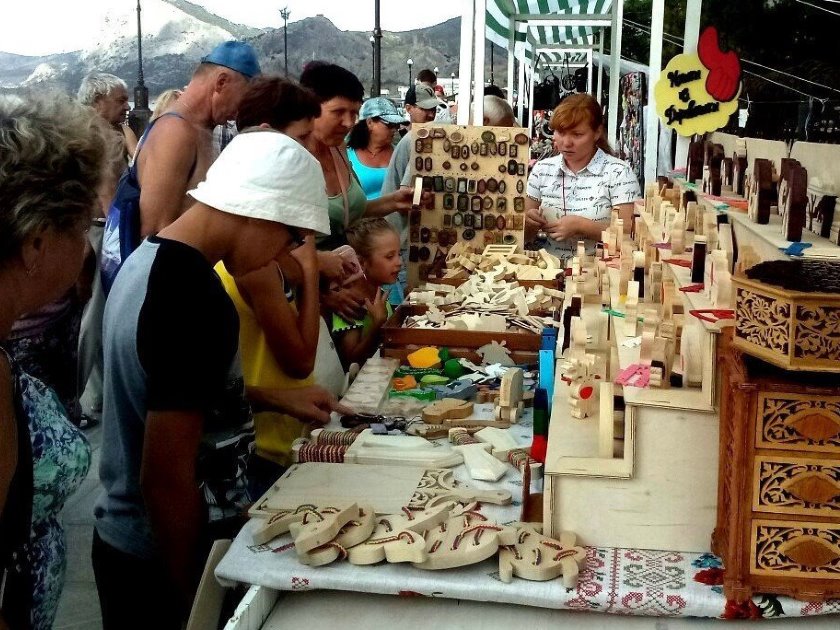
A souvenir with a “scent”: high-value purchases
Imagine walking somewhere in Asia and being offered a brand-new flagship smartphone for a ridiculously low price. Or “original” brand-name watches at the price of a bottle of water. Or an “antique” vase that looks worth a million and costs… well, almost a million, but with a discount.
Turn on maximum caution here! Buying expensive electronics, antiques, or jewelry in dubious places is a direct route to headaches.
What to do?
- Buy expensive tech in reputable stores: Forget markets and small stalls for smartphones, tablets, or cameras. If you really want electronics abroad, go to official large retailers with receipts and warranties. Be prepared for regional warranty issues and compatibility for your country.
- Antiques—only for experts: If you’re not a professional antiquities expert or art historian, don’t risk buying “ancient” items. The chance of getting a fake is 99.9%. Stick to new items made in antique style.
- Jewelry: Buy from reputable stores that provide authenticity certificates and receipts. Check hallmarks and stones (if any) very carefully.
Remember: a too-low price for a high-value item is almost always a sign of fraud, not luck.
Children are the flowers of life? Not in trade
Your heart aches when you see a small child trying to sell a trinket, asking for money or sweets. You want to help, right? Buy from them, give cash.
But unfortunately, in most cases, buying from children doesn’t help them so much as it supports a system where children are exploited for earnings, deprived of childhood and schooling. The money rarely reaches the child; it usually ends up in the pockets of unscrupulous adults who exploit child labor.
What to do? Better not to buy anything from children. If you really want to help, find local charities that support children and donate to them. That’s far more effective and ethical. Buying from a child, even if it seems small, doesn’t solve their problem and only prolongs it.

Your main adviser: common sense and intuition
And finally, the most important rule that works everywhere and always: trust your intuition and use common sense. If something seems too good to be true, it probably is. If you feel uncomfortable, a seller is too pushy, or the vibe feels off—just walk away.
Your vacation is your money, your nerves, and your memories. Don’t let anyone ruin them. Don’t be afraid to appear “rude” or “stingy.” You’re a tourist, not an ATM on legs.
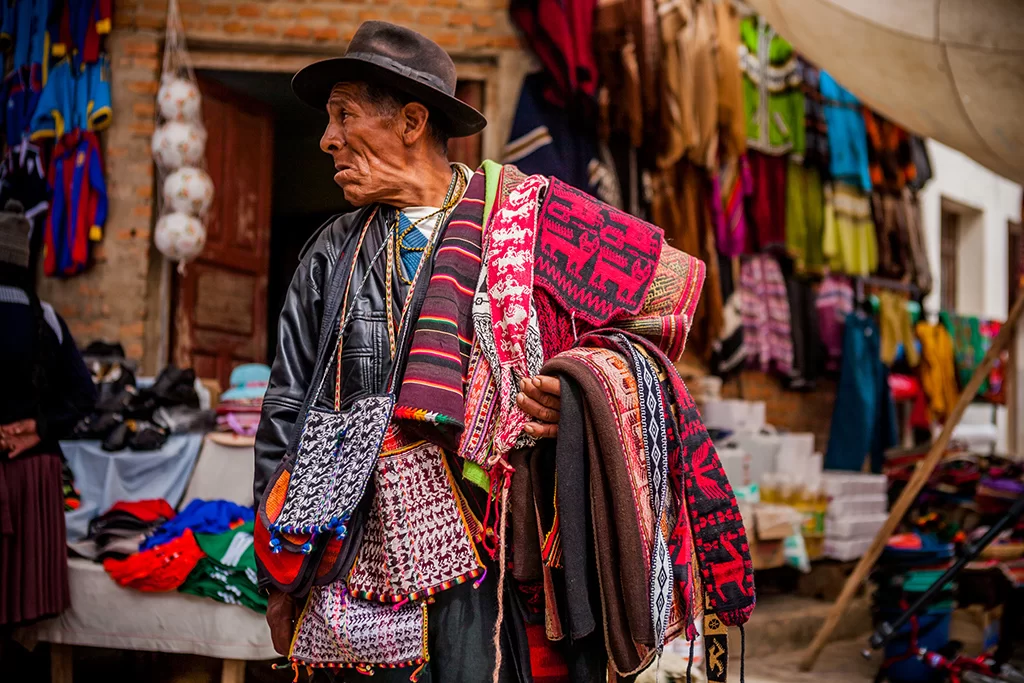
And most importantly: enjoy the process!
Don’t turn souvenir shopping into an endless struggle and paranoia. Yes, be cautious, but don’t forget to enjoy the process! Interacting with locals, even through the lens of commerce, can be very interesting. Smile, learn about the culture, take photos, and simply savor being here and now.
Sometimes, even if you overpaid a little for a trinket but got great emotions from chatting with the seller, learned a few words in the local language, and took away a funny story—that itself is an invaluable souvenir.
May your suitcases be full not only of beautiful, high-quality souvenirs but also bright, joyful memories—not the bitter taste of disappointment! Good luck on your treasure hunt!