Hello! Tired of the city hustle, the endless stream of news and the feeling that the world around you has become too loud and fast? Want to just exhale, turn off your phone and feel something alive under your feet instead of asphalt? If so, welcome to the world of ecotourism! And not just any ecotourism – but our Ukrainian version, which today has taken on entirely new meanings and shades.
Forget boring lectures and pretentious reserves you can only enter with permits. We’ll talk about something else — how our nature embraces, heals, and inspires, even when it feels like you have no strength left. How it became not just a trendy word, but a real outlet and almost a national therapy.
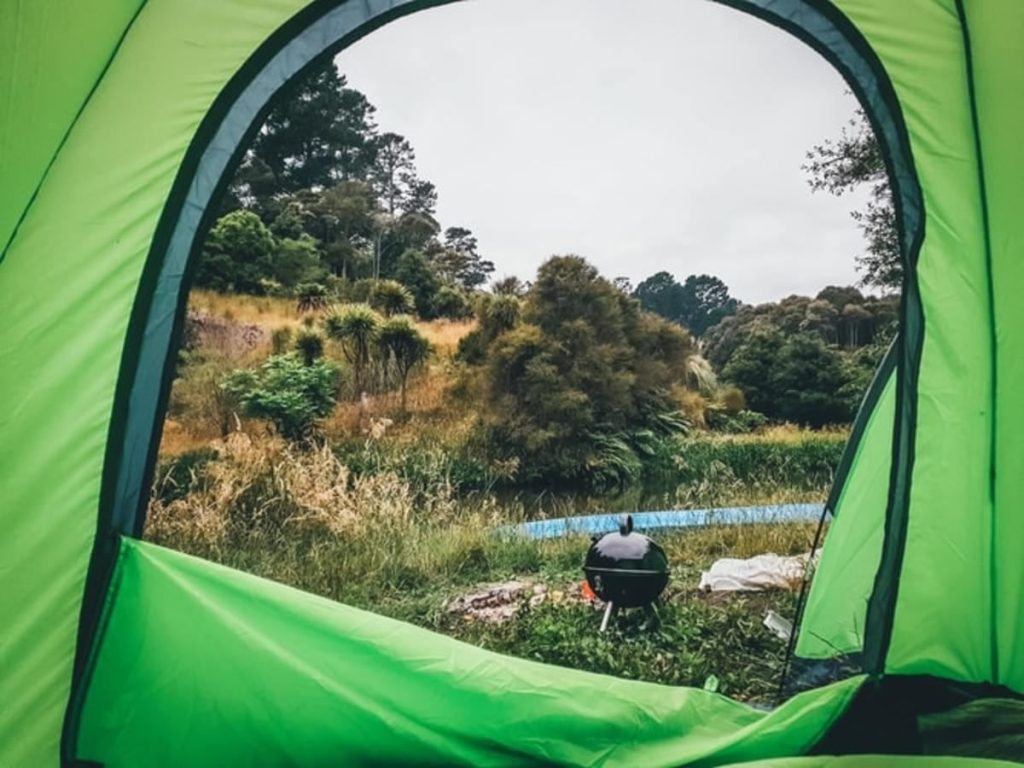
What kind of beast is this — ecotourism? (And why it doesn’t bite)
Let’s keep it simple. Ecotourism is not about going into the forest to chop wood and grill shashlik (though sometimes that’s okay if done properly). It’s about traveling in a way that minimizes harm to nature and maximizes what you take from it — impressions, peace, new knowledge. And at the same time, helping local people.
Imagine: you’re not just walking a trail, you feel every leaf and hear every rustle. You’re not just looking at a river, you understand how alive it is, what path it traveled, and how many stories it holds. Ecotourism is when you become part of the landscape, not just its spectator. It’s about mindfulness, respect for the place you’ve come to. And, of course, about taking away only photos and memories, leaving behind only footprints (and only if nature allows).
The main principles are simple:
- Do no harm: Leave the place as you found it (or even a bit cleaner).
- Support locals: Buy their souvenirs, eat at their cafés, stay in their homesteads. That way money stays in the region and people see the benefit of preserving nature.
- Learn and be amazed: Discover new things about the flora and fauna, the culture and traditions of the place.
- Feel: Absorb the atmosphere, breathe deeply, let go of city dust.
This isn’t for everyone, of course. If you love all-inclusive resorts on the Turkish coast, camping in the mountains may be challenging. But if you’re ready for adventure and to step out of your comfort zone for genuine emotions — welcome to the club!
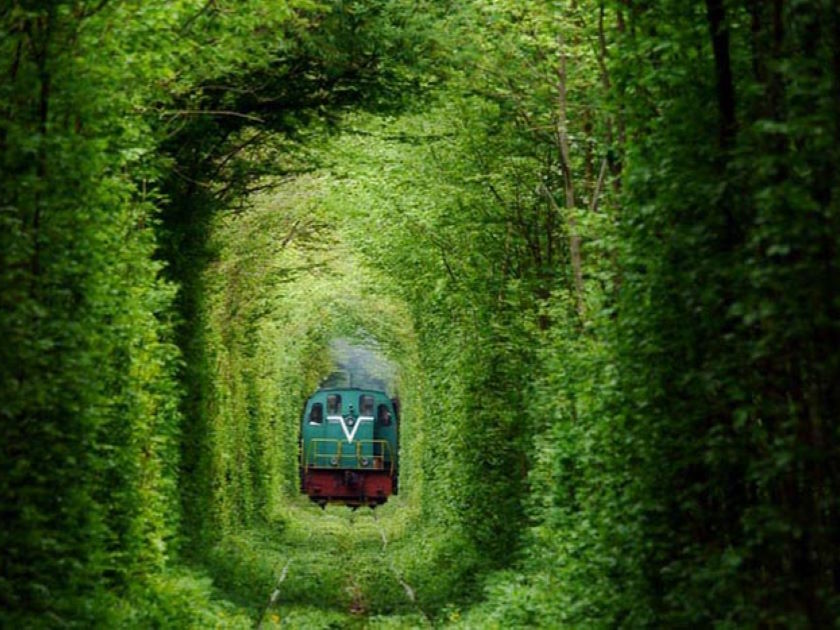
Why is Ukraine about ecotourism? Our green lungs and blue veins
Ukraine, my friends, is a treasure trove for nature lovers! We often underestimate the wealth that’s right beside us. The Carpathians are, of course, the first thing that comes to mind when we talk about mountains and forests. But that’s far from all!
Imagine:
- The Carpathians: Mountains that breathe legends. Beech forests hundreds of years old. Crystal mountain rivers and waterfalls that sing their eternal songs. You can hike here, pick mushrooms and berries, raft the Cheremosh River, cycle, and get to know the local Hutsul culture, which remains alive and distinctive. And unbelievable summit views that make you feel like the whole world is at your feet.
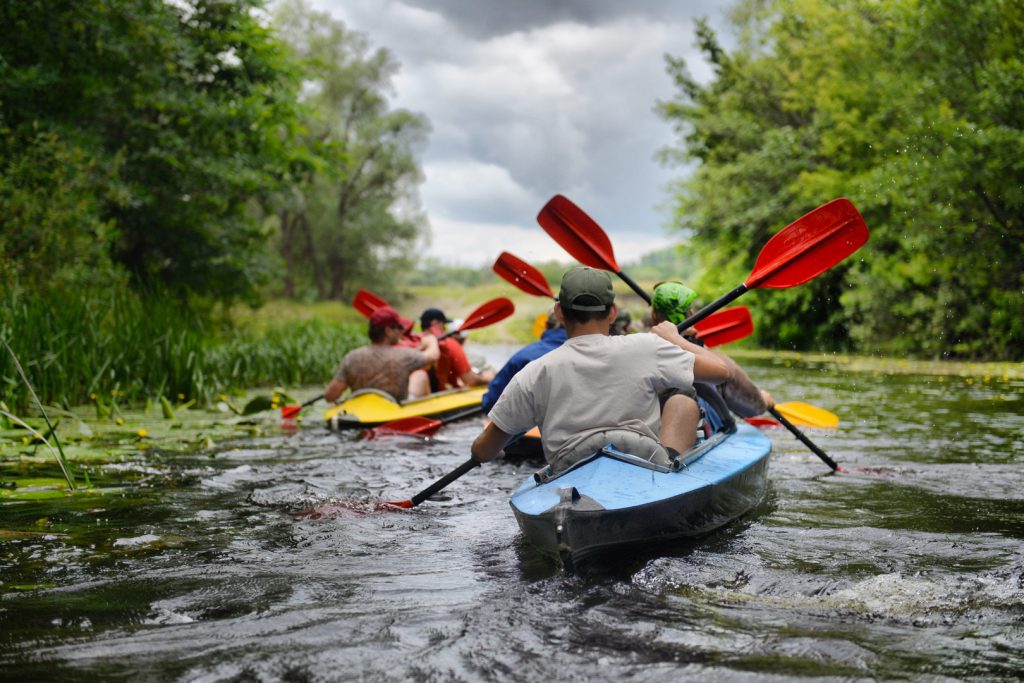
- Polissya: This is our Ukrainian northern character. Mysterious bogs, pine woods, lakes hidden among trees. Here the beauty is quieter and more meditative. You can take a kayaking tour on the rivers, watch birds, and look for wild animals. Polissya is about silence, air you can drink, and the sense you’ve stepped into a fairy-tale, untouched corner.
- Dniester Canyon: One of Ukraine’s most picturesque spots, often called a “natural wonder.” The Dniester River winds like a snake between high rocky banks, forming amazing loops. You can raft on catamarans, stop at wild beaches, explore caves, and simply enjoy the grandeur of nature.
- Steppe and the Azov coast: Surprisingly, the steppe can attract ecotourists. The Askania-Nova reserve (though currently inaccessible, we still remember it!) was like a piece of Africa in the middle of Ukraine. In general, the steppe with feather grass plains, windmills, and sunsets that paint the sky in unreal colors has its own magic. And wild beaches on the Azov Sea coast, which are still reachable, are about freedom and space.
- National parks and reserves: We have dozens of them! Shatsk National Natural Park with its crystal-clear lakes, Podilski Tovtry National Park with unique limestone ridges, Kinburn Spit where sea meets liman, and many more. Each place has its own story, its own world waiting to be discovered with respect and love.
We Ukrainians are closely connected to nature. For many of us, going into nature is not just leisure but a way to recharge and feel truly alive. And that’s especially important today.
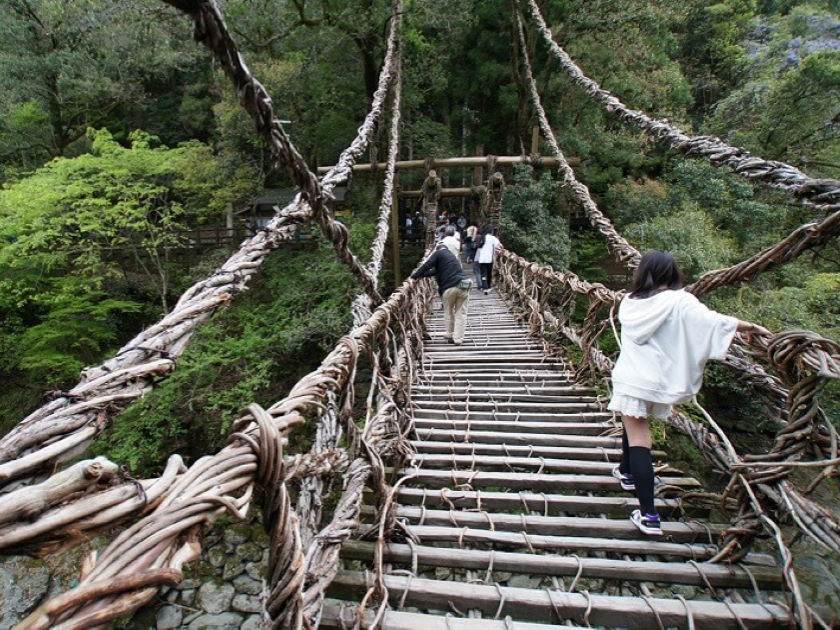
Not just walking, but THINKING: the philosophy of eco-rest Ukrainian-style
Ukrainian ecotourism is not only about beautiful landscapes. It’s also a deep story about our identity and love for our native land. Our nature is our resource, our memory, our pride.
Ecotourism teaches us to be observant. To notice the little things you’d never pay attention to in the city: how a spider weaves its web, how leaves change color in the wind, how a bumblebee buzzes. It teaches you to be here and now. Turn off your phone, turn on yourself.
And it’s about respect. Respect for those who lived here before us, for those who protect these lands now, and for those who will live here after us. It’s understanding that the world doesn’t revolve around humans; humans are only part of a large, fragile, yet resilient world. When you realize there are so few places left untouched by human hands, the value of these “green” corners multiplies many times over.
Present realities: nature as therapy and our shield
Here we come to the most important point. Today Ukraine is going through possibly the most difficult time in its history. Full-scale war, destruction, pain, uncertainty — all this has become our daily reality. And amid this storm, nature for many has become not just a place of rest, but a true refuge, a psychologist, a quiet harbor.
Imagine: sirens all around, news, anxiety. Then you break away for a day or two to a relatively safe corner of the Carpathians or Polissya. There, among the trees, by a river, under a starry sky, you suddenly feel tension release. The air seems cleaner, the water more alive, and the silence deafening and blessed.
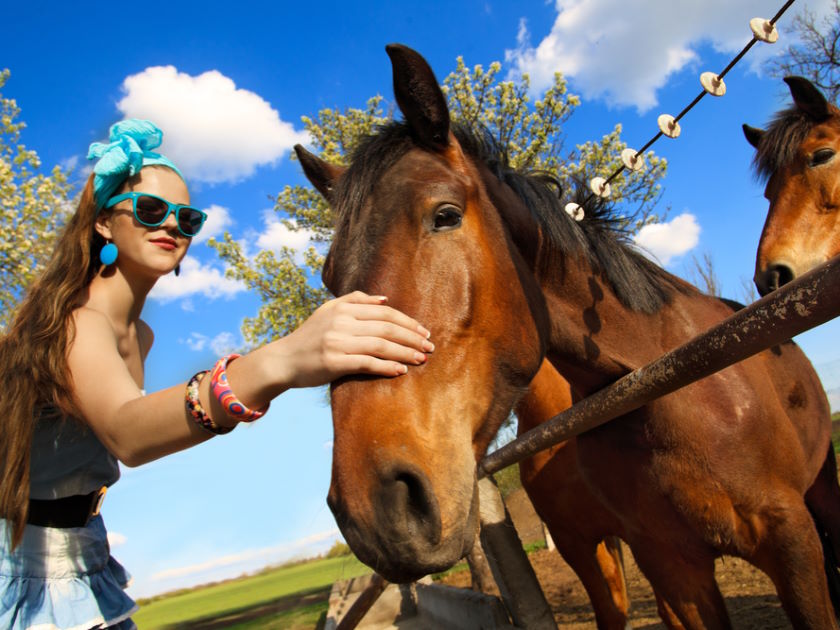
Nature as healer
For many who experienced occupation, evacuation, or the loss of a home or loved ones, nature became a way to heal the wounds of the soul. Simple time outdoors, physical activity (a hike, swimming), and contemplating beauty all work as powerful therapy. It doesn’t erase pain but helps cope with it and find inner support.
Domestic tourism on the rise
Many who used to fly to foreign resorts have discovered Ukraine. And that’s wonderful! Now they not only see how beautiful our country is but also support local businesses that are surviving in these hard times. In safe regions (primarily in the west), ecotourism is experiencing a real boom.
Safety first
Of course, planning travel today requires extra caution. Many territories are mined, some reserves are in combat zones or under occupation (like Askania-Nova, Kinburn Spit, reserves in the east and south). So it’s extremely important to:
- Choose verified routes and regions: Only those officially considered safe.
- Follow recommendations of local authorities and guides: Don’t leave the trails, don’t try to reach “wild” places unless you’re sure they’re safe.
- Take curfew and air-raid alerts into account: This is our new norm.
Ecotourism in today’s Ukraine is also about incredible resilience. People who continue to develop glamping sites, guest houses, run tours, make cheese or collect honey — these are our home-front heroes. They’re not just working; they believe in the future and preserve the living heart of Ukraine.
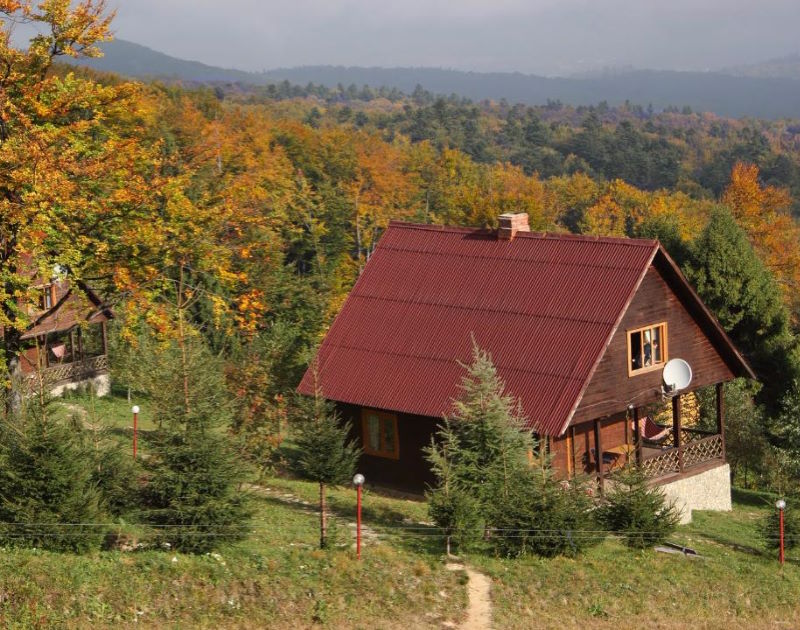
What are the “buts”? And how are we dealing with them (or trying to)
Of course, not everything is rosy. We have our own “pitfalls,” especially now:
- Infrastructure: Yes, roads are a perennial issue. Comfortable accommodations aren’t available everywhere, especially for city dwellers. But on the other hand, that’s part of the adventure! Many locals are working to develop their homesteads and offer increasingly better service.
- Awareness: Not everyone yet understands what ecotourism is. Some still think “nature will heal itself” after trash is left behind. Continuous educational work is needed here.
- Safety concerns: As mentioned, this is the main “but” today. Widespread contamination by explosive devices and ecosystem destruction from combat are enormous challenges. Many unique natural sites are currently inaccessible or destroyed. But we believe everything will be restored.
- Funding: Developing ecotourism requires investment — in infrastructure, training locals, promotion. In wartime this is harder, but enthusiasm and international support help.
But you know what? Ukrainians are inventive and resilient. We learn to cope. Volunteer movements for cleaning territories are growing, new routes are created in relatively safe regions, local communities unite. And every tourist who comes to the Ukrainian countryside and spends money there contributes to our common victory and recovery.
Instead of conclusions: the green Ukraine of tomorrow
Ecotourism in Ukraine is not just a promising direction. It’s part of our identity, a way to recharge, find strength, and feel connected to something greater and eternal. Today it is also a means of healing, support, and demonstrating our resilience.
When it’s all over (and it will happen), Ukraine will become a magnet for tourists from around the world. Ecotourism will play a huge role in that. We will show the world not only our strength of spirit but also our incredible, unspoiled beauty.
So if you haven’t tried it yet, give yourself a chance. Go on a short hike, spend a weekend at a rural homestead, or just walk through a forest or along a riverbank. Feel the whisper of the forest, the rustle of the grass, listen to the birds. This is not just rest. This is our nature whispering its ancient secrets, healing wounds, and waiting for us to embrace it in return.
Come. Discover. And do it mindfully and with love. Nature is our therapist, our teacher, and our future. And it will surely await its peaceful dawn.