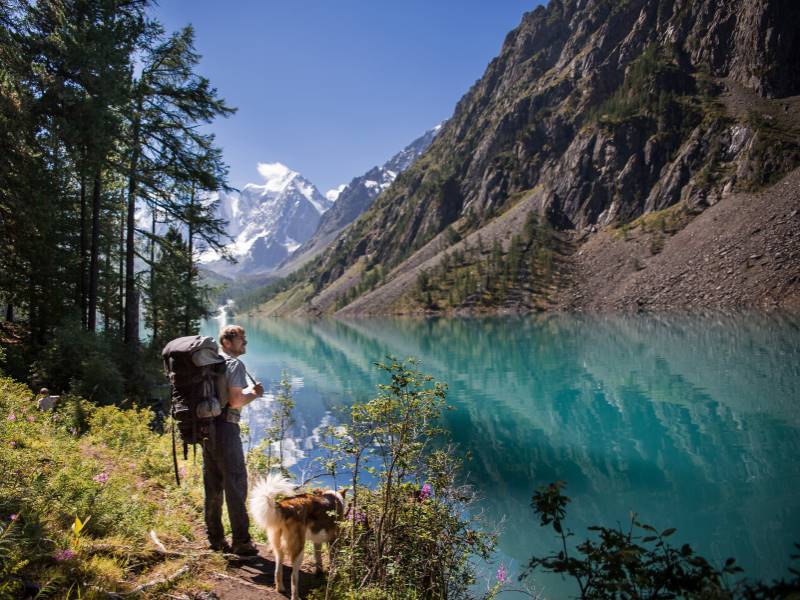
Hey there, fellow globetrotters and horizon-chasers! Let’s be honest: a decade or so ago, the word “ecotourism” probably conjured up images of rugged, bearded folks lugging massive backpacks, sleeping in damp tents, eating canned beans by a fire, and heroically battling swarms of mosquitoes. It sounded more like a survival test than a vacation you’d actually want to spend your hard-earned money on. But times change, and today, ecotourism isn’t about suffering and deprivation. It’s about mindfulness, incredible comfort, stylish design, and, most importantly, a deep-seated love for our planet.
The world has been turned upside down (especially after a pandemic that forced us to rethink literally everything), and these days, lounging like a seal on a sunbed at a massive all-inclusive resort somewhere on the coast is, well, a bit of a faux pas. People want more. We want emotions, we want to feel a connection with nature, and yet, we no longer want to leave behind mountains of plastic waste and scorched earth. Let’s dive into what real ecotourism looks like today, which trends are ruling the roost in Europe and beyond, and why your next vacation simply has to be “green.”
Glamping: Where the Wild Meets Five-Star Comfort
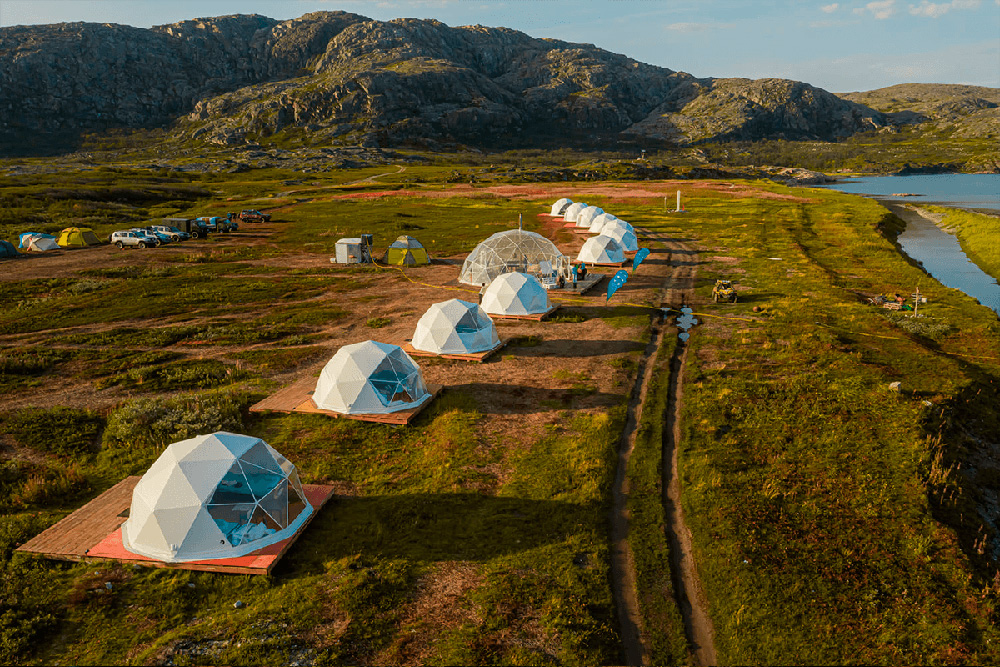
If you still don’t know what glamping (glamorous camping) is, you’re seriously missing out. This has been the absolute hit of recent years, shattering every stereotype in the book. Imagine this: you wake up in a dense forest somewhere in Norway or on the slopes of the majestic Swiss Alps. You open your eyes to a panoramic window overlooking a fjord or snow-capped peaks. Yet, you’re lying on a king-size bed with an orthopedic mattress, the room is cozy thanks to heated floors, and fluffy towels and organic toiletries await you in the bathroom.
Glamping sites are built from eco-friendly materials, powered by solar panels, use rainwater harvesting, and involve minimal interference with the surrounding landscape. In essence, you’re literally living in the woods, but with the amenities of a luxury hotel. In Iceland, for example, you can rent a transparent “bubble hotel” and spend the night watching the Northern Lights right from your warm bed. Cool? You bet. It’s the perfect compromise for those who love nature but aren’t ready to part with a hot shower and their morning almond milk cappuccino.
Voluntourism: A Vacation the Planet Will Thank You For
It might sound a bit like a cult, but “voluntourism” (volunteering + tourism) is actually a fantastic thing. The gist is that you travel to another country not just to gawk at the sights, but to do something meaningful. And trust me, it recharges your batteries better than any spa resort.
Take Costa Rica, for instance. This country is a global leader in ecotourism (nearly 100% of its energy comes from renewable sources!). Thousands of people, young and old, flock there to patrol beaches at dawn and save newborn sea turtles from predators and poachers. And after lunch, those same people go surfing, sip fresh coconut water, and dance the salsa.
Or look at Europe. In Spain and France, programs for restoring ancient hiking trails or helping out on organic farms are incredibly popular. You arrive, work a couple of hours a day in the fresh air surrounded by vineyards, and in return, you get free accommodation, home-cooked farm food, and total immersion in the local culture. It’s the ultimate way to make friends from all over the world and feel like your vacation actually mattered.
Slow Travel and the Flight Boycott
Have you heard of the Swedish term “flygskam”? It translates to “flight shame.” Yes, in Europe right now, there’s a genuine stigma attached to flying too often due to its massive carbon footprint. In response, the Slow Travel trend was born.
The essence of Slow Travel is to stop chasing country counts (“10 Capitals in 5 Days”) and start enjoying the journey itself. People are switching to trains en masse. Europe’s rail networks are currently enjoying a true renaissance: new night trains with sleek sleeper cars are launching, connecting Berlin, Paris, Vienna, and Rome. You board the train in the evening with a glass of wine, watch the changing landscapes through the window, sleep, and wake up right in the heart of a new city. No exhausting airport security, no queues, and zero stress.
Slow Travel is also about settling down in a single town in Tuscany for a couple of weeks, visiting the local market, chatting with the baker, drinking coffee in the same piazza every day, and simply living like a local—all without polluting the atmosphere with constant transit.

Zero Waste Hotels and Carbon Neutrality
In the past, an “eco-hotel” was often just a place with a sign saying “please reuse your towel to save the planet” (which was usually just a way to save on laundry costs). Today, things have gotten serious. Modern travelers have become incredibly demanding. We want to know: where does the trash go? How is the energy produced?
As a result, Zero Waste hotels are popping up worldwide. In these places, you won’t find single-use plastic shampoo bottles—only large dispensers. You won’t be given a plastic straw for your cocktail; it’ll be bamboo or metal. The food in the restaurant is prepared using local ingredients (the farm-to-table concept) to avoid burning fuel delivering tomatoes from the other side of the world.
In New Zealand, for example, many eco-lodges completely offset their carbon footprint by planting trees for every guest who stays. And the Kingdom of Bhutan has gone even further—it’s the only country in the world that absorbs more CO2 than it produces! They’ve limited mass tourism with a high environmental fee, but those who do visit are rewarded with absolutely pristine, crystal-clear nature.
Agritourism: Back to the Roots, With Style
City dwellers are exhausted by concrete, glass, deadlines, and endless smartphone notifications. We’re being drawn back to the land, but again, we want to do it beautifully. Agritourism in Europe is currently experiencing a golden age.
Imagine an ancient “masseria” (a traditional estate) in Puglia, Southern Italy. Olive groves that are hundreds of years old, the scent of freshly baked rosemary bread, the chirping of cicadas. You go there to live the life of an aristocratic Italian farmer. You can help with the grape or olive harvest, learn to make homemade pasta from a charismatic Italian “nonna,” and spend your evenings tasting wine made literally from the berries growing right outside your window.
In Greece, staying on feta cheese farms is a hit; in Southern France, it’s the lavender fields. It’s not just eco-friendly; it’s incredibly romantic. It’s a return to the simple yet most profound joys of life.
Ecotourism Isn’t a Limitation—It’s an Upgrade
When you put all these pieces together, it becomes crystal clear: ecotourism is no longer a niche hobby for a handful of activists. It’s the new standard, the new normal. We’ve realized one simple thing: traveling mindfully is far more interesting, delicious, and fulfilling than being a mindless consumer of tourist services.
Modern ecotourism gives us the chance to see the world as it really is, without the plastic decorations. It teaches us to respect other cultures, support local residents rather than multinational corporations, and leave nothing behind but footprints in the sand (which the first tide will wash away).
So, when you’re planning your next getaway, think about it: why settle for another cookie-cutter hotel? Maybe it’s time to book a treehouse in a Swedish forest, rent a bike in Amsterdam, or head off to save turtles in Costa Rica? We only have one planet, and she’s damn beautiful. Let’s explore her in a way that leaves something for our grandkids to see. Pack your bags (eco-friendly ones, please!)—great and very “green” adventures await!