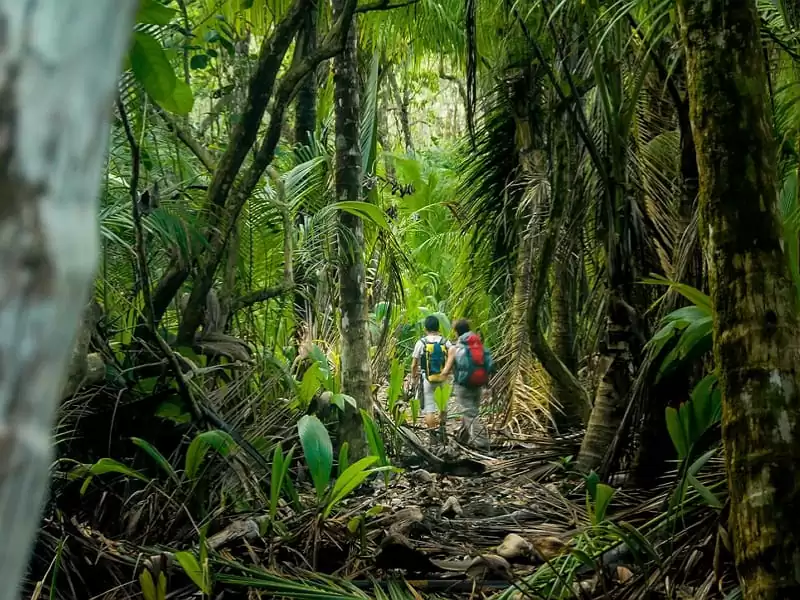
Well, fellow travelers, tired of the same old “all-inclusives” where the only contact with nature is a palm tree by the pool, and the cultural shock is limited to souvenir prices? If so, this text is for you! Today, we’ll delve into a world where travel isn’t just about beautiful photos and relaxation, but also about real benefit. We’ll talk about ecotourism – not just a trendy buzzword, but an entire philosophy of recreation that changes not only our view of the world, but the world around us.
Forget about boring lectures on nature conservation (although they can be necessary!). I’ll try to tell you why ecotourism isn’t about giving up comfort, but about finding the genuine, about adventures with a clear conscience, and about how, by relaxing, you can actually do good. Buckle up, we’re setting off on the most exciting journey!
What kind of beast is this ecotourism anyway?
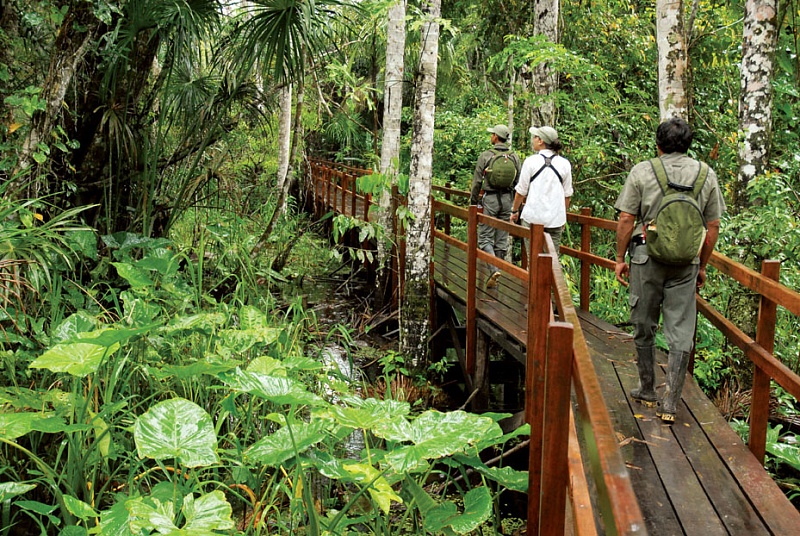
Before rushing into the wild jungle with a backpack (although that can also be ecotourism!), let’s figure out what it is. Simply put, ecotourism is travel to places where nature, flora, and fauna are preserved in their pristine state. But it’s not just about “seeing and leaving.” It’s always about responsibility.
Imagine you come to a nature reserve. An ecotourist doesn’t just walk along the path, they understand why this path exists (so as not to trample rare plants), why you can’t litter (so that animals don’t suffer), and why you can’t feed wild animals (it harms them). In short, ecotourism is a type of tourism that:
- Minimizes the negative impact on the environment. “Do no harm” is the main motto.
- Promotes nature conservation. Your money doesn’t just go into the tour operator’s pocket, but also to support reserves, research programs, and the protection of rare species.
- Supports the well-being of the local population. Locals are not just service staff, they are partners. Your arrival should help them live better, preserve their culture and traditions, and not destroy them.
- Educates and enlightens. You’re not just a tourist, you learn, you discover something new about nature, about culture, about yourself. And you return home a slightly different person.
In general, it’s not just a trip, it’s a whole set of rules and principles that make your vacation truly meaningful.
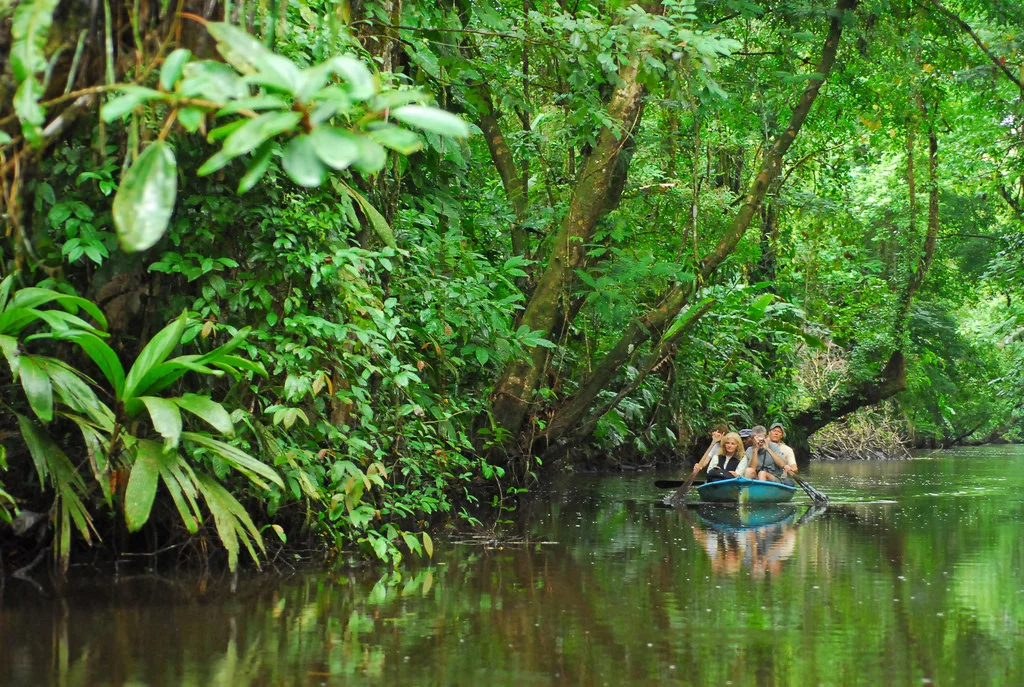
Why is this necessary: three pillars of eco-benefit
“Well, why do I need these hassles?” you ask. I answer: because it benefits everyone!
For nature: the lungs of the planet breathe more freely
- Real help for conservation: Your money spent on eco-tours often goes to fund conservation projects: the creation of new reserves, the fight against poaching, the restoration of ecosystems. You directly participate in saving the planet!
- Reduced load: Properly organized ecotourism distributes tourist flows, uses eco-friendly modes of transport, builds housing from local materials, and minimizes waste. This reduces the “ecological footprint” of your trip.
- Increased awareness: The more people see the beauty of wildlife and understand its fragility, the more likely they are to protect it at home and on future trips.
For local residents: not only souvenirs, but also stability
- Economic recovery: Ecotourism creates jobs for locals – guides, conductors, cooks, artisans. The money stays in the region, rather than going into the pockets of international corporations.
- Preservation of culture: It is beneficial for local residents to preserve their unique culture, traditions, crafts, and folklore. This becomes part of the tourism product, which allows them not to dissolve in globalization, but to be proud of their roots.
- Motivation for nature conservation: When locals see that their forest, river, or animals bring them income from tourists, they have much more incentive to protect these resources than to cut down the forest for firewood or engage in poaching.
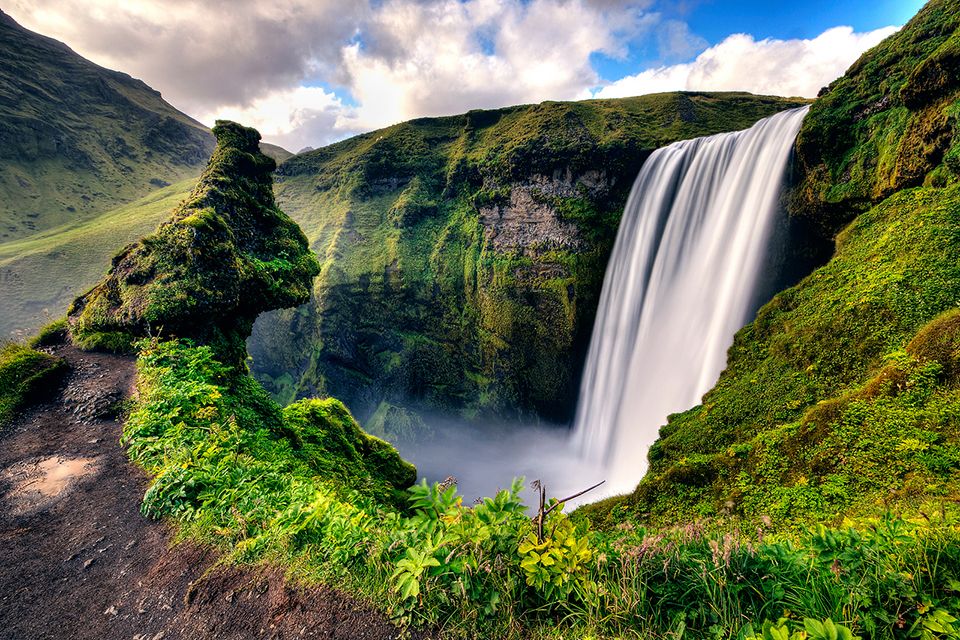
For you, the beloved: reboot, adventures and self-discovery
- Unique impressions: Forget about boring queues for attractions. Ecotourism is about real adventures: meeting the dawn on top of a mountain, a night safari, swimming with dolphins in the open sea, spending the night in a hut of a local tribe. This is something you will remember for years with shining eyes.
- Deep immersion: You don’t just look, you feel. You participate in the lives of locals, you learn something new – whether it’s weaving baskets, preparing an exotic dish, or watching birds.
- Emotional and digital detox: Away from the city noise, news feeds and endless notifications, you can truly relax your soul, reboot and hear yourself. This is a real buzz for our ever-rushing civilization.
- Personal growth: Stepping out of your comfort zone, overcoming yourself, mastering new skills, you return a different person – more confident, calm, wise.
- Health: Hiking, fresh air, natural food, lack of stress – all this has a beneficial effect on physical and mental health.
What are the eco-adventures? Or choosing your path
Ecotourism is not one template, but a whole family of destinations, among which everyone will find something to their liking. You don’t have to be a seasoned survivalist to try it!
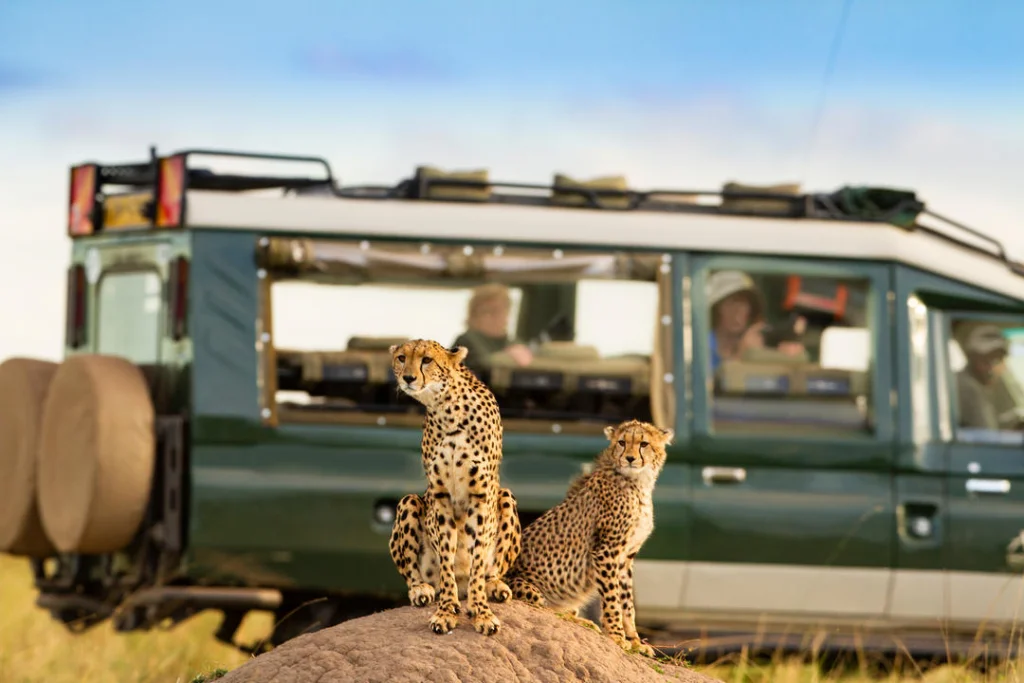
- Rural (Agro) Tourism: This is when you don’t just go to the village, but live on a farm, help harvest, milk cows, make cheese or jam. You communicate with animals, breathe fresh air and eat the most natural food. Just fire for those who are tired of concrete and traffic jams!
- Scientific (Educational) Tourism: For the inquisitive. These can be expeditions to study rare species of birds, participation in excavations of archaeological sites, monitoring the state of forests. Often, such trips are organized at universities or scientific centers. You not only relax, but also make a real contribution to science!
- Ethnographic Tourism: Immersion in the culture of indigenous peoples. You live among them, participate in their daily life, rituals, learn their crafts. This is not about a show for tourists, but about a sincere acquaintance and respect for other people’s traditions.
- Adventure Ecotourism: This is for those who love extreme sports, but wisely. Rafting on wild rivers, trekking on mountain trails, safaris in national parks. The main difference from ordinary adventure tourism is strict adherence to rules, minimizing impact and supporting local initiatives. For example, you can go on safari in Africa, but choose a company that invests in anti-poaching squads and cooperates with local tribes.
- Wildlife Tourism: Photo hunting, birdwatching, whale watching. The main thing here is not to interfere in the lives of animals, not to disturb them and not to leave traces of your presence. This allows you to see animals in their natural environment, which is much cooler than any zoo.
- Volunteer Tourism: This is when you dedicate part of your vacation to working for the benefit of nature or society. For example, participate in cleaning beaches, planting trees, building eco-trails or helping animals in shelters. Ideal for those who want not only to relax, but also to bring direct benefits.
Where to go: to where nature calls!
There are many more opportunities for ecotourism than it seems! You don’t have to fly to the other end of the world, although there are places of power there too.
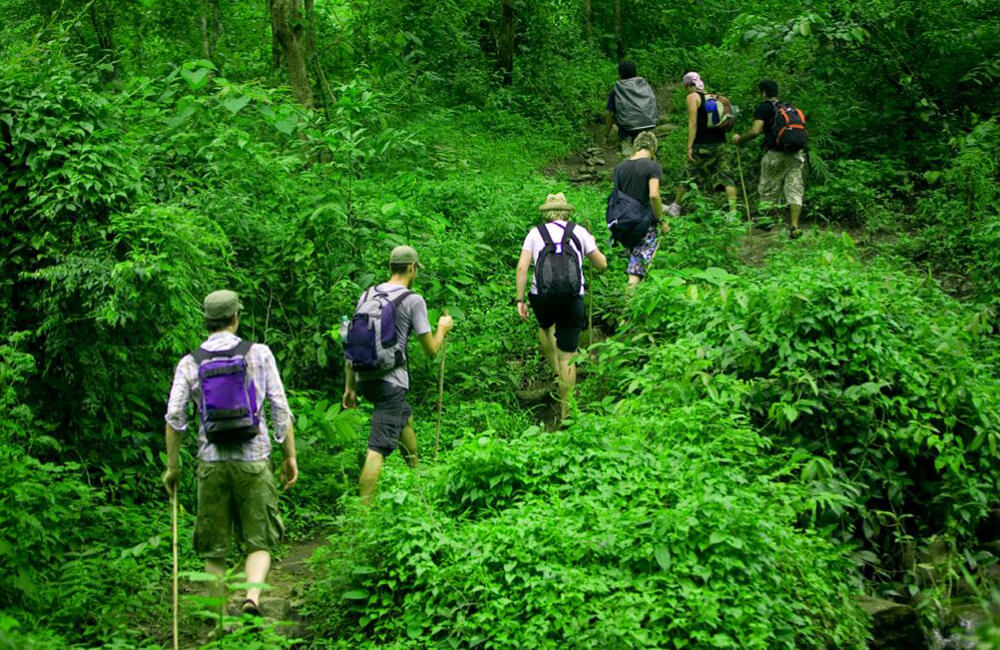
- Amazon (South America): Of course, where without it! A cruise along the Amazon, spending the night in lodges in the middle of the jungle, getting acquainted with local tribes – this is simply a must-do program for wildlife lovers.
- African Safaris (Kenya, Tanzania, Botswana): Watching the “Big Five” (lion, elephant, buffalo, rhino, leopard) in their natural habitat is something unforgettable. The main thing is to choose certified operators who support local communities and fight poaching.
- Himalayas (Nepal, Bhutan): Trekking in the mountains, getting acquainted with Buddhist culture, visiting high-mountain monasteries. Here, ecotourism is closely intertwined with cultural and spiritual search.
- Costa Rica: A small country that has become a world leader in ecotourism thanks to its policy of nature conservation and incredible biodiversity: rainforests, volcanoes, coasts of two oceans.
- Local Opportunities: Look for national parks, reserves, natural reserves near your home! Often there are eco-trails, visitor centers, opportunities for bird watching or just for a relaxing vacation in nature. You don’t have to go far to be an eco-tourist.
How to become a proper ecotourist: do no harm!
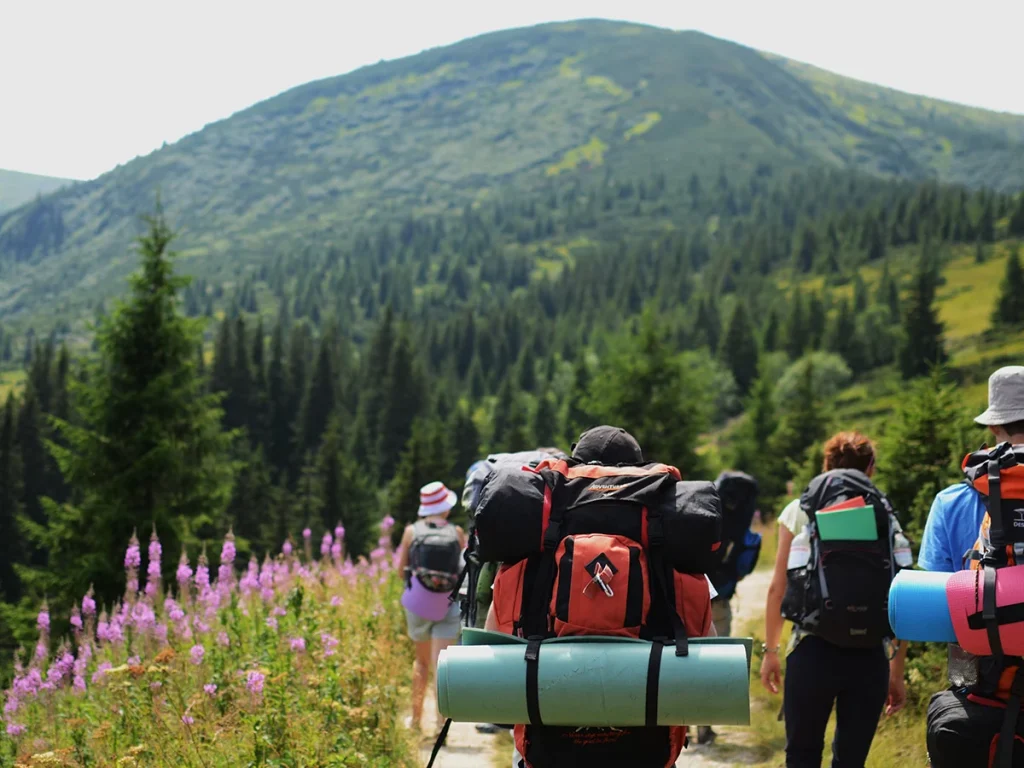
To make your vacation not only interesting, but also useful, follow simple rules:
- Choose responsible tour operators: Look for companies that have ecotourism certificates, that transparently show where your money goes, and actively cooperate with local residents and conservation organizations.
- “Take only photographs, leave only footprints” (and those minimal): The golden rule. Take all your trash with you. Do not collect “for memory” stones, plants, corals – they are part of the ecosystem.
- Respect local culture and traditions: Study them in advance. Dress accordingly, ask permission before photographing people. Remember, you are a guest.
- Save resources: Water and electricity are often scarce resources in remote places. Save them as if you were at home.
- Buy from locals: Souvenirs, food, services – all this is better to buy from local artisans and entrepreneurs. This is direct support for the region’s economy.
- Do not feed wild animals: This disrupts their natural behavior, makes them dependent on humans and can be dangerous for both them and you.
- Stay on the trails: Deviating from marked trails can damage fragile ecosystems, disturb animals, or even lead to loss of orientation.
- Be curious: Ask questions to guides, read about the place where you are going. The more you know, the deeper your immersion and the more benefit you can bring.
The future of ecotourism: rosy, but with nuances
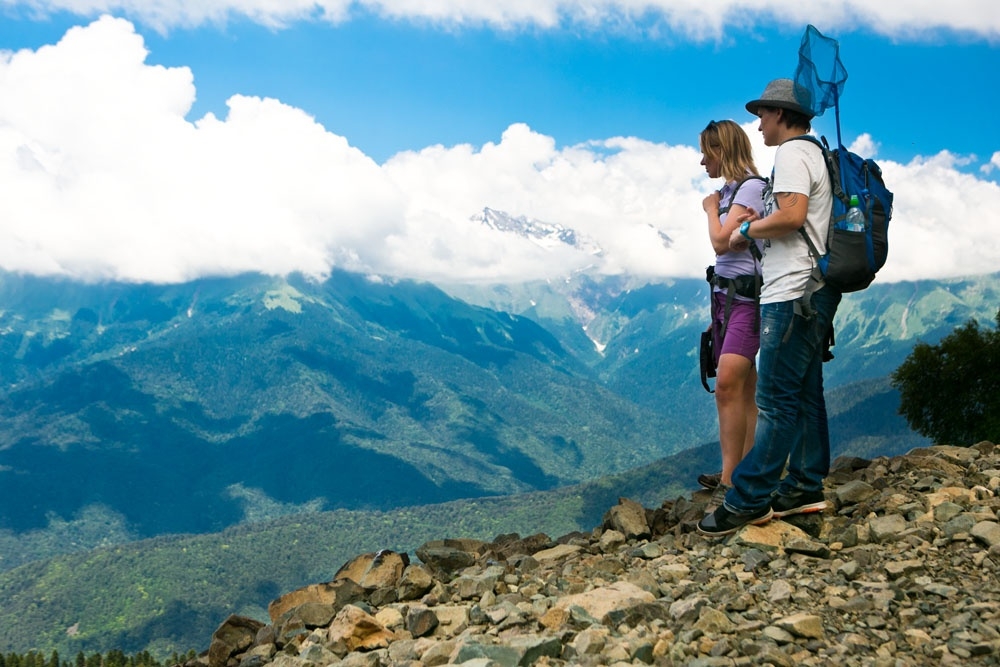
Ecotourism is not just a niche direction, it is a trend that is gaining momentum. More and more people are realizing their responsibility to the planet and are looking for more meaningful ways to relax. That’s great!
However, like any growing phenomenon, ecotourism has its pitfalls. For example, the risk of “green camouflage” (greenwashing), when a company only pretends to be environmentally friendly in order to attract tourists. Or the problem of “overtourism,” when even the most environmentally friendly place can suffer if too many people flood into it.
Therefore, it is very important that ecotourism develops consciously, with strict standards and constant monitoring. And our task, as tourists, is to be attentive, demanding and responsible.
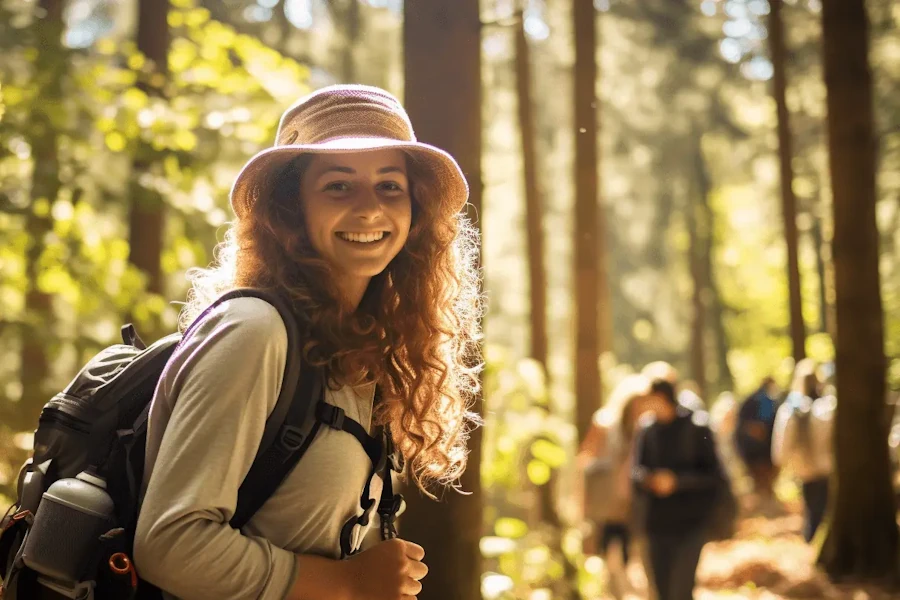
Conclusion
Well, friends, we have made a small journey into the world of ecotourism. I hope I managed to show that it’s not only about protecting nature (although this is, of course, the main thing!), but also about unforgettable adventures, deep immersion in culture and, most importantly, about the opportunity to change the world for the better, starting with yourself.
Ecotourism is not about giving up comfort, but about finding the genuine. It is not about limitations, but about new horizons. It is not just a vacation, but an investment in our planet and in ourselves.
So, if you are ready for new discoveries, if you are tired of templates, and if you want your vacation to have meaning, give ecotourism a chance. Perhaps this is exactly the journey you have been looking for all your life. Nature is waiting for you to befriend her! See you on the trails!