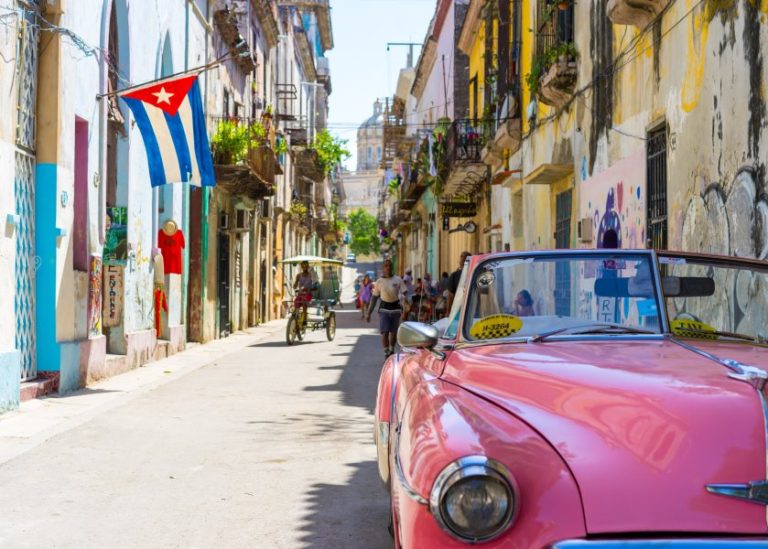
You know, I used to think a round-the-world trip was something out of science fiction. Seriously — picture Jules Verne with his “Around the World in 80 Days.” In the 19th century it seemed like an incredible adventure; the book’s heroes literally risked their lives for that crazy bet. And now? Now you can fly around the planet faster than your Aliexpress package makes it from China. Sounds wild, right?
But here’s the interesting part — in 2025 a round-the-world trip is no longer unattainable. It’s no longer only for millionaires on yachts or reckless adventurers. It’s become… how to put it… a perfectly achievable undertaking for an ordinary person with a decent salary and two weeks of vacation. Well, almost ordinary.
How long does it even take?
Let’s get straight to it. Technically, you can circle the Earth in one day. Yes — 24 hours! True, it would be like a masochist’s marathon: you’d see only airports, airplane cabins and, if you’re lucky, clouds outside the window. Romantic, no doubt.
But if you want a real journey, not an obstacle-run through terminals, the practical minimum is 7–10 days. In that time you can not only fly around the planet but also get a little feel for different continents. Wake up in London, have lunch in Dubai, dine in Singapore and sleep in Sydney. Sounds crazy? Maybe. But it works.
The optimal option, if you don’t want to turn into a jet-lagged zombie, is 14–21 days. Then you can breathe, linger in interesting places for a couple of days, and feel like a traveler rather than a courier.
Route: East or West — that is the question
Here’s a quirk many don’t consider. Direction matters! And not only for sunset and sunrise romance. If you fly east, you’ll constantly be “losing” time. You wake up in Moscow at 8 a.m., land in Tokyo — and it’s already the evening of the next day there. Your brain starts to melt around the third connection.
Experienced travelers advise going west. That way you kind of “stretch” the day and it’s easier for your body to adapt. Psychologically it’s also easier — you feel like you’re gaining time rather than losing it. Of course, a day is still a day, but our brains like that illusion.
Classic western route
Imagine this scheme: Moscow → London → New York → Los Angeles → Tokyo → Dubai → Moscow. It’s a time-tested classic that works without fail.
In London you can stroll Hyde Park, drink proper English tea (which often disappoints, but that’s another story) and take the obligatory photo with a red phone booth. In New York — feel like the hero of an American movie; in Los Angeles — see Hollywood less glamorous than on TV. In Tokyo — dive into a crazy world where the future has already arrived; in Dubai — confirm that you can indeed build a dream city out of sand if you have oil money.
Alternative options
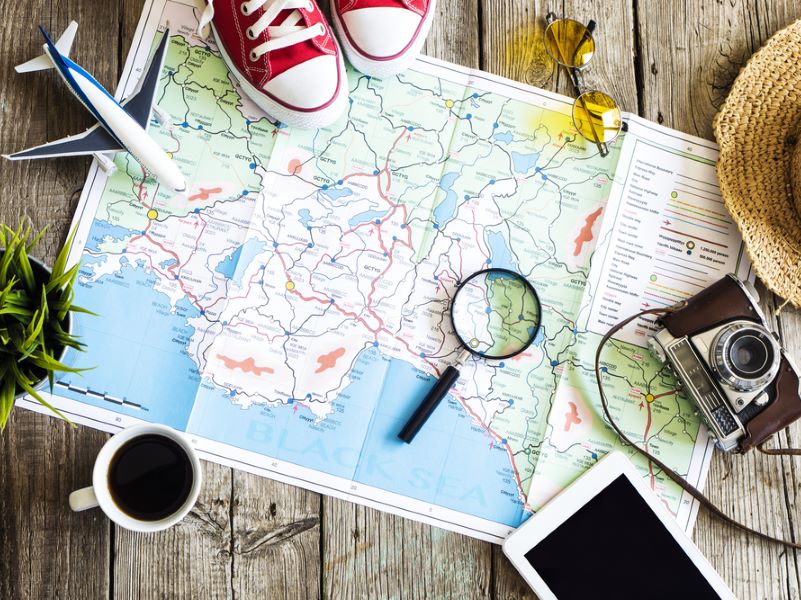
But who said you must follow the beaten path? In 2025 a lot of interesting alternatives appeared. You can do the Southern Hemisphere: Moscow → Istanbul → Cape Town → Buenos Aires → Sydney → Bangkok → Moscow. It’s such a mix of cultures and climates your head will spin.
Or another option for Asia lovers: via Beijing, Seoul, Singapore, Delhi. Asian airlines now offer great connections and prices are often better than European ones.
Money, money, pennies
Okay, let’s be frank. How much does all this cost? Dreaming is one thing; opening your banking app and panicking is another.
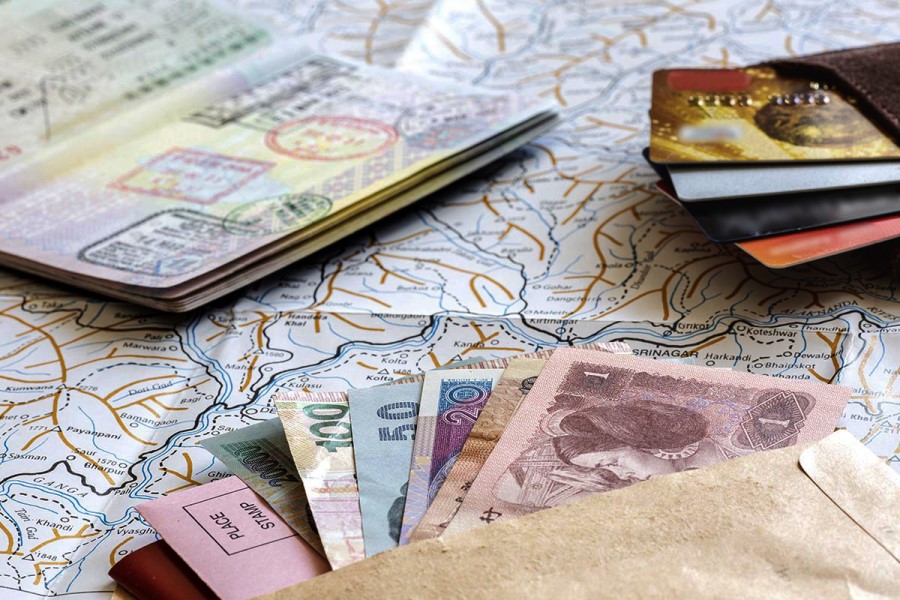
If you cut costs to the max, you can do it for 1,200–2,000 USD. Yes, really! The secret is low-cost carriers, early booking and no five-star hotel fantasies. Hostels, Airbnb, sometimes even couchsurfing — voilà, you’re a budget traveler with a passport full of stamps.
A comfortable middle option is 3,000–4,000 USD. Here you don’t sleep in eight-bed rooms, fly decent airlines (where you get more than water), and can afford a couple of guided tours.
And if you want luxury — be ready to spend from half a million and up. Business class, five-star hotels, Michelin-starred restaurants. Although honestly, in my experience the most vivid impressions often come from cheap local eateries, not fancy restaurants.
Where you can save
Tickets are the main expense. Be sly as a fox. Use aggregators like Skyscanner or Aviasales, set price alerts, consider indirect routes. Sometimes flying with two connections is 40–50% cheaper than a direct flight. Yes, it’s longer, but you’re not in a rush, right?
Round-the-world tickets from airline alliances (SkyTeam, Star Alliance, oneworld) are magic. They let you buy one big ticket with many stopovers at a fixed price. It often beats buying each segment separately. Of course, there are rules and restrictions — you need to study them.
Accommodation — take apartments via Airbnb or local equivalents. In Asia Agoda works great, in Europe — Booking.com. If you stay somewhere for a week, you can often negotiate a discount with the host directly.
Food — eat where the locals eat. It’s cheaper and way more interesting. Street food in Bangkok or Saigon is a gastronomic adventure that will cost you next to nothing.
Visas: the bureaucratic quest
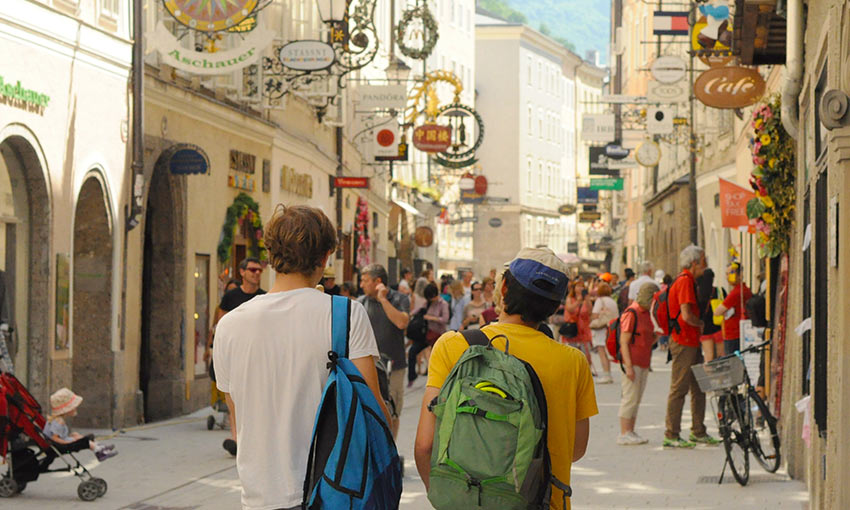
Now this is a headache. In 2025 the visa situation is, let’s say, mixed. On one hand, many countries have eased entry or are visa-free. On the other hand, some doors have closed.
Visa-free countries
Good news: most of Asia is open. Thailand, Vietnam (up to 45 days!), Indonesia, Malaysia — welcome. Turkey is our trusty friend with 60 days visa-free. UAE — also fine. Latin America is mostly open: Argentina, Chile, Brazil.
Where it’s a pain
The USA is a whole different story. The visa is complicated, interviews required, and it’s become harder to get in current conditions. Not impossible! Especially if you have travel history and a stable job.
Europe… varies. Schengen can still be obtained but it’s trickier than before. You can route through Turkey or the UAE to avoid needing Europe at all.
Visa hack
Plan the route so that visa-required countries are at the start or end. Apply early, get them, and then travel. Pack visa-required stops around visa-free countries. That way you won’t stress about a visa not arriving while you’re chilling in Bali.
Fly, sail, or take the train?
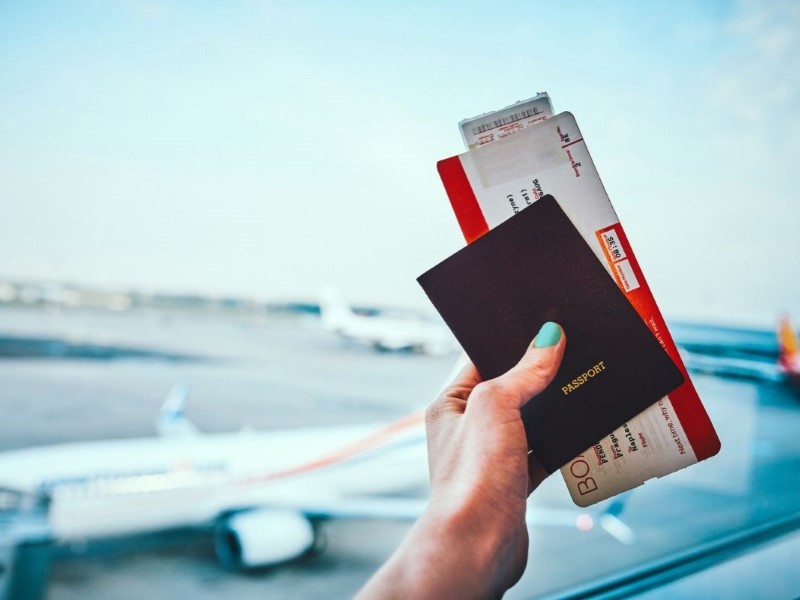
Airplanes are the obvious choice for a quick world trip. But you can make the trip more interesting by mixing transport modes.
Mixed transport
For example, do part of the journey by train. The Trans-Siberian from Moscow to Vladivostok is a legendary trip in itself. A week on a train, and you’re in the Far East, from where Japan or Korea are a hop away. From there you can fly across the Pacific.
Or in Europe, travel by train. A Eurail Pass covers much of Europe on one ticket. Slower than a plane, but you see a lot more — landscapes, random conversations, small towns — things that make a journey special rather than just moving from point A to B.
Cruises as an option
Cruise liners are their own world. There are round-the-world cruises that last 3–4 months and visit dozens of countries. Expensive, and long, but if you have time and money — an incredible experience. Unpack once and your hotel sails with you. Romance!
You can also use ferries for parts of the route. For example, Europe to Africa across the Mediterranean, or between Southeast Asian islands. Cheaper than a plane and much more atmospheric.

What to pack: the art of packing
This is a science. Every kilogram matters on a world trip. I’ve seen people lug suitcases the size of fridges. On day five they’d happily throw half their stuff into the nearest ocean.
Backpack or suitcase?
I vote backpack. A good 40–50 liter travel backpack is the sweet spot. It often fits as carry-on (saves on luggage!), lets you move quickly and keeps your hands free. A suitcase is comfortable in hotels, but a nightmare on cobblestones or when sprinting to a gate across terminals.
Essentials
Clothes: think layers. Light items you can mix and match. One jacket that’s both rain and windproof. A pair of jeans (or trekking pants), several T-shirts, a couple of shirts. Underwear and socks — bring more, washing in a hotel sink nightly isn’t fun.
Shoes — critical! One pair of comfortable walking sneakers (already broken in) and one pair of light sandals or flip-flops. That’s it. No need for more, however tempting.
Electronics: phone (obviously), power bank (lifesaver!), universal adapter (different sockets are annoying), maybe a tablet or light laptop if you work on the go. A camera — only if you’re a photographer; modern phones often do the job.
First-aid kit
Not paranoia, just common sense. Basics: painkillers, stomach meds (street food in Delhi can surprise you), allergy meds, plasters, antiseptic. If you take prescription meds regularly — bring extra. In many countries you can’t buy even common meds without a prescription.

Connectivity and internet: how not to get lost in the digital world
Traveling without the internet today is like walking blindfolded. Navigation, translators, bookings, keeping in touch — all rely on connectivity.
eSIM — the tech of the future
Forget buying local SIM cards everywhere. eSIMs — virtual SIM cards you can buy online and activate in a few clicks — are here. Airalo, Holafly, Nomad — popular providers. Buy a regional (or global) package and voilà — internet everywhere.
It costs roughly the price of a coffee a day but saves tons of time and stress. No hunting for operator offices, no awkward gestures in queues. It just works.
Wi‑Fi and security
Public Wi‑Fi is convenient but risky. Don’t access banking apps over a café Wi‑Fi. Use mobile internet for sensitive tasks or install a VPN — a must-have for travelers. Not only for security but to bypass regional site restrictions.

Health on the road: how not to collapse
Let’s be honest — jumping across several time zones in a week is rough on the body. Jet lag can turn your first days in a new place into a zombie apocalypse.
Fighting jet lag
Start adjusting at home. If flying east — go to bed earlier a few days before. West — later. On the plane, try to sleep according to the destination’s schedule. When you land, switch immediately to local time; don’t give in to naps.
Melatonin helps some people. It’s not a sleeping pill but a sleep hormone that aids adjustment. It’s over-the-counter in some places, but consult a doctor before use.
Water and food
Drink water. Lots of it. Planes are dry; in hot climates you sweat more than you think. Dehydration is a traveler’s number one enemy.
Be cautious with food, but don’t be paranoid. In some countries avoid tap water or unwashed fruit. Look where locals eat and pick popular spots — you’ll be fine.
Insurance is not optional
Medical insurance for a round-the-world trip is sacred. Not the cheapest, but a comprehensive policy covering multiple countries and emergency evacuation. In the USA one hospital day can cost half your trip. Don’t risk it.
Culture shock and adaptation
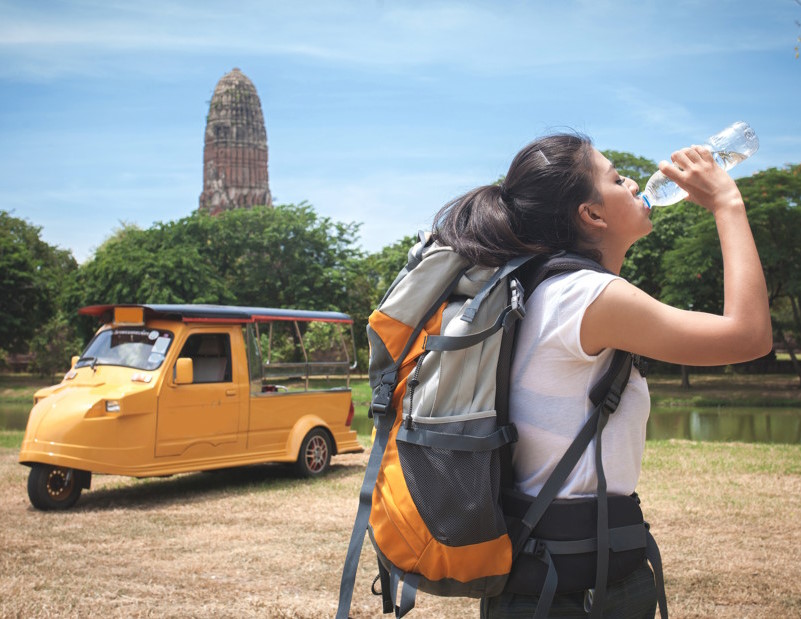
You wake up in Tokyo after being in New York yesterday. Your brain melts not only from time change but from everything different: language, food, manners, even greetings.
Embrace differences
Don’t judge everyone by your home-culture standards. In India, a cow on the street is normal. In Japan, making noise on the subway is extremely rude. In some Arab countries the left hand is considered unclean. Not good or bad — just different.
Read about cultural norms before you go. Fifteen minutes of reading can save you from awkward moments. Don’t be shy to ask locals — most will gladly explain how things are done.
Language barrier
English solves about 80% of problems. Learn a few local phrases — “hello,” “thank you,” “how much,” “where’s the toilet.” It’s basic survival and shows respect. People respond warmly when they see you trying.
Google Translate with photo-translate is magical. Point your camera at a menu, sign or placard and see it translated. Technology makes the world much more accessible.

Working on the road: how to combine travel with career
Not everyone can take three weeks off at once. But with remote work many can work from anywhere. A whole caste of digital nomads now live while traveling.
Combining work and travel
If your job is online, you can stretch a world trip over a month or two, working from different places. Morning calls with the team, daytime work, evening exploring.
The main challenge is time zones. If you’re in Australia and the team is in Moscow, calls will be very early or very late. It’s solvable with planning.
Coworking spaces
Most big cities have coworking spaces. They’re more than pay-per-hour offices — they’re communities. Meet other travelers, find collaborators, and work with fast internet and good coffee.

Safety: how not to get into trouble
Travel is great, but the world isn’t all rainbows and unicorns. Keep a few things in mind.
Documents and money
Make copies of all documents — passport, visa, insurance, tickets. Store them in the cloud (Google Drive, Dropbox) and keep copies separate from the originals. If something is stolen or lost, these copies will save you a lot of stress.
Don’t keep all your money in one place. Some cash in one pocket, some in another, some in the backpack. Have several cards from different banks. If one is blocked, you have a backup.
Neighborhoods and times of day
Every city has neighborhoods to avoid, especially at night and alone. Read reviews, ask your hotel or hostel, check forums. Locals always know where’s risky.
Don’t flaunt expensive gadgets or jewelry. In some countries an iPhone in your hand is a “rob me” sign. Be modest.
Scams
Classic scams: taxi drivers who take much longer and charge much more. Use Uber, Bolt or local apps with fixed prices. In Southeast Asia use Grab; in Arab countries use Careem.
Fake police asking to see documents and wallets — another common scheme. Real officers don’t operate like that. If in doubt, call the embassy or go to the station.

Ecology and responsible tourism
When you fly around the world you realize how huge and small the planet is at once. And how important it is to protect it. Flights leave a big carbon footprint — unavoidable sometimes. But you can at least minimize other harms.
How to travel responsibly
Don’t leave trash. Anywhere. It seems obvious, yet popular tourist spots are full of plastic. Carry a reusable water bottle, refuse single-use bags and straws.
Respect nature and animals. Elephant rides or photos with dolphins are often cruelly packaged entertainment. Better visit ethical reserves or national parks where animals live in natural conditions.
Buy from locals. Not big chain stores but small shops, artisans, markets. That keeps money in the local economy and truly helps people, not corporations.

Photos and Impressions: How to Preserve Memories
Traveling around the world is such a volume of impressions that the brain physically cannot remember everything. After a year, half is erased; after five, you only remember the highlights.
The Balance Between Living and Photographing
There are people who spend their entire trip looking at the world through a phone screen. Every step is a photo, every dish is a photo for Instagram. And in the end, they haven’t lived the moment, but simply documented it.
My advice is to find a balance. Yes, take photos, that’s normal and right. But set aside time when you just observe, soak up the atmosphere, live in the moment. You can photograph the sunset in Sydney, or you can just watch it and feel it. The latter is often more valuable.
Travel Journal
Old-fashioned? Maybe. But it works incredibly well. Spend 15 minutes in the evening and write down what happened during the day, what you felt, who you met, what surprised you. Years from now, it will be priceless. Photos will show what the place looked like, and the journal will show what you felt there.
You can also have a digital journal—in Google Docs or special apps like Day One. The main thing is to do it regularly, while it’s fresh in your memory.

Realities of 2025: What Has Changed
Let’s be honest—the world is not what it was five years ago. The pandemic, political changes, economic crises—all of this affects travel.
New Rules of the Game
Some borders have become more closed, some—on the contrary—have opened. New destinations have appeared that were not so popular before. Central Asia, for example, has become much more accessible to tourists. Uzbekistan, Kyrgyzstan, Kazakhstan—it’s beautiful, inexpensive, and visa-free.
The Asian direction has strengthened. When Western countries became less accessible, many switched to Asia. And you know what? They discovered incredible places. Sri Lanka, Vietnam, Indonesia—it’s no worse than Europe, just different.
Digitalization of Everything
Now you can pay by card almost everywhere, even in street markets in developing countries. QR codes for payment, e-tickets, online check-in—everything has become simpler and faster.
On the other hand, new problems have appeared. Card blocks abroad, difficulties with some payment systems. You need to have a plan B and even a plan V with money.
Changing Attitude to Travel
People have begun to value travel more. When for two years almost no one could go anywhere, everyone realized how important it is. Travel is not a luxury and not a waste of money. It’s an investment in yourself, in experience, in expanding horizons.
And now people travel more consciously. Fewer checkmarks on the list of countries, more deep immersion. Not to run through ten countries in a week, but to live in three, but for real.
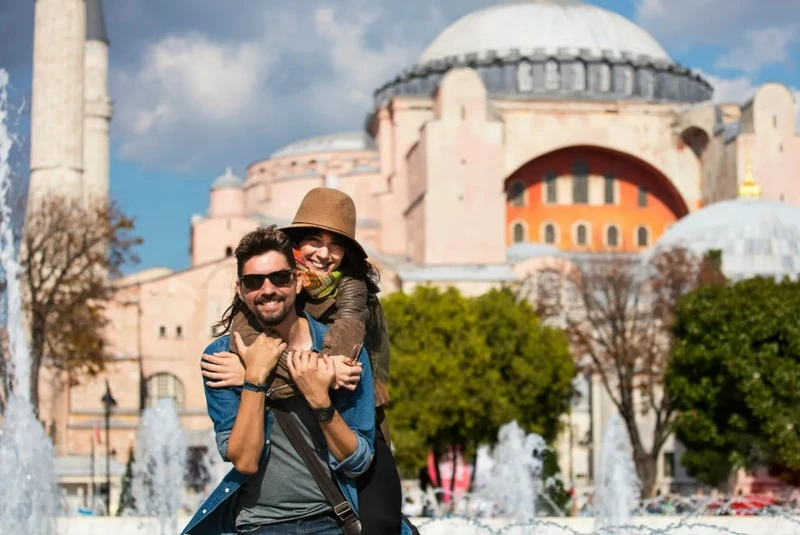
The Psychology of a Round-the-World Trip
Do you know what the strangest thing about a round-the-world trip is? Somewhere in the middle of the journey, there’s a click in your head. The first few days are euphoria, everything is new, everything is surprising. Then fatigue sets in. Another airport, another hotel, another attraction.
Travel Fatigue is Real
Yes, you heard right. You can get tired of traveling. It doesn’t mean you’re ungrateful or that something’s wrong with you. It’s simply a human reaction to constant change, lack of routine, and endless stimulation.
If you feel burned out—take a break. Stay in one place for a few days. Rent an apartment, not a hotel. Go to the supermarket, cook yourself, walk aimlessly and without a camera. Pretend you live here, not tour here.
What Travel Changes in a Person
This is not pathos, it’s the truth. When you see how people live in other countries, how they solve the same problems differently, how they rejoice in small things or grieve about important things—your perspective changes.
Problems that seemed huge at home suddenly become not so scary. You realize that your way of living is not the only right one. That you can do it differently, and that’s okay.
Plus, confidence appears. If you were able to figure out the subway in Tokyo, negotiate a price at the market in Marrakech, find your way in an unfamiliar city—then you are capable of much. This confidence then helps in ordinary life as well.

Returning Home: Reverse Culture Shock
This, by the way, is rarely discussed. But returning home after a round-the-world trip can be more difficult than the trip itself. You have changed, the world around you has changed (more precisely, you see it differently), but at home everything has remained the same.
Return Syndrome
In the first few days, everything seems strange. Your hometown looks both familiar and alien. Friends talk about their affairs, and it seems so petty and unimportant to you. You want to tell about your adventures, but you realize that it’s impossible to convey in words.
It will pass. Give yourself time to adapt. Don’t try to immediately merge into the old life. Sort out photos, write posts, communicate with people you met along the way. This helps to smoothly transition from travel to ordinary life.
What to Do with the Experience
The most important thing is not to forget those insights and feelings that you received. It’s easy to return and in a month get bogged down in the routine again, forgetting all the promises to yourself.
Incorporate into your life what you liked. Maybe in Thailand you loved morning meditation—continue at home. Or in Italy you learned not to rush and enjoy food—practice it. Travel should change not only the film in your phone, but also something inside.

So Is It Worth It?
So we got to the main question. Is a round-the-world trip worth the money, time, and effort? Everyone will answer in their own way, but here’s my opinion. If you have the opportunity—do it. Don’t wait for the perfect moment, because it won’t come. There will always be a reason to postpone: work, relationships, money, time. But life is short, and the world is big and interesting.
A round-the-world trip is not just a checkmark in the list of achievements. It’s an experience that cannot be obtained in any other way. These are stories that you will tell your grandchildren. These are people you will meet who will become friends for life. These are moments when you feel alive one hundred percent.
Yes, it will be hard. There will be moments when you want to go home, to your bed, to familiar food and a language you understand. There will be problems, unforeseen situations, disappointments. But it all fades in the face of those incredible moments when you sit on the roof in Sydney and look at the opera house, or walk the streets of Tokyo in the neon light, or meet the dawn in the Grand Canyon.
In 2025, a round-the-world trip is no longer science fiction or the privilege of the elite. It’s a real opportunity for those who really want it. You only need desire, a little planning, and a willingness to step out of your comfort zone.
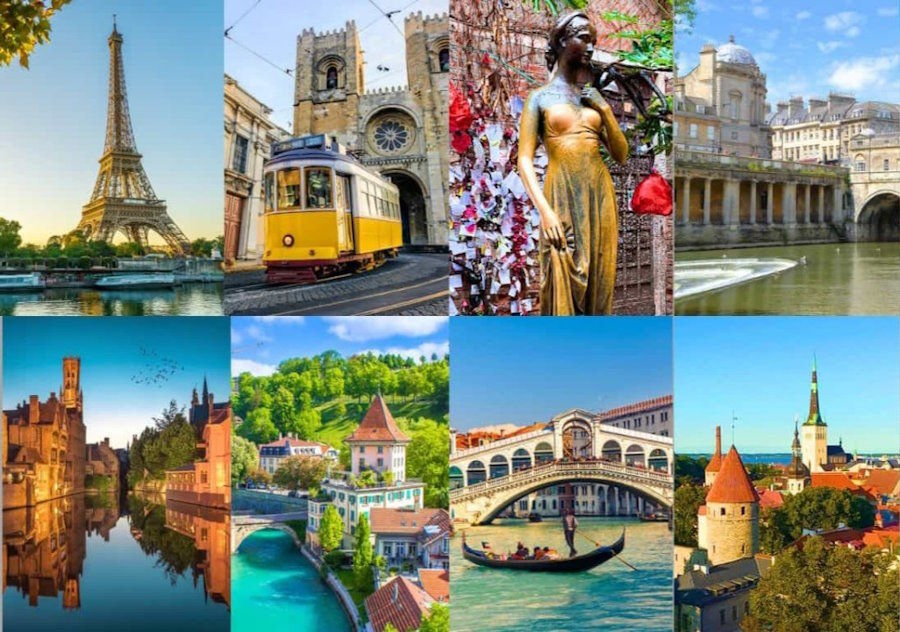
The world is huge, diverse, and incredibly interesting. And life is too short to spend it in one place. So pack your backpack, book your tickets, and go on your adventure. I promise—you won’t regret it. Well, maybe you’ll regret it a little at three in the morning at Dubai airport during a layover, but that’s nothing compared to everything else.
Good luck on your journey! And remember—the longest road begins with the first step. Or in this case—with the first ticket.