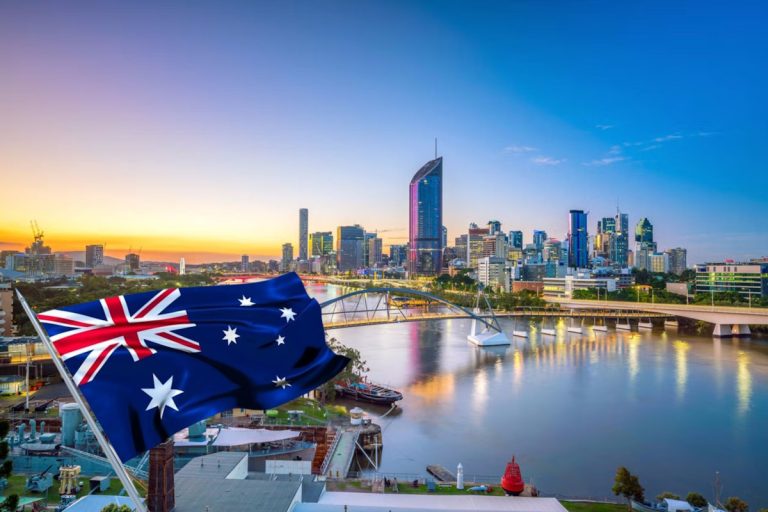
You know, there’s a question everyone eventually asks themselves: “What do you actually need to be happy?” Some will say — a sack of money and a villa by the ocean. Others — a strong family and loyal friends. Still others — the ability to do what you love without worrying about tomorrow. And you know what? They’re all right in their own way. Happiness is a complex cocktail that mixes financial stability, social connections, a sense of security, and even good weather outside the window.
Every year, smart people at the UN and various research institutes try to measure this elusive metric. They call people, conduct surveys, look at GDP, corruption levels, life expectancy and citizens’ generosity. The result is the famous “World Happiness Report.” And here’s the interesting part: year after year the list of leaders hardly changes. The folks from Northern Europe have firmly settled at the top.
Let’s imagine we’ve just peeked into those countries today and try to understand why people there smile more often and life seems a bit simpler and brighter.
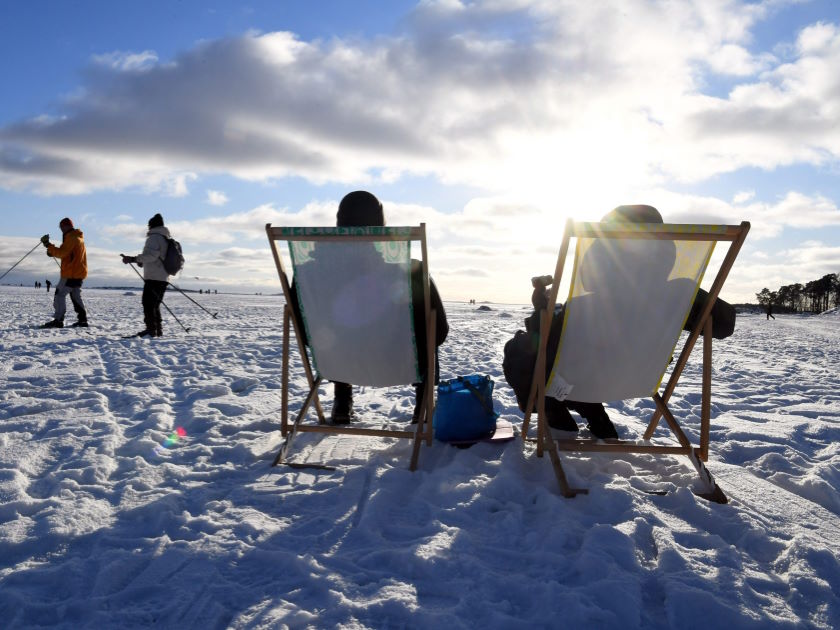
Finland: happiness in the style of “sisu” and sauna
If happiness had a capital, in recent years it would undoubtedly be Helsinki. Finland has been taking gold in this global championship of good mood for several years running. Why? Maybe it’s all those thousands of lakes and forests where you can walk for hours without meeting a soul? Or the sauna, which for a Finn is not just a bath but nearly a sacred place for cleansing body and mind?
Most likely, the secret is something else. Finnish happiness rests on three pillars: trust, nature, and “sisu”.
- Trust: Imagine a world where you can leave your laptop on a café table and go order coffee, 100% confident no one will touch it. Where politicians aren’t a caste of demigods but ordinary people you might bump into at the supermarket. Where the police inspire not fear but a sense of safety. That’s Finnish reality. People trust each other and public institutions, and that removes a huge layer of daily stress.
- Nature: For a Finn, the forest is like a shopping mall for us: a place to relax, clear your head, and “recharge.” The right every person has to access nature (the so-called “jokamiehenoikeus”) allows free walking, mushroom and berry picking almost anywhere. This daily connection with nature is an incredibly powerful antidepressant.
- Sisu: Now that’s a purely Finnish thing. The word has no exact translation. It’s a mix of persistence, unbendable will, endurance and the ability not to give up even when everything seems to go wrong. Long dark winters? So what — we have skis and hot glögi. Tough project at work? Roll up our sleeves and get it done. “Sisu” isn’t about eternal optimism; it’s about calm confidence in your own strength.
By 2025, Finns will likely dig even deeper into the digital economy and “green” technologies, but their core values will remain the same. Happiness the Finnish way is not loud laughter at a party, but quiet, deep satisfaction from a stable, safe and meaningful life.
Denmark: hygge, bicycles and universal equality
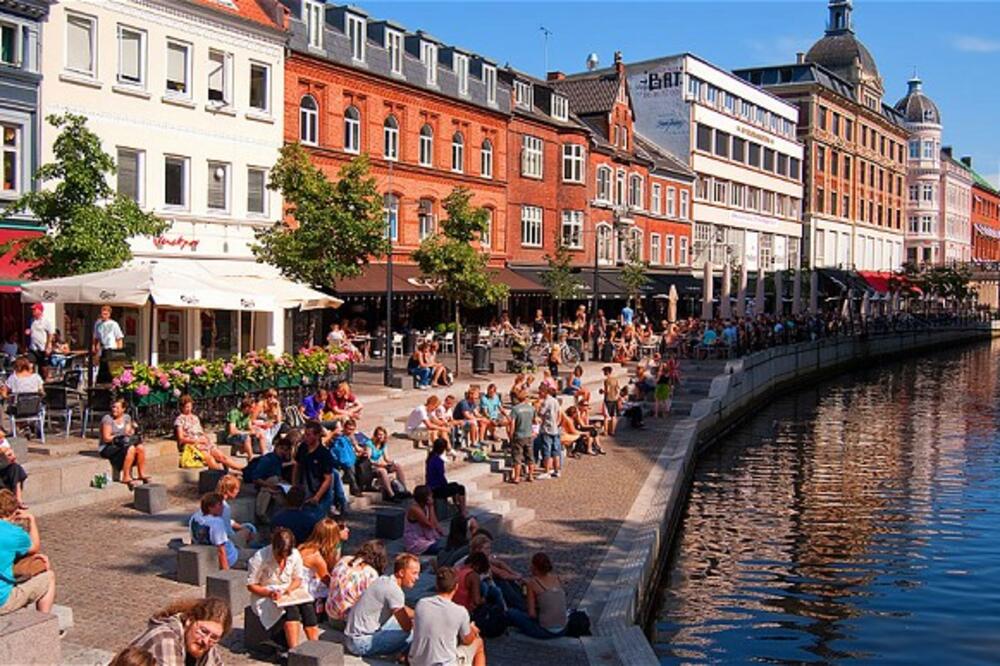
Right after the Finns usually come their neighbors — the Danes. If the Finnish secret is “sisu,” the Danish one is, of course, “hygge”. That word has become an international brand. Hygge is the art of creating coziness and enjoying life’s small pleasures. An evening with a book under a warm blanket while it rains outside. A dinner with friends by candlelight. Freshly baked goods and hot coffee.
But it would be a mistake to reduce Danish happiness to candles and blankets. Its foundation runs much deeper.
- Work-life balance: In Denmark people don’t stay late at the office. The workday ends and people go home — to family, hobbies, friends. The state strongly supports this balance with a short workweek and long vacations. By 2025, with the rise of remote work, this balance will become even more flexible.
- The nanny-state: Danes pay some of the highest taxes in the world. But they don’t complain. Why? Because they see where their money goes. Free top-quality healthcare. Free education, including universities (students even receive stipends!). Generous unemployment benefits that prevent panic after losing a job. This social safety net creates an incredible sense of confidence about the future.
- A bicycle nation: Copenhagen is a city built for people, not cars. Huge numbers of people commute by bike every day. That’s not only good for health and the environment, but also creates a calm atmosphere in the city. Fewer traffic jams, less noise, more movement.
Danish happiness is a feeling of security, coziness and freedom. It’s knowing that you’ll be cared for if something goes wrong and that you’ll always have time for what really matters.
Iceland: the strength of a small community and otherworldly landscapes
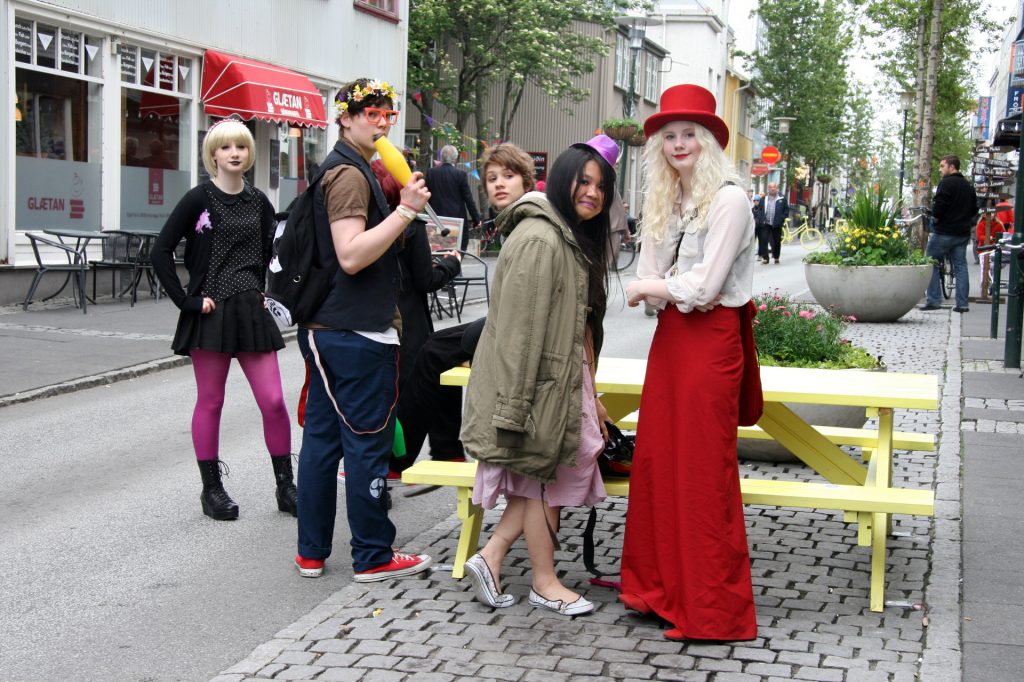
Imagine a country where almost everyone knows each other. Where you can still find the prime minister’s number in a phone book. Where crime is so low that police officers get bored most of the time and post cute cat photos on Instagram. Welcome to Iceland!
Happiness in this small nation lost in the Atlantic rests on three pillars.
- Community: In a country of fewer than 400,000 people, a sense of mutual reliance is incredibly strong. People are used to depending on each other, especially when nature throws another surprise like a volcanic eruption or a snowstorm. This togetherness is a powerful source of psychological support.
- Nature as the main character: Glaciers, volcanoes, geysers, waterfalls, the Northern Lights… Icelandic landscapes are so surreal they look like props from a movie about another planet. Living in such surroundings simply cannot be boring. It makes you feel part of something vast and mighty.
- Equality and creativity: Iceland is one of the most gender-equal countries in the world. Freedom of expression is highly valued. Per capita, there are probably more musicians, writers and artists than anywhere else. This creative energy permeates everything and creates the feeling that anything is possible.
By 2025, Iceland will continue fighting the consequences of overtourism, trying to preserve its unique nature. But the spirit of unity and creative freedom will remain. Icelandic happiness is being a small but very proud and close-knit family set against breathtaking landscapes.
Switzerland and the Netherlands: pragmatic happiness
Closing our top five are two very different, yet equally happy countries.
Switzerland — happiness built on order, stability and money. Here everything works like clockwork (no surprise). Perfect roads, punctual trains, very high salaries and immaculate cleanliness. Add the incredible beauty of the Alps and you have the recipe for a very comfortable life. Swiss happiness is pragmatism and confidence. It’s the knowledge that the system works and that you are an important and protected part of it.
The Netherlands offers a different model. Its happiness is based on openness, tolerance and personal choice. The Dutch are direct, honest and very practical people. They dislike showing off and value a simple but high-quality life. Like the Danes, they love bicycles, and their approach to work-life balance is among the best in the world. Dutch happiness by 2025 is the freedom to be yourself in a society that accepts you as you are.

So what’s the main secret?
Looking through this list you begin to notice common traits. It’s not the climate (Finland is dark and cold half the year) and not the size of the country. The secret of happy nations in 2025, as today, will lie in several simple but hard-to-achieve things:
- Trust and security: When you trust your neighbors, government and police, life becomes much calmer.
- Social support: Confidence that the state won’t abandon you in hardship (illness, job loss) is the foundation of any happiness.
- Freedom: Freedom of choice, freedom of speech, freedom to be yourself without fear of judgment.
- Balance: The ability to spend time not only on work, but also on family, hobbies and rest.
- Generosity and a sense of community: The feeling that you are part of something bigger and the willingness to help others.
Perhaps we don’t need to move to Helsinki or Copenhagen to become happier. Maybe it’s worth trying to build our own little corner of “hygge” or develop a bit of “sisu” right where we are. Start trusting the people around you, find time for loved ones and appreciate simple joys. After all, happiness is not a destination, but a way of traveling through life.