You wake up in the morning. The first impulse is toward the kettle. Or the coffee maker. The aroma of freshly brewed coffee or herbal tea — it’s so familiar, right? We don’t even think that, at this very moment, thousands of people around the world are sipping something… something our civilized souls might never have imagined. Something that can seem outright strange, wild, and sometimes even shocking.
I recently came across a list of the strangest drinks from all corners of the world and, to be honest, I got hooked. This isn’t just about food and drink — it’s about culture, about belief, about attempts to cheat death, improve health, or simply… thrill-seek. So buckle up: we’re off on a gastronomic adventure after which your morning latte will seem the height of ordinary.
Why all this? Humans and their thirst for wonders
Before we dive into the abyss of strange liquids, let’s think: why? Why do people drink wine with snakes or coffee that has passed through an animal’s digestive tract? Nowadays every second café offers matcha with coconut milk or kombucha with chia — once upon a time those would’ve seemed exotic. But those are the flowers compared to what’s next.
The answer, as always, is multifaceted:
- Tradition: What seems bizarre to us may be normal for others, handed down through generations.
- Search for health and longevity: The elixir of immortality! Humanity has long believed a magical drink can cure all ailments or prolong youth — from medicinal herbs to, well, animal organs.
- Status and exclusivity: Some of these drinks are expensive, rare, and become symbols of luxury or special standing.
And of course, curiosity and the desire for new experiences. In an age when it seems everything’s already been seen and tasted, people search for something that truly surprises.

Coffee with a “catty” aftertaste: hello, Kopi Luwak!
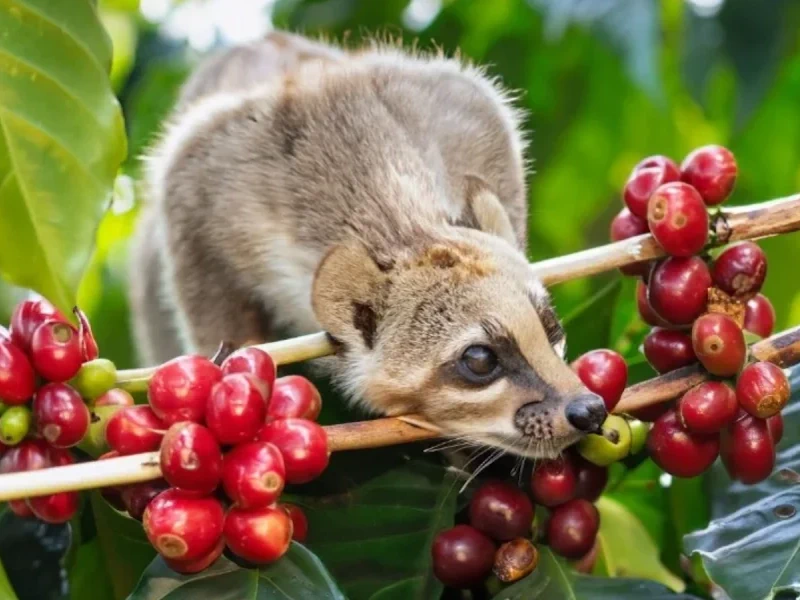
Let’s start with the most famous and relatively “harmless” on the list: Kopi Luwak. You might think, what’s the big deal? Coffee is coffee. But no. The main “processor” in its production is not a human but a small animal like a civet. The civet loves coffee cherries, eats them, and then… well, you get the idea. The beans pass through its digestive system, ferment, gain a special tender taste and aroma. Then they’re collected, washed, dried, and sold at sky-high prices.
What’s the point? They say the civet selects only the ripest, best beans. Plus fermentation inside the animal supposedly gives the coffee unique notes, removes bitterness, and adds chocolatey tones.
My opinion: On one hand it’s interesting; on the other, the ethics of such production raise questions. Often the animals are kept in cages and fed beans constantly, which is far from humane. Honestly, I’d probably prefer a good freshly roasted espresso. Without the civets.
Poisonous friends in your shot glass: snakes and scorpions
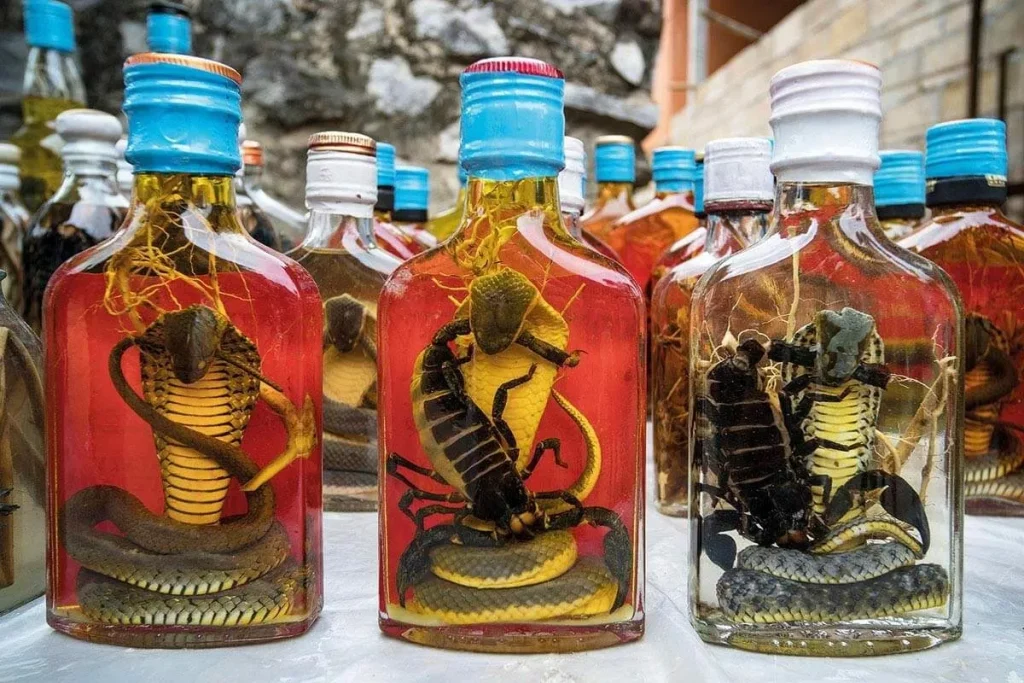
Now things get intense. Imagine a bottle with a whole snake floating inside. Or a couple of scorpions. This isn’t Halloween decor — these are real drinks: snake wine and scorpion vodka, especially popular in Southeast Asia.
What is it? A (often venomous, though dead) snake or scorpion is steeped in rice wine or another strong spirit. It’s believed the venom dissolves in the alcohol and loses toxicity while the animal’s “beneficial” properties transfer to the drink.
Why drink it? There’s a whole philosophy: belief in healing properties — increased virility, treatment for arthritis, pain relief. Some say it strengthens the spirit. For tourists, it’s a souvenir “for the brave” and a photo opportunity.
My opinion: I don’t know. You look at such a bottle and something seems to wriggle inside… Even if it’s “medicinal,” it’s not appealing. I’d rather take a vitamin or eat borscht.
Motherly warmth… for breakfast: placenta and mamuang
This one’s not for the faint-hearted. In some cultures (mainly China and other Asian countries) there are drinks made from… human placenta. Yes — the same organ that supports life in the womb. It can be dried, ground into powder and added to drinks, or blended into a kind of smoothie.
Why? For health and beauty, of course! The placenta is believed to be rich in hormones and nutrients that help recovery after childbirth, rejuvenate, improve complexion — almost an elixir of youth.
Mamuang — another surprise
This Thai drink reportedly contains human breast milk. Also touted for “health” and “youth.”
My opinion: Frankly, this causes cultural shock and some disgust. From a scientific perspective many supposed benefits lack evidence. And there’s a huge psychological barrier. It seems our modern wellness and “biohacking” trends haven’t caught up here — thankfully.

Milky rivers, sour shores: kumis and its kin
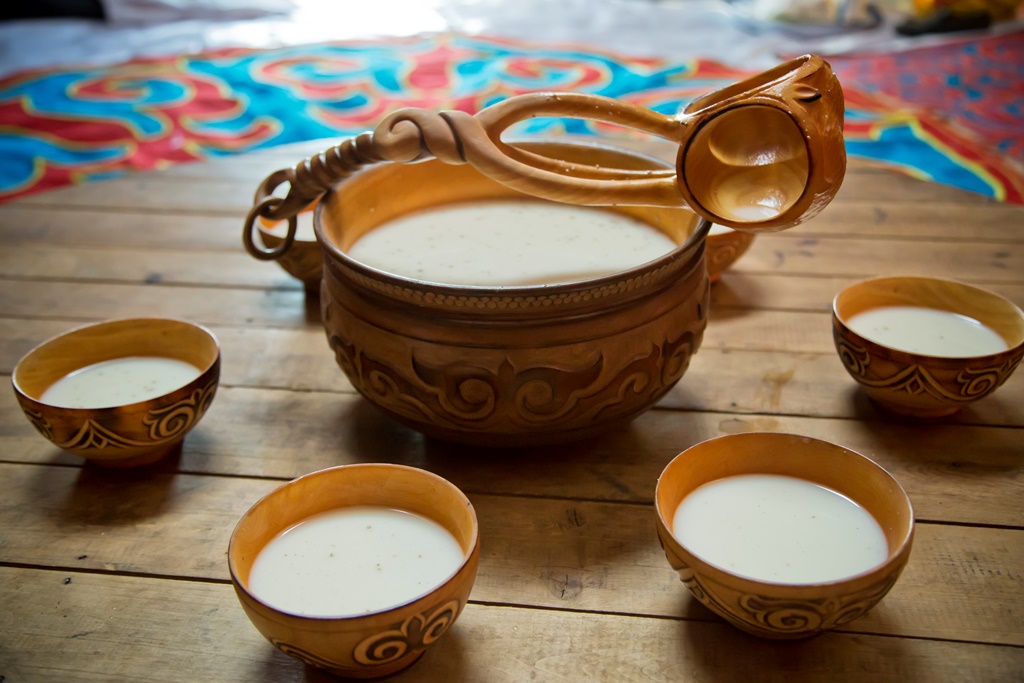
After the previous items you might crave something more traditional and… edible. Enter kumis. This is a fermented drink made from mare’s milk, popular among nomadic peoples of Central Asia (Kazakhstan, Kyrgyzstan, Mongolia).
What is it? Fresh mare’s milk is fermented and cultured, producing a slightly fizzy, tart drink with a low alcohol content (usually from 0.5% to 2.5%, sometimes more).
Why drink it? For these peoples kumis is not just a drink but part of culture and daily life. It’s very nutritious, quenches thirst, and is considered medicinal, especially for digestion and immunity.
My opinion: Kumis is probably the most “normal” thing on our list. It resembles kefir or ayran but with its own unique taste. I tried it, and it’s actually tasty and refreshing. You have to get used to the specific flavor of mare’s milk, but it’s not some exotic grossness.
Polishing internal organs: baby mice and seagulls (yes, seagulls!)
Now hang on. We move into hardcore territory that makes even me cringe.
Baby Mice Wine
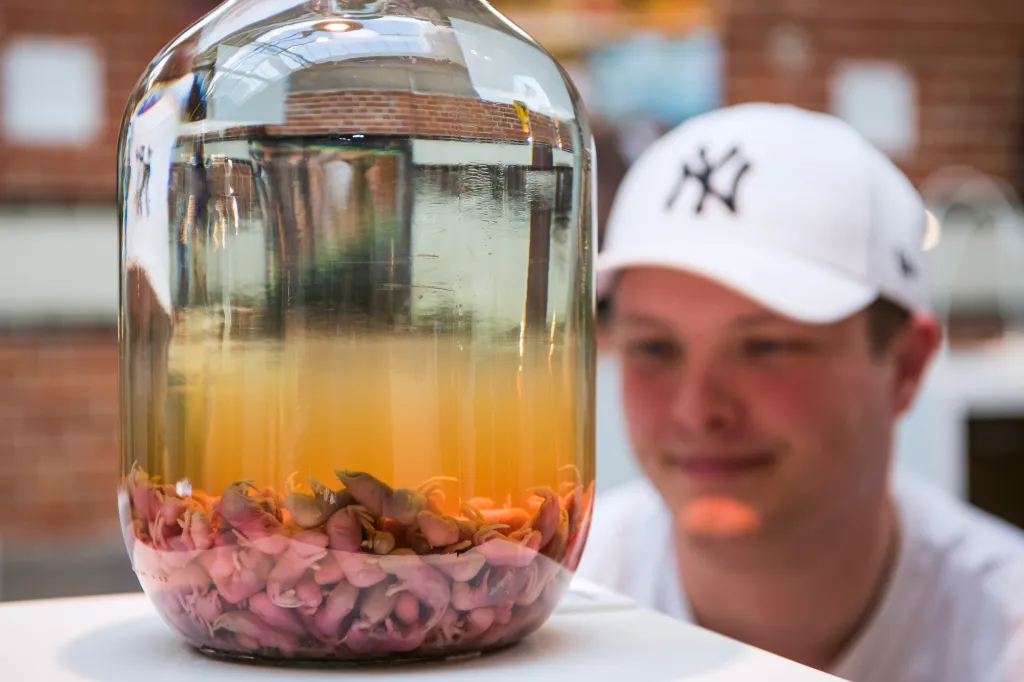
This is Vietnamese and Korean folk “medicine.” A bottle of rice wine has newborn mice — eyes still closed — dropped into it. They’re left to steep for months or even a year.
Why? It’s believed to be a powerful remedy for asthma, liver diseases, and a panacea for everything.
My opinion: This is crossing the line. It’s cruel and disgusting. And, of course, there’s no scientific evidence of effectiveness. Ugh.
Seagull Wine
This one’s from the Arctic. Legend has it that Inuit people, in desperate situations (or just experimenting), invented this: they’d catch a seagull, stuff it into a bottle of water, and leave it in the sun to ferment.
Why? According to stories, it was done to get some intoxicating drink where no alcohol was available. Maybe also as a strange prank.
My opinion: If true, it shows incredible ingenuity and the human ability to survive and find pleasures (even dubious ones) in harsh conditions. But I wouldn’t try it.
Not just a drink but a journey: ayahuasca and company
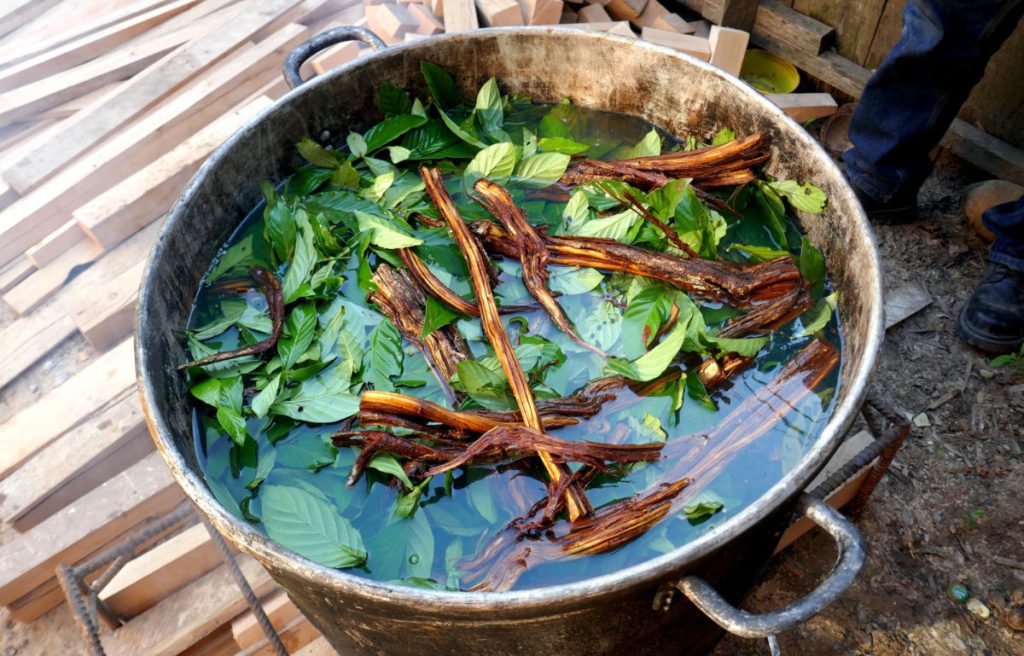
Ayahuasca is no longer simply a “strange drink”; it’s a whole ritual system — a psychedelic brew used for centuries by Amazonian shamans for spiritual practice and healing.
What is it? A decoction from lianas of the Banisteriopsis caapi species and leaves of other plants (often Psychotria viridis) containing psychoactive substances including dimethyltryptamine (DMT). The brew induces intense hallucinations, profound experiences, and “journeys” into the inner world.
Why drink it? In indigenous traditions, ayahuasca is used to communicate with spirits, heal, self-explore, and resolve problems. It’s gaining popularity in the West as a tool for personal growth, treating depression, and addiction, though it’s controversial.
My opinion: Here the drink is merely an instrument for a much deeper experience. It’s not about quenching thirst but spiritual exploration. Crucially, it’s not entertainment — it requires preparation, a qualified guide (shaman), and a safe setting. DIY use can be very dangerous.
And today? Our own oddities are closer to home
After this tour you might think: “Thank goodness I only drink water and tea!” But let’s be honest: if someone 50 years ago said we would pay fortunes for a fermented mushroom tea (kombucha), drink oat milk (once thought only animal fodder), or enjoy beers flavored like pickles or oysters, people would have scoffed.
Modern “strangenesses”:
- Kombucha and water-based kefir: Fermented drinks now sitting on supermarket shelves next to juices.
- Smoothies with superfoods: Chia, spirulina, chlorella, collagen — all added to drinks as miracle ingredients.
- Craft beer: Brewers’ imagination knows no bounds: beer with chili, chocolate, bacon, or sea water.
- Molecular gastronomy: Cocktails served as foams, gels, or smoke.
- Detox shots: Small bottles of concentrated ginger, turmeric, cayenne — fierce and sharp, but sold as “cleansing.”
Why do we drink these? The same reasons: desire to be healthy (or look healthy), search for new experiences, status (trendy drinks), and sometimes simply because “everyone’s drinking them.” The line between “normal” and “weird” keeps shifting.
In conclusion: a sip of understanding
As you can see, the world of drinks is much more than quenching thirst. It reflects history, culture, beliefs, and even desperate human attempts to answer questions about life and death. From coffee that passed through a civet’s gut to snake wine, from placenta to the mystical ayahuasca — each drink carries its own story.
Maybe next time you sip your usual coffee or tea you’ll pause and think, “What do others drink? And why?” Perhaps your most ordinary beverage will feel a little more special, knowing what wild and amazing liquids fill cups and glasses across our incredible world.
The main thing is that it tastes good and, preferably, is safe. As for the baby mice… let’s forget about that. Or at least don’t think about it when you’re craving something out of the ordinary.