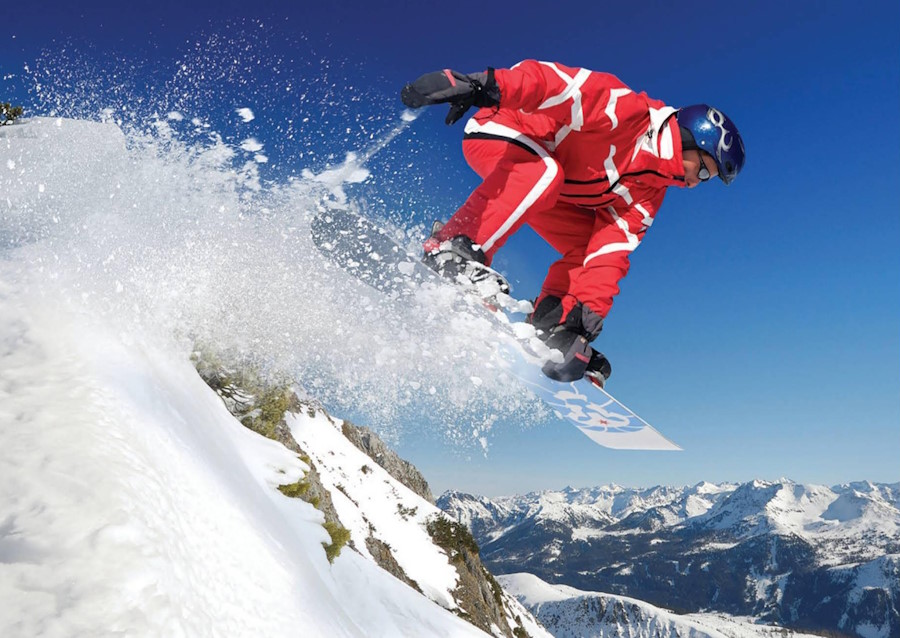
Downhill skiing and snowboarding are incredibly popular among winter sports enthusiasts. But sports are a dangerous activity. Even professional athletes can’t avoid injuries, let alone amateurs? Injuries, sprains, fractures…
Injuries occur both when hitting obstacles and when colliding with other skiers. Poorly maintained slopes pose a particular danger: any small stone is enough for a person to suffer serious injuries. However, it is often the case that there are no external factors involved – a lack of experience, an inability to gauge one’s strength, excitement and excessive fear of the slope, and fatigue take their toll.
What injuries do skiers and snowboarders most often sustain, and what is needed to return from the resort alive and well?
What types of injuries are there?
The most common injury that people seek medical attention for at ski resorts is a bruise. Is the limb starting to swell? The old, proven advice says: three days of cold, three days of heat – and everything will be fine. Cold will help constrict blood vessels. A tight bandage will help ensure immobility. And in three days it will be the turn of warming ointments and physiotherapy procedures. True, by this time many are already back on the slopes.
In second place are muscle injuries. Most often this is called a strain, although, in fact, it is an inflammation of the nerve endings caused by overexertion. It is treated with cold and rest, but a doctor’s consultation is necessary. If the muscle is torn, a splint must be applied for several weeks. Only a doctor can diagnose what has happened, using special equipment.
Ligaments and joints are the next most frequently affected. With a dislocation, the joints are displaced. A sharp pain and an unusual position of the arm or leg signal a dislocation. Before meeting with a doctor, the arm should be hung on a scarf slung over the shoulder. Simple swelling is not so scary: the joint capsule actively secretes protective lubricant, and therefore everything may pass in two or three days.
Bruising, a hematoma, indicates a more serious injury – a rupture. Sharp, persistent pain may also signal a bone fracture. First of all, it is necessary to stop the bleeding and try to disturb the damaged area as little as possible, in order to prevent displacement of bones or their fragments.
A special splint is unlikely to be at hand, and therefore, before talking to doctors, the limb can be fixed with ski poles or branches, tying them in the area above and below the injured area with any rope, scarf, belt.
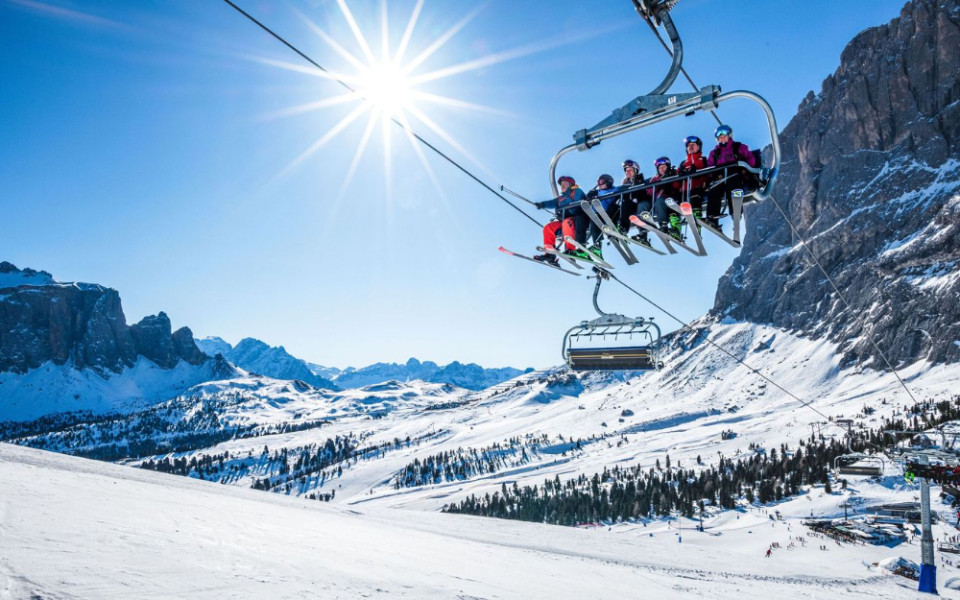
“Weak spots” of skiers
Statistics say that skiers primarily injure their legs, especially their knees. Among novice athletes who ski in a “wedge,” a huge number of injuries are associated with the medial collateral ligament. Beginners already have poor control of their bodies, and in such an unusual position it is much more difficult to simultaneously monitor both skis, as a result, their ends turn out and twist the lower legs outward.
However, experienced athletes are not immune to such injuries: if a sudden “catching of the edge” occurs, and the person is not able to hold a rapidly flying ski to the side. How to avoid this? Those who ride in a “wedge” should try to ensure that the rear ends of the skis do not diverge too widely. If you feel that you can no longer control the skis, it is better to fall grouped together, to the side.
Anterior cruciate ligament injuries most often occur due to the so-called “fall back,” that is, due to the fact that a person unintentionally transfers weight to the back of the ski, to its inner edge, leans back, while the rigid back of the boot also affects the limb. This can also happen when a skier, losing balance or falling, but continuing to slide, tries to get up. A similar situation can arise after a jump. As a result, several forces act on the joint, and it cannot withstand it.
To preserve the ligaments in this position, you cannot fully straighten your legs. You shouldn’t try to stay on skis at any cost – it’s better to fall and stop completely.
Tibial fractures are more common in experienced skiers and occur when landing poorly after a jump. Safe landing on both feet with bent knees.
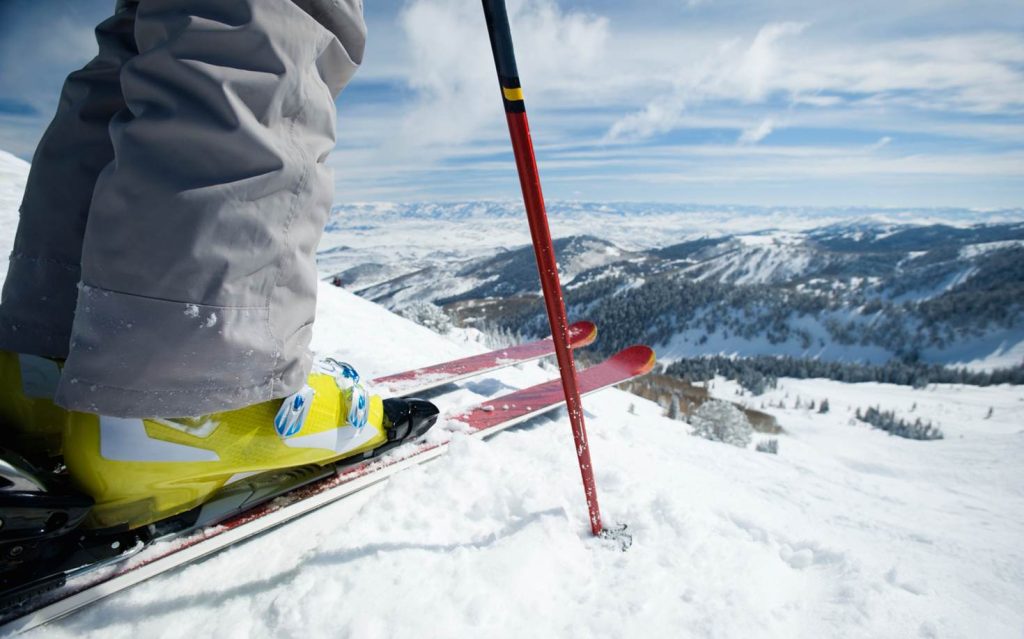
Where snowboarders “break”
Unlike skiers, snowboarders are much more likely to injure their arms, especially their wrists. Fractures of the fingers are not uncommon. This happens when, falling backwards, the athlete lands on outstretched arms. In addition to experience and riding at a reasonable speed, good wrist protection will help prevent these injuries. However, you need to remember: doctors say that sometimes equipment, on the contrary, causes problems – feeling safe, a person sometimes acts more recklessly.
For those who go on the slope with “bare” wrists, experienced snowboarders recommend riding with their fingers clenched into a fist – this also helps to avoid such injuries. And you also need to learn to fall on your elbows, keeping your hands extended forward.
Next in frequency are head and neck injuries. When falling, you need to be able to take the correct position – in no case should you keep your head straight, it is much more correct to tilt it forward. A helmet is mandatory, but even it, unfortunately, does not always withstand the force of the impact. There should also be a head capable of thinking under the helmet – exceeding a reasonable speed on the slope is no less dangerous than on a car road.
Snowboarders injure their legs less often, but it is also not possible to completely avoid injuries to the lower extremities. First of all, the ankle joint is damaged. Do not forget about protecting this area as well. Special rigid boots will help avoid ankle damage. Beginners choose soft ones, choosing freedom in controlling the board and sacrificing their ankle. On the other hand, stiff boots increase the likelihood of knee injuries, so this part of the body will need to be protected additionally.