Hello, adventurer! If you’re reading these lines right now, it means a wild thought has popped into your head: “Why not take off to Panama?” And you know what? That’s one of the best ideas you could have! Forget for a second about the famous Panama hat (which, by the way, is secretly made in Ecuador) and imagine the country as a bridge. A bridge not only between two oceans—the Atlantic and the Pacific—but also between glass-and-concrete skyscrapers and impenetrable jungles, between the ultra-modern world and the ancient traditions of indigenous peoples.
Panama: Bridge of Worlds, Heart of the Universe, and Your Next Unforgettable Vacation!
Panama is a country of contrasts, where in a single day you can swim in the Caribbean Sea and watch the sunset on the Pacific coast in the evening. It’s a place where wild monkeys and sloths live just steps from gleaming shopping malls.
This article is your personal guide and faithful friend in planning a trip to the very heart of the Americas. We’ll break everything down: from history and geography to where to find the tastiest ceviche and how to avoid overpaying for a taxi. So fasten your seatbelt—we’re off on a virtual journey through Panama!
From Golden Caravans to the Eighth Wonder of the World
To understand Panama’s soul, you need at least a quick look into its past. And what a tumultuous past it is—just like a tropical downpour!
Long before Columbus, indigenous civilizations flourished here. But in 1501, Spanish caravels appeared on the horizon, and history took a new turn. It was here, in Panama, that conquistador Vasco Núñez de Balboa was the first European to ever see the Pacific Ocean after crossing the narrow isthmus. From that moment, Panama became the most important transit point of the Spanish Empire. Vast Incan treasures passed through it by mule from Peru to the Caribbean ports, then on to Spain. Of course, such wealth attracted pirates, and the legendary Henry Morgan even burned the then-capital, Panama Viejo, to the ground.
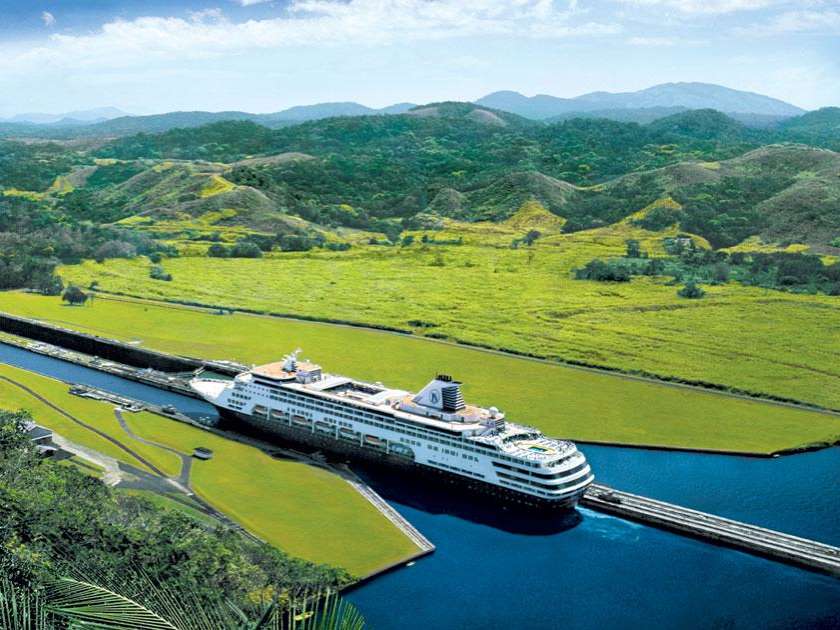
After gaining independence from Spain, Panama became part of Colombia, but in 1903—with the help of the United States, who wanted to build a canal here—Panama declared its own independence. And this is where things get really interesting: the grand construction project of the 20th century, the Panama Canal. This marvel of engineering changed not only world trade but the country itself forever. Until 1999, the canal was under U.S. control, but on the eve of the new millennium, Panama gained full sovereignty over its main artery. Today’s Panama is a rapidly developing nation, proud of its history and optimistic about its future.
Geographic Location and Climate: Two Oceans and Eternal Summer
So, where is it, exactly?
Panama is that thin, S-shaped isthmus connecting North and South America. To the north it’s washed by the warm Caribbean Sea (part of the Atlantic Ocean), and to the south—the mighty Pacific Ocean. To the west it borders Costa Rica; to the east—Colombia, home to the famous and impassable Darién Gap, a dream of the most daring adventurers.
Landscape: Mountains, Jungles, and Beaches
Forget about steppes—there are none in Panama. But everything else is here!
- Mountains: The central mountain range spans the whole country. In the west, near the Costa Rican border, sits the highest point—Volcán Barú (3,474 m / 11,398 ft), from whose summit you can see both oceans at once on a clear day!
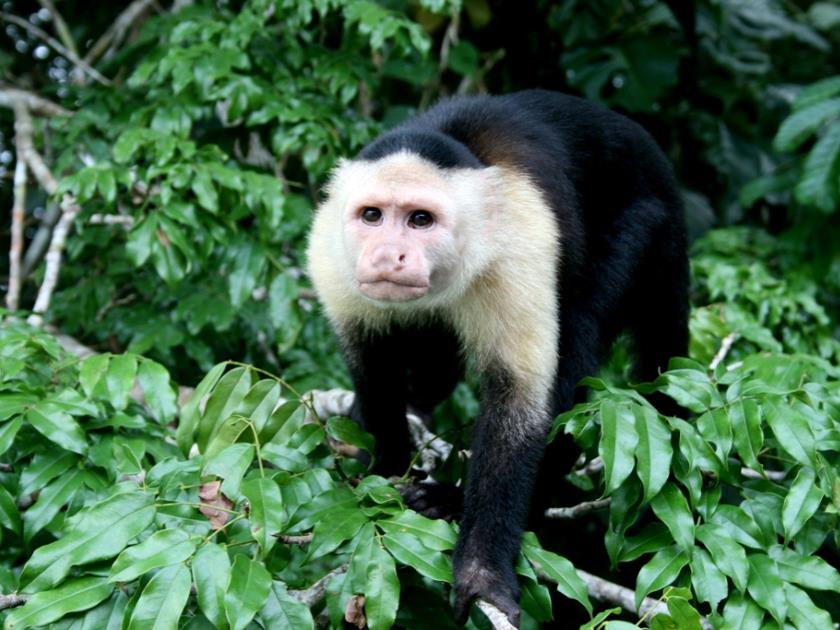
- Forests: Nearly half the country is covered in dense tropical rainforests. These are true jungles teeming with life: from tiny tree frogs to jaguars and tapirs.
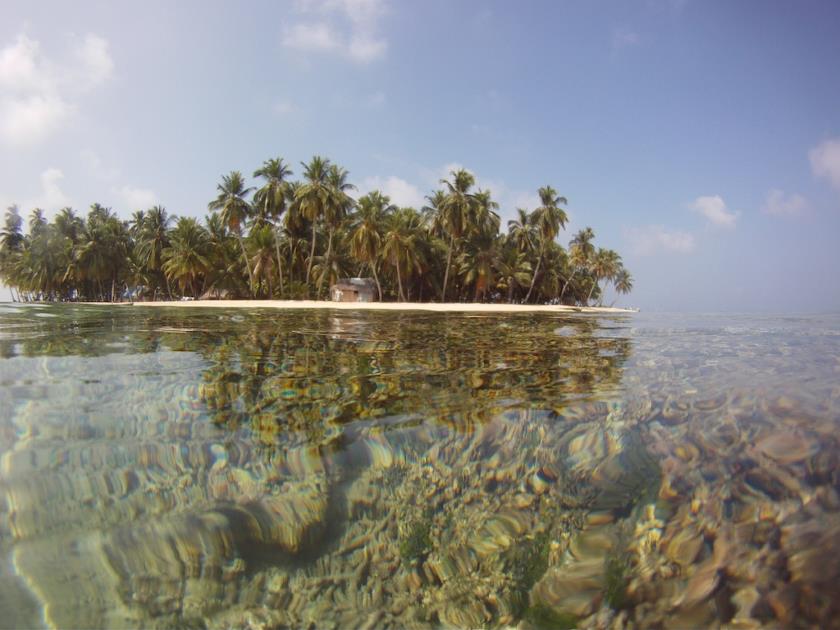
- Coasts: Absolutely different from one another! The Caribbean coast is a classic “bounty” experience: turquoise water, coral reefs, islands with white sand (hello, San Blas archipelago!). The Pacific coast is wilder, with strong tides, volcanic sand, and excellent surf spots.
Climate: Dry Season vs. Wet Season
It’s eternal summer in Panama! Temperatures stay around 25–32°C (77–90°F) year-round on the coasts and slightly cooler in the mountains. The main thing for travelers to know is the division into two seasons:
- Dry season (“verano” — summer): Lasts from about mid-December to April. This is the perfect time to visit—sunny, little rain, calm seas. Naturally, hotel and tour prices are higher during this time.
- Rainy season (“invierno” — winter): From May to November. Don’t be scared by the name! It doesn’t mean it rains 24/7. Usually, there’s a powerful but brief tropical downpour in the late afternoon, and then the sun comes out again. Nature is especially lush and green, there are fewer tourists, and prices are friendlier. The only catch is the higher humidity.
Political System, Capital, and Religion
Panama is a presidential republic. The country is divided into 10 provinces and 6 autonomous indigenous territories known as “comarcas” (such as Guna Yala).
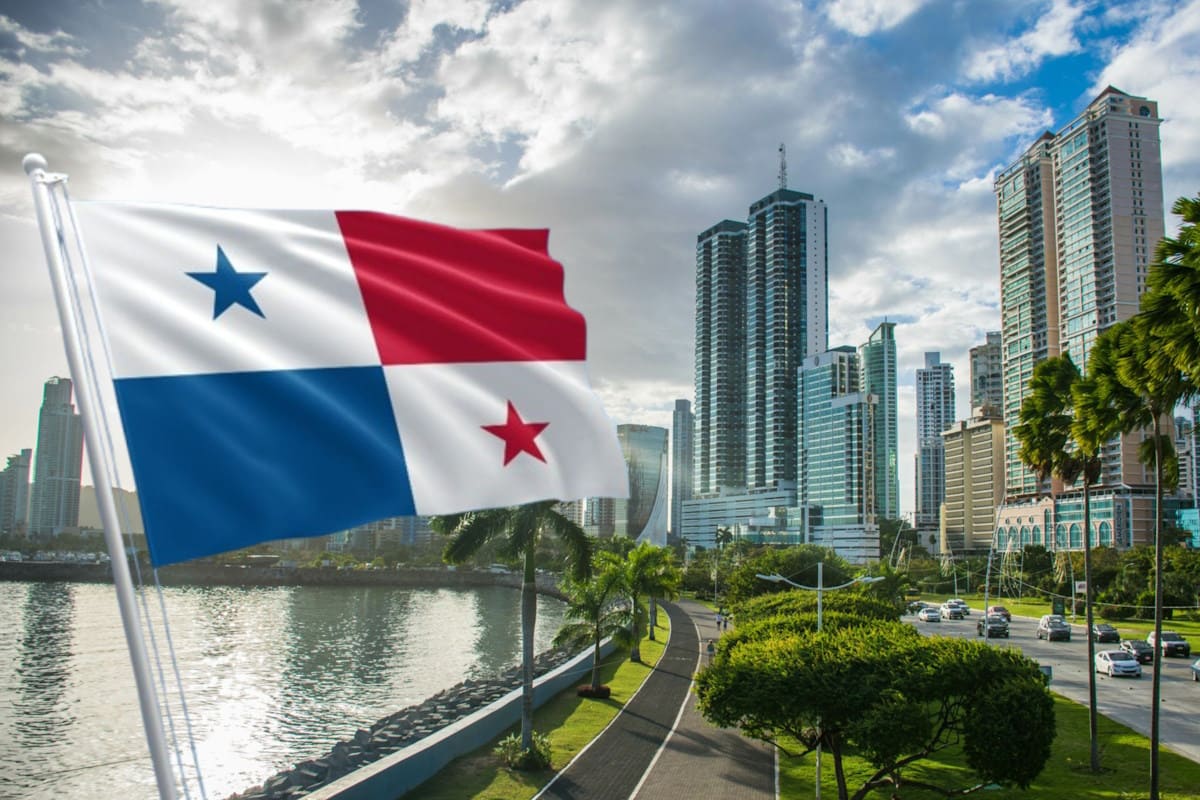
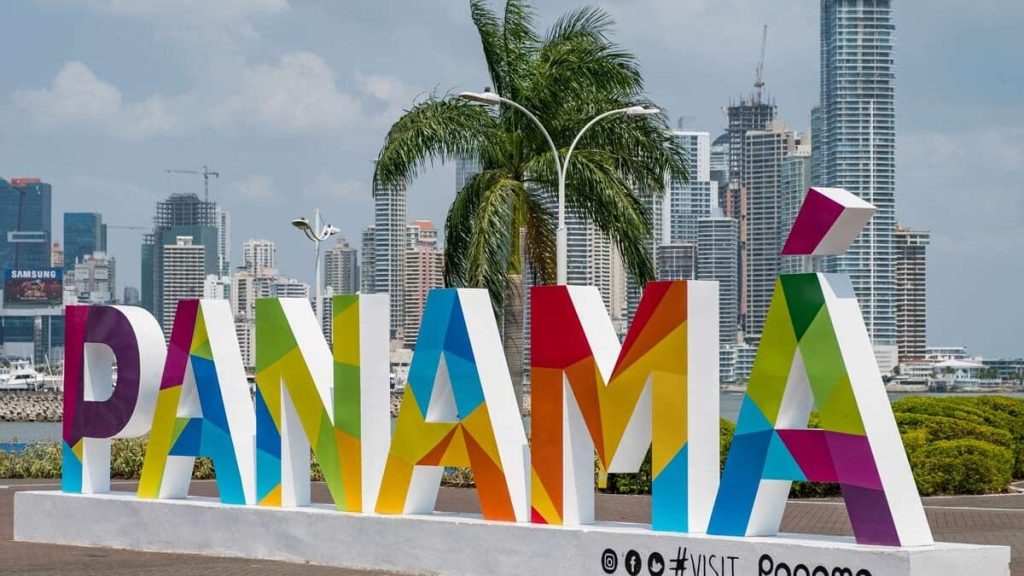
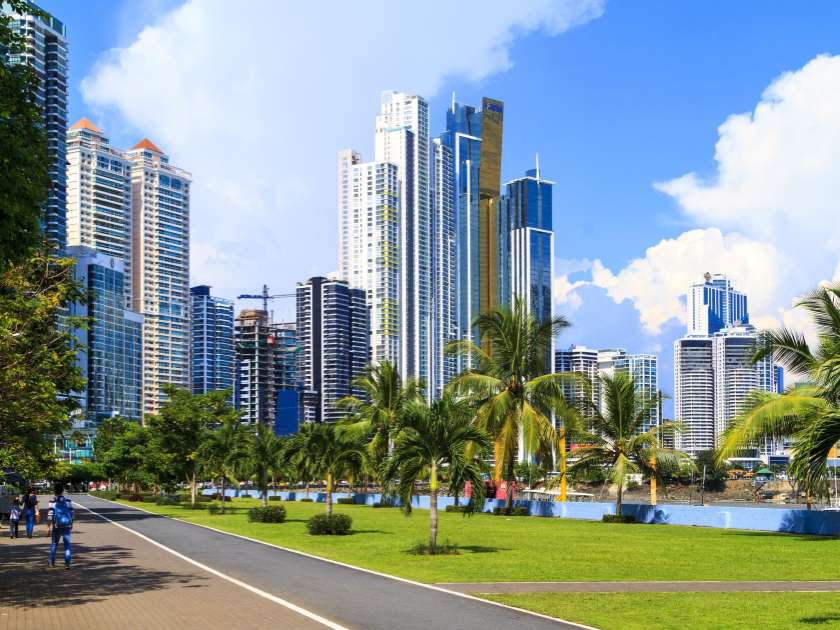
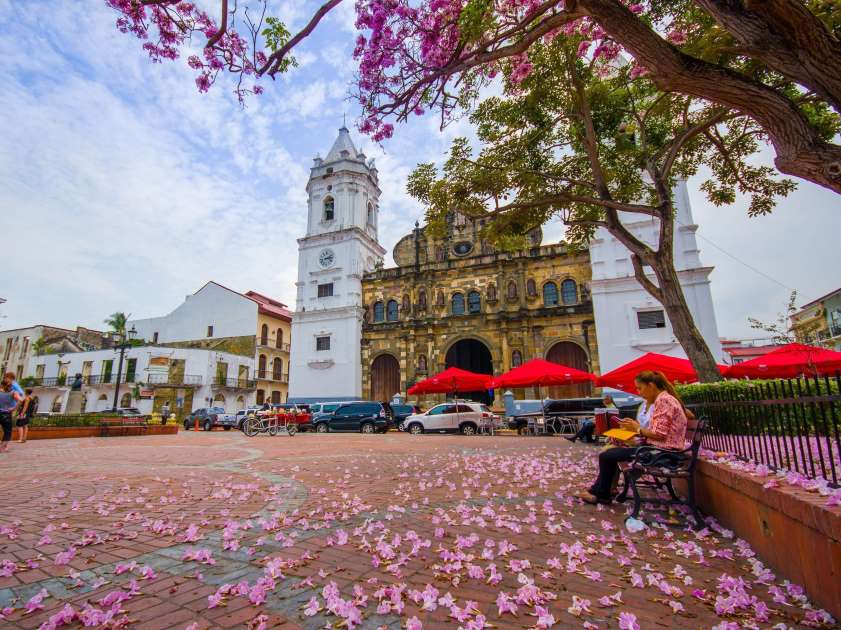
Capital—the city of Panama City. It’s a city of incredible contrasts. Here, you’ll see a gleaming business district with skyscrapers (often dubbed “the Dubai of Latin America”), the colonial old town of Casco Viejo with its cozy streets and rooftop bars, and the ruins of the original capital burned by pirates.
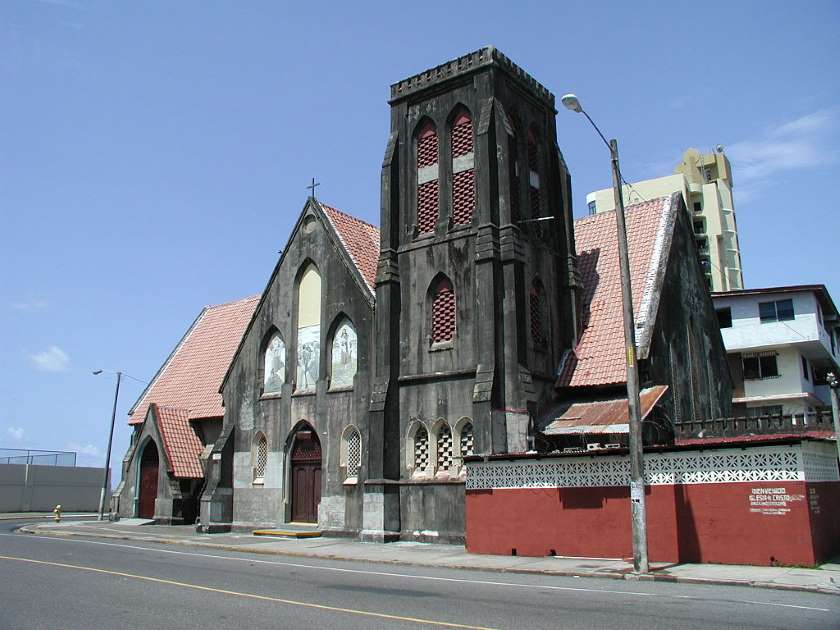
Religion: The vast majority of Panamanians are Catholic. However, the country observes complete freedom of religion, and Protestants, Jews, Muslims, and representatives of other faiths live together peacefully. Religion doesn’t play a dominant daily role, but family and church holidays—like Christmas and Easter—are celebrated in a big way.
Population and Language: Who Are Panamanians?
Panama has about 4.4 million inhabitants.
- Ethnic composition: Most of the population are mestizos (descendants of mixed marriages between Europeans and Indigenous people). There are also large groups of Afro-Panamanians (descendants of slaves and canal builders), Europeans, and Asians.
- Indigenous peoples: Panama is home to 7 major indigenous ethnic groups, the most well-known being the Guna (Kuna) living on the San Blas islands, the Ngäbe-Buglé in the western mountains, and the Emberá living in the jungles. Visiting their villages is a unique chance to experience a living, non-tourist culture.
- Language: The official language is Spanish. In tourist areas, hotels, and Panama City restaurants, many people speak English. But as soon as you leave the capital, English proficiency drops sharply. Learn even a couple dozen phrases in Spanish (“Hola” — hello, “Gracias” — thank you, “Cuánto cuesta?” — how much?, “La cuenta, por favor” — the check, please) and you’ll notice how warmly locals treat you.
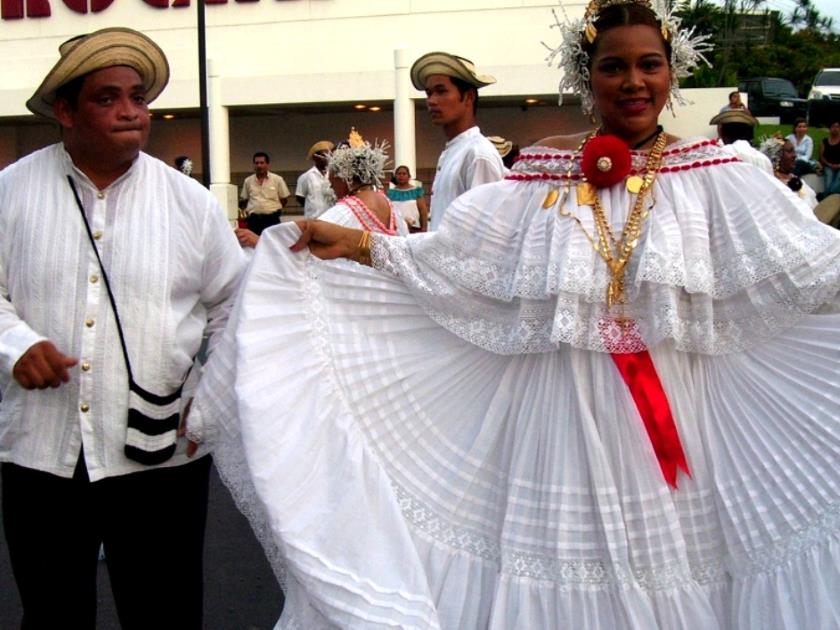
- National mentality: Panamanians are overall very friendly, relaxed, and open people. There’s no rush here. The famous Latin American word “mañana” (tomorrow) is very much in use. If you’re told a bus comes “ahorita” (right now), it could be in 5 minutes or half an hour. Just relax and accept this rhythm of life. They take great pride in their country—especially the canal—and love to talk about politics and football (soccer).
Transportation Infrastructure: How to Get Around the Country?
Transport in Panama is surprisingly good.
- Air travel: The main international gateway is Tocumen International Airport (PTY) in Panama City. It’s Latin America’s largest hub, so flying in from anywhere in the world is easy. For domestic flights (e.g., Bocas del Toro or the San Blas Islands), there’s the local airline Air Panama, which operates from Albrook Airport (PAC).
- Sea routes: Cruise ships frequently visit Panama’s ports. For tourists, boats and launches are the main way to reach the many islands.
- Railroad: There’s only one, but what a railway! The Panama Canal Railway is a historic train traveling alongside the canal from Panama City to Colón on the Caribbean coast. It’s more a tourist attraction with amazing views than a primary transport option.
- Long-distance buses: The most popular and affordable way to travel around the country. The main bus terminal is in Panama City at Albrook Terminal (next to the eponymous airport and a huge mall). You can go anywhere from here. Buses are comfortable, air-conditioned (bring a sweater—they can get icy!).
- Urban transport: Panama City boasts a modern, clean metro—the first in Central America! There’s also the Metrobus bus system (you’ll need a card, which can be bought at metro stations and the terminal).
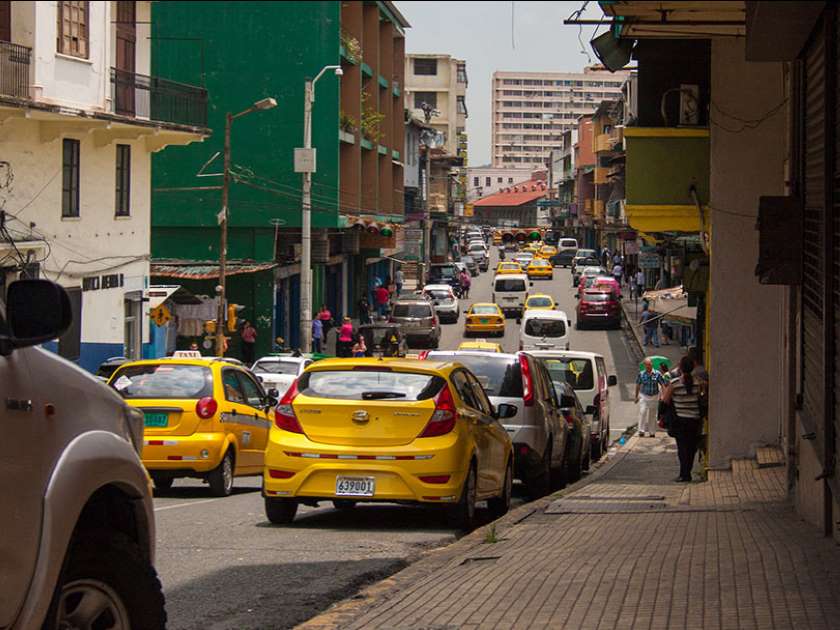
- Taxis and ride-sharing: In the capital, Uber and Cabify are popular—they’re convenient and prices are fixed. Traditional yellow taxis are everywhere too, but agree on the fare BEFORE you ride or risk paying the “tourist rate.” Renting a car is easy (you’ll need an international driver’s license), but be warned: traffic in the capital can be insane.
The Most Interesting Facts About Panama (For Showing Off Your Smarts)
- That famous “Panama hat” actually originates from Ecuador. It just became popular in Panama during the gold rush and canal construction, so the name stuck.
- Panama is the only place in the world where you can see the sun rise over the Pacific and set over the Atlantic. This is possible thanks to the S-shape of the isthmus.
- The official currency is the US dollar. Panama does have its own currency, the balboa, but it exists only as coins and is pegged to the dollar at a 1:1 rate. So there’s no currency exchange needed—just bring US dollars.
- Panama’s biodiversity is off the charts. There are more species of birds here than in the USA and Canada combined!
- The famous Darién Gap on the border with Colombia is the only break in the Pan-American Highway, which stretches from Alaska all the way to Argentina.
Major Cities and Popular Tourist Destinations
- Panama City: An absolute must. A modern metropolis, colonial heritage, and gateway to the Panama Canal. Be sure to visit the Miraflores Locks, stroll through Casco Viejo, and snap a photo against the backdrop of the skyscrapers.
- Bocas del Toro: An archipelago on the Caribbean coast. A paradise for backpackers, surfers, and relaxation lovers. The vibe is eternally festive, with over-water bungalows, beaches dotted with starfish, and lazy days in hammocks.
- Boquete: A mountain town in Chiriquí province. Enjoy a cool climate, coffee plantations (they grow Geisha, one of the world’s most expensive coffee types, here), hiking trails, waterfalls, and climbing Volcán Barú. The perfect place to escape the tropical heat.
- San Blas Archipelago (Guna Yala): 365 islands in true “Bounty” style. This is an autonomous territory of the Guna people. No big hotels—just simple bungalows, pristine nature, white sand, and turquoise waters. A unique cultural and natural experience.
- El Valle de Antón: A charming town situated in the crater of an extinct volcano. There are thermal springs, “square trees,” waterfalls, and excellent hiking routes.
- Santa Catalina: A small fishing village on the Pacific coast that has become a surfer’s mecca. Boats depart from here to Coiba National Park—the “Galapagos of Panama” with an incredible underwater world.
Natural Recreation Areas: Merging with Nature
Beach resorts: Bocas del Toro, San Blas, the Pearl Islands (Las Perlas) in the Pacific.
Mountain resorts: Boquete and El Valle for those who love cool weather, hiking, and coffee.
Nature reserves and parks:
- Soberanía National Park: Just 30 minutes from Panama City. An ideal spot for birdwatching and wildlife.
- Coiba National Park: A UNESCO World Heritage site. Fantastic diving and snorkeling.
- Darién National Park: For the truly adventurous. Untamed jungle, pristine nature. Visits only with experienced guides.
Sights: From Must-Sees to Hidden Gems
Most famous
- Panama Canal (Miraflores Locks): Watching giant ships squeeze through the narrow locks is a spectacle you’ll remember for life. The visitor center features an excellent museum and observation deck.
- Casco Viejo (Old Quarter of Panama City): A UNESCO site. Colonial architecture, narrow streets, plazas, cathedrals, trendy restaurants, and rooftop bars offering views of modern Panama City.
- Panama Viejo: Ruins of the very first Panama City, founded in 1519 and destroyed by pirate Henry Morgan.
- Biomuseo: A bright, colorful building designed by the famous architect Frank Gehry. The museum explores the birth of the Panamanian isthmus and its global impact on biodiversity.
Interesting but lesser-known
- Fort San Lorenzo: Picturesque ruins of a Spanish fort on the Caribbean coast where the Chagres River meets the ocean.
- La India Dormida Trail in El Valle: A hike along the mountain ridge shaped like a sleeping woman. Stunning sunrise views.
- Visiting an Emberá indigenous village: Canoe tour into the jungle, experiencing the everyday life, traditions, and dances of this people.
Where and How to Relax: Entertainment, Festivals, and Shopping
Entertainment
Nightlife is in full swing in Casco Viejo, Panama City—dozens of rooftop bars, salsa clubs, and jazz bars. In Bocas del Toro, the atmosphere is all about beach parties. For those feeling lucky, Panama City has many casinos.
National holidays
Panamanians love to celebrate! All of November is “Month of the Homeland” (Mes de la Patria) with parades and days off. But the main event is Carnival, held four days before the start of Lent (usually in February). The grandest celebrations are in Las Tablas, but Panama City is lively too.
Shopping
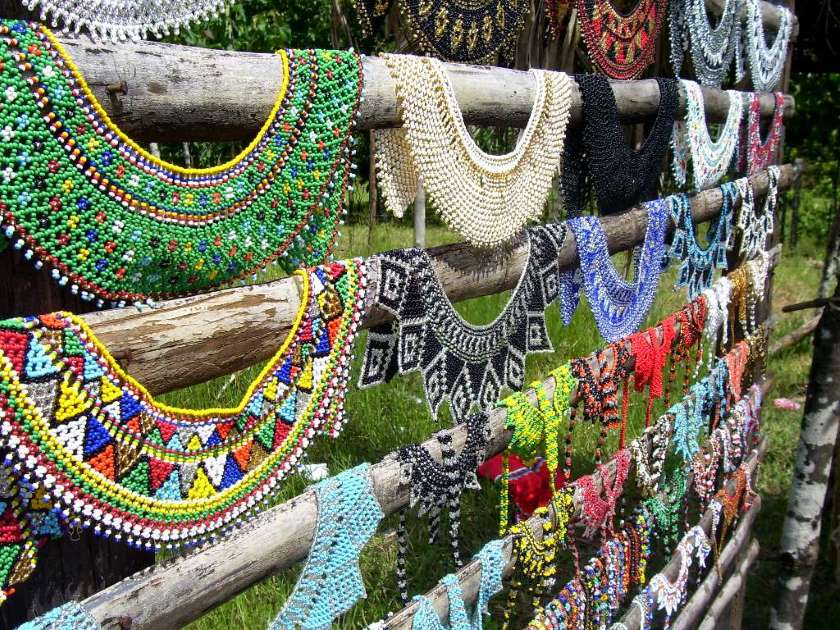
Panama is a paradise for shopaholics. Panama City boasts huge malls, the most famous being Albrook Mall (one of the largest in Latin America), where you’ll find everything from budget brands to electronics. For luxury labels, head to Multiplaza Mall. In Casco Viejo and at markets you can buy souvenirs like the iconic “molas” (Guna appliqué textiles), woven baskets, and wooden crafts.
Where to Stay: From Hammocks to Penthouses
Accommodation infrastructure in Panama is excellent.
Hostels
Ideal for backpackers and budget travelers. Plenty are available in Panama City (especially Casco Viejo), Bocas del Toro, Boquete, and Santa Catalina.
Average rate: $15 – $30 USD / €14 – €28 EUR per dorm bed.
Mid-range hotels and guesthouses
The most common options. Good value for money and found everywhere.
Average rate: $60 – $150 USD / €55 – €140 EUR per double room.
Luxury hotels and resorts
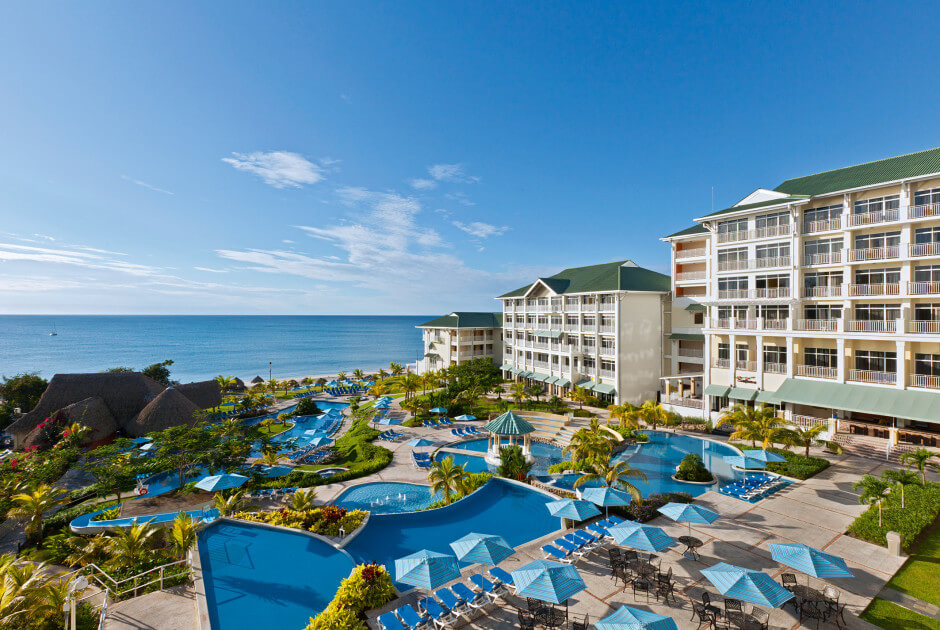
Mostly found in Panama City (many international brands) and on some private islands. Offer the highest level of service.
Average rate: from $200 USD / €185 EUR and up.
Special type
On the San Blas Islands, you’ll stay in simple wooden cabanas with minimal comforts, managed by Guna families. It’s not about luxury—it’s about authenticity.
What and Where to Eat: A Culinary Journey
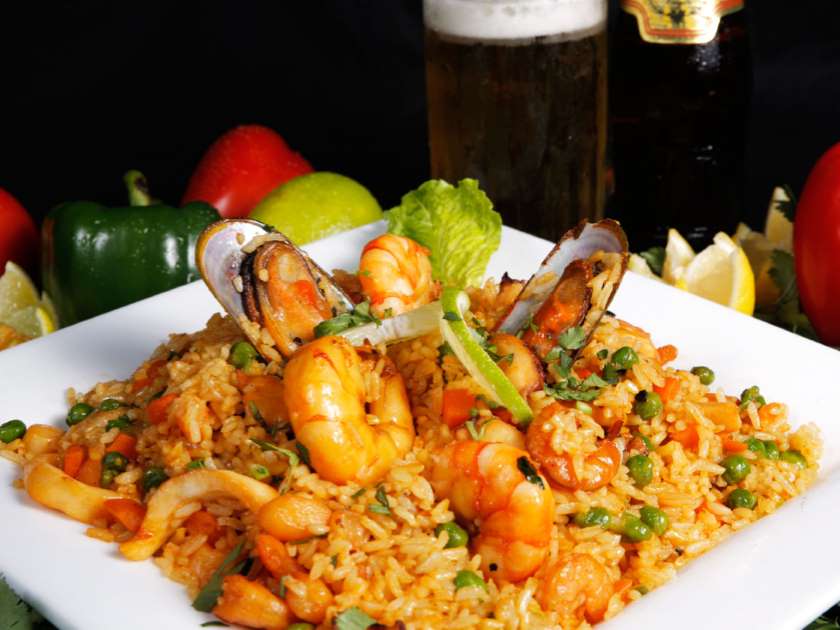
Panamanian cuisine is a vibrant blend of Spanish, African, Indigenous, and Caribbean traditions. Staples include rice, beans, corn, meat, chicken, and, of course, the freshest seafood!
National dishes to try
- Sancocho: A hearty chicken soup with vegetables and herbs. Considered the ultimate hangover cure.
- Ropa Vieja: Literally “old clothes.” Tender stewed beef, pulled into shreds in tomato sauce. Served with rice and patacones.
- Ceviche: Raw fish (usually sea bass) marinated in lime juice with onions and chili peppers. Refreshing and delicious! Sold everywhere—even in cups on the promenade.
- Patacones: Twice-fried slices of green plantain. A great side or snack.
- Arroz con Pollo: A classic—rice with chicken and vegetables.
- Carimañolas: Yucca fritters stuffed with meat.
Food service infrastructure
- Fondas: Small family-run cafés frequented by locals. Cheap, authentic, and very tasty. You can get a full meal for next to nothing.
- Average rate: $5 – $10 USD / €4.5 – €9 EUR for a set lunch.
- Restaurants and cafés: Wide variety for all tastes and budgets, especially in Panama City.
- Average mid-range restaurant rate: $20 – $40 USD / €18 – €37 EUR per person (main dish + drink).
- Food courts and fast food: Malls are packed with food courts offering both global chains and local options.
- Average rate: $8 – $15 USD / €7 – €14 EUR.
- Seafood Market (Mercado de Mariscos): In Panama City. The ground floor sells the freshest catch; upstairs dozens of cafés will whip up the best ceviche in town.
Conclusion and Last-Minute Tips
Panama is a country full of surprises. It can be noisy and ultra-modern, and just an hour away—quiet and wild. It’s the perfect destination for those who want to combine beach holidays, history, jungle adventures, and big-city comfort.
Here are some final tips to make your trip even better:
- Money: Everywhere uses US dollars. Carry small bills ($1, $5, $10, $20), as you may not get change for $100, especially in small shops.
- Safety: Panama is one of the safest countries in Central America. But common sense still applies: don’t flash expensive gadgets, don’t walk alone in dark alleys at night, especially in certain areas of Panama City and the city of Colón.
- Water: Tap water is safe to drink in Panama City. In other regions, stick to bottled water.
- Protection: High-SPF sunscreen, a hat, and insect repellent are your best friends. Seriously!
- Power outlets: American type (A and B), voltage 110V. A plug adapter is a must for European devices.
- Tipping: It’s customary to leave 10-15% in restaurants. Often, this is already included in the bill as “servicio.”
- Be patient: Remember “mañana.” Don’t stress if things go off schedule. You’re on vacation in Latin America—enjoy the moment!
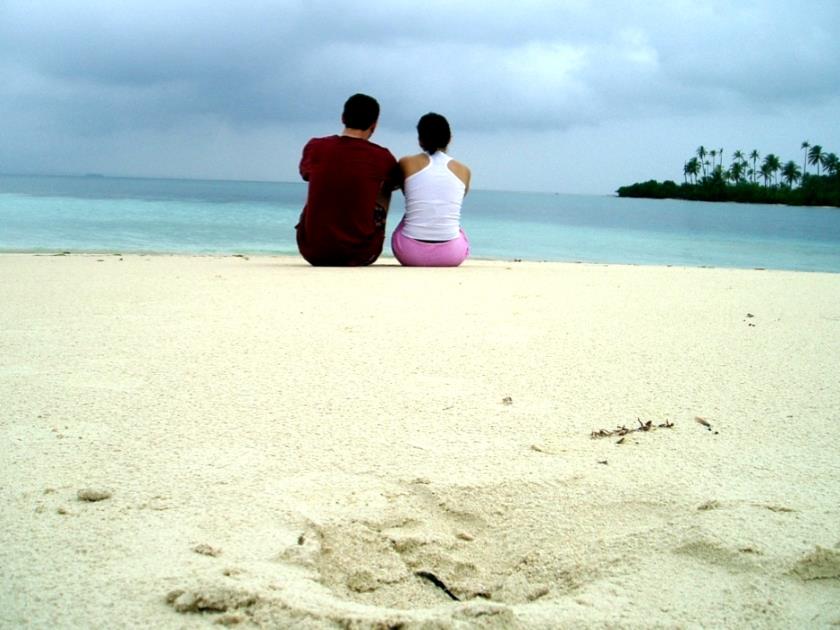
So, now you’re armed to the teeth with knowledge. Panama awaits with open arms, two oceans, and a thousand adventures.