Easter is one of the most important Christian holidays, celebrated in memory of the Resurrection of Jesus Christ. This holiday is the foundation of the Christian faith and symbolizes the victory of life over death. Easter celebrations include various rituals and traditions that differ depending on the specific church tradition and cultural context. However, among the most common traditions are the following:
- Easter Service: Church services on Easter usually begin on the night of Saturday to Sunday. During the service, special attention is paid to reading the Easter Gospel, which tells about the Resurrection of Christ.
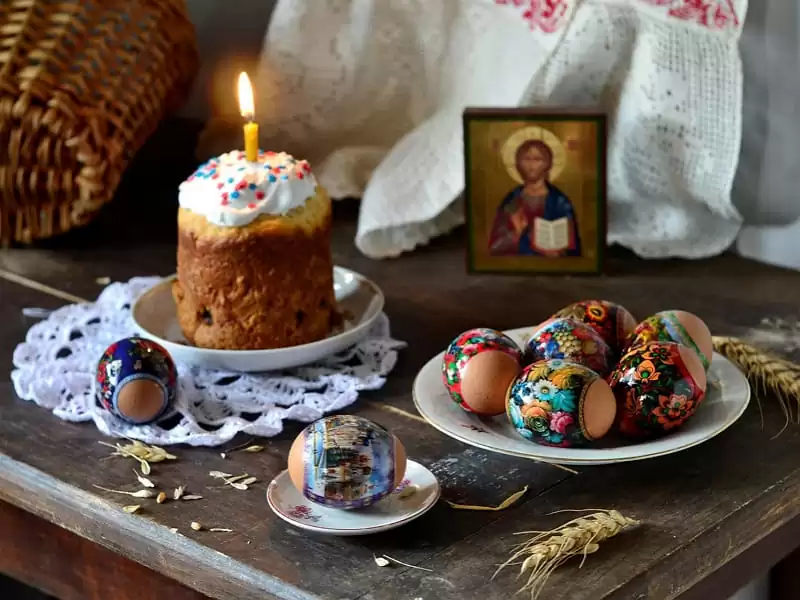
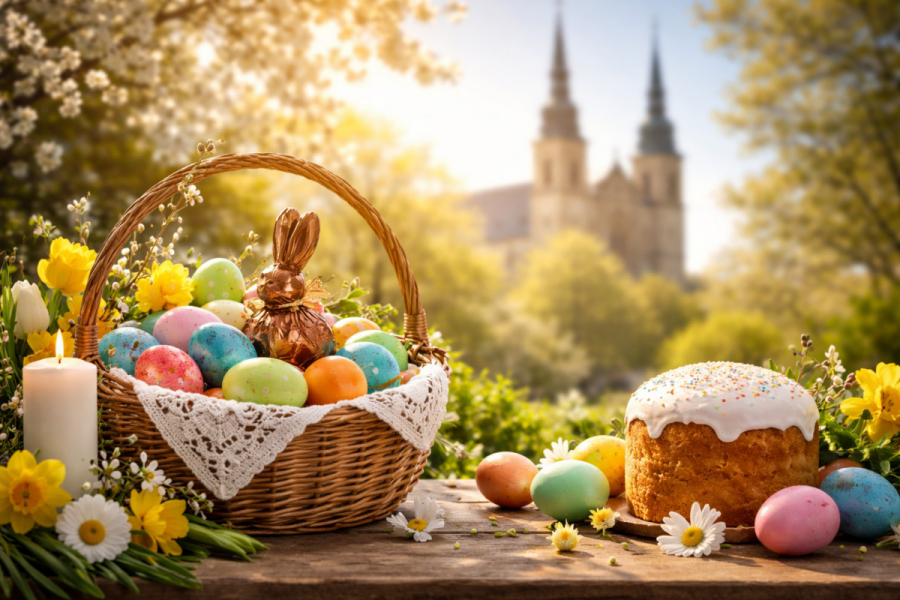
- Easter Kulich and Colored Eggs: Traditional Easter treats include kulichi (a special type of Easter bread) and colored eggs. Kulichi are usually baked with raisins and citrus fruits, and colored eggs symbolize the new life that arises with the Resurrection.
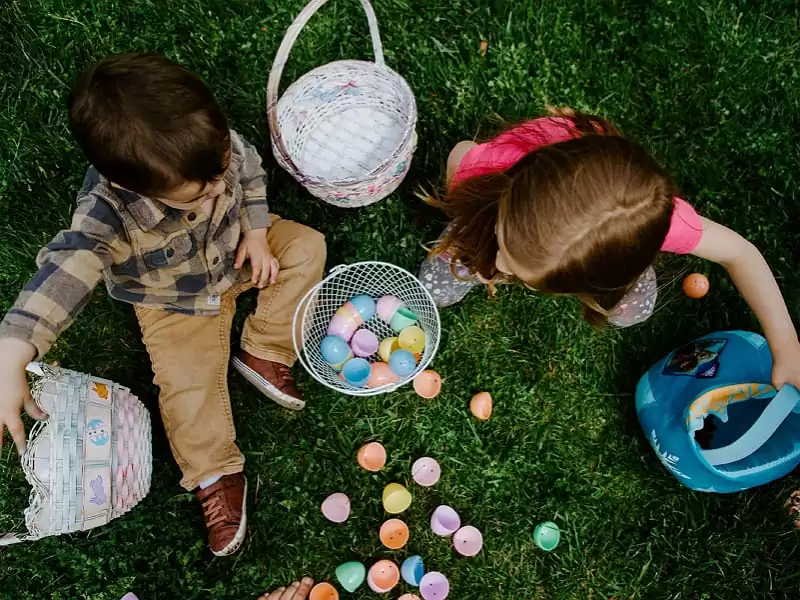
- Easter Games and Traditions: In many countries, there are various games and traditions associated with Easter. For example, in some places, Easter festivities are held, egg hunts are organized for children, and various sporting events are held.
- Easter Decorations: Various Easter decorations are created in homes and churches, such as Easter wreaths, painted eggs, flowers, and candles, which symbolize joy and a festive mood.
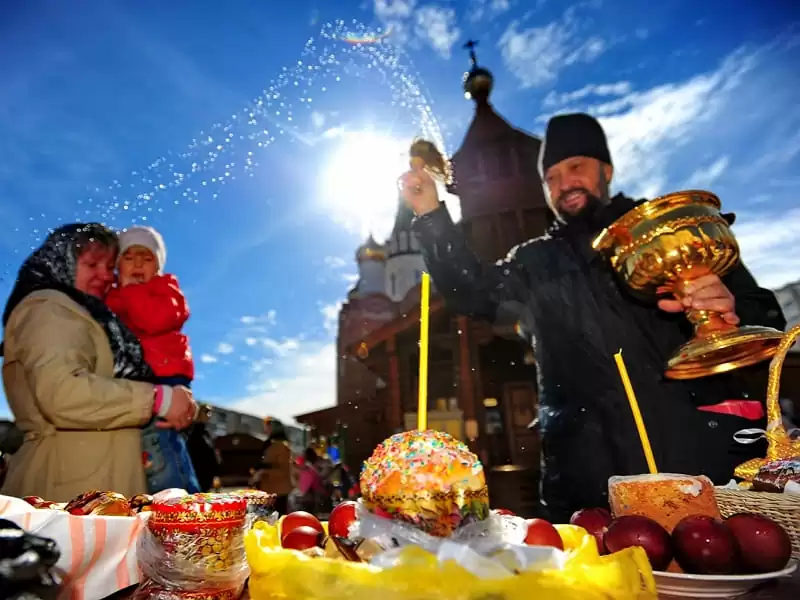
How Easter is Celebrated in Different Countries
The Easter holiday is a time of joy, hope, and renewal for the Christian community. It reminds believers of the great sacrifice and triumph of Jesus Christ, and also calls for life in accordance with Christian teachings of love, mercy, and compassion. Easter is the second most important holiday among Christian believers after Christmas. Traditions of celebrating Easter have developed over centuries, but each nation tends to do it in its own way.
Spain
In Spain, the Easter procession is popular, when boys carry simple palm branches, and girls carry specially decorated branches with sweets. The priest must bless these children. The most famous Easter procession takes place in Seville. In front of the church in Palma de Mallorca on Easter Sunday, the Passion of Christ is reenacted. The scariest event takes place in Verges (Girona): the dance of skeletons is popular there, the men of the city dress up in frightening costumes and scare passers-by.
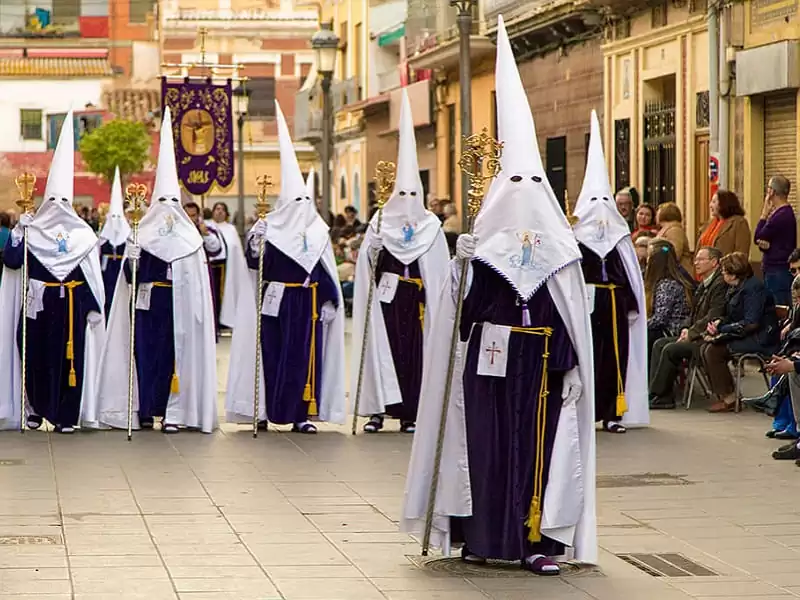
Italy
In Italy, they traditionally bake an Easter cake, a savory pie with boiled eggs and spinach, or “Easter Dove” (Paloma di Pasqua). This cake resembles a church dome. During the procession on Good Friday, crosses are carried through the streets. The participants in the procession, dressed in black, walk along the dark streets, illuminating the way with candles. Silence reigns. On Easter, it is customary to go for a walk with family and children. For Catholic Christians, lamb has long been the main Easter dish. Today in Italy, even in the smallest village, they certainly eat it for Easter.
Ireland
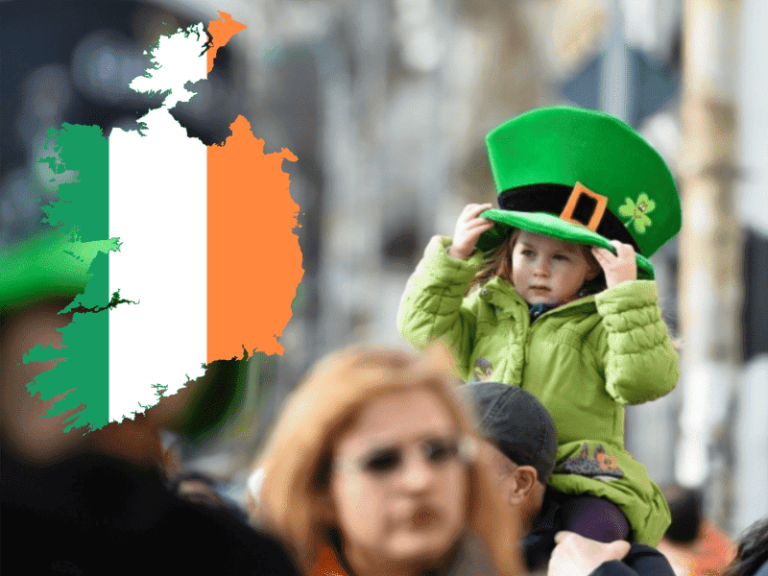
In some cities of Ireland, there is a grotesque Easter custom: a symbolic burial of herring takes place. The herring is carried to the grave as a sign that the strict fast, in which herring is the main dish, is now ending.
France
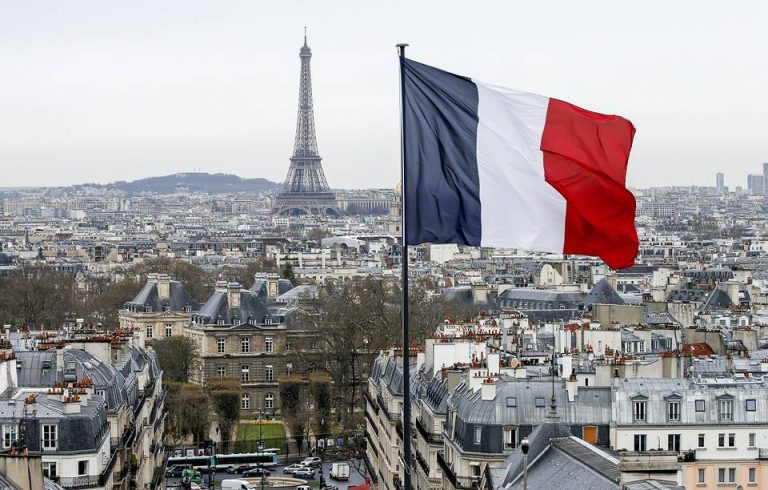
In France, the bells are silent from Maundy Thursday to Holy Saturday, this is a period of mourning for the death of Jesus. Only on Easter Sunday do the bells ring again with joy over the resurrection of Christ. When the French hear the bells on Easter Sunday, they hug and kiss. They make chocolate eggs and hide them from the children. Children throw eggs into the air. The first whose Easter egg falls to the ground loses. In some areas of France, children wait for a carriage drawn by 4 white horses, which is filled with Easter eggs.
Greece
Greece is an Orthodox country. Therefore, they paint Easter eggs there and keep them until Saturday evening. For the evening service, believers bring burning white candles. At midnight, all the candles are extinguished. The burning candle symbolizes the rebirth of Christ. Burning light, life, is transmitted by people from one candle to another. Orthodox Easter is the most important religious holiday in Greece, during which mass processions of people carrying consecrated candles take place.
At the Easter meal, they eat the traditional soup made from lamb offal – magiritsa, which is prepared in advance, on Saturday. They uncork retsina – the first wine of last year’s harvest. Wide feasts and picnics are organized in nature, young lambs are roasted on bonfires. In Thessaloniki, the city municipality arranges a free treat for everyone – both locals and visitors: wine, meat and, of course, red Easter eggs with sweet tsoureki are placed on the tables.
Songs and Greek dances do not stop until the very morning, and continue throughout Bright Week. And Easter holidays for Greek schoolchildren last a whole 15 days.
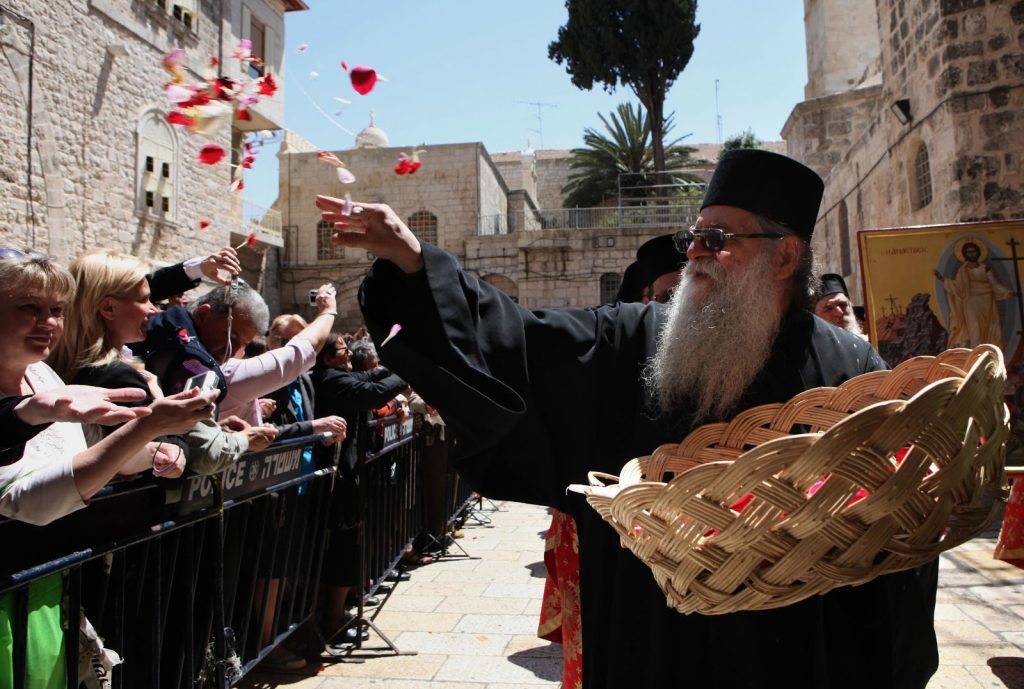
Switzerland
In Switzerland, there are as many Easter traditions as there are cantons. In the west of the country, the instruments of torture of Christ and the veil with the sweat of Saint Veronica are carried through the streets on Good Friday by Les Pleureuses (weepers). In Bern, Easter Sunday is celebrated at the site of the elevator in the old part of the city. Here they arrange small battles with Easter eggs – the one whose egg remains unbroken wins.
In French Switzerland, Easter customs include the decoration of springs. In more than two hundred church communities, springs in villages are decorated with garlands of colorful Easter eggs, paper, branches and ribbons. In Upper Lusatia, a procession of knights passes through the villages on Easter Sunday. They carry church banners, a cross, and sometimes a statue of Jesus.
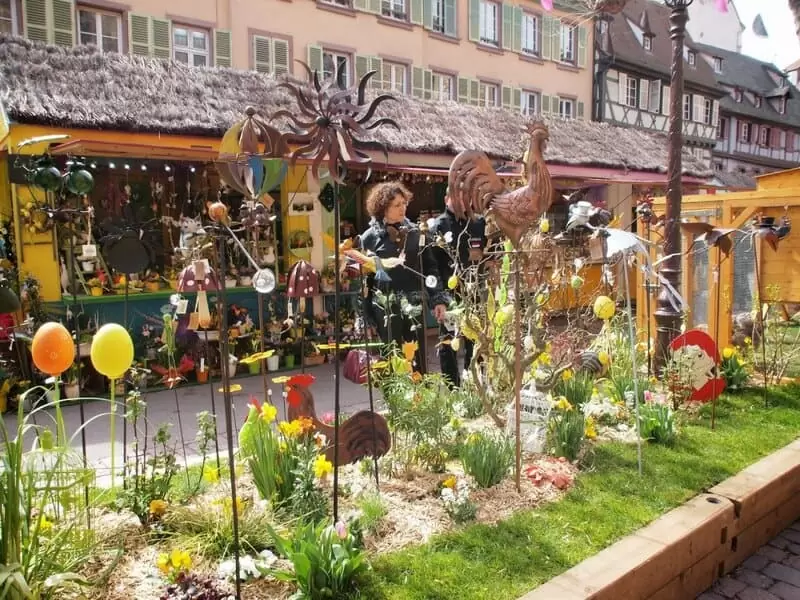
Finland
According to the Finns, as, indeed, most of their Scandinavian neighbors, Easter holidays are best spent in nature with family: the first warm spring days after a long winter are coming, and, in addition, the Easter holidays in Finland last as long as four days – from Friday to Monday, which gives you the opportunity to take a break from the city’s business bustle. In Finland, preparation for the celebration of Easter traditionally begins on the evening of Maundy Thursday.
A string of cars stretches out of town: most Finns prefer to celebrate Easter at their dacha. On Maundy Thursday, everyone finishes their working day early, shops for the holiday, bakes Easter cakes and dyes eggs. The first day of the Easter holidays in the Finnish capital – Good Friday – passes quietly: shops, banks, post offices are closed, most residents leave. On Friday and Saturday, on the eve of the Bright Resurrection of Christ, bonfires are traditionally lit in Finland. According to beliefs, the fire and smoke of the bonfire drive away evil spirits.
One of the main events of the Easter celebration is the procession of the cross with the image of the Passion of the Lord. It takes place in the evening on Saturday in the center of Helsinki. Every year, several tens of thousands of spectators gather to watch the theatrical performance. With the advent of Easter, all evil is considered defeated and expelled, and they say that even the sun dances with joy, therefore, the tradition of meeting the sunrise is associated with the meeting of Easter.
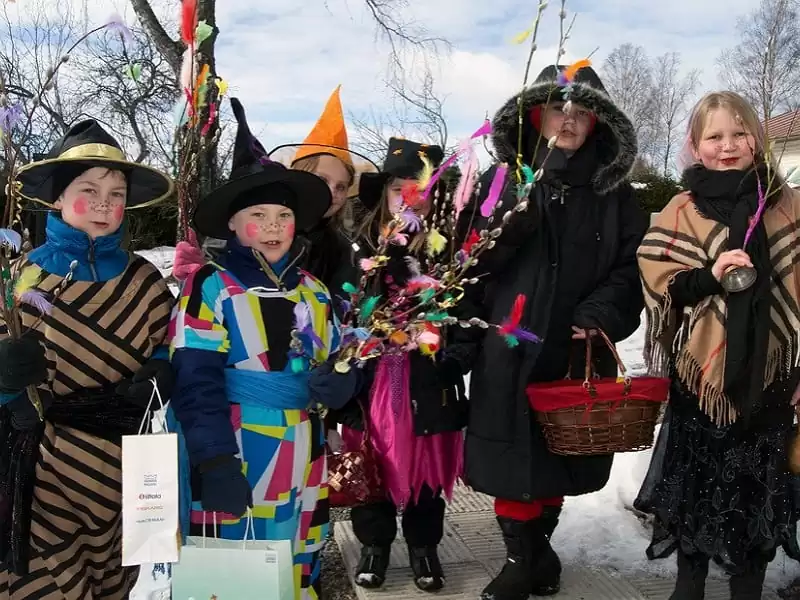
England
Modern traditions of celebrating Easter in England are very cheerful, bright, colorful and joyful. Easter is considered one of the most important holidays of the year. On Easter Day at dawn, religious services are held in churches. In Catholic churches, concerts of organ music are held. On this day, it is customary to wear new clothes, which symbolizes the end of the bad weather season and the arrival of spring.
Easter baskets, filled with eggs, bread and other food, are taken to Easter service to be consecrated in church. On Easter Monday, it is customary to give children sweets and toys on the streets. Children are looking forward to Sunday, when they wake up and see that the Easter bunny has left them baskets with sweets and hidden the eggs that they painted last week.
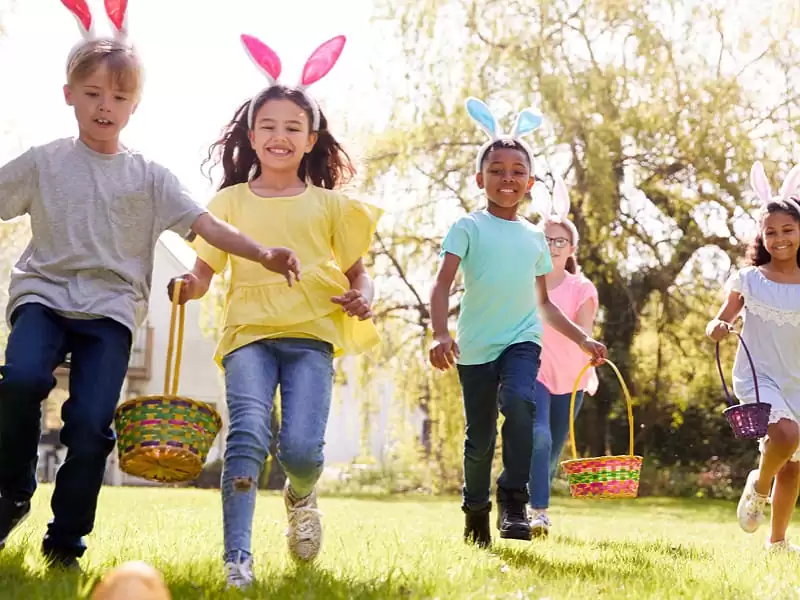
Children search for eggs all over the house. Special competitions are even held – egg hunts. The child who collects the most receives a prize. Such holidays are arranged in parks and restaurants, but you can arrange an egg hunt at home, to the joy of the children. On Maundy Thursday (Pancake Thursday) there is a pancake race.
Germany
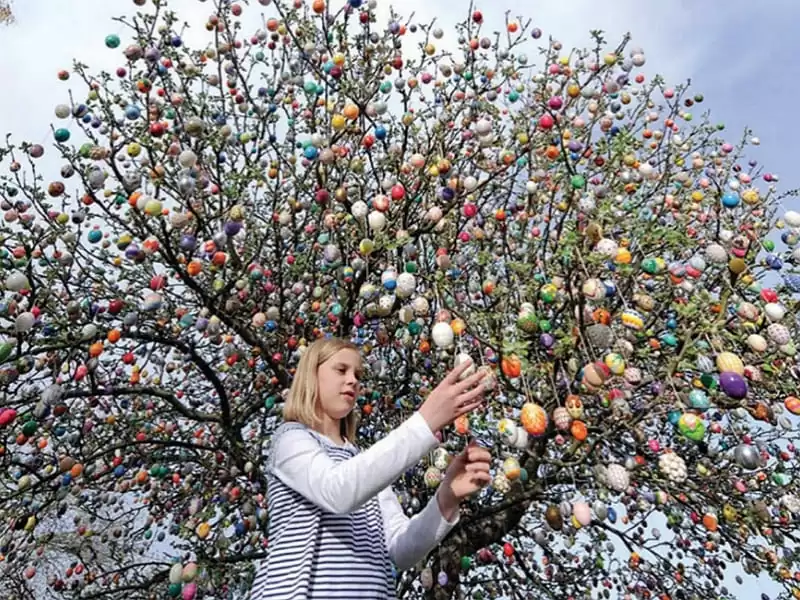
Instead of fruits, 9800 Easter eggs hang on the tree. The Kraft family has been decorating the tree for Easter for over 40 years.
Poland
The morning of Easter Sunday in Poland begins with a festive mass in the church, after which the Poles sit down at the festive table. Traditionally, all generations of one family should gather at this table. The festive meal begins with a prayer. Breakfast consists of consecrated Easter cake, eggs, horseradish, meat and sausage. Easter Sunday is followed by Wet Monday.
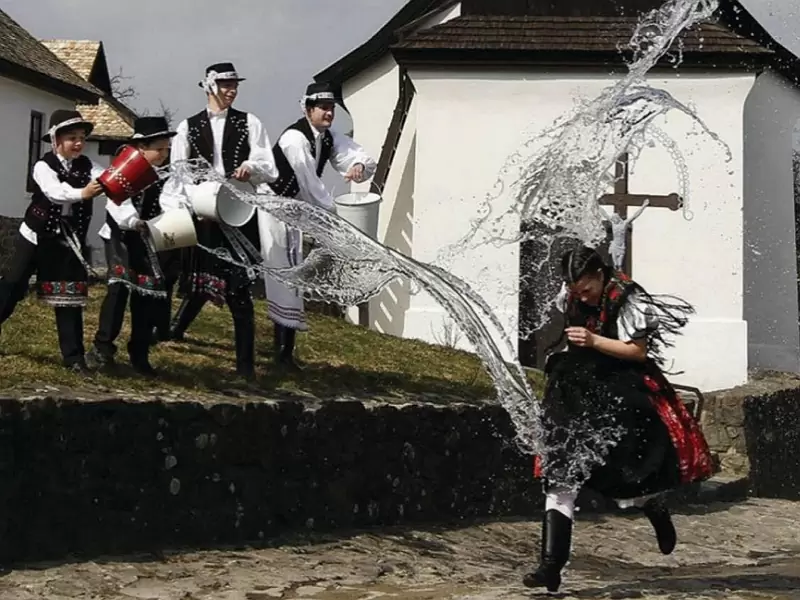
Poles generously pour water on each other. Water “bombs”, bags filled with water, fall from windows onto pavements and the heads of passers-by, explode in subway cars, dousing passengers, but no one complains, on the contrary, everyone is happy. It is believed that water brings health, good luck, and profit to the household. To remain dry on “Wet” day is an extremely bad omen.
USA
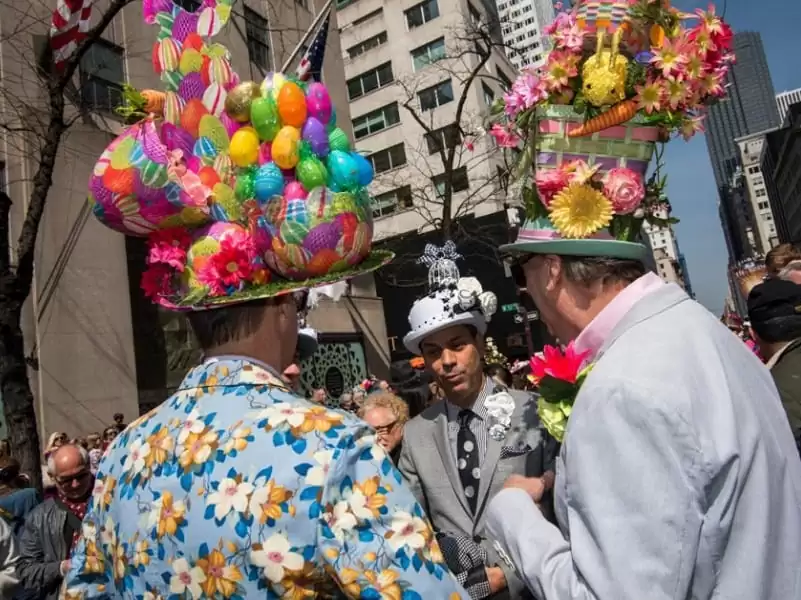
Being a multinational country, and therefore multi-confessional, America does not observe any one specific tradition of celebrating Easter. The only feature that is common to Americans of all religions is that on the festive Sunday they all gather at a large table in the family circle. Also in the USA it is mandatory to attend Easter service in the church, which is called “At sunrise” and starts at 6 am.
Thus, Easter for Christians is a day of prayer and family gatherings. However, a significant part of the US population is Catholic, and they do not deny themselves entertainment.
For example, in Boston, Massachusetts, on the festive day, dolls appear on sale depicting the Prophet Moses with the tablets of the Covenant in his hands, Queen Esther and Jesus Christ. These dolls can pronounce phrases from the Bible and cost $10, and they owe their origin to a Boston family couple who began teaching their daughter the basics of the Bible with the help of such dolls.
Among many Americans, the tradition of coloring Easter eggs has also been preserved. And the next day, on Monday, the annual Easter egg rolling takes place on the lawn of the White House, in which the US president also takes part along with the children. This custom came to America from Great Britain and is carefully maintained, bringing a lot of pleasure to adults and children.
On this day, it is customary to give baskets with painted eggs and a huge amount of various sweets. Each egg traditionally contains a question and the person who received such an egg must answer it. One of the most popular Easter sweets in North America is Marshmallow Peeps. This is marshmallow in the form of chicks, bunnies, etc.
America is a multinational country and does not observe any one tradition of celebrating Easter. A common tradition for residents of America of all religions is to gather in the family circle at a large table on Easter Sunday.
Romania
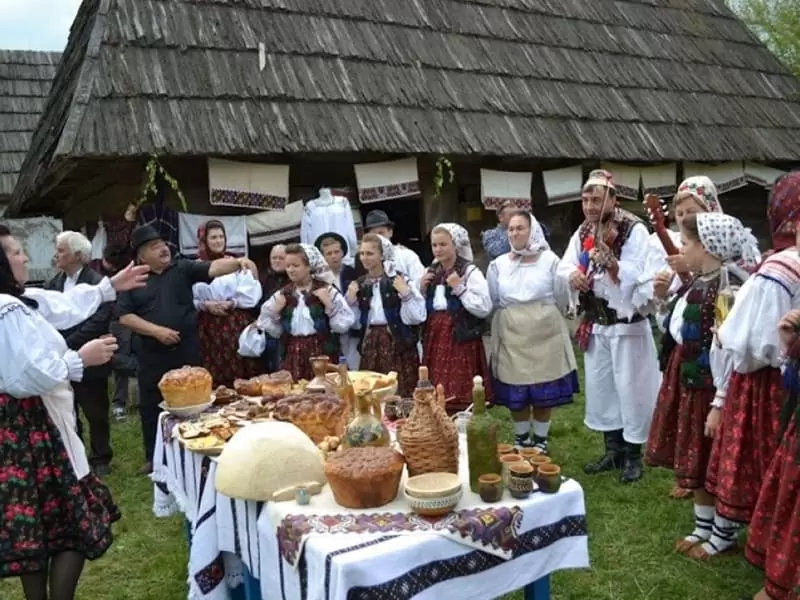
Even church ministers admit that in Romania Easter is not only a Christian holiday, but, due to the fact that it falls on the period of transition from cold to warming, it combines and carries over many pre-Christian practices, customs and traditions. This symbiosis between Christian and pagan has led to the fact that Easter holidays have become something unique in the calendar series of other church holidays.
From Holy Thursday, men suspended their economic work, while women began to prepare ritual dishes – baking Easter cake (kulich), as well as specially baked kalach (cozonac). On this day, red Easter eggs were painted, as well as pysanky (decorated Easter eggs).
In Romania, a traditional Easter dish is also roasted Easter lamb. All these dishes were prepared in the oven. Another curious dish inherent in Romania and Moldova – babele – Easter baba, a sweet dish made from pasta, noodles, which were poured into special molds, specially prepared in the oven.
It must be said that since there was a custom to cook baba, then, of course, there was also a dish of the “opposite sex” – ded. But, unlike baba, a dish that was sweet and should definitely remain white after cooking, ded was sour or salty in taste, and the color was necessarily brownish, in general, dark.
Conclusion: A Holiday Uniting the World
As we can see, the traditions of celebrating Easter in different countries are strikingly diverse: from solemn processions in Spain and Italy to cheerful “water battles” in Poland and family picnics in Greece. Somewhere the emphasis is placed on strict adherence to church canons, and somewhere Easter is closely intertwined with ancient folk rites of meeting spring.
Despite the differences in cuisine – be it Italian “Pasqualina”, Romanian “baba” or English Easter eggs – the essence of the holiday remains unchanged for millions of people around the world. Easter is:
- A Symbol of Renewal: a time when nature awakens and people strive for spiritual cleansing.
- A Triumph of Life: a reminder of the victory of light over darkness and hope over despair.
- Family Unity: a rare opportunity to gather all generations, from young to old, at one table to share joy and warmth.
The diversity of Easter customs only emphasizes the richness of human culture. But no matter where in the world you find yourself on this bright day, the main decoration of the holiday always remains sincere smiles, good wishes and faith in the best. Let the traditions of different peoples inspire you to add something new to your family holiday, while preserving the most important thing – love and harmony in the circle of loved ones.