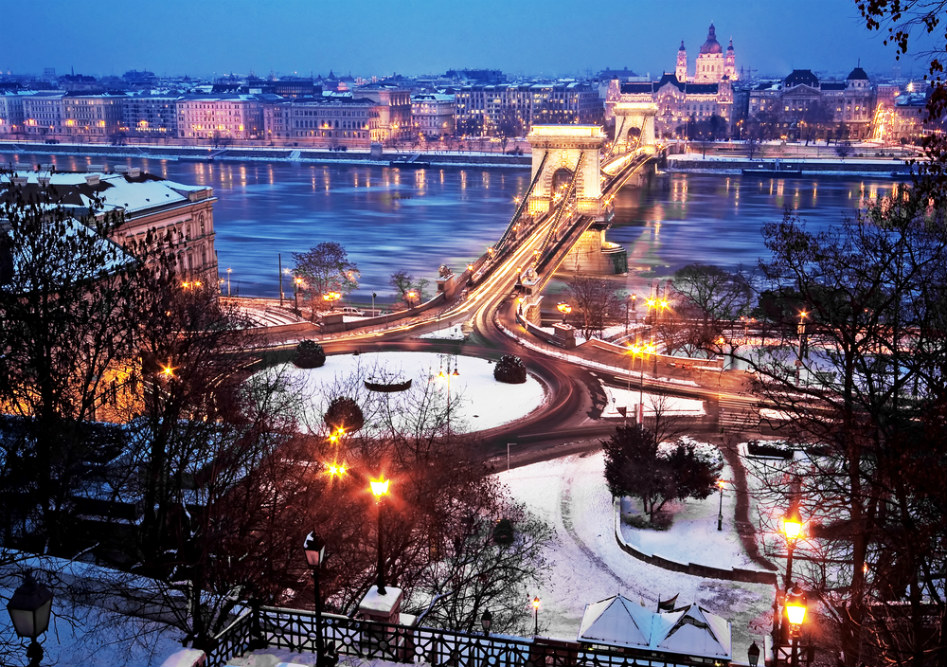
Hey traveler! So, maybe there are only hints of autumn outside, but we know: the sled is prepared in the summer, and a budget winter vacation – almost a year in advance. Winter 2025-2026 promises to be… well, as usual, cold, but that doesn’t mean we should freeze in despair at home.
Let’s be honest: when you hear “winter in Europe,” images of Swiss chalets with fireplaces immediately pop into your head, where one glass of mulled wine costs as much as a Boeing wing, or Christmas in Paris, where you’d have to sell a kidney for a night in a hotel. But Europe is huge, diverse, and, most pleasantly, sometimes very affordable.
We sat here, dug through maps, prices, and trends to put together a guide for you to places where you can have a great vacation, eat delicious food, see a fairy tale, and not be left with empty pockets by spring. Let’s figure out where to go!
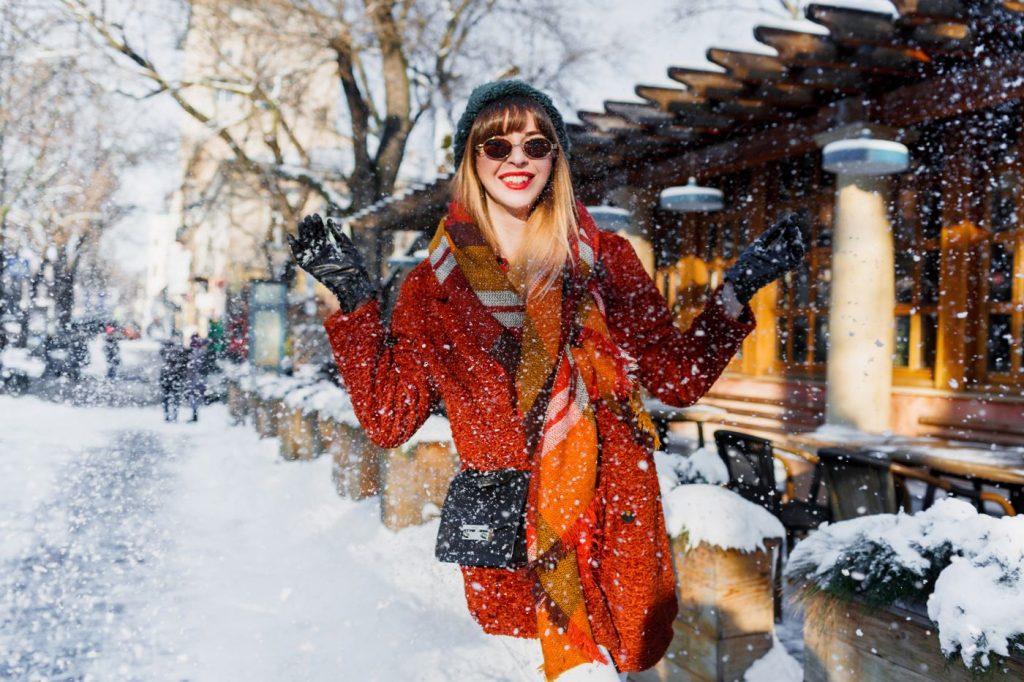
Busting Stereotypes: The Balkans are the “New Black”
Seriously, if you haven’t tasted the Balkans in winter, you’re missing out. This is a region that manages to combine home comfort, incredibly delicious food, and prices that make you want to cry tears of happiness, not sorrow.
Bulgaria: Skiing for the People
Forget Courchevel. If you want to ski or snowboard but don’t want to pay for a ski pass the price of a used car, go to Bansko. Yes, it’s not the Alps in terms of pomp, but the slopes are excellent, the lifts are modern, and the atmosphere in the town is simply amazing. The main advantage: after skiing, you go to a local mehana (tavern), order a mountain of meat, salad with feta cheese, and a jug of wine, and the bill will pleasantly surprise you.
If skiing isn’t your thing, go to Plovdiv. This is the cultural capital, the oldest city in Europe, where there are no crowds of tourists in winter. Narrow cobbled streets, Roman ruins under the snow, and a bunch of hipster coffee shops in the Kapana district. It’s very atmospheric and very cheap.
Bosnia and Herzegovina: An Eastern Tale in the Heart of Europe
Sarajevo in winter is magic. Imagine: you’re walking through the old bazaar Baščaršija, smelling coffee from a cezve and fresh burek (meat pie). Around you are minarets, Austro-Hungarian architecture, and mountains embracing the city from all sides.
Here you can rent excellent apartments in the center for next to nothing. And if you want thrills, the Olympic mountains (Jahorina and Bjelašnica) are only a 30-minute drive away. They also have skiing there, and it’s also cheap. Bosnia is about the soul, about slow conversations, and about the fact that happiness is not in money, but in good company and delicious food.
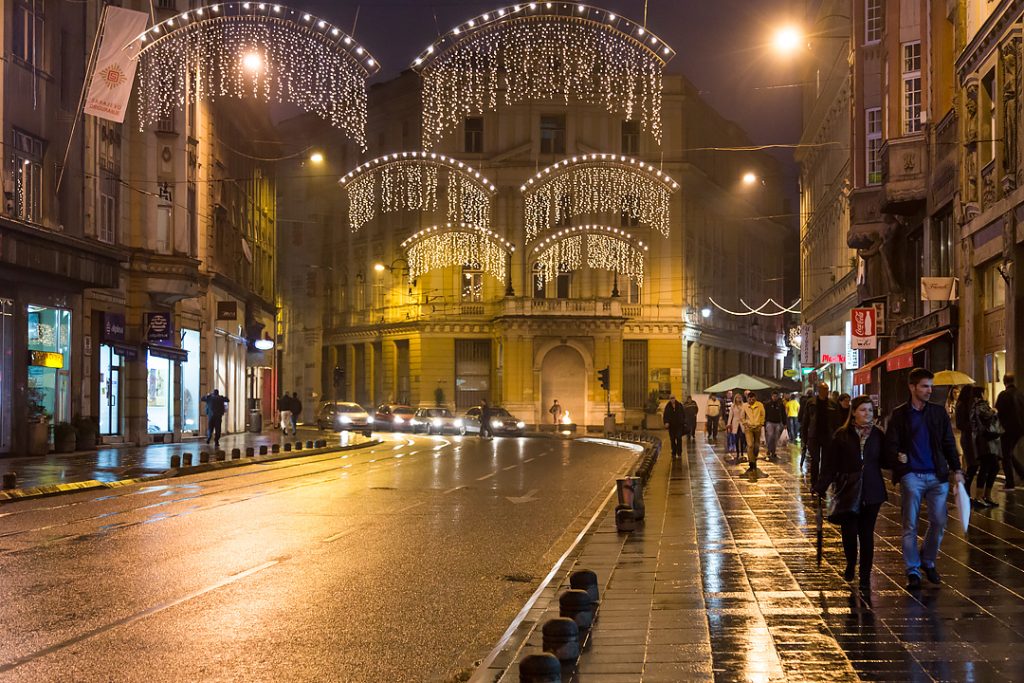
Central Europe: Classic, but Smart
Think Vienna and Prague are inaccessible in winter? Well, the price tag really bites right around Christmas. But there are life hacks and alternatives.
Slovakia: A Neighbor That’s Underrated
Everyone goes to Prague, but you take a ticket to Bratislava. It’s cozy, compact, and much cheaper than its Czech sister. From here you can get to Vienna by train in an hour, stroll through the luxurious markets, drink punch, take a selfie at the Town Hall, and return to budget Slovakia for the night.
But Slovakia’s main trump card in winter is the Tatras. Poprad or Jasná are mountains, thermal springs in the open air (you sit in hot water, and snow falls on your head – bliss!) and dense forests. Prices for accommodation and food here are quite reasonable, especially if you book in advance.
Hungary: More Than Just Budapest
Okay, who am I kidding, Budapest is beautiful in winter. And it’s still one of the most affordable capitals in the EU. The main winter attraction here is the baths. Széchenyi or Gellért are classics, but try going to Rudas or Lukács, there are fewer tourists and lower prices.
In the evening, be sure to check out the ruin bars. This is a Budapest feature: bars in old, semi-ruined houses with crazy interiors. Mulled wine at the fair near St. Stephen’s Basilica is also a must-try. If Budapest seems expensive, you can go to Eger – a wine region with a fortress and, again, thermal waters.
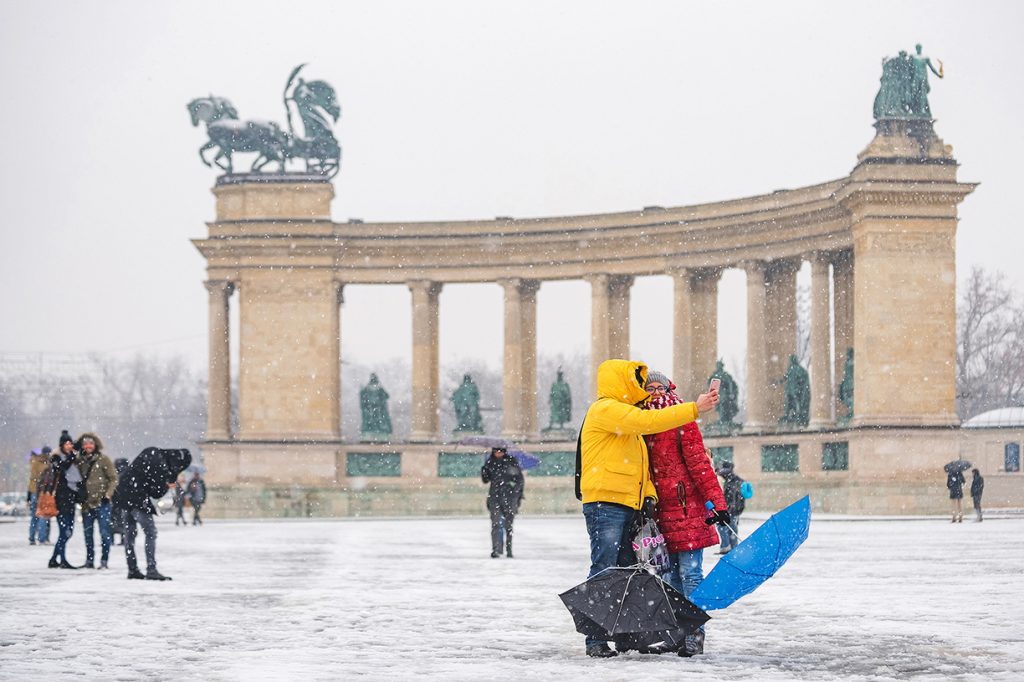
The South is Not for Swimming, but for the Soul
Who said you should only go south in the summer? In winter, there is no exhausting heat, no crowds, but there is sun, greenery and “off-season” prices.
Portugal: Ocean and Pastel de Nata
Lisbon and Porto in winter are for those who don’t like snow. The temperature rarely drops below +10-12 degrees. Yes, it may rain, but the sun comes out often. Housing prices in January-February fall by half compared to the summer.
Imagine: you are sitting on the shore of the Atlantic, watching the huge waves (they are especially powerful in winter), drinking port wine and eating the freshest seafood. And Portugal is one of the cheapest countries in Western Europe in general. Lunch in a “tasca” (local diner) will cost you a penny, and the taste will be like in a Michelin restaurant.
Sicily, Italy: Visiting Don Corleone
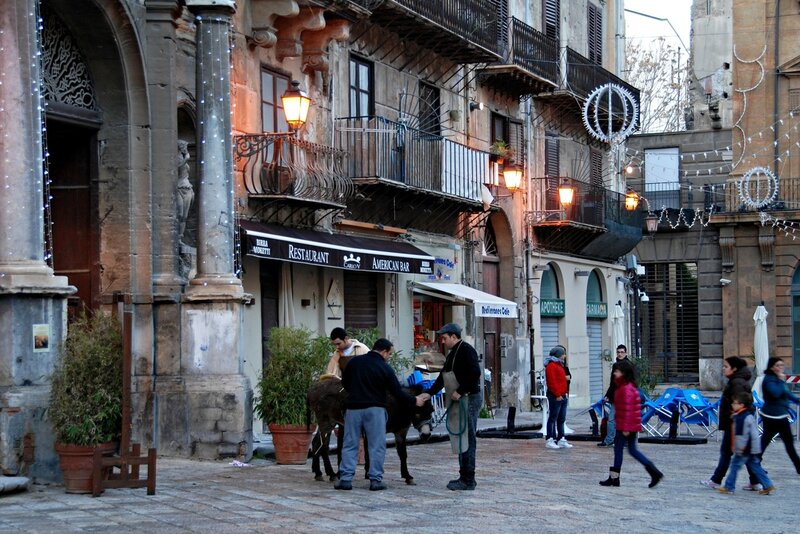
All of Italy is beautiful in winter, but Sicily is a separate story. In summer it is +40 and you can’t breathe, and in winter it is a comfortable +15. There are almost no tourists, and you can safely stroll through the ancient Greek temples in Agrigento or wander the streets of Palermo without elbowing your way through the crowds.
Food in Sicily is a religion. Cannoli, arancini, pasta with sardines… In winter, oranges and lemons hang right on the trees in the cities. Housing prices in winter fall to ridiculous levels. You can rent a villa or apartment with sea views for the price of a hostel in Rome.
The Baltics: For Those Who Like It Hotter (in the Sauna)
If you are not afraid of the cold, but, on the contrary, are looking for a real winter atmosphere, but Scandinavia scares you with prices, look at the Baltic countries.
Estonia and Latvia: Middle Ages and Comfort
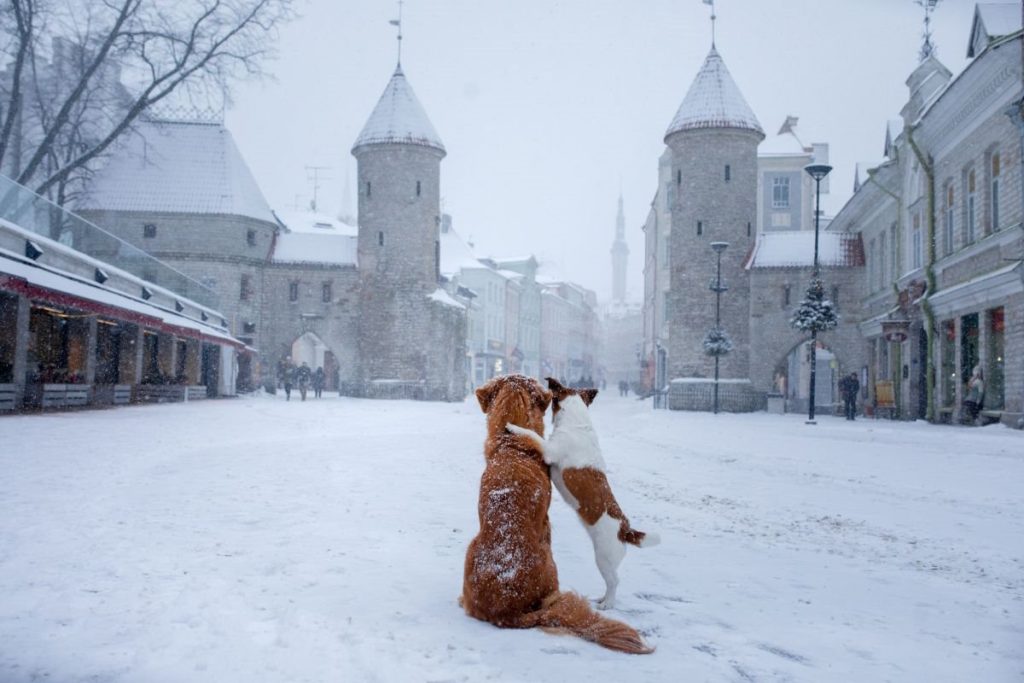
Tallinn and Riga in winter are like living postcards. The old cities, wrapped in snow, look magical. Yes, it can be windy and frosty here, but this is a great reason to go to a cafe to drink hot chocolate with Vana Tallinn liqueur or Riga Black Balsam.
The spa culture is very developed here. Going to Jurmala or Pärnu in winter, checking into a spa hotel and just soaking in the jacuzzi and warming up in the saunas for a couple of days is an ideal reboot plan. Prices are lower than in Finland or Sweden, and the service and quality are often even higher.
Secret Ingredient: How to Save Even More
And finally, a couple of tips from an experienced traveler to make your wallet thank you:
- Dates are everything. Avoid the period from December 20 to January 7. This is the “golden time” when prices skyrocket everywhere. Go in the second half of January or in February. This is the cheapest time of the year.
- Travel light. Low-cost airlines often sell tickets for 10-20 euros in winter, but baggage costs as much as an airplane wing. Learn to pack everything in a backpack – it’s freedom.
- Eat like a local. Forget restaurants in the main squares with menus in 10 languages. Go where the local grandfathers sit. Or buy groceries in markets and supermarkets – having a picnic in the room with local cheeses and wine can be cooler than any restaurant.
- See the free stuff. In most European cities, there are days when admission to museums is free. Or there are cool free walking tours, where you only pay tips to the guide.
Let’s Summarize
Winter 2025-2026 is not a reason to hibernate. This is a chance to see Europe differently: calm, real, without filters and crowds of Chinese tourists with selfie sticks. This is a time when you can feel the soul of cities, warm up with the warmth of local residents and understand that a budget vacation can be a hundred times cooler than an expensive “all-in”.
So choose a point on the map – be it the snowy Balkans, warm Portugal or fabulous Central Europe – and start planning. The world is open, tickets are waiting, and impressions are priceless, and you definitely shouldn’t save on them. Have a good winter and bright travels!